

Have you ever noticed your dog softly whimpering or twitching in their sleep and wondered what’s going on in their mind? It’s a common sight for dog owners, and while it might seem concerning, experts suggest that these behaviors are often signs that your furry friend is dreaming – possibly about you.
Understanding Canine Sleep Patterns
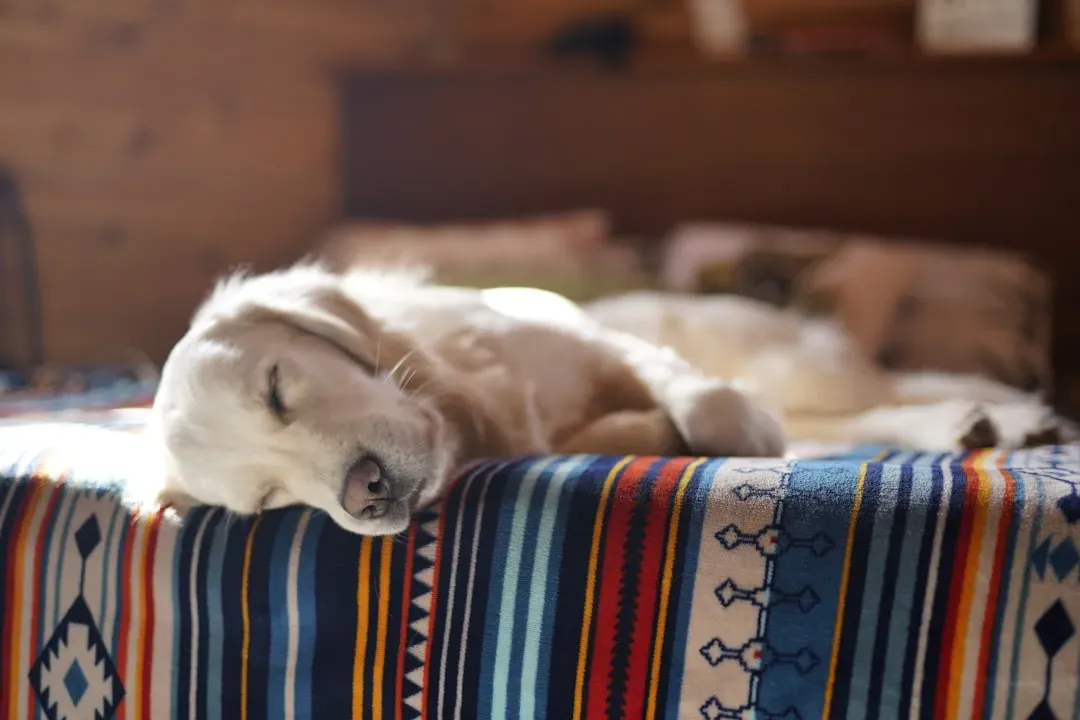
Dogs, much like humans, experience various stages of sleep, including the Rapid Eye Movement (REM) phase, which is closely associated with dreaming. During REM sleep, a dog’s brain activity increases, leading to physical manifestations such as twitching, paw movements, and vocalizations like whimpering. This stage is crucial for memory consolidation and emotional processing.
Interestingly, the frequency and intensity of REM sleep can vary based on factors like age and breed. Puppies and senior dogs tend to spend more time in REM sleep, which might explain why they often exhibit more pronounced dream-related behaviors.
What Do Dogs Dream About?

While we can’t know for certain what dogs dream about, research suggests that their dreams often reflect their daily experiences. This means your dog might be dreaming about activities like playing fetch, chasing squirrels, or even spending time with you. Given the strong bond between dogs and their owners, it’s highly likely that you play a starring role in their dreamscapes.
Observations have shown that dogs may reenact behaviors typical of their breed during dreams. For instance, a retriever might appear to be fetching, while a herding dog could be seen corralling imaginary sheep. These dream behaviors are a testament to the deep-seated instincts and experiences that shape a dog’s life.
Decoding Whimpering During Sleep

When your dog whimpers in their sleep, it’s often a sign that they’re experiencing a vivid dream. These vocalizations, along with other movements like twitching or paw paddling, are normal and usually nothing to worry about. They indicate that your dog’s brain is actively processing experiences and emotions from their waking hours.
However, if the whimpering is accompanied by signs of distress, such as sudden waking or confusion, it might be worth monitoring. In most cases, though, these sounds are just part of the natural dreaming process.
Can Dogs Have Nightmares?

Just as dogs can have pleasant dreams, they can also experience nightmares. If your dog seems distressed during sleep – whimpering loudly, growling, or exhibiting restless movements – they might be having a bad dream. It’s important to remember that occasional nightmares are normal and not necessarily a cause for concern.
Experts advise against waking a dog during a nightmare, as this can startle them and potentially lead to defensive reactions. Instead, allow them to wake naturally and offer comfort once they’re awake.
When to Be Concerned
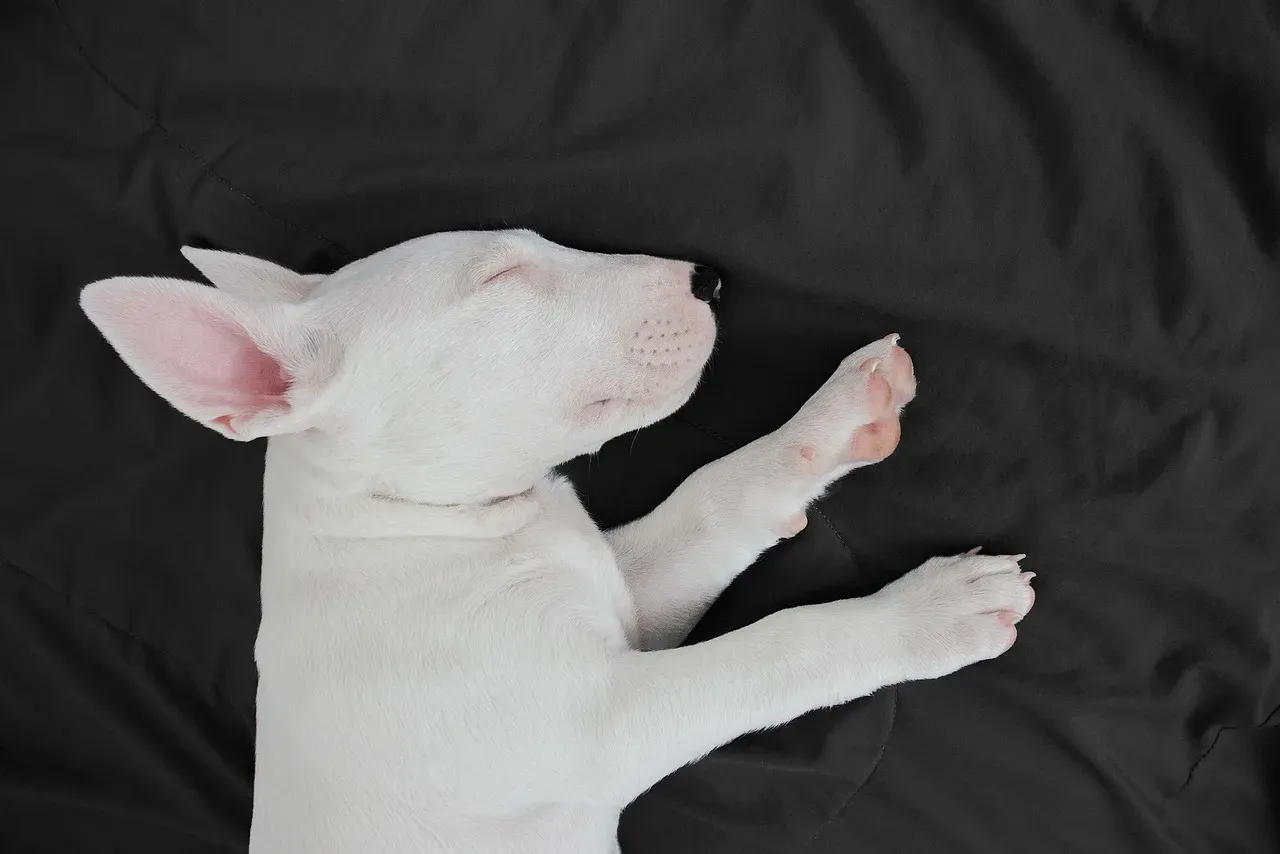
While sleep-related whimpering is typically normal, there are instances where it might indicate an underlying issue. If your dog’s sleep behaviors change suddenly, become more intense, or are accompanied by signs of pain or discomfort during the day, it’s advisable to consult a veterinarian. Conditions like REM sleep behavior disorder or other medical issues could be at play.
Monitoring your dog’s overall behavior and health can help you determine whether their sleep patterns are typical or if they warrant professional attention.
Supporting Your Dog’s Sleep Health
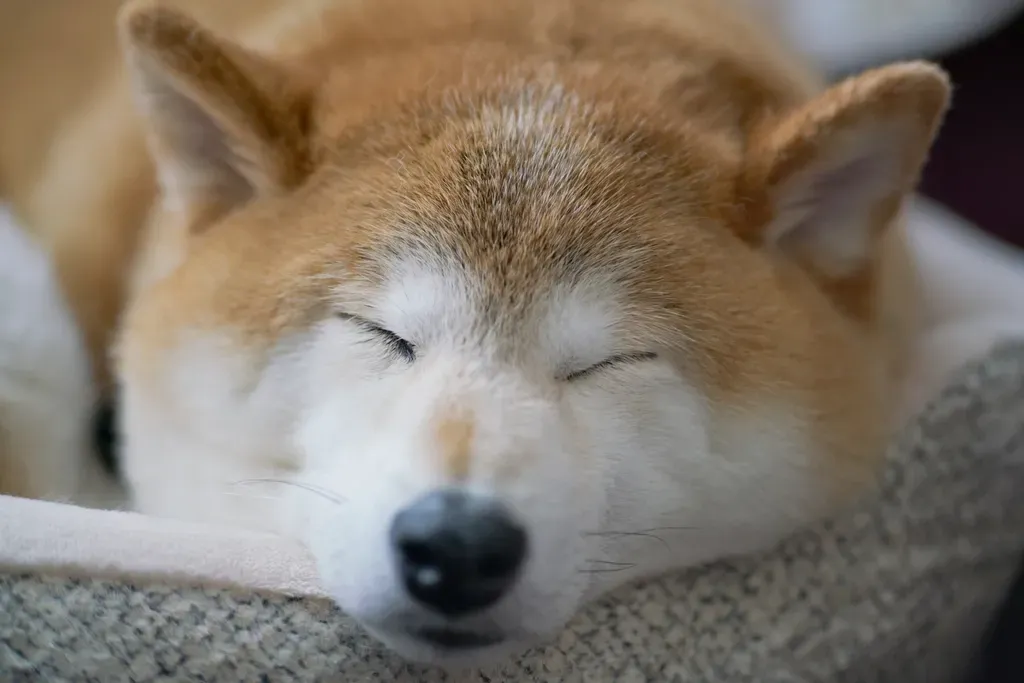
Ensuring your dog has a comfortable and safe sleeping environment can promote healthy sleep patterns. Providing a quiet, cozy space free from disturbances allows your dog to rest peacefully. Regular exercise and mental stimulation during the day can also contribute to better sleep quality.
Remember, just like humans, dogs need quality sleep to maintain their health and well-being. By understanding and supporting their sleep needs, you can help your furry friend lead a happy and healthy life.
Conclusion

Witnessing your dog whimper in their sleep can be both endearing and puzzling. More often than not, these behaviors are a normal part of the dreaming process, reflecting their daily experiences and the strong bond they share with you. So, the next time you hear those soft whimpers, take comfort in knowing that your dog is likely enjoying a dream-filled slumber, perhaps reliving cherished moments spent by your side.
Isn’t it heartwarming to think that you might be the star of your dog’s dreams?


