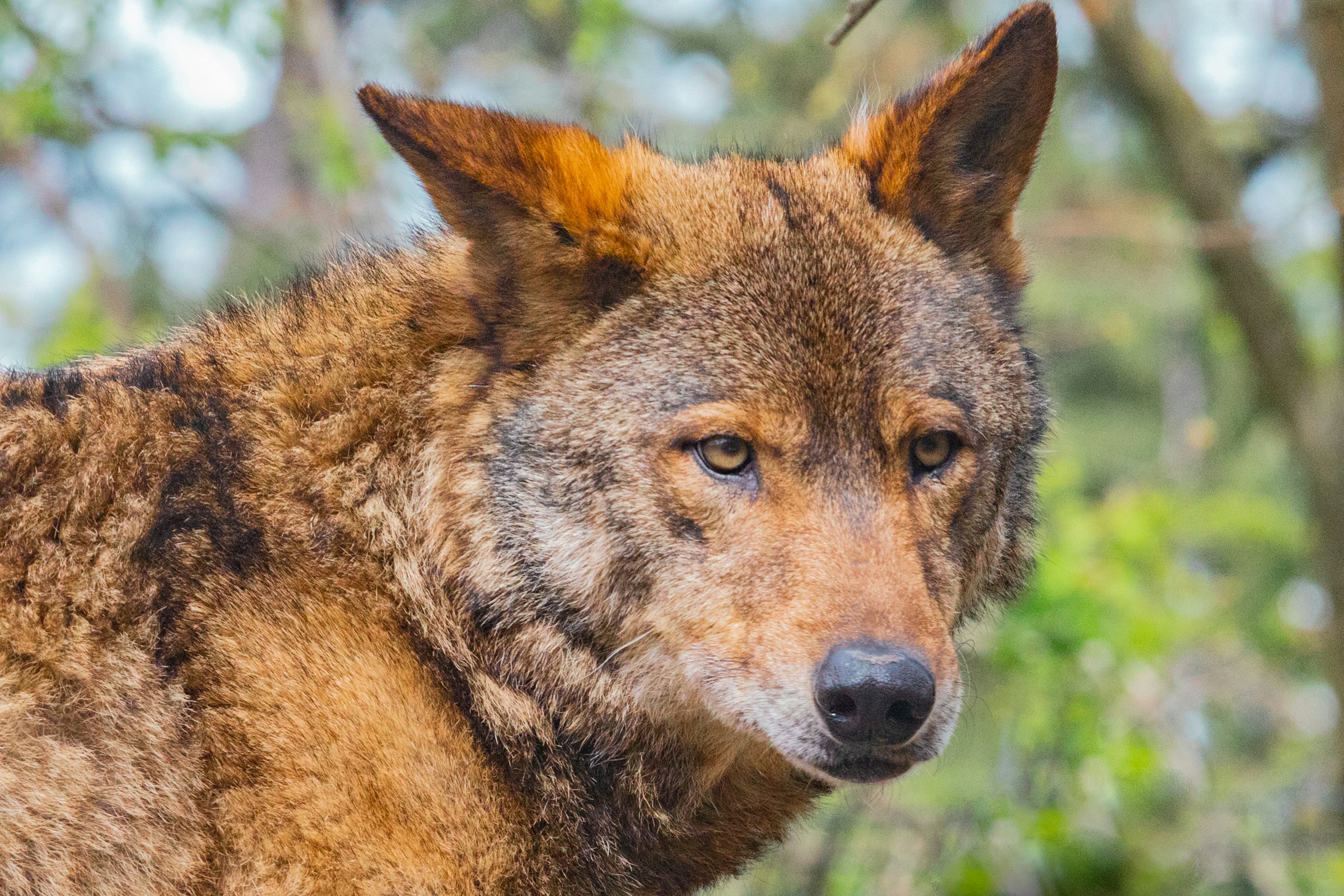
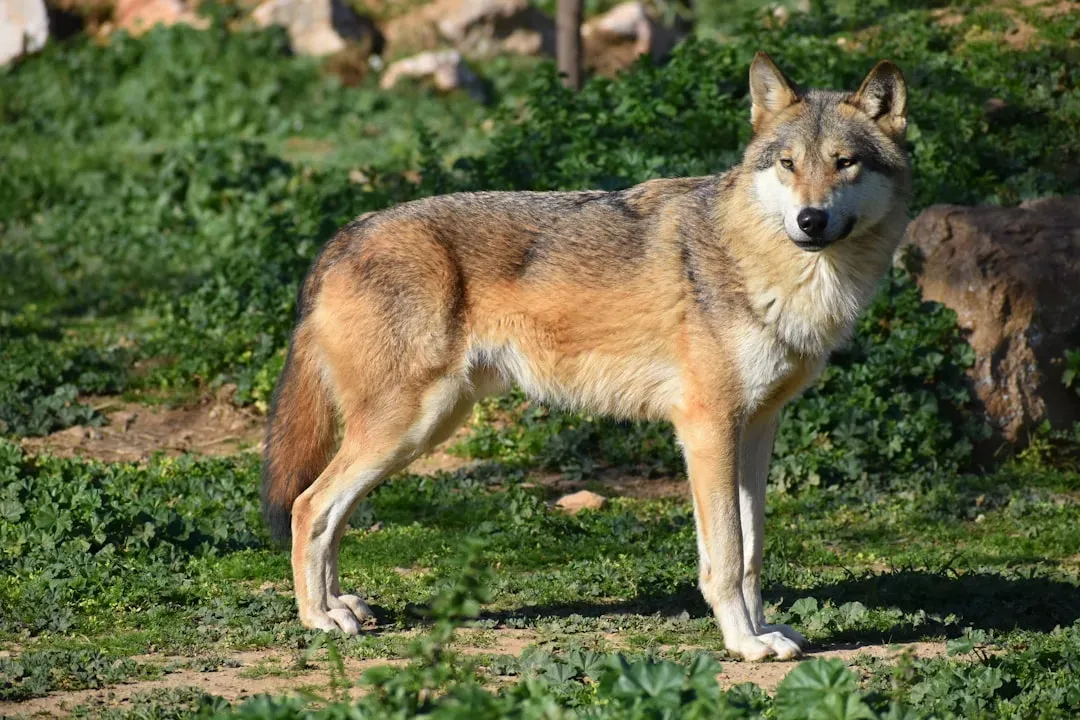
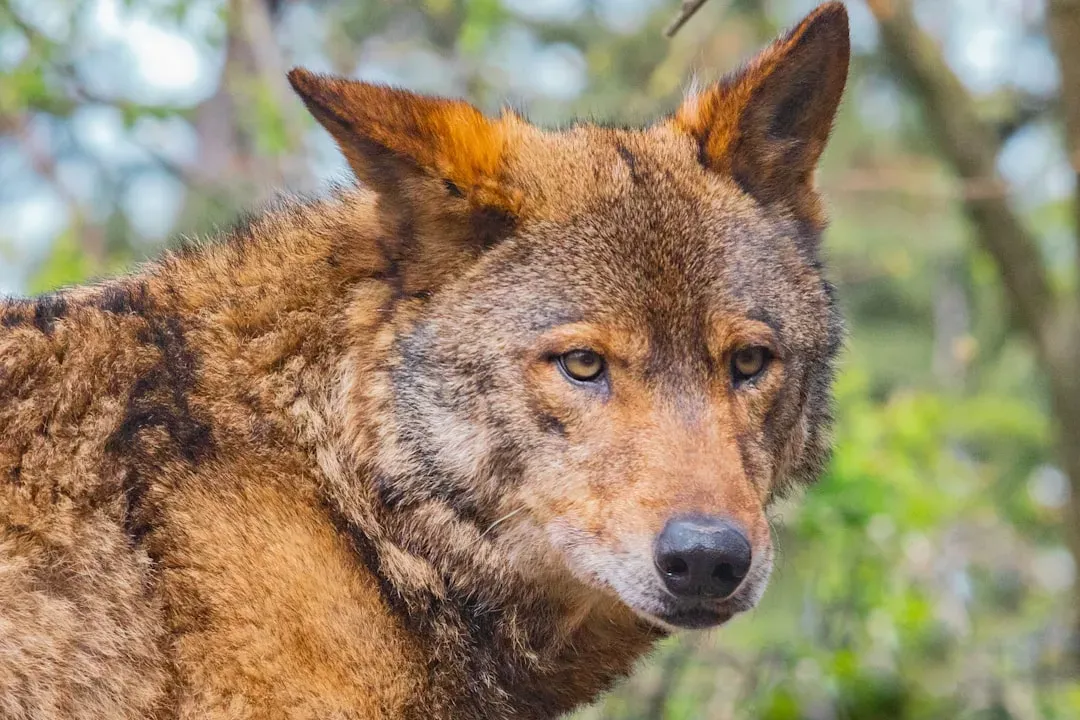
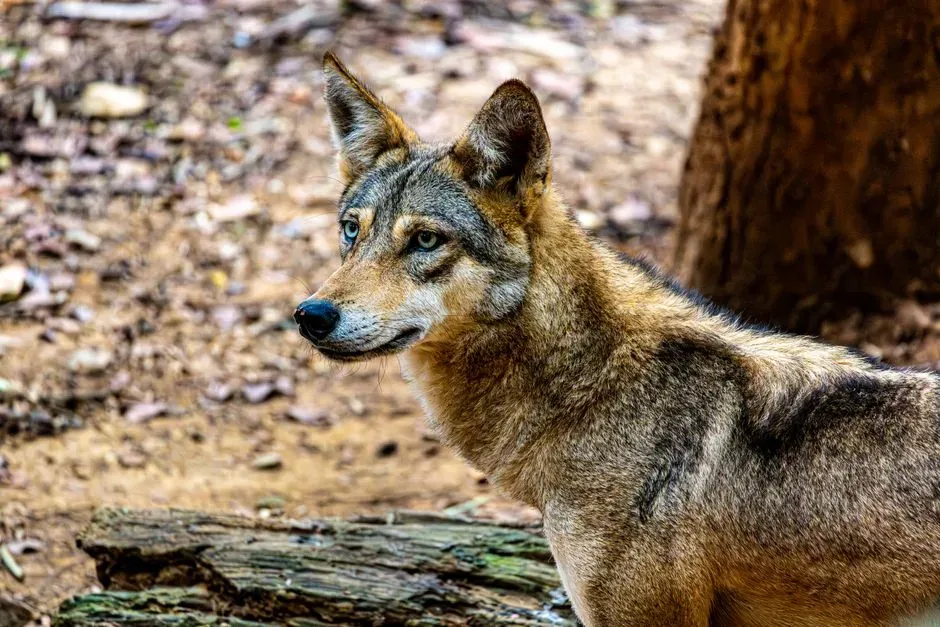
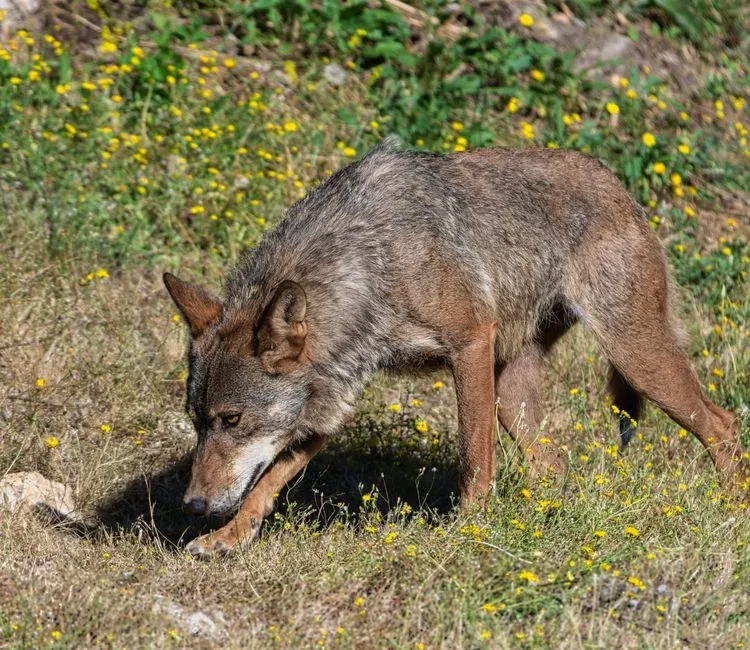
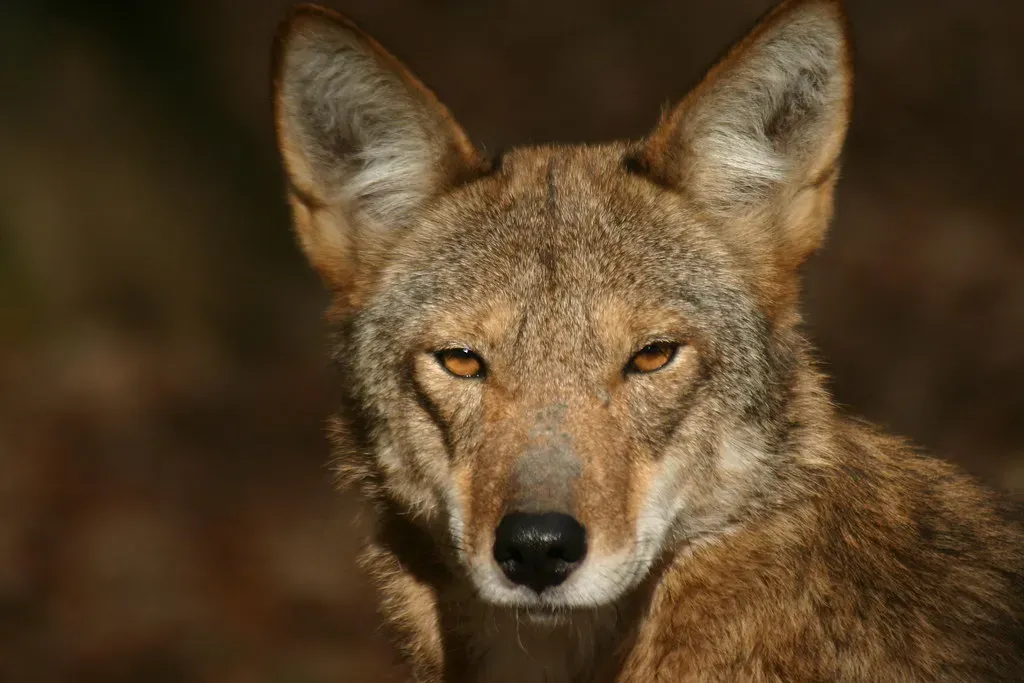
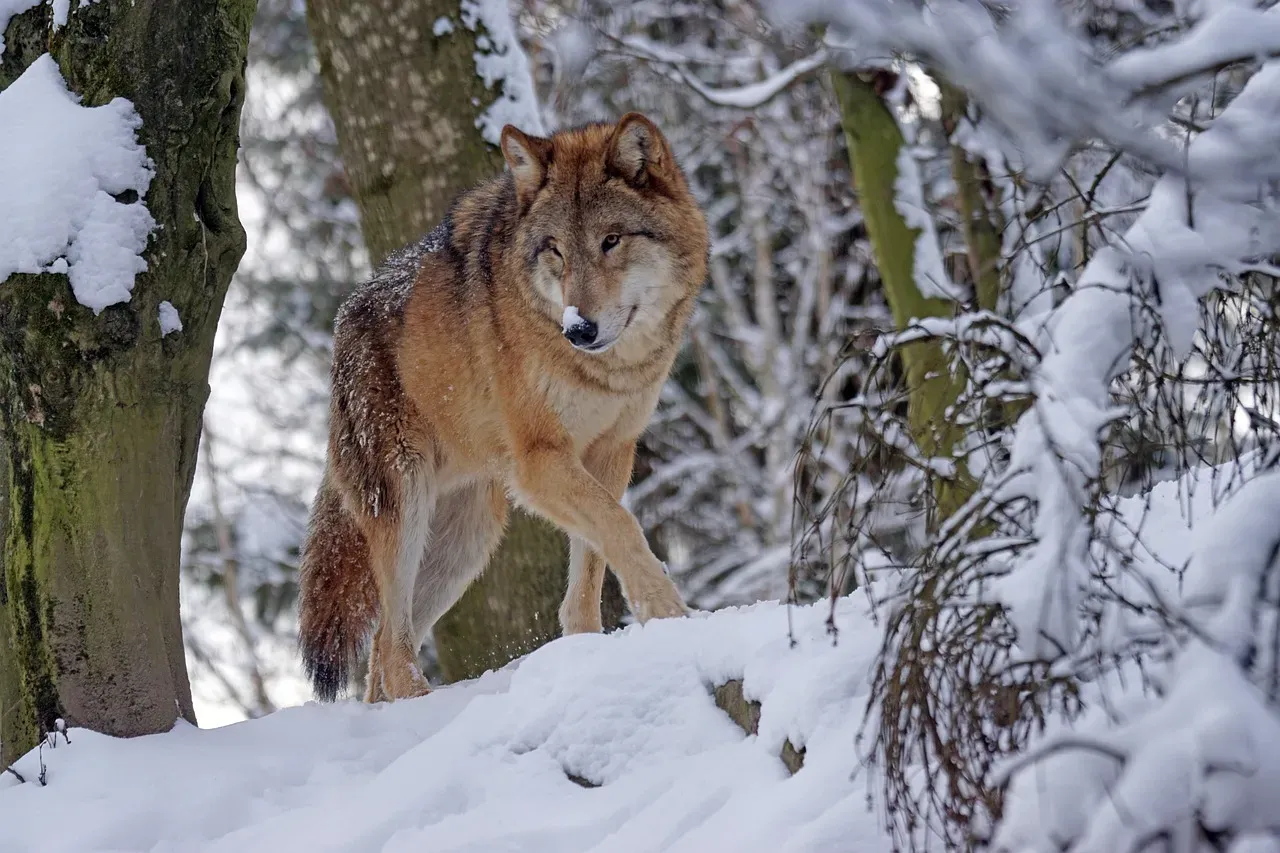
The red wolf, an emblem of America’s wild heritage, teeters on the brink of extinction. Once roaming vast stretches of the southeastern United States, these elusive canids now find themselves confined to a fraction of their former range. While many are familiar with the plight of the gray wolf, the red wolf’s story remains shrouded in mystery. Here are 12 intriguing facts that might surprise you.
1. A Unique Species with a Controversial Past
1. A Unique Species with a Controversial Past (Image Credits: Unsplash)For decades, scientists debated the red wolf’s taxonomy, with some considering it a hybrid between gray wolves and coyotes. However, recent genetic studies have confirmed that the red wolf (Canis rufus) is a distinct species, separate from its canine cousins. This distinction underscores the importance of tailored conservation efforts to preserve their unique genetic lineage.The red wolf’s evolutionary journey is a testament to nature’s complexity. Their genetic makeup reveals a blend of traits that have allowed them to adapt to diverse habitats, from dense forests to coastal prairies. Recognizing them as a separate species emphasizes the need for specialized strategies to ensure their survival.
2. Once Roamed from Texas to Pennsylvania
2. Once Roamed from Texas to Pennsylvania (Image Credits: Unsplash)Historically, red wolves inhabited a vast expanse from southeastern Texas to central Pennsylvania. Their adaptability allowed them to thrive in various environments, including forests, swamps, and coastal prairies. This extensive range highlights their ecological significance across diverse American landscapes.Their presence across such a broad territory meant they played a crucial role in maintaining ecological balance. By controlling prey populations and competing with other predators, red wolves influenced the health and diversity of numerous ecosystems.
3. Critically Endangered with Fewer than 30 in the Wild
3. Critically Endangered with Fewer than 30 in the Wild (Image Credits: Pexels)Today, the red wolf is classified as critically endangered, with estimates suggesting fewer than 30 individuals remain in the wild. This alarming decline is attributed to habitat loss, human persecution, and hybridization with coyotes. The urgency to implement effective conservation measures has never been greater.The dwindling numbers serve as a stark reminder of the fragility of species when faced with human-induced challenges. Without immediate intervention, we risk losing a vital piece of America’s natural heritage.
4. Exclusive Wild Population in North Carolina
4. Exclusive Wild Population in North Carolina (Image Credits: Pexels)The only known wild population of red wolves resides in the Alligator River National Wildlife Refuge and surrounding areas in eastern North Carolina. This region has become a critical sanctuary, offering the wolves a chance to survive and potentially expand their numbers.The choice of this location for reintroduction was strategic, considering its suitable habitat and prey availability. However, the limited range poses challenges, making the population vulnerable to environmental changes and human activities.
5. Smaller and Leaner than Gray Wolves
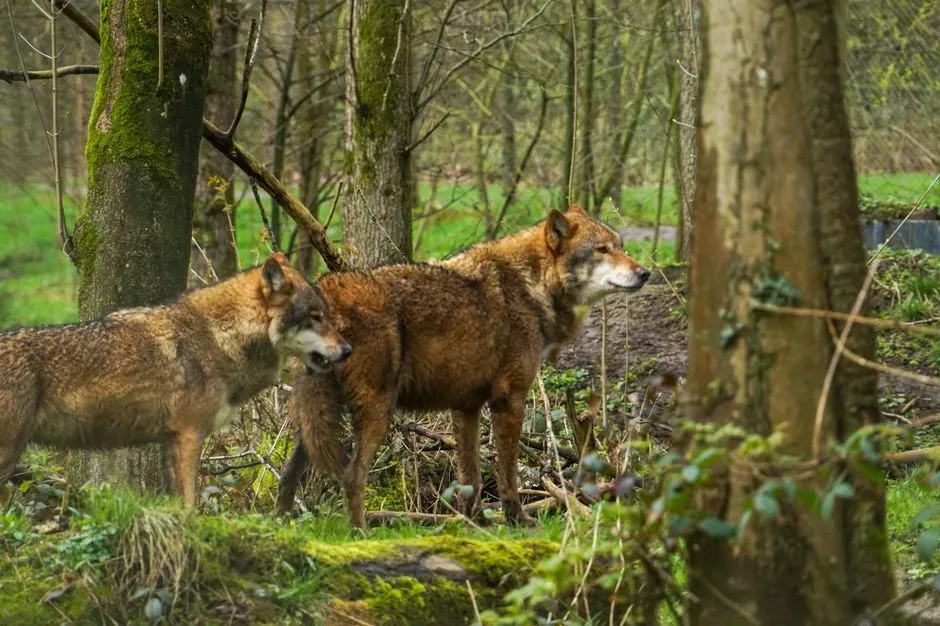
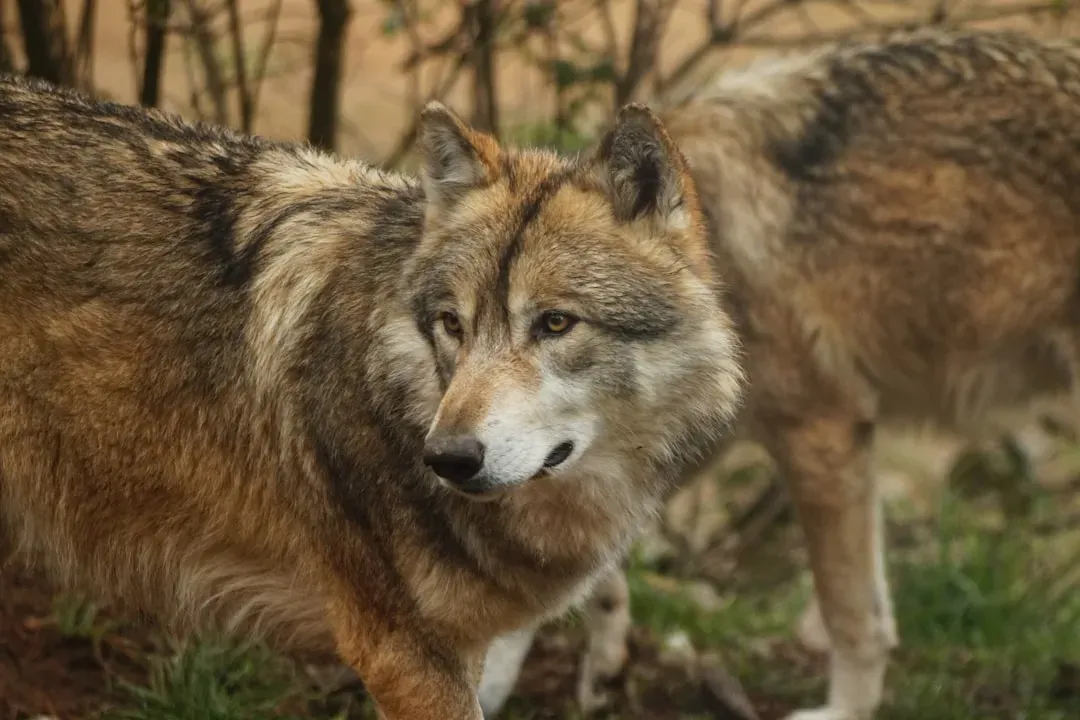
5. Smaller and Leaner than Gray Wolves (Image Credits: Unsplash)Red wolves are intermediate in size between gray wolves and coyotes. They typically weigh between 45 to 80 pounds and measure about four feet in length. Their slender build, long legs, and distinctive reddish coat set them apart from their canine relatives.This unique physique aids in their agility and adaptability, allowing them to navigate various terrains efficiently. Their appearance not only distinguishes them but also reflects their evolutionary adaptations to diverse habitats.
6. Monogamous Mating and Strong Family Bonds
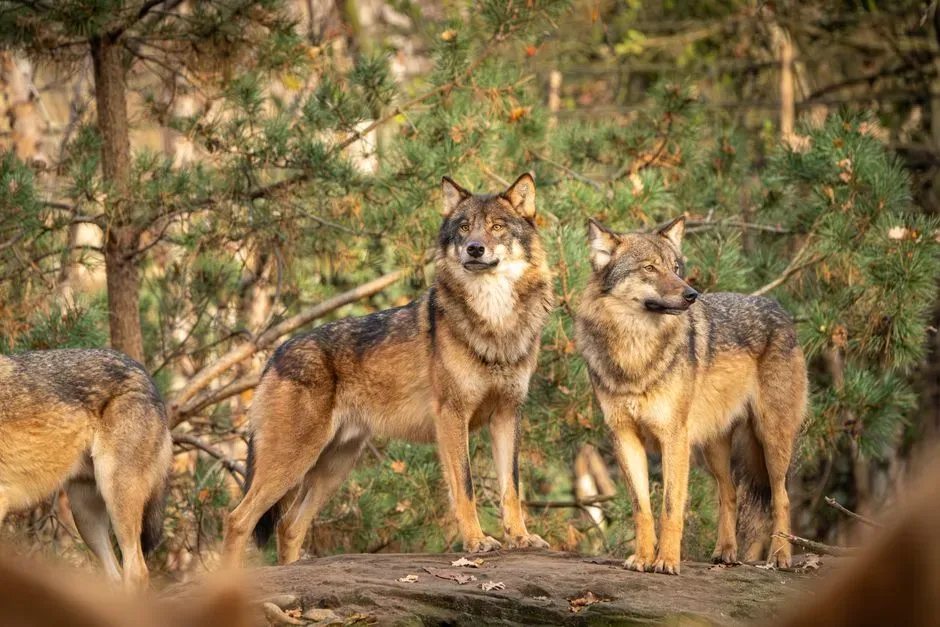
6. Monogamous Mating and Strong Family Bonds (Image Credits: Pexels)Red wolves form monogamous pairs that mate for life. These pairs lead close-knit packs, usually consisting of their offspring from various years. This strong family structure ensures cooperative hunting and effective rearing of pups, vital for the pack’s survival.The emphasis on family bonds highlights the species’ social nature. Older offspring often assist in raising younger siblings, showcasing a communal approach to survival and emphasizing the importance of each member within the pack.
7. Pups Born in Spring Dens
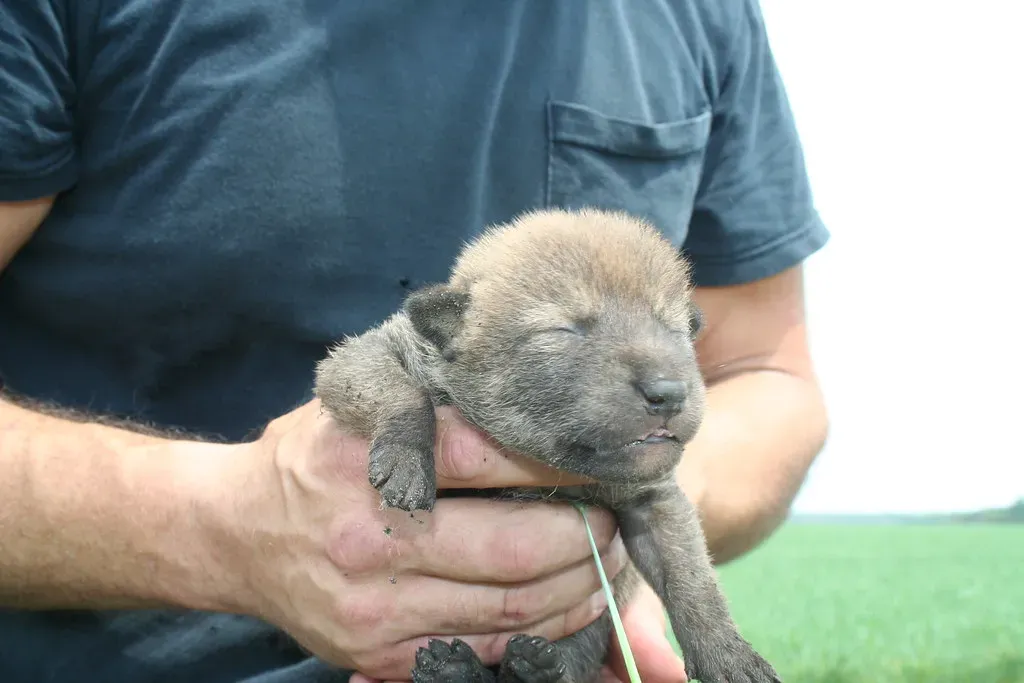
7. Pups Born in Spring Dens (Red Wolf Recovery Program, Flickr, CC BY 2.0)Mating occurs once a year, typically in February, with litters born in April or May. Dens are carefully chosen in secluded areas like hollow trees, stream banks, or dense vegetation to protect the vulnerable pups from predators and environmental hazards.The selection of den sites reflects the red wolves’ instinctual drive to ensure the safety and well-being of their young. These early weeks are critical, as the survival of pups significantly impacts the future of the species.
8. Carnivorous Diet with a Preference for Small Mammals
8. Carnivorous Diet with a Preference for Small Mammals (Image Credits: Pexels)Red wolves primarily feed on small to medium-sized mammals, including rabbits, rodents, and raccoons. They also hunt white-tailed deer when available. This varied diet showcases their adaptability and role as apex predators in controlling prey populations.By regulating these populations, red wolves help maintain the health of their ecosystems. Their hunting habits prevent overgrazing and promote biodiversity, underscoring their ecological importance.
9. Victims of Misidentification and Human Conflict
9. Victims of Misidentification and Human Conflict (Image Credits: Flickr)One of the significant threats to red wolves is misidentification by hunters, leading to accidental shootings. Their resemblance to coyotes makes them vulnerable, especially in regions where coyote hunting is prevalent. This human-induced mortality has severely impacted their numbers.Efforts to educate the public and implement protective measures are crucial. Without increased awareness, the risk of accidental killings remains a persistent challenge to their recovery.
10. Conservation Milestone: First Carnivore Reintroduction
10. Conservation Milestone: First Carnivore Reintroduction (Image Credits: Pixabay)The red wolf’s reintroduction in 1987 marked the first time a large carnivore was declared extinct in the wild and then successfully reintroduced. This pioneering effort set a precedent for future wildlife restoration projects worldwide.The success of this program demonstrated the potential for human intervention to reverse the decline of endangered species. It serves as a beacon of hope and a