Dogs are masters at concealing discomfort, a survival instinct that, while beneficial in the wild, can leave pet owners unaware of their furry friend’s suffering. Recognizing these subtle signs is crucial to ensuring your dog’s well-being. Here are seven silent signals that may indicate your dog is in pain.
1. Changes in Posture and Movement
1. Changes in Posture and Movement (Image Credits: Unsplash)A dog’s posture can reveal a lot about their health. If your dog is holding their head lower than usual, arching their back, or adopting a “praying position” (front legs stretched out, rear end up), it could be a sign of discomfort. These subtle shifts often go unnoticed but are indicative of underlying issues.Additionally, reluctance to jump onto furniture, climb stairs, or a noticeable decrease in activity levels can signal joint or muscle pain. Such behavioral changes are often mistaken for aging but may actually be signs of discomfort.
2. Altered Eating and Drinking Habits
2. Altered Eating and Drinking Habits (Image Credits: Unsplash)A sudden disinterest in food or water can be alarming. Dental pain, gastrointestinal issues, or other internal discomforts might make eating and drinking painful for your dog. They may approach their food bowl hesitantly, chew on one side, or drop food from their mouth.Conversely, some dogs might drink more water than usual, which can be a response to certain types of pain or discomfort. Monitoring these habits can provide early clues to health issues.
3. Excessive Licking or Grooming
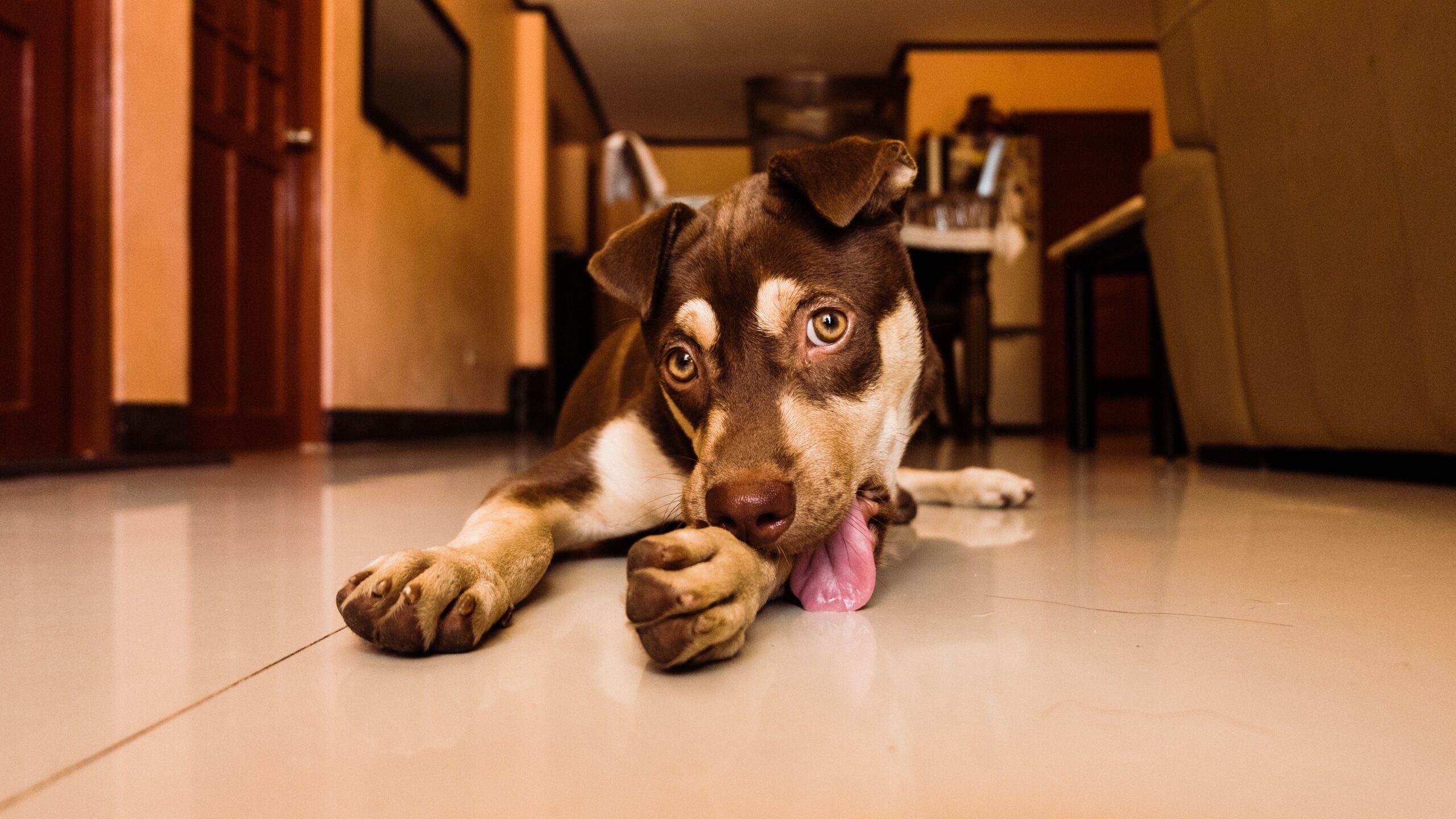
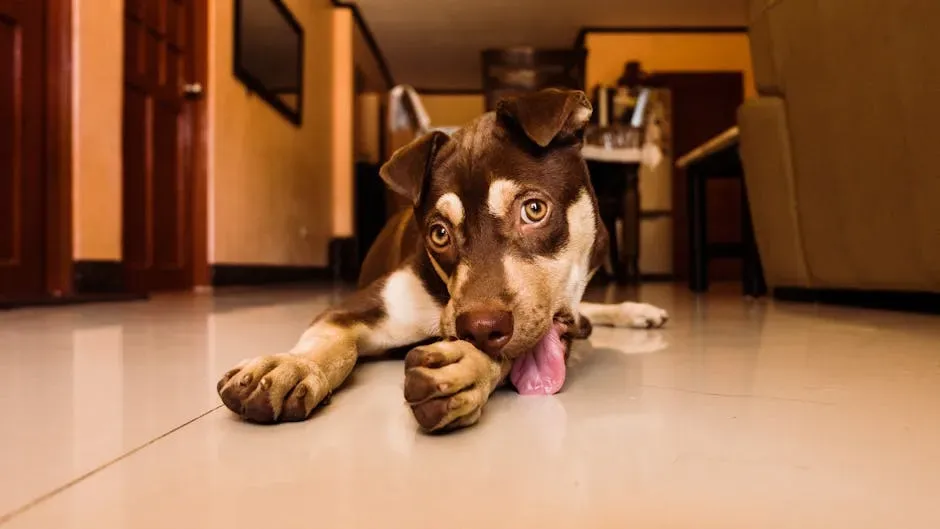
3. Excessive Licking or Grooming (Image Credits: Pexels)While grooming is a natural behavior, excessive licking, especially in a specific area, can indicate pain. Dogs often lick wounds or sore spots to soothe themselves. If you notice your dog focusing on a particular spot, even if there’s no visible injury, it might be time for a vet visit.This behavior can lead to hair loss or skin irritation, compounding the problem. It’s essential to address the underlying cause rather than just the symptoms.
4. Changes in Sleeping Patterns
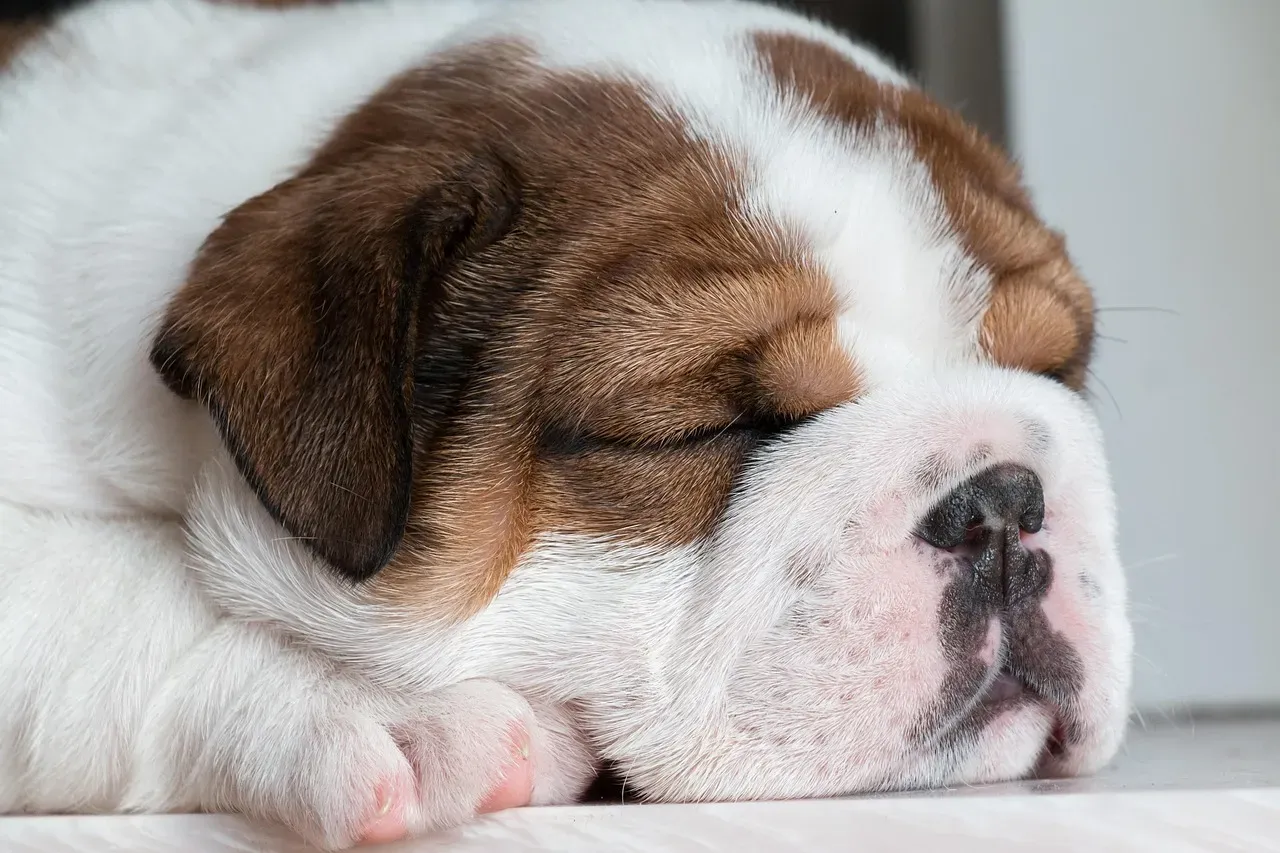
4. Changes in Sleeping Patterns (Image Credits: Pixabay)Pain can disrupt your dog’s sleep. They might sleep more to heal or less due to discomfort. Restlessness, frequent position changes, or difficulty settling down can all be signs of pain.Observing your dog’s sleep habits and noting any significant changes can help in early detection of health issues.
5. Uncharacteristic Aggression or Irritability
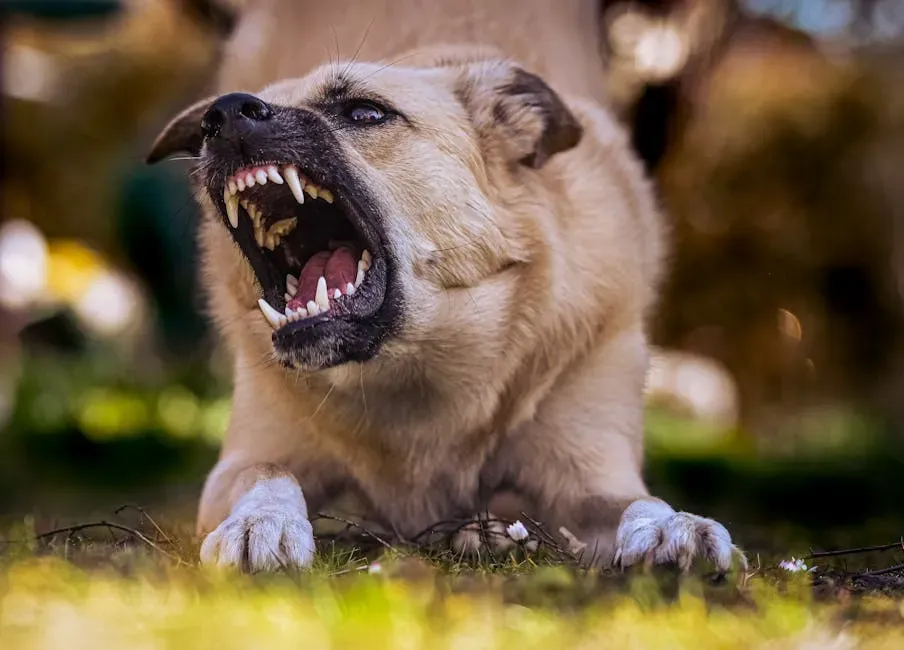
5. Uncharacteristic Aggression or Irritability (Image Credits: Pexels)A normally friendly dog becoming irritable or aggressive can be a red flag. Pain can make dogs more sensitive and less tolerant of touch or interaction. They might growl, snap, or shy away from being petted.Understanding that this behavior is a response to discomfort rather than a personality change is crucial in addressing the root cause.
6. Vocalizations and Unusual Sounds
6. Vocalizations and Unusual Sounds (Image Credits: Pexels)Dogs might whimper, whine, or yelp when in pain. However, some dogs become unusually quiet, which can also be a sign of discomfort. Paying attention to any changes in your dog’s vocal behavior is essential.These sounds are often subtle and can be easily overlooked, but they are important indicators of your dog’s well-being.
7. Restlessness or Pacing
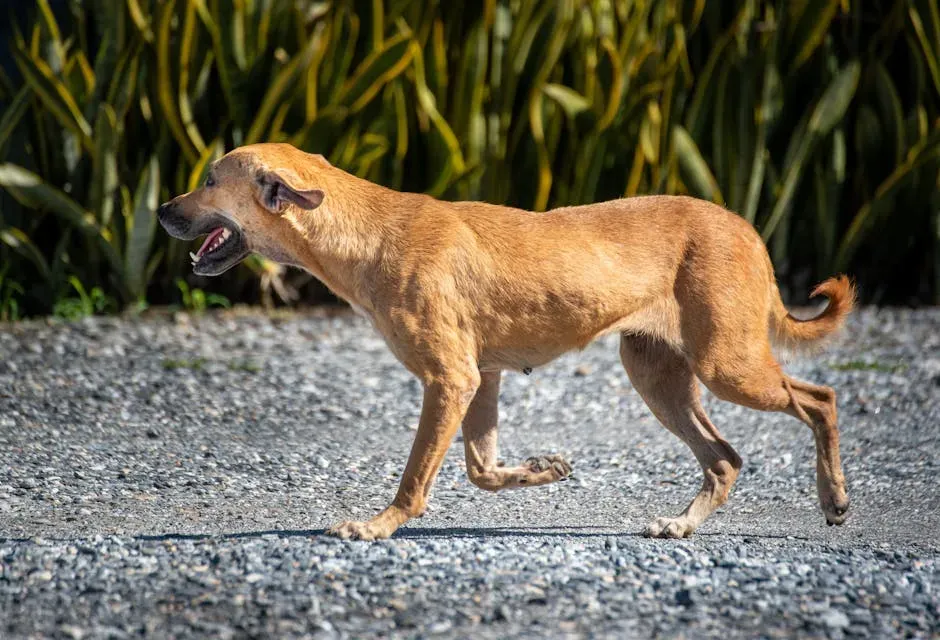
7. Restlessness or Pacing (Image Credits: Pexels)If your dog is pacing, unable to find a comfortable position, or seems unusually restless, it could be a sign of pain. This behavior is often a dog’s way of coping with discomfort.Such restlessness can be particularly noticeable at night, disrupting both your and your dog’s sleep.
Conclusion
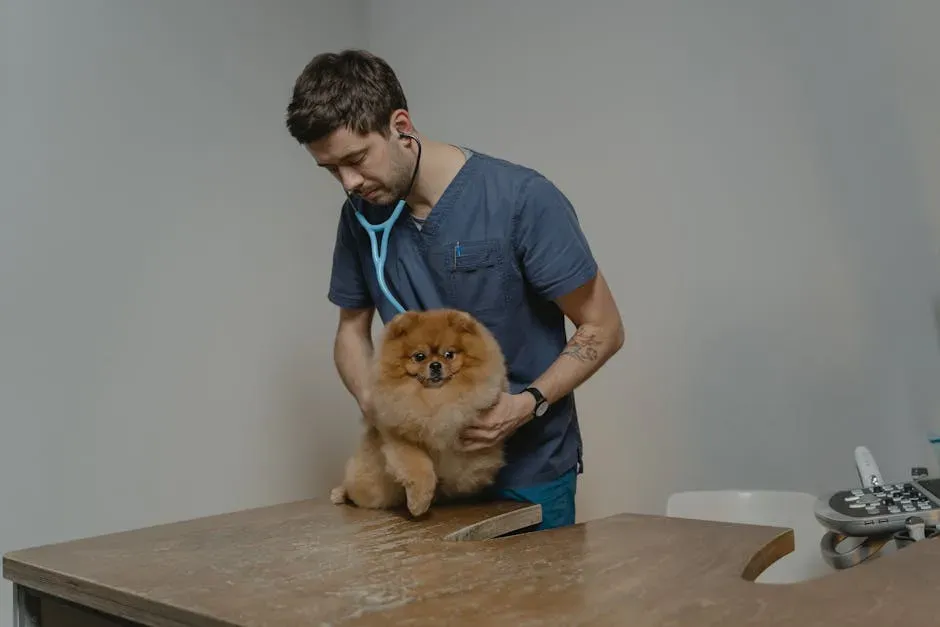
Conclusion (Image Credits: Pexels)Recognizing these silent signals is vital for your dog’s health and happiness. As pet owners, it’s our responsibility to be attentive to these subtle cues and seek veterinary care when necessary. By doing so, we can ensure our beloved companions lead comfortable and joyful lives. Have you noticed any of these signs in your dog?