
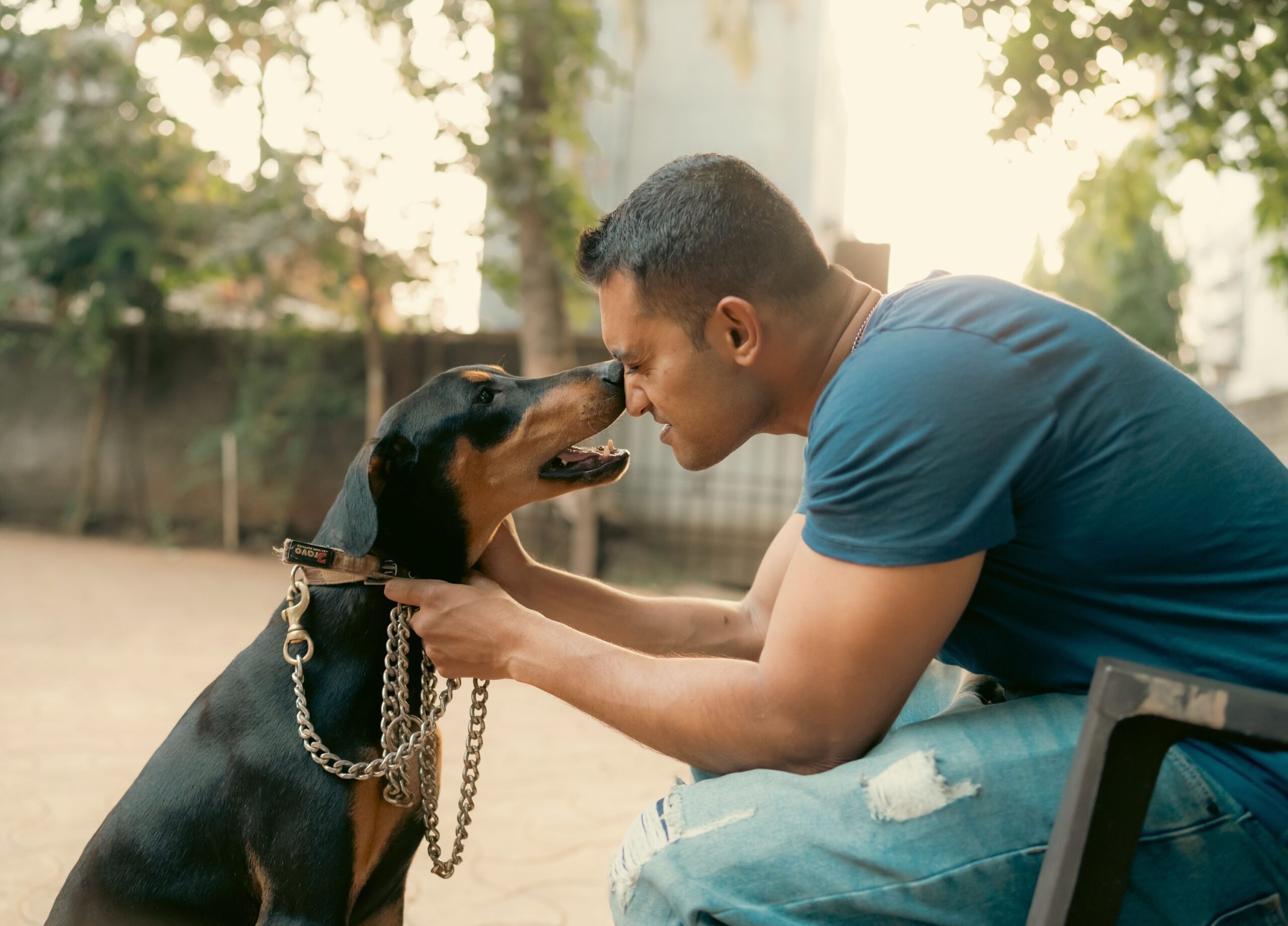
Ever noticed your dog settling down only when they can keep an eye on you, even from a distance? This behavior isn’t just endearing – it’s deeply rooted in their psychology. Recent studies reveal that dogs, much like human infants, rely on visual contact with their owners as a “secure base” to navigate and interact with their environment.
The Secure Base Effect: A Canine Parallel to Human Infants
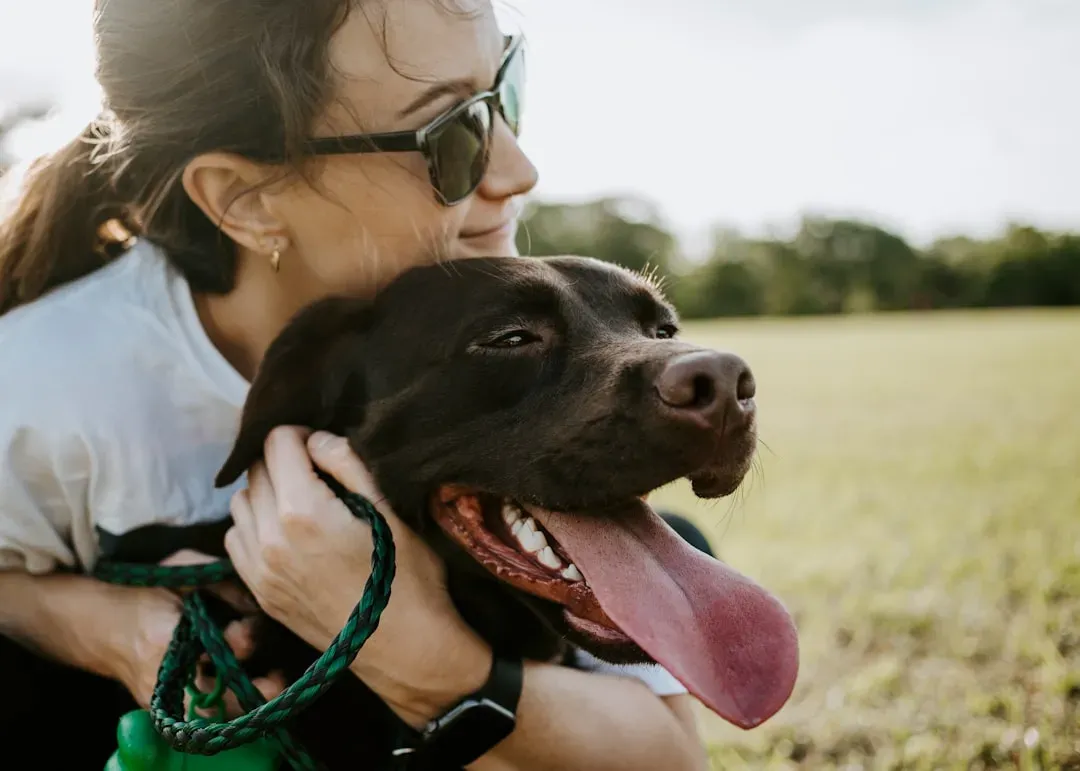
In human developmental psychology, the “secure base effect” describes how infants use their caregivers as a foundation of security, enabling them to explore their surroundings confidently. Intriguingly, research indicates that dogs exhibit a similar pattern with their owners. This means that a dog’s ability to engage with new environments or tasks is significantly influenced by the presence and visibility of their human companion.
For instance, a study published in PLoS ONE demonstrated that dogs were more persistent in problem-solving tasks when their owners were present, regardless of whether the owner actively encouraged them or remained silent. This suggests that the mere presence of the owner provides a sense of security that bolsters the dog’s confidence and motivation.
Visual Contact: More Than Just a Glance
It’s not merely the physical presence of the owner that matters; visual contact plays a pivotal role. Dogs are highly attuned to human attention cues, such as gaze direction and eye contact. When a dog can see its owner, it often feels more secure and is more likely to engage in exploratory behaviors or tackle challenges.
Research has shown that dogs increase their communicative behaviors, like gaze alternation and sustained eye contact, when they establish eye contact with their owners. This behavior underscores the importance of visual connection in the dog-human bond, facilitating better understanding and cooperation.
Attachment Styles in Dogs: Secure vs. Insecure
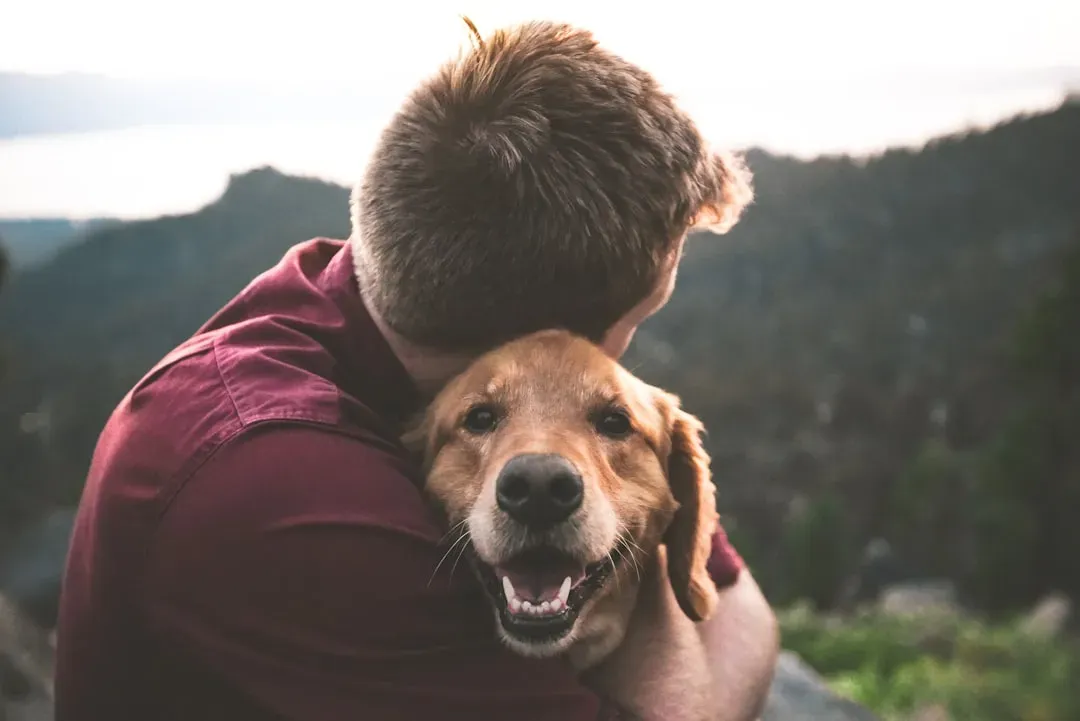
Just as humans have varying attachment styles, dogs too can exhibit secure or insecure attachments to their owners. Dogs with a secure attachment are more likely to use their owner as a secure base, displaying confidence in unfamiliar situations. In contrast, dogs with insecure attachments may show heightened anxiety and are less inclined to explore when their owner is not visibly present.
Understanding your dog’s attachment style can provide valuable insights into their behavior, especially in new or challenging environments. Recognizing signs of insecurity can help owners take steps to build a more secure attachment, enhancing the overall well-being of their canine companions.
The Role of Breed and Individual Differences
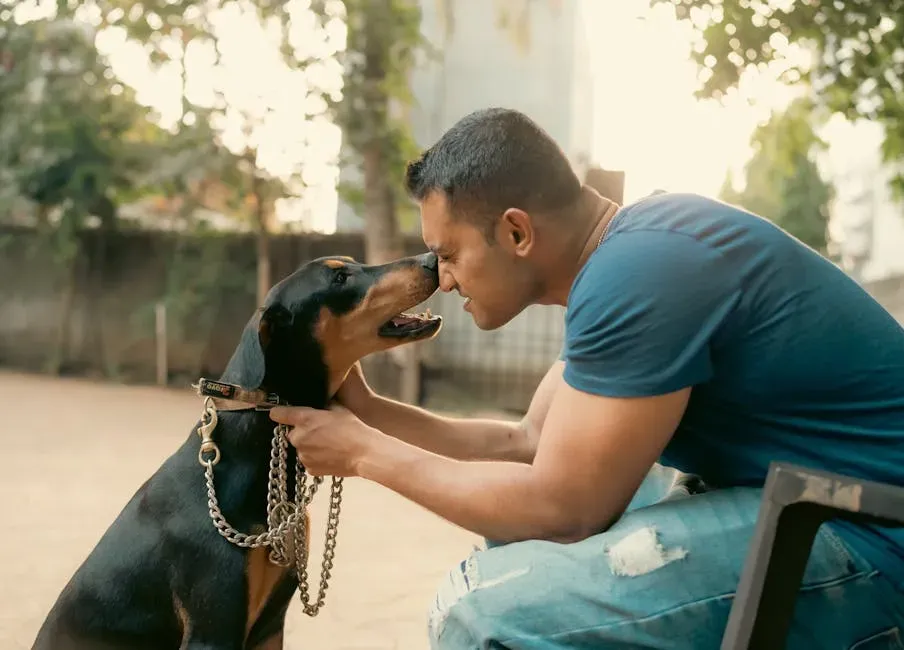
While the secure base effect is prevalent among dogs, individual differences, including breed tendencies, can influence the degree to which a dog relies on visual contact with its owner. Some breeds, especially those developed for close human companionship, may exhibit a stronger need for visual connection.
Additionally, factors such as a dog’s upbringing, past experiences, and personality traits play a role. For example, dogs that have been re-homed or have had multiple owners might display different attachment behaviors compared to those raised in a single, stable environment.
Practical Implications for Dog Owners
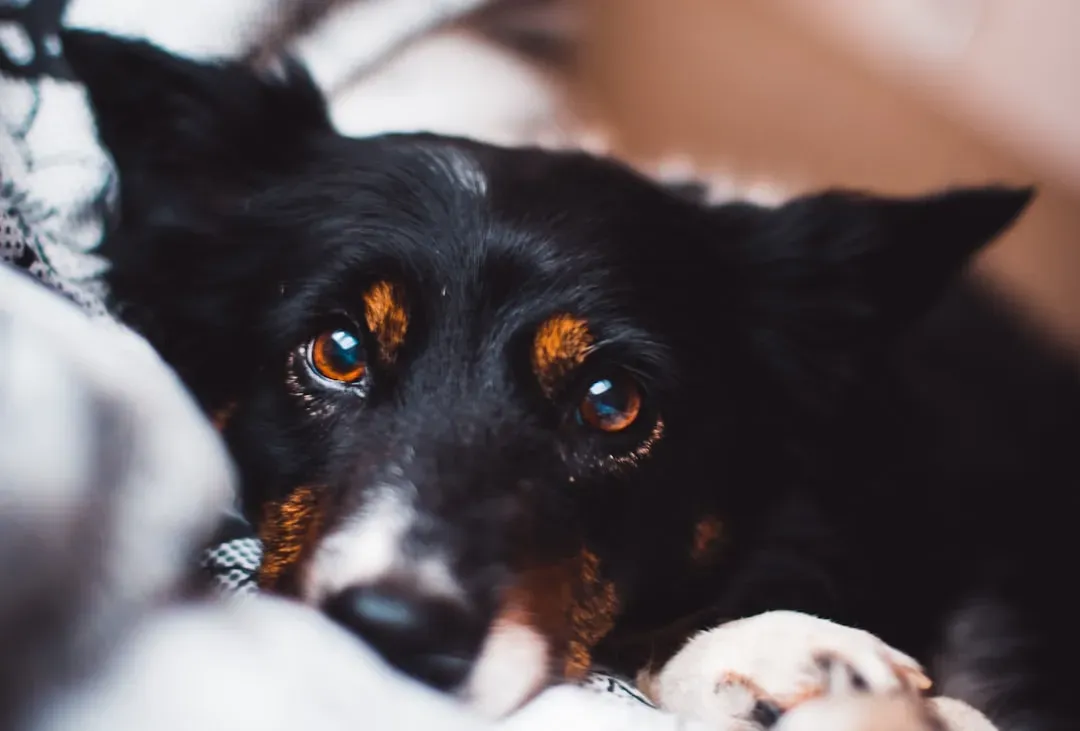
Recognizing the importance of visual contact can help owners foster a more secure and trusting relationship with their dogs. Simple practices, such as maintaining eye contact during training sessions, ensuring your dog can see you during walks, and being present during new experiences, can significantly impact your dog’s confidence and behavior.
Moreover, understanding that your presence provides a sense of security can guide how you introduce your dog to new environments or challenges. Being a visible and reassuring presence can make all the difference in how your dog perceives and reacts to the world around them.
Conclusion: Strengthening the Visual Bond
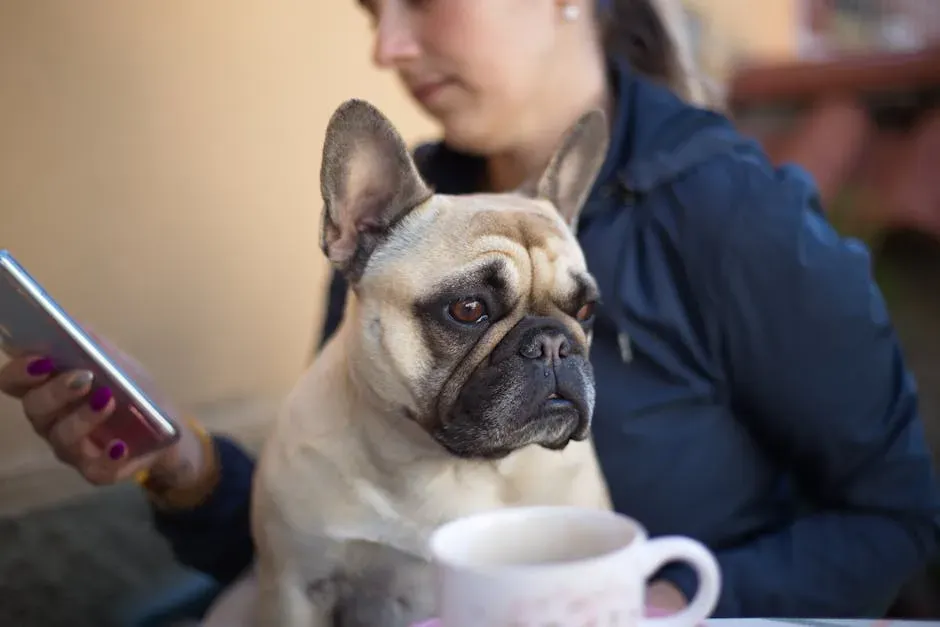
The parallels between human infants and dogs in using a caregiver as a secure base highlight the depth of the bond we share with our canine companions. By acknowledging and nurturing this need for visual contact, owners can enhance their dog’s sense of security, leading to a more confident and well-adjusted pet.
So, the next time your dog insists on keeping you within sight, remember: it’s not just about supervision – it’s about trust, security, and the profound connection you share. How will you strengthen this visual bond with your furry friend today?


