
7 Dog Breeds That Bond So Intensely They Experience Physical Symptoms When the Bond Is Broken

Imagine coming home to find your beloved dog has chewed through the doorframe, urinated on the carpet, or is trembling uncontrollably. These aren’t acts of mischief but signs of deep distress. Some dog breeds form such profound attachments to their humans that being separated can lead to severe anxiety, manifesting in physical symptoms. Let’s explore seven breeds known for their intense bonds and the challenges that arise when those bonds are disrupted.
1. Labrador Retriever
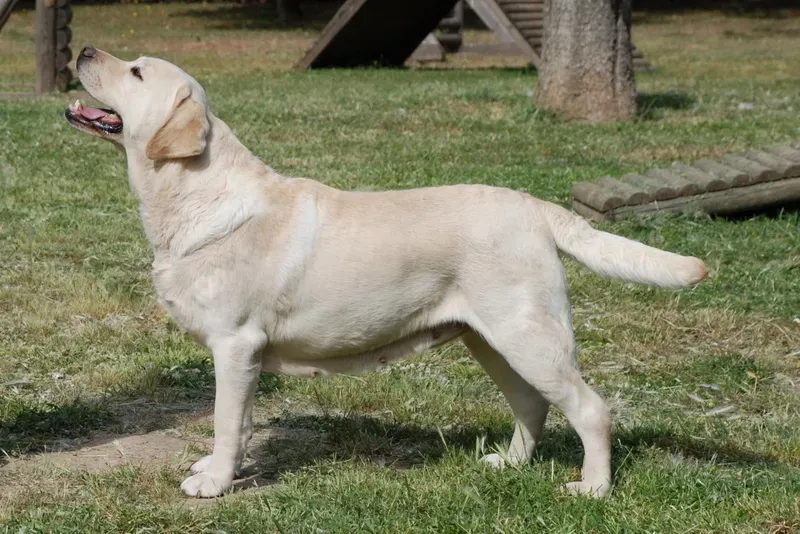
Labrador Retrievers are renowned for their friendly and affectionate nature. Their deep attachment to their families makes them exceptional companions. However, this strong bond can also make them susceptible to separation anxiety. When left alone, they may exhibit behaviors like excessive barking, destructive chewing, or even attempts to escape, leading to potential self-injury.
To mitigate these issues, it’s crucial to provide Labs with ample mental and physical stimulation. Regular exercise, interactive toys, and gradual desensitization to being alone can help alleviate their anxiety. Consistency and patience are key in helping them feel secure even when you’re not around.
2. German Shepherd
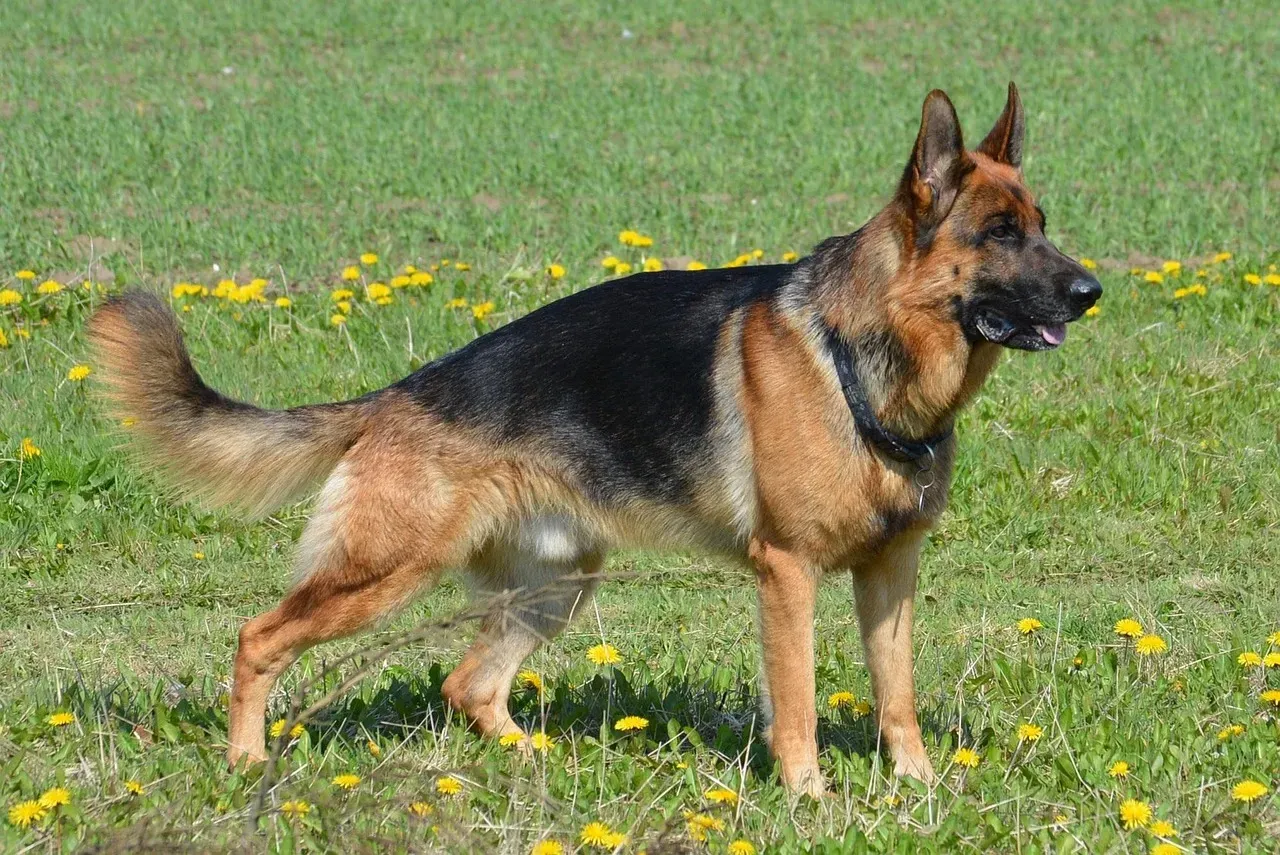
German Shepherds are loyal and intelligent, often forming deep connections with their owners. This loyalty, while admirable, can lead to intense separation anxiety. Symptoms may include pacing, whining, and destructive behaviors, especially when their routine is disrupted.
Establishing a consistent routine and providing tasks that engage their minds can be beneficial. Training sessions, puzzle toys, and ensuring they have a safe space can help reduce their anxiety levels. Early socialization and training are essential to build their confidence and independence.
3. Border Collie
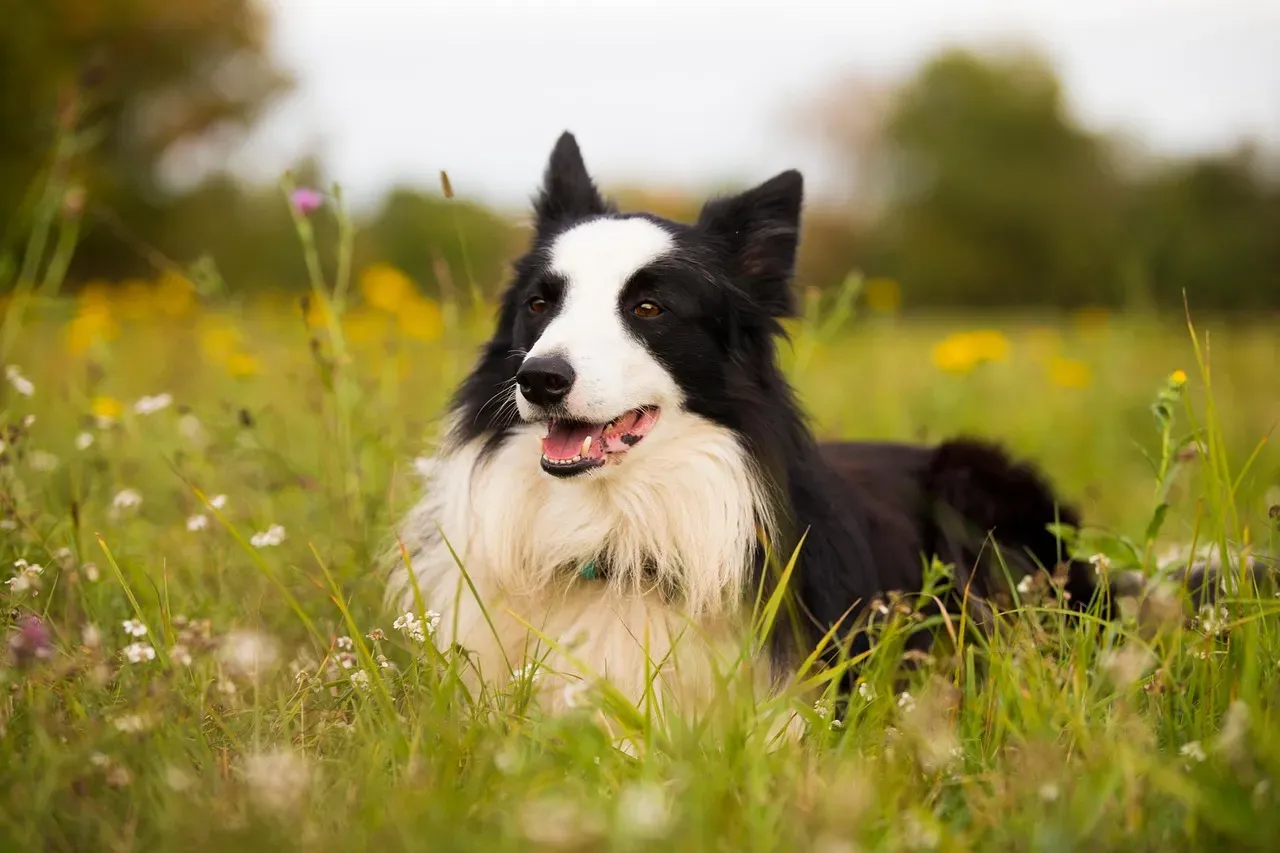
Border Collies are highly intelligent and energetic, thriving on interaction and tasks. Their strong desire to be with their owners can make them prone to anxiety when left alone. Signs of distress may include incessant barking, digging, or attempting to escape.
To support a Border Collie, it’s important to provide regular physical exercise and mental challenges. Activities like agility training, herding exercises, or interactive games can keep them engaged. Gradual training to tolerate short periods alone can also be effective in reducing anxiety.
4. Vizsla

Often referred to as “Velcro dogs,” Vizslas are known for their affectionate and clingy nature. They thrive on human companionship and can become anxious when separated. Physical symptoms of their anxiety may include drooling, trembling, and destructive behaviors.
Addressing their needs involves ensuring they have plenty of physical activity and mental stimulation. Regular exercise, interactive play, and training sessions can help. Creating a positive association with alone time through gradual desensitization and rewarding calm behavior can also be beneficial.
5. Bichon Frise
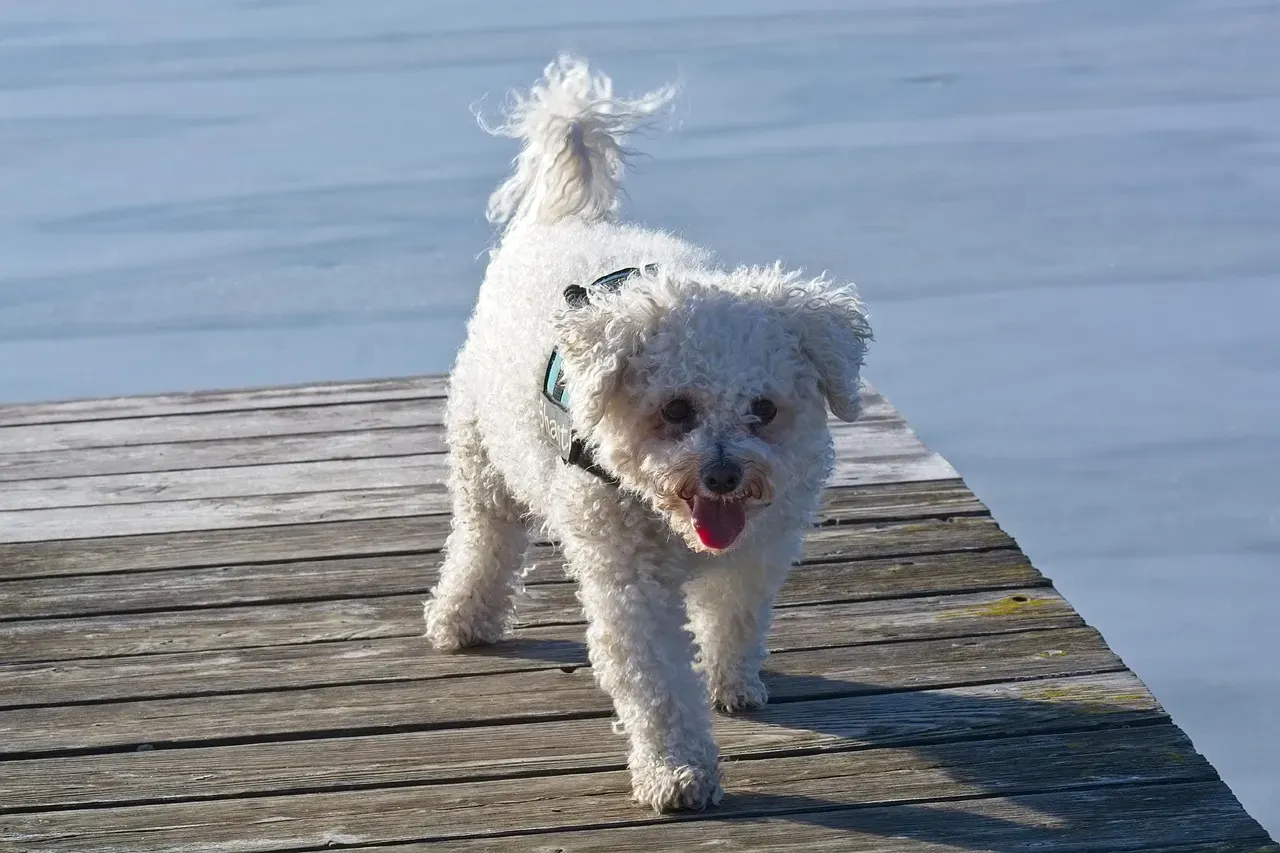
Bichon Frises are cheerful and affectionate, often forming close bonds with their families. Their sensitivity to separation can lead to anxiety, manifesting in behaviors like excessive barking, chewing, or house soiling.
To help a Bichon Frise cope, it’s important to establish a routine that includes regular exercise and mental stimulation. Providing comfort items, such as a favorite toy or blanket, can offer reassurance. Gradual training to increase their comfort with being alone is also essential.
6. Cavalier King Charles Spaniel

Cavalier King Charles Spaniels are gentle and affectionate, often seeking constant companionship. Their strong attachment can result in anxiety when left alone, leading to behaviors like whining, pacing, or destructive chewing.
Supporting a Cavalier involves providing regular interaction and mental stimulation. Short periods of separation, gradually increasing over time, can help them adjust. Ensuring they have a comfortable and safe environment can also reduce anxiety.
7. Australian Shepherd
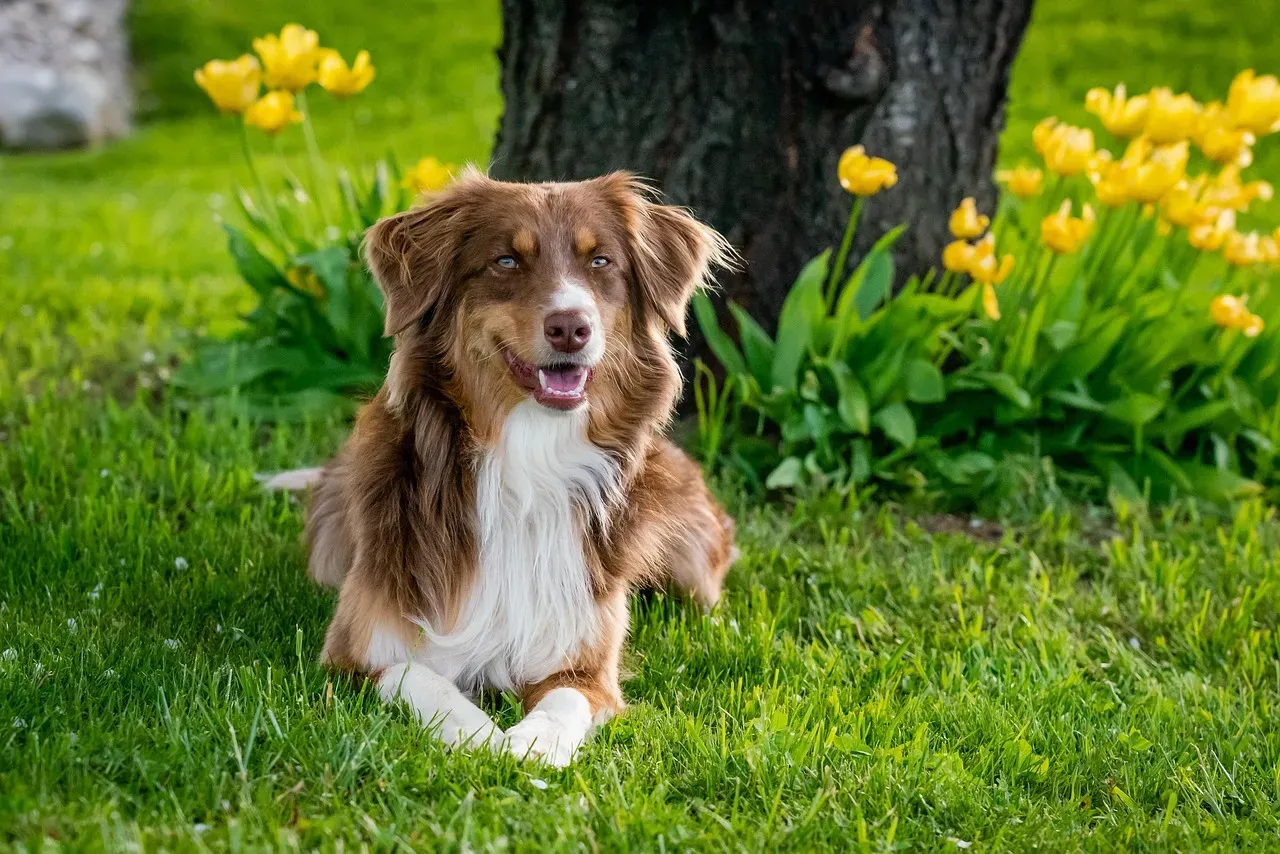
Australian Shepherds are energetic and intelligent, forming deep bonds with their owners. Their need for companionship can make them prone to separation anxiety, exhibiting behaviors like excessive barking, digging, or attempting to escape.
To manage their anxiety, it’s important to provide regular physical exercise and mental challenges. Activities like herding, agility training, or interactive games can keep them engaged. Gradual desensitization to being alone and providing a safe space can also be effective.
Understanding the unique needs of these breeds is crucial in preventing and managing separation anxiety. By providing appropriate physical and mental stimulation, establishing routines, and gradually acclimating them to alone time, we can help our canine companions feel secure and content, even in our absence.