Research confirms that dogs actively seek eye contact with humans as a form of social communication—a sophisticated behavior they share with other domesticated animals like horses and goats when looking to humans for help
Research confirms that dogs actively seek eye contact with humans as a form of social communication—a sophisticated behavior they share with other domesticated animals like horses and goats when looking to humans for help
Imagine your dog gazing into your eyes, seeking your attention or perhaps a treat. This simple act of eye contact is more than just a plea; it’s a sophisticated form of social communication that dogs, along with other domesticated animals like horses and goats, have developed through their close relationships with humans.
The Significance of Eye Contact in Dogs
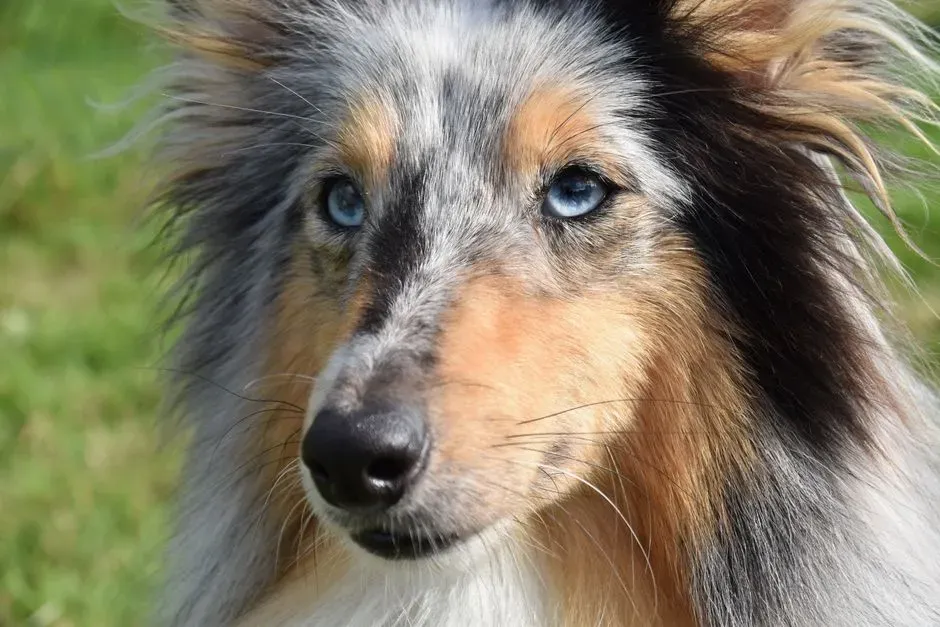
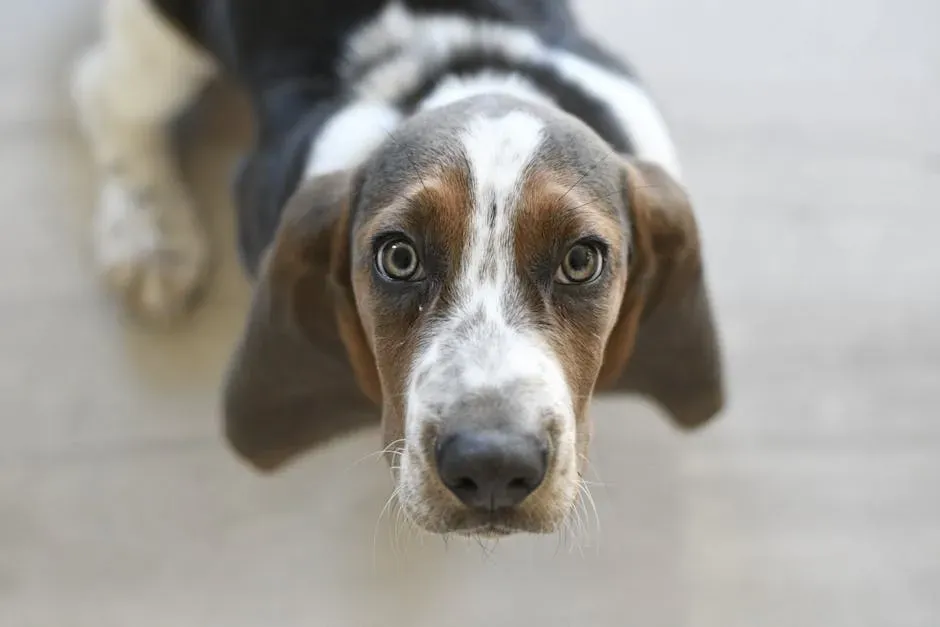
The Significance of Eye Contact in Dogs (Image Credits: Pexels)Dogs have evolved to be exceptionally attuned to human social cues, with eye contact playing a pivotal role in this interspecies communication. Research indicates that dogs use eye contact to gauge human attention and intentions, often adjusting their behavior accordingly. For instance, when faced with an unsolvable problem, dogs are more likely to seek human assistance through sustained gazes, highlighting their reliance on human interaction to navigate challenges.This behavior underscores the depth of the human-dog bond, where mutual gaze not only facilitates communication but also strengthens emotional connections. The release of oxytocin, often referred to as the “love hormone,” during these interactions further cements the affectionate relationship between dogs and their owners.
Horses: Masters of Non-Verbal Communication
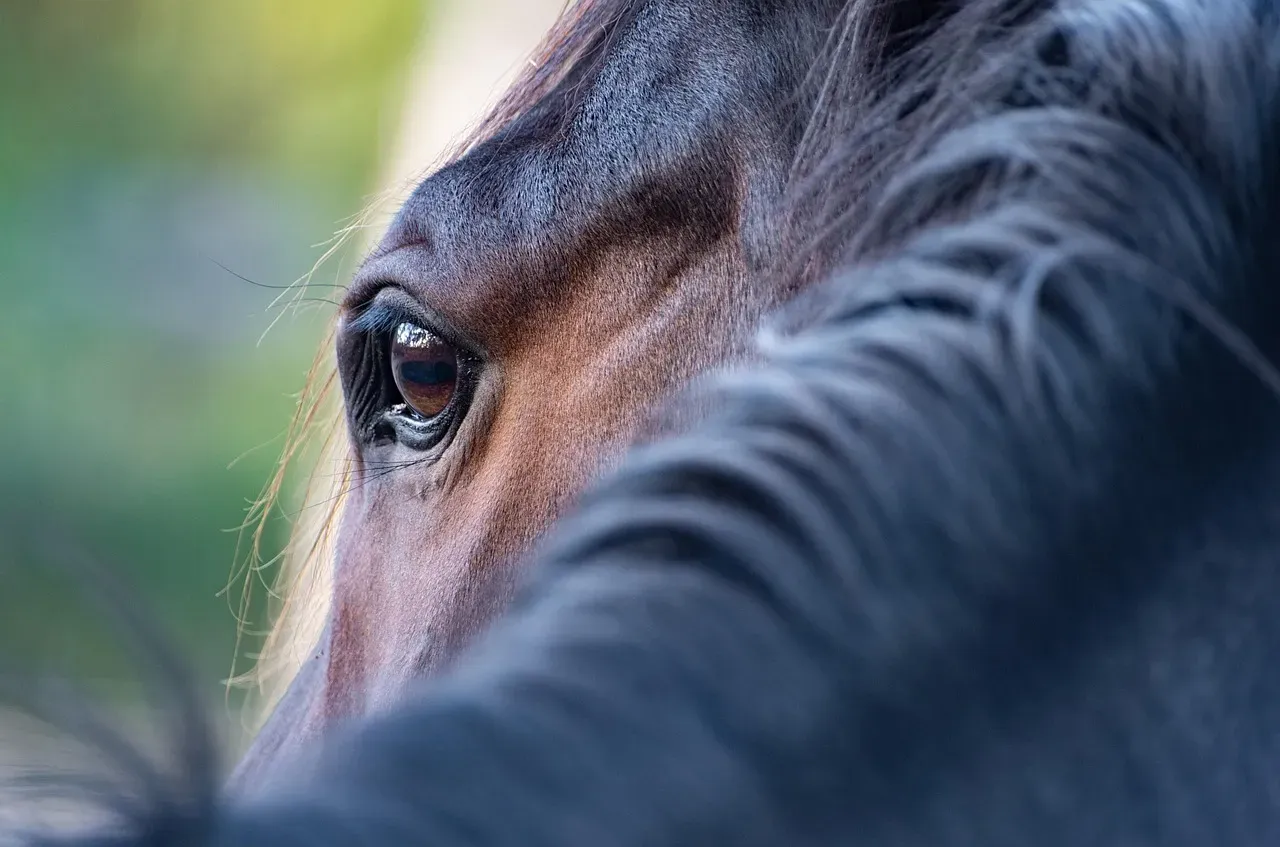
Horses: Masters of Non-Verbal Communication (Image Credits: Pixabay)Horses, known for their keen sensitivity to human emotions, also utilize eye contact as a means of communication. Studies have shown that horses can discern human facial expressions and adjust their behavior based on the emotional cues they perceive. For example, when presented with images of humans displaying different emotions, horses reacted differently, indicating their ability to interpret human emotional states.This capacity for non-verbal communication is essential in equestrian activities, where subtle cues and mutual understanding between horse and rider are paramount. The horse’s ability to read human emotions through eye contact and other non-verbal signals enhances the safety and effectiveness of these interactions.
Goats: Unexpected Communicators
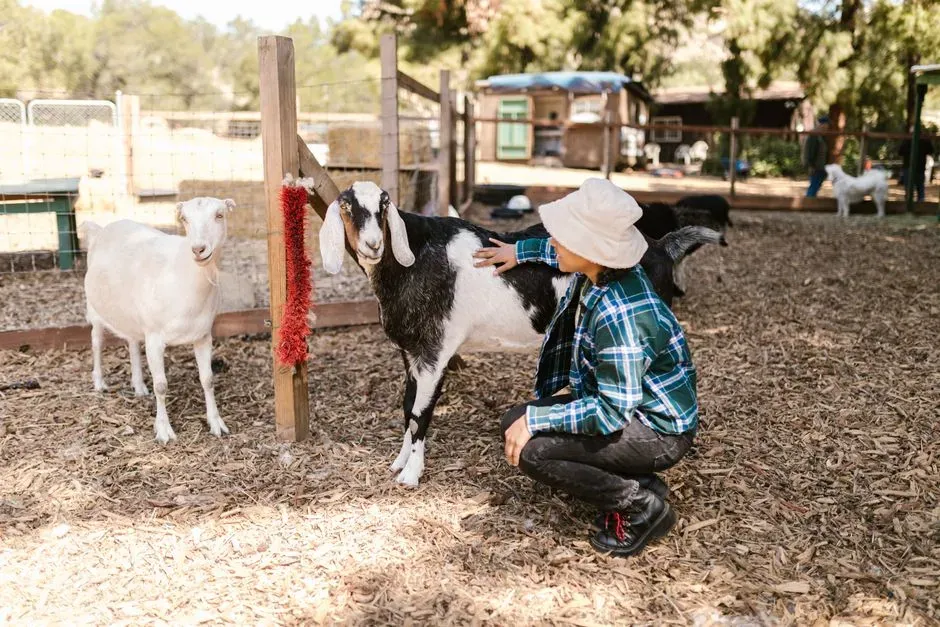
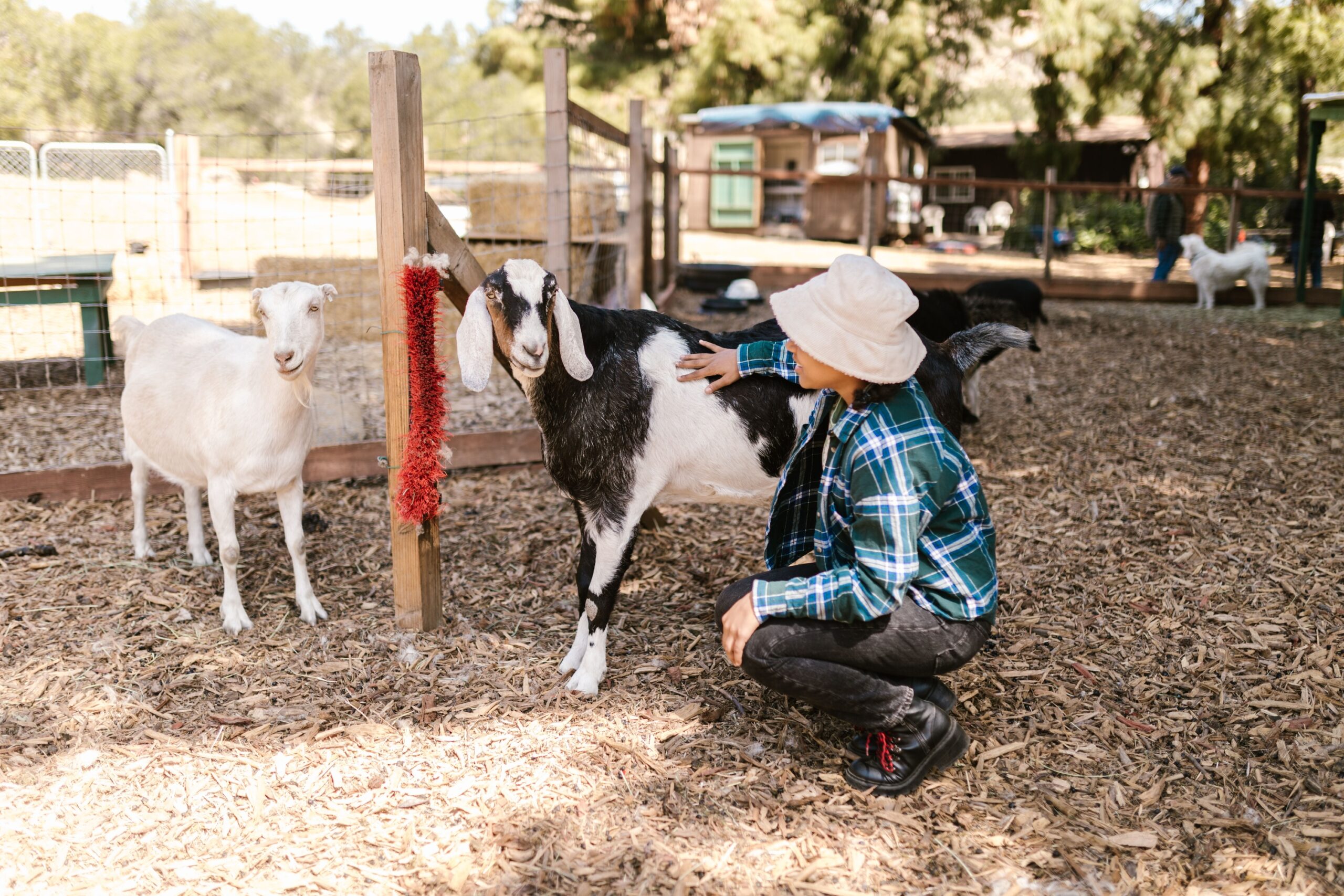
Goats: Unexpected Communicators (Image Credits: Pexels)While dogs and horses are commonly recognized for their communicative abilities with humans, goats also exhibit remarkable social intelligence. Research has demonstrated that goats can interpret human cues and adjust their behavior accordingly. In problem-solving tasks, goats were observed to gaze at humans when faced with an unsolvable problem, indicating their expectation of assistance.This behavior suggests that domestication has endowed goats with the ability to engage in referential communication with humans, a trait once thought to be exclusive to companion animals like dogs. It challenges the notion that only animals bred for companionship develop sophisticated communication skills with humans.
Comparative Insights: Dogs, Horses, and Goats
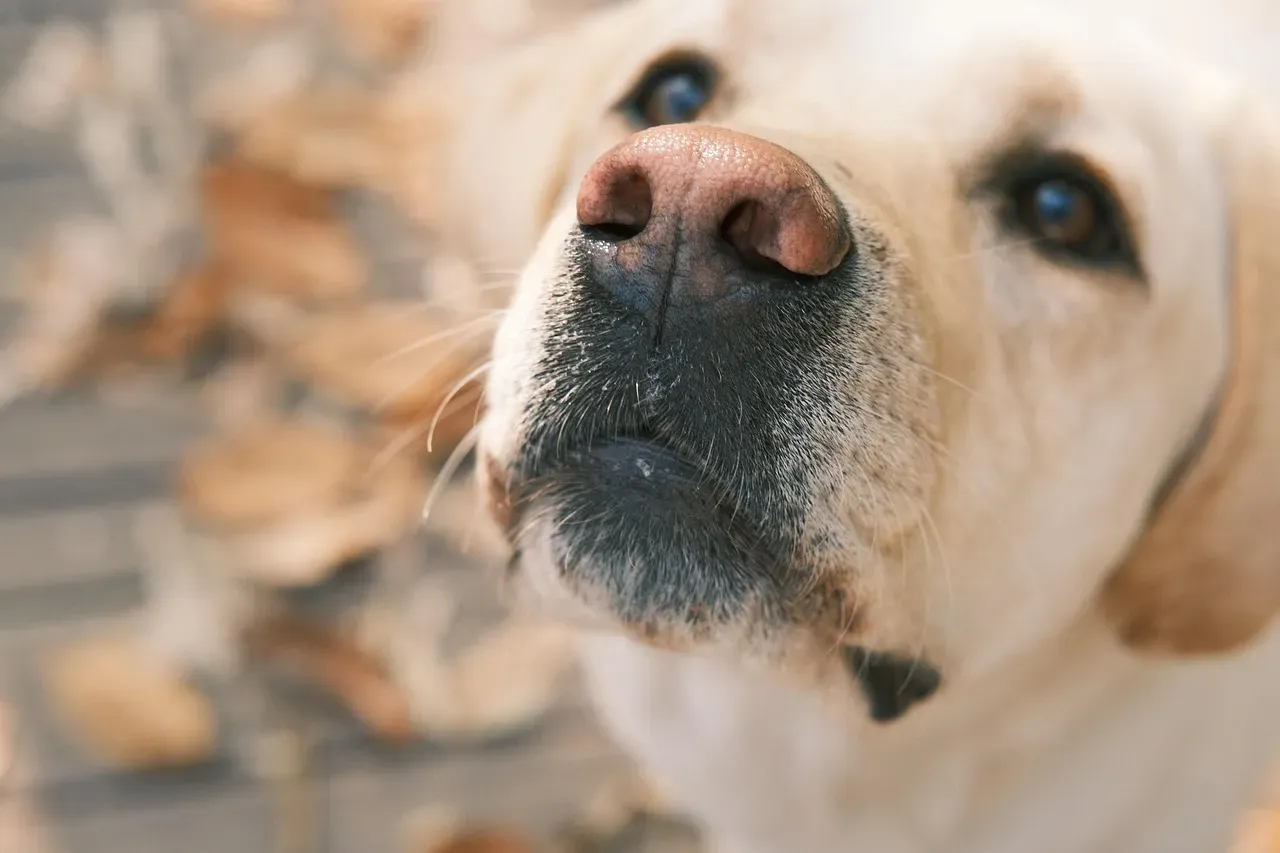
Comparative Insights: Dogs, Horses, and Goats (Image Credits: Pixabay)The shared ability of dogs, horses, and goats to use eye contact for communication highlights the profound impact of domestication on animal behavior. Despite differences in their domestication histories and purposes – companionship, labor, or production – these animals have developed similar strategies to engage with humans.This convergence suggests that the process of domestication, regardless of its specific goals, may inherently enhance an animal’s capacity for interspecies communication. It also underscores the importance of considering the communicative abilities of various domesticated species, not just those traditionally viewed as companions.
The Role of Human Interaction
The Role of Human Interaction (Image Credits: Pixabay)The extent and nature of human interaction play a crucial role in shaping these communicative behaviors. Animals that experience regular, positive interactions with humans are more likely to develop and exhibit behaviors like seeking eye contact. This is evident in studies where animals with more exposure to humans displayed more frequent and prolonged eye contact compared to those with limited human interaction.This finding emphasizes the reciprocal nature of the human-animal bond, where both parties influence each other’s behaviors and communication styles. It also highlights the potential for enhancing these interactions through consistent and positive engagement.
Implications for Animal Welfare and Training
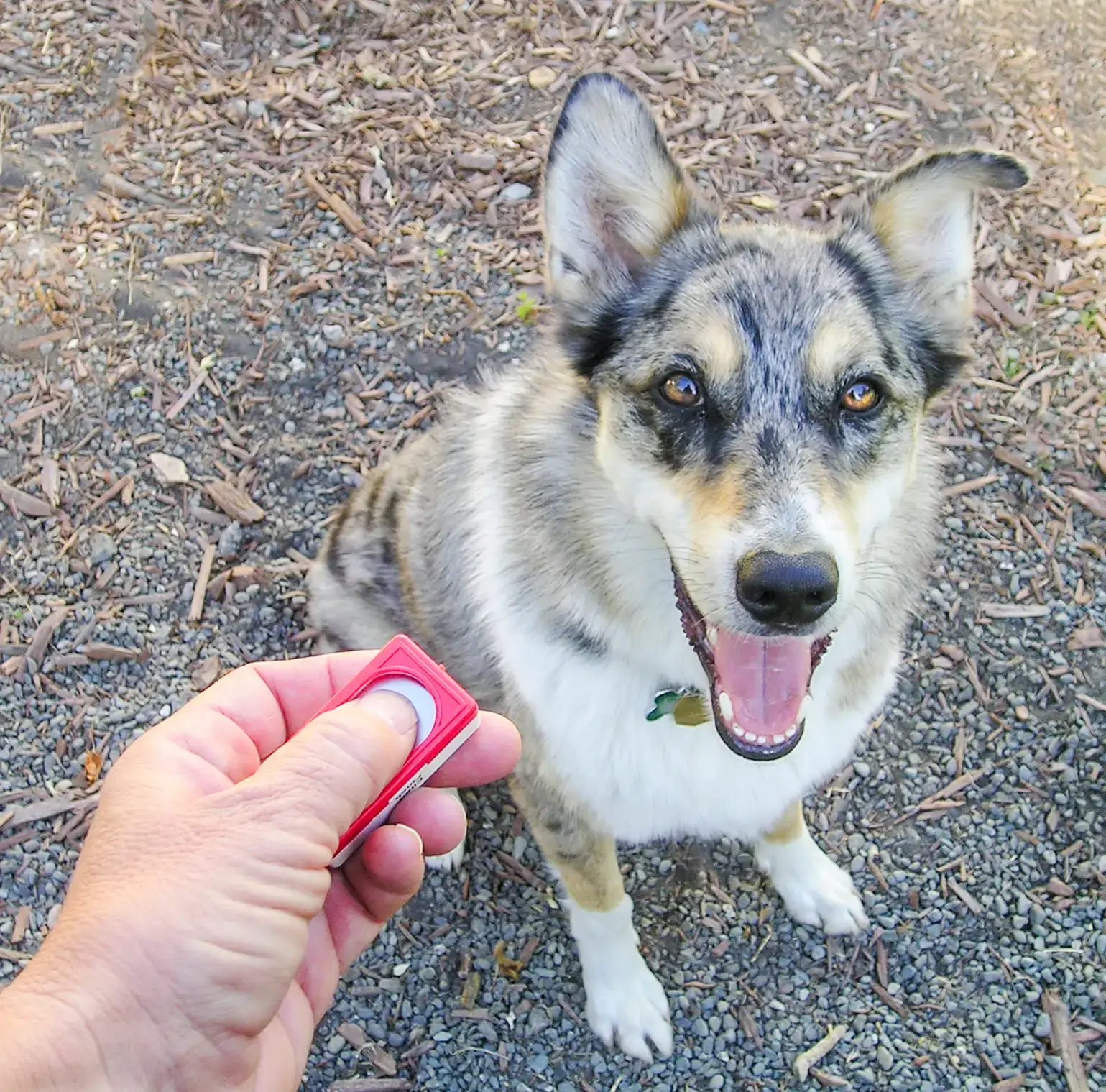
Implications for Animal Welfare and Training (Transferred from en.wikipedia to Commons., CC BY-SA 3.0)Understanding the communicative role of eye contact in domesticated animals has significant implications for their welfare and training. Recognizing and responding appropriately to these cues can improve training outcomes, strengthen bonds, and enhance the overall well-being of the animals.For instance, trainers and caregivers who are attuned to the subtle cues of eye contact can better interpret the needs and states of the animals, leading to more effective and humane training methods. This awareness can also inform welfare practices, ensuring that the social and emotional needs of domesticated animals are met.
Conclusion
Conclusion (Image Credits: Pexels)The ability of dogs, horses, and goats to actively seek eye contact with humans as a form of social communication is a testament to the profound effects of domestication. This behavior not only facilitates interspecies understanding but also enriches the bonds we share with these animals. As we continue to explore and appreciate these connections, it becomes clear that the language of the eyes transcends species, serving as a universal bridge between humans and the animals we have brought into our lives.