
Animal Behaviorists Say Red Foxes Quietly Study Human Routines Before Moving Through Neighborhoods

Imagine stepping out your front door to find a red fox calmly trotting down your suburban street, seemingly unfazed by the human hustle and bustle. This scenario is becoming increasingly common as red foxes adapt to urban environments. Recent studies suggest that these cunning creatures are not just passing through; they’re meticulously observing human routines to navigate neighborhoods more effectively.
Red Foxes: Masters of Adaptation

Red foxes (Vulpes vulpes) are renowned for their adaptability, thriving in diverse habitats ranging from dense forests to bustling cities. Their omnivorous diet, which includes small mammals, birds, fruits, and even human leftovers, allows them to exploit a variety of food sources. This dietary flexibility is a key factor in their successful urban colonization.
In urban settings, red foxes have been observed scavenging from garbage bins and taking advantage of food intentionally left out by residents. This opportunistic feeding behavior not only sustains them but also reduces their need to hunt, allowing them to conserve energy for other activities.
Observing Human Patterns
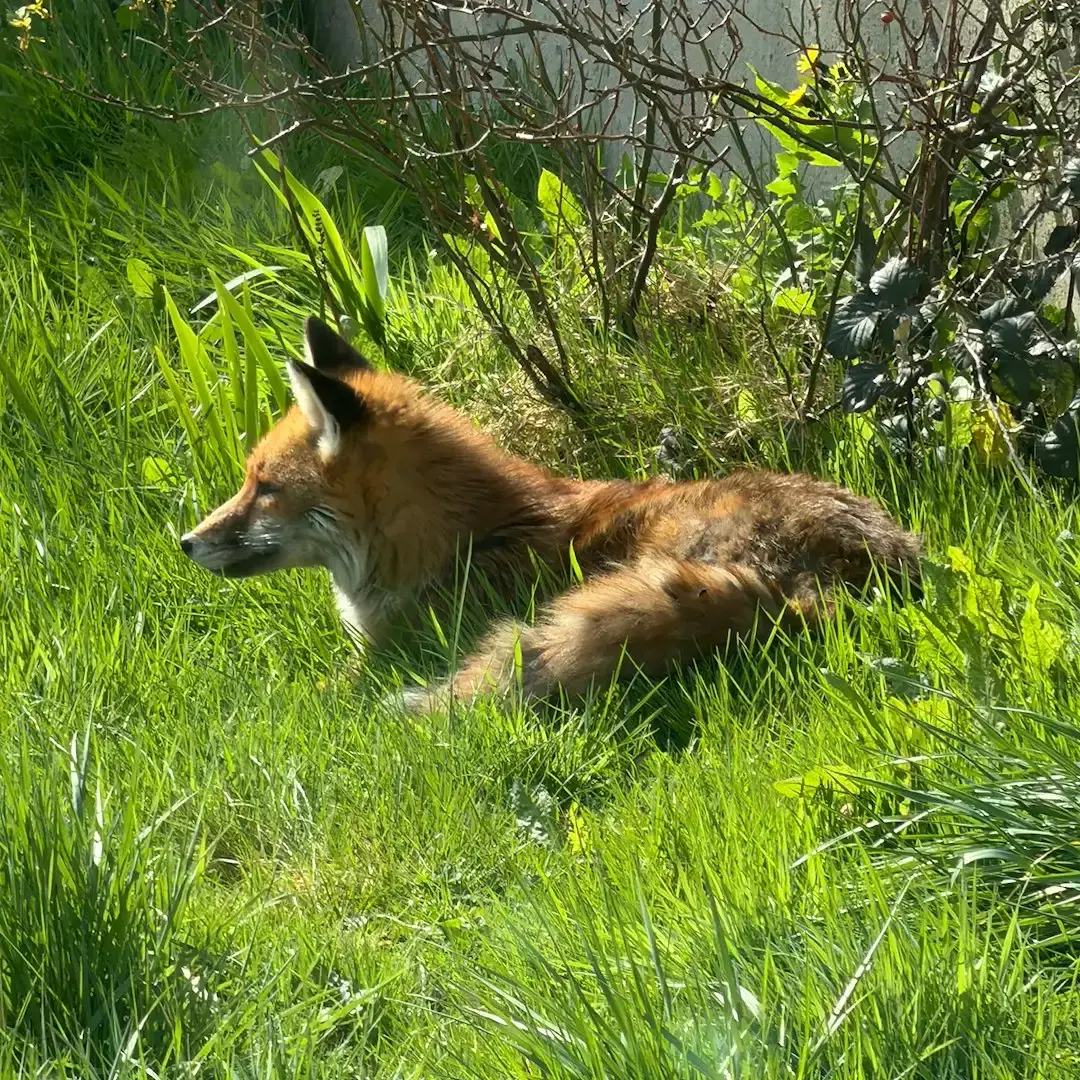
Intriguingly, red foxes don’t just stumble upon these urban resources; they actively study human behaviors to optimize their foraging strategies. By observing when and where humans dispose of food waste, foxes can time their scavenging activities to coincide with peak availability. This behavior indicates a level of intelligence and adaptability that underscores their success in urban environments.
For instance, foxes have been noted to frequent areas where garbage is regularly left out at specific times, suggesting they have learned and remembered human schedules. This ability to anticipate human actions allows them to exploit resources efficiently while minimizing risks associated with human encounters.
Urban Fox Behavior: Boldness and Caution
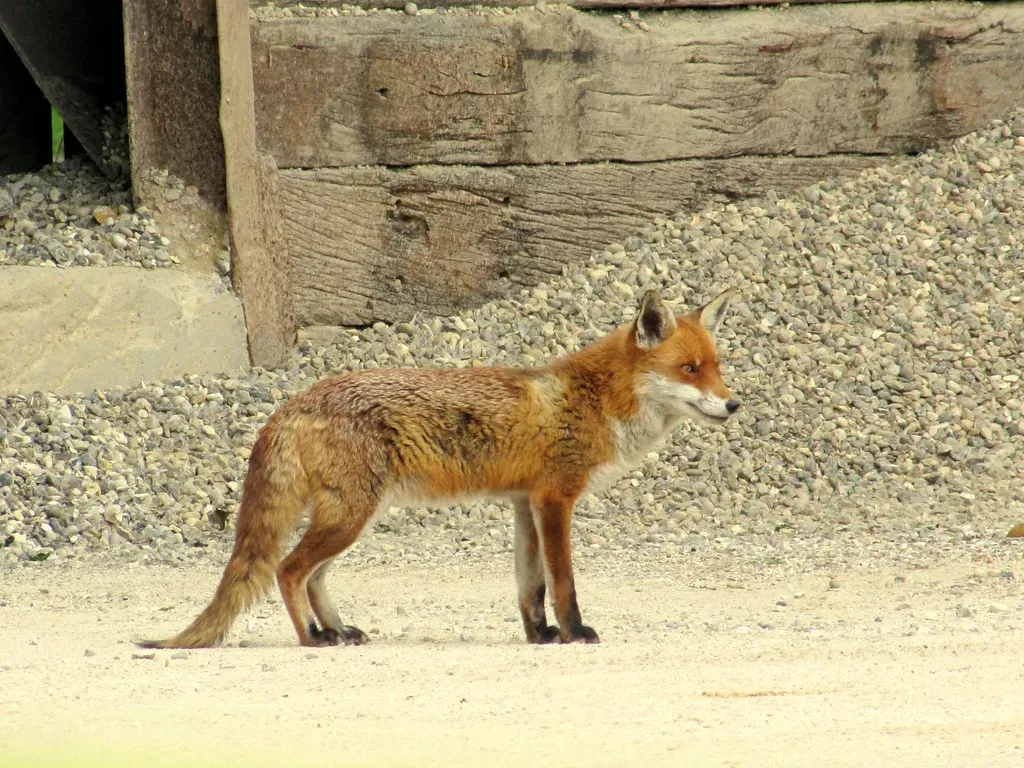
While urban foxes exhibit increased boldness compared to their rural counterparts, this doesn’t necessarily translate to greater problem-solving abilities. Research indicates that urban foxes are more likely to approach and interact with novel objects, reflecting their reduced fear of human-associated stimuli. However, their problem-solving skills remain comparable to those of rural foxes, suggesting that urban living influences their behavior in specific ways.
This boldness is likely a result of frequent human exposure, leading to habituation. Yet, foxes maintain a cautious approach, often observing from a distance before engaging with new objects or environments. This balance between boldness and caution enables them to exploit urban resources while avoiding potential threats.
Denning in Urban Landscapes
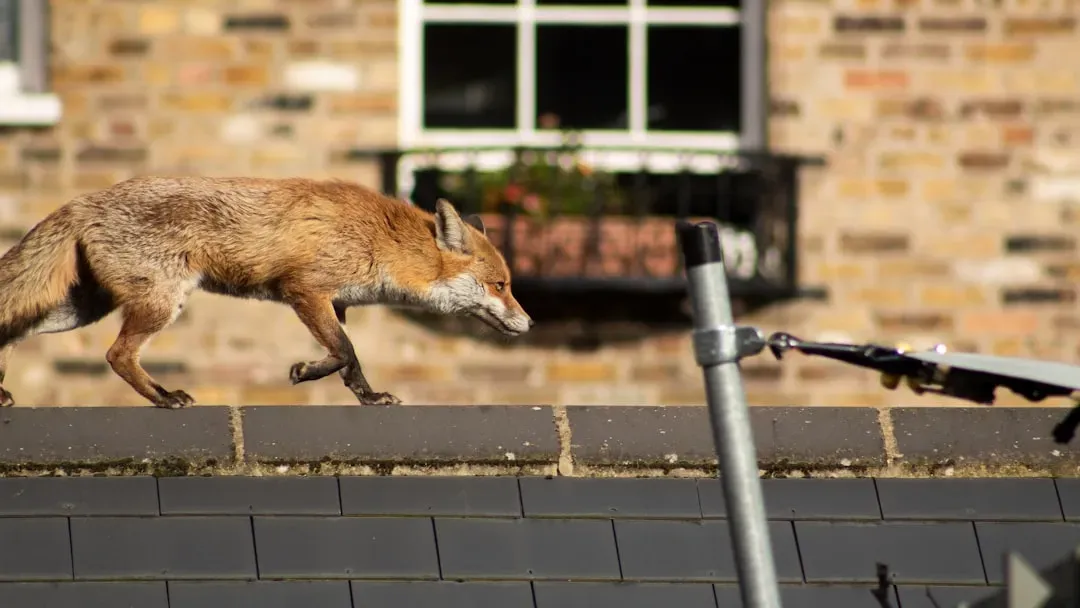
Urban foxes often establish dens in secluded areas such as under sheds, decks, or in overgrown gardens. These locations provide shelter and proximity to food sources, making them ideal for raising their young. The choice of den sites reflects their ability to adapt to human-altered landscapes while maintaining the necessary conditions for survival.
Interestingly, foxes may use multiple dens within their territory, moving their young between sites to avoid detection or disturbance. This behavior demonstrates their strategic approach to urban living, ensuring the safety and well-being of their offspring.
Human-Fox Interactions: A Delicate Balance

As foxes become more prevalent in urban areas, interactions with humans are inevitable. While many people enjoy observing these animals, others may view them as nuisances, especially when they rummage through garbage or prey on small pets. It’s essential to understand that foxes are generally not a threat to humans and can coexist peacefully when proper precautions are taken.
To minimize conflicts, residents are advised to secure garbage bins, avoid feeding foxes, and ensure that small pets are kept indoors or in secure enclosures. By taking these steps, communities can reduce attractants and discourage foxes from becoming too comfortable around human dwellings.
The Role of Foxes in Urban Ecosystems
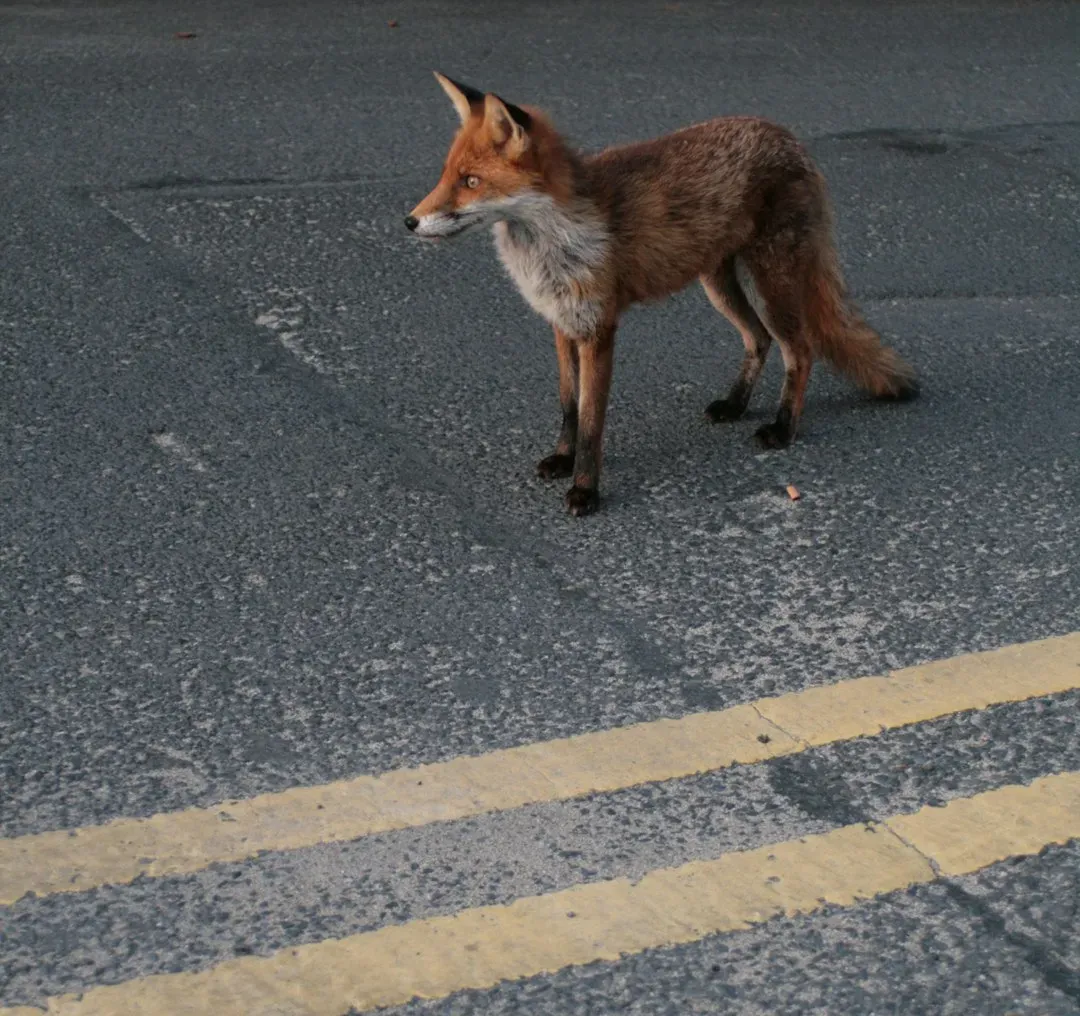
Beyond their adaptability, red foxes play a significant role in urban ecosystems. By preying on rodents and other small mammals, they help control pest populations, contributing to a balanced urban environment. Their presence also adds to the biodiversity of cities, offering residents a glimpse of wildlife amidst the concrete jungle.
Moreover, observing foxes can foster a greater appreciation for nature and the importance of coexistence. Their ability to thrive in urban settings serves as a testament to the resilience and adaptability of wildlife in the face of human expansion.
Conclusion: Embracing Our Wild Neighbors
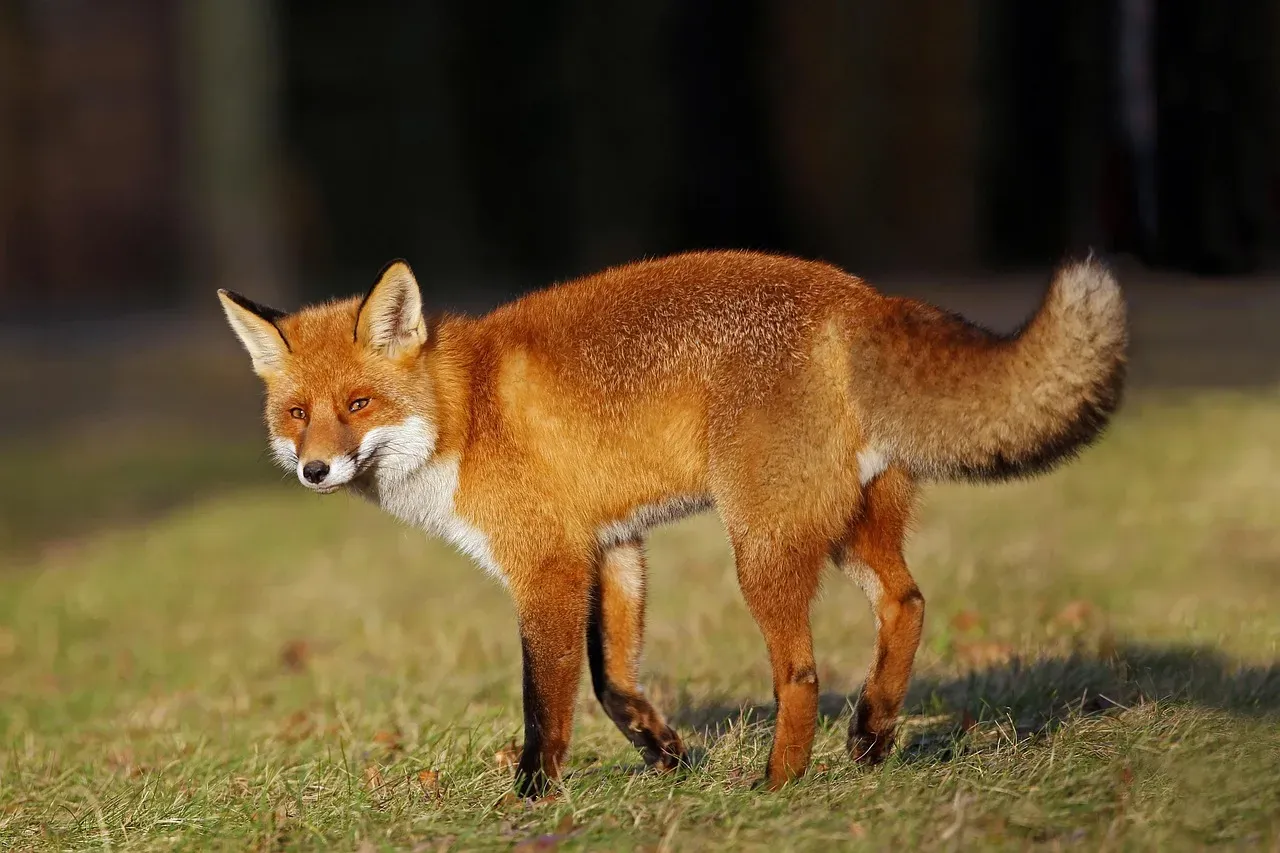
The increasing presence of red foxes in urban areas is a fascinating example of wildlife adaptation. By quietly studying human routines, these intelligent creatures have carved out a niche in our neighborhoods, demonstrating remarkable resilience. As we continue to share our spaces with them, it’s crucial to foster a relationship built on mutual respect and understanding. After all, isn’t it remarkable how nature finds a way to thrive alongside us?