
8 Breeds That Form Bonds So Deep They’ll Refuse to Bond With Another Human If You Rehome Them
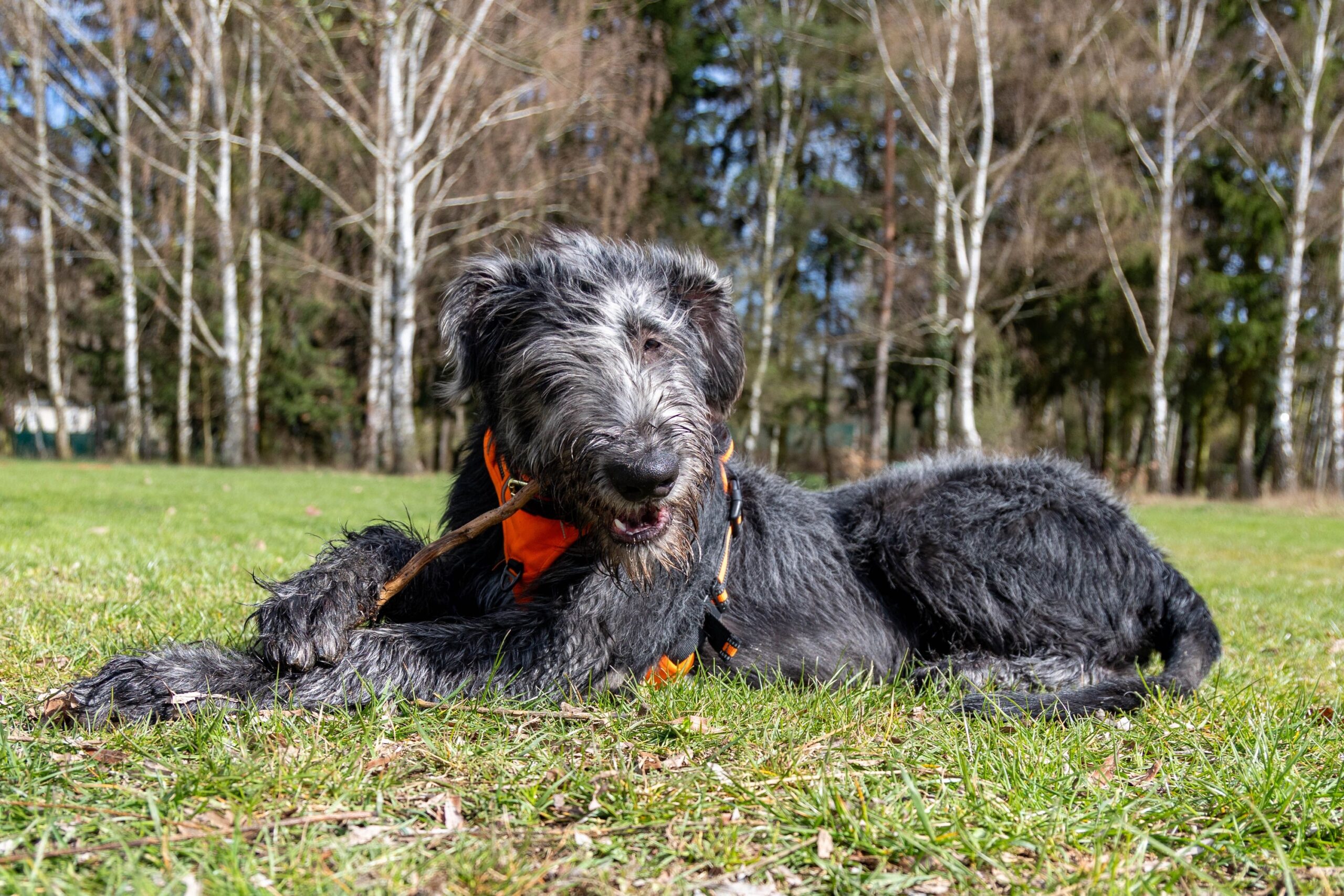
Imagine bringing a dog into your life, only to discover that their loyalty runs so deep, rehoming them could break their spirit. Some breeds form such intense connections with their owners that transitioning to a new home becomes a heart-wrenching ordeal. Let’s explore eight breeds known for their unwavering devotion.
German Shepherd
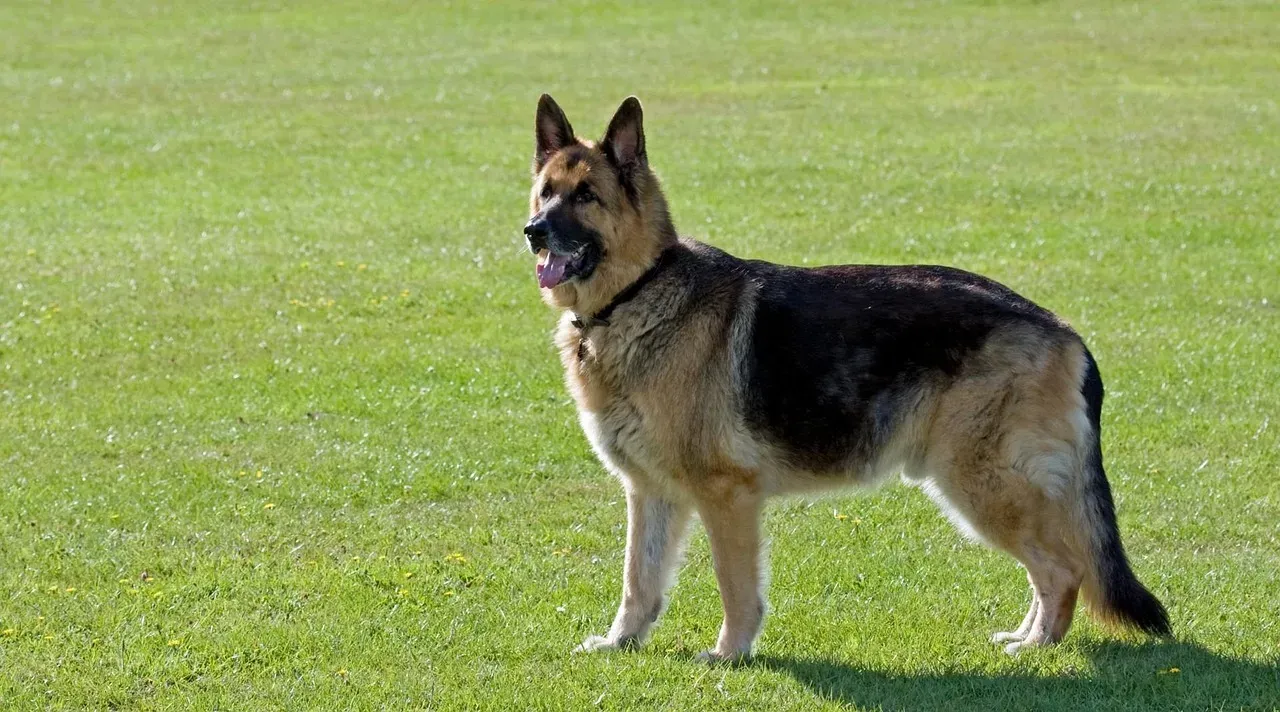
German Shepherds are renowned for their intelligence and loyalty. Originally bred for herding and guarding, they develop profound bonds with their primary caregiver. This deep attachment means they often struggle to adjust if rehomed, as their protective instincts are closely tied to their original family.
These dogs thrive on routine and familiarity. When separated from their chosen person, they can experience anxiety and depression, making it challenging for them to form new attachments. Their dedication is both their strength and vulnerability.
Akita
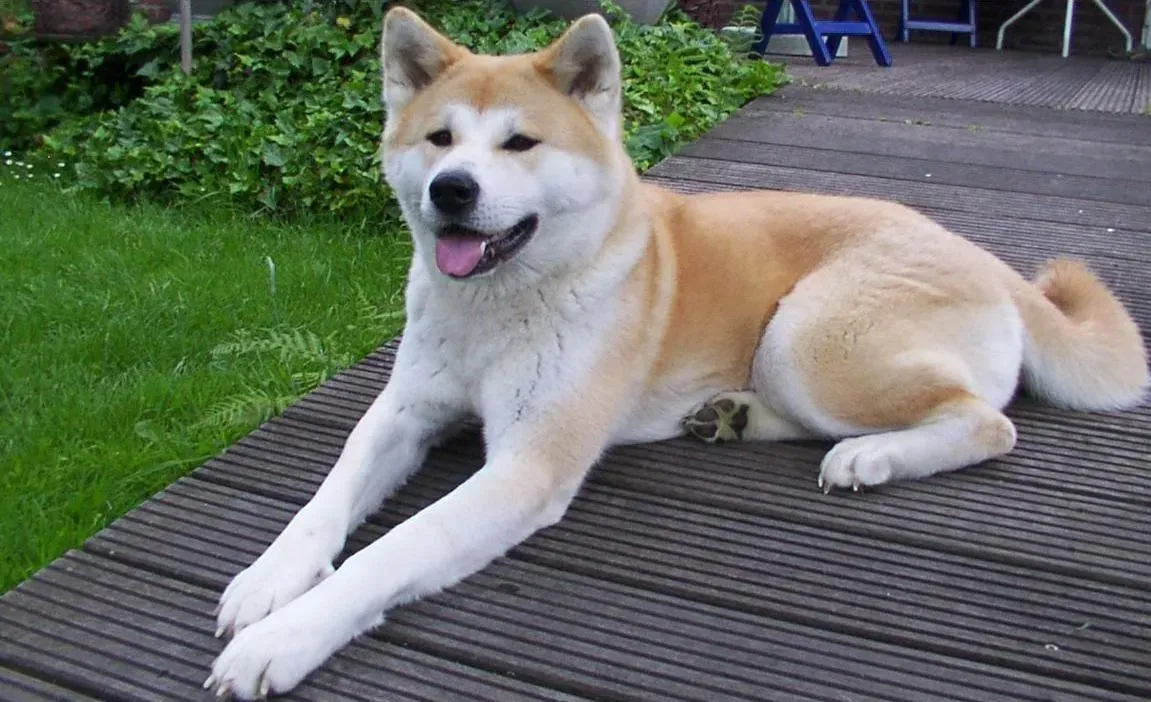
Akitas are symbols of loyalty in their native Japan. They form intense, singular bonds with their owners, often becoming aloof or indifferent to others. This breed’s devotion is legendary, with stories of Akitas waiting years for their deceased owners to return.
Rehoming an Akita can be particularly traumatic. Their deep-seated loyalty makes it difficult for them to trust and bond with new individuals, leading to prolonged periods of mourning and adjustment.
Chihuahua
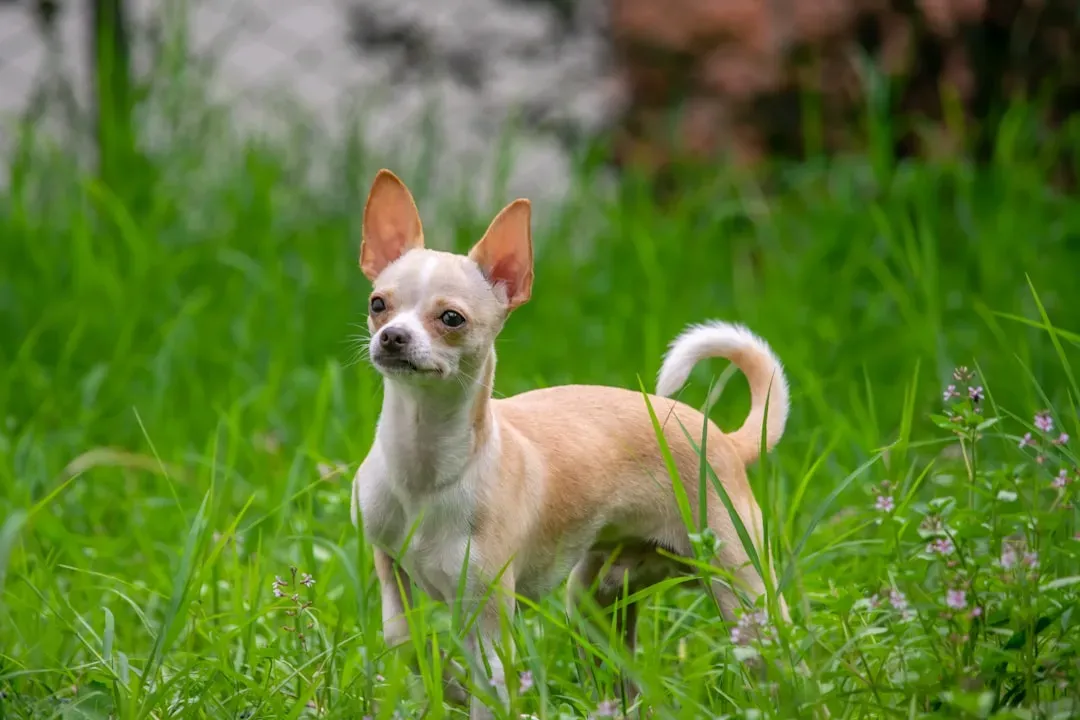
Despite their small size, Chihuahuas possess enormous hearts. They often choose one person to shower with affection, becoming fiercely protective and attached. This selective bonding can make rehoming a Chihuahua a delicate process.
When separated from their chosen human, Chihuahuas may exhibit signs of distress, including anxiety and behavioral changes. Their strong-willed nature means they don’t easily transfer their affections, making new bonds hard to establish.
Border Collie
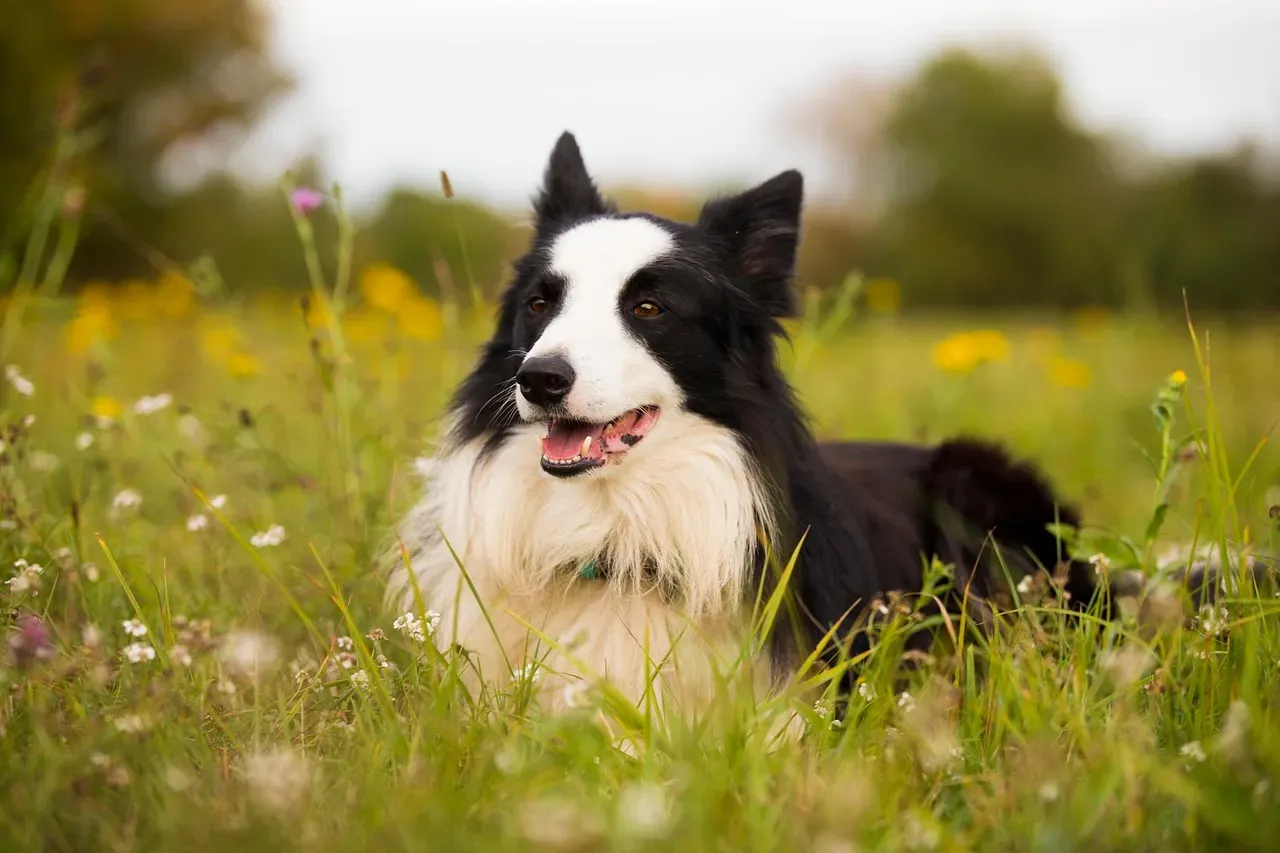
Border Collies are celebrated for their intelligence and work ethic. They form deep connections with their handlers, often anticipating commands and reading emotions with uncanny accuracy. This breed’s sensitivity makes them particularly attuned to their owner’s presence.
Rehoming a Border Collie can disrupt their emotional balance. Their deep attachment to their original owner means they may struggle to trust and bond with new individuals, leading to potential behavioral issues.
Australian Cattle Dog
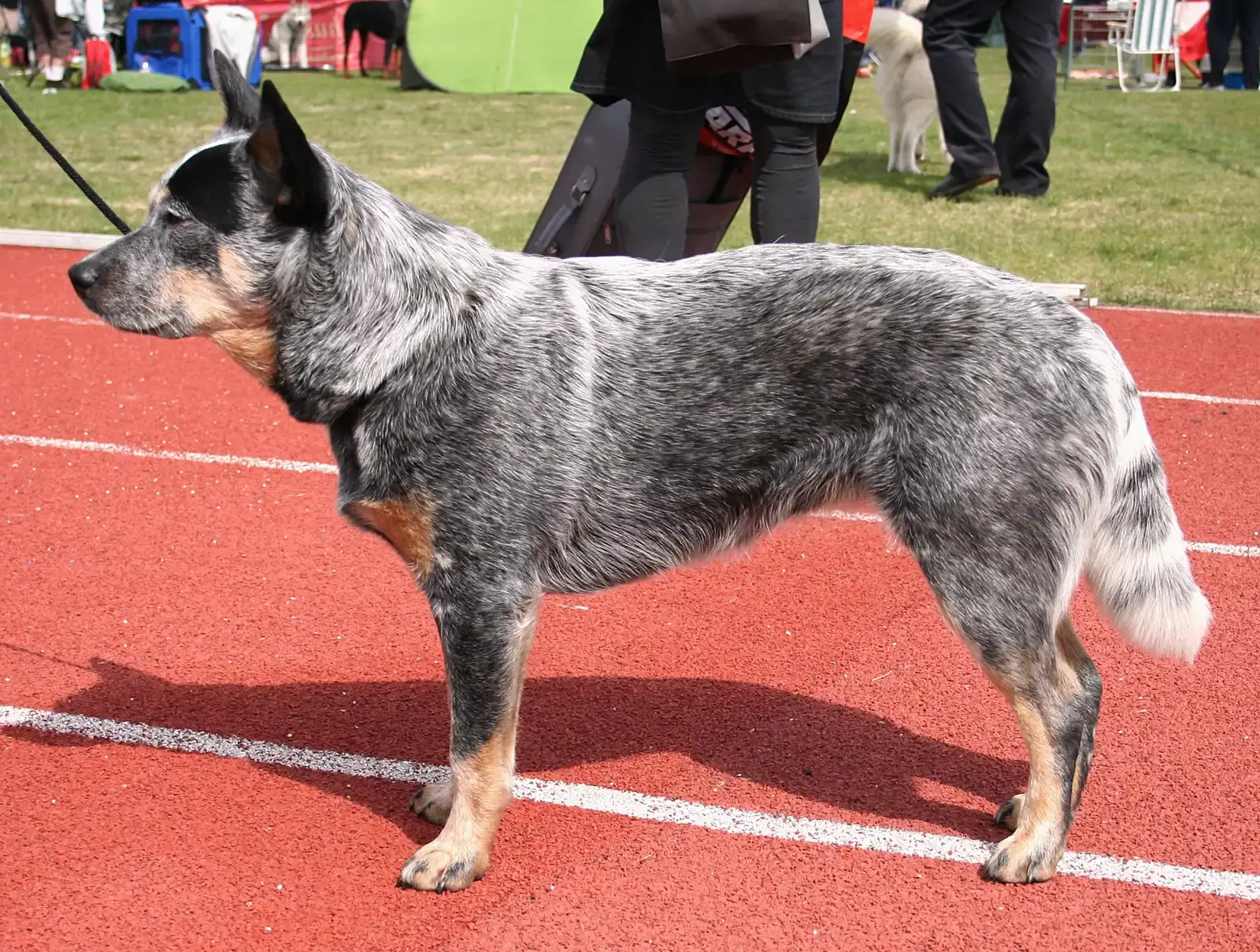
Australian Cattle Dogs, or Blue Heelers, are known for their loyalty and protective nature. Bred to work closely with a single handler, they develop strong, exclusive bonds. This intense attachment can make rehoming a challenging experience for them.
When separated from their primary caregiver, Australian Cattle Dogs may become anxious and withdrawn. Their deep-seated loyalty makes it difficult for them to form new attachments, often leading to prolonged periods of adjustment.
Shiba Inu

Shiba Inus are independent yet deeply loyal to their chosen person. They form strong, singular bonds and can be reserved or aloof with others. This breed’s devotion is profound, making rehoming a significant emotional challenge.
When rehomed, Shiba Inus may exhibit signs of stress and anxiety. Their strong attachment to their original owner means they may resist forming new bonds, leading to prolonged periods of adjustment and potential behavioral issues.
Irish Wolfhound
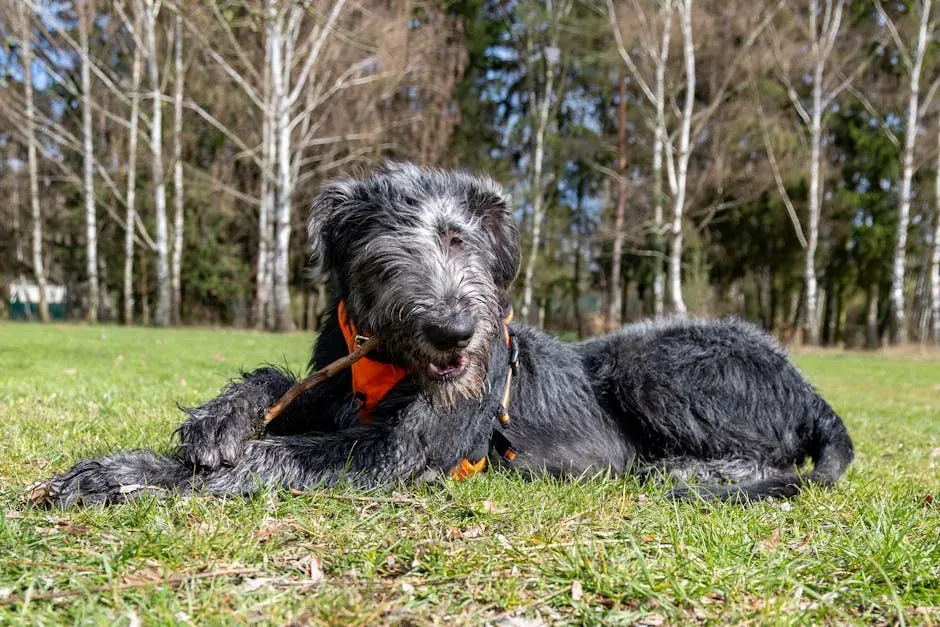
Irish Wolfhounds are gentle giants known for their loyalty and affection. They form deep bonds with their families and can become quite morose if left alone for long periods. This breed’s devotion makes rehoming a particularly sensitive process.
When separated from their original family, Irish Wolfhounds may experience depression and anxiety. Their deep attachment to their owners means they may struggle to form new bonds, leading to prolonged periods of adjustment.
Doberman Pinscher
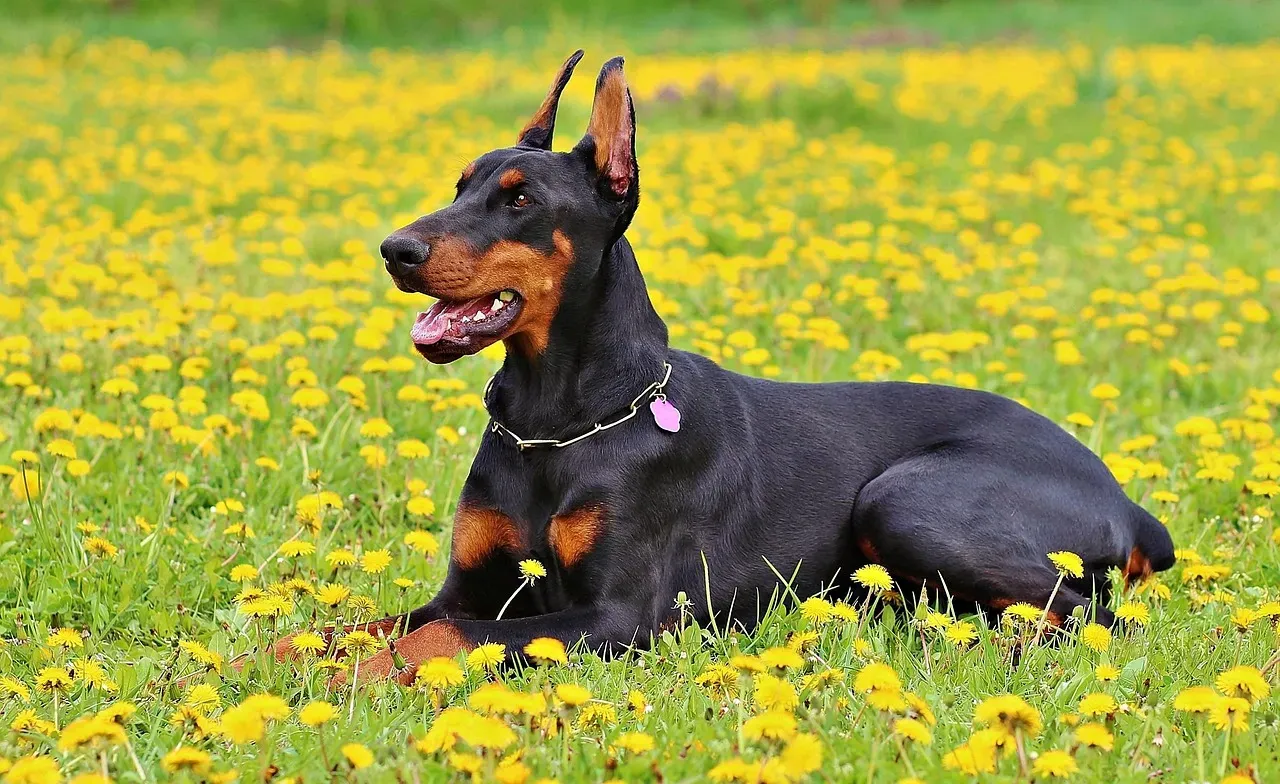
Doberman Pinschers are known for their intelligence and loyalty. They form strong bonds with their owners and can become anxious when separated. This breed’s devotion makes rehoming a challenging experience.
When rehomed, Dobermans may exhibit signs of stress and anxiety. Their deep attachment to their original owner means they may resist forming new bonds, leading to prolonged periods of adjustment and potential behavioral issues.
In conclusion, while dogs are known for their loyalty, certain breeds take this devotion to extraordinary depths. Rehoming such dogs isn’t just a logistical challenge; it’s an emotional upheaval that can leave lasting scars on their psyche. Before bringing one of these breeds into your life, consider the lifelong commitment they require. After all, isn’t the essence of companionship a bond that stands the test of time?