
Dog Psychology says dogs who lick your tears are exhibiting an empathetic response to human distress while simultaneously reacting to physical stimuli

Imagine this: you’re sitting on your couch, tears streaming down your face after a particularly tough day. Suddenly, your dog approaches, gently licking away your tears. Is this a mere coincidence, or is there a deeper, more profound reason behind this behavior?
The Empathetic Nature of Dogs

Dogs have been our companions for thousands of years, evolving alongside humans and developing an uncanny ability to read our emotions. When they see us crying, they often respond with comforting behaviors, such as licking our faces. This isn’t just a random act; it’s a testament to their empathetic nature. Studies have shown that dogs can sense human emotions and often react in ways that suggest they are trying to provide comfort.
For instance, a study published in the journal Animal Cognition found that dogs were more likely to approach a person who was crying than someone who was humming or talking. This indicates that dogs can distinguish between different human emotional states and are inclined to offer comfort when they sense distress.
The Role of Emotional Contagion

Emotional contagion refers to the phenomenon where one individual’s emotions trigger similar emotions in others. Dogs are highly susceptible to this. When they observe their owners crying, they may experience a form of emotional contagion, leading them to exhibit behaviors aimed at alleviating the perceived distress. This could explain why your dog licks your tears; they’re not just reacting to your sadness but are also trying to soothe themselves by comforting you.
Research has demonstrated that dogs can mirror the emotions of their human companions, further solidifying the bond between the two. This mirroring behavior is a cornerstone of the deep connection shared between humans and dogs.
Sensory Attraction to Tears
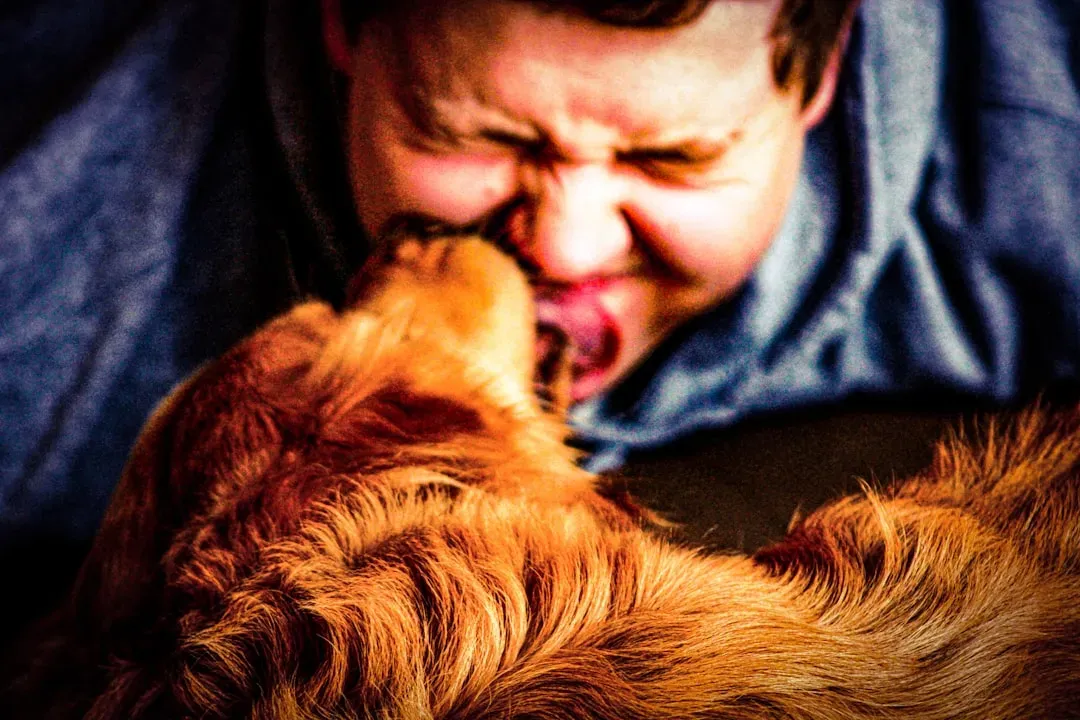
Beyond the emotional aspect, there’s a sensory component to consider. Human tears contain a mix of water, salts, and proteins. The salty taste of tears can be appealing to dogs, prompting them to lick. Additionally, the act of crying can alter our scent, releasing pheromones that dogs can detect. Their keen sense of smell makes them highly attuned to these changes, drawing them closer to investigate and, in the process, lick away the tears.
It’s also worth noting that dogs use licking as a way to gather information about their environment. By licking your tears, they might be trying to understand the changes in your emotional and physical state.
Instinctual Grooming Behavior
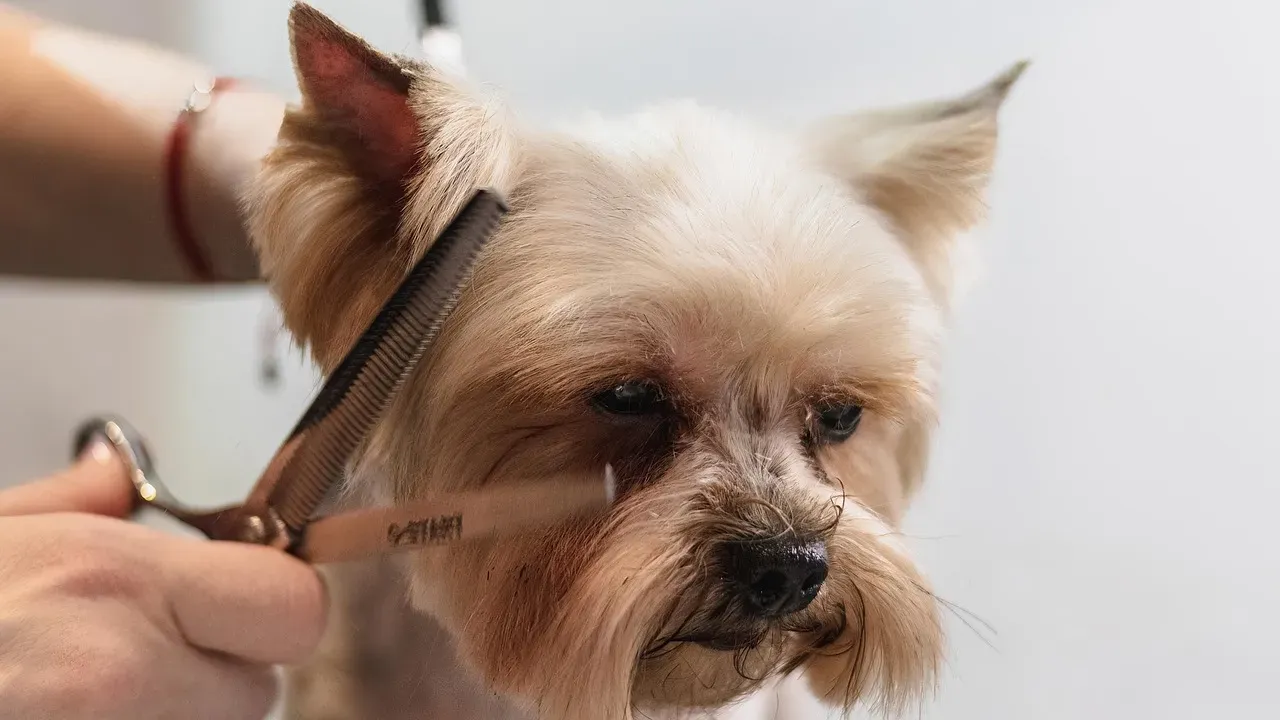
In the wild, canines engage in mutual grooming as a social activity to strengthen bonds within the pack. Licking is a significant part of this grooming behavior. When your dog licks your tears, it might be tapping into this instinctual behavior, treating you as a member of its pack and attempting to care for you in the only way it knows how.
This behavior underscores the deep-seated social structures that dogs have inherited from their ancestors, emphasizing the importance of care and bonding within a group.
Learned Behavior and Positive Reinforcement

Dogs are quick learners and often repeat behaviors that elicit positive responses. If, in the past, your dog licked your tears and you responded with affection or attention, it might have learned to associate this action with positive reinforcement. Over time, this behavior becomes ingrained, leading your dog to lick your tears whenever it senses you’re upset.
This learned behavior highlights the dynamic nature of the human-dog relationship, where both parties continuously adapt and respond to each other’s cues.
Potential Health Considerations

While the act of your dog licking your tears is heartwarming, it’s essential to consider potential health implications. A dog’s mouth harbors various bacteria, some of which can be harmful if introduced into the human body, especially through mucous membranes like the eyes. While the risk is relatively low for healthy individuals, those with compromised immune systems should exercise caution.
It’s always a good practice to ensure your dog maintains good oral hygiene and to be mindful of any open wounds or sensitivities you might have when allowing such close interactions.
Strengthening the Human-Canine Bond

The act of a dog licking its owner’s tears is a multifaceted behavior rooted in empathy, sensory attraction, instinct, and learned responses. This behavior not only provides comfort to the human but also strengthens the bond between the dog and its owner. Recognizing and appreciating these actions can lead to a deeper understanding and a more profound connection with your canine companion.
So, the next time your dog licks away your tears, remember that it’s not just about the taste or a simple reaction. It’s a complex interplay of emotions, instincts, and learned behaviors that showcase the depth of the human-dog relationship.
Isn’t it remarkable how our furry friends can sense and respond to our emotions in such profound ways?