
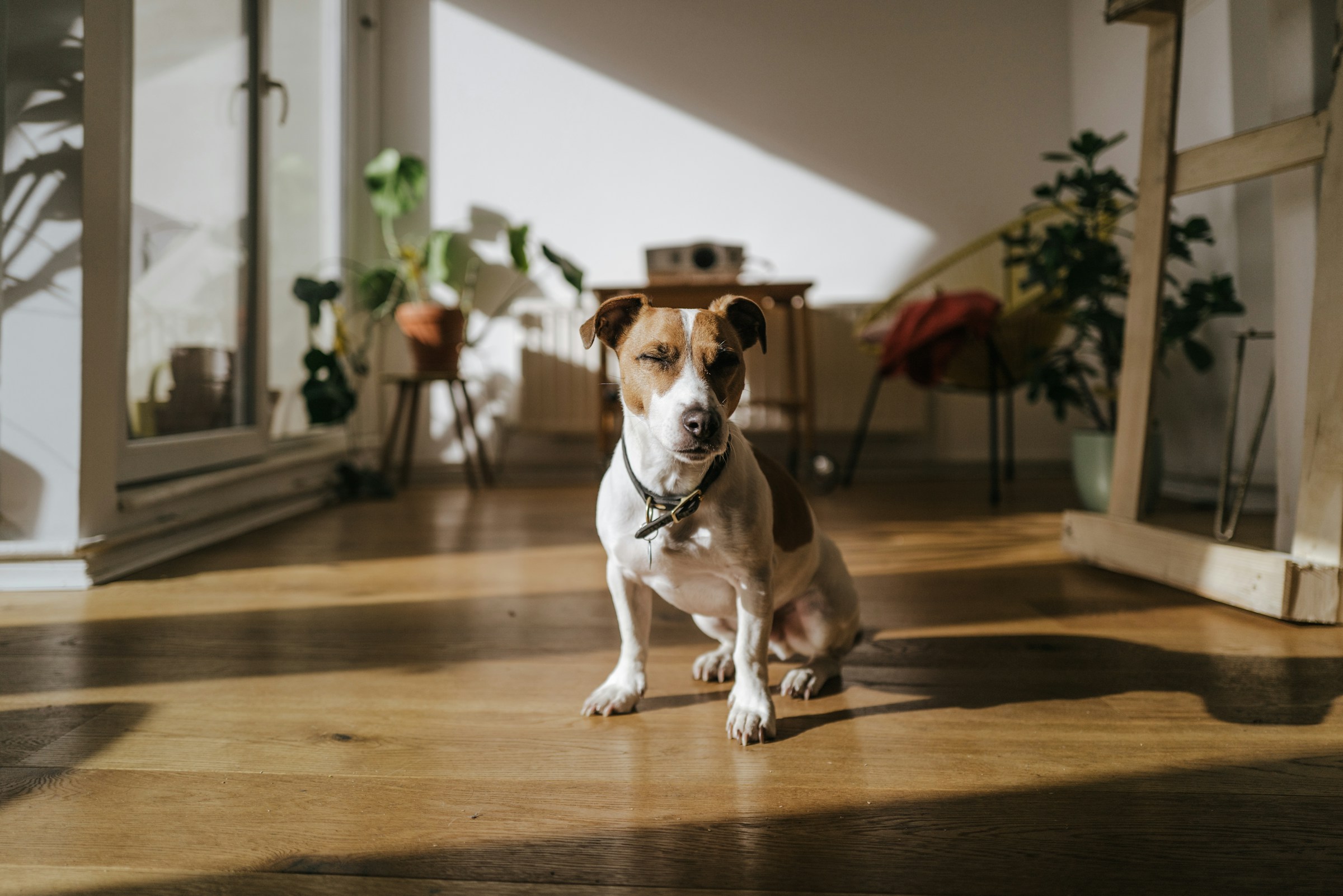
Imagine this: your dog, who has always followed you into every room without hesitation, suddenly stops at the threshold of your bedroom, refusing to step inside. This unexpected behavior can be both puzzling and concerning. What could cause such a sudden change?
Environmental Changes: The Unseen Culprits
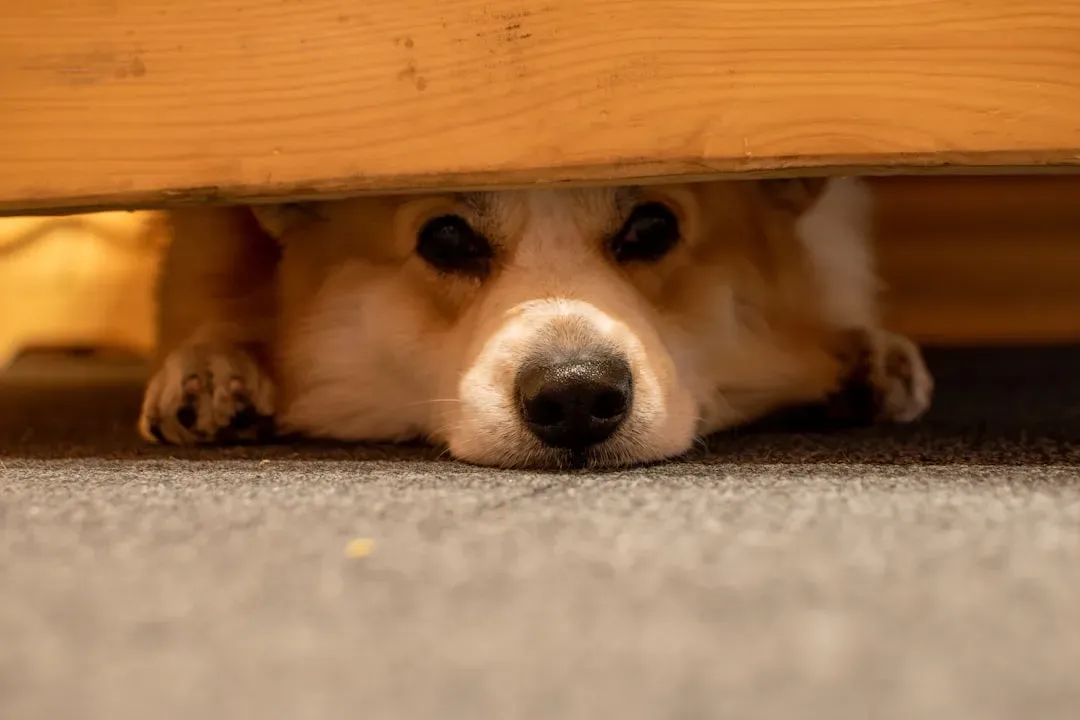
Dogs experience their surroundings through a rich tapestry of senses, far more acute than our own. A room that seems unchanged to you might have undergone subtle shifts that are significant to your canine companion. For instance, the introduction of a new piece of furniture, a change in lighting, or even a slight alteration in room temperature can make a familiar space feel foreign and unsettling to a dog.
Additionally, dogs are highly sensitive to sounds and smells that humans might overlook. A new appliance emitting a high-pitched noise, a lingering scent from a recently used cleaning product, or even the distant hum of construction work can create an environment that your dog finds uncomfortable or intimidating.
Negative Associations: Memories That Linger
Dogs have remarkable associative memories. A single negative experience in a particular room can lead to lasting aversion. Perhaps your dog was startled by a loud noise, slipped on a slick floor, or had an unpleasant encounter in that space. Even if the event was brief, the emotional imprint can cause your dog to avoid the room to prevent a repeat of the distressing experience.
It’s essential to consider any recent incidents that might have occurred in the room. Even something as seemingly minor as a scolding or an accidental injury can create a negative association strong enough to deter your dog from entering.
Sensory Sensitivities: The Invisible Barriers

Dogs possess heightened senses that can detect stimuli imperceptible to humans. High-frequency sounds from electronic devices, subtle vibrations from household appliances, or even electromagnetic fields from Wi-Fi routers can be unsettling. These sensory inputs, while unnoticed by us, can create an environment that feels hostile or threatening to a dog.
Moreover, changes in flooring materials can affect a dog’s willingness to enter a room. A transition from carpet to hardwood or tile can be daunting, especially if the new surface is slippery or cold. This is particularly true for older dogs or those with mobility issues, who may find certain surfaces challenging to navigate.
Health Concerns: When the Body Speaks

Sudden behavioral changes, such as avoiding a specific room, can sometimes indicate underlying health issues. Conditions like arthritis, vision or hearing impairments, or cognitive dysfunction can make certain environments feel unsafe or difficult to navigate. For example, a dog with joint pain might avoid rooms where they have to climb stairs or jump onto furniture.
If your dog exhibits other signs like limping, disorientation, or changes in appetite, it’s crucial to consult a veterinarian. Addressing potential health problems can not only improve your dog’s quality of life but also resolve behavioral issues stemming from physical discomfort.
Emotional Factors: The Impact of Stress and Anxiety
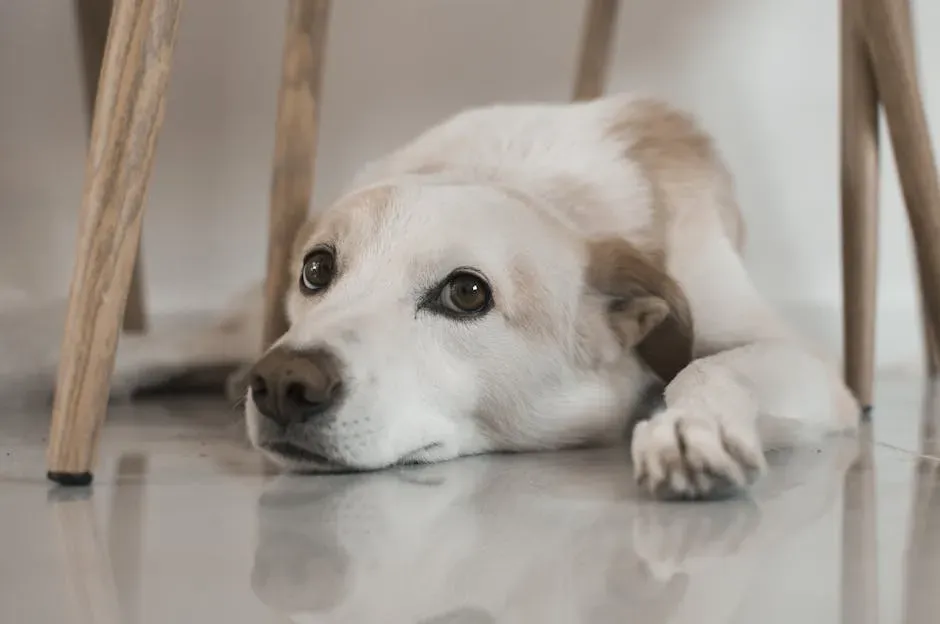
Just like humans, dogs can experience stress and anxiety that influence their behavior. Changes in household dynamics, such as the arrival of a new pet, a family member moving out, or even alterations in your daily routine, can affect your dog’s sense of security. A room previously associated with comfort might become a source of anxiety if it’s linked to these changes.
Observing your dog’s overall behavior can provide clues. Signs of stress include excessive licking, panting, pacing, or changes in eating habits. Understanding and addressing the root cause of anxiety can help your dog feel more at ease in all areas of your home.
Rebuilding Trust: Encouraging Positive Associations

Once you’ve identified potential triggers, the next step is to help your dog rebuild positive associations with the room. Start by spending time together near the room’s entrance, offering treats and gentle praise to create a sense of safety. Gradually encourage your dog to enter the room, using their favorite toys or activities to make the experience enjoyable.
Patience is key. Forcing your dog into the room can reinforce fear and resistance. Instead, allow them to approach at their own pace, ensuring that each step forward is met with positive reinforcement. Over time, this method can help your dog overcome their hesitation and regain confidence in the space.
When to Seek Professional Help
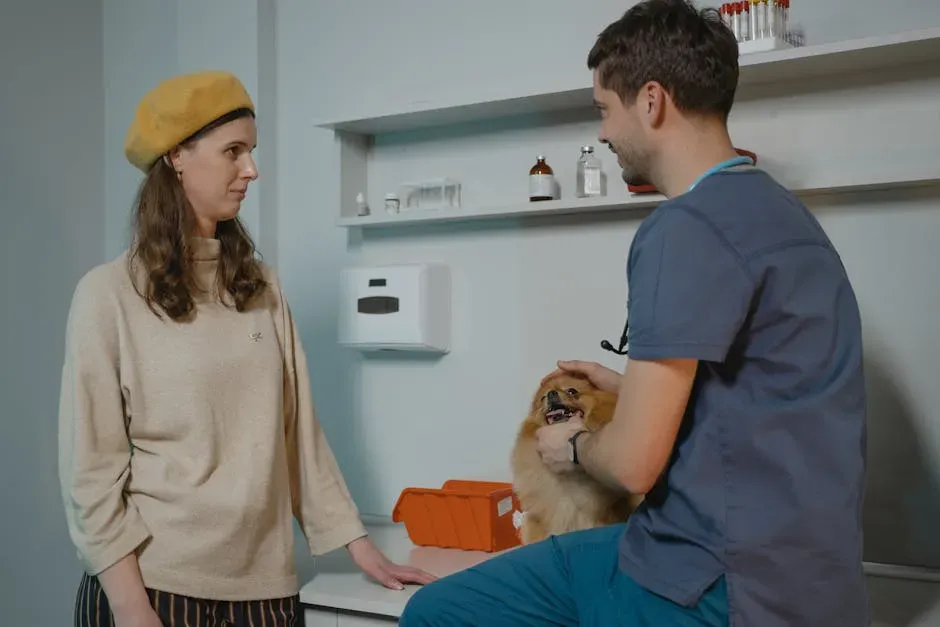
If your dog’s avoidance behavior persists despite your efforts, it may be time to consult a professional. A veterinarian can rule out medical issues, while a certified animal behaviorist can provide tailored strategies to address behavioral concerns. Professional guidance can offer insights and techniques that are specific to your dog’s needs, facilitating a smoother resolution.
Remember, your dog’s behavior is a form of communication. By paying attention and responding thoughtfully, you can help them navigate their environment with confidence and ease.
Conclusion: Listening to Your Dog’s Silent Messages

When your dog suddenly refuses to enter a familiar room, it’s not mere stubbornness – it’s a signal that something in their world has changed. Whether it’s an environmental shift, a negative association, or an underlying health issue, understanding the root cause is essential. By observing, empathizing, and taking proactive steps, you can help your dog feel safe and comfortable in every corner of your home. After all, isn’t that what every pet parent wants?


