
Veterinary behaviorists say dogs who stare intently at walls are usually tracking high-frequency sounds, micro-movements of pests, or experiencing a medical issue

Ever caught your dog fixating on a blank wall, seemingly entranced by something invisible? This peculiar behavior can be both amusing and concerning. While it might appear as if your canine companion is daydreaming or sensing the supernatural, there are several plausible explanations rooted in their keen senses and health.
Heightened Hearing: Detecting the Undetectable
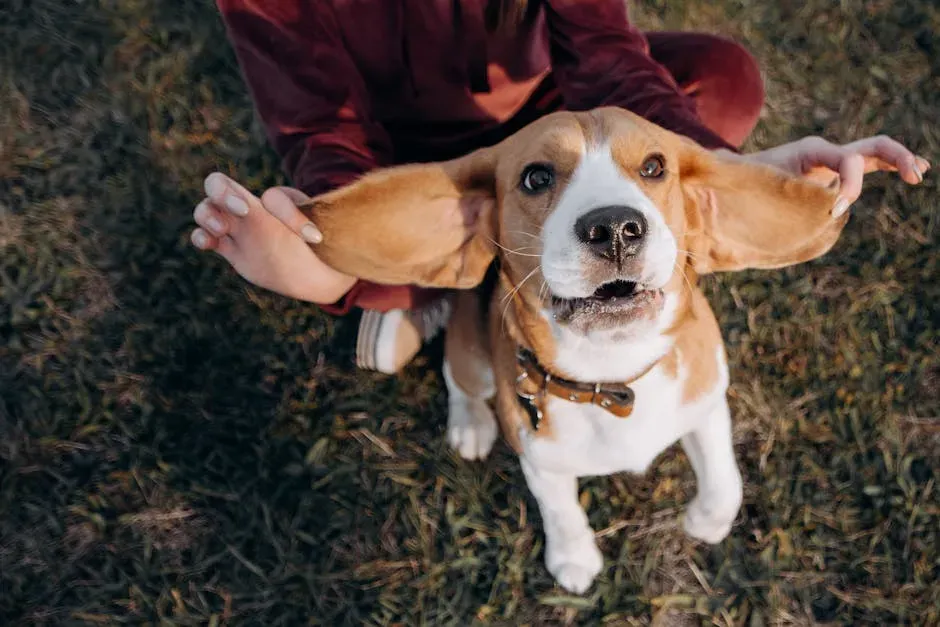
Dogs possess an extraordinary sense of hearing, far surpassing human capabilities. They can detect high-frequency sounds and subtle noises that escape our notice. When your dog stares at a wall, they might be tuning into the faint scurrying of rodents, the buzz of insects, or even the hum of electrical appliances within the walls. This acute auditory perception allows them to be aware of activities hidden from our senses.
If your dog exhibits this behavior, observe their body language. Are their ears perked up? Do they tilt their head or move their ears as if tracking a sound? These signs suggest they’re responding to auditory stimuli. In such cases, it’s advisable to inspect your home for potential infestations or noises that might be causing your dog’s interest.
Visual Sensitivity: Noticing the Unseen

Beyond their impressive hearing, dogs have a keen sense of sight, especially in low-light conditions. They can detect subtle movements, light reflections, or shadows that might be imperceptible to us. A dog staring at a wall could be captivated by the play of light, the movement of tiny insects, or even the reflection of a passing car’s headlights.
To determine if visual stimuli are the cause, observe the environment. Are there light sources that could create reflections or shadows? Is there a window nearby allowing external lights to cast patterns on the wall? Understanding these factors can help you identify and possibly eliminate the source of your dog’s fascination.
Olfactory Overload: Smelling the Invisible
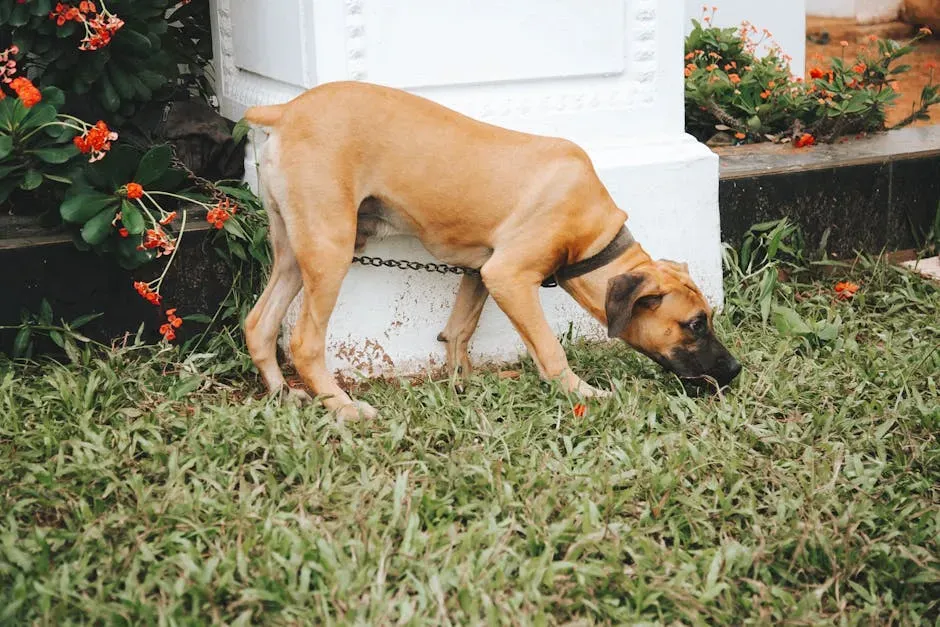
A dog’s sense of smell is incredibly powerful, estimated to be tens of thousands of times more sensitive than that of humans. They can detect scents that are entirely undetectable to us. When your dog stares at a wall, they might be processing a particular scent emanating from it. This could be due to mold, pests, or even remnants of food particles.
If your dog is sniffing the wall or the air around it, it’s a strong indication that their behavior is scent-driven. Investigating the area for potential sources of odor, such as hidden food, moisture issues, or pest infestations, can help address the root cause of their interest.
Canine Cognitive Dysfunction: Aging and Disorientation

As dogs age, they can experience cognitive decline similar to dementia in humans, known as Canine Cognitive Dysfunction (CCD). Symptoms include disorientation, altered sleep patterns, and changes in behavior, such as staring at walls. This behavior may be accompanied by aimless wandering, confusion, or forgetting familiar routines.
If your senior dog exhibits these signs, it’s essential to consult a veterinarian. Early diagnosis can lead to management strategies that improve quality of life, including dietary changes, medications, and environmental enrichment to stimulate cognitive function.
Seizures and Neurological Issues: Silent Signals

Staring at walls can sometimes indicate neurological issues, such as focal seizures. Unlike generalized seizures, focal seizures may manifest as brief periods of staring, unresponsiveness, or subtle movements like lip smacking. These episodes can be easy to overlook but are significant indicators of underlying health concerns.
If you notice your dog staring at walls accompanied by other unusual behaviors, such as twitching, disorientation, or unresponsiveness, seek veterinary attention promptly. A thorough examination can determine the cause and appropriate treatment plan.
Compulsive Behaviors: Repetitive Rituals

Dogs, like humans, can develop compulsive behaviors, including repetitive actions such as staring at walls. These behaviors often arise from stress, anxiety, or lack of mental stimulation. Over time, they can become ingrained habits that are challenging to break.
To address compulsive behaviors, ensure your dog receives adequate physical exercise and mental enrichment. Engaging toys, training sessions, and regular playtime can help redirect their focus. If the behavior persists, consulting a veterinarian or animal behaviorist can provide tailored strategies to manage and reduce compulsive tendencies.
Vision Impairments: Blurred Perceptions

Vision problems can cause dogs to stare at walls due to disorientation or difficulty interpreting their surroundings. Conditions such as cataracts, glaucoma, or retinal degeneration can impair vision, leading to confusion and unusual behaviors.
Signs of vision impairment include bumping into objects, reluctance to navigate stairs, or hesitation in unfamiliar environments. If you suspect your dog has vision issues, a veterinary ophthalmologist can assess their eyesight and recommend appropriate interventions.
Medical Conditions: Underlying Health Concerns
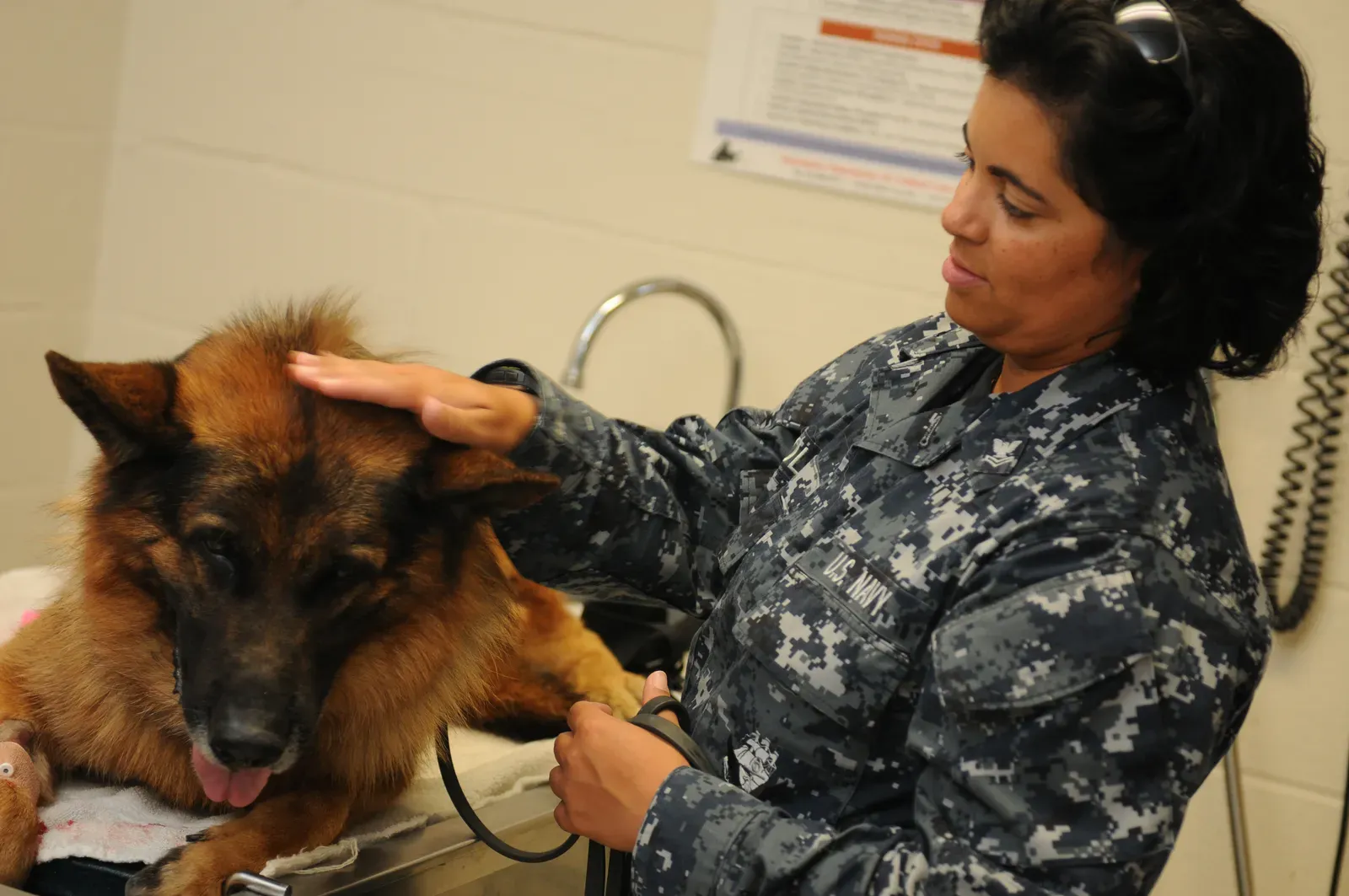
In some cases, staring at walls can be a symptom of underlying medical conditions, such as liver disease, which can lead to hepatic encephalopathy – a condition affecting brain function. Other potential causes include brain tumors or infections affecting the nervous system.
If your dog’s wall-staring behavior is accompanied by other concerning signs like lethargy, vomiting, or changes in appetite, it’s crucial to seek veterinary care immediately. Early detection and treatment of medical conditions can significantly improve outcomes.
Conclusion
While a dog staring at a wall might seem like a quirky or amusing behavior, it’s essential to consider the various underlying causes. From their heightened senses detecting stimuli imperceptible to us, to potential medical or behavioral issues, understanding the root of this behavior is crucial. As responsible pet owners, staying observant and proactive