
9 Behaviors That Mean Your Dog Has Officially Stopped Trusting the Routine and Started Trusting Only You
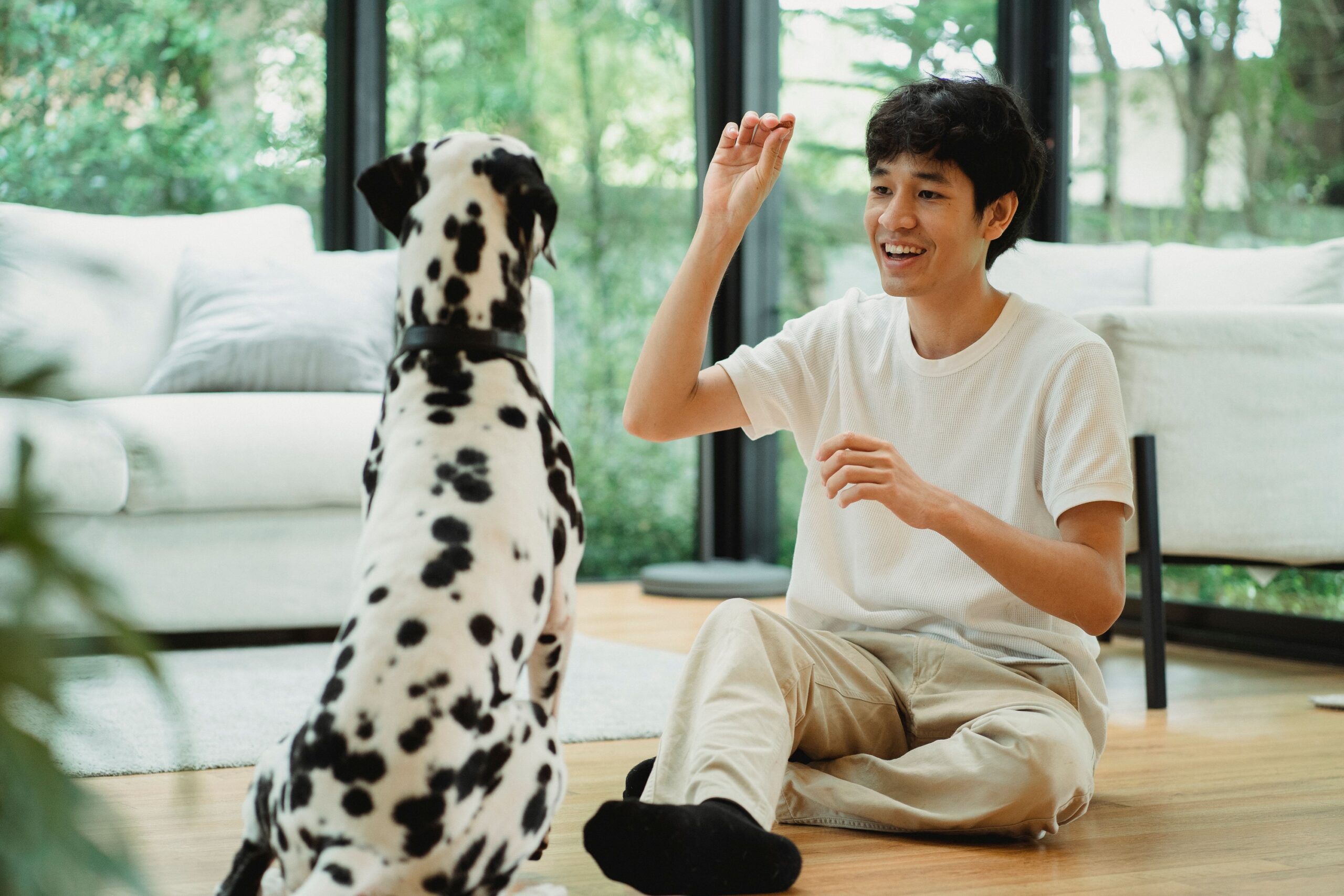
Have you ever noticed your dog breaking away from their usual habits, choosing instead to focus solely on you? This shift is more than just a change in behavior; it’s a profound sign of trust and deepening bond. Let’s explore the nine behaviors that indicate your dog has moved beyond the routine and placed their trust entirely in you.
They Seek Your Guidance in Unfamiliar Situations
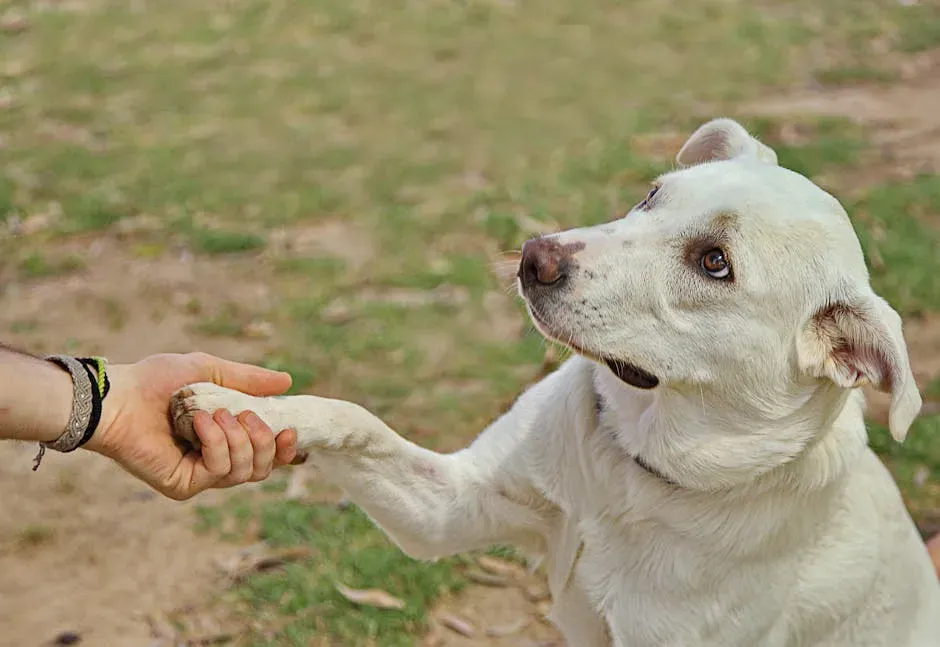
When faced with new or potentially intimidating environments, a dog that trusts you will look to you for cues on how to react. This behavior signifies that they consider you their anchor, relying on your responses to navigate the unknown. It’s a clear indication that your presence provides them with a sense of security.
For instance, during a visit to a new park, your dog might pause and glance at you before approaching unfamiliar objects or other dogs. This check-in behavior underscores their trust in your judgment and their desire for your reassurance.
They Choose Proximity Over Routine
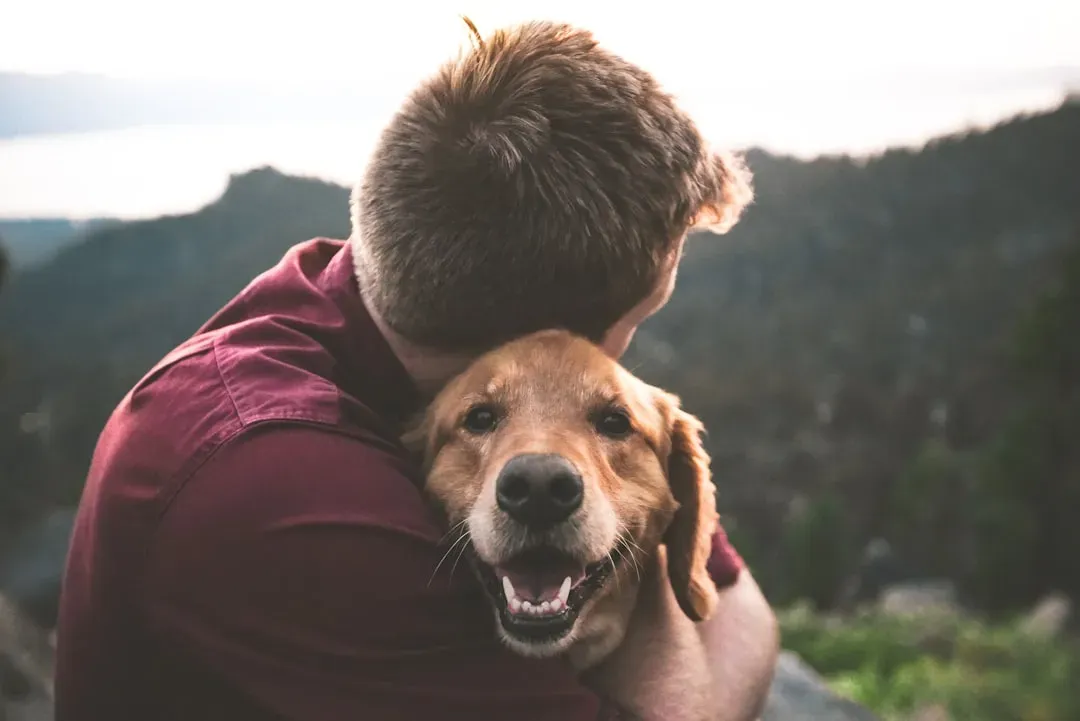
Dogs are creatures of habit, often following set routines. However, a dog that trusts you deeply may prioritize being near you over sticking to their usual schedule. They might opt to stay by your side rather than heading to their feeding spot at the usual time, indicating that your companionship outweighs their routine-driven behaviors.
This shift demonstrates that your dog values your presence more than the predictability of their daily activities, showcasing a profound level of trust and attachment.
They Display Relaxed Body Language Around You
A dog that trusts you will exhibit relaxed and open body language in your presence. This includes a loose posture, soft eyes, and a gently wagging tail. Such signs indicate that they feel completely at ease and secure when you’re around.
Observing your dog sprawled out comfortably or resting with their belly exposed are strong indicators of their trust. These vulnerable positions suggest they feel safe and protected by you.
They Follow Your Lead During Walks
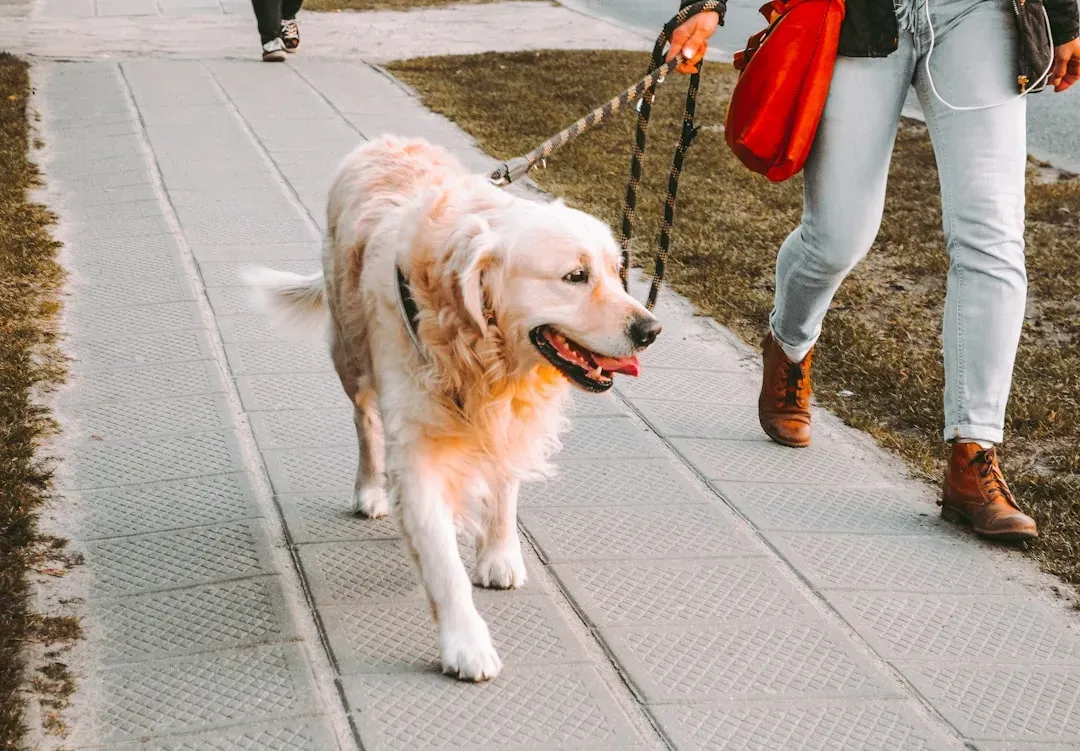
On walks, a trusting dog will often stay close to you, matching your pace and direction. They may frequently look up at you, seeking guidance on where to go next. This behavior reflects their reliance on you to lead the way and make decisions.
Even in stimulating environments filled with distractions, a dog that trusts you will prioritize staying connected with you over exploring independently, highlighting the strength of your bond.
They Initiate Physical Contact
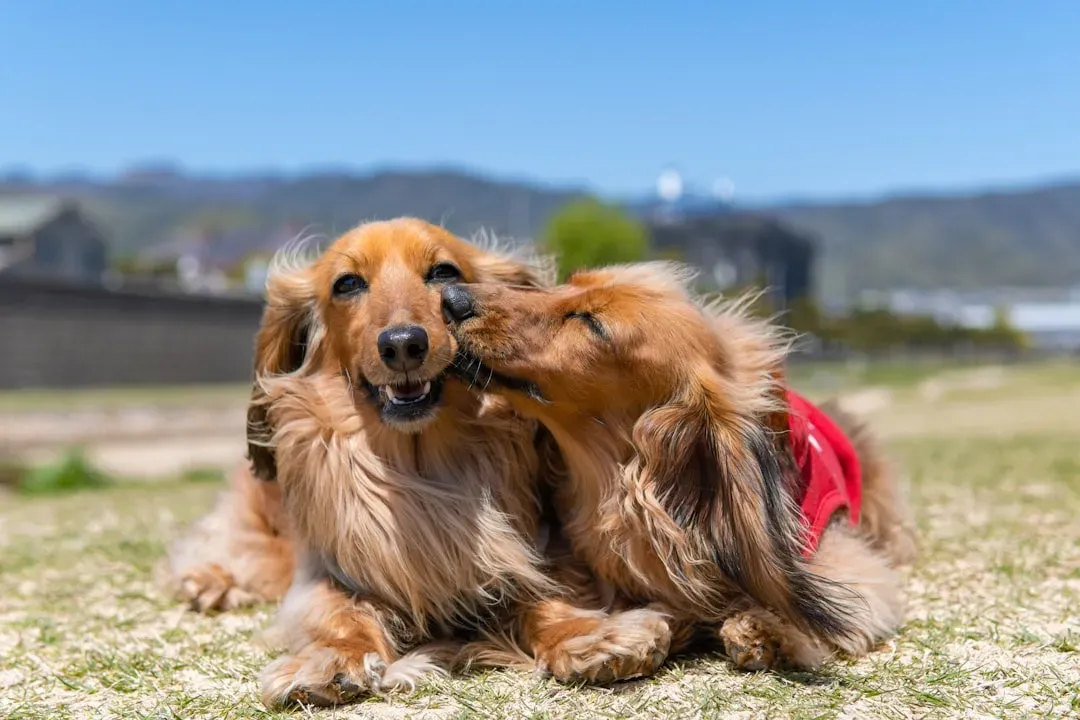
Physical touch is a significant indicator of trust. A dog that leans against you, rests their head on your lap, or nudges you for attention is expressing their comfort and trust in your presence.
These gestures go beyond seeking affection; they demonstrate a desire for closeness and a deep-seated trust in you as their caregiver and protector.
They Show Excitement Upon Your Return
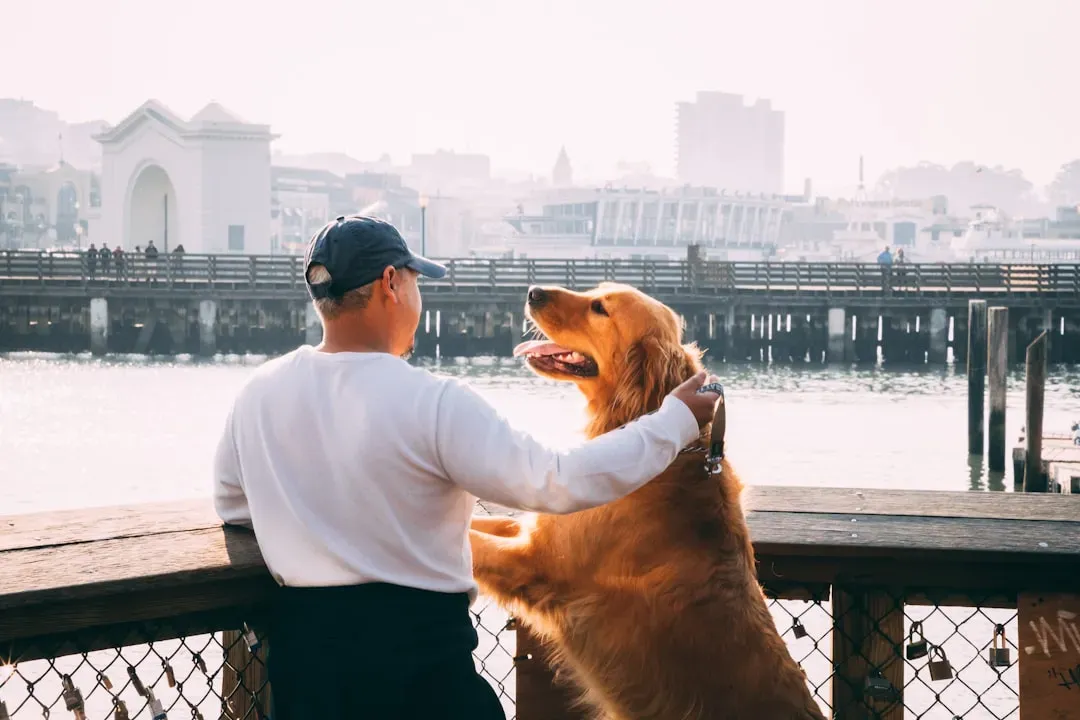
A dog that trusts you will display genuine excitement when you return home. This can manifest as wagging tails, joyful barks, or bringing you their favorite toy. Such enthusiastic greetings indicate that your presence brings them happiness and comfort.
This behavior underscores the strong emotional connection and trust your dog has developed towards you, viewing you as a source of joy and security.
They Allow You to Handle Them Comfortably
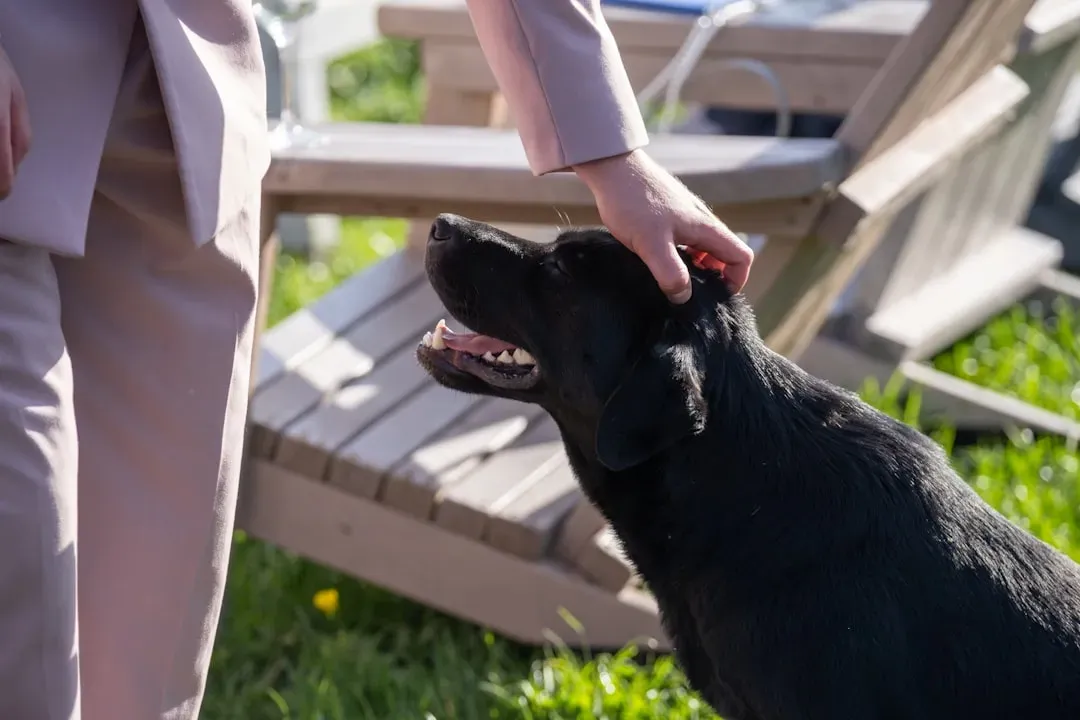
Trusting dogs are more tolerant of being handled, whether it’s during grooming sessions, vet visits, or casual petting. They remain calm and cooperative, indicating their trust in you to care for them appropriately.
This acceptance of handling, even in potentially uncomfortable situations, reflects their confidence in your intentions and their belief that you will not harm them.
They Share Their Space with You
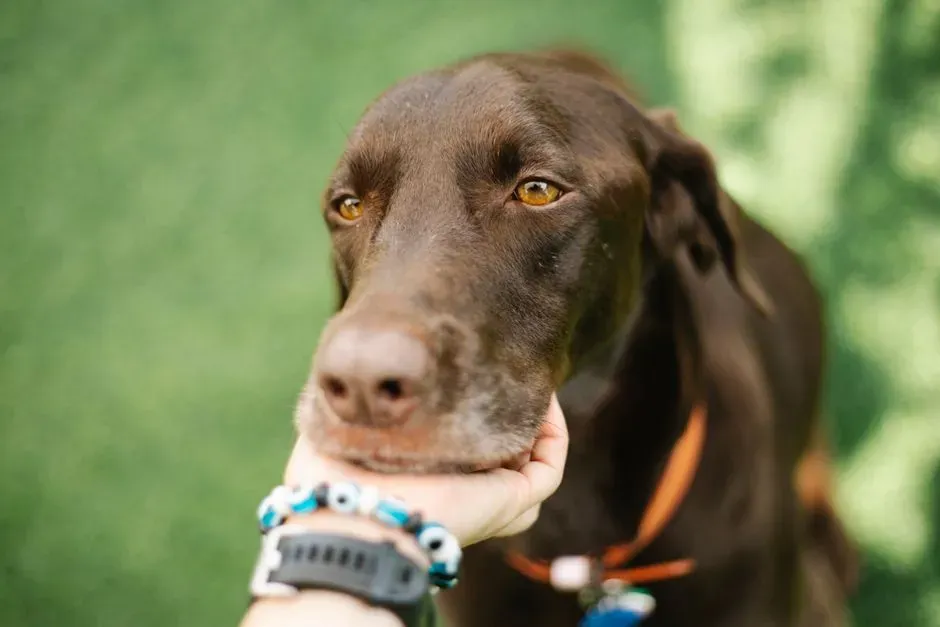
Dogs that trust you will willingly share their personal space, inviting you into their resting areas or choosing to rest near you. This behavior signifies that they feel safe and comfortable in your presence.
Whether it’s snuggling on the couch or lying at your feet, this closeness is a testament to the trust and affection they have for you.
They Respond Positively to Your Emotions
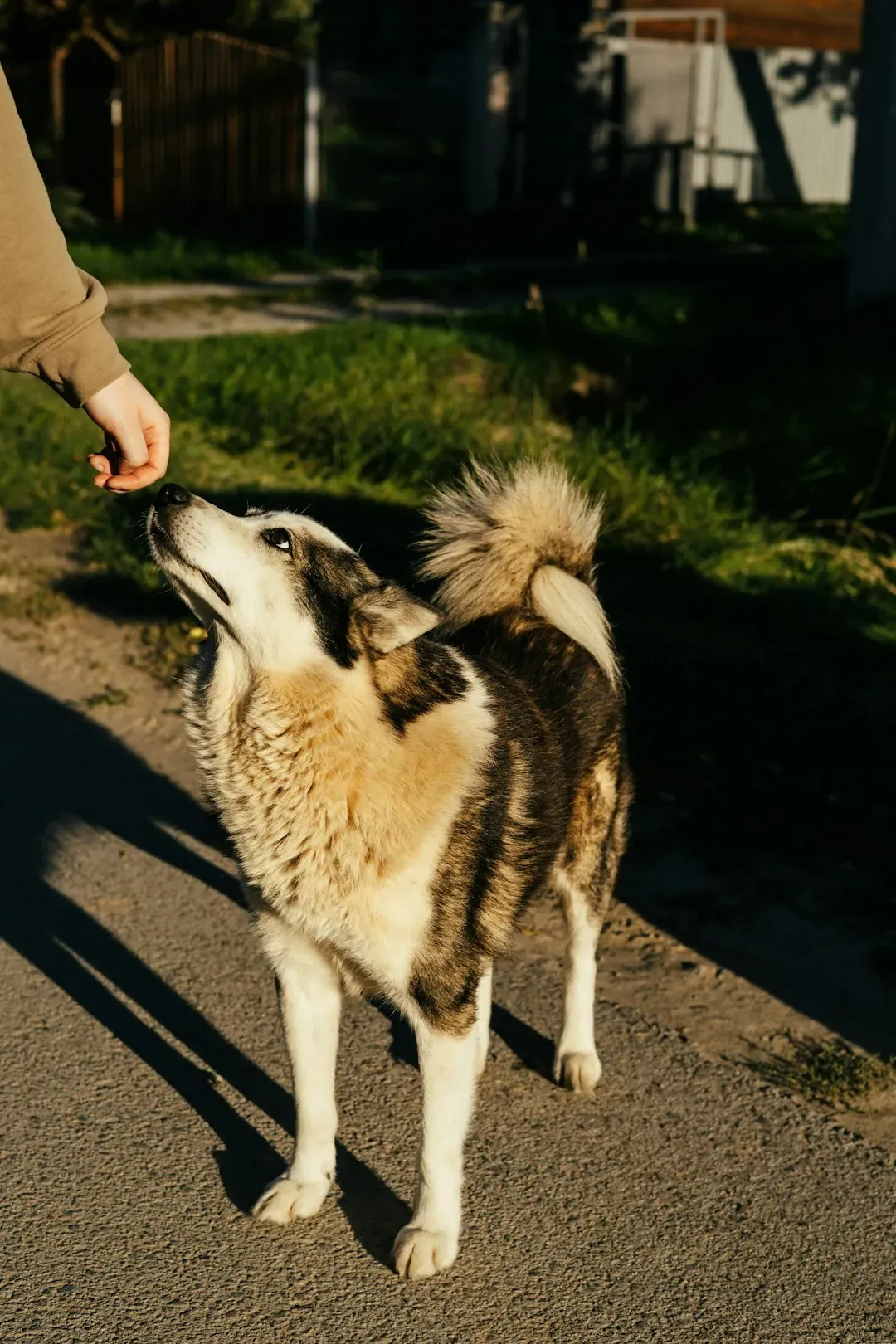
A dog that trusts you will be attuned to your emotional state, offering comfort when you’re sad or sharing in your excitement. They may nuzzle you, bring you a toy, or simply stay close during emotional moments.
This empathetic behavior indicates a deep bond and trust, as your dog seeks to connect with you on an emotional level, providing support and companionship.
Recognizing these behaviors in your dog is a heartwarming affirmation of the trust and bond you’ve built together. It’s a reminder that beyond routines and training, the true essence of companionship lies in mutual trust and understanding. Have you noticed any of these signs in your furry friend?