
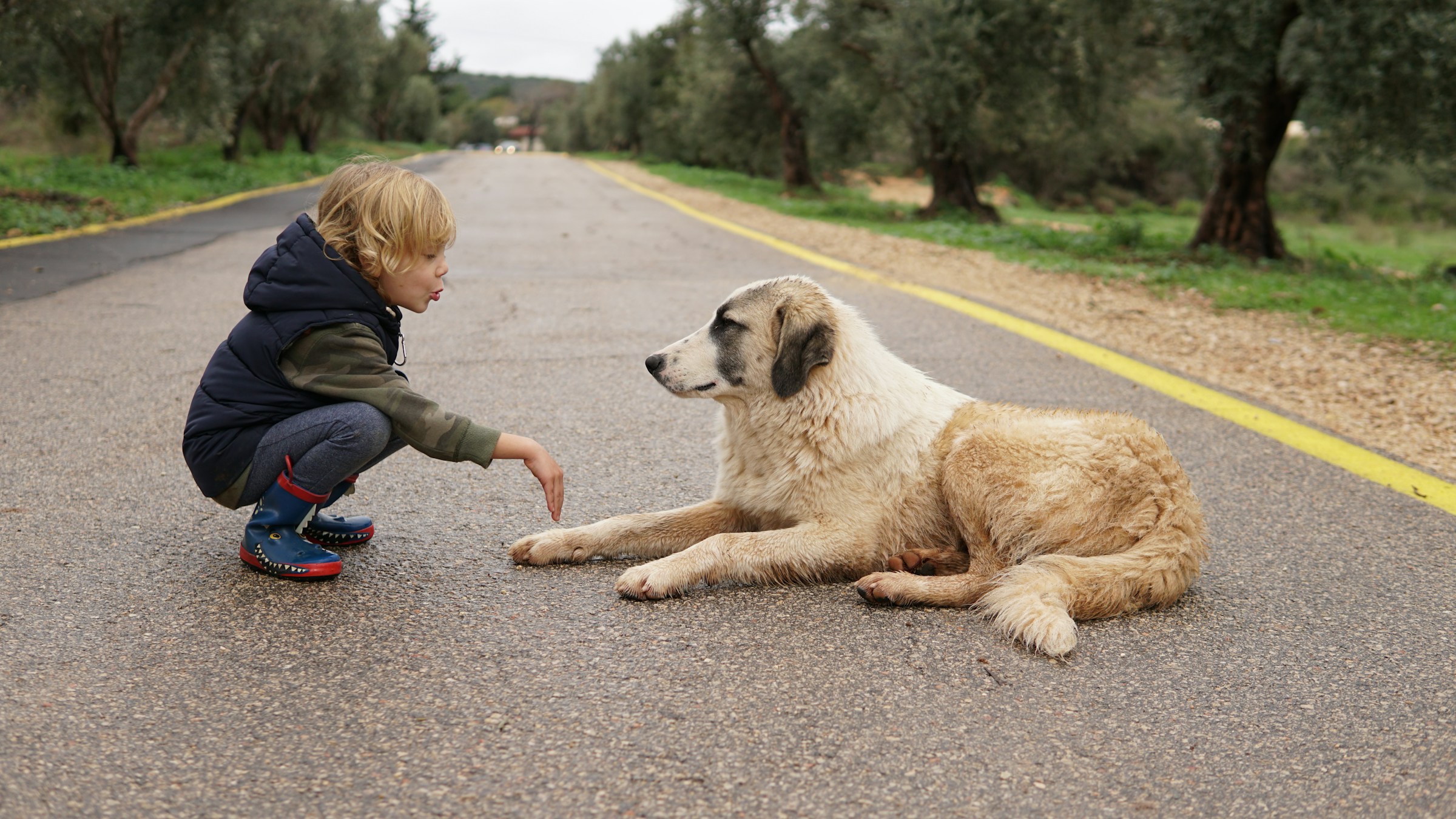
Ever found yourself locking eyes with your dog during a tough day, feeling an unspoken connection that seems to melt away the stress? It’s not just in your head. This silent exchange taps into deep-seated emotional patterns, possibly echoing bonds from our earliest years.
The Silent Language of Eye Contact
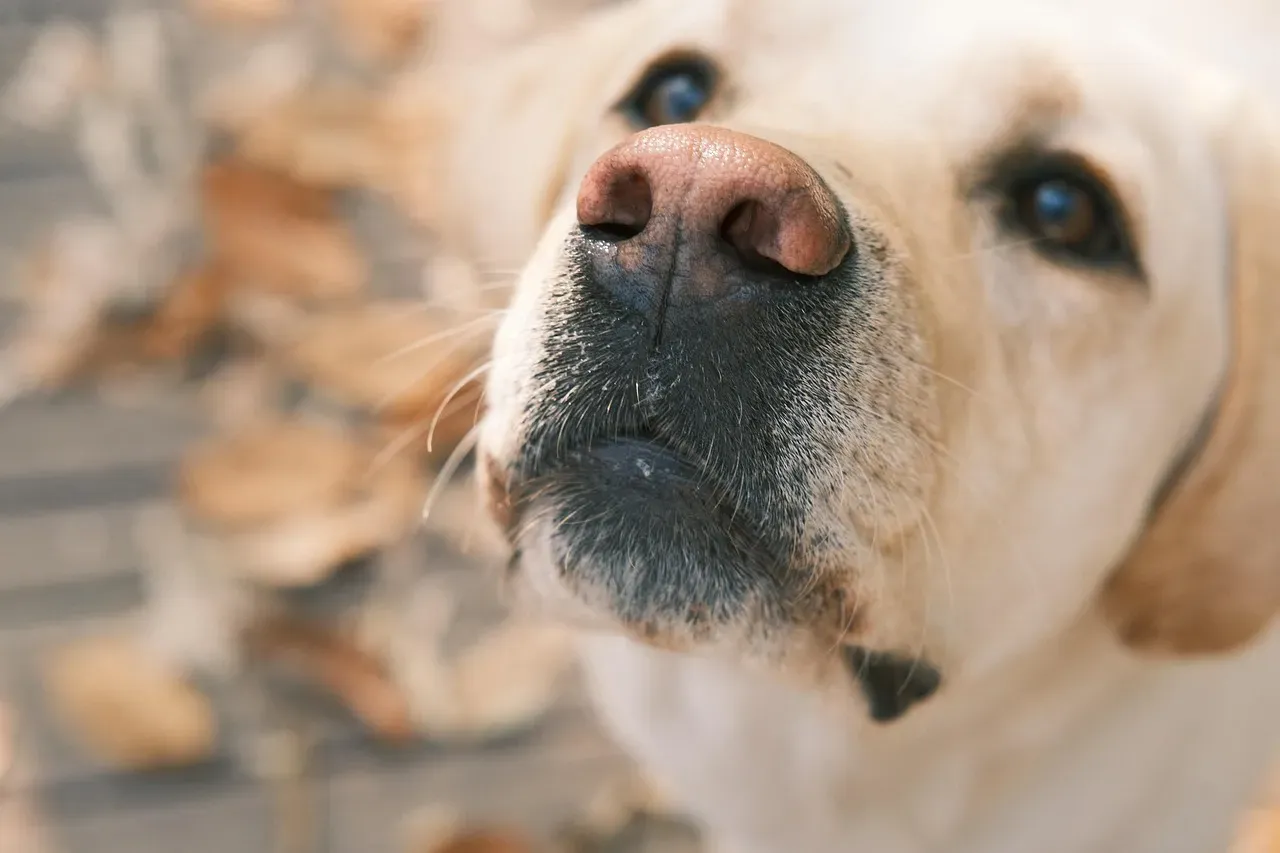
In the animal kingdom, direct eye contact often signals dominance or threat. However, dogs have evolved alongside humans, transforming this gesture into one of trust and communication. When your dog meets your gaze, it’s a sign of mutual understanding and affection.
Research indicates that this mutual gaze triggers the release of oxytocin, the “love hormone,” in both humans and dogs. This biochemical reaction strengthens the bond, fostering feelings of security and companionship.
Childhood Bonds and Canine Connections
Our earliest relationships, especially those formed in childhood, lay the foundation for how we connect with others. For some, these bonds may have been disrupted or lost, leaving a void in emotional connections.
Turning to dogs during stressful times can be a subconscious attempt to recreate these lost bonds. The unconditional love and non-judgmental presence of a dog can mirror the pure, uncomplicated relationships of early childhood.
Stress Relief Through Canine Companionship

Stress activates the body’s fight-or-flight response, releasing cortisol and other stress hormones. Engaging with a dog, especially through eye contact, can counteract this response, promoting relaxation and reducing anxiety.
Studies have shown that petting a dog can lower blood pressure and heart rate, providing a natural and immediate form of stress relief. This interaction offers a grounding presence, helping individuals navigate challenging emotions.
Dogs as Emotional Mirrors

Dogs are incredibly attuned to human emotions. They can sense when their owners are distressed and often respond with comforting behaviors, such as nuzzling or staying close.
This sensitivity allows dogs to act as emotional mirrors, reflecting and responding to their owner’s feelings. This dynamic can help individuals process emotions and feel understood without the need for words.
Rebuilding Trust Through Canine Eyes
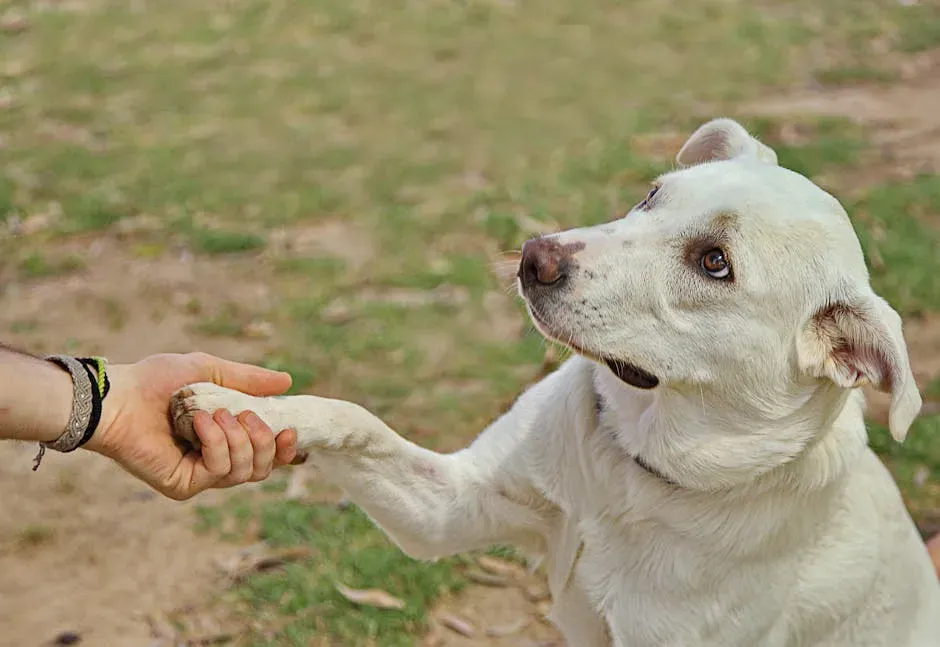
For those who have experienced broken trust in human relationships, forming a bond with a dog can be a step toward healing. The consistent and loyal nature of dogs provides a safe space to rebuild trust.
Engaging in activities like training, playing, or simply spending time together can reinforce this trust, offering a sense of stability and predictability that may have been missing in past relationships.
The Therapeutic Role of Dogs
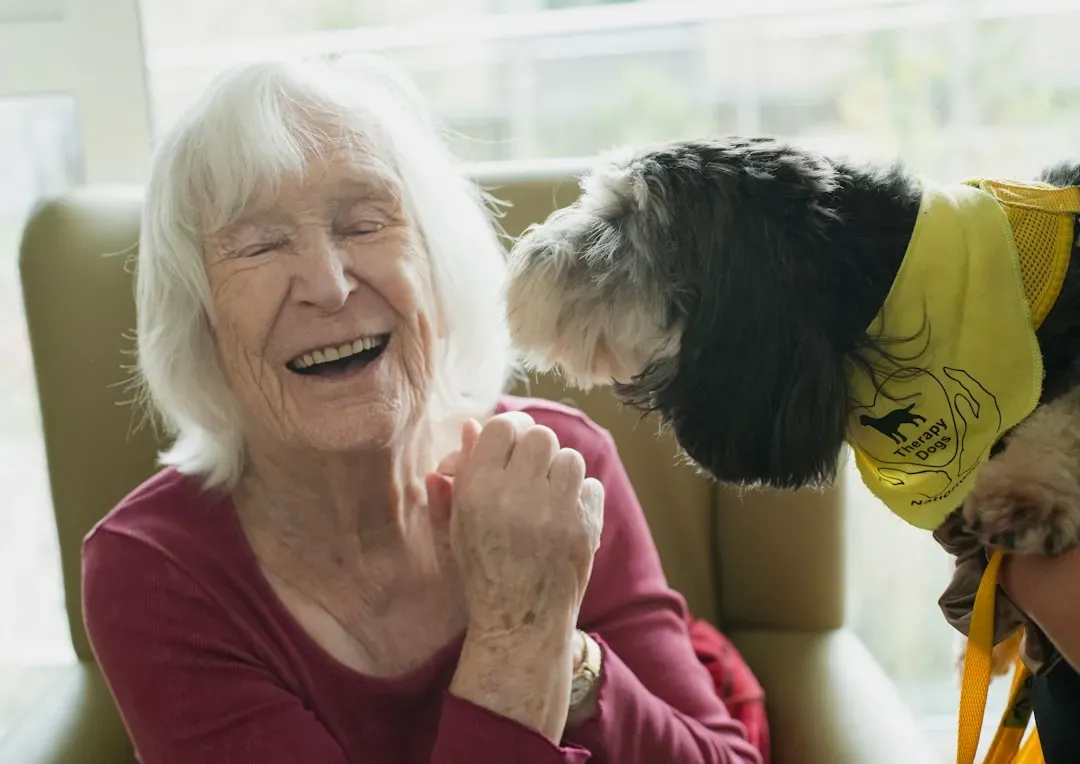
Therapy dogs are increasingly used in various settings to help individuals cope with stress, anxiety, and trauma. Their presence alone can provide comfort and a sense of safety.
In therapeutic contexts, dogs can assist in breaking down emotional barriers, encouraging individuals to open up and engage in the healing process. Their non-verbal communication and unconditional acceptance create an environment conducive to emotional growth.
Conclusion

Seeking eye contact with your dog during stressful moments is more than a simple act; it’s a profound connection that taps into deep emotional needs. This behavior may be a subconscious effort to recreate and heal bonds lost in childhood, offering comfort and stability in times of distress.
So, the next time you find solace in your dog’s gaze, consider the depth of that connection. Could it be that in their eyes, you’re finding a piece of the emotional puzzle you’ve been missing?


