
Psychology Says Dogs Who Bring You Their Toys When You’re Sad Are Offering You the Only Thing They Have That Ever Made Them Feel Better
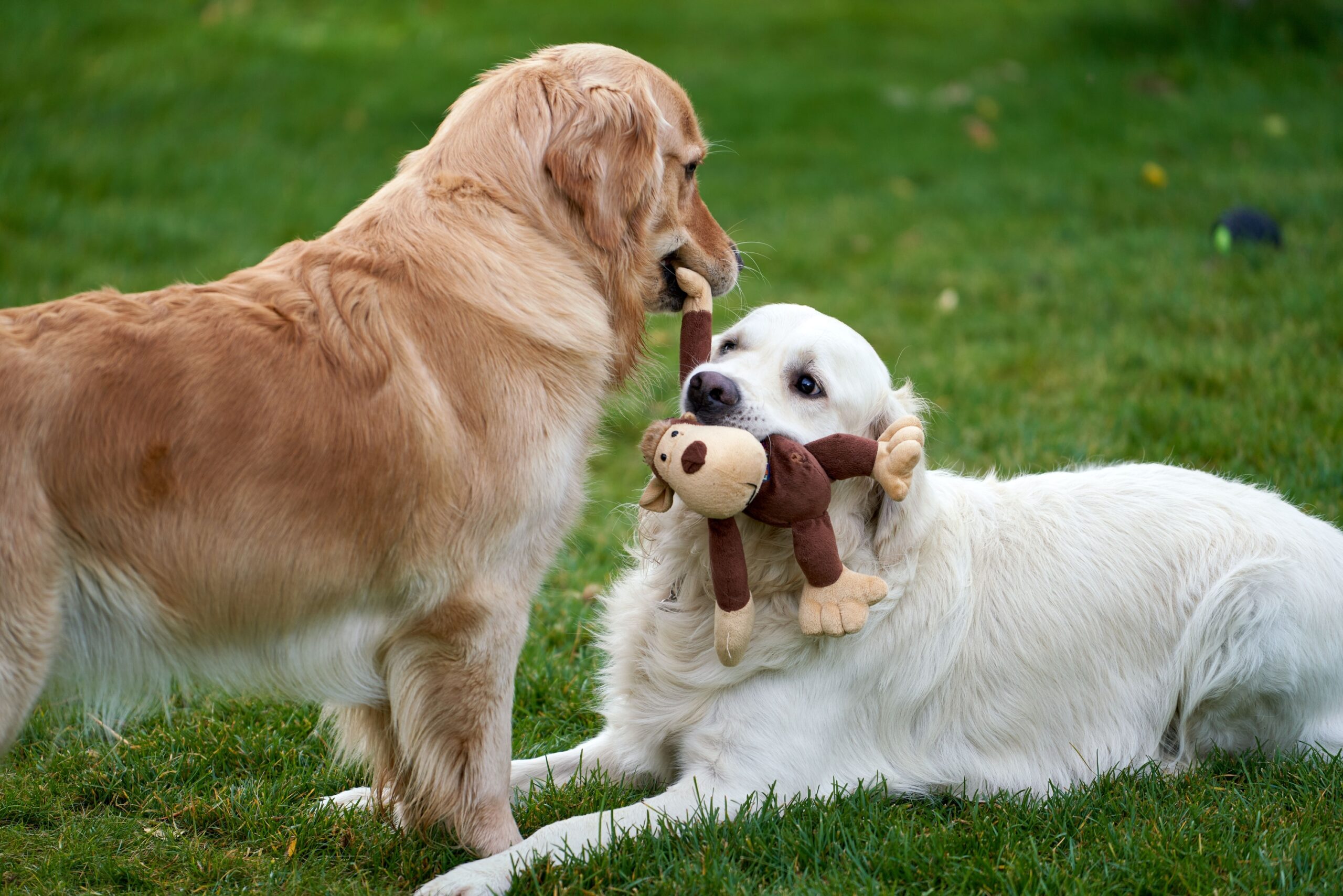
Imagine this: you’re feeling down, and your loyal canine companion trots over, tail wagging, with their favorite toy in tow. It’s a heartwarming gesture, but have you ever wondered why they do it? Is it mere coincidence, or is there a deeper, more profound reason behind this behavior?
Dogs Sense Our Emotions

Dogs are incredibly attuned to human emotions. They can pick up on subtle changes in our body language, tone of voice, and even our scent. When you’re feeling sad or distressed, your dog notices these cues and often responds in ways that aim to comfort you.
This sensitivity isn’t just anecdotal; studies have shown that dogs can differentiate between various human emotions and often adjust their behavior accordingly. Their ability to empathize with us is one of the many reasons they are considered man’s best friend.
The Comfort of Familiar Objects
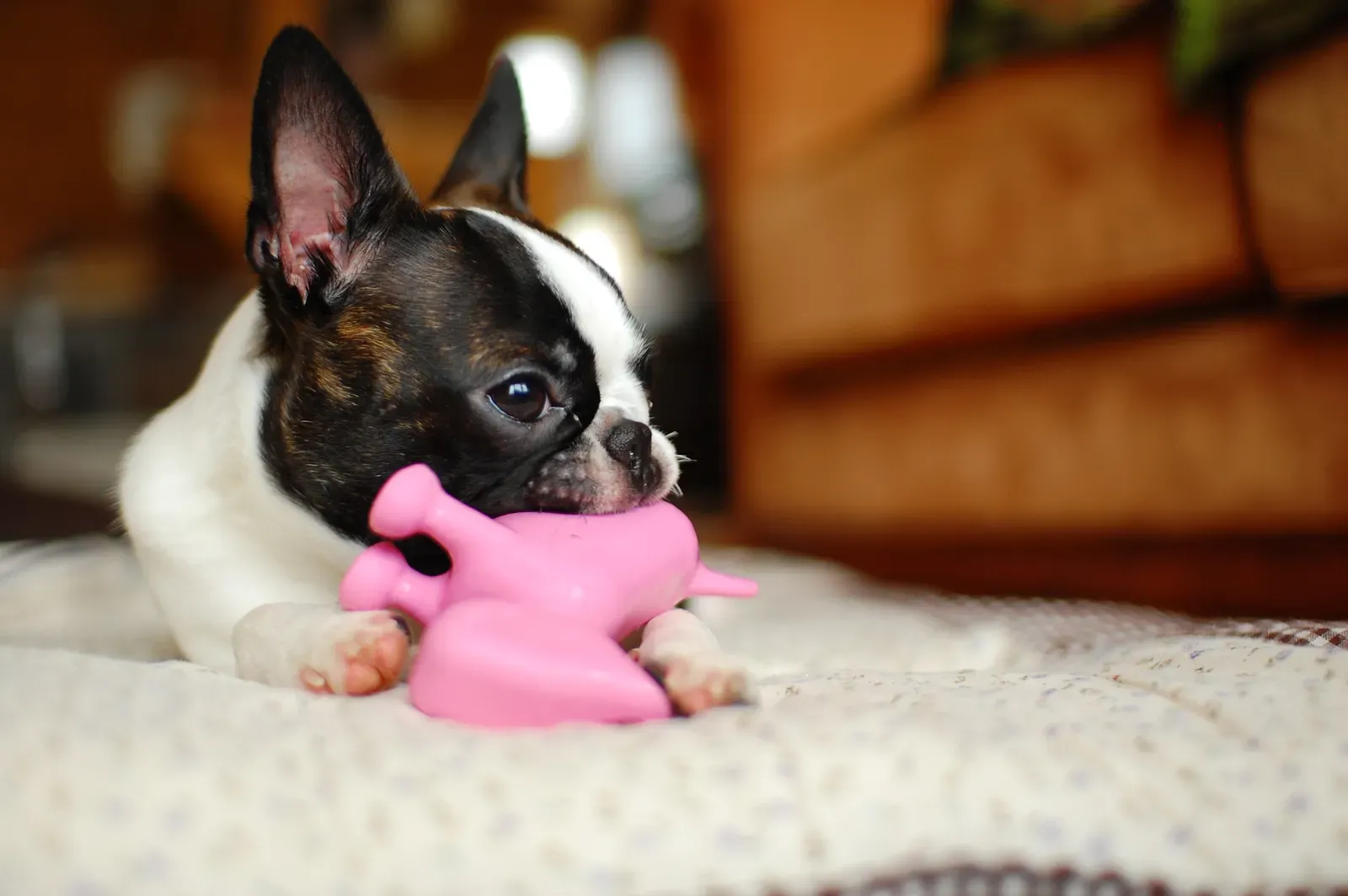
For many dogs, toys are more than just playthings; they are sources of comfort and security. Much like a child clings to a favorite blanket, dogs often form attachments to certain toys that provide them with a sense of safety and familiarity.
When your dog brings you their cherished toy during your moments of sadness, they might be offering you the very object that brings them solace. It’s their way of sharing something that has comforted them, hoping it will do the same for you.
Instinctual Sharing and Bonding
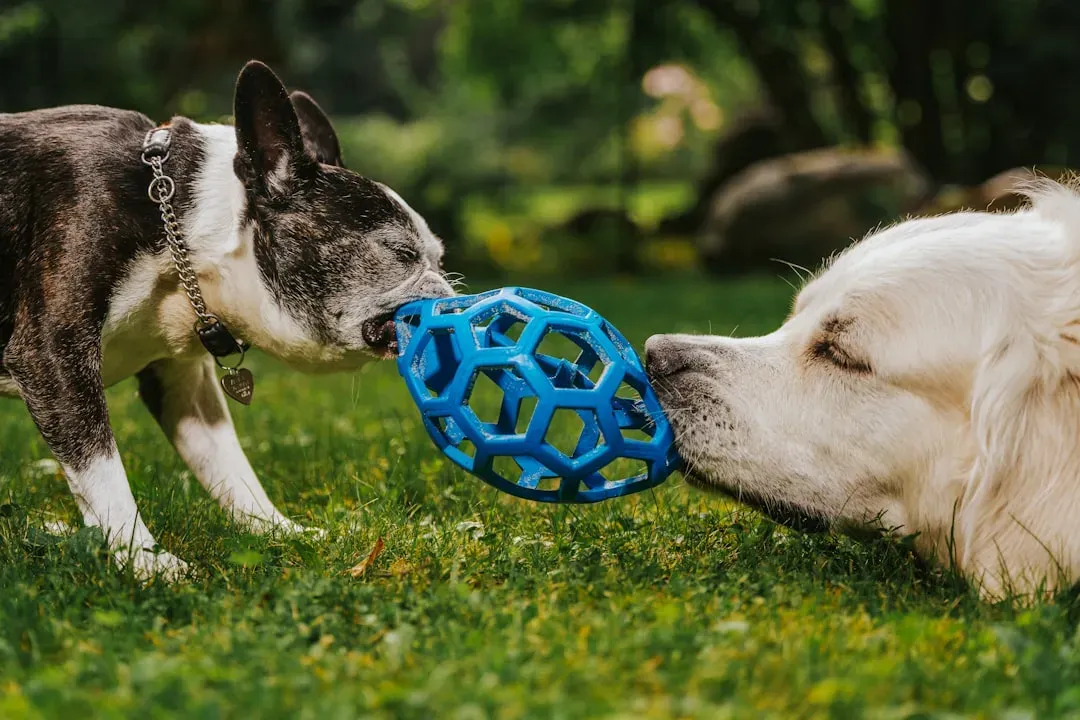
In the wild, canines exhibit behaviors that strengthen social bonds within their pack. Sharing resources, such as food or favored items, is a common practice that fosters trust and unity among pack members.
By bringing you their toy, your dog is engaging in a similar instinctual behavior. They are not only offering you a token of their affection but also reinforcing the bond you share, demonstrating that they consider you a vital part of their ‘pack.’
Seeking Interaction and Play
Sometimes, the act of bringing a toy is an invitation to interact or play. Dogs often use play as a means to alleviate stress and elevate mood. By initiating play, they might be attempting to distract you from your sadness and engage you in an activity that brings joy to both of you.
This behavior underscores their desire to see you happy and their willingness to be an active participant in lifting your spirits.
Learned Behavior and Positive Reinforcement
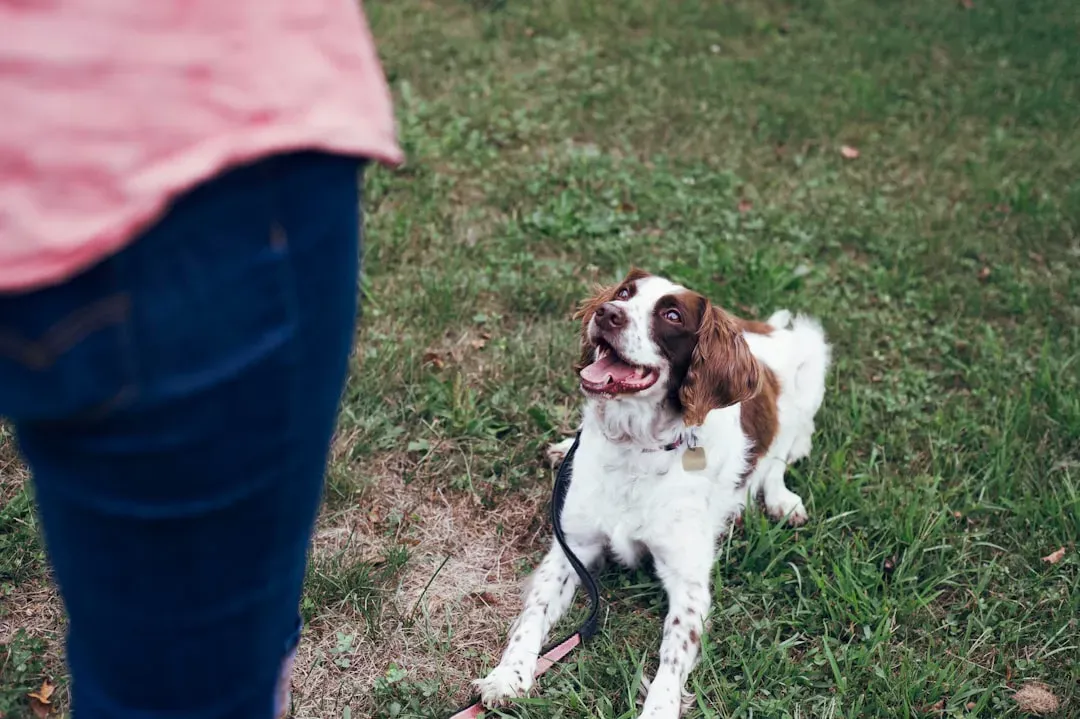
Dogs are keen observers and quick learners. If, in the past, bringing you a toy resulted in positive attention or a rewarding interaction, they are likely to repeat the behavior. Over time, this can become a learned response to your emotional states.
They associate their action with a favorable outcome, both for you and themselves, reinforcing the behavior as a means to connect and comfort.
Empathy and Altruism in Canines

While some might argue that dogs act out of self-interest, many instances suggest genuine empathy and altruism. The act of offering their toy during your low moments can be seen as a selfless gesture, aiming solely to provide you with comfort.
This behavior highlights the depth of the emotional connection between humans and dogs, showcasing their capacity for understanding and compassion.
Conclusion
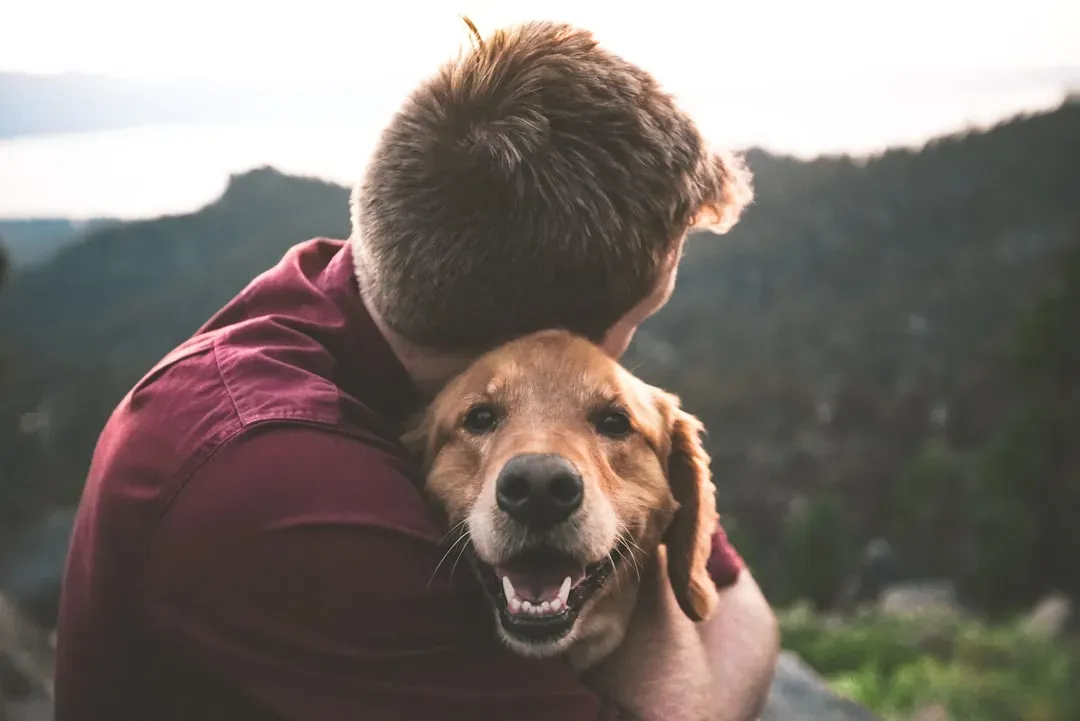
When your dog brings you their toy during times of sadness, it’s more than just a simple act; it’s a multifaceted gesture rooted in empathy, comfort-sharing, and the desire to strengthen your bond. They offer you the one thing that has brought them solace, hoping it will do the same for you. It’s a testament to the profound and enduring connection we share with our canine companions. So, the next time your furry friend presents you with their favorite toy during a tough moment, remember: they’re offering you their heart in the form of a well-loved plaything.