
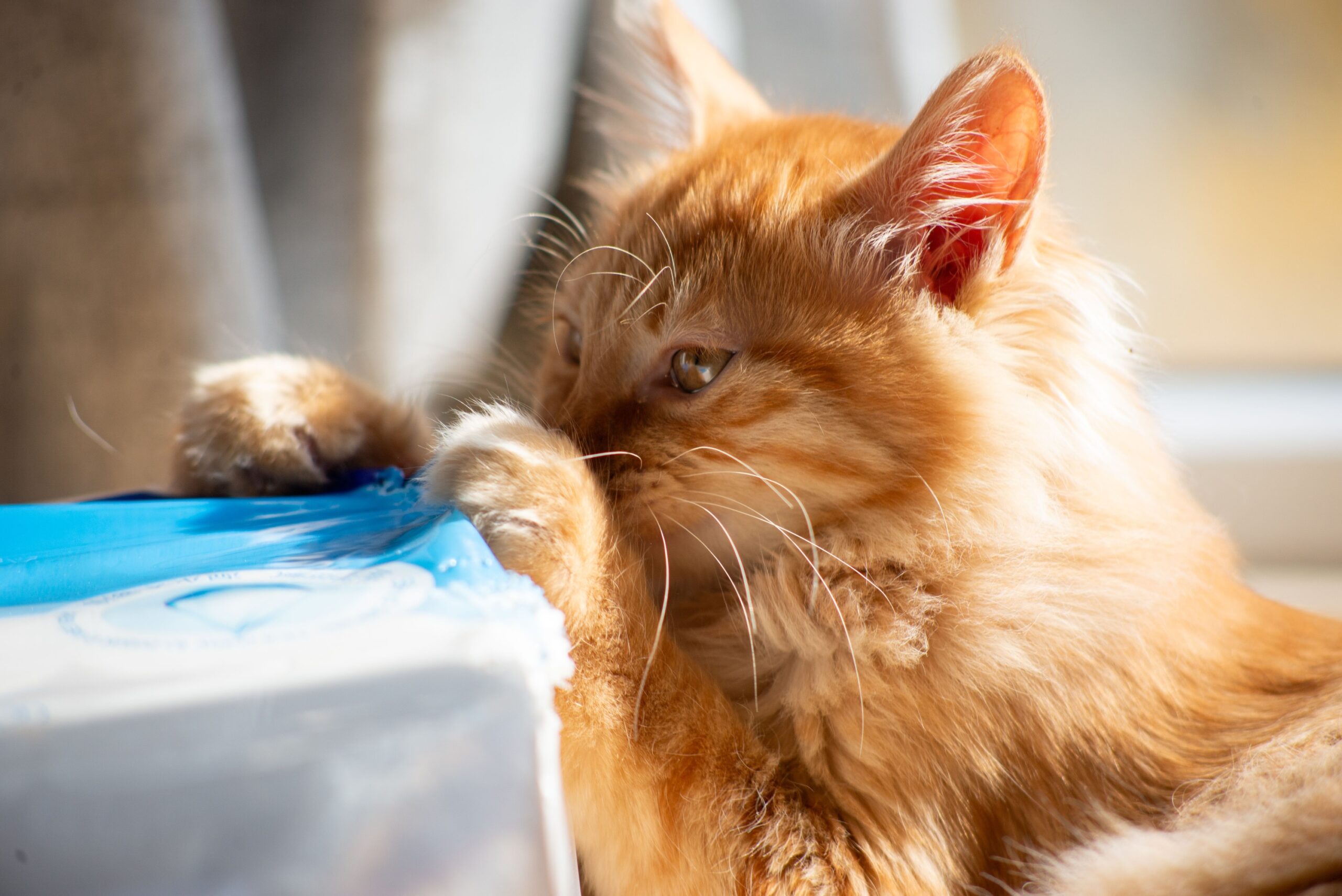
Ever been jolted awake by the sound of your cat sprinting through the house at 3 a.m.? You’re not alone. Many cat owners experience their feline friends engaging in peculiar behaviors during the wee hours. But what exactly are they up to? Let’s delve into nine and uncover the reasons behind these nocturnal antics.
1. The Midnight Zoomies
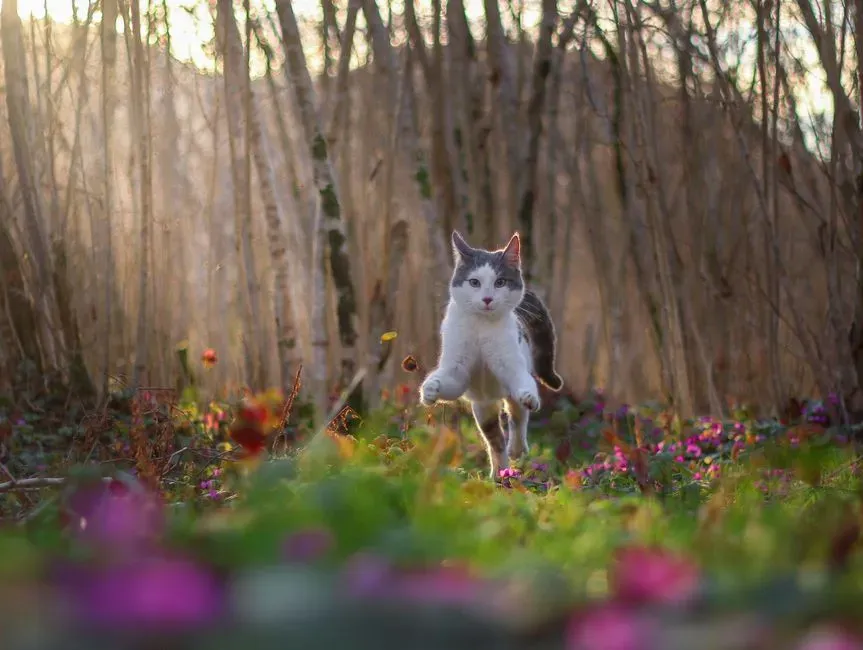
Just as you’re settling into deep sleep, your cat transforms into a furry blur, darting from room to room with unbridled energy. This sudden burst of activity, often termed the “midnight zoomies,” is a way for cats to release pent-up energy. Their crepuscular nature means they’re naturally more active during dawn and dusk, aligning with their ancestral hunting times.
In the quiet of the night, without daytime distractions, your cat’s instincts kick in, leading to these energetic sprints. It’s their way of staying fit and alert, even if it means disrupting your sleep.
2. Nocturnal Serenades
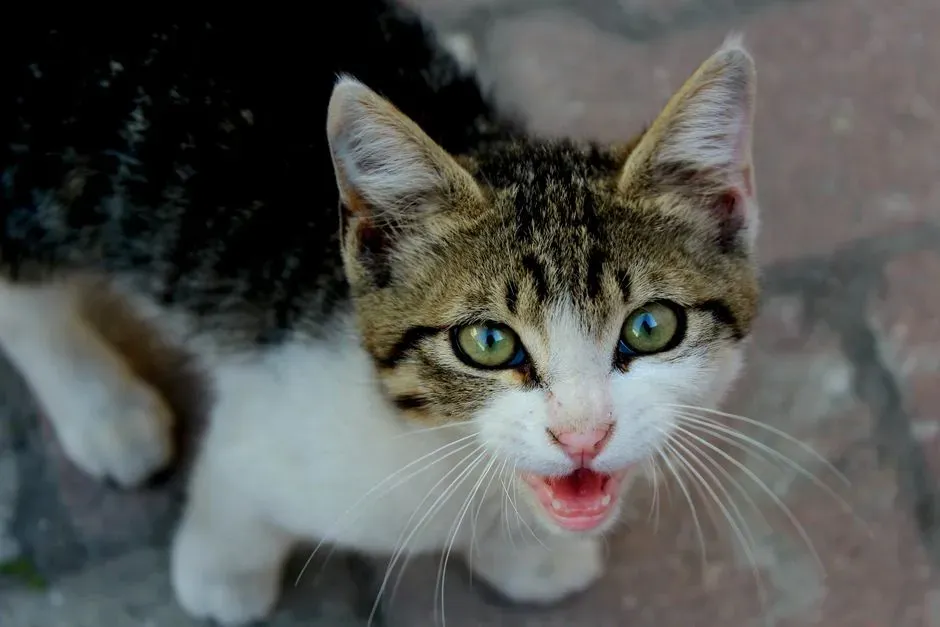
That loud, persistent meowing echoing through the house isn’t just for show. Cats vocalize at night for various reasons: seeking attention, expressing hunger, or responding to environmental stimuli. Some cats may also be reacting to the sounds of other animals outside, triggering their territorial instincts.
This behavior can be particularly pronounced in cats that are left alone during the day, leading to increased vocalization at night as they seek interaction.
3. Shadow Boxing
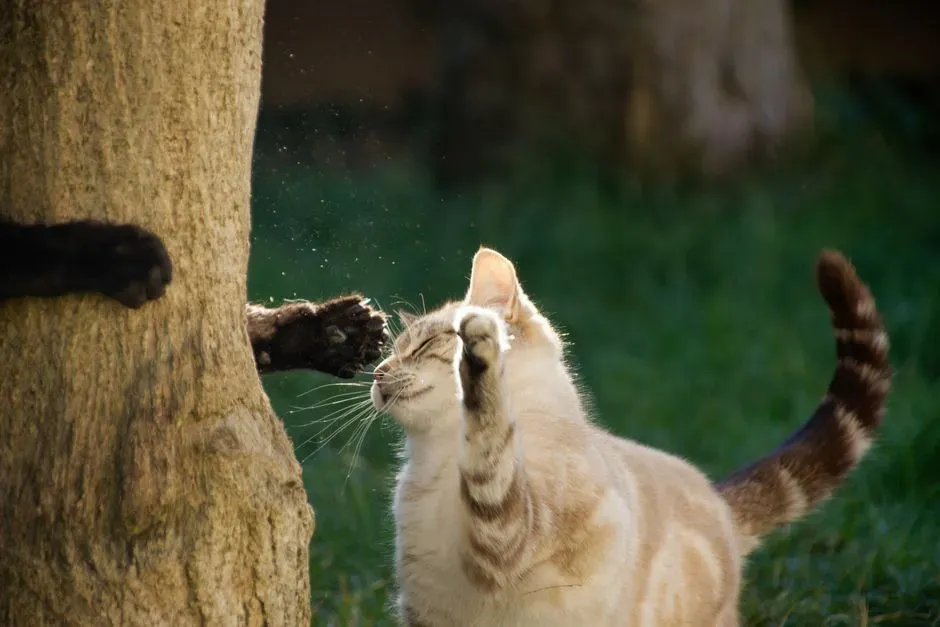
Ever noticed your cat pouncing at invisible foes or chasing shadows on the wall? In the stillness of the night, even the slightest movement or light reflection can captivate a cat’s attention. Their keen eyesight and heightened senses make them excellent nocturnal hunters, even if the “prey” is just a shadow.
This behavior is a manifestation of their predatory instincts, allowing them to practice their hunting skills, even in a domestic setting.
4. Furniture Parkour
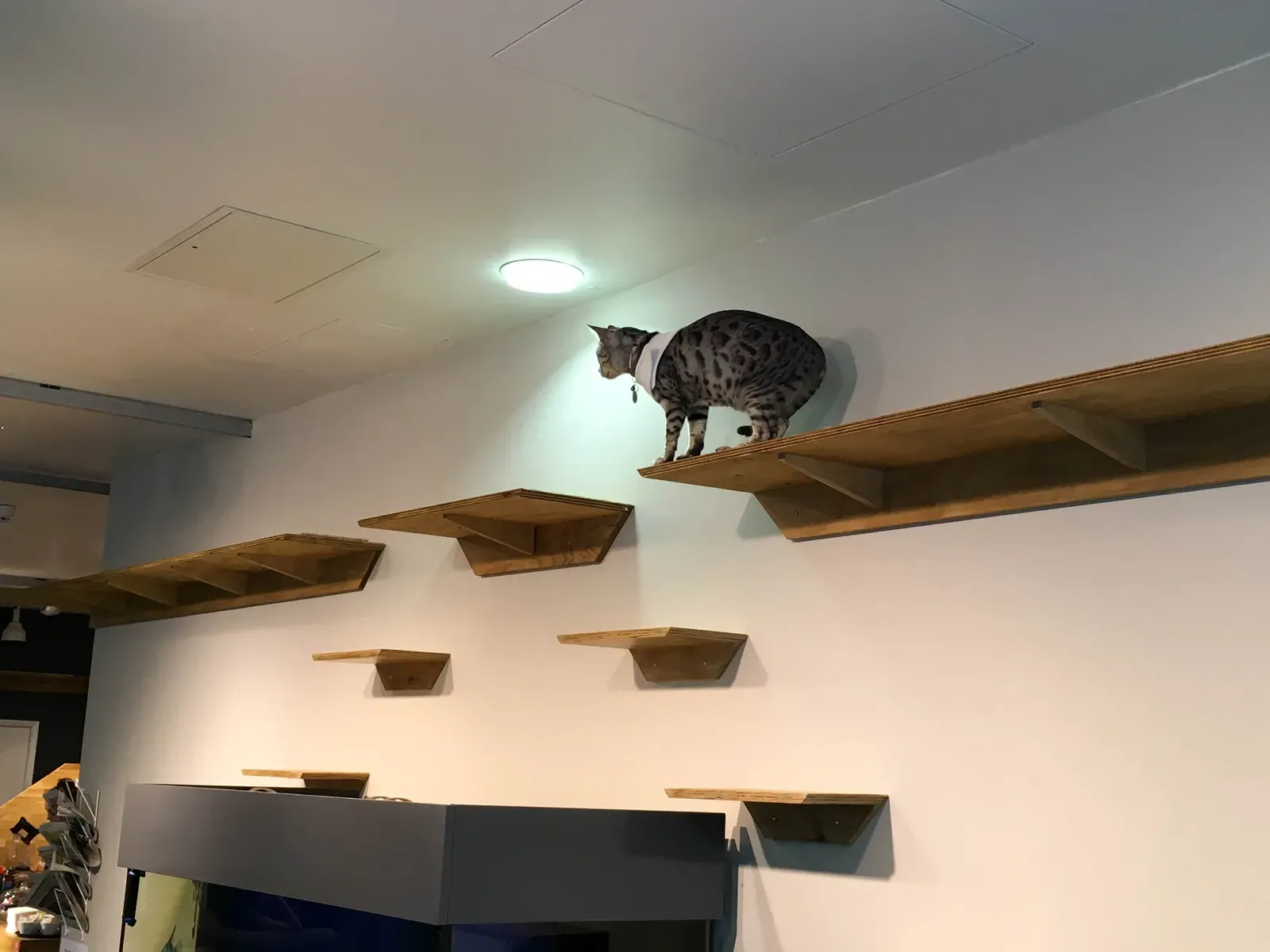
Your cat leaping onto shelves, knocking over items, and scaling curtains isn’t just mischief – it’s exercise. Cats are natural climbers and jumpers, and nighttime provides a quiet environment to explore vertical spaces without interruption. This behavior helps them maintain agility and satisfies their curiosity.
Providing cat trees or designated climbing areas can help channel this energy more appropriately, reducing the likelihood of household disruptions.
5. Door Scratching and Pawing
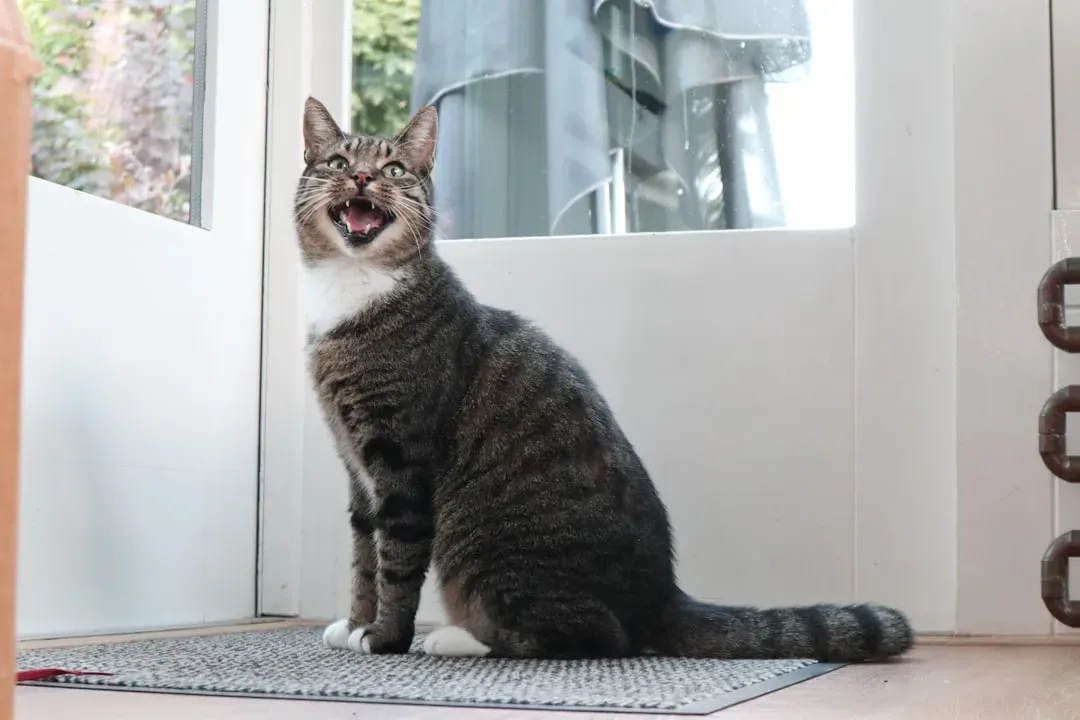
If your cat scratches or paws at closed doors during the night, they’re likely expressing a desire to access a particular room or seeking attention. This behavior can be a sign of separation anxiety or simply a cat’s natural curiosity about what’s behind a closed door.
Ensuring your cat has access to their favorite spaces and providing engaging activities can help reduce this nighttime behavior.
6. Nighttime Hunting Expeditions
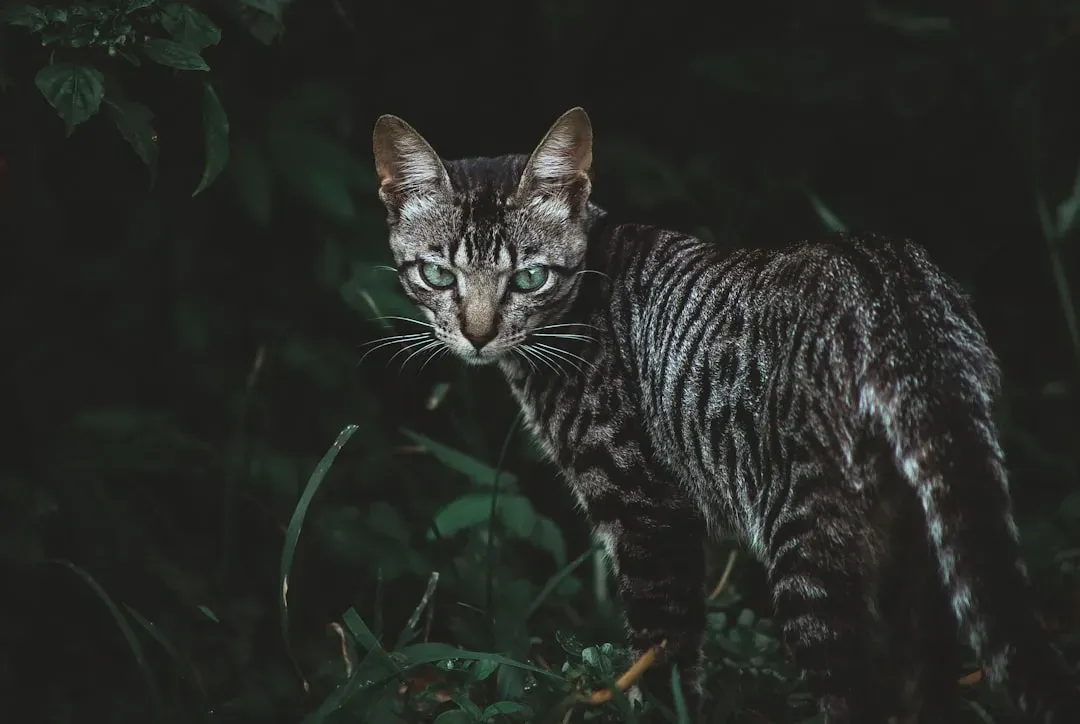
Even well-fed domestic cats retain their hunting instincts. At night, they might stalk and pounce on toys, insects, or even your toes under the blanket. This behavior is a natural expression of their predatory nature, honed over thousands of years.
Engaging your cat in interactive play sessions during the day can help satisfy these hunting urges, leading to a more restful night for both of you.
7. Knocking Objects Off Surfaces

That mysterious crash in the middle of the night? It’s likely your cat swatting objects off tables or shelves. This behavior can be a form of play, an expression of curiosity, or a way to get your attention. Cats are intrigued by the movement and sound of objects falling, making this a rewarding activity for them.
Securing loose items and providing alternative toys can help deter this behavior.
8. Litter Box Sprints
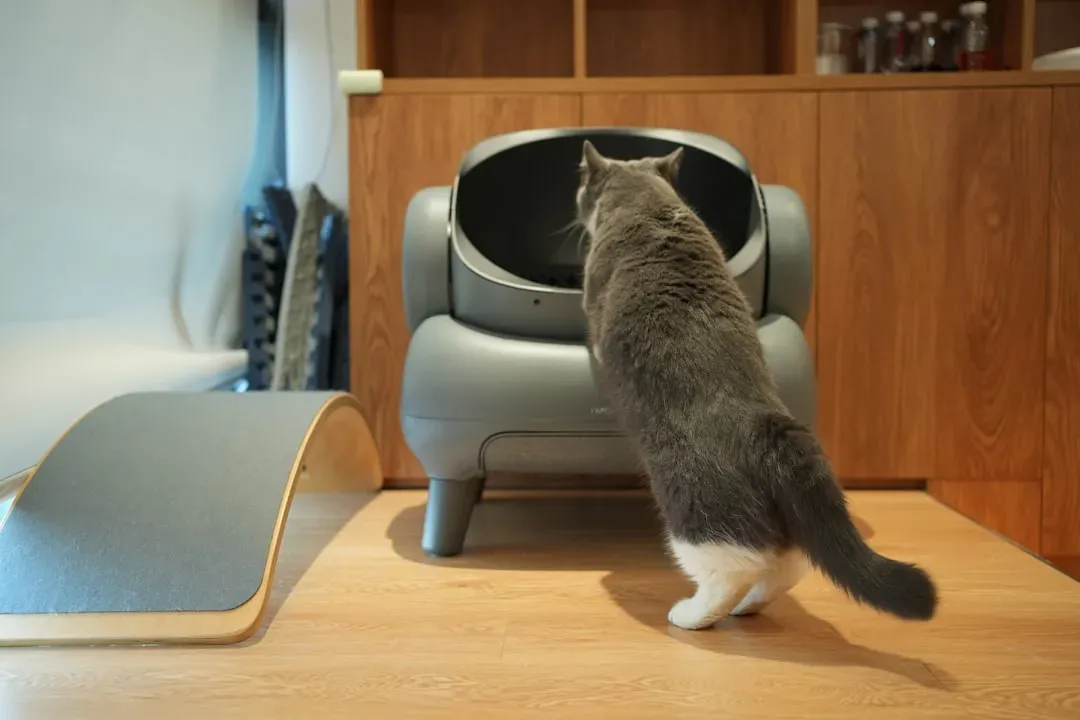
Some cats exhibit a peculiar behavior of sprinting away from the litter box after use. This can be due to a feeling of relief, an instinct to distance themselves from waste to avoid attracting predators, or even a response to discomfort.
Ensuring the litter box is clean and in a quiet, accessible location can help make this experience more comfortable for your cat.
9. Staring into the Abyss
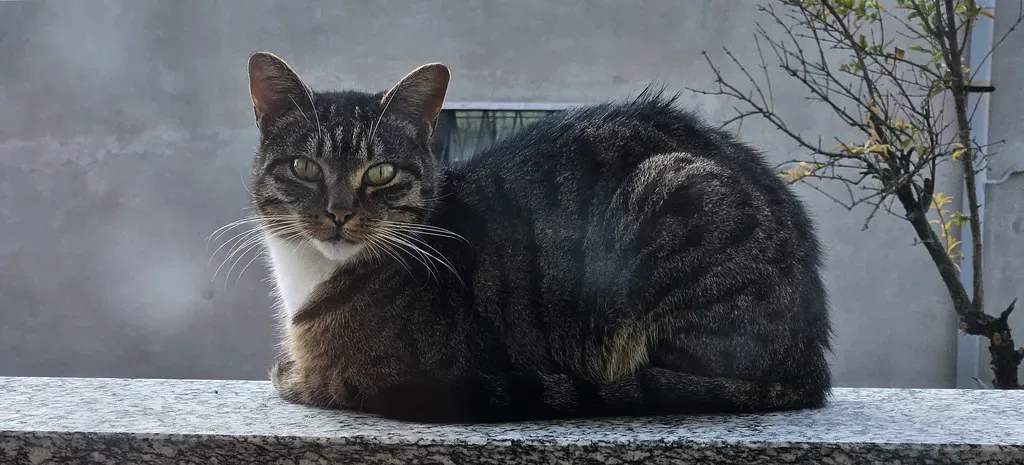
Finding your cat intently staring at a wall or into space can be unsettling. Cats have acute senses and might be detecting sounds or movements imperceptible to humans. This behavior can also be a sign of cognitive changes, especially in older cats.
If this behavior is frequent or accompanied by other changes, consulting a veterinarian is advisable to rule out any underlying health issues.
Understanding these nocturnal behaviors can help you better accommodate your cat’s natural instincts while ensuring a peaceful night’s sleep for yourself. By providing ample daytime stimulation, interactive play, and a comfortable environment, you can help your feline friend expend their energy during the day, leading to quieter nights.
So, the next time your cat decides to host a 3 a.m. marathon, remember – it’s just their way of being a cat. How will you adapt to your feline’s midnight escapades?


