
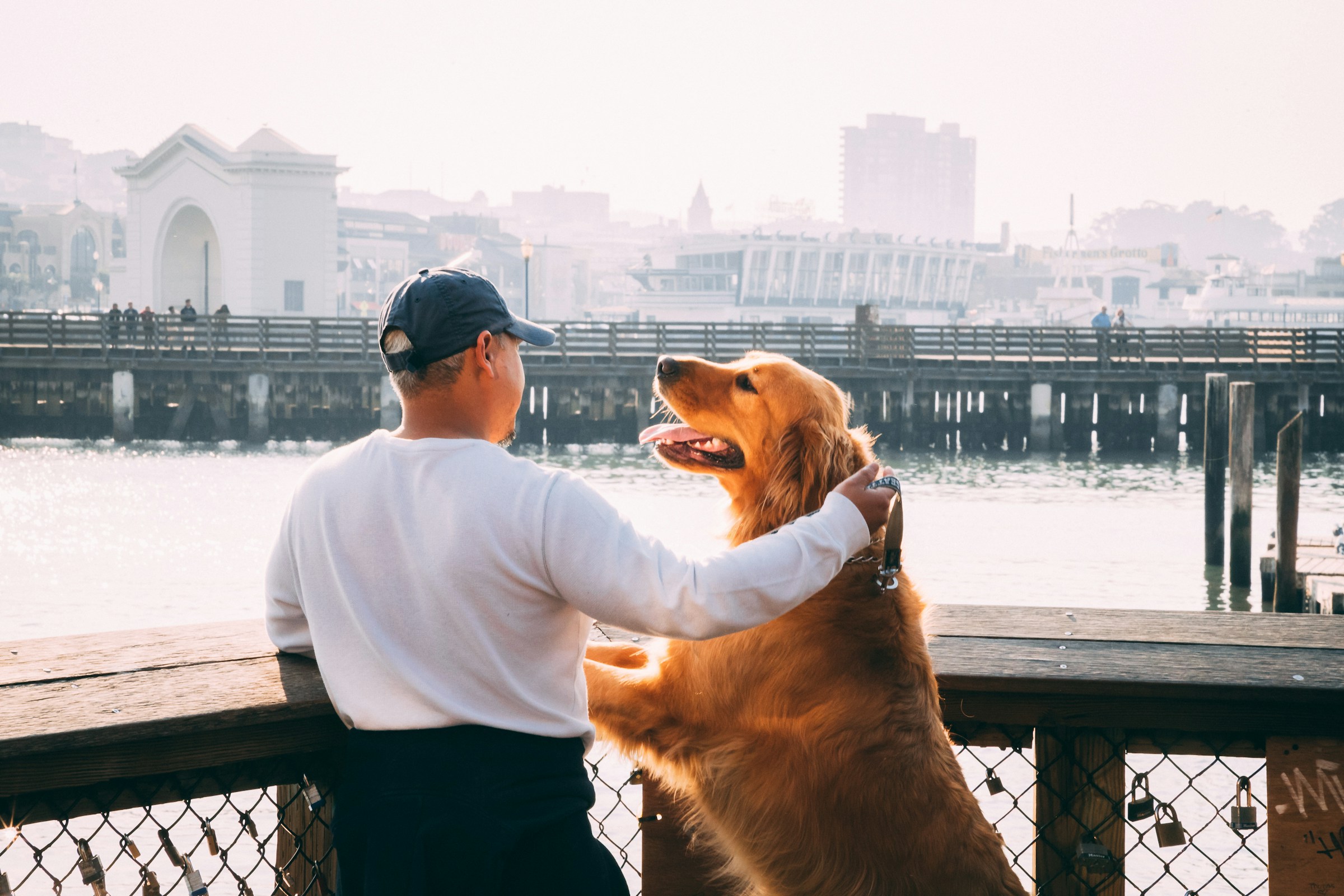
You grab your keys, and your dog just flops onto the couch. That’s the story we’ve all told ourselves – dogs live in the moment, no concept of time, no real sense that you’re gone for twenty minutes or twenty hours.
Behavior researchers who’ve spent years watching dogs alone at home say that comforting story is mostly wrong. From the second your keys jingle to the moment your scent fades off the pillow, your dog may be running an emotional stopwatch you never knew existed. Here are 14 signs they’re counting every single minute.
#14 – They Freeze When You Touch Your Keys
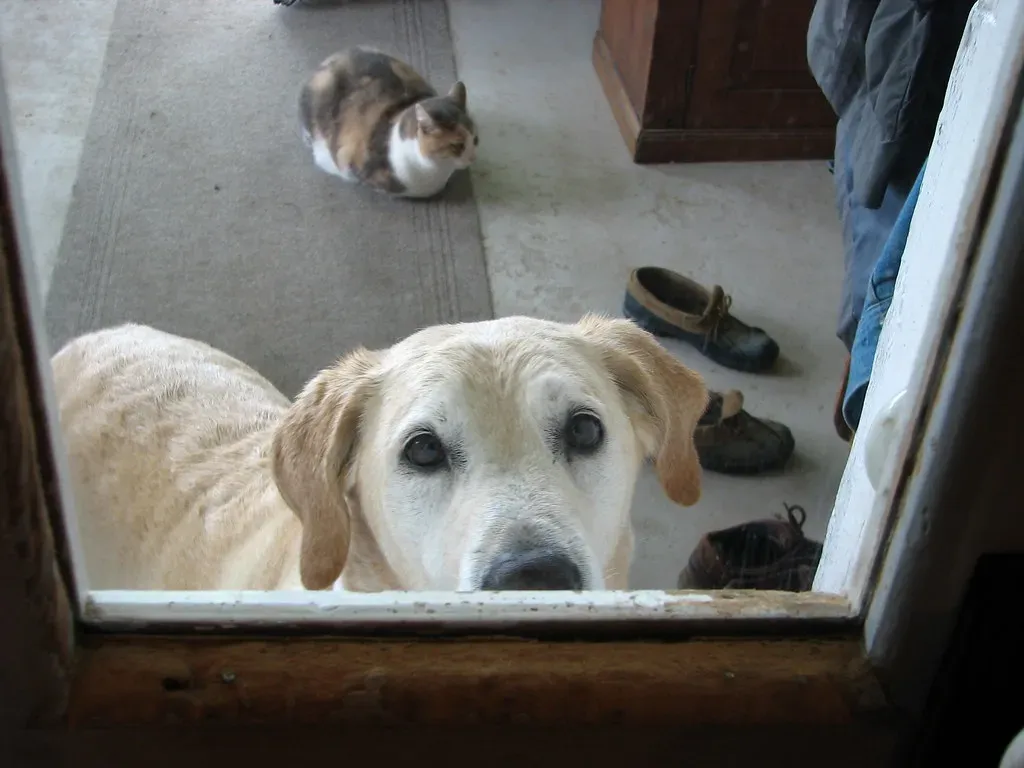
Your dog doesn’t need a clock. It has your routine memorized down to the sound of your shoes hitting the floor. Many dogs show a tiny freeze the instant they hear keys jingle or a bag zip closed – ears flick, eyes lock onto you, body goes still for a beat.
That pause is your dog trying to predict how long you’ll be gone. Studies show dogs quickly learn to pair specific sounds with specific lengths of separation, and they know keys usually mean hours, not minutes. Watch for lip-licking, random yawning, or your dog suddenly glued to your side – it’s low-level anxiety because the countdown just started in their head. Mixing up your routine or doing a few “fake exits” can actually take the edge off.
Fast Facts
- Dogs learn to link specific sounds – keys, zippers, shoes – to specific lengths of absence.
- Common pre-departure stress signals include lip-licking, yawning, and pacing.
- Practicing “fake exits” (grabbing keys without actually leaving) can help dull the anticipation response over time.
#13 – They Watch You Leave Until You Fully Disappear
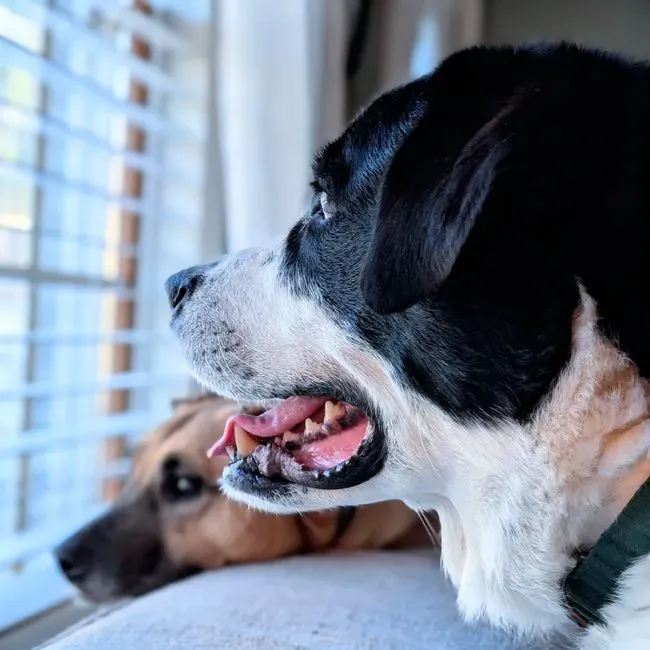
If your dog tracks you all the way down the driveway or hallway, that’s not nosiness. It’s your dog guarding the exact moment you officially vanish. Dogs who care less about your absence tend to wander off before you’re even out of sight.
The ones that stay frozen at the window until you’re gone are mentally marking the start of the separation clock. Only once you’ve disappeared do they sigh, flop down, or start pacing. That watchful ritual is a real emotional checkpoint – they’re not just seeing you leave, they’re feeling the gap that’s about to open, and that gap is what they measure over and over until you’re back.
#12 – Their First Hour Alone Looks Totally Different
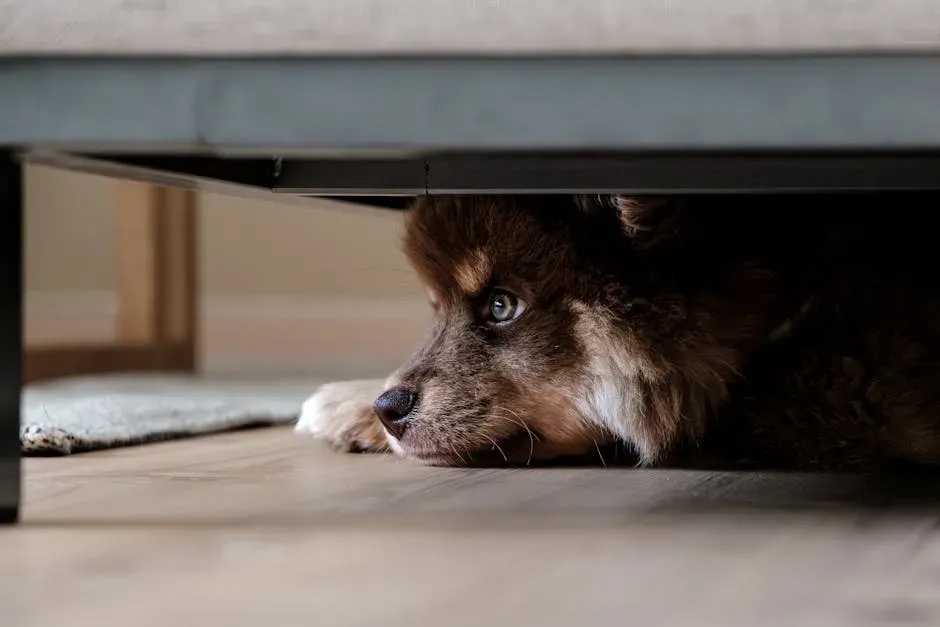
Most people assume their dog is equally chill (or equally stressed) the entire time they’re gone. In-home camera research says that’s false. The first 30 to 60 minutes after you leave are often the most intense stretch of the whole day – nonstop pacing from door to window, whining, restless loops through your usual spots.
After that first hour, many dogs crash hard. Not because they stopped missing you, but because that level of emotional arousal is genuinely exhausting to sustain. The fact that their mood shifts so sharply over time is itself a clue – they’re feeling that time pass, not just drifting through a blank afternoon.
#11 – They React Differently to Short vs. Long Absences
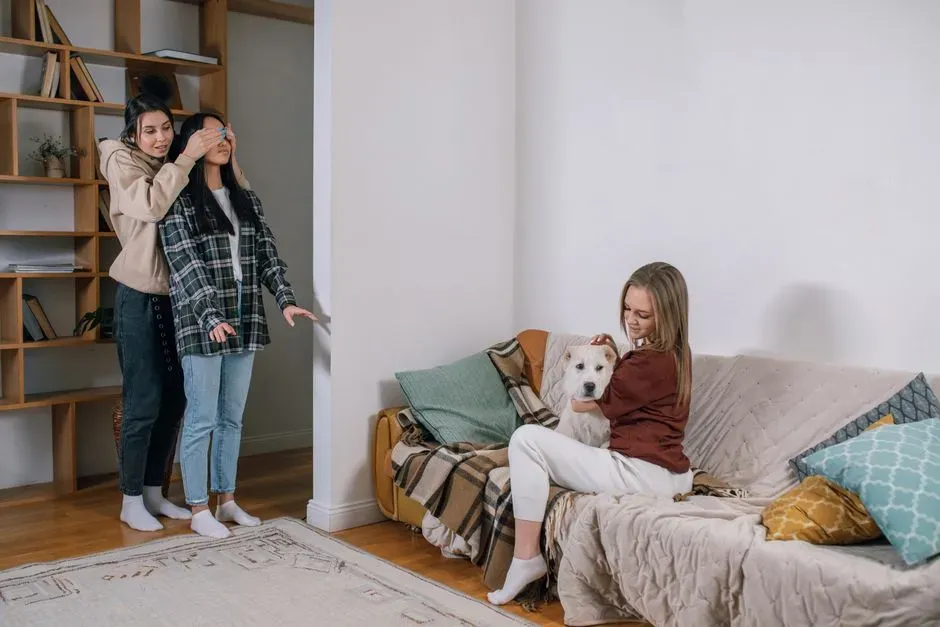
This is one of the clearest signs your dog is tracking minutes, not just moments. Plenty of owners notice it without realizing what they’re seeing: your dog greets you one way after a 20-minute errand and a completely different way after an 8-hour workday.
Same person, same front door, wildly different intensity. After a quick trip out, you might get a happy tail wag and one quick zoomie before they settle. After a full day gone, it’s frantic wiggling, whining, and a full-body sniff-down like they’re interrogating you about where you’ve been. Behaviorists argue this points to dogs feeling their own rising need for you build over time – they’re not reading a clock, they’re reading themselves.
Quick Compare
- Short absence (under 30 minutes): Quick tail wag, one zoomie, settles down fast.
- Long absence (a full workday): Frantic wiggling, whining, a full-body sniff-down inspection.
- Bottom line: Same dog, same door – the intensity scales with how long you were actually gone.
#10 – They Sleep in the Exact Spot That Smells Most Like You
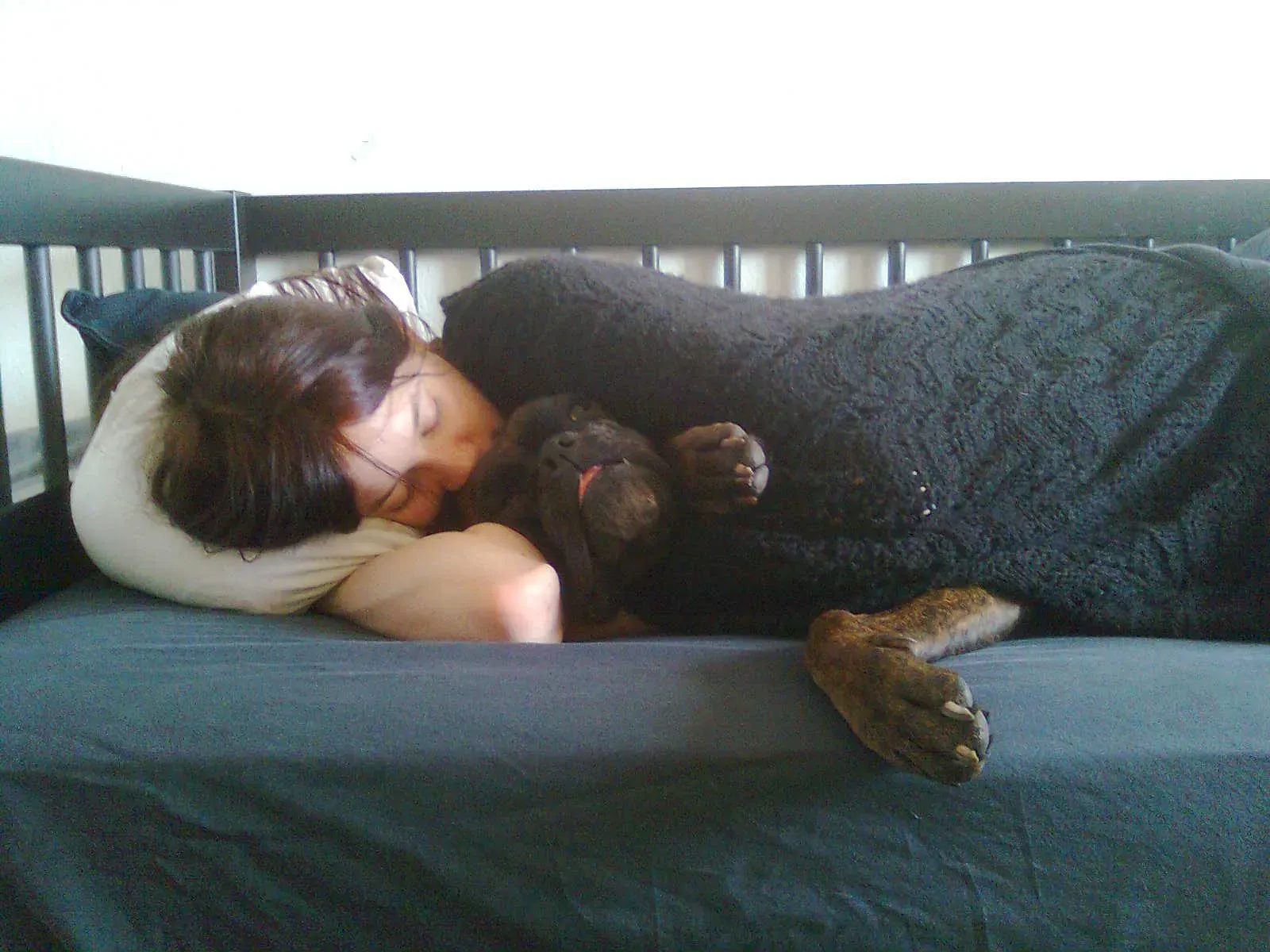
A lot of people assume their dog sleeping on the pillow is just cute or a little naughty. It’s actually one of the strongest “you’ve been gone too long” behaviors a dog can show. Left alone, dogs gravitate toward whatever surface holds the densest layer of your scent – your bed, your laundry pile, your favorite chair.
Scent is how they emotionally hold onto you when you’re not there. You might catch them curled into your side of the bed with their nose buried in the blanket, or dragging a worn T-shirt into their crate. It’s not random comfort-seeking, it’s targeted, and the longer you’re gone, the harder they lean on scent to fill the gap. Some trainers deliberately leave worn clothing behind for anxious dogs for exactly this reason.
#9 – They Check the Door or Window on a Schedule
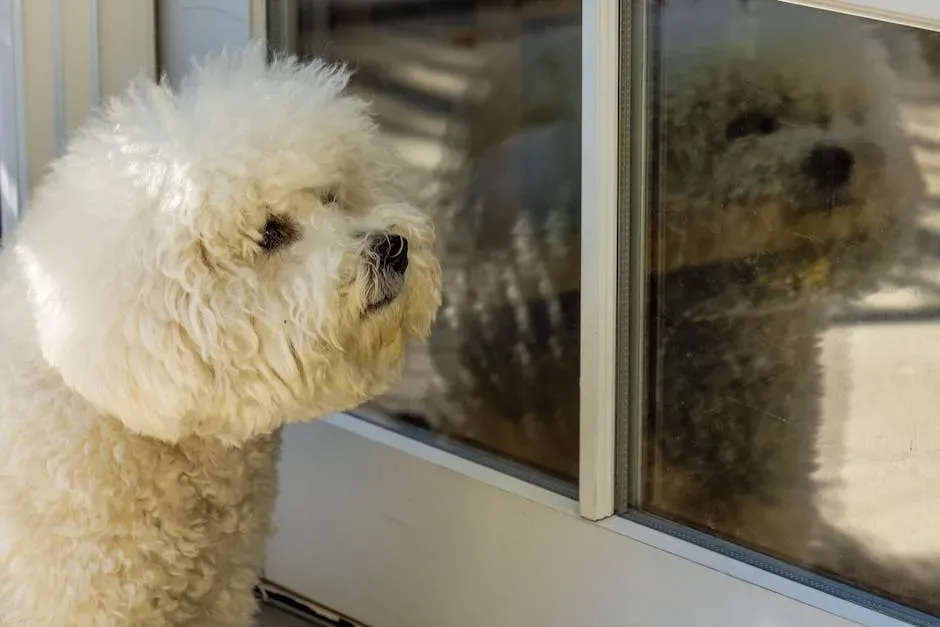
Ever notice your dog randomly get up, walk to the door, stare, then lie back down – and it always seems to happen around the same time of day? That’s not an accident. Dogs are surprisingly good at routine-based timekeeping, linking light levels, neighborhood sounds, and their own hunger cycles to when you usually walk back in.
Door checks tend to ramp up the closer it gets to your normal return time, and they’ll listen more intently for your car or footsteps during that window specifically. This isn’t vague missing – it’s active expectation built from days of repetition. The fact that they get noticeably more alert right before you usually come home is one of the clearest signs they’ve been counting down all along.
#8 – They Bring You Their “Alone Time” Toy as Soon as You Walk In
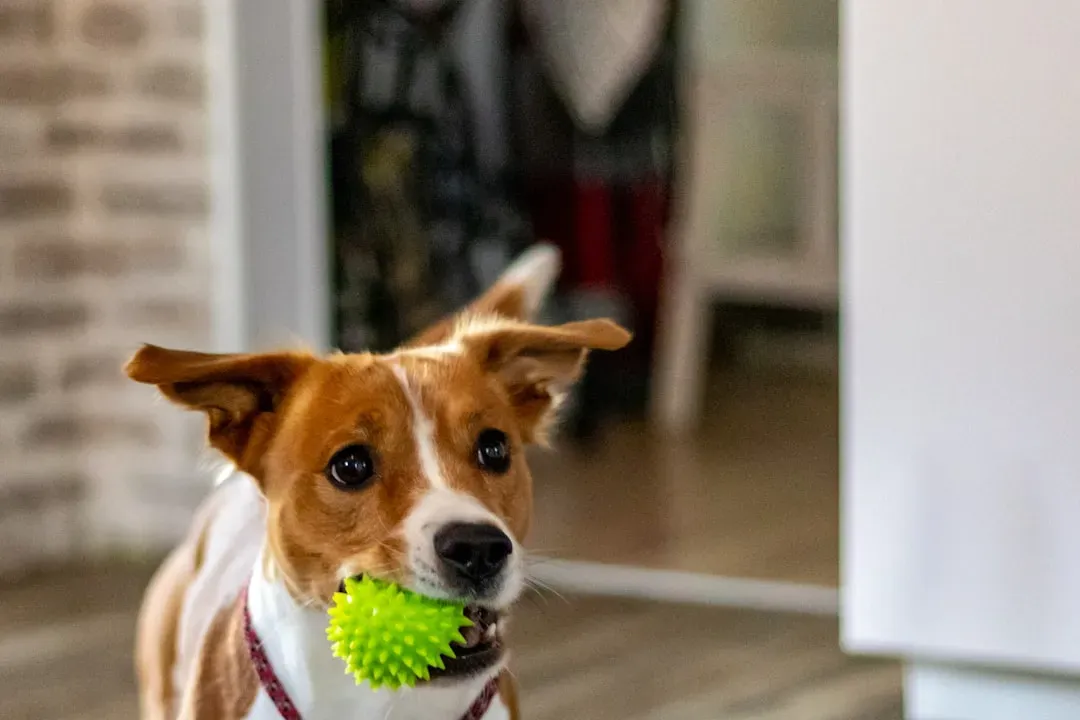
Some dogs have one specific toy they only seem to obsess over when you’re gone. The second you walk through the door, they sprint over and shove that exact toy into your hands. That’s not random play – it’s a bridge between the time they spent missing you and the relief of finally having you back.
That toy may have been chewed to death while you were out, and now they’re practically parading it in front of you. Behaviorally, it’s like they’re handing you proof of what got them through the wait. That object absorbed all their fidgeting, chewing, and pacing, and giving it to you is almost a report card on exactly how long you were gone, measured in their own nervous energy.
#7 – Their “Guilty” Look Is Actually Anxiety About Your Reaction
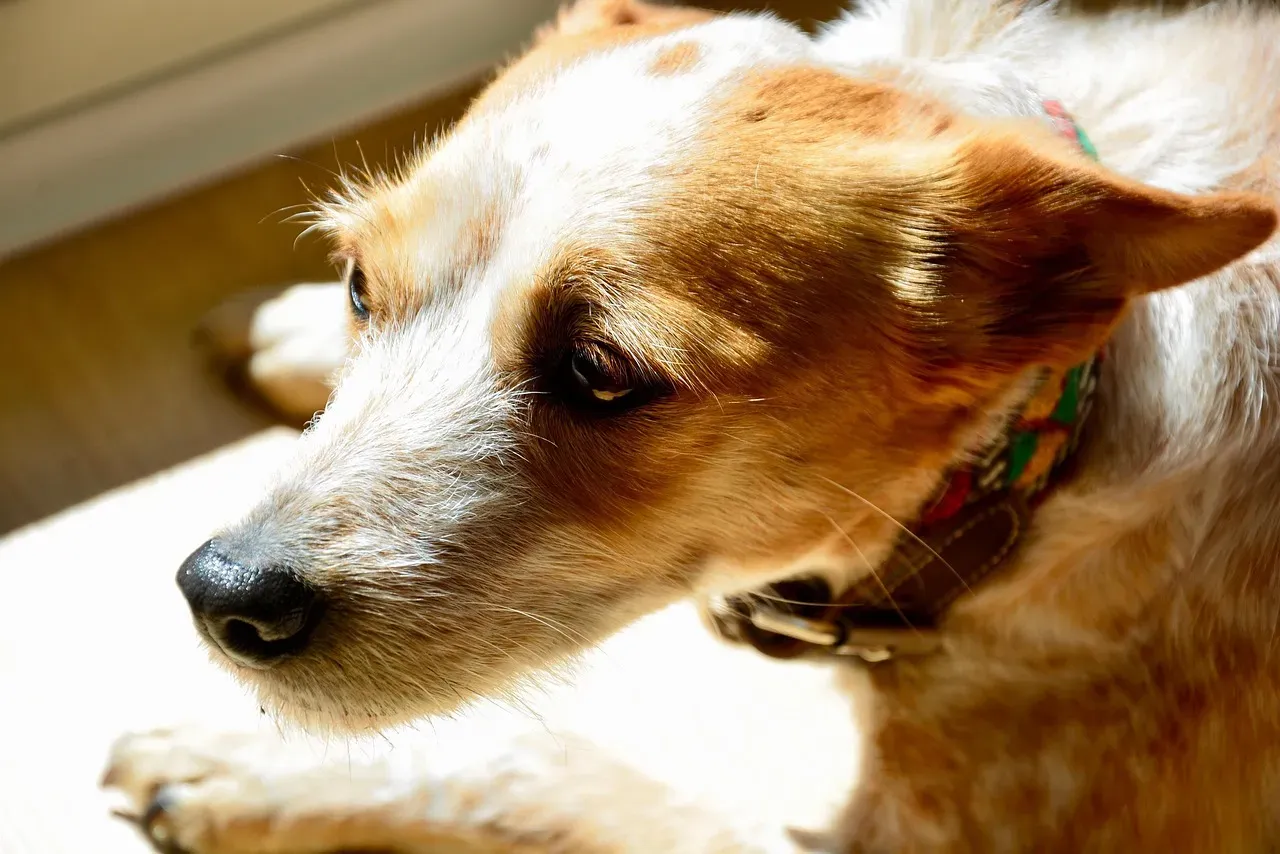
People love posting “guilty dog” photos, but research suggests that famous face – whale eyes, tucked tail, low crouch – has more to do with your tone and their read on your mood than any real sense of moral guilt. Here’s the twist: it tends to hit hardest after you’ve been gone longer than usual.
Longer absences often mean more destruction or accidents, and when you walk in visibly upset, your dog throws out intense appeasement signals before they’ve even fully registered the mess. That says something bigger – they’re not just missing you, they’re bracing for the emotional climate that comes with a longer-than-normal absence. That anticipation, built minute by minute, shows just how tuned in they are to how time away changes you.
Worth Knowing
- The classic “guilty” look includes whale eyes, a tucked tail, and a low, hunched posture.
- It’s driven more by reading your tone and body language than by actual guilt.
- The reaction tends to be stronger after longer absences, when mishaps are more likely to have happened.
#6 – They Shadow You More Closely Right Before You Leave
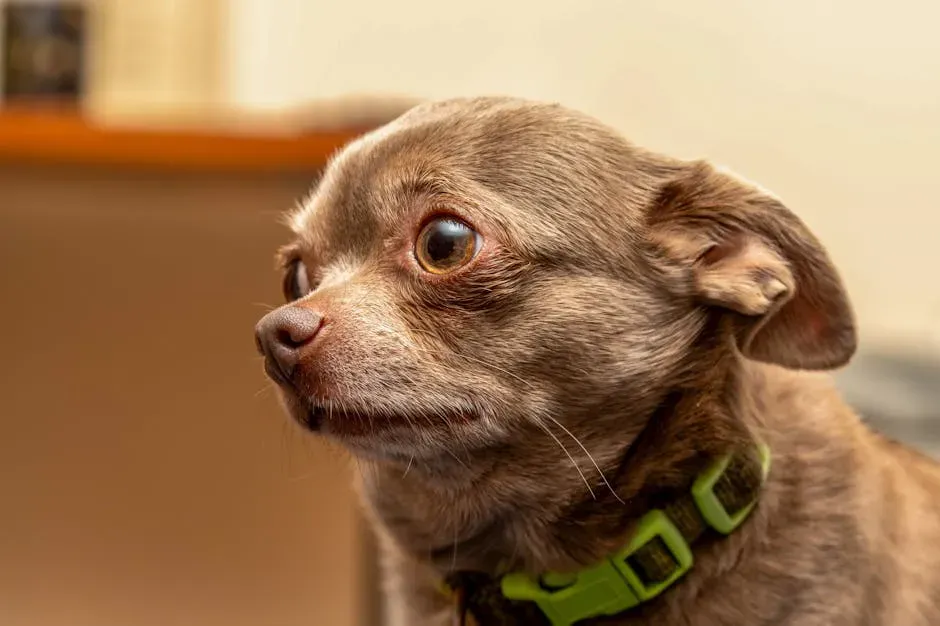
Pre-departure behavior is wildly underrated. When dogs sense you’re about to walk out, many switch into a clingy mode that looks sweet but is actually loaded with anxiety. The closer your departure gets, the more intensely some dogs glue themselves to you.
You might see them following you room to room, even into spaces they usually ignore, or leaning against your legs while you tie your shoes. This isn’t flattery – it’s a last-ditch attempt to soak up contact before the clock resets. In training circles, this tightening shadow pattern as you reach for the door is treated as a real red flag for attachment stress, not just extra affection.
#5 – They Explode Into Over-the-Top Greetings After Longer Gaps
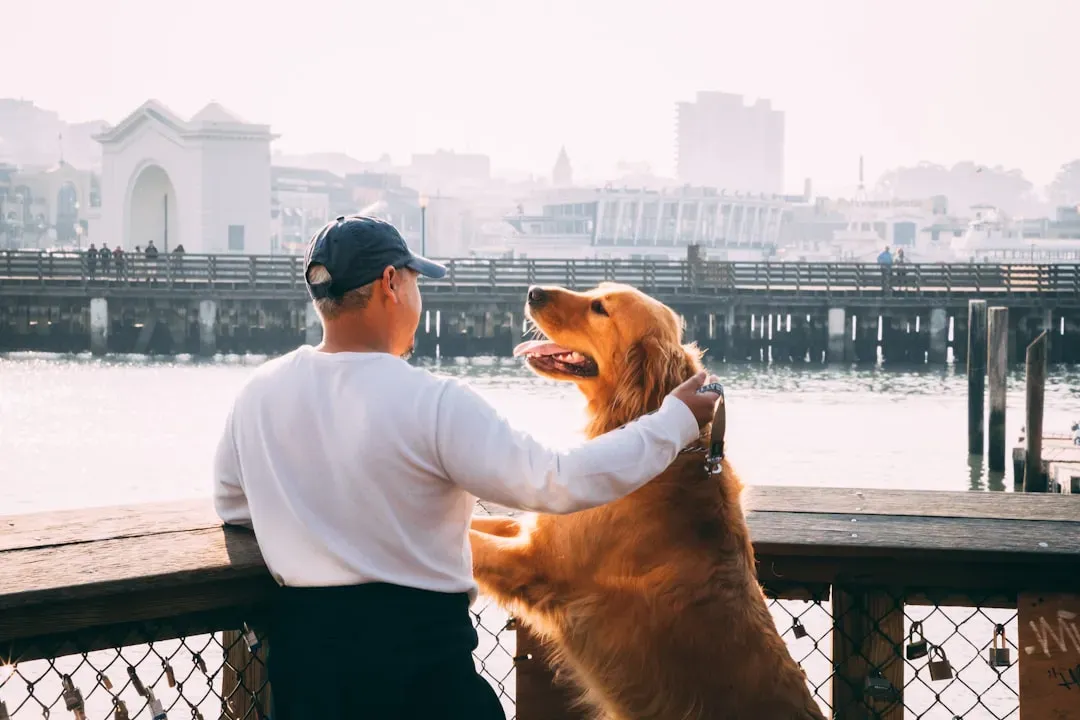
Not all greetings are created equal. Plenty of dogs wag when you walk back in from checking the mailbox – that’s baseline affection. What’s different is the intense, full-body, can’t-catch-their-breath greeting reserved specifically for longer separations.
That reaction is basically your dog’s emotional timeline playing in fast-forward: high-pitched whines, frantic wiggling, sometimes even submissive peeing in younger or more sensitive dogs. Research on reunion behavior shows measurable spikes in heart rate and stress hormones that only normalize once their person is back. So when your dog acts like they haven’t seen you in years after a 9-hour workday, that’s exactly the point – in their nervous system, they haven’t.
#4 – They Eat Differently When You’re Gone Too Long
This is the sign most owners miss entirely, or write off as their dog just being picky. Plenty of dogs nibble casually when they feel secure, but when separation anxiety or intense missing kicks in, some stop eating altogether until you get home. Others swing the opposite way and stress-gorge, then look miserable afterward.
Watch for meals that sit untouched during your usual work hours but disappear the moment you walk back in, or dogs who only eat when you’re physically in the room and refuse food the second you leave again. Appetite is tightly wired to emotional state, so a consistent, time-based shift in eating habits is a clear sign your absence isn’t neutral background noise to them. Their body is literally keeping score.
#3 – They Listen for Your Car, Footstep Pattern, or Voice Long Before Seeing You
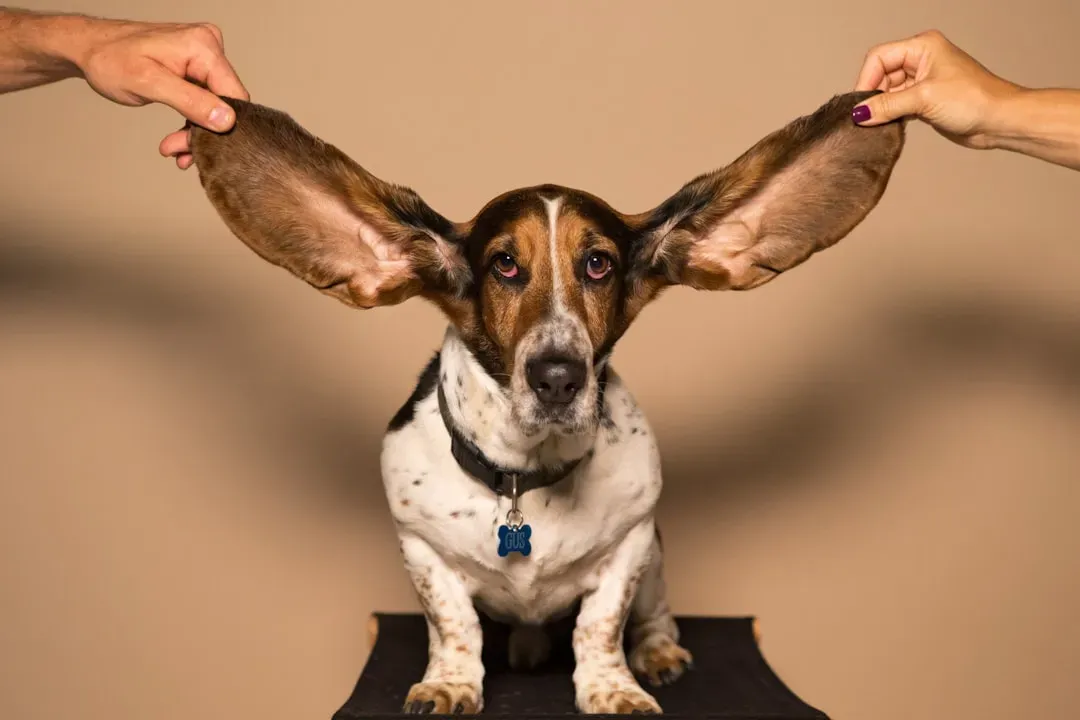
Some dogs bark at every random noise. Others stay dead calm all day, then go instantly alert for one very specific sound – your “sound signature” arriving home. They’ll ignore dozens of passing cars and voices, then bolt for the door the second it’s actually you.
You might notice their ears shoot up, head tilt, and a sprint to their welcome spot happening seconds before you’ve even opened the door. This hyper-specific recognition, especially when it happens at roughly the same time every day, means they haven’t just been hanging around – they’ve been in low-level waiting mode. Your unique sound is the final chime on a mental countdown they’ve been running the whole time.
#2 – They Show “Rebound Clinginess” After You Return
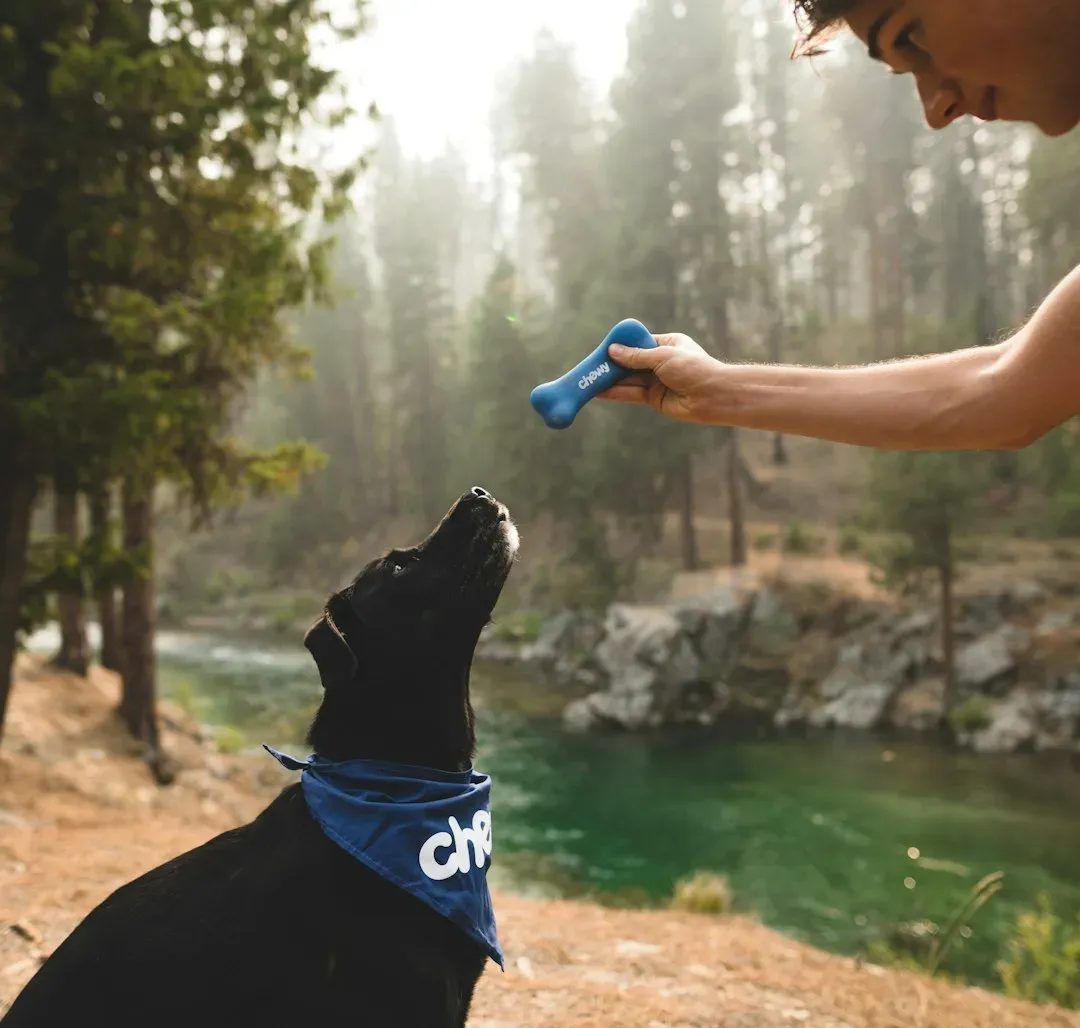
The story often doesn’t end the moment you walk through the door. For a lot of dogs, the next hour tells you everything. Rebound clinginess is when your dog sticks to you more than usual after a long absence, almost like they’re afraid the clock will instantly restart.
You might get a paw on your leg, a head resting on your foot, or a dog following you to the bathroom and whining if you close a door between you. This isn’t ordinary affection – it’s a nervous system trying to re-regulate after being on hold all day. Dogs that do this repeatedly are saying, in the only language they have, “That felt like too long. I need to make sure you’re really here.”
At a Glance
- Rebound clinginess usually peaks in the first hour after you walk back in.
- Common signs: a paw on your leg, a head resting on your foot, following you room to room.
- It reflects a nervous system still re-regulating after hours of being on alert.
#1 – They Can Tell Exactly How Long You’ve Been Gone by Scent Fading
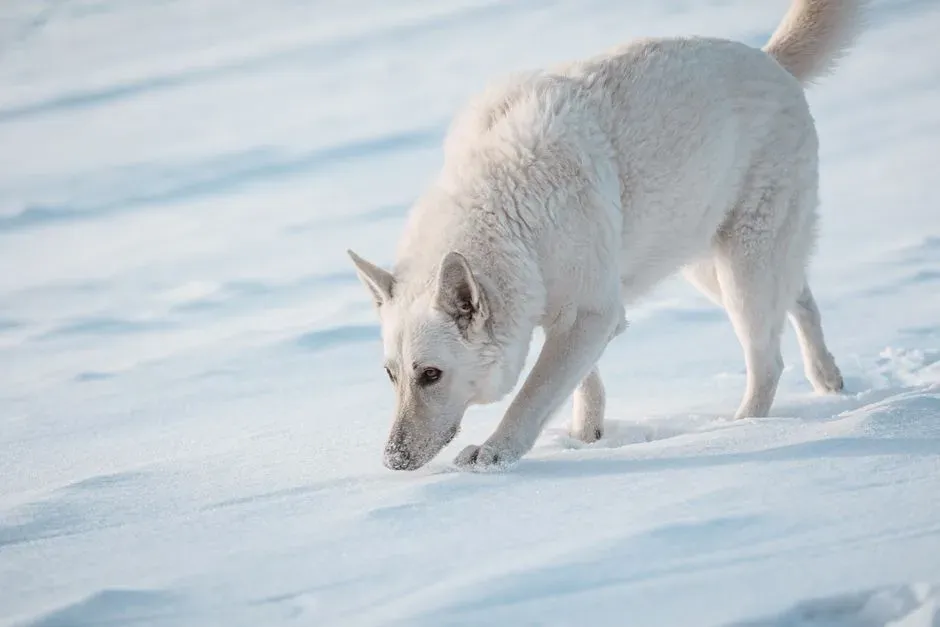
This is the part almost nobody talks about, and it’s genuinely mind-blowing. Dogs live in scent the way we live in visuals, and there’s growing evidence they may use the fading intensity of your smell in the house to gauge how long you’ve been away. Your scent is strongest right after you leave, then gradually weakens with every passing hour.
A dog’s nose can detect astonishingly small changes in odor concentration, and as that scent trail drops in strength, it gives them a kind of sensory timer. Many behaviorists now think this is one way dogs sense when it’s “about time” for you to return, especially on a consistent schedule. They’re not staring at clocks – they’re tracking the slow, inevitable fading of you, and that’s not just missing you, that’s counting every minute in the only way their biology allows.
We like to tell ourselves our dogs are fine without us – that they snooze, chew a toy, and barely notice the hours slip by. The truth is more uncomfortable, and honestly more beautiful. Most attached dogs aren’t just vaguely lonely; they’re actively tracking your absence through scent, sound, routine, appetite, and raw emotion.
Some do it quietly. Some do it with shredded shoes and howling at the door. Either way, I don’t think the answer is guilt – guilt doesn’t make your dog’s wait any shorter or any kinder. What it should change is how casually you treat leaving.
The real question isn’t “does my dog miss me?” We already know the answer. It’s whether you’re willing to take that ticking, scent-fading, minute-by-minute waiting seriously enough to make it easier on them. Did we nail your dog’s behavior, or miss one you’ve seen firsthand? Drop your story in the comments.


