
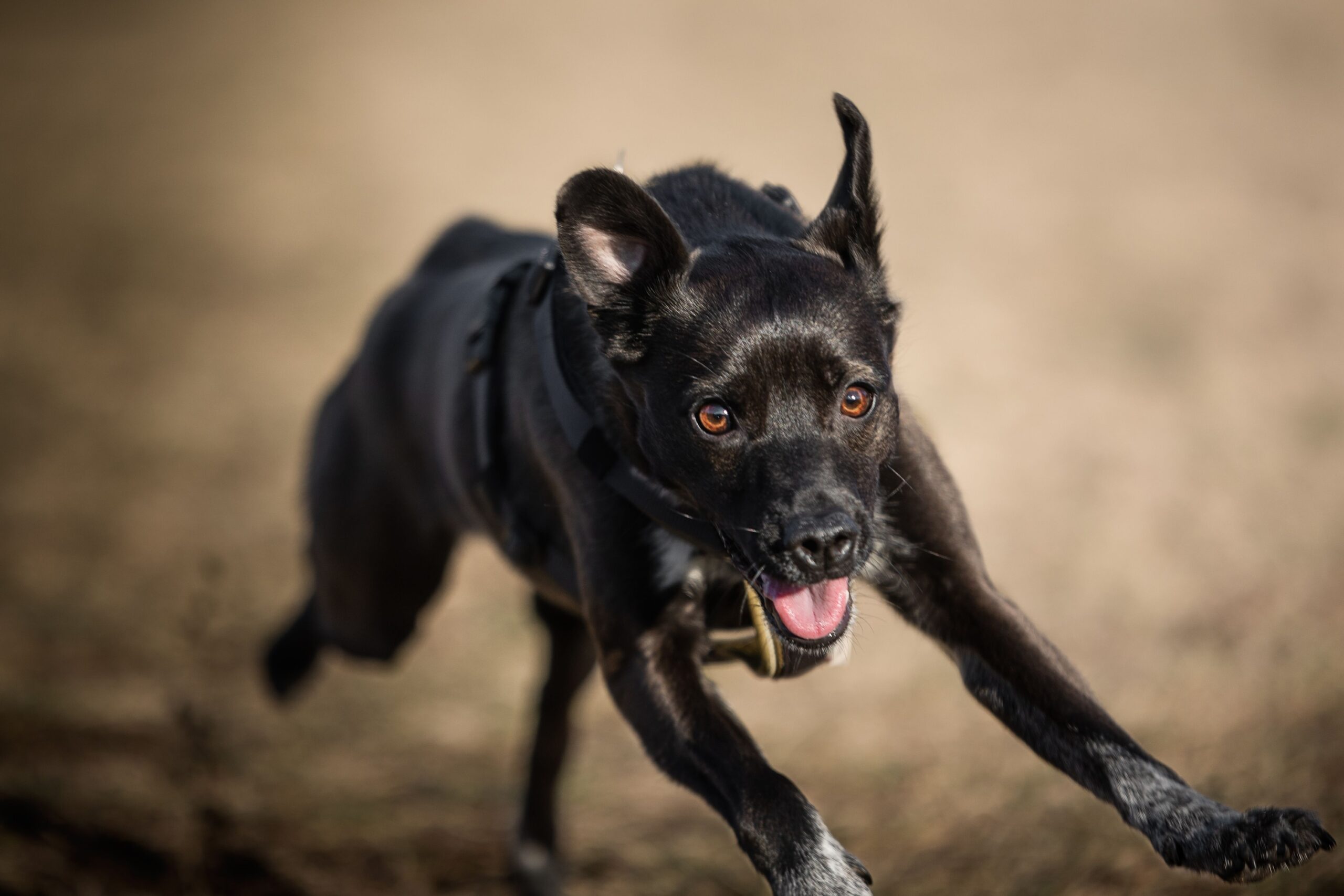
Some dogs walk into your life like sunshine. Others crash in like a storm. The barking, the chewing, the fear, the growling at strangers – it can feel like you accidentally adopted chaos with four paws. Yet time and again, the dogs who seem the hardest to love at first often become the ones that carve the deepest place in your heart.
There’s usually a story behind the struggle: stress, genetics, trauma, lack of socialization, or simple misunderstanding. When you look past the chaos and start to understand what’s really going on inside that dog’s brain and body, something powerful happens. The “problem dog” slowly turns into the dog who needed love the most – and who gives it back in a way that feels almost fierce in its loyalty.
1. Difficult Behavior Is Often a Symptom of Deeper Stress
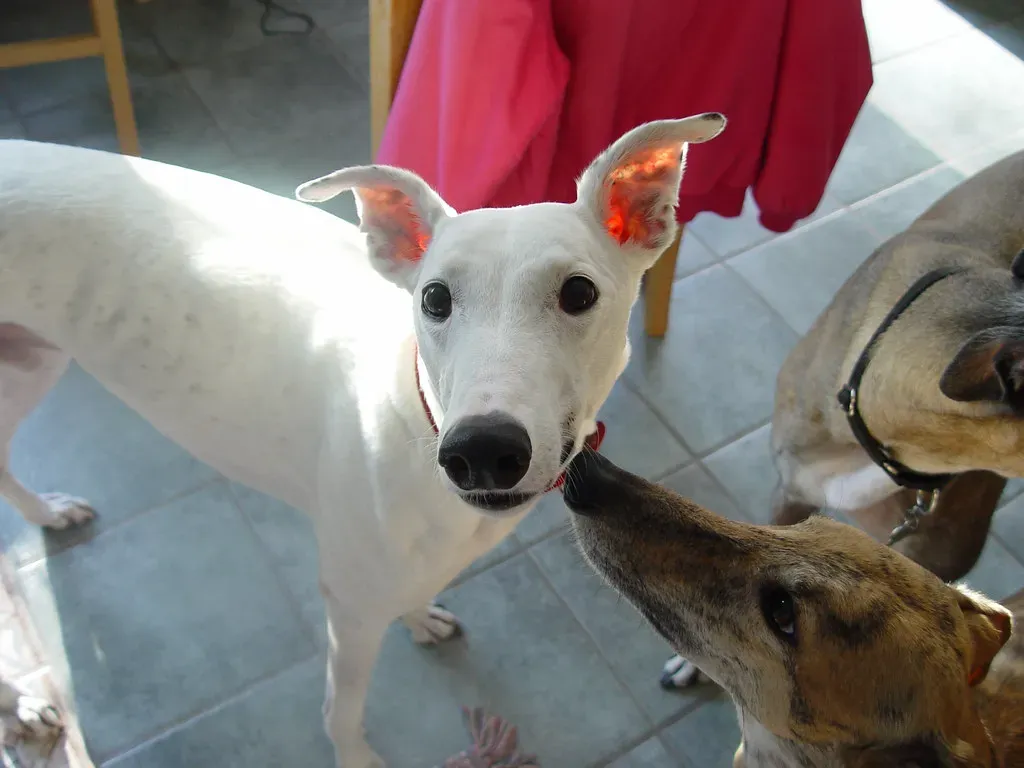
It can be shocking to realize that the dog who is barking non‑stop, lunging on the leash, or destroying furniture is not being “bad” on purpose – they’re often overwhelmed. Chronic stress in dogs, just like in humans, changes how the brain and body respond to the world. Adrenaline and stress hormones stay high, sleep quality can suffer, and the dog reacts faster and more intensely to triggers.
Many of the behaviors that drive people crazy – constant barking, pacing, chewing, or jumping – are classic signs of a dog trying to cope with anxiety or frustration. Once you see those behaviors as a stress language instead of defiance, it hits you differently. You stop asking, “What’s wrong with this dog?” and start asking, “What happened to this dog, and how can I help?” That shift alone is often the first act of real love.
2. Fear and “Aggression” Often Come From a History of Pain or Neglect
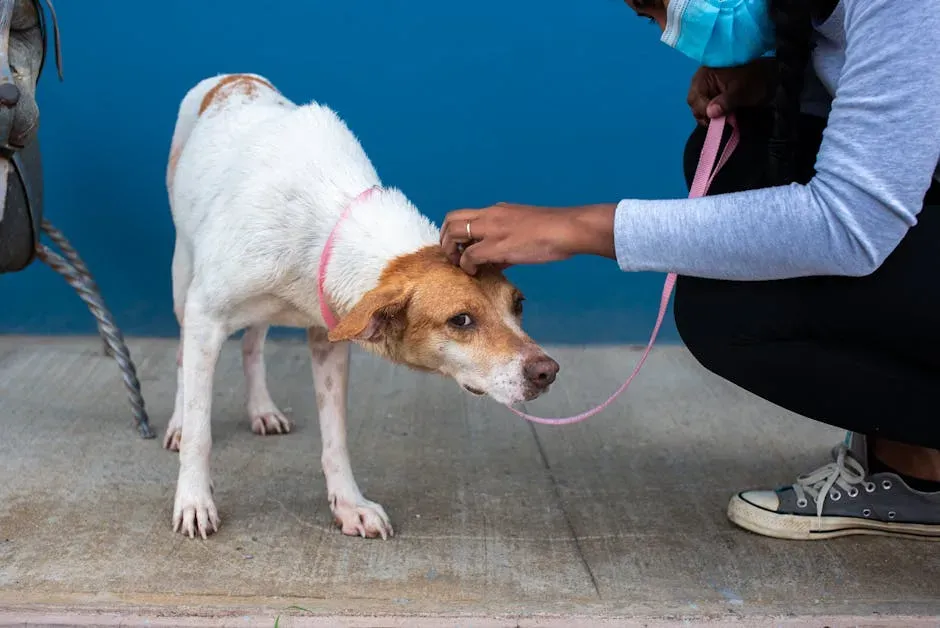
One of the most heartbreaking truths in dog behavior is how often the “scary” dog is actually the most scared one in the room. Dogs that growl, snap, or lunge are frequently trying to keep something frightening away, because in their past, scary things did not respect their space. This might come from rough handling, punishment, lack of socialization, or simply being ignored when they were terrified.
From the outside, that dog looks like a problem. On the inside, they can be locked in survival mode, expecting bad things from people, other dogs, or even simple daily events. When a patient human shows up and responds with distance, safety, and positive training instead of punishment, it can be life‑altering. That dog doesn’t just need love in a nice, abstract way – they need love as a literal counterweight to everything their nervous system has learned to fear.
3. High-Energy, “Hyper” Dogs Are Often Under-Stimulated, Not Broken
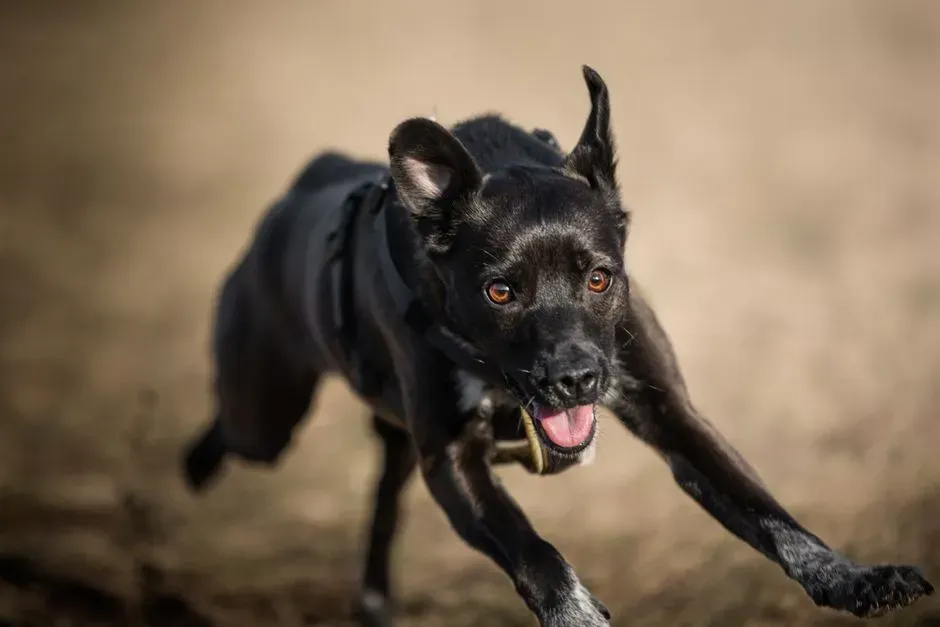
Many of the dogs that people describe as wild, naughty, or uncontrollable are simply athletes trapped in a sedentary lifestyle. Working breeds and mixes – herding dogs, retrievers, terriers, huskies, and others – were bred for serious jobs. When they end up in an average household with little exercise, little mental work, and long hours alone, their energy has to go somewhere. It often explodes as zoomies, destruction, barking, or even reactivity.
What looks like defiance is often sheer unmet need. Daily physical workouts, scent games, training sessions, puzzle feeders, or sports like agility can completely transform these dogs. I’ve seen dogs who were on the verge of being given up suddenly become affectionate, calmer companions once their bodies and brains were finally tired in a good way. Those “too much” dogs are usually the ones who most desperately need someone willing to meet them where they are, not where we wish they’d be.
4. Undersocialized Dogs Are Not Aloof – They’re Lost in a World That Feels Alien
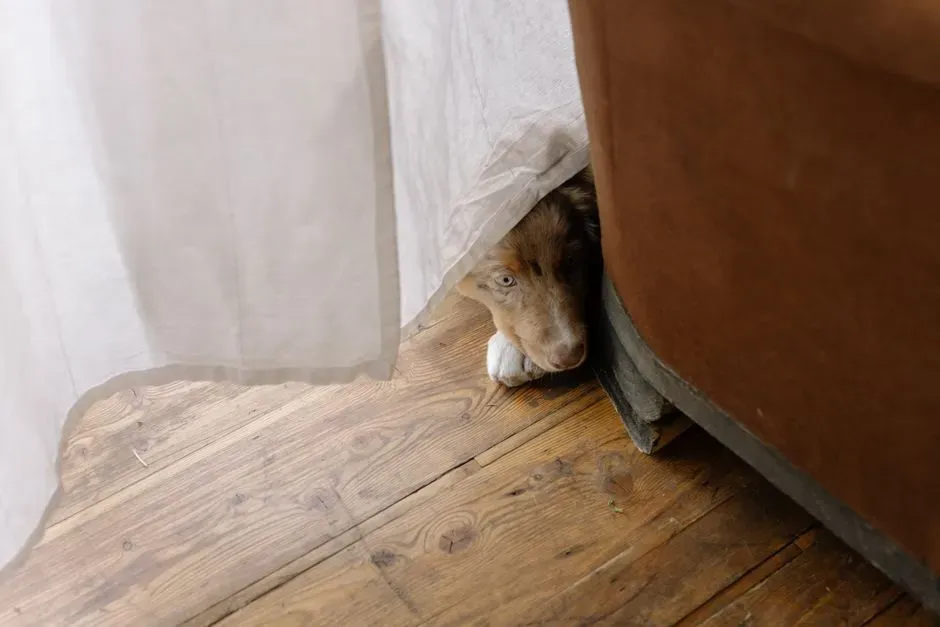
Dogs who missed out on normal, positive social experiences when they were young often grow up unsure about people, other animals, or ordinary places. Instead of curiosity, they might freeze, hide, bark, or avoid. It isn’t that they hate the world; it’s that no one taught them the world was safe. Imagine being dropped into a busy city where you don’t speak the language and every car horn sounds like a threat – that’s life for many undersocialized dogs.
These dogs usually need gentle, structured exposure at their own pace, not forced interaction. Safe distance walks, quiet visits to new places, and neutral time around calm dogs can slowly expand their comfort zone. When a human sticks with them through this slow, sometimes frustrating process, the bond that forms is unbelievably strong. The dog that once seemed uninterested or shut down starts seeking eye contact, leaning in, and trusting. That transformation is the clearest sign that what they needed all along was patient, steady love.
5. Medical Issues Can Masquerade as “Bad Attitude”
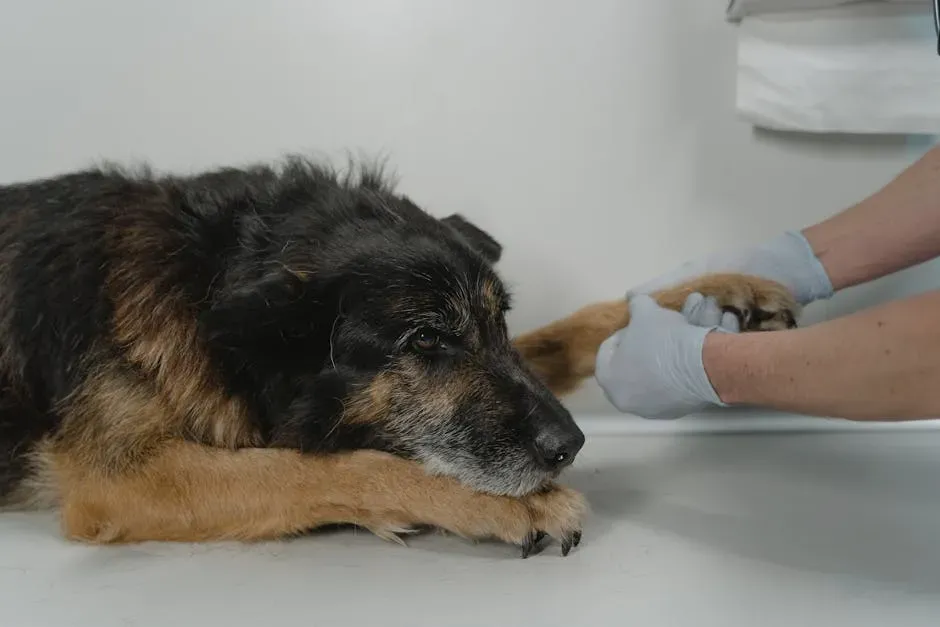
One of the most overlooked reasons a dog seems hard to love is simple: they might be in pain. Chronic joint issues, dental problems, digestive discomfort, skin irritation, or even low‑grade infections can make any living creature irritable and reactive. A dog that suddenly growls when touched, snaps when being groomed, or refuses to be lifted may not be rude – they may be protecting a painful body part.
Dogs are experts at hiding pain, so behavioral changes are often the first obvious clue. When a thorough veterinary exam reveals arthritis, allergies, or another underlying problem, and that issue gets treated, the shift in behavior can feel almost magical. The dog that seemed grumpy and unapproachable may soften into a cuddler once the constant discomfort eases. In those moments, it becomes painfully clear: this dog didn’t just want love; they needed someone to notice they were hurting.
6. “Stubborn” Dogs Are Often Smart Dogs Who Haven’t Been Clearly Taught
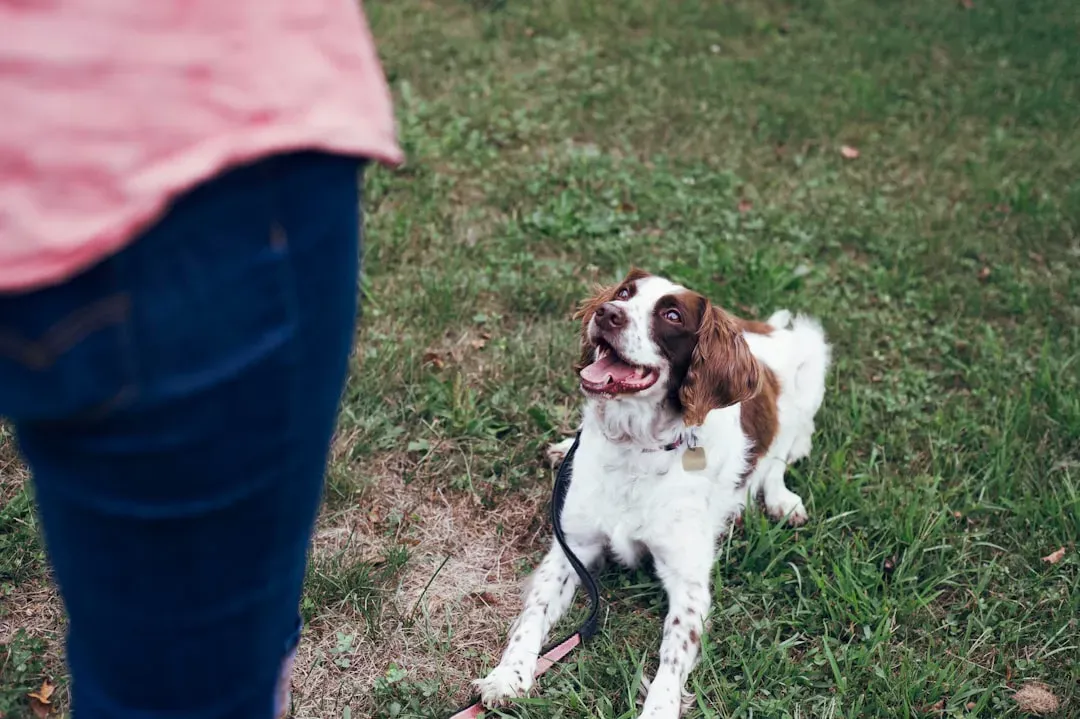
It’s easy to label a dog as stubborn when they ignore cues, pull on the leash, or refuse to come when called. But from a training perspective, most so‑called stubborn dogs are either confused, unmotivated, or overwhelmed. Many have never had consistent, reward‑based training. Others learned that cues are optional because sometimes they mattered and sometimes they didn’t. A few are simply independent thinkers bred to make decisions without humans micromanaging every move.
When you switch from a dominance mindset to a cooperative one, those “stubborn” dogs start to shine. Clear communication, high‑value rewards, short sessions, and realistic expectations tap into their intelligence instead of fighting it. I have personally found that the dogs who argued with me the hardest early on often became the most enthusiastic learners once we turned training into a game. It feels less like fixing a broken dog and more like finally speaking their language, which is exactly the kind of love they were missing.
7. Dogs Who Guard Food, Toys, or People Are Terrified of Losing Security
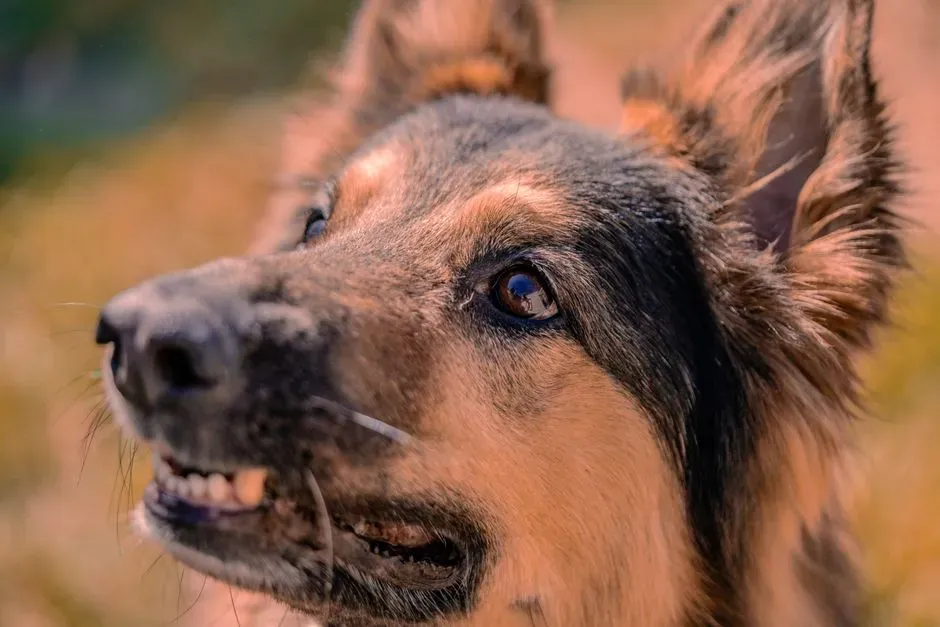
Resource guarding – growling or snapping around food bowls, toys, or favorite humans – scares many owners. It can feel like the dog is being selfish or possessive just to be difficult. Behavior science paints a different picture: guarding usually develops when a dog is anxious about losing something vital or highly valued. That anxiety can come from past scarcity, from humans repeatedly taking things away, or from natural predisposition that was never managed well.
The most effective plans to help these dogs are based on trust, not confrontation. Teaching the dog that a human approaching their bowl means better things arrive, or that trading an item leads to an even better reward, can slowly melt that panic. Underneath the guarding is a dog who believes safety is fragile and must be defended. Once they realize their human is actually the source of security instead of a threat to it, their need for love – predictable, gentle, fair love – becomes very obvious.
8. Shelter and Rescue Dogs Carry Invisible Luggage
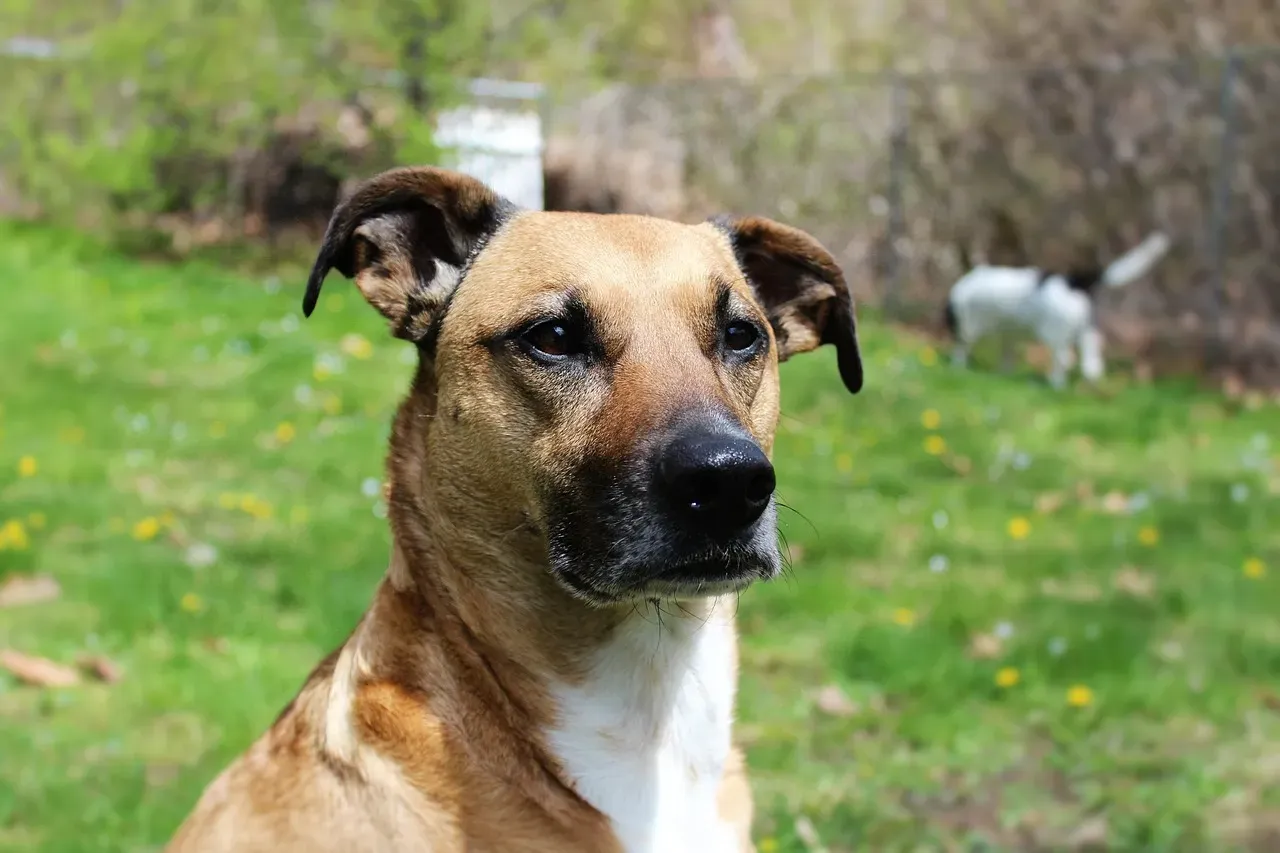
Dogs that bounce between homes, shelters, and foster care often look rough around the edges. They might shut down, overreact, or test boundaries in ways that feel exhausting. But consider their perspective: new smells, new people, new rules, loud kennels, strange dogs, and a total lack of control over where they sleep or who they live with. Many have lost the one person they trusted, even if that person was imperfect.
That chaos leaves a mark on the nervous system. Some dogs become clingy and anxious, others become reserved and wary, and a few flip between both. When a person finally says, “You’re home, for real this time,” and backs it up with routine, patience, and structure, you can almost see the dog exhale over weeks and months. The dog that seemed emotionally messy often becomes the one that follows you from room to room, curls up at your feet, and checks in constantly – because they know what it’s like to have no one.
9. The Hardest Dogs to Love Often Become the Deepest Partnerships
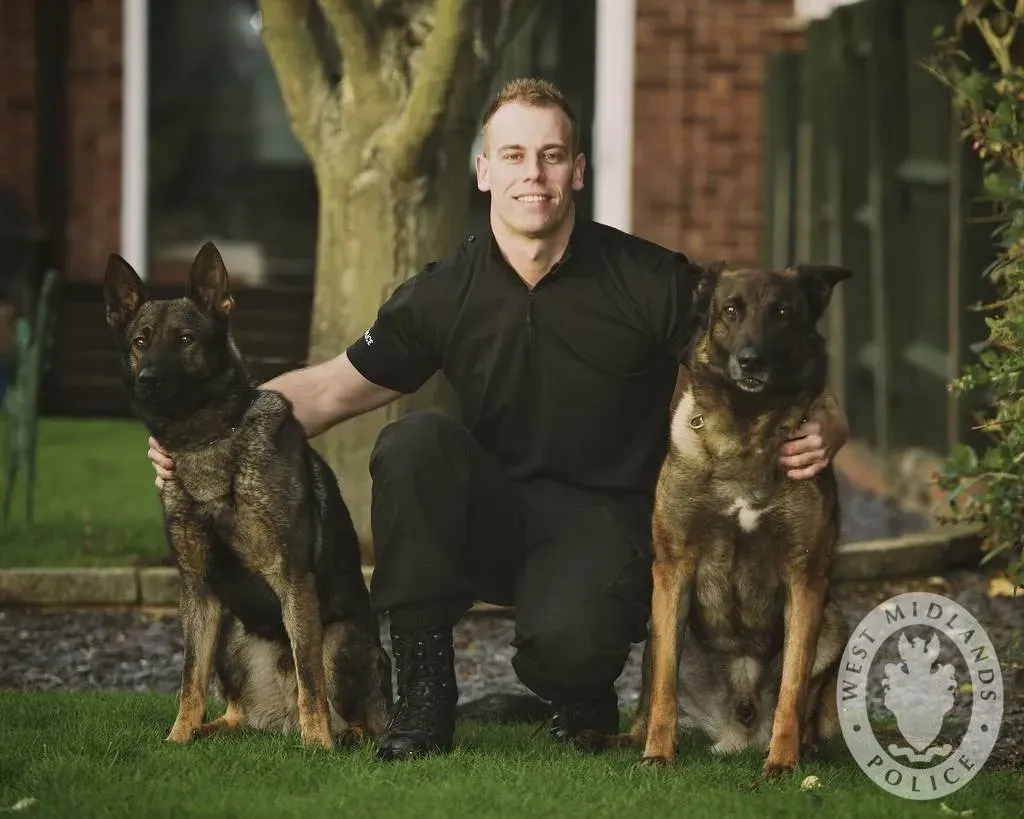
There’s something uniquely powerful about living through the hard parts with a dog – the reactivity, the destroyed shoes, the sleepless nights, the training setbacks. You invest time, money, energy, and emotion into building trust and understanding. You cry in the car after another bad walk. You celebrate tiny wins that other people would barely notice. Through all of this, your dog is learning too: that you are the one constant who keeps showing up.
Over time, these intense shared experiences become the glue of the relationship. When the dog who used to bark at every stranger finally chooses to look at you instead, or the dog who never relaxed finally falls asleep with their head in your lap, it hits on a different level. The love you feel is not casual; it’s earned on both sides. The dog who once seemed impossible was never actually unlovable – they were simply waiting for someone willing to do the hard, unglamorous work of loving them the way they needed, not the way the world expected.
Conclusion: The “Problem Dog” Myth and the Quiet Power of Staying
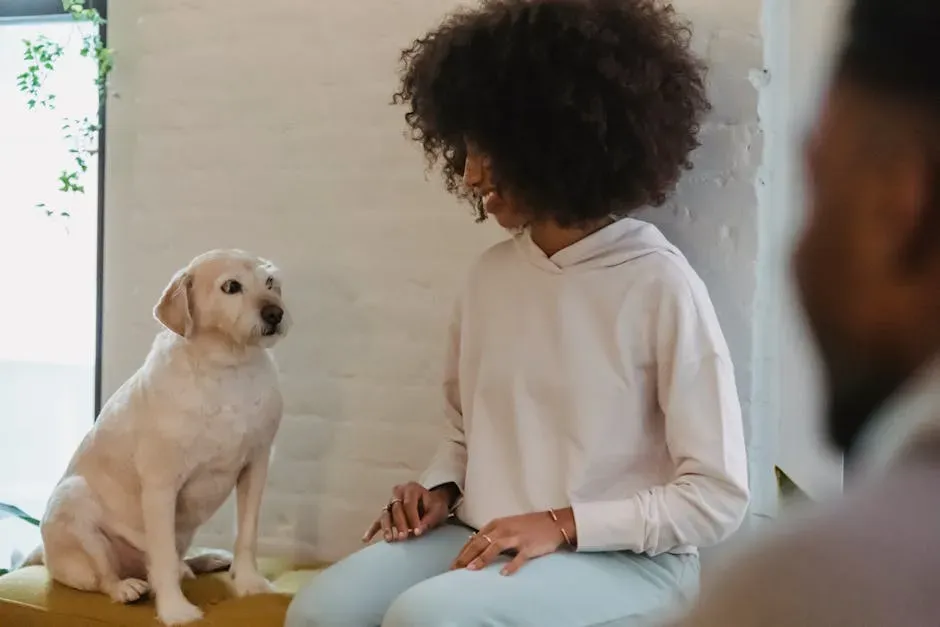
When you zoom out, a pattern emerges: dogs who seem hardest to love are usually the ones whose needs were never met, whose pain was never treated, whose fears were never heard. Their behavior is not a moral failing; it is a map of what they have survived and what they are still trying to cope with. Calling them a problem dog erases the real story, which is almost always about stress, misunderstanding, or unmet needs rather than brokenness.
My own view is simple and a little stubborn: the dog that stretches you the most often ends up teaching you the most about love, boundaries, empathy, and patience. Not every match is perfect, and not every situation can be fixed, but when it works, it changes you. You become the kind of person who sees past the bark, the growl, or the chaos to the living creature begging for safety underneath. And once you’ve seen that, you can’t help but wonder: how many “difficult” dogs were really just waiting for someone who would not give up on them first?


