
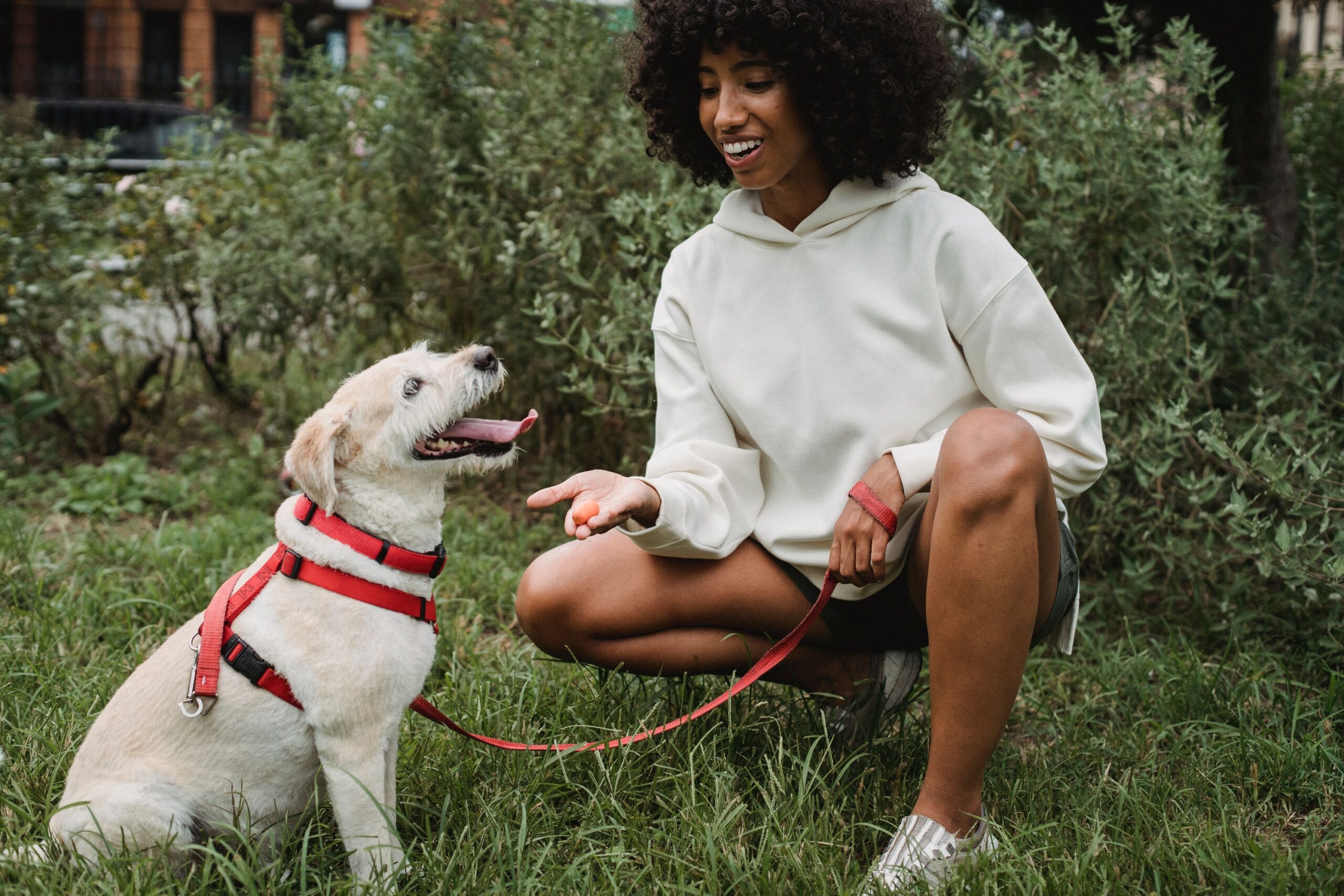
Bringing a stray dog home can feel a bit like inviting a traveler from another planet into your living room. They do not speak your language, they do not know your rules, and to be honest, they are not totally sure you are safe yet. But under all that confusion is usually a dog that is desperate for stability, kindness, and a place to finally exhale.
The beautiful part is that you do not need to be a professional trainer to help a former street dog adjust. You do, however, need patience, structure, and a basic understanding of how trauma and stress affect dogs. Think of this as your practical, science-informed, heart-led guide to turning a scared, scrappy survivor into a relaxed, loving family member.
1. Start With a “Decompression Period” Instead of Instant Expectations

A lot of new dog parents expect instant gratitude and affection, but many stray dogs arrive in survival mode. Their brains are often flooded with stress hormones, and it can take days or even weeks for them to feel safe enough to show their real personality. This is why trainers talk about a decompression period, a phase where you deliberately keep things calm, predictable, and low-key.
During decompression, limit visitors, loud noises, and busy outings. Set up a quiet space with a bed or crate, water, and maybe a chew toy, and let the dog choose how close they want to be to you. I once brought home a stray who spent the first three days watching me from behind the couch; giving him space instead of pushing cuddles was the turning point that built his trust.
2. Create Safe Zones and Predictable Routines
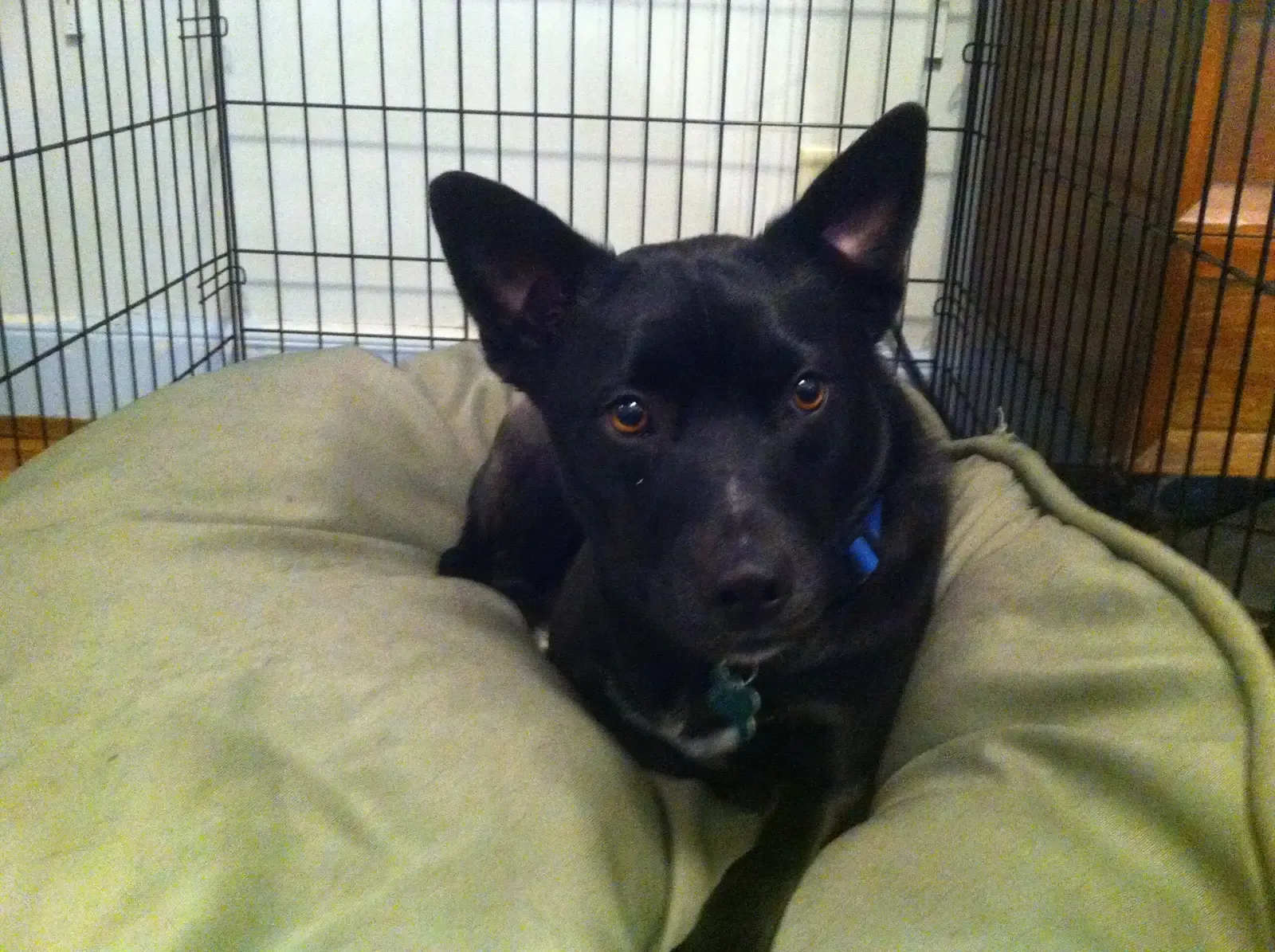
Imagine being dropped into a strange house where doors open randomly, people appear from nowhere, and you never know when someone will touch you. That is exactly how many strays feel in the beginning. Creating clearly defined safe zones and daily routines helps their nervous system relax because the world starts to feel less chaotic and more understandable.
Pick a consistent spot for meals, walks, and sleep, and try to stick to roughly the same schedule each day. Give your dog a bed or crate where nobody disturbs them, not kids, not visitors, not even you when they go there to rest. Over time, you will see a subtle but powerful shift: instead of pacing or hiding, they start choosing to lie down, stretch out, and actually rest.
3. Go Slow With Socialization and New Experiences
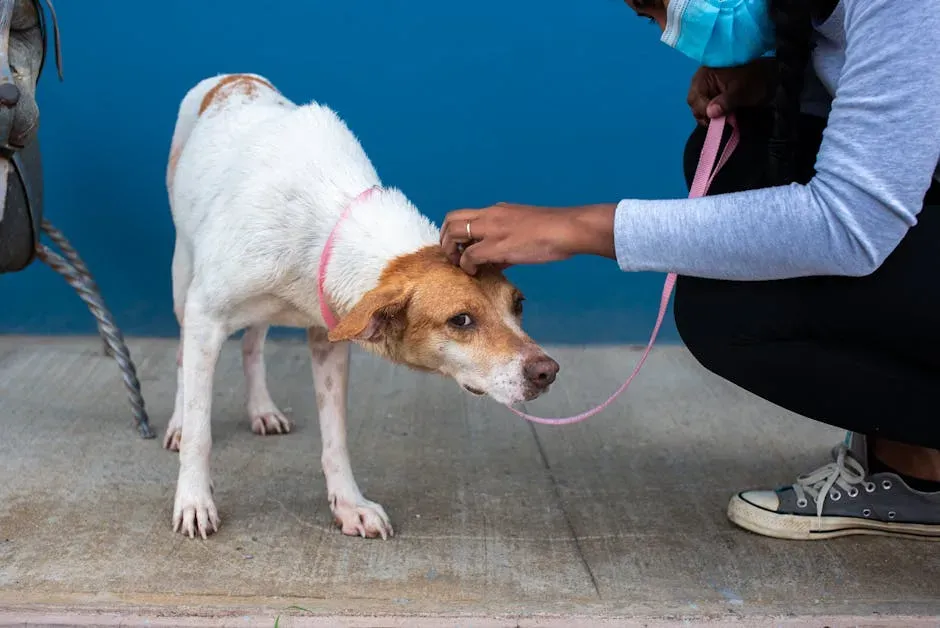
There is a common myth that the best way to help a fearful or under-socialized dog is to expose them to everything immediately. In reality, flooding a dog with too many new people, places, and dogs can backfire and increase fear or reactivity. Strays, in particular, may have had bad experiences with humans, cars, or other animals, so your job is to introduce the world at a gentle, respectful pace.
Think “one new thing at a time,” not “everything all at once.” Maybe one day is a quiet walk on a calm street, another day is sitting on a bench outside your building just watching the world pass. Pay attention to body language: a loose tail, soft eyes, and relaxed posture mean you can slowly go further; stiff body, tucked tail, and yawning or lip-licking mean it is time to back off and give them a break.
4. Use Positive Reinforcement, Not Punishment
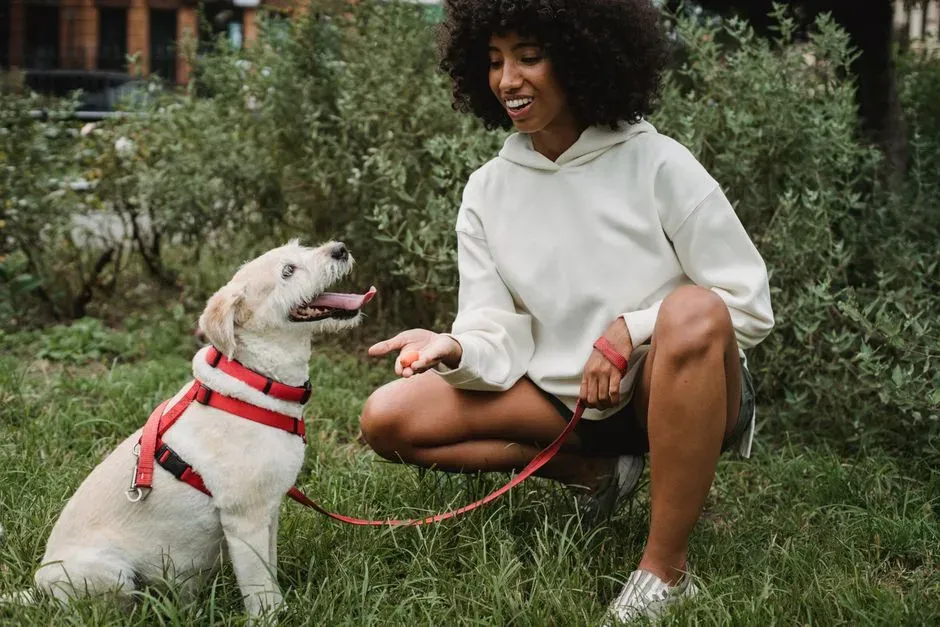
Many stray dogs learned on the streets that humans can be unpredictable or even dangerous, so they are watching you closely to figure out who you are. Punishment, yelling, or harsh corrections may shut down a behavior in the moment, but it also teaches the dog that you are unsafe. That is the opposite of what an already insecure, possibly traumatized dog needs.
Positive reinforcement works with how a dog’s brain is wired: behaviors that are rewarded get repeated. Mark and reward calm choices, gentle interactions, sitting politely, and even brave little moments like approaching you or exploring a new room. A soft voice, treats, toys, and affection (if they enjoy it) turn you into the source of good things, and that shift in association is often when the real bonding kicks in.
5. Prioritize Veterinary Care and Health Checks Early
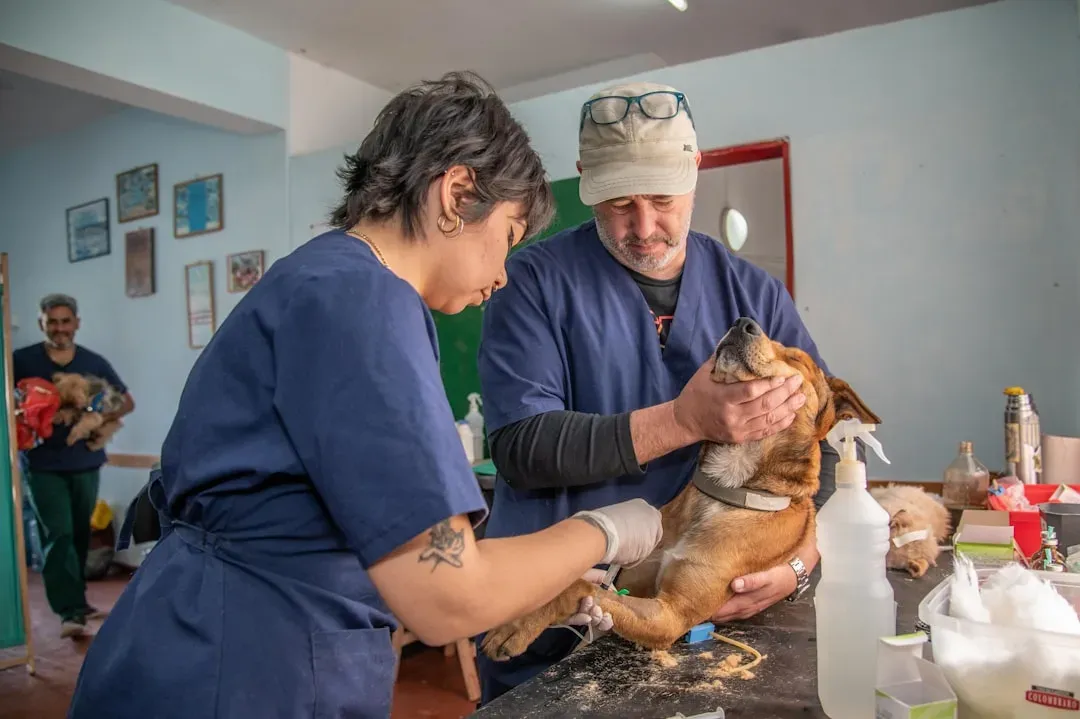
Street life is rough on a dog’s body. Strays often come with parasites, skin issues, infections, dental problems, or old injuries that they have just learned to live with. A thorough veterinary exam early on is not just about vaccines; it is about ruling out pain or illness that might explain strange behavior like snapping, hiding, or being unwilling to be touched.
Ask your vet to check teeth, joints, skin, and ears carefully, and be honest about your dog’s history or what you do not know. Many behavior problems soften dramatically once pain is managed or untreated conditions are addressed. Plus, getting on top of preventives like flea, tick, and heartworm protection gives your dog a physical foundation for all the emotional work you are doing at home.
6. Introduce House Rules Gently but Consistently
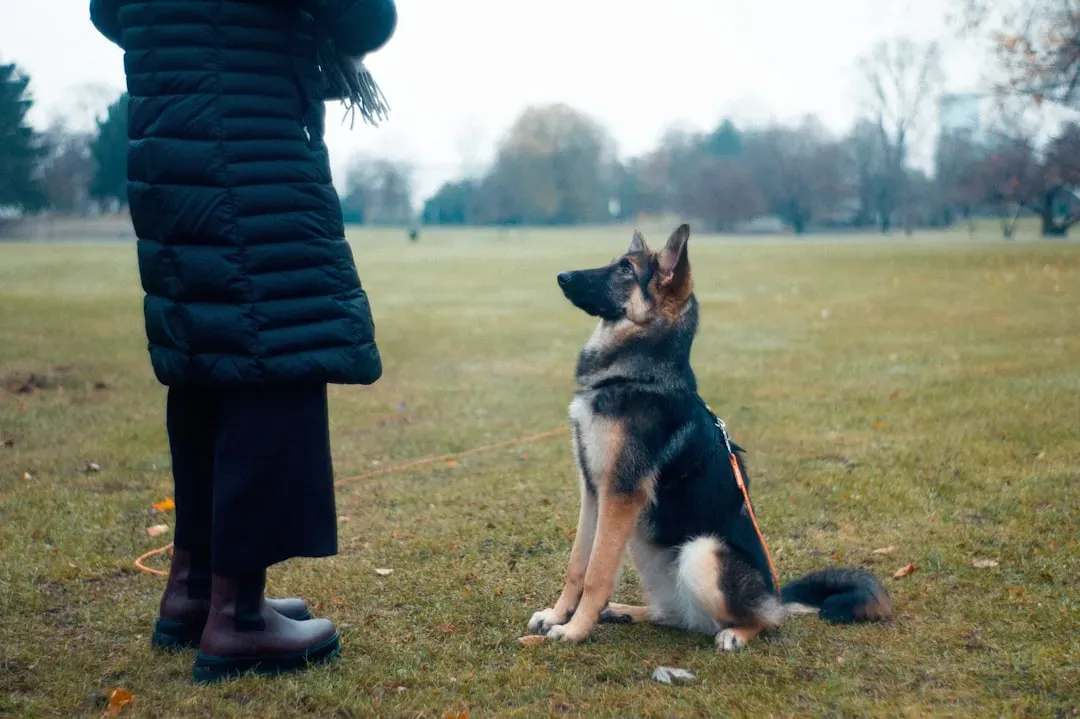
Stray dogs usually have no idea that couches are off limits, that shoes are not chew toys, or that toilets are not water bowls. They are not being defiant; they simply have no concept of human house rules. The key is to guide them with calm, clear boundaries instead of waiting until you are frustrated and then reacting.
Decide your non‑negotiables upfront: furniture rules, where they sleep, feeding etiquette, and whether they are allowed in certain rooms. Use management tools like baby gates, closed doors, and leashes indoors to prevent them from practicing unwanted behaviors. When they make a mistake, redirect rather than scold: offer a chew instead of the shoe, lead them off the couch and reward them on their bed, and over time they will map out what gets them praise and what does not.
7. Build Confidence Through Simple Training and Games
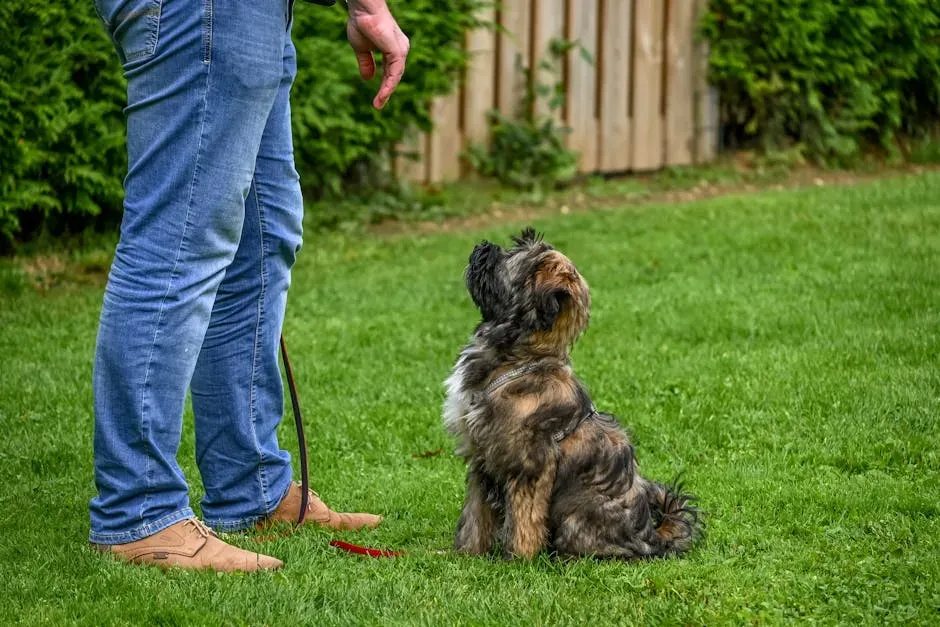
Many former street dogs are incredibly resourceful but also surprisingly insecure when faced with structured tasks. Gentle training sessions can work like therapy: they give the dog a clear job, achievable successes, and a way to earn rewards through their own choices. This builds what behaviorists often call “learned optimism,” the sense that trying new things might actually pay off.
Start with easy cues like “sit,” “touch” (nose to hand), or “come” in a quiet room. Keep sessions short and playful, and end while your dog is still engaged instead of pushing until they are frustrated. Sprinkle in simple games like treat scatter searches or puzzle feeders, which tap into natural sniffing and problem‑solving instincts. A dog that learns they can influence their world in positive ways becomes braver, calmer, and more resilient.
8. Respect Their Past Trauma and Triggers
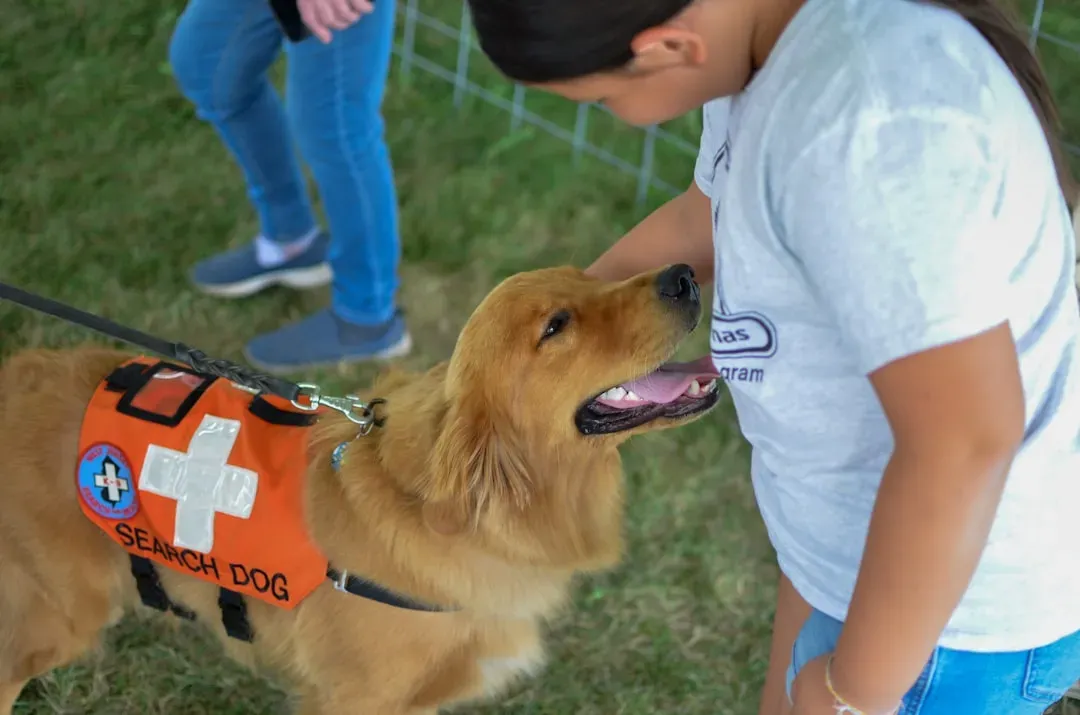
Even if you do not know your stray dog’s full history, their behavior will often tell you where the hurt is. Flinching at fast hand movements, panicking at brooms or sticks, freezing near certain types of people, or reacting at cars or loud bangs can all be clues. It is tempting to dismiss these as “bad behavior,” but in many cases, they are protective habits that once kept the dog alive.
Instead of forcing them to “get over it,” work with their triggers thoughtfully. Increase distance from whatever scares them, pair that scary thing with something good (like treats), and avoid pushing them past the point where they can still think and eat. You are not spoiling them by being gentle; you are overriding old survival wiring with new, safe associations, which is slow but powerful work.
9. Carefully Manage Introductions to Other Pets and People
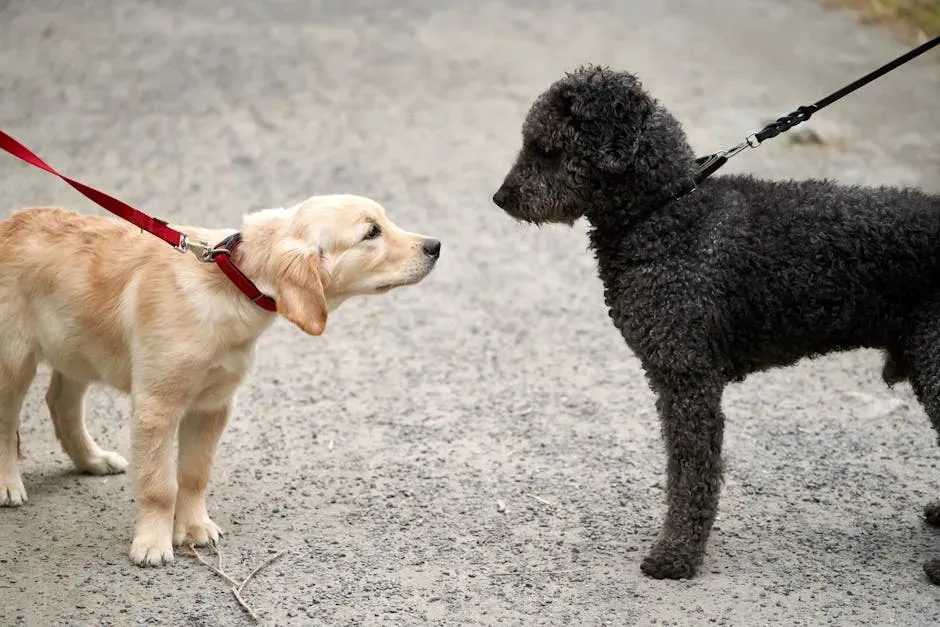
Not every stray dog has had positive experiences with other animals, and some have had to fight for food or space. Tossing them directly into a busy dog park or chaotic household can set everyone up for failure. Instead, stage introductions in a controlled, neutral way so they have room to observe and adjust without feeling trapped.
For resident pets, start with scent swapping (blankets, beds) and visual introductions at a distance before full contact. Use parallel walks for dog‑to‑dog intros so they move in the same direction with space between them, gradually closing the gap if both bodies stay relaxed. With people, especially kids, coach everyone to be calm, avoid looming, and let the dog approach rather than being chased for affection. Slow, thoughtful introductions save you from drama later.
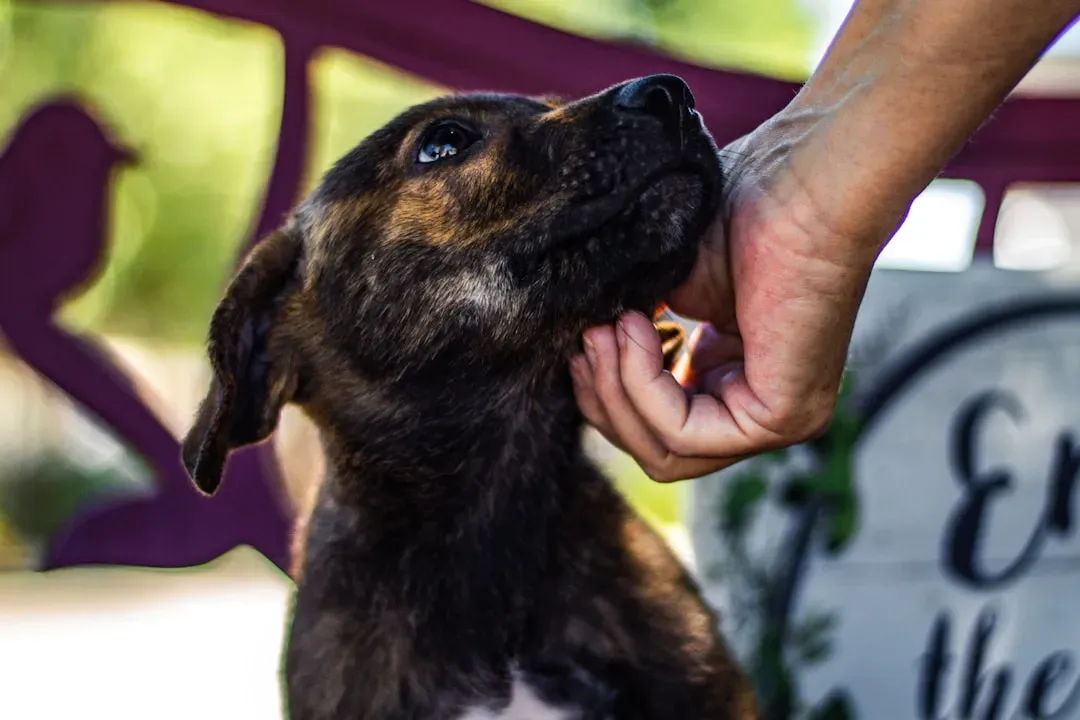
Many adopters worry about “spoiling” a dog that already survived so much, but real bonding is not about endless treats or letting them run the house. It is about being a reliable, emotionally safe presence. Simple things like talking to your dog in a warm tone, sitting on the floor and letting them choose contact, or offering gentle touch where they seem to enjoy it (often chest or shoulders rather than the top of the head) build trust brick by brick.
Over time, you will notice small but magical changes: they start following you from room to room, they sleep more deeply, they check in with you when something startles them. I remember the first time my own former stray sighed, rolled onto his back, and showed me his belly voluntarily; that was the moment I knew he believed this was finally home. Those quiet victories matter far more than any fancy trick.
10. Be Patient With Setbacks and Celebrate Tiny Wins
Progress with an adopted stray is almost never a straight line. You might have a week where your dog is playful and relaxed, followed by a few days where they seem withdrawn or suddenly fearful again. Changes in weather, visitors, noises, or even your own stress levels can influence their behavior. This does not mean you have failed; it just means their nervous system is still learning that safety is the new normal.
The mindset that helps the most is viewing every small step as a genuine win. The first time they eat in front of you, the first tail wag, the first nap in the middle of the room instead of in a corner – these are huge in their world. If you catch yourself comparing them to “easy” dogs online, remind yourself that you did not adopt a blank slate; you adopted a survivor. The journey is slower, but the bond you build tends to be unusually deep and loyal.
Opinionated Conclusion: Why Stray Dogs Might Be the Best Dogs You Will Ever Have
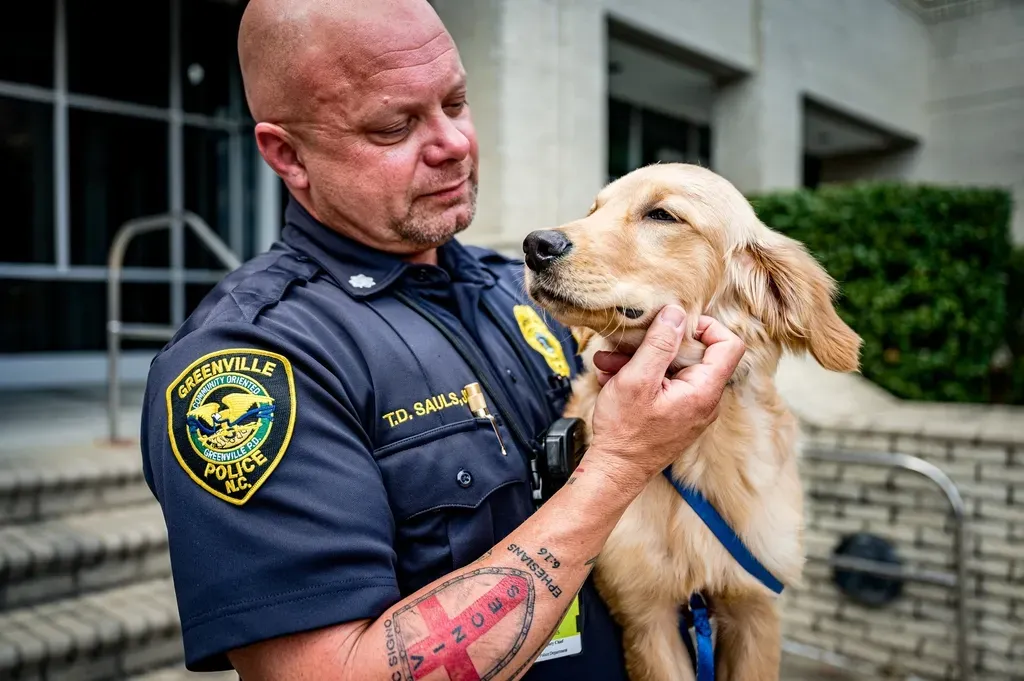
If I am honest, I think former street dogs are some of the most special companions you can share your life with. They arrive with scars, quirks, and baggage, sure, but they also bring a kind of raw honesty that is hard to describe until you experience it. Watching a dog who once slept with one eye open learn to sprawl on your couch with absolute trust is one of the most quietly profound transformations you will ever witness.
Helping an adopted stray adjust is not about fixing a broken animal; it is about honoring who they are, understanding what they went through, and giving them the structure and love they need to feel safe. It will not always be neat or Instagram‑ready, and there will be moments when you question whether you are doing it right. But when that former stray leans into you, sighs, and chooses you as their safe place, you realize it was never about perfection. It was about showing up, consistently and kindly, for a dog who finally gets to go from surviving to truly living. Would you have guessed that the biggest change might actually happen in you, not just in them?


