
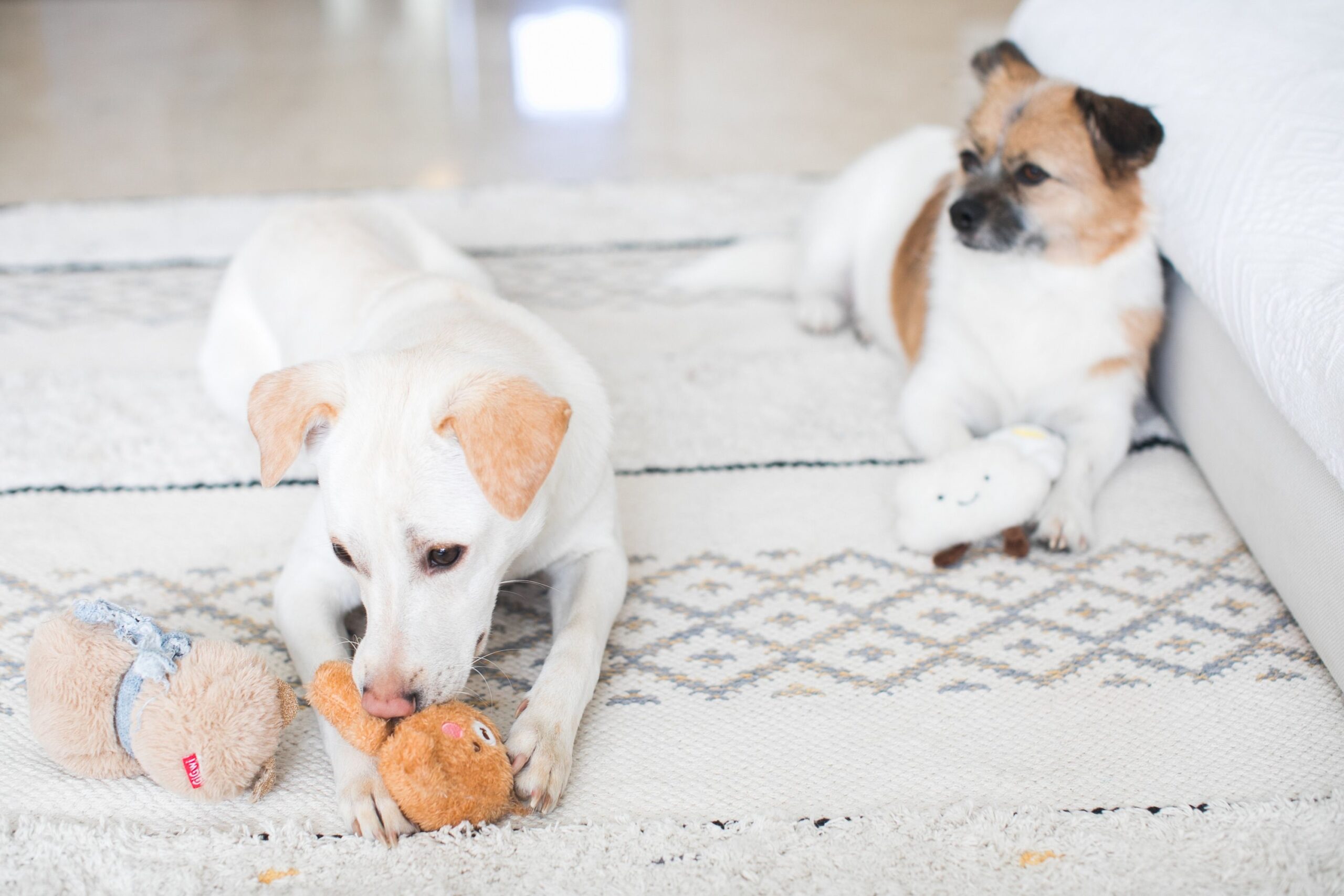
I still remember sitting on the edge of my bed after a really rough day, trying not to cry, when my usually hyper dog quietly climbed up, pressed his body against my leg, and just stayed there. No jumping, no toys, no demands. Just stillness. In that moment, it felt less like I had a pet and more like I had a tiny, furry therapist.
Moments like that are why so many people swear their dogs can sense their emotions. And while we have to be careful not to turn science into wishful thinking, there is real evidence that dogs respond to human stress, tone of voice, and even subtle changes in our body language and smell. The fascinating part is how they show it. Once you know what to look for, you start realizing your dog might be doing far more emotional “support work” than you ever gave them credit for.
1. They Lean Their Body Weight Against You

That full-body lean, where your dog presses their side or back into your leg or hip, can feel like an accidental shove, but it’s often intentional contact. Many dogs do this when they sense you’re still, quiet, or out of your usual rhythm, like when you’re sitting in silence or staring off into space. It’s their way of closing the distance, offering the canine version of a side hug without making it a big dramatic gesture.
From a behavioral standpoint, leaning is a form of social bonding and reassurance, both for them and for you. Dogs are social animals that regulate their emotions through proximity and touch, just like we do with people we trust. When a dog chooses to put their full weight on you, especially when you seem off, they’re often trying to say, “I’m here. You’re not alone.” It may not be a grand emotional speech, but in dog language, it’s pretty powerful.
2. They Follow You From Room to Room More Than Usual

Most dogs enjoy shadowing their humans, but there’s a difference between normal “I like being with you” following and what looks more like emotional monitoring. If your dog is suddenly glued to you on days when you’re teary, withdrawn, or speaking less, that intense attachment can be a sign they’re tracking your state. They might sit just inside the doorway, lie at your feet, or get up every time you move, as if they don’t want you out of their sight.
Scientists suspect dogs pick up on changes in our movement, posture, and even the way we breathe. If you’re walking slowly, dragging your feet, or pacing aimlessly, it can cue your dog that something isn’t right. Their response is simple but sincere: stay close, stay available, and be ready in case you need them. It’s not dramatic, it’s not performative – it’s quiet loyalty, and it often shows up on your hardest days.
3. They Bring You Toys or “Gifts” When You’re Sad
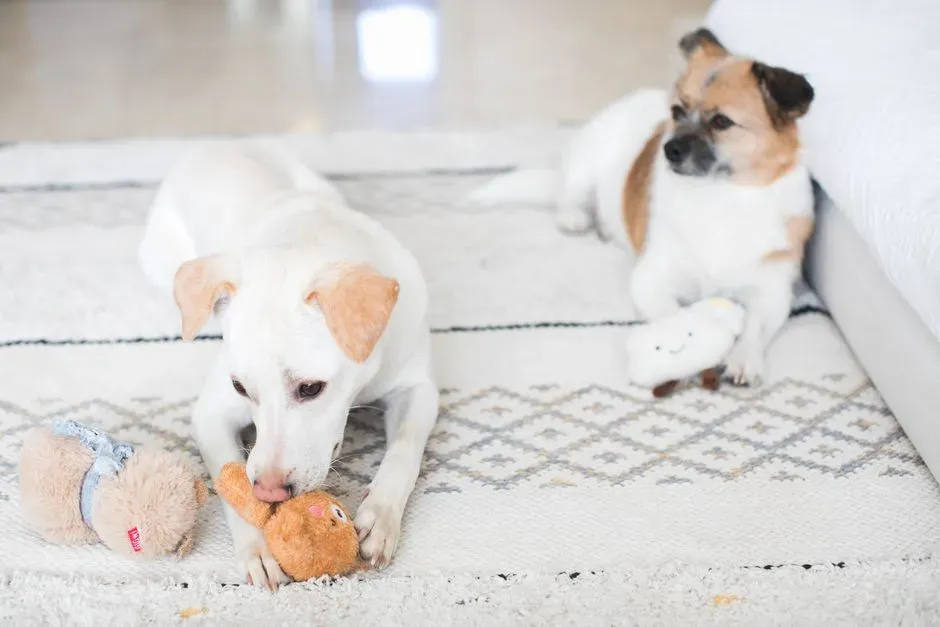
It’s easy to laugh when your dog drops a slobbery toy in your lap mid-cry, but this might be one of the clearest signs they’re trying to help in the only way they know how. For many dogs, toys equal joy, play, and connection. When they notice you’re not your usual self, they may try to offer something that usually makes both of you happy. In their mind, sharing a favorite toy is like saying, “This works for me. Maybe it will work for you, too.”
There’s also a caregiving element to this behavior, especially if the “gift” is something they usually guard or cherish. Some dogs will even bring random household items or chews they rarely share. They are not trying to fix your life; they’re trying to shift your mood. It’s clumsy and a little hilarious, but it’s also deeply sweet, like a small child offering you their favorite blanket when you’re sad.
4. They Adjust Their Energy Level to Match Your Mood
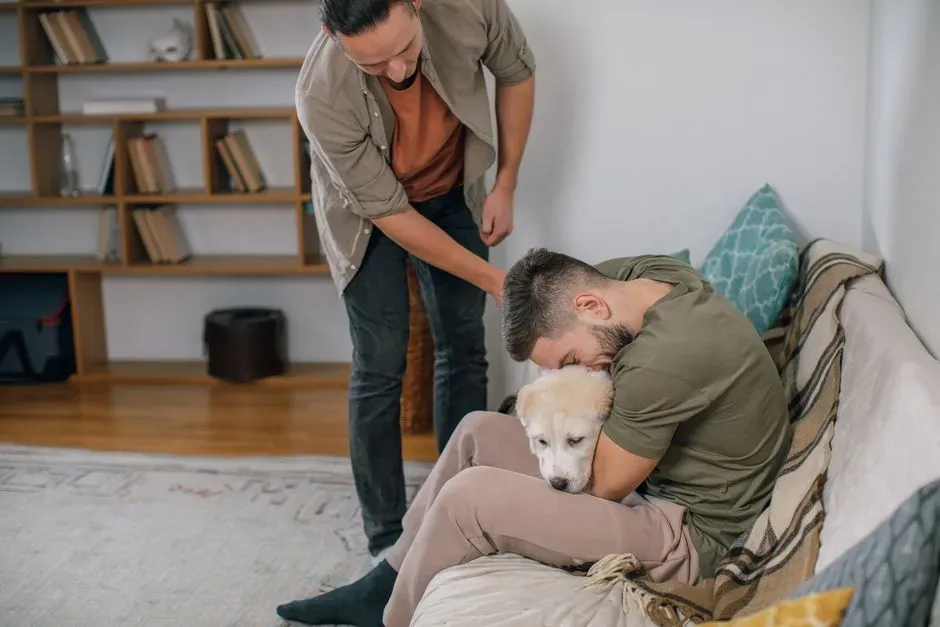
One of the more subtle signs of canine empathy is when a normally excitable dog suddenly becomes calm, quiet, and almost gentle around you when you’re upset. Instead of bouncing off the walls or demanding play, they might move more slowly, lie down nearby, or simply watch you. It can feel like someone turned their energy dial down to “soft mode” out of respect for how you’re feeling.
Dogs are experts at mirroring the emotional climate of their environment, especially in close attachment relationships. They learn by experience which behaviors get rewarded and which feel right in the moment. So when your usually wild friend decides to settle beside you and nap while you’re overwhelmed, it is not just random. It’s a behavior shaped by thousands of shared moments where your feelings and their responses have quietly synced up over time.
5. They Make Extra Eye Contact and Hold Your Gaze
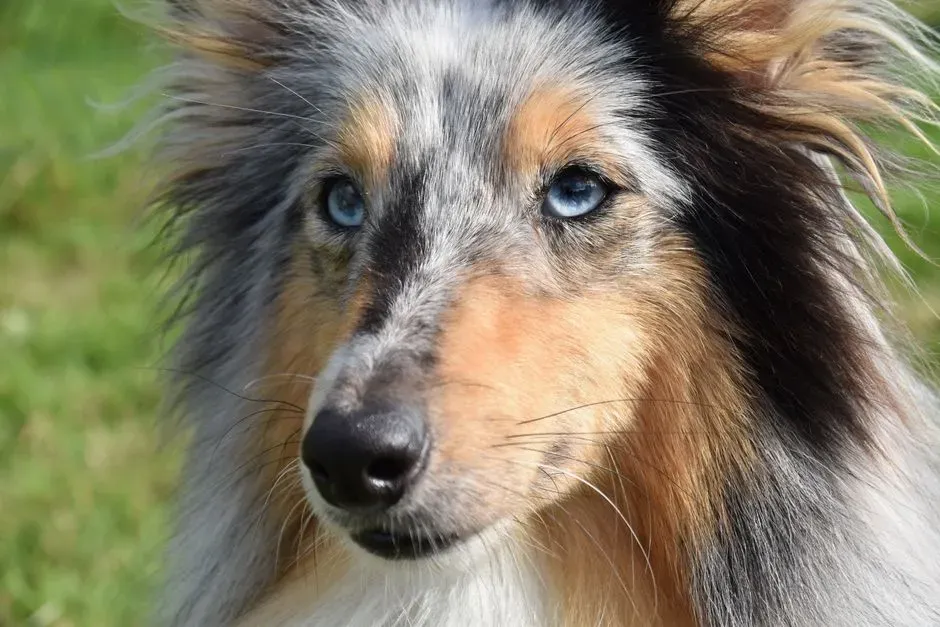
When you’re struggling and your dog keeps looking up at you with those long, searching eyes, it’s not just cuteness overload. Dogs use eye contact as a social tool, and in secure relationships, it releases feel-good chemicals in both dog and human. When they sit close and gently hold your gaze, it can be their way of checking in, reading your face, and trying to connect on a deeper level than usual.
Even shy or less eye-contact-heavy dogs may look at you more often when your tone shifts or your expression falls. They’re reading your eyebrows, your mouth, your overall tension, then adjusting their own behavior in response. For you, that extended eye contact might feel stabilizing, almost like an anchor. It’s wordless, but it says something like: “I see you. I’m paying attention. I’m here until this passes.” Honestly, that’s more than most people offer.
6. They Lick Your Hands, Face, or Tears
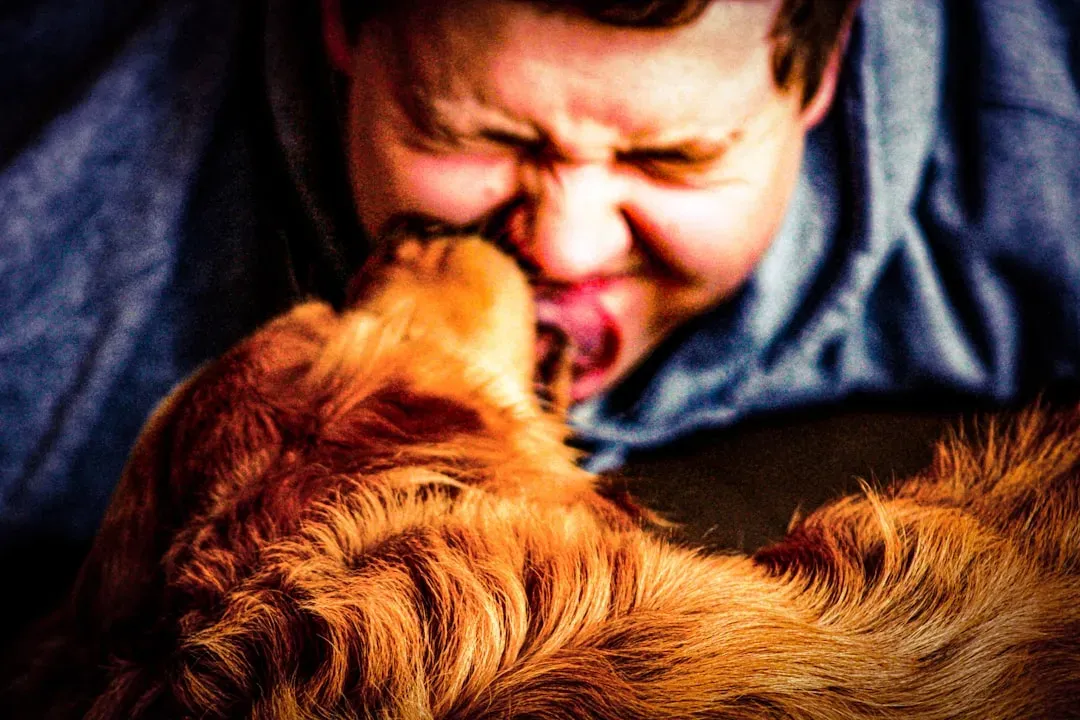
Excessive licking can be a training or boundaries issue, sure, but targeted licking when you’re crying or visibly upset can be comforting behavior. If you’ve ever had a dog carefully lick your hand while you’re shaking or gently nudge and lick your face when you’re tearful, you know it feels different from their usual lick-and-bounce routine. It’s slower, more deliberate, and often paired with close contact.
There’s a practical side to this: dogs are naturally drawn to salty tastes and moisture, so tears literally attract them. But it isn’t only about taste. Licking in canine social groups can be a way of soothing, bonding, and seeking reassurance. When your dog responds to your emotional meltdown by calmly grooming your hands or face, they’re blending instinct, curiosity, and genuine social care. It’s messy, a little awkward, and somehow exactly what you need in that moment.
7. They Sleep Closer to You During Tough Times
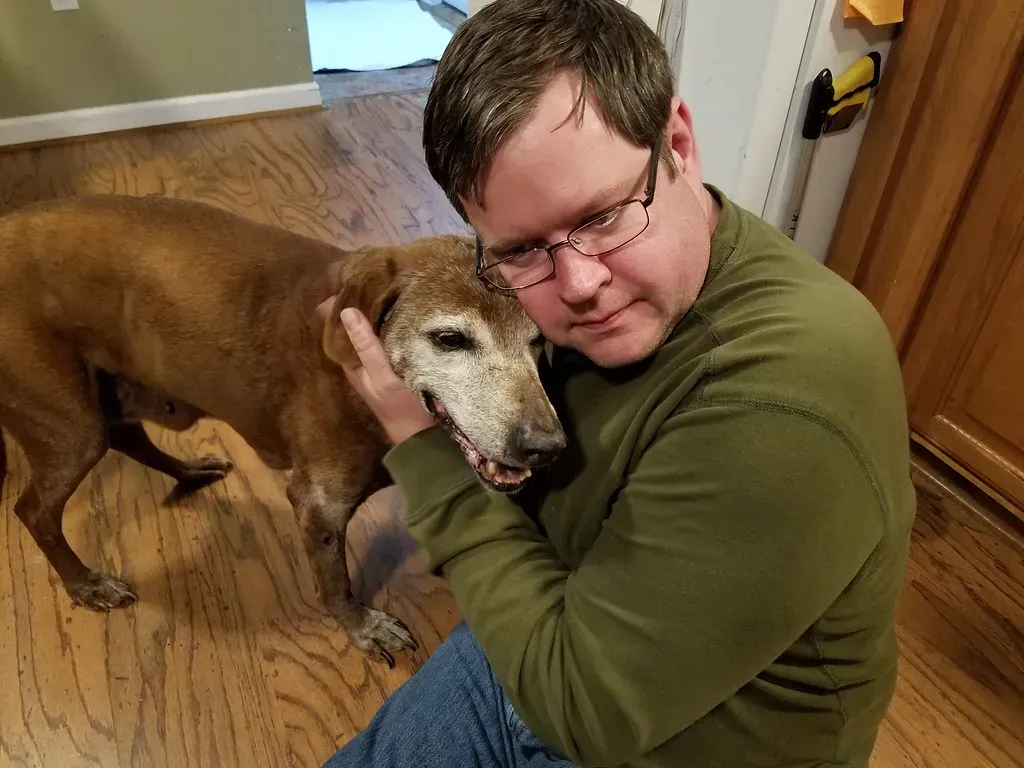
Maybe your dog normally sleeps at the foot of the bed or in their own dog bed, but on nights when you are anxious, grieving, or unusually quiet, they edge their way up to your pillow or curl against your chest. That shift in sleeping distance is often a quiet, overnight form of comfort. It is not about dominance or spoiling; it is about safety, warmth, and shared vulnerability.
Dogs evolved in social groups where sleeping in close contact provided both physical protection and emotional reassurance. When your emotional world is shaky, your dog may instinctively close that nighttime gap, almost like a living weighted blanket. I’ve had nights where the only thing keeping me from spiraling was the solid pressure of a dog pressed up against my back. It is not a cure, but it can make the night feel a little less endless.
8. They React Strongly to Raised Voices or Tense Arguments
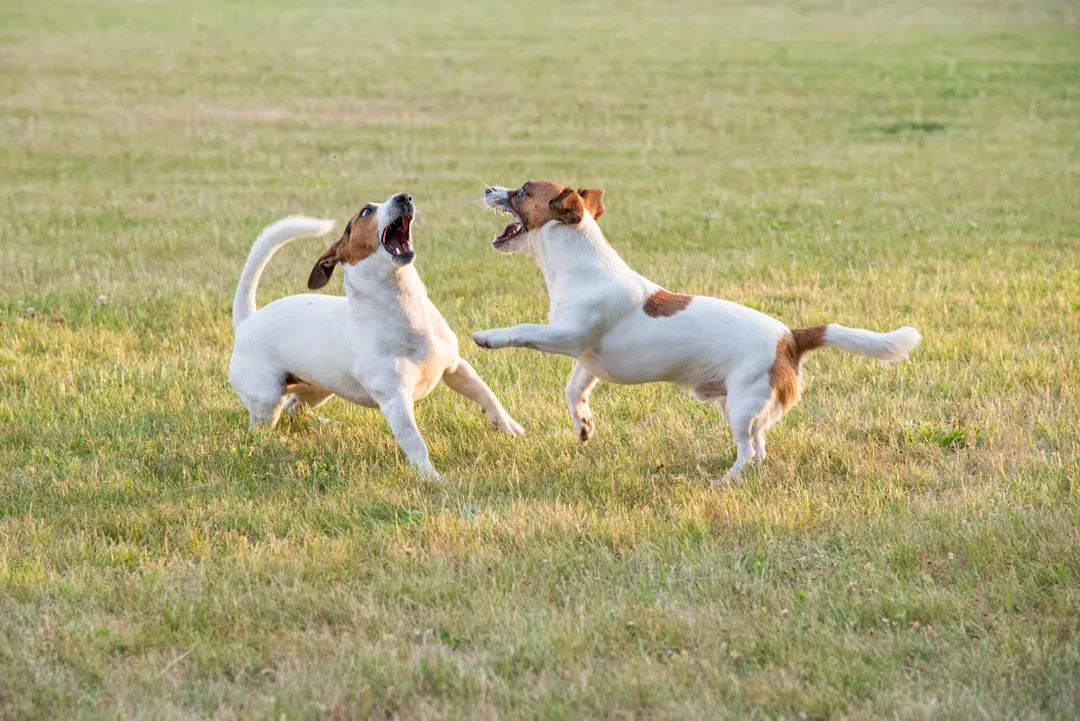
If your dog suddenly wedges themselves between you and someone else during an argument, or starts pacing, whining, or trying to get your attention when voices rise, that’s not random drama. Dogs are extremely sensitive to vocal tone, body posture, and emotional tension in a room. When they sense conflict or distress, many will try to interrupt, distract, or get you to move away by nudging, pawing, or demanding cuddles.
Some dogs will even go into full “referee” mode, placing themselves physically between people, or herding one person toward another room. It may look funny, but it’s often driven by stress and concern. From their perspective, the pack is not okay, and you are one of their most important pack members. Their instinct is simple: reduce the tension, restore safety, and keep the people they love from hurting each other, emotionally or otherwise.
9. They Become Quietly Alert When You’re Unwell or Low-Energy

On days when you’re sick, drained, or emotionally flat, many dogs shift into a watchful, almost nurse-like mode. They might lie at the edge of the bed or couch, head up, ears tuned to every small movement you make. They are not asleep, not fully active either, just on standby. It is as if they have set themselves to “guardian mode” until your energy and routine feel normal again.
Physiologically, dogs can detect changes in our scent, breathing rate, and overall behavior when we’re unwell or stressed. Some are even trained to alert to medical events like seizures or blood sugar changes, which shows how sensitive their perception can be. Even without formal training, your dog may pick up on these shifts and quietly adjust their role in your day: less clown, more calm companion. That switch alone can be one of the clearest signs they understand something is off and are trying, in their own way, to support you.
10. They Check On You, Then Settle Back Down Nearby
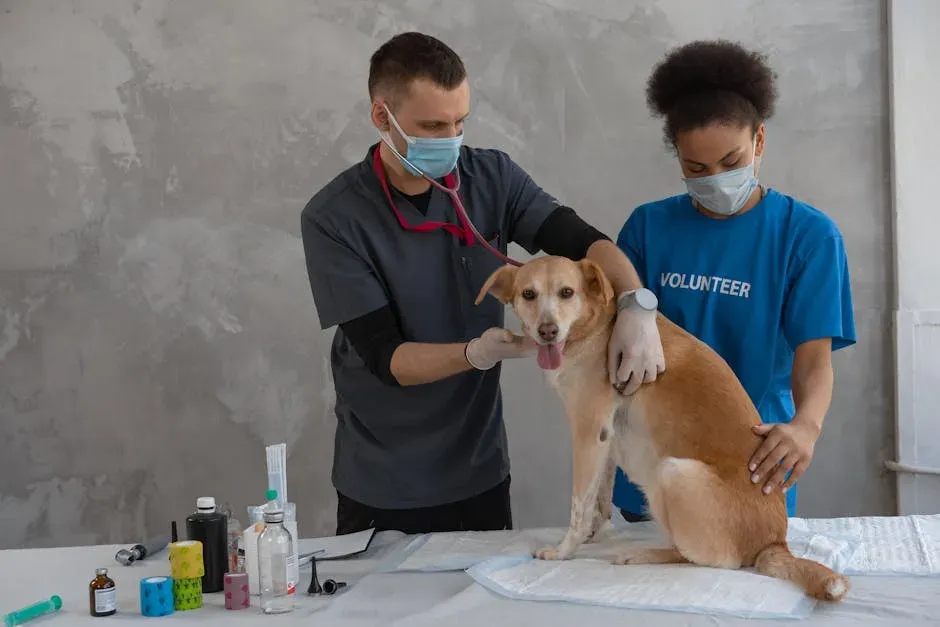
One of the most underrated signs of canine comfort is the “check-in and retreat” pattern. Your dog walks over, noses your arm, looks at your face, maybe sighs, and then goes to lie down a few feet away, still facing you. They are not begging for attention or food. They are simply confirming you are okay enough, then staying close enough to keep you in their line of sight.
This behavior is especially common in well-bonded dogs that trust the routine and feel secure. They do not need to be in your lap to be connected; they just want to keep you on their emotional radar. To me, that kind of quiet, respectful presence says more than any dramatic, movie-style rescue scene. It is the day-in, day-out version of comfort: I’ll check on you, I’ll stay close, and I’ll be right here if you need more.
Conclusion: Your Dog Is Not a Therapist, But They Are Something Just as Precious
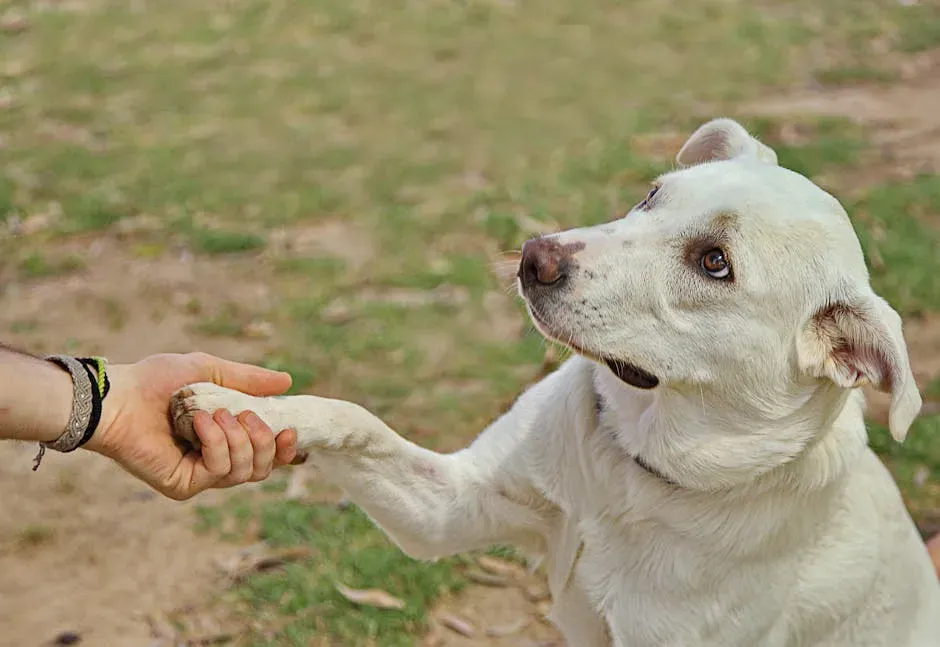
It is tempting to romanticize our dogs and imagine they understand every complex human feeling we have. The truth is more grounded and, in a way, even more beautiful: they do not fully grasp our stories, but they are exquisitely tuned to our states. They notice when our voice cracks, when our steps slow, when our routine fractures, and they respond with the tools evolution gave them – touch, proximity, play, stillness, and presence. That might not be clinical therapy, but it is a form of everyday emotional first aid that many of us quietly rely on.
In my opinion, we often underestimate just how deeply dogs shape our resilience. They do not fix our problems, they do not offer advice, and honestly, that is part of the relief. They offer something rarer: nonjudgmental companionship that shows up consistently in our worst moments. So the next time your dog leans on you, follows you a little too closely, or drops a toy in your lap while you are trying not to cry, maybe pause and see it for what it is – a small, sincere attempt to share your burden. How many humans in your life do that with the same quiet devotion?


