
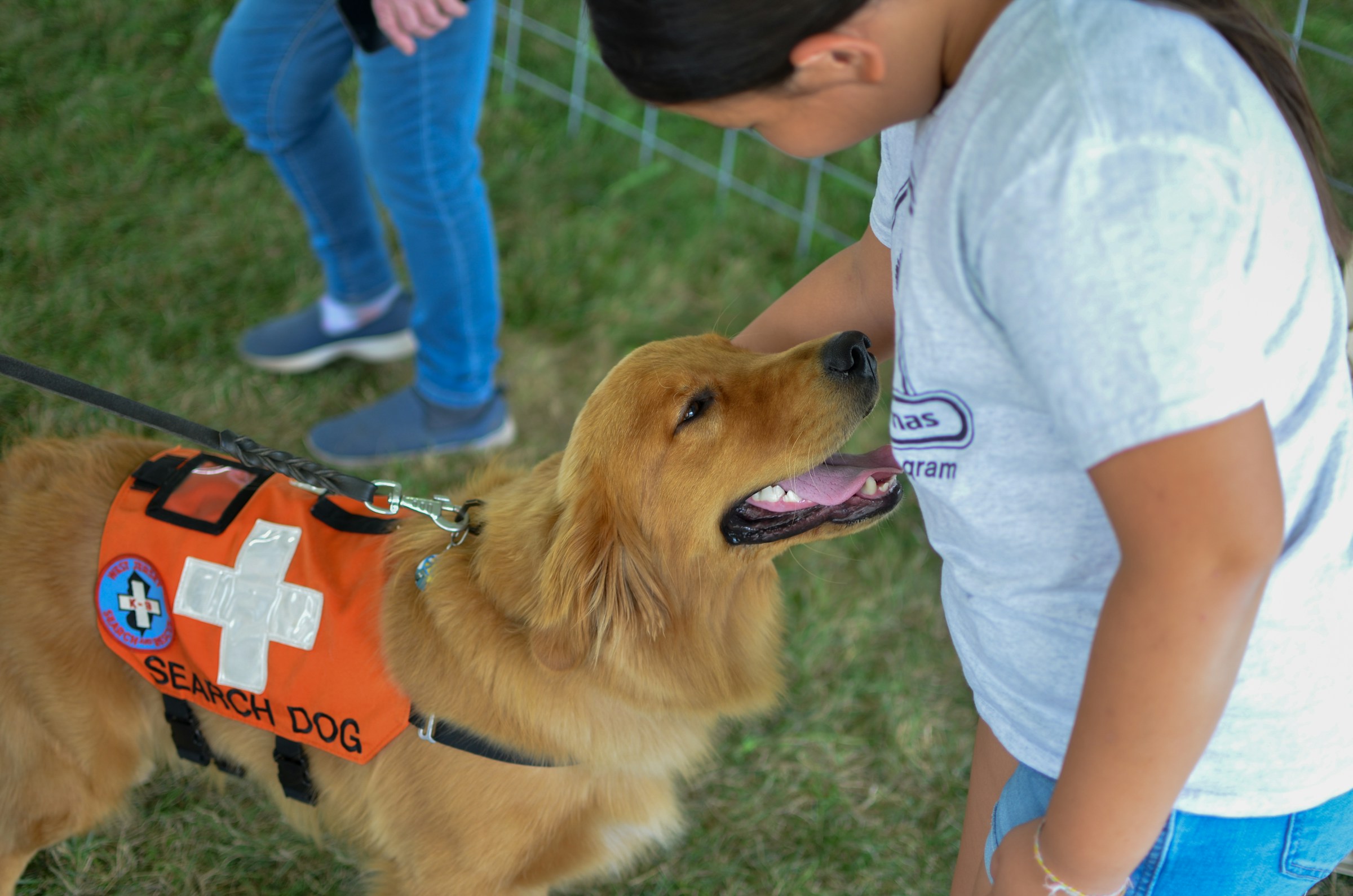
Imagine your dog quietly padding over to you, pawing at your leg or staring at you intensely long before your head even starts to hurt. You feel fine, but your dog seems oddly insistent. A couple of hours later, a crushing migraine hits. For many people, this is not a cute story about a clever pet – it is daily life.
Researchers are starting to take these stories seriously. Early evidence suggests that at least some dogs can be trained to detect migraines before they fully develop, probably by sensing tiny chemical changes in our breath and skin. It sounds a bit like science fiction, but it is largely about biology, behavior, and the extraordinary sensitivity of a dog’s nose.
How Dogs’ Super Noses Make Migraine Detection Even Possible

Dogs live in a world of smells the way we live in a world of sights. While we might vaguely notice a whiff of perfume or coffee, dogs can separate layers of scent like we separate colors on a painting. Their noses contain far more scent receptors than ours, and their brains are wired to process smell as a central source of information, not an afterthought.
When your body changes – whether you are stressed, sick, or about to get a migraine – you release different volatile organic compounds through your breath, sweat, and skin. These are tiny airborne chemicals. To a dog, those shifts are not subtle at all. They are like someone suddenly changing the music from jazz to heavy metal in the middle of a quiet room.
The Science Behind Chemical Changes Before a Migraine
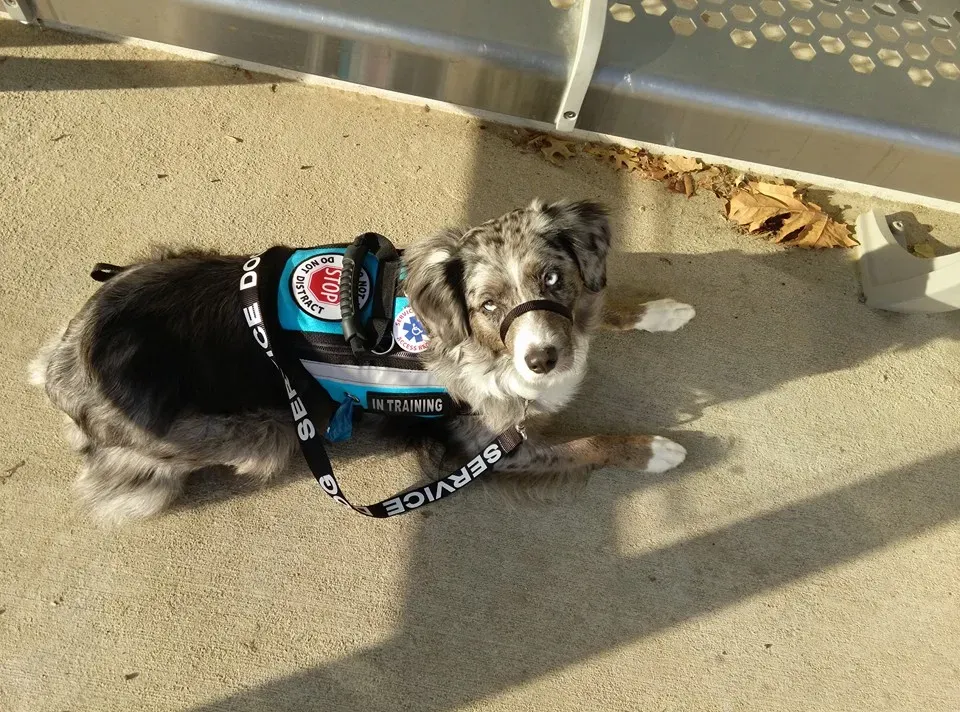
Migraines do not just “arrive”; they build. Long before the throbbing pain, your brain and blood vessels are already changing. Some people notice warning signs like yawning, mood swings, food cravings, or light sensitivity. Underneath those symptoms, your body chemistry is also shifting, even if you are not consciously aware of it.
Researchers believe these internal changes can alter the compounds you breathe out and the odor of your skin. Think of your body like a factory that starts producing slightly different fumes just before a storm. You cannot see those fumes, but a dog can detect them in astonishingly small amounts. That is why trained dogs sometimes alert long before their human feels anything unusual at all.
What Early Research and Case Reports Actually Show

So far, the research is still developing, but it is not just based on cute anecdotes. Small studies and structured observations have suggested that some dogs can reliably distinguish between samples or situations linked to migraines and those that are not, especially when guided through proper training. These early findings support what many owners with migraine-alert dogs have reported for years.
At the same time, scientists are being cautious. Not every dog can or will detect migraines, and not every person’s migraine produces the same chemical signature. The current evidence points to a real effect, but it is not a magic universal cure. It is more like discovering that some people have a knack for perfect pitch; there is something remarkable happening, but it is not equally present or equally strong in everyone.
Real-Life Signals: How Dogs Alert Before an Attack

People who live with migraine-alert dogs often describe very specific behaviors before an attack. Their dog may suddenly stick close to them, refuse to leave their side, paw at them, nudge their head or hands, or stare with unusual intensity. Sometimes the dog seems restless or anxious, as if it is trying to say, “Hey, something is coming, pay attention.”
These alerts can show up well before the pain starts, sometimes giving the person a valuable window of time. With that warning, they might be able to take medication earlier, dim the lights, hydrate, or cancel plans before they are incapacitated. The emotional impact is huge too. Instead of feeling ambushed by migraines, people may feel like they have a teammate looking out for them, which can be incredibly reassuring.
How Training for Migraine Detection Usually Works

Migraine detection training borrows ideas from other medical alert dog programs, like those for diabetes or seizures. Often, the process starts with collecting scent samples from the person during or just before a migraine attack, such as sweat from a T-shirt or cotton pads wiped on the skin. These samples give trainers a target scent to work with in controlled conditions.
The dog is then taught to associate that scent with a specific alert behavior, like pawing, sitting in front of the person, or nudging. Reward-based training is key. Each time the dog performs the correct alert in response to the migraine-related scent, it gets praise, treats, or play. Over time, the goal is for the dog to generalize this skill from training sessions to real life, detecting those chemical cues directly from the person as they move through their day.
Who Might Benefit Most From a Migraine-Alert Dog?

Not everyone with migraines needs or wants a dog trained for detection, and that is completely fine. But for people with frequent, severe, or unpredictable attacks, especially those whose migraines disrupt work, parenting, or safety, the idea can be life-changing. An early alert might mean the difference between a manageable episode and a full-blown, day-ending crisis.
Personality matters too. Someone who loves dogs, has the time and energy to care for one, and enjoys the bond that comes from working together is much more likely to benefit. On the other hand, if you are not a dog person, you travel constantly, or you are already overwhelmed by caregiving responsibilities, adding a trained dog to your life might feel more like pressure than support.
The Human–Dog Bond: More Than Just a Medical Tool

Even beyond detection, living with a dog can change how a person experiences a chronic condition like migraines. Dogs can bring routine, comfort, and distraction on days when pain and exhaustion feel endless. There is something grounding about having a creature that does not care about your medical labels but still insists you get up to feed them or sit outside for a few minutes.
I have spoken with people who say that just knowing their dog is watching them makes them feel less alone with their migraines. The dog becomes more than a biological sensor; it is a companion who shares the burden in a quiet, constant way. That emotional safety net is hard to measure in a study, but it is often what people talk about first when you ask what their dog truly means to them.
Limitations, Open Questions, and Why Hype Can Be Harmful
As exciting as this field is, it is important not to oversell it. The research is still relatively small and scattered, and there is no standardized test to guarantee that a dog is a reliable migraine detector across all situations. Some dogs may be excellent for one person but less accurate for another, especially if their migraine patterns are different.
There are also practical limits. Training can be time-consuming and expensive, and not all trainers have solid experience with medical alert work. Overhyping the idea can set people up for disappointment or push them toward unqualified providers making big promises. In my view, migraine-alert dogs should be seen as a promising tool in the toolbox – not a cure, not a replacement for medical care, but a potential ally when used thoughtfully.
Conclusion: A Powerful Partnership, If We Respect the Science
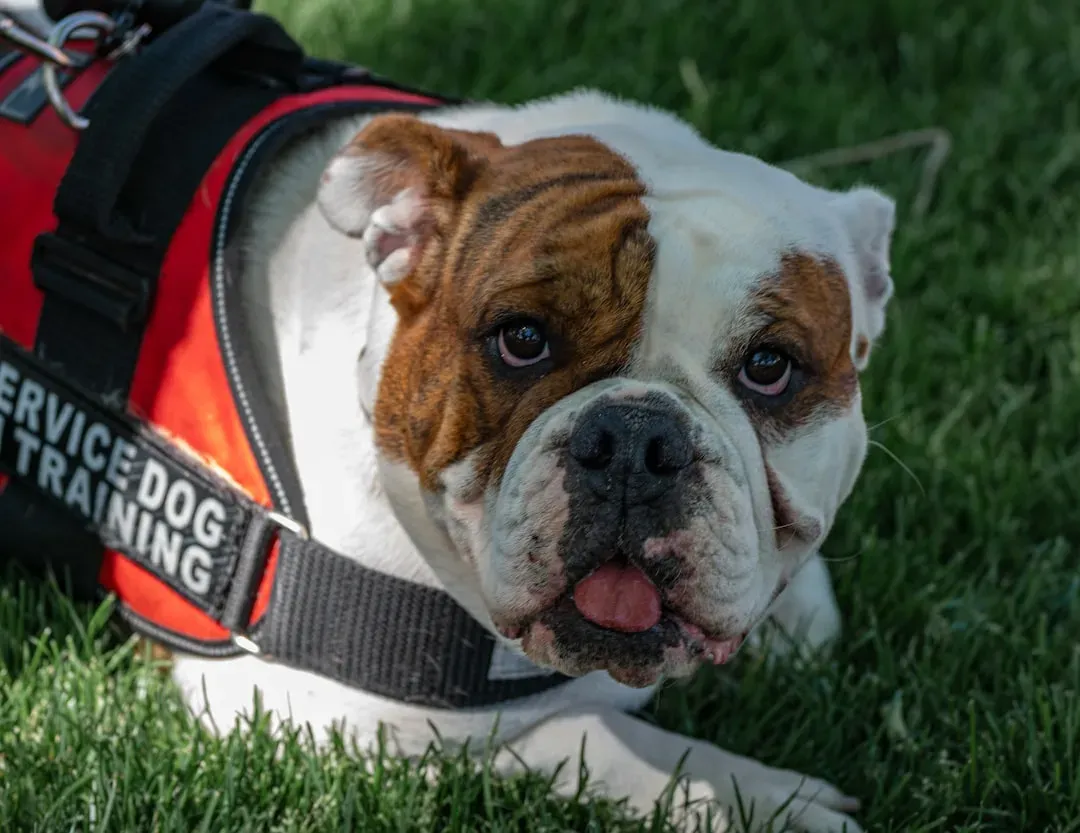
To me, the most fascinating part of migraine-detecting dogs is not just the science, but what it says about our relationship with animals. We have lived alongside dogs for thousands of years, but we are still discovering new ways they can read us, protect us, and even predict what our bodies are about to do. When we stay honest about the limits of the research and avoid turning every promising finding into a miracle story, we leave room for real, grounded progress.
I think the future of migraine care will be a mix of medication, technology, lifestyle changes, and, for some people, a furry four-legged partner with a nose that notices what we cannot. If anything, this research is a reminder that sometimes the most advanced early-warning system is already asleep on the couch at our feet. If your dog could warn you about your next migraine before you feel a single twinge, what would that change for you?


