
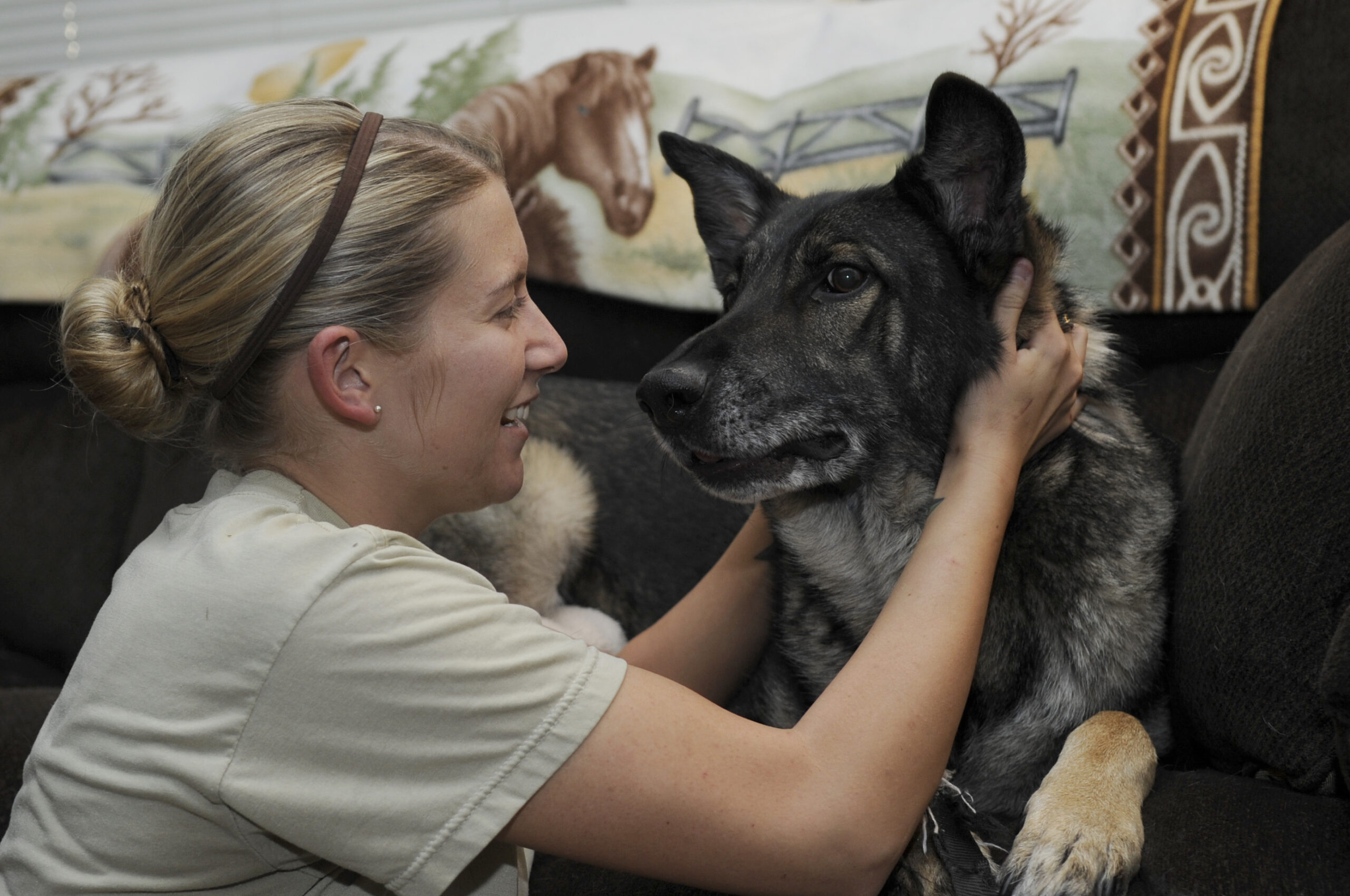
Imagine walking into a clinic one day with your dog by your side, and instead of a scan or a blood draw, your diagnosis starts with a sniff. It sounds like science fiction, but research on canine scent detection and Parkinson’s disease is pushing that idea closer to reality than most people realize. The story begins with something incredibly ordinary and easy to overlook: the natural oil on our skin, known as sebum.
Scientists have discovered that this skin oil carries tiny volatile organic compounds, or VOCs, that change when a person has Parkinson’s. The surprising twist is that specially trained dogs seem able to detect these changes years before the classic tremors and stiffness ever show up. This isn’t just cute-dog trivia; it could reshape how we think about early diagnosis, prevention, and even what “listening to your body” means when your best listener has four legs and a tail.
The Curious Case of Skin Sebum: Why Parkinson’s Has a Smell

It shocks a lot of people to learn that Parkinson’s disease does not just affect the brain; it also subtly changes the way the body’s skin behaves. Many people with Parkinson’s produce more sebum, making their skin feel oily, especially on the face and scalp. That extra oil is not just a cosmetic nuisance; it turns out to be a chemical snapshot of what’s happening deeper inside the body.
Sebum is full of lipids and other molecules that can break down into volatile organic compounds that evaporate into the air. When disease processes alter metabolism and cell function, those compounds can shift in pattern and intensity, creating a unique “odor signature.” Humans can’t consciously perceive these slight changes, but dogs, with their incredibly sensitive noses, are like walking high-resolution chemical scanners moving through our personal cloud of scent.
How Dogs’ Super Noses Turn Invisible Clues into Detectable Signals
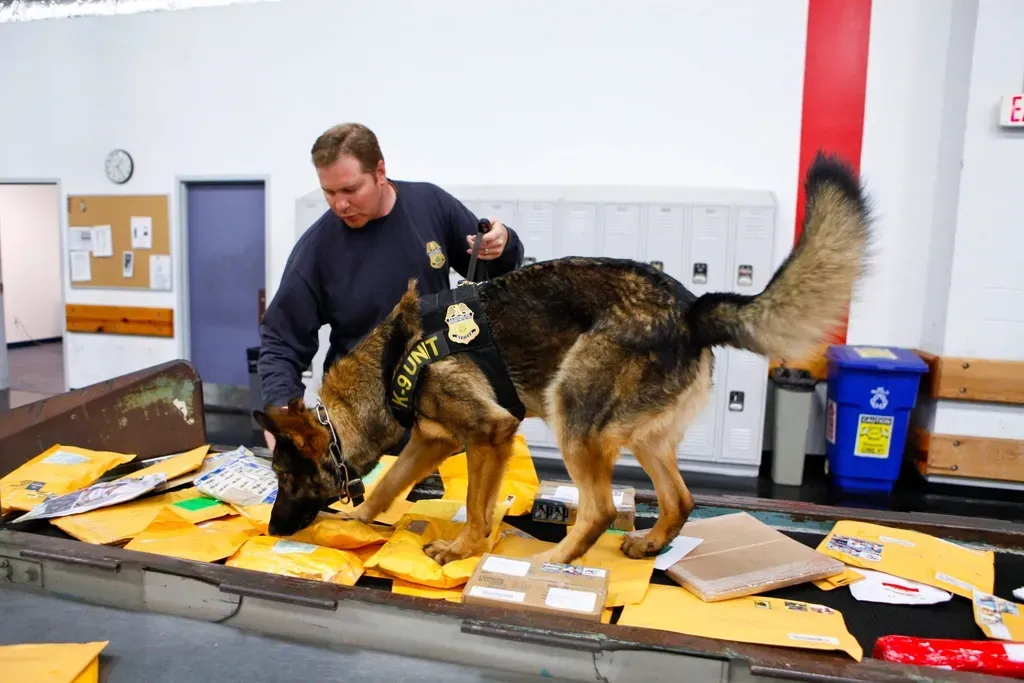
Most people know dogs have a strong sense of smell, but the scale of that advantage is almost hard to grasp. A dog’s nose has up to hundreds of millions of scent receptors, along with a huge portion of the brain devoted just to processing smells. To put it in human terms, what we smell as “a person” might be, to a dog, a complex fragrance broken into hundreds of sharp, distinct notes.
When it comes to Parkinson’s, specially trained dogs are not just identifying a generic “sick” smell. They are learning to recognize a particular pattern of volatile organic compounds that seem to be associated with the disease. In carefully controlled studies, dogs have been presented with gauze or swabs that collected sebum from people with and without Parkinson’s. The dogs are trained to signal when they detect the Parkinson’s-associated scent, turning an invisible molecular difference into a clear yes-or-no behavioral response.
Volatile Organic Compounds: The Invisible Fingerprints of Disease

Volatile organic compounds, or VOCs, sound like something from an industrial safety sheet, but our bodies constantly produce them in tiny amounts. They are small molecules that easily evaporate at room temperature, drifting off our skin and breath like microscopic smoke. Because they are products of normal and abnormal metabolism, they can act like fingerprints for what is going on inside the body.
In Parkinson’s disease, research has shown that certain VOCs are present in different proportions in the skin sebum compared with people without the disease. This does not mean there is a single magic Parkinson’s molecule floating around, but rather a subtle pattern across many compounds. Detecting this pattern with machines is challenging and still being refined, but dogs can often pick it up as a holistic scent, the same way you recognize coffee without thinking about every molecule involved.
Detecting Parkinson’s Years Before Tremors: Promise and Caution

One of the most exciting claims around canine scent detection is that dogs may be able to identify Parkinson’s disease years before motor symptoms become obvious. That possibility matters enormously because by the time tremors and rigidity appear, a significant amount of nerve cell damage has already taken place. If we could reliably detect the disease much earlier, patients might have a better chance to join clinical trials or start supportive therapies at a stage when there is more to preserve.
However, this is where it’s important to stay grounded and not get carried away by the emotional appeal of heroic dogs “saving lives.” The evidence for very early detection is promising but still relatively limited and emerging. Many of the key studies involve small numbers of participants, controlled conditions, and highly specialized training protocols. It is not yet clear how generalizable or precise early detection will be in the messy reality of everyday clinics and diverse populations.
From Dog Nose to Lab Bench: Turning Scent into Technology
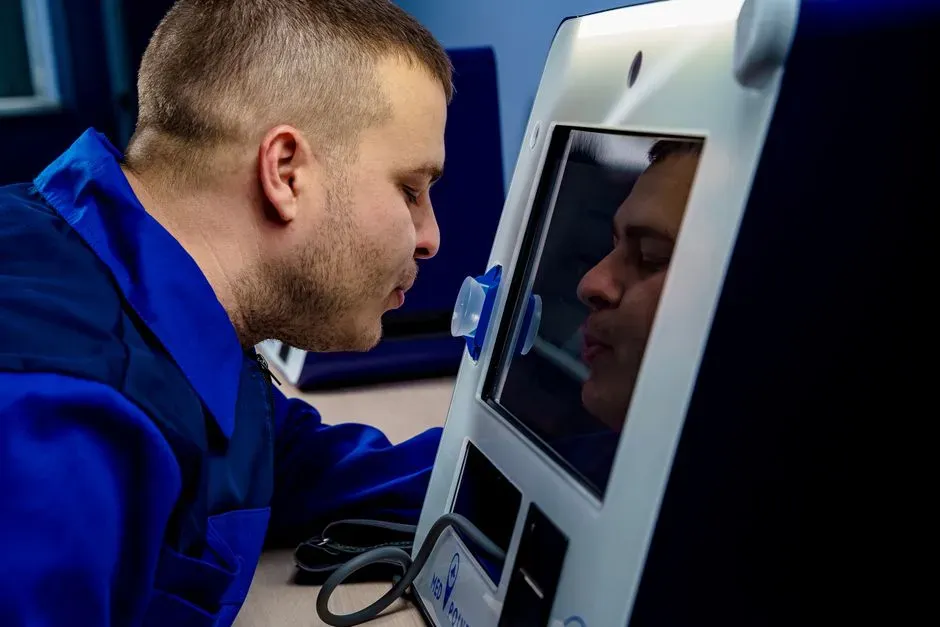
As impressive as scented detection dogs are, almost no one believes the future of Parkinson’s diagnostics lies entirely in lining up dogs in hospital corridors. Researchers are actively working to translate what dogs can smell into devices and tests that can be standardized, regulated, and widely deployed. The goal is to create tools like “electronic noses” or sensitive chemical assays that mimic the canine ability to recognize complex VOC patterns in sebum.
This kind of translation is not simple, because dogs process scent very differently from machines. A dog’s brain can rapidly integrate hundreds of chemical cues into a single meaningful signal, while lab equipment tends to tease everything apart into individual peaks and numbers. That means scientists first have to identify which combinations and ratios of VOCs actually define the Parkinson’s odor pattern. Then they need devices that are sensitive, specific, and practical enough to be used in ordinary healthcare settings, not just research labs.
Ethical Questions: Anxiety, False Alarms and What to Do with “Early”
Let’s imagine we develop a highly accurate sebum-based screening test inspired by canine scent detection. Suddenly, you could walk into a clinic, give a skin swab, and be told you have a strong chemical signal associated with Parkinson’s risk years before any symptoms. That raises a tough, very human question: what does a person do with that knowledge? When there is no proven way to stop the disease entirely, early awareness can be both empowering and deeply anxiety-inducing.
There is also the problem of false positives and false negatives. Even a small rate of error can affect many people when used for widespread screening. A test that incorrectly flags someone as high risk can change their life trajectory in stressful and unnecessary ways, while a missed case can provide false reassurance. So while the idea of catching Parkinson’s a decade early sounds straightforwardly good, in reality it demands careful thinking about counseling, follow-up testing, psychological support, and clear communication about what a positive result does and does not mean.
Will Dogs Ever Be Routine Parkinson’s Screeners, or Just the Spark?
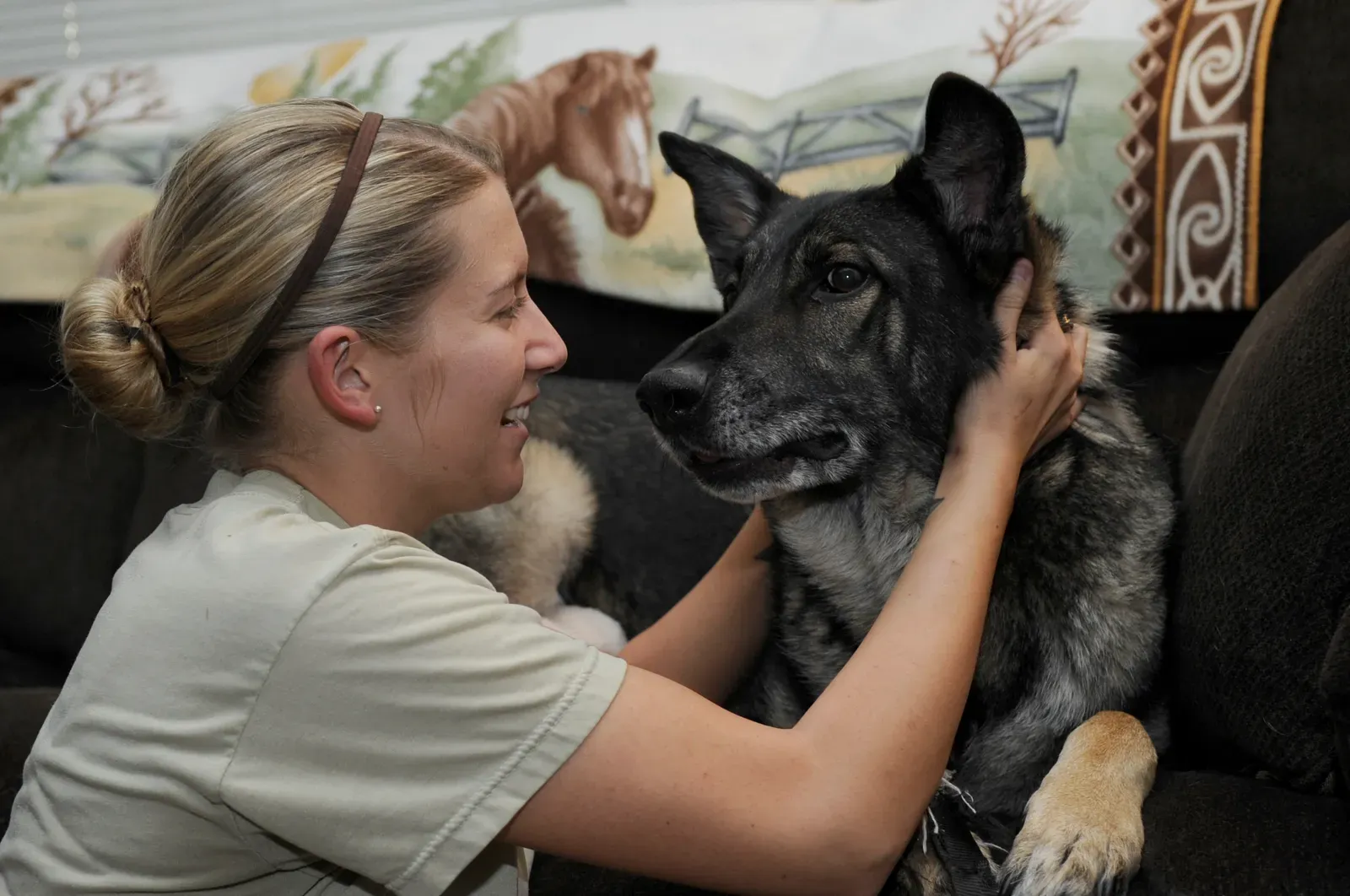
Right now, it is more realistic to view dogs as remarkable research partners rather than permanent fixtures in neurology clinics. They are helping scientists narrow down which volatile organic compounds in sebum truly matter, proving that there is a detectable signal and setting performance benchmarks that technology needs to match or beat. In a way, the dogs are like trailblazers pointing the way through a forest of chemical data that would otherwise be overwhelming.
Personally, I find it both thrilling and humbling that our understanding of a complex brain disease is being pushed forward by something as ancient and intuitive as the human–dog bond. At the same time, I think we should resist the temptation to romanticize canine detection as a magical solution. The most likely and most responsible future is a hybrid one, where insights from dogs are translated into rigorous, validated tests that fit into broader diagnostic pathways, side by side with clinical exams, imaging, genetics, and other biomarkers.
Looking Ahead: A Scent of Hope, But Not a Silver Bullet
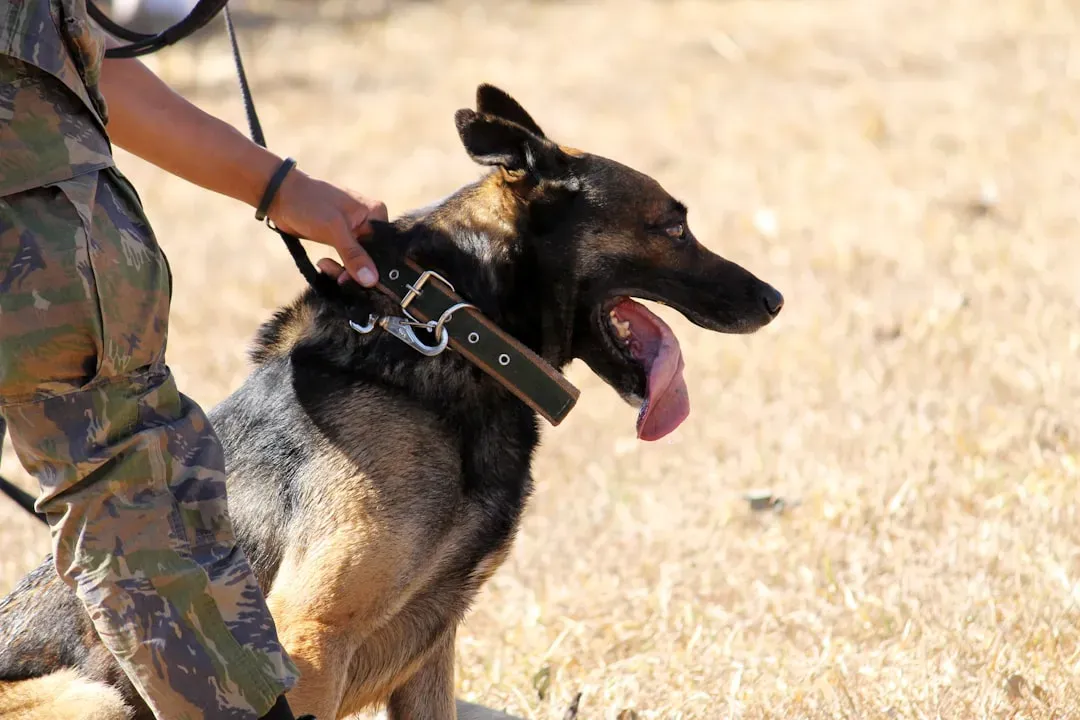
The idea that Parkinson’s disease might be detectable in a faint, oily sheen on the skin long before a hand starts to shake feels almost like a plot twist nature has been hiding in plain sight. Canine scent detection has cracked open that mystery and shown that the body’s chemical whispers are louder than we thought, at least to the right nose. This line of research offers a genuine sense of hope, especially for earlier diagnosis and better-tailored research trials, but it is still more of a promising frontier than a finished clinical tool.
In my view, the hype should be kept on a short leash, even as our curiosity runs free. Dogs and volatile organic compounds are not going to singlehandedly solve Parkinson’s disease, but they may become an important piece of a more comprehensive diagnostic puzzle that includes molecular tests, imaging, and careful clinical observation. The real victory will come if we can turn this strange, beautiful story about dogs smelling sebum into tangible benefits for people living with or at risk for Parkinson’s. If one day a simple skin test buys someone extra years of clarity and choice, will anyone be surprised that a dog helped us find the way there?


