
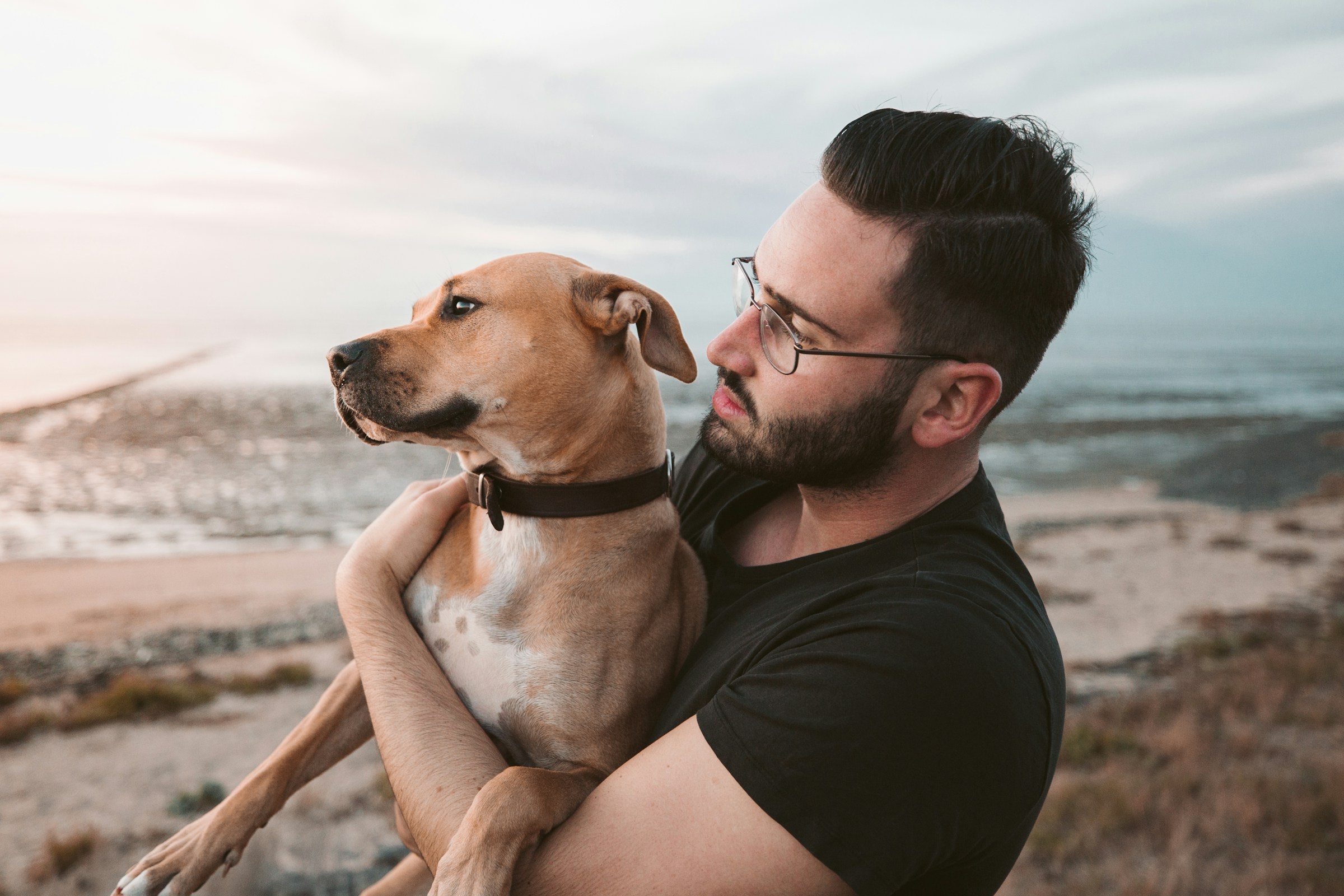
Imagine you walk into the room after a terrible scare, your heart still pounding, your palms sweaty. You say nothing, you try to act normal, but your dog suddenly goes on high alert, tail low, pacing, whining for no clear reason. For years people have said animals can “sense” our emotions, but new research into scent and animal cognition suggests this is not just a cute belief. It may be a measurable, biological reality literally carried through the air by smell.
Scientists studying the chemistry of sweat and the behavior of dogs have found that when dogs are exposed to samples taken from fearful humans, they often show more stress behaviors themselves, even though nothing frightening is happening in the room. This finding supports a powerful idea: emotional states can cross species barriers through scent signals we do not consciously notice. Once you see emotions as something that can float from human to dog through invisible molecules, our entire relationship with animals starts to look very different.
The Surprising Science of Fear Sweat
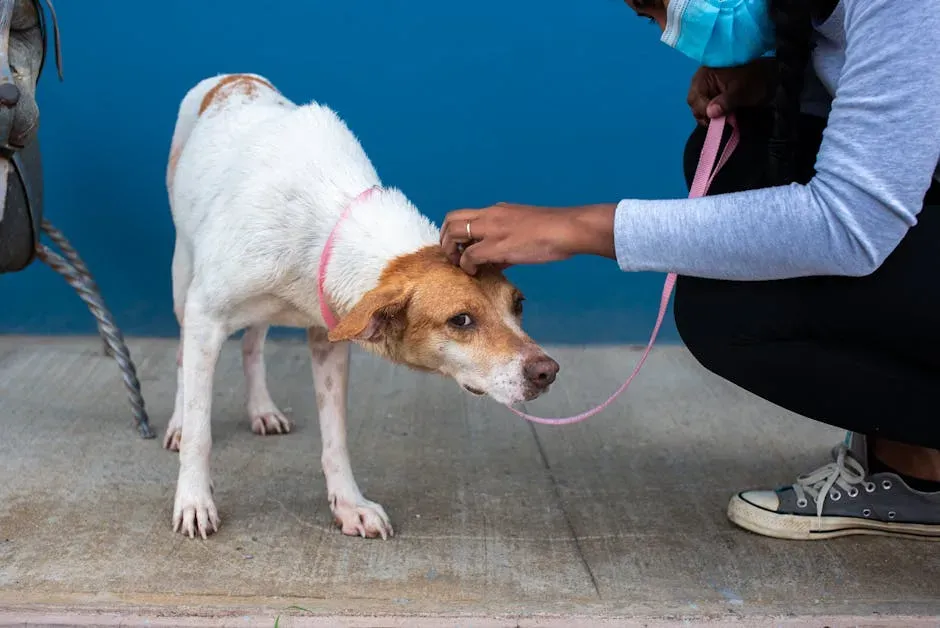
It sounds like a horror movie detail, but fear really does have a smell. When humans experience intense emotions like fear, our bodies release different patterns of chemicals in sweat and breath. These are made up of volatile organic compounds that easily evaporate and drift through the air, becoming information-rich signals that other noses can detect, even when human noses cannot consciously pinpoint them.
In controlled settings, researchers collect sweat from people in neutral situations and from people who are genuinely afraid, such as while watching a scary video or during a stressful task. The difference is not just psychological. The chemical profile of fear sweat is measurably distinct from neutral sweat. To a dog’s powerful nose, the difference may be as obvious as the smell of fresh bread versus smoke from a fire.
How Scientists Actually Test Dogs With Human Emotions

One of the most fascinating parts of this research is how carefully it is designed. Dogs are brought into a lab or testing room where everything else is kept as calm and controlled as possible. They are then exposed to containers or pads carrying the scent of human sweat collected under different emotional states, such as calm versus fear. The key is that nothing else in the environment changes, and the humans in the room behave neutrally.
Researchers then closely observe and record the dogs’ behavior and body language. They look for specific signs that have been validated as indicators of stress or arousal in dogs, such as increased heart rate, more frequent lip licking, paw lifting, yawning in a tense way, pacing, or seeking physical contact. Because the only meaningful difference between trials is the scent sample, changes in the dog’s reactions point strongly to the emotional information contained in the smell itself.
What “Higher Stress Behaviors” Look Like in Real Dogs

When people hear that dogs show “higher stress behaviors,” it can sound abstract and clinical. In reality, it looks like things any dog owner will recognize. Dogs may start to avoid eye contact, pin their ears back, tuck their tails, or stand with a stiff, uncertain posture. Some may pant despite the room being cool, yawn repeatedly without looking relaxed, or lick their lips as if unsure what to do next.
Other dogs swing in the opposite direction and begin to cling to their handler or the nearest person, pawing, leaning, or seeking reassurance. In studies where dogs are smelling fear-related human sweat, these kinds of behaviors tend to appear more often or more intensely compared with when they smell neutral or happy sweat. It is as if the dog is reacting to a fear that is not visibly present in the room, because that fear is traveling in through scent instead of sight or sound.
Why Dogs Are So Good at Reading Our Hidden Signals
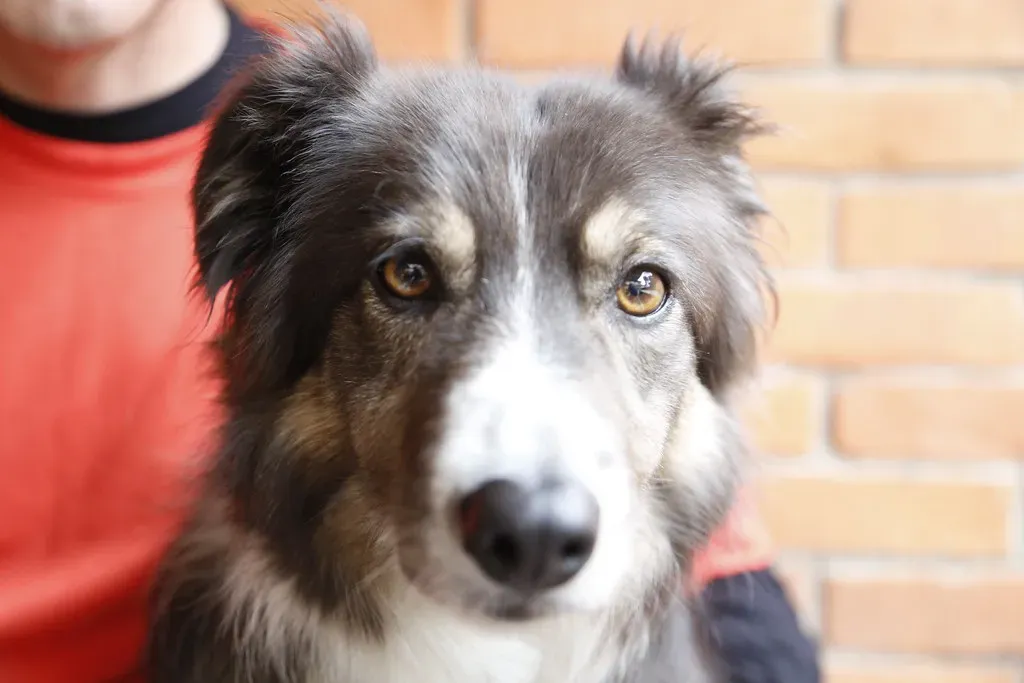
Dogs have lived alongside humans for thousands of years, sharing our homes, our routines, and increasingly our emotional lives. Over that time, they have become astonishingly tuned in to human cues. Their noses are enormously more sensitive than ours, able to pick up trace chemicals at levels that seem almost unreal from a human perspective. When you combine that raw smell sensitivity with a social animal’s drive to pay attention to others, you get a creature that is practically built to notice your invisible emotional shifts.
It is not only scent that shapes this bond. Dogs also watch our faces, posture, and movements with a focus that can feel almost uncomfortable once you notice it. But scent adds another dimension. Even if your voice is steady and your face is carefully composed, the molecules leaving your skin and breath may be telling a completely different story. For a dog, those signals might be like subtitles running under the main movie of your behavior, revealing what you really feel.
I remember coming home once after narrowly avoiding a car accident. I tried to shrug it off, but my dog, who usually greeted me with wild enthusiasm, stood back, stared for a moment, then walked up slowly and pressed her head into my legs. Nothing in the room was different except me. The idea that my emotional state may have been written in scent makes that moment feel far less mysterious and far more deeply biological.
Emotional Contagion Across Species: What This Really Means

The idea that emotions can jump from one individual to another is not new. Humans talk about “catching” someone else’s mood all the time. What is striking here is that emotional contagion is not just happening between two people, but between a person and a different species, with scent acting as the carrier. When a dog reacts to the smell of human fear by showing its own stress responses, it suggests the dog is sharing in something like the emotional experience behind that smell.
This does not mean dogs understand fear in the way humans do, with the same concepts or stories around it. But it does mean that a dog’s body and brain are responding to a human emotional signal in a way that is consistent and measurable. That is a big deal for how we think about animal minds. It pushes back against the old idea of animals as little machines and leans toward a picture of animals as emotional partners whose inner worlds are intertwined with ours in ways we are only beginning to map out.
How This Changes Everyday Life With Your Dog
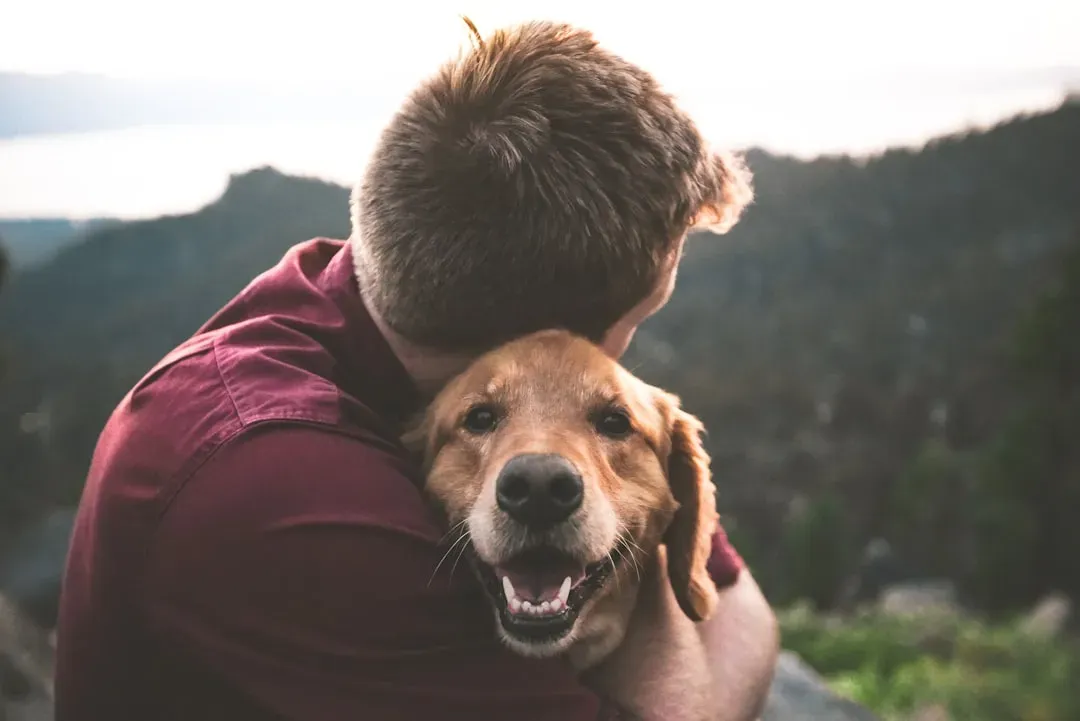
Once you accept that your emotional state can literally be carried on your skin and into your dog’s nose, it becomes much harder to pretend your mood is a private affair. If you come home frightened, tense, or furious and you try to smother it, your dog may still absorb some of that invisible storm. Over time, living with a chronically stressed human could make a dog more anxious, more reactive, or more on edge, even if the dog is never intentionally mistreated.
On the flip side, this science gives everyday dog owners a practical tool: if you want a calmer dog, start with yourself. Before training sessions, vet visits, or big changes like moving house, paying attention to your own stress level is not just self-care, it is dog care. Simple habits like taking a few slow breaths, doing a brief walk to shake off tension, or avoiding heated arguments around your dog may help shape their emotional world as surely as good food and exercise do.
The Limitations: What We Still Do Not Know

As striking as these findings are, it is important not to run too far ahead of the evidence. Most studies in this area involve modest numbers of dogs in highly controlled environments, and they usually focus on specific emotions such as fear. That tells us something real and important, but it does not mean every emotion we feel is perfectly mirrored in our pets through scent alone. There is still a lot of work to do to untangle when and how these effects show up in daily life.
We also need to be careful about assuming that all stress behaviors in dogs are caused by human emotion. Dogs have their own internal worlds, histories, and triggers that may have nothing to do with us in a given moment. The future of this research will likely explore differences between individual dogs, breeds, and experiences, and look at how scent-based emotional signals interact with other cues like voice tone, facial expression, and body language. The story is far from finished, and that is a good thing.
Conclusion: We Owe Dogs More Emotional Honesty

To me, the most powerful takeaway from this line of research is not just that fear has a smell, but that our animals are quietly living inside the emotional weather we create around them. If dogs exposed to the scent of human fear show higher stress behaviors, then every anxious commute, every late-night panic, every simmering argument leaves a trace that does not stop with us. Pretending animals are oblivious to this is not just outdated, it is unfair to the creatures who share our homes and hearts.
I think we owe dogs a new kind of respect: not only as companions who love us, but as beings who carry some of our emotional burdens on noses and nervous systems that never asked for the job. That does not mean we must be perfectly calm all the time, which is impossible, but it does mean acknowledging that our inner lives spill over into theirs, whether we like it or not. Maybe the most honest question we can ask ourselves is this: if your dog could describe the emotional scent of your life, would it feel like a safe place to breathe?


