
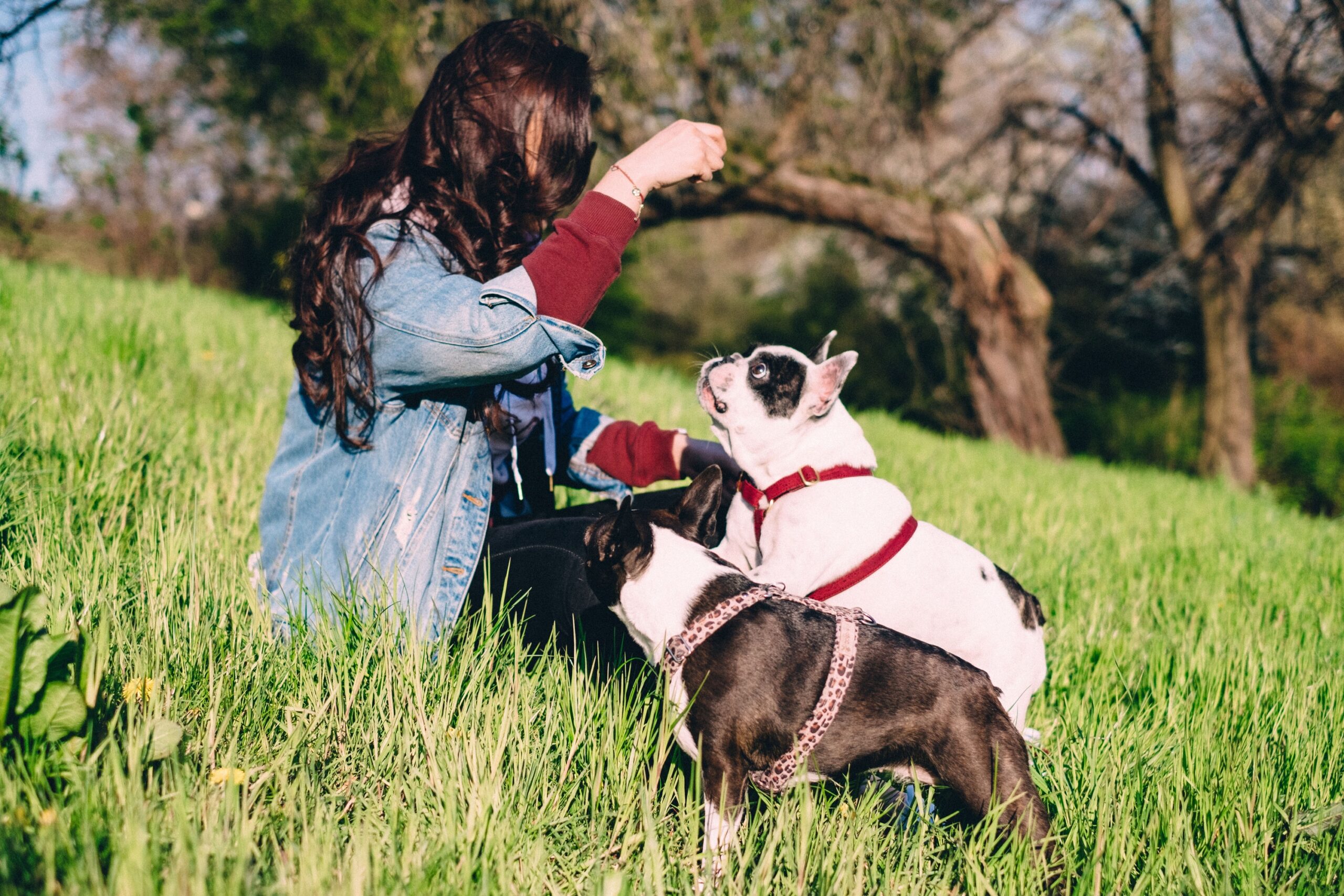
There’s a beautiful kind of freedom that comes with life after 60. You care less about impressing people, more about protecting your peace, and you finally have enough self-knowledge to say no without apologizing. Your dog should fit that reality too. The right breed won’t pressure you into 10-mile runs, leave you drowning in guilt if you skip a long hike, or turn every day into a circus of chaos and chewed furniture.
Instead, a well-chosen companion will match your pace, not your younger self’s fantasy of what your days “should” look like. These breeds are often calmer, more adaptable, and content with shorter walks, cozy naps, and a little play sprinkled in. They’re not lazy, but they won’t judge you for choosing a book and a cup of tea over an all-day adventure. Let’s walk through 12 breeds that tend to mesh beautifully with a quieter, gentler life after 60.
Cavalier King Charles Spaniel: The Classic Gentle Shadow
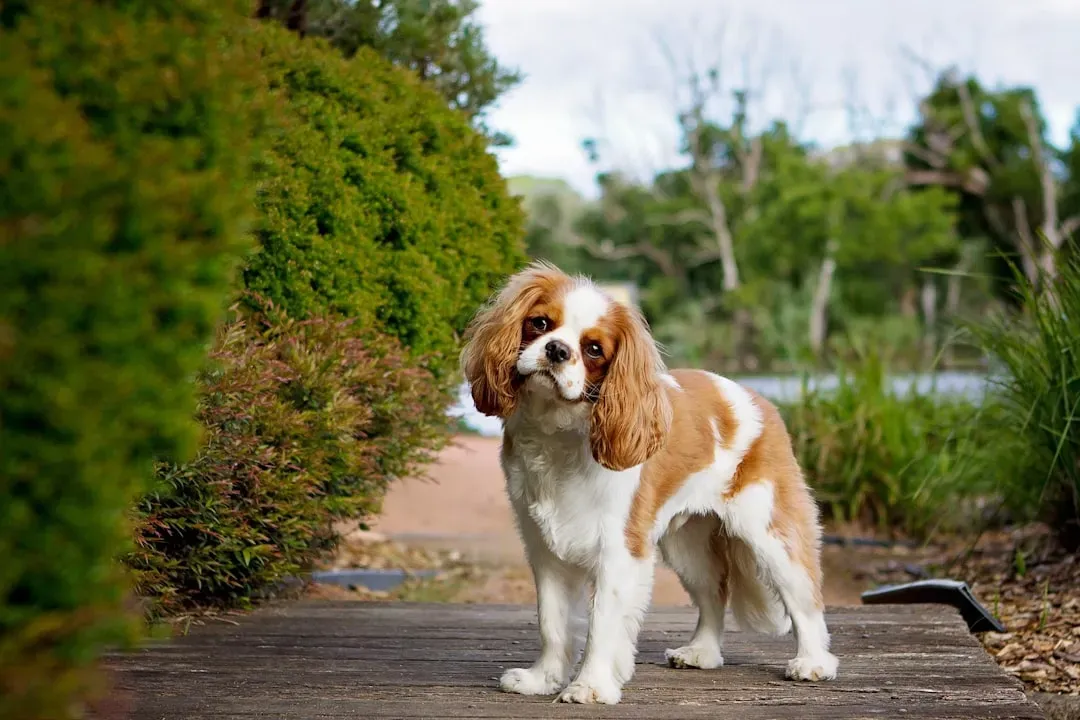
If you picture a soft, soulful-eyed dog that happily spends an afternoon curled next to you on the couch, you’re essentially imagining a Cavalier King Charles Spaniel. This toy spaniel was bred primarily as a companion, and it shows in the way they seem more interested in your presence than in having a busy schedule. Most Cavaliers need only moderate exercise: a couple of short walks and some indoor play tend to keep them content.
What makes them especially suited to a quieter lifestyle is their flexible, people-oriented temperament. They’re usually friendly with visitors, other dogs, and even grandchildren dropping by, but rarely in an overwhelming way. Many older adults appreciate that Cavaliers are small enough to lift, groom, and transport without a struggle, yet not so tiny that they feel fragile. They’re the kind of dog that will happily nap while you watch a movie and then quietly follow you from room to room like a calm, loyal little shadow.
Bichon Frise: Cheerful, Low-Shedding Companion
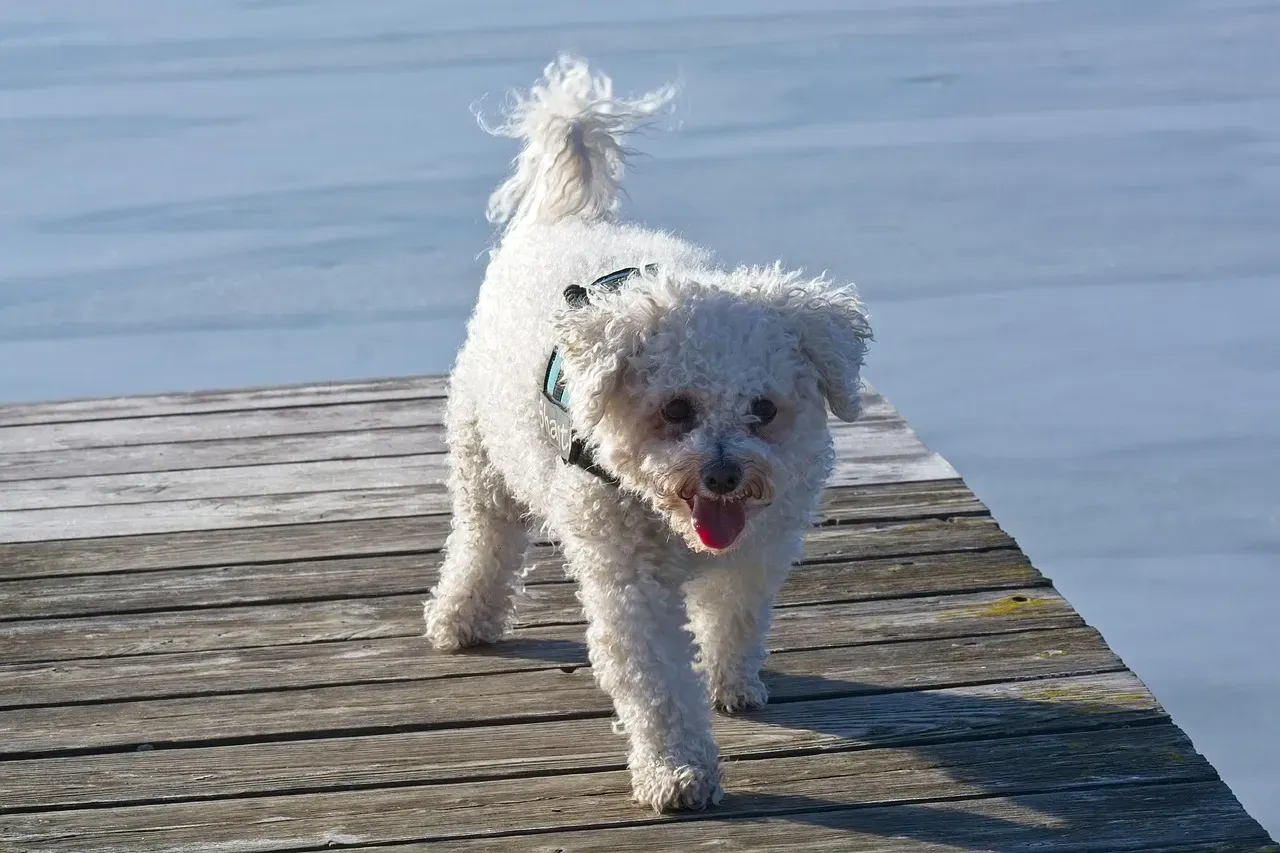
The Bichon Frise looks like a cloud and often behaves like a sunbeam. These dogs tend to have a naturally upbeat personality without needing high-octane activities to stay happy. Daily short walks and some light playtime in the living room usually meet their needs, which makes them ideal for people who want joy and energy in their home, but not the pressure of constant physical demands.
Another reason many retirees gravitate toward Bichons is their coat. They do require regular grooming, but they shed very little, which can be a relief if you’re sensitive to dog hair or simply don’t want to vacuum every other day. They typically adapt well to apartments or smaller homes, and they thrive on routine and closeness. A Bichon is rarely going to make you feel guilty for a slow day; if you are there and attentive, they usually feel like their world is complete.
Pug: Low-Maintenance Clown With Modest Exercise Needs
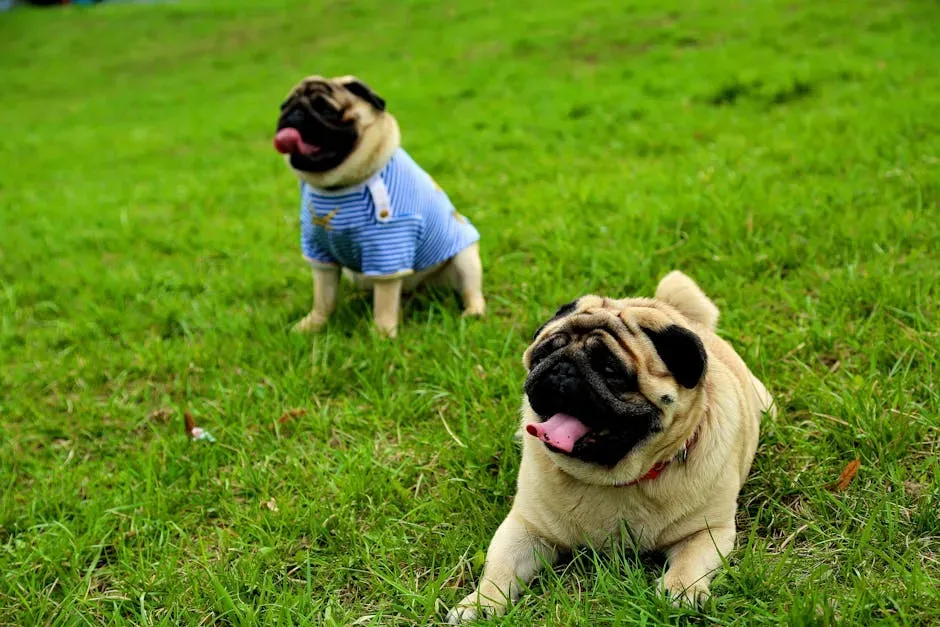
Pugs are often described as big personalities in compact bodies, and that mix can be wonderful after 60. They’re sturdy enough for short walks and gentle play but usually not wired for marathon exercise. In fact, because of their flat faces, they can be sensitive to heat and intense activity, which naturally encourages a more measured, relaxed lifestyle.
What sets Pugs apart emotionally is their comedic, expressive nature. They’re often content to snore by your side, offer an occasional goofy snort, and then wobble off to follow you into the kitchen. They tend to thrive on human contact more than physical challenges, so they’re rarely upset if today’s adventure is simply strolling around the block and then enjoying a nap while you read. As long as you keep up with their weight management and basic care, they typically fit seamlessly into slower, cozy routines.
Shih Tzu: Lap Dog Built for Indoors and Affection
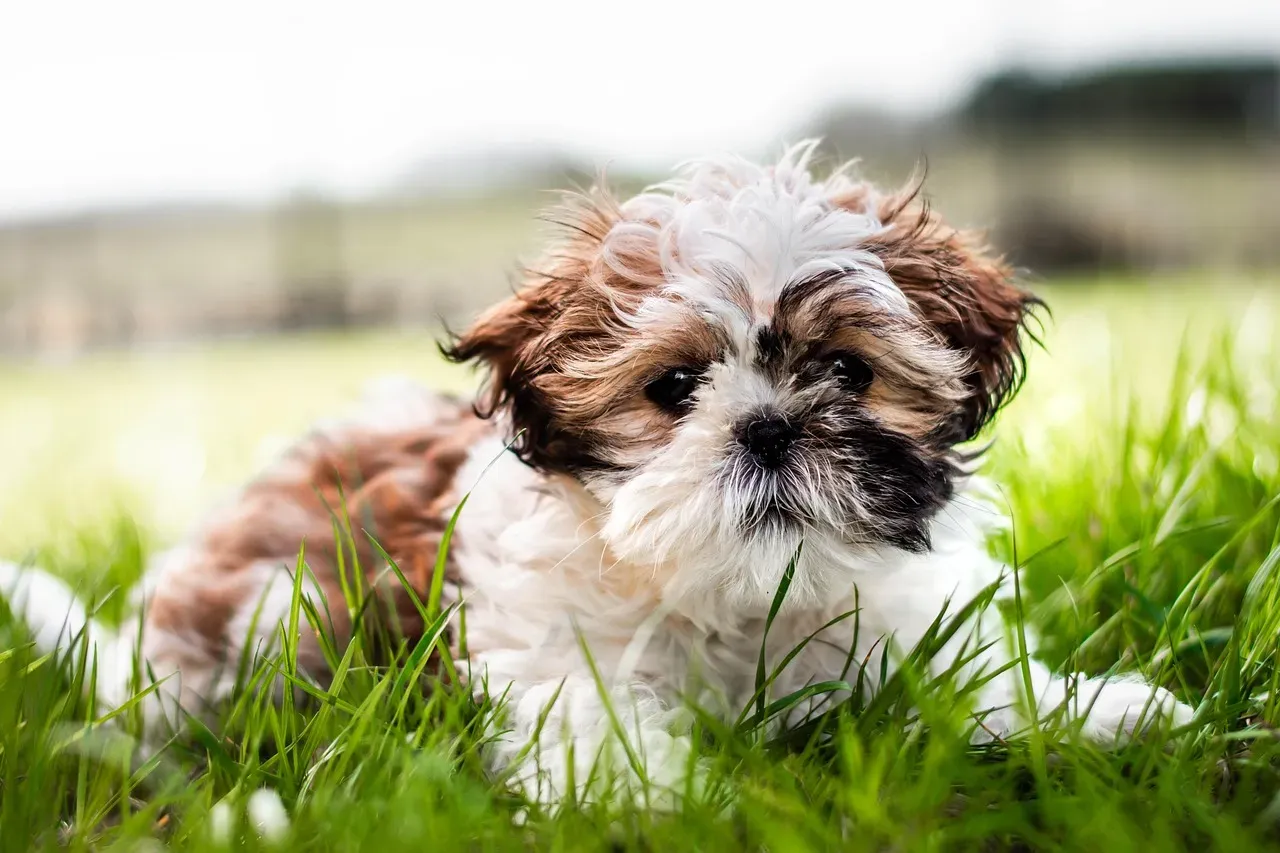
Historically kept as palace companions, Shih Tzus were literally bred to be indoor dogs. That shows in their temperament: many of them are quite satisfied with brief walks, some play with a toy, and lots of time near their humans. They are typically not driven by strong working or herding instincts, so they’re less likely to nag you for more activity or become frustrated if every day isn’t action-packed.
The Shih Tzu’s small size makes them manageable in terms of lifting, grooming, and veterinary visits. With proper coat care – either frequent brushing or maintaining a shorter, practical trim – they can be clean, pleasant companions in even very small spaces. Their calm presence is ideal for people who want emotional closeness more than outdoor challenges. If your idea of a good afternoon is a cup of coffee, a comfortable chair, and a warm dog on your lap, a Shih Tzu will probably vote yes every single time.
French Bulldog: Compact, Calm, and Apartment-Friendly
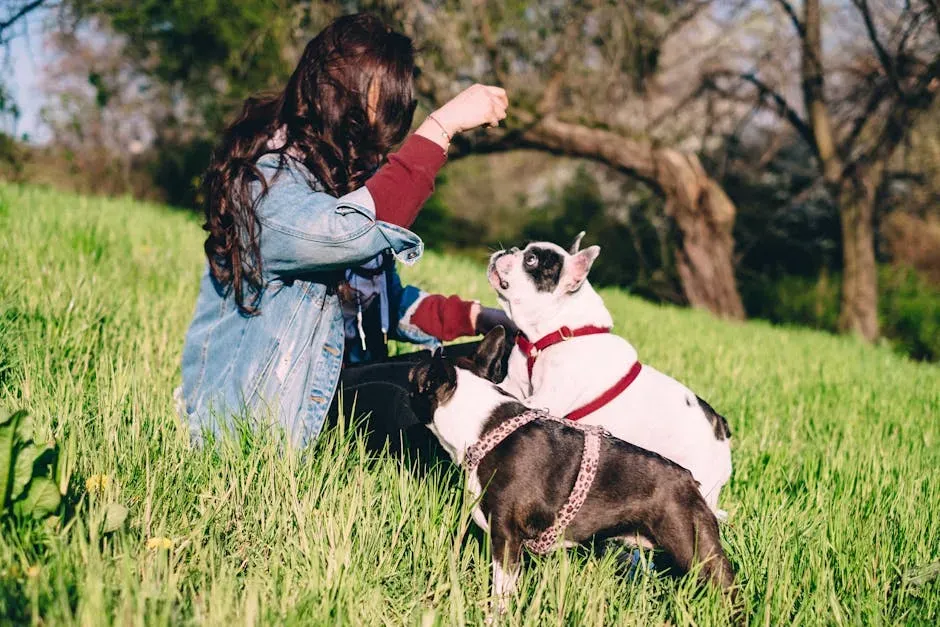
French Bulldogs have become popular in cities for a reason: they’re compact, relatively low energy compared to many other breeds, and usually content with modest exercise. Most healthy Frenchies benefit from some daily walks and light play, but they’re generally not built for intense sports or long-distance outings due to their structure and breathing considerations. That can actually be an asset if you want a dog that encourages a slower, more deliberate pace.
From a personality standpoint, many French Bulldogs are affectionate, somewhat comical, and very people-focused. They tend to attach strongly to their households and do well in smaller living spaces, where a lot of their mental stimulation comes from interaction rather than terrain. The key is mindful care: avoiding extreme heat, watching their weight, and scheduling regular vet checks. Within those boundaries, they can be a delightful match for someone who wants companionship, not a constant exercise partner.
Cocker Spaniel: Gentle Soul With a Moderate Activity Level
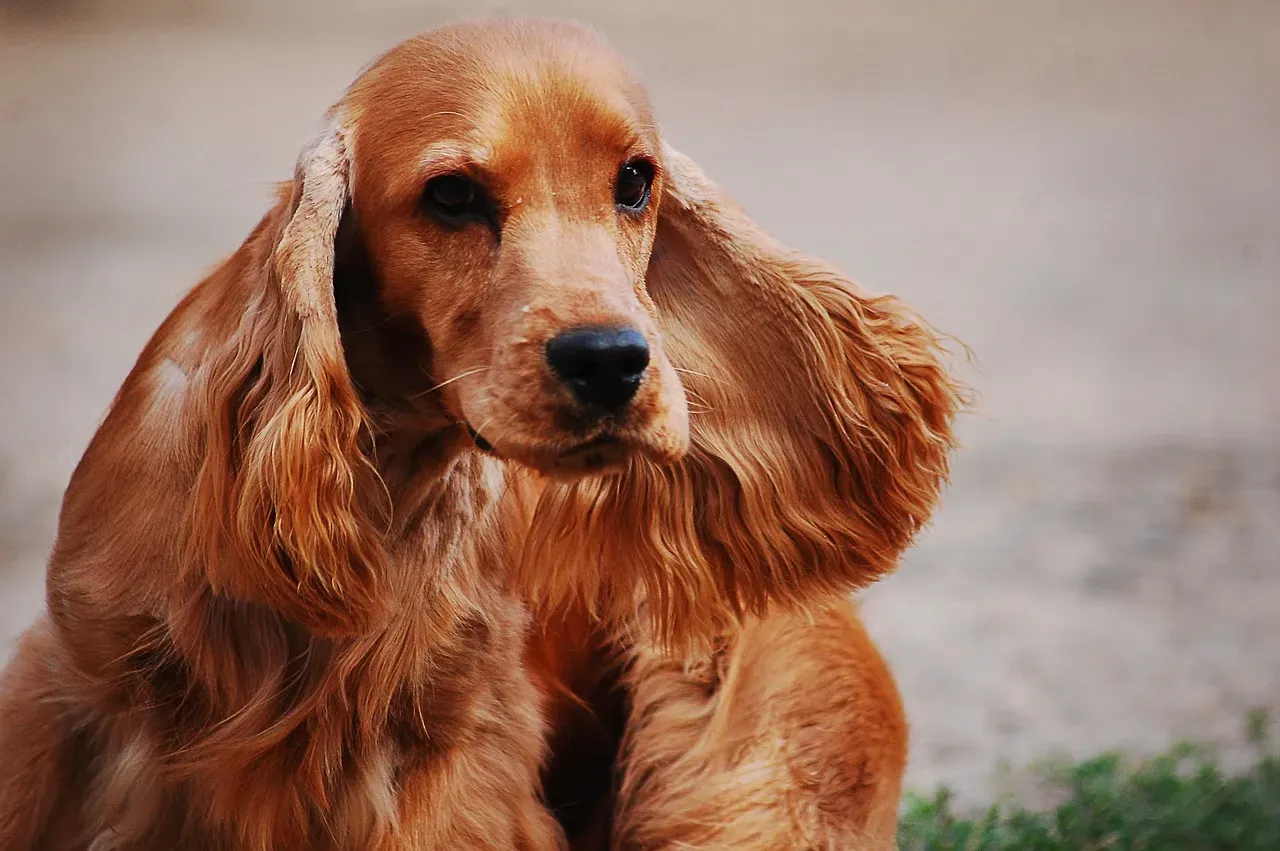
Cocker Spaniels strike a nice balance for many people over 60: they’re not as hyper as some working breeds, but they’re not sedentary either. Most are satisfied with a couple of decent walks, some sniffing time, and gentle play. That moderate energy can actually be encouraging – you’re nudged to move a bit each day, but not pushed into an athletic lifestyle that may not feel realistic or enjoyable anymore.
Temperament-wise, Cockers are often affectionate, sensitive, and eager to please. They usually respond well to calm, consistent training and tend to bond closely with their families. Their expressive eyes and soft ears give them an almost endlessly sympathetic look, but unlike some high-drive breeds, they rarely require constant jobs to stay stable. With regular grooming and a steady routine, they often become loyal, steady companions who match your pace rather than demanding you match theirs.
Greyhound: Surprisingly Low-Energy “Couch Athlete”
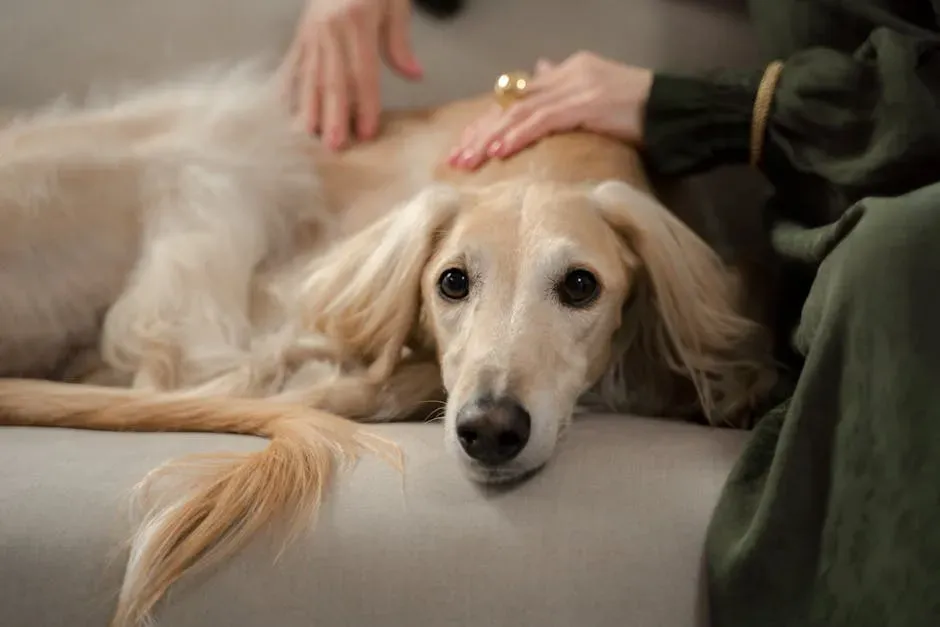
It surprises many people to learn that retired racing Greyhounds are often very low-key at home. Their famous speed does not mean they need endless exercise. Most are satisfied with one or two good walks a day and a chance to stretch their legs now and then, followed by long, luxurious naps. They’re sometimes jokingly called “couch potatoes in athletic bodies,” and that description rings true in many homes.
For older adults, one advantage of Greyhounds is their calm, polite demeanor indoors. They’re usually clean, relatively quiet, and quite content to lounge nearby. Their size is something to consider, but they’re generally gentle on the leash and can do well in apartments as long as they have regular outings. If you want a dog that looks like an athlete but lives like a relaxed roommate, a Greyhound can be a surprisingly low-guilt choice.
Chihuahua: Tiny Dog, Flexible Lifestyle
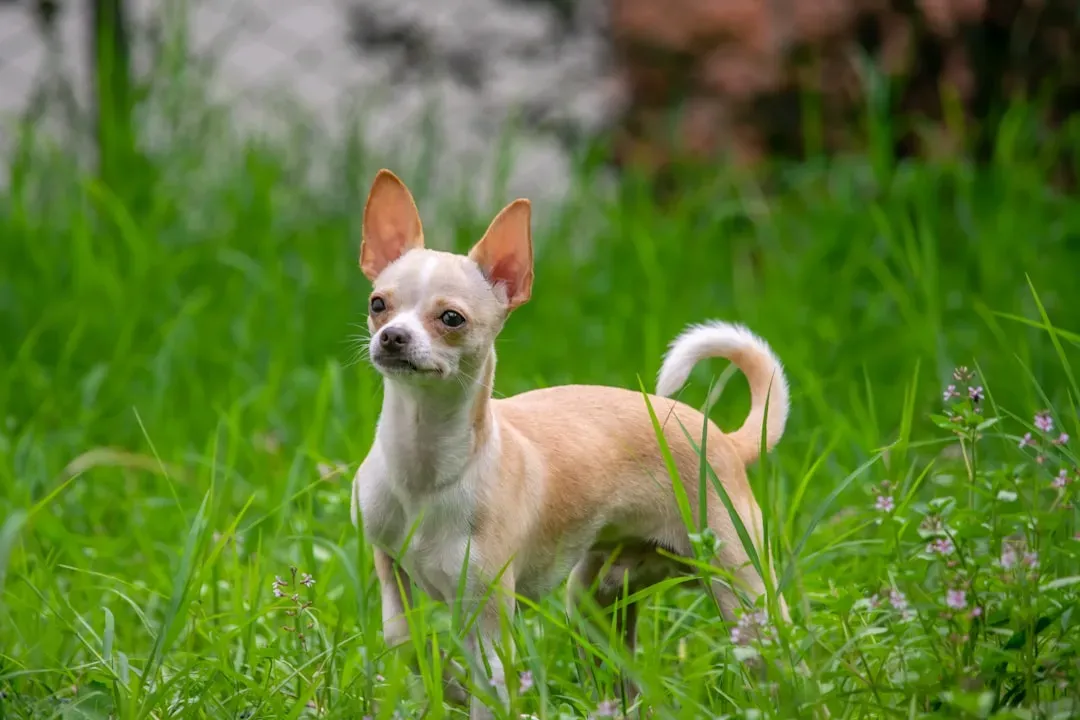
Chihuahuas often adore their chosen people and can be wonderfully suited to slower-paced homes, especially when well socialized and calmly managed. Their tiny size means their exercise needs are usually modest; a few short walks, some indoor play, and light mental stimulation can go a long way. It’s easy to adjust their routine to your own energy level, and they usually do not complain if you skip a long walk in favor of some gentle play on the carpet.
Because they’re so small, they fit comfortably in apartments, condos, and even assisted-living settings that allow pets. They are also generally easier to transport in carriers for vet visits or travel. The key is to set clear boundaries early so they do not become overly bossy or reactive. When raised with steady leadership and kindness, a Chihuahua can be a fiercely loyal, low-footprint companion that fits beautifully into a quieter, more home-centered life.
Pekingese: Regal, Relaxed, and Content With Short Walks
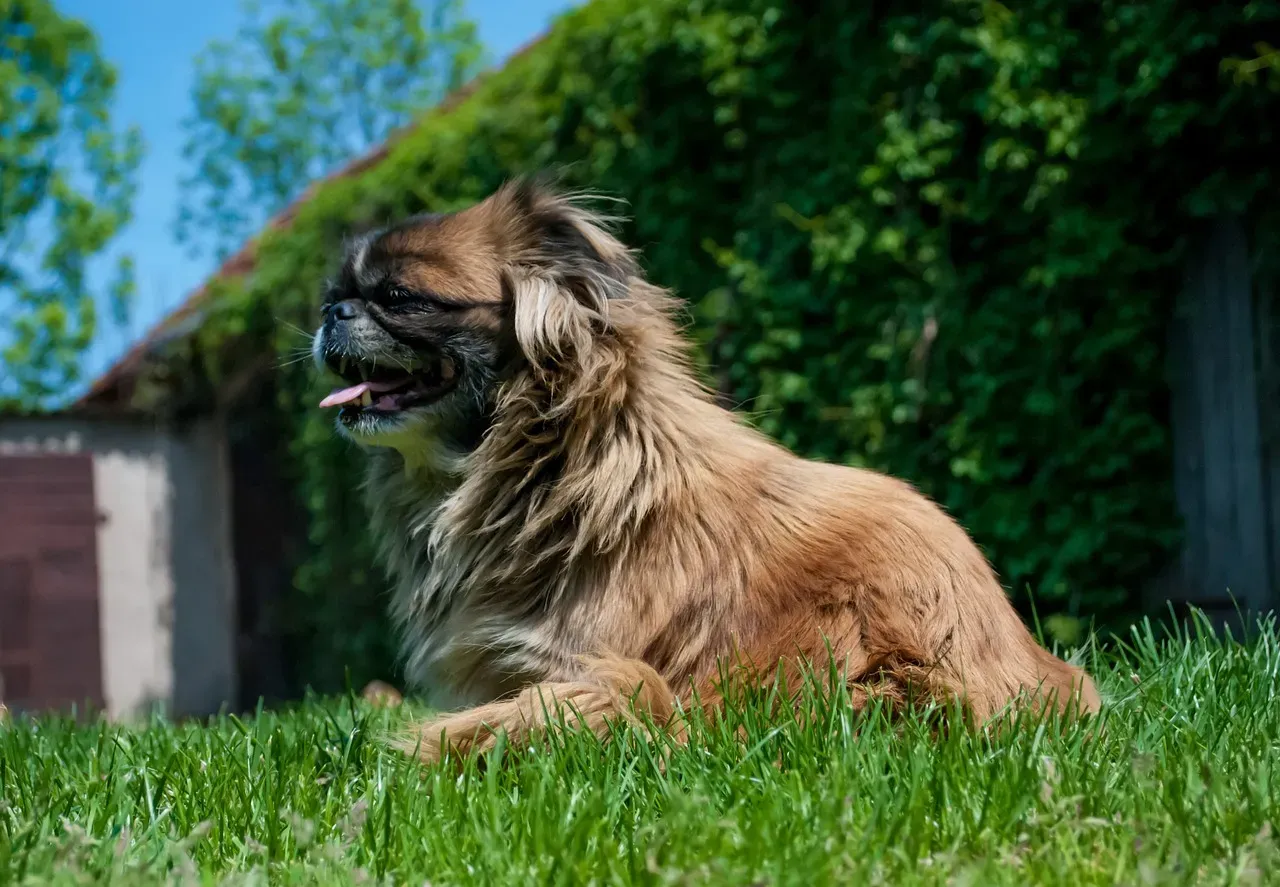
The Pekingese has a long history as a companion in royal courts, and that legacy shows in their calm, somewhat dignified nature. These dogs are typically not looking for intense jobs or major athletic challenges. They do need daily walks for health and enrichment, but their short legs and compact frames often mean they’re quite happy with slower, shorter outings.
Underneath their lion-like mane is usually a deeply devoted, sometimes slightly stubborn personality. They often bond closely with one or two people and enjoy a predictable routine. Because they can be independent, they’re usually fine if you are reading, knitting, or watching a show, as long as they can settle nearby. For someone who values quiet companionship with a touch of old-world charm, a Pekingese offers affection without demanding a high-performance schedule.
Maltese: Light, Affectionate, and Easy to Carry
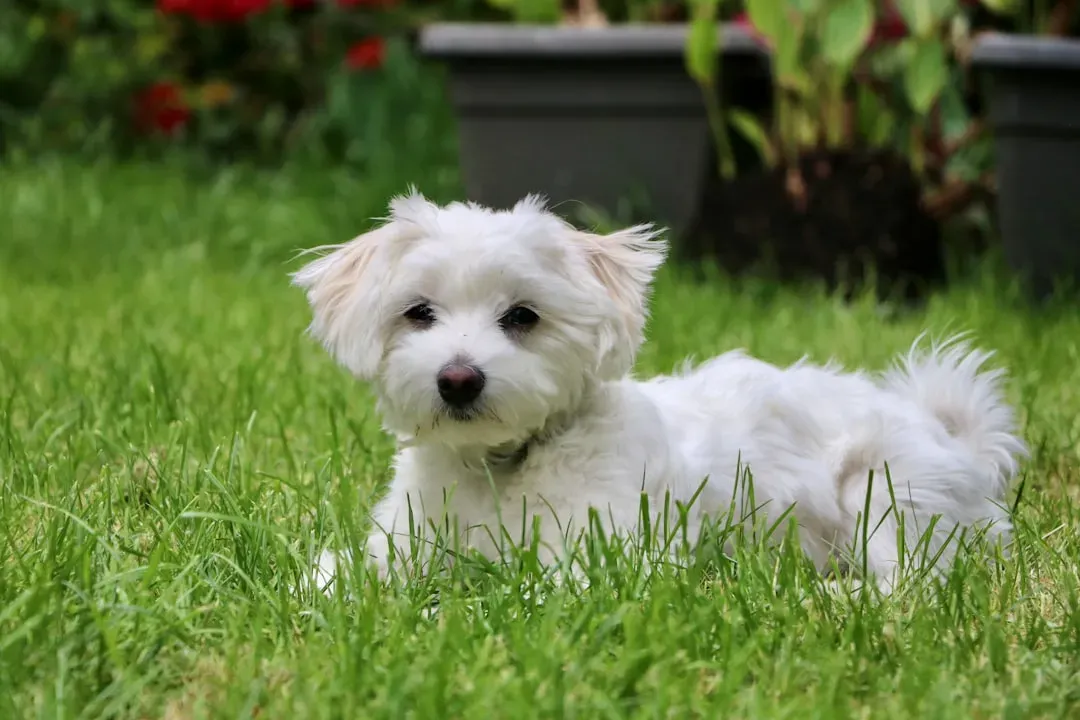
The Maltese is a classic lap dog: small, graceful, and intensely people-oriented. Their exercise needs are modest; most are content with a couple of gentle walks and a bit of indoor play each day. They’re especially appealing if you want a dog you can easily pick up, carry up stairs, or help onto the couch without straining your back or joints.
Because their focus is often on closeness rather than constant physical activity, they usually adjust well to calmer routines. They do need regular grooming to keep their coat comfortable and clean, but many owners opt for a shorter, manageable trim. If you enjoy peaceful mornings with coffee and quiet evenings with a book, the Maltese is often thrilled to simply be in the middle of all that calm, soaking up your attention and offering soft, steady company.
Papillon: Small, Smart, and Satisfied With Mental Games
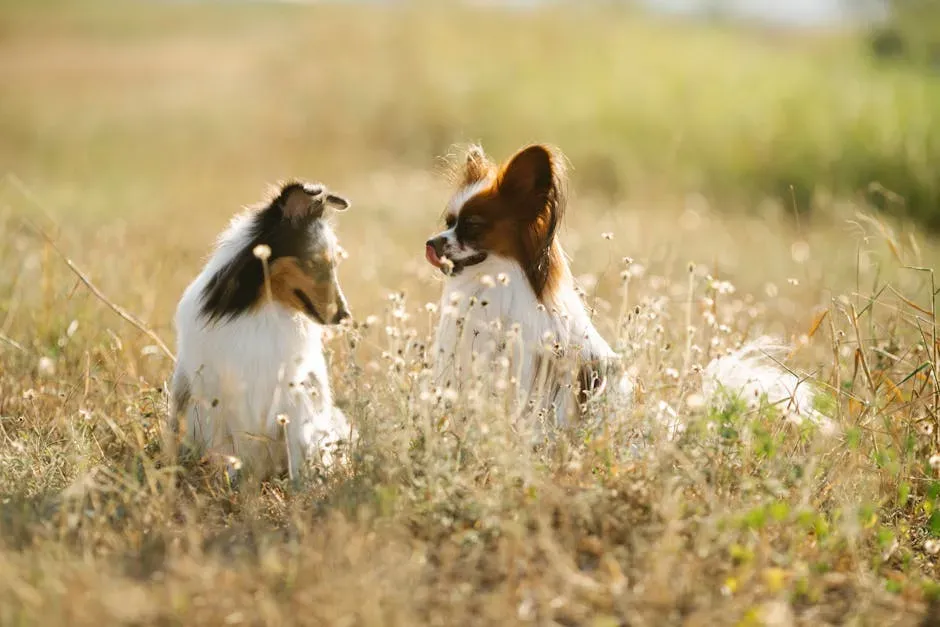
Papillons are a bit different from some of the other breeds on this list because they’re often quite bright and spirited. However, their small size and love of mental activity mean they are often satisfied with moderate physical exercise paired with puzzles, training games, and learning tricks. You do not need long hikes to keep a Papillon happy; you need engagement and interaction, which can happen right in your living room.
For older adults who enjoy a bit of mental stimulation themselves, working with a Papillon can be fun and rewarding. Teaching new cues, playing scent games, or simply practicing manners can keep their minds busy without exhausting your body. They tend to bond strongly with their people and like to be nearby without necessarily needing chaos or noise. If you want a clever, butterfly-eared sidekick who keeps you mentally sharp but doesn’t require athlete-level stamina, a Papillon can be a lovely match.
Senior Mixed-Breed Dogs: Temperament Over Pedigree
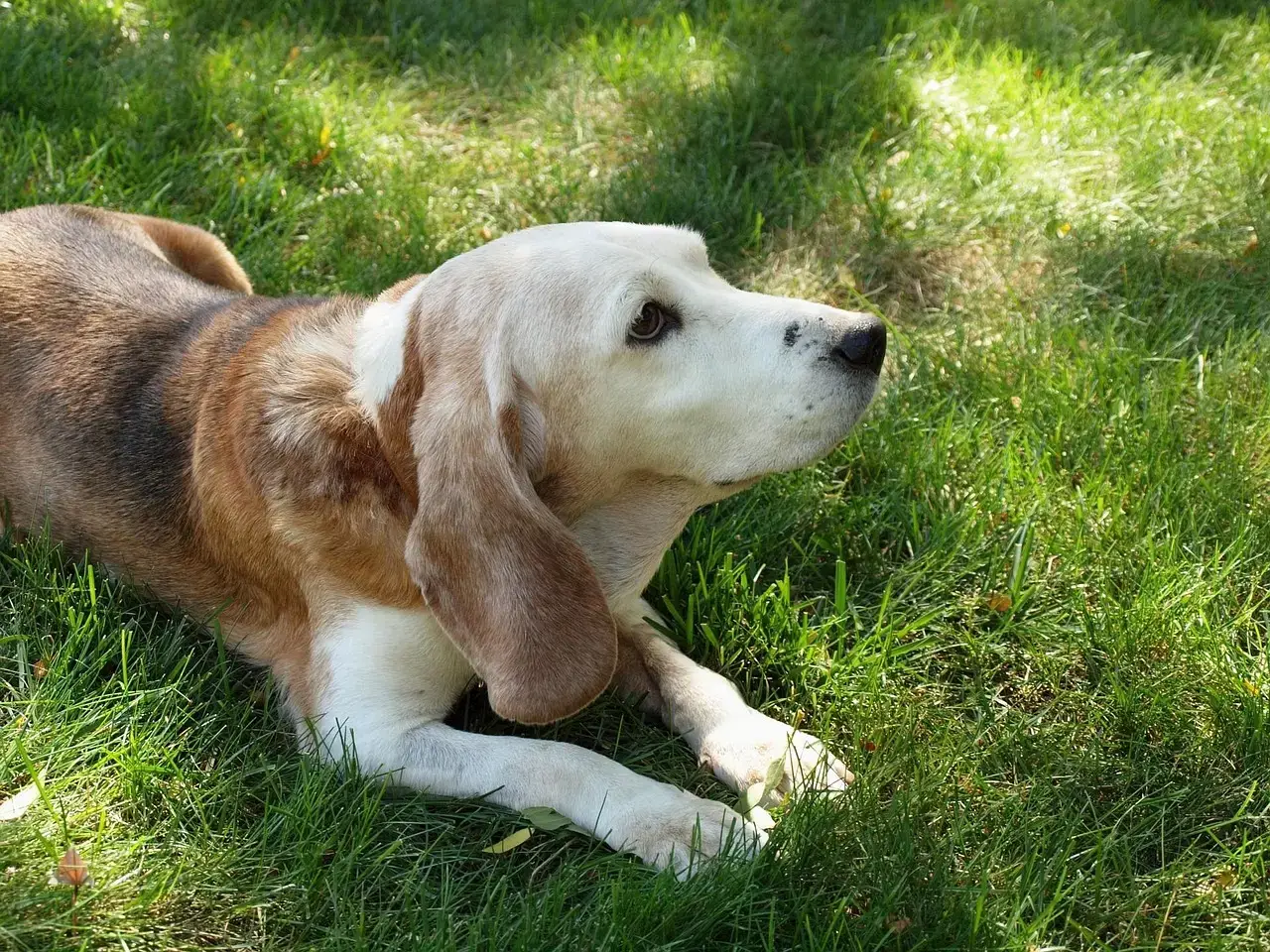
There’s one “breed” that is often overlooked in lists like this: the senior mixed-breed dog. In many ways, an older rescue dog can be the absolute best fit for a quieter life because what you see is largely what you get. Their energy level, personality, and quirks are already visible, instead of being guessed at from puppy behavior and breed tendencies. That makes it easier to choose a dog whose actual lifestyle needs line up with yours right now.
Adopting a senior dog can feel emotionally powerful too. You’re giving a dog in their later years a stable, loving home, and in return, you often get a calm, grateful companion who is past the wild puppy stage. Many senior mixed-breeds are happy with gentle walks, soft beds, and regular mealtimes. They’re not judging you for skipping an extra outing any more than you’re judging them for napping a little longer. In a sense, you’re meeting each other exactly where you are in life – no guilt, just mutual comfort.
Conclusion: Choosing a Dog That Honors Your Season of Life
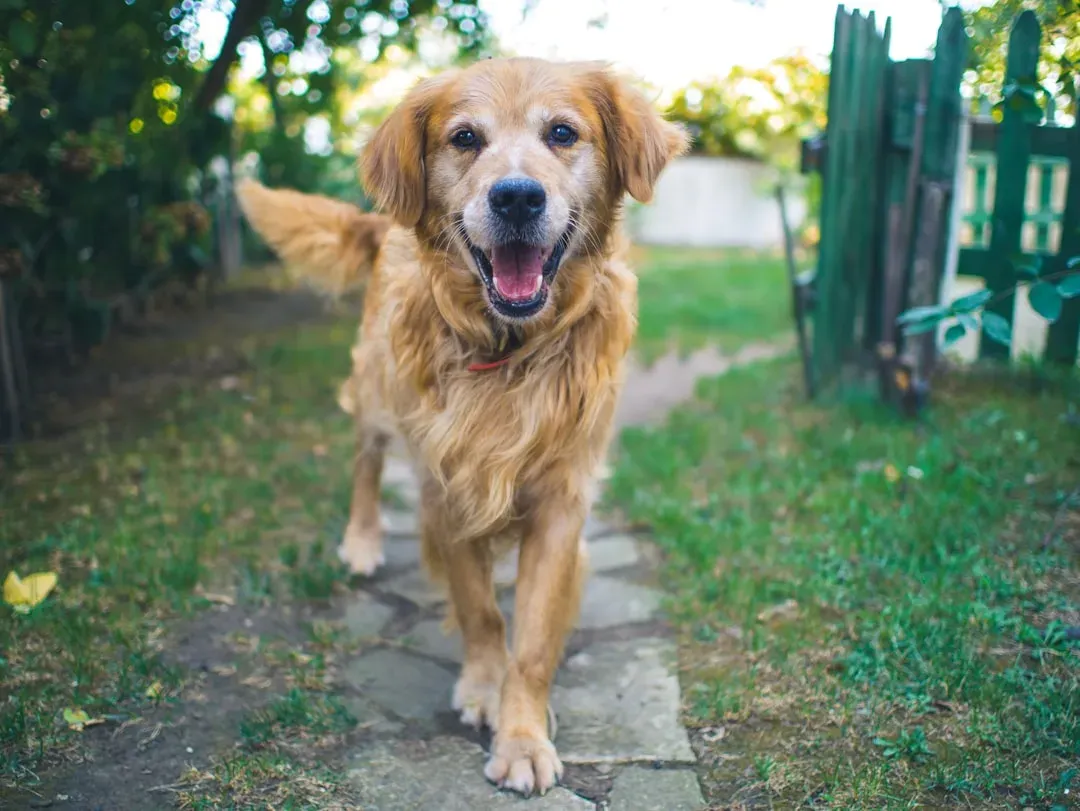
After 60, the pressure to live up to other people’s expectations can finally loosen its grip – and your choice of dog can reflect that shift. You don’t need a high-drive working breed just because someone once claimed that was the “best” kind of dog. A quieter spaniel, a dignified toy breed, a retired racer, or an older mixed-breed from a shelter may fit your reality better than any trendy, high-energy option. The real measure of the “right” dog is how well they fit your actual days, not an imaginary lifestyle.
There’s something quietly radical about choosing a dog who lets you exhale instead of constantly pushing you to do more. You’re allowed to want soft walks instead of long runs, gentle games instead of intense sports, and warm naps instead of endless action. The dog who is truly perfect for you now is the one that makes your life feel fuller, not heavier. When you picture your ideal afternoon a year from today, which of these companions do you see curled up at your side?


