
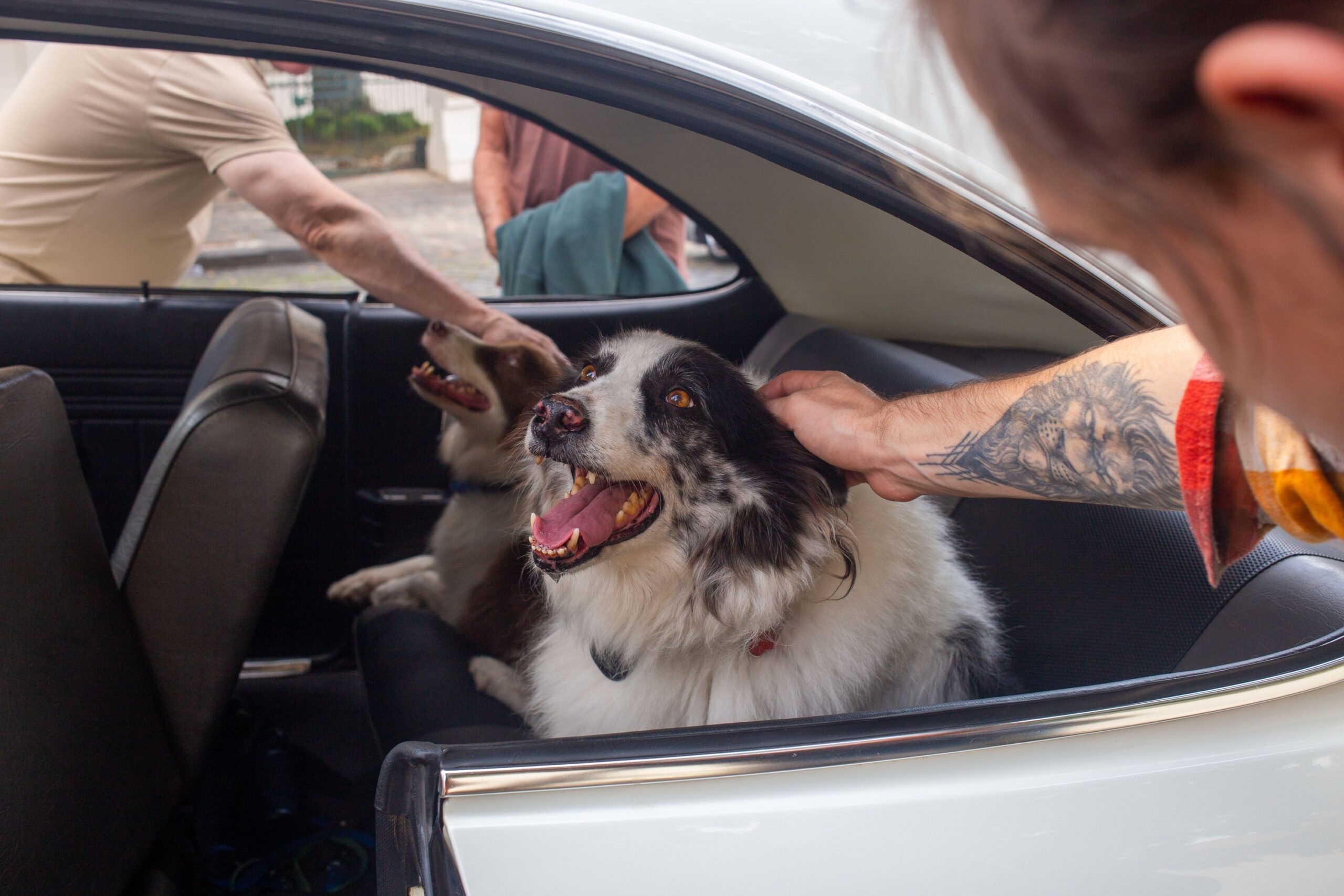
If you’ve ever buried your fingers in your dog’s fur after a stressful day and felt your shoulders instantly drop, that was not your imagination. Modern research in human–animal interaction has repeatedly found that just a few minutes of gentle contact with a calm dog can lower blood pressure, ease anxiety, and shift the body into a more relaxed state. Even more interesting: those benefits tend to be stronger when the dog is your own, not a stranger’s.
Scientists are still unpacking all the details, but the broad pattern is remarkably consistent. Blood pressure and heart rate dip, stress hormones fall, and people report feeling calmer and safer. At the same time, many of us feel an emotional lift bordering on joy when we interact with “our” dog, which seems to amplify these physiological changes. Let’s dig into what is actually going on inside your body when you pet your pup, and why that familiar wagging tail might be doing more for your heart than you realize.
The Fast-Acting Calming Effect: What Happens In Those First Few Minutes

One of the most surprising findings from laboratory studies is how fast the body starts to respond when a person begins calmly petting a dog. Within just a few minutes, researchers often see small but measurable drops in systolic and diastolic blood pressure, along with a slowing of heart rate. People usually say they feel more relaxed almost immediately, and the numbers on the blood pressure cuff often agree.
This rapid shift is thought to come from a change in the balance of the nervous system. Petting a relaxed dog tends to engage the “rest and digest” branch of the nervous system while dialing down the “fight or flight” response that keeps blood pressure elevated during stress. You can think of it a bit like turning down the volume on an alarm and turning up a soothing playlist instead; the body gets the signal that, at least for now, it is safe to relax.
How Petting a Dog Lowers Blood Pressure: The Physiology Behind the Cuddles

Blood pressure is not just a number; it reflects how hard your heart is working and how tightly your blood vessels are constricted. Under stress, your body releases hormones like adrenaline and cortisol that make the heart beat faster and squeeze the blood vessels, pushing pressure upward. When you calmly interact with a dog, those stress signals tend to ease off, and the vessels relax just enough that the pressure inside them goes down.
At the same time, physical touch itself has a powerful effect on human biology. Gentle, rhythmic petting can stimulate nerve fibers in the skin that send soothing signals to the brain, encouraging the release of feel-good chemicals that promote relaxation. That combination – lower stress hormones, calmer nerves, and a body that no longer thinks it has to fight or run – is what makes a short petting session capable of nudging blood pressure into a healthier range, at least in the moment.
Why Your Own Dog Has a Bigger Impact Than a Stranger’s
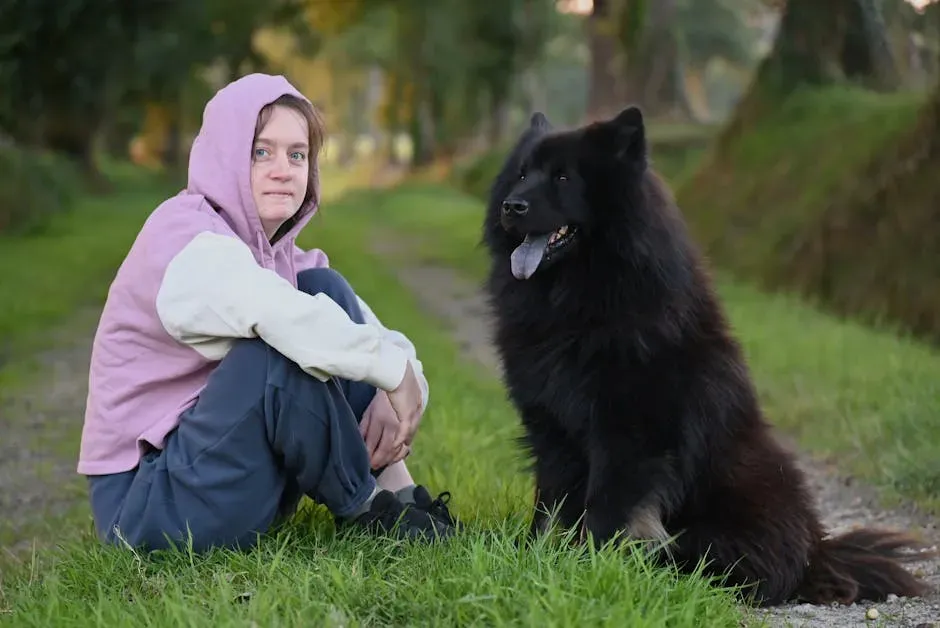
Studies that compare interactions with unfamiliar dogs versus a person’s own pet tend to find a small but meaningful difference: the greatest drops in blood pressure often happen when people are with their own dog. That makes sense when you think about how different those experiences feel. Your dog is part of your daily routine, your home, and often your emotional support system; a strange dog, no matter how cute, does not come with the same sense of familiarity and trust.
When you reach for your own dog, you are not just touching fur. You are tapping into a shared history of walks, naps, silly rituals, and quiet companionship that your brain recognizes as safe and comforting. That emotional context matters for physiology. The stronger the sense of safety and connection, the more fully the body can step out of a guarded, stressed state and allow blood pressure and heart rate to drift downward.
The Hormone Story: Oxytocin, Stress Relief, and the “Love Loop”

Researchers who measure hormones before and after human–dog interactions often focus on oxytocin, sometimes nicknamed the bonding hormone. When people spend a bit of time petting a friendly dog, oxytocin levels in humans tend to rise, and the dog’s levels may climb as well. This hormone is associated with feelings of trust, warmth, and social safety, which dovetail neatly with the calmer blood pressure readings seen in these experiments.
The interesting twist is that this effect seems to be especially strong between dogs and their primary caregivers. Mutual eye contact, familiar scent, and long-established routines all seem to feed into a loop where the human and the dog reinforce each other’s feelings of calm and connection. That shared hormonal shift does not magically cure high blood pressure, but it does help explain why even a brief cuddle with your own dog can feel uniquely soothing compared to almost anything else.
Mental Health, Loneliness, and Why Emotional Comfort Shows Up in Your Blood Pressure

Blood pressure does not exist in a vacuum; it is closely tied to how you move through your daily life emotionally. Chronic stress, anxiety, and loneliness are all associated with higher blood pressure over time, and many dog owners report that their pets ease all three. A dog does not lecture you, interrupt you, or check a phone while you talk; it simply shows up, listens in its own way, and stays present with you, which can be surprisingly powerful when you feel alone or overwhelmed.
When that emotional burden lightens, even a little, the body often follows. People who live with dogs frequently describe feeling more grounded, more needed, and less stuck in their own racing thoughts. Those shifts show up not just as fewer tears or better moods, but also in the quieter metrics of health: steadier heart rate, fewer adrenaline surges, and more frequent periods when blood pressure can settle into a healthier range instead of hovering at stressed-out levels all day long.
The Limits: Helpful Soothing, Not a Magic Cure for Hypertension

As comforting as this science is, it is important to keep the findings in perspective. Petting a dog for a few minutes tends to lower blood pressure temporarily, but that does not mean adopting a dog will instantly fix long-standing high blood pressure or replace medical treatment. Most studies look at short-term effects in controlled situations, and the real world is messier, with work deadlines, family stress, and sleepless nights all still in the mix.
There is also the practical side: caring for a dog can involve financial strain, time pressure, and physical demands that could increase stress for some people instead of relieving it. The healthiest way to think about the research is to see dog companionship as one potentially helpful piece in a larger lifestyle puzzle that might include medication, exercise, sleep, and nutrition. Your dog can be a powerful ally for your heart, but it should not be asked to carry the entire load.
How to Get the Most Health Benefit From Time With Your Dog
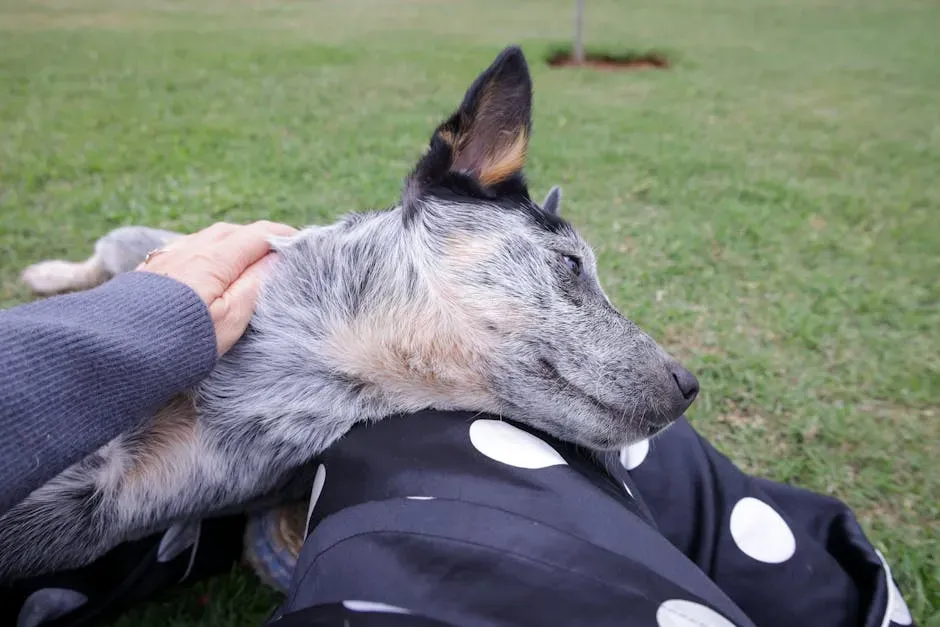
If you already live with a dog, you can lean into these calming effects with a few small habits. Setting aside a short, device-free window each day just to sit quietly and pet your dog – not half-watching a show, not answering emails – gives your nervous system a chance to reset. Pairing that with slow breathing or a quiet moment on the couch can turn an ordinary cuddle into a genuine mini relaxation session for both of you.
Movement matters too. Gentle walks, playful fetch, or even basic training games can lower your stress and improve your cardiovascular health in ways that go beyond blood pressure alone. The key is consistency: the more regularly your dog time is woven into your routine, the more those small dips in stress and blood pressure can accumulate into something meaningful over months and years. Think of it as a long conversation your body is having with your dog’s presence, one walk and one belly rub at a time.
My Take: A Dog’s Paw Is Powerful – But Your Choices Still Matter Most

I love the idea that science is finally catching up to what dog people have been quietly insisting for decades: that there is something physically healing in the weight of a familiar head on your lap. At the same time, I think it is important not to romanticize dogs into medical devices with fur. The data so far supports a modest but real effect on blood pressure, especially in those calm, everyday moments with your own dog, not an instant cure or a guarantee of perfect health.
In my view, the real power of this research is that it reminds us how deeply connection and safety are wired into our bodies. Your dog cannot replace your doctor, your medication, or your responsibility to care for your own health, but it can be a daily, living reminder to pause, breathe, and soften around the edges of a hard day. The next time you reach down to pet your pup, maybe ask yourself: you know it feels good emotionally – could it also be one of the simplest, kindest things you do for your heart today?


