
Losing a spouse after 60 can feel like the ground has been pulled out from under you. The house is the same, the chair is still in the corner, the routines are familiar – and yet everything feels unbearably different. In that kind of quiet, even the ticking of a clock can sound too loud.
That’s one reason more therapists, doctors, and grief counsellors are gently suggesting something deceptively simple: a dog. Not as a magic cure or a replacement for the person you’ve lost, but as a living, breathing companion who needs you, nudges you out of bed, and gives you a reason to step outside when all you want to do is stay in. Some breeds, because of their temperament, size, and care needs, tend to be recommended more often than others for older adults in grief. Let’s walk through those eight breeds, what makes them special, and how they can gently help stitch some life back into your days.
Labrador Retriever: The Steady Shoulder to Lean On
Many counsellors mention Labradors when they think of a dog that simply makes people feel safe. Labs are famously gentle, patient, and eager to please, which can be a powerful combination when you are emotionally raw and easily overwhelmed. They tend to be highly attuned to human moods; it is not unusual for a Lab to quietly lie at your feet on heavy days and become more playful when you are ready to engage.
Because Labs are medium-to-large dogs, they are often better suited to people over 60 who are still reasonably mobile or willing to commit to daily walks. The upside is that this gentle “pressure” to get outside can be immensely helpful for grief recovery – sunlight, movement, and a bit of routine are foundational in managing depression and anxiety. In my own experience with Labs, what stands out most is their consistency: they do not take bad days personally, and they show up again and again with the same calm, friendly presence.
Cavalier King Charles Spaniel: The Soft-Hearted Lap Companion
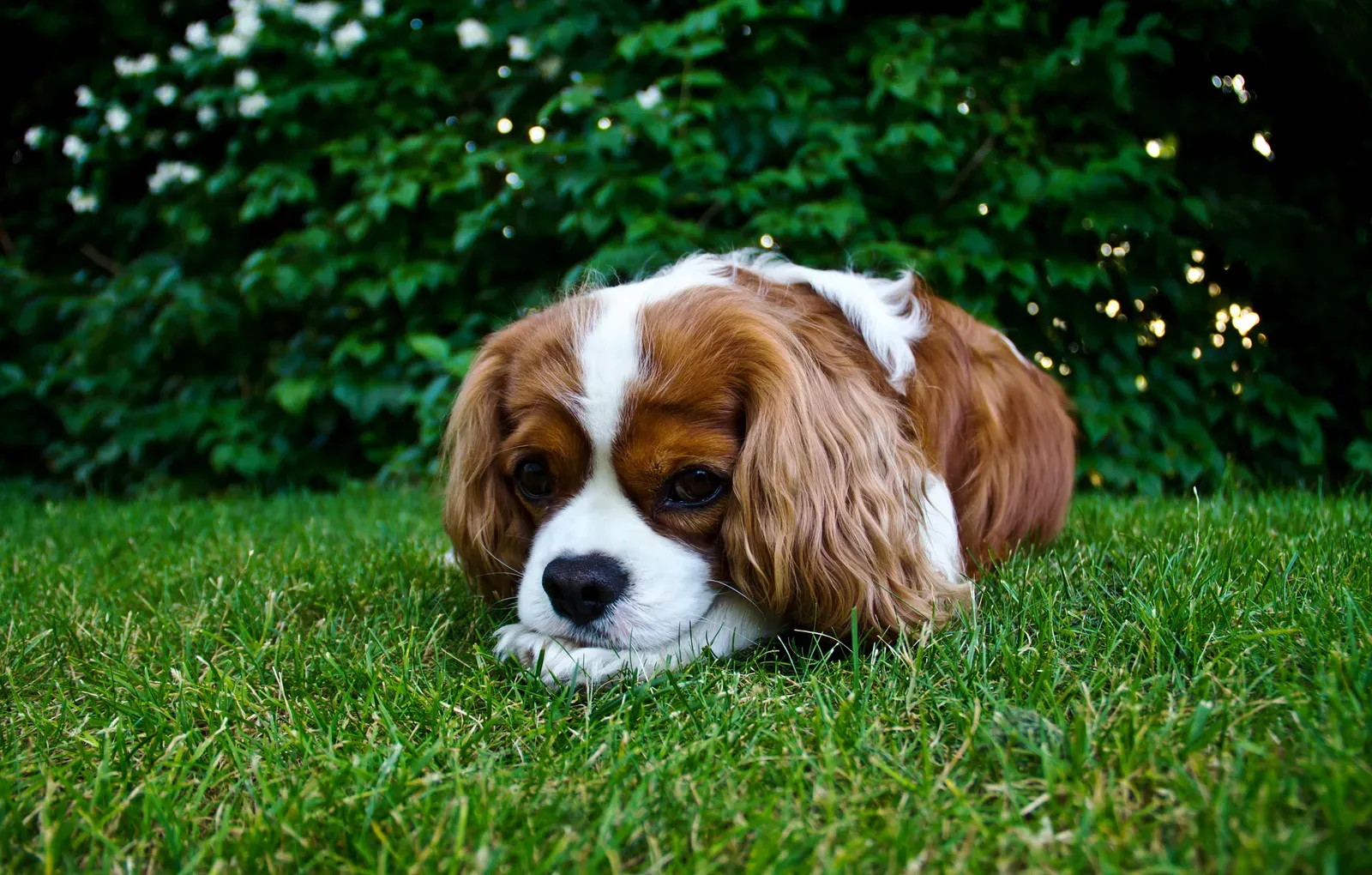
If a Lab is like a supportive friend who takes you out for a walk, a Cavalier King Charles Spaniel is more like the comforting person who just sits on the couch with you and lets you cry. This breed is adored for its affectionate, people-oriented nature and relatively small size, making it easier to handle physically for many older adults. Their faces have a naturally gentle expression, and there is something deeply soothing about a Cavalier curling up against your chest or in your lap.
Grief counsellors often appreciate how Cavaliers thrive on close contact and quiet companionship rather than needing intense exercise or constant stimulation. They are usually friendly with visitors and family, which can make social interactions a bit easier when you start having people over again. For someone who feels that the silence of the house is suffocating, a Cavalier’s soft snoring on the sofa and little paws following you from room to room can turn that silence into something far more bearable.
Poodle (Miniature or Standard): The Intelligent Emotional Mirror
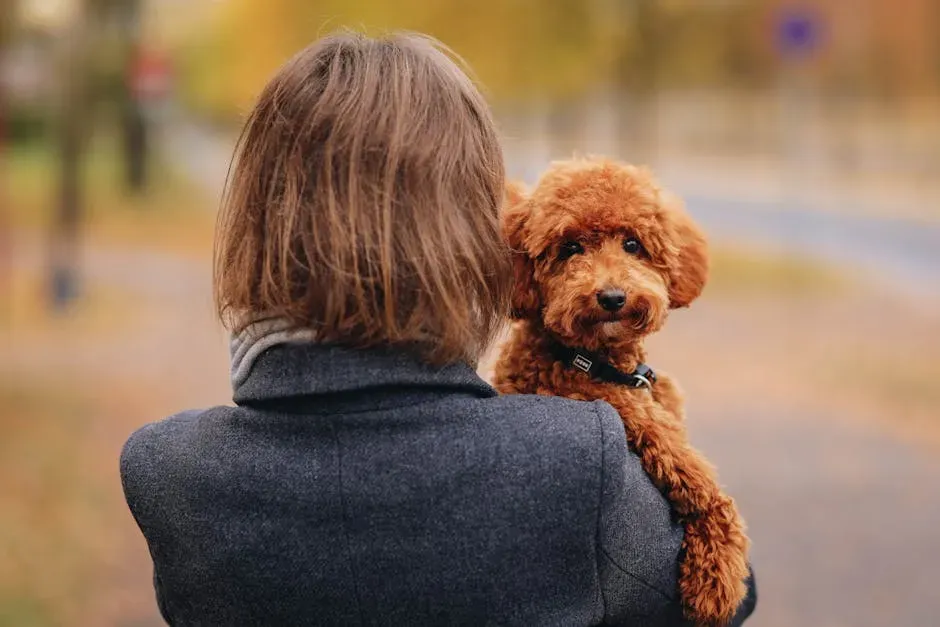
Poodles – especially Miniature and Standard sizes – are frequently recommended because they blend intelligence with sensitivity and are relatively low-shedding, a plus for people worried about allergies or extra cleaning. Their intelligence means they learn routines quickly and can pick up on emotional cues in surprisingly nuanced ways. Many owners describe Poodles as “reading the room” better than most humans.
From the perspective of grief work, having a dog that engages your mind can be a hidden advantage. Teaching a Poodle a new trick, going to a basic obedience class, or even setting up small puzzle toys at home introduces structure and cognitive engagement when your thoughts may otherwise spiral. They do require regular grooming and mental stimulation, so they tend to suit people who feel up to a bit of ongoing responsibility and who like the idea of a dog that “talks” back with expressive eyes and clever behavior.
Golden Retriever: The Gentle Optimist Who Refuses to Give Up on You
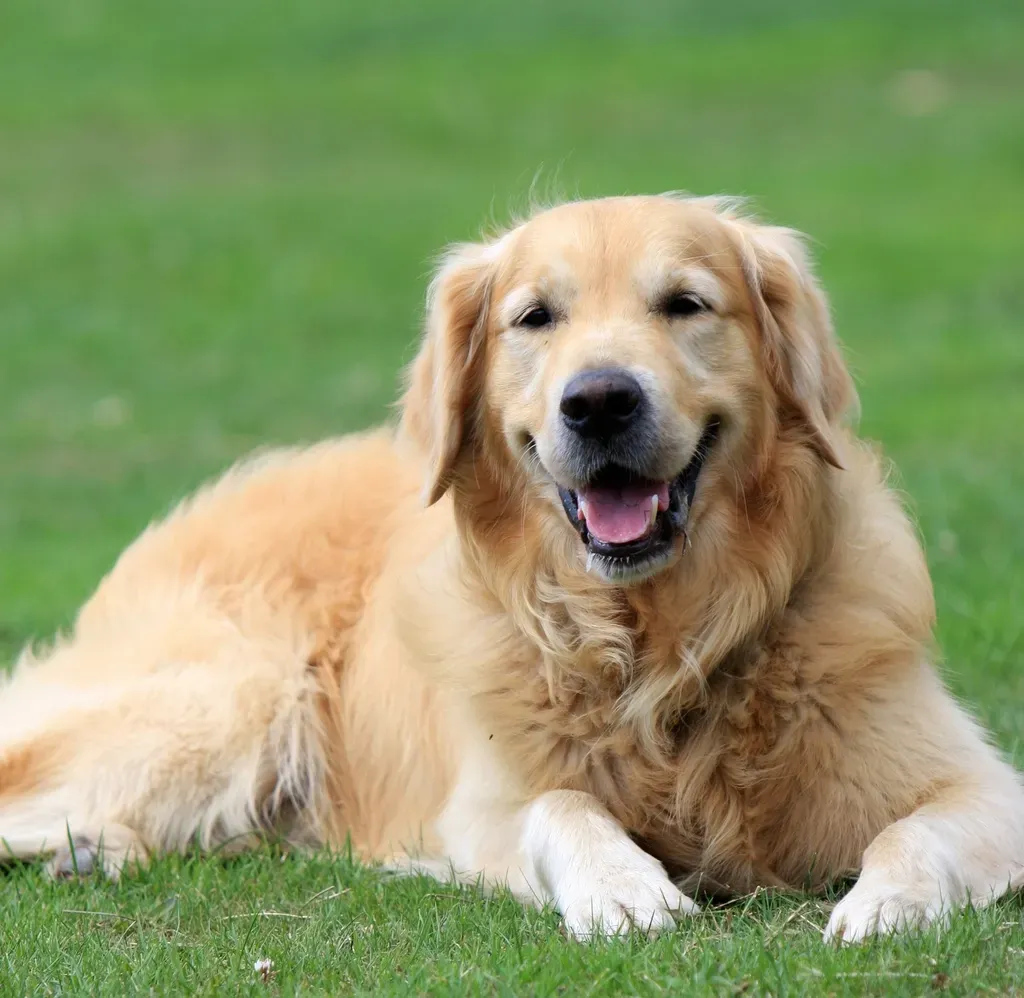
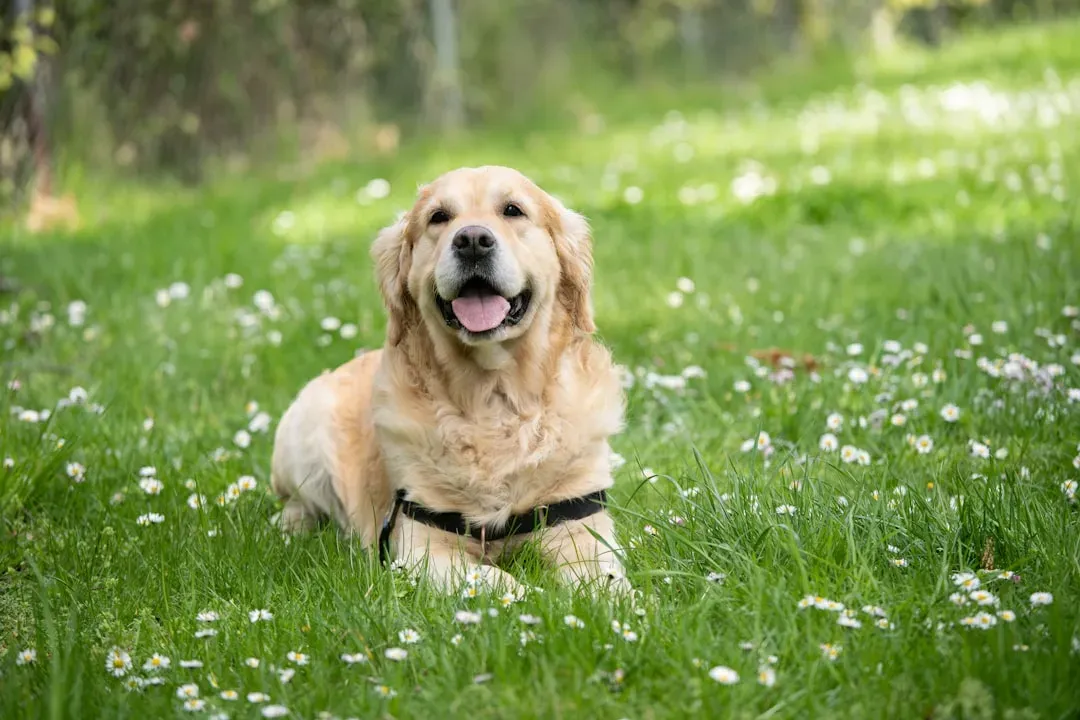
Golden Retrievers have a kind of warm, uncomplicated optimism that can feel like sunlight in canine form. They are well known for their friendliness, tolerance, and patience, which is why they are widely used as therapy and emotional support dogs. For someone over 60 who has lost a spouse, a Golden’s presence can gently counter feelings of worthlessness or isolation; the dog quite literally lights up when you enter the room.
Like Labs, Goldens are larger and need daily exercise, but they are typically not demanding in a harsh way. Think of them as gentle coaches: they wag hopefully near the door until you are ready for a walk, and then they celebrate every step you take. That combination of calm indoors and enthusiasm outdoors can help anchor your day: a short walk in the morning, a bit of grooming in the afternoon, a quiet cuddle in the evening. Over time, those small rhythms often become emotional scaffolding during grief.
Bichon Frise: The Cheerful Cloud for Smaller Homes and Softer Schedules
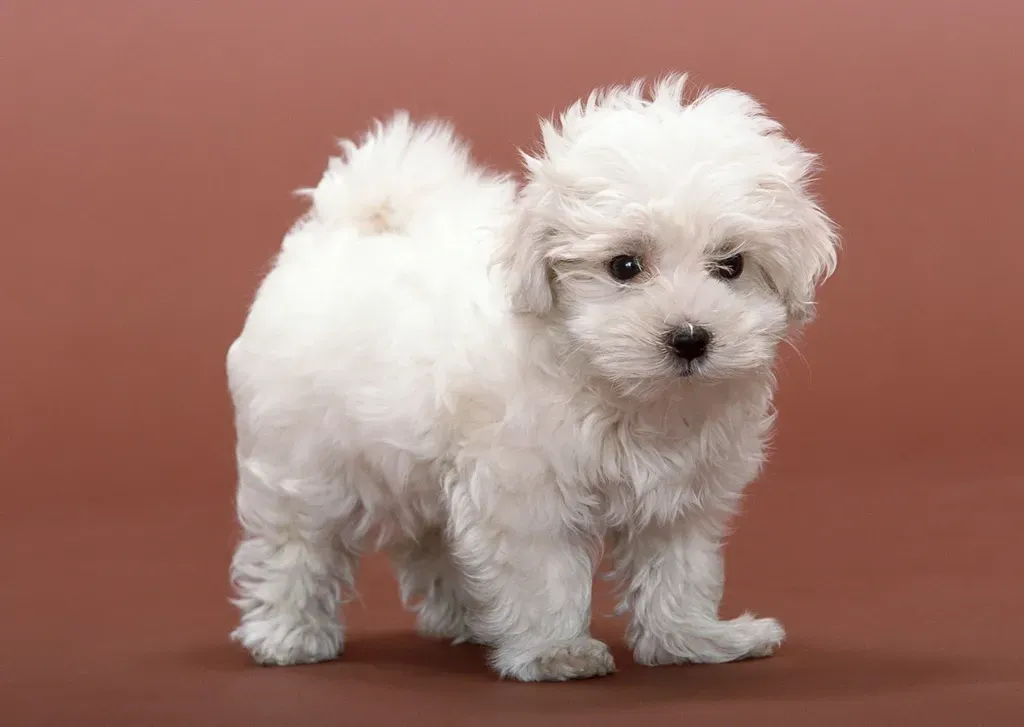
The Bichon Frise is often described as a little puff of happiness, and there is some truth to that. These small, curly-coated dogs are typically cheerful, social, and affectionate without being overwhelming. Their compact size and moderate exercise needs make them excellent companions for older adults living in apartments, retirement communities, or homes without large yards.
Many grief counsellors like that Bichons tend to be sturdy enough to enjoy play but small enough to handle easily, even for people with mild mobility issues. They are also considered a lower-shedding option, though they do need regular grooming. What stands out emotionally is their lightness: it is hard to stay in a completely dark place when a fluffy little dog is spinning in joyful circles just because you picked up their leash. They are not a cure for pain, but they can chip away at the heaviness, one wag at a time.
Cocker Spaniel: The Sensitive Soul with Big Eyes and a Bigger Heart

Cocker Spaniels have an almost storybook look, with those long ears and deep, expressive eyes, and their temperament often matches the gentle image. Many Cockers are affectionate, sensitive, and very tuned in to their main person. For someone who has lost a spouse, this intense bond can feel both comforting and healing: you are once again the center of another being’s world.
Because Cockers are sensitive, they usually respond well to calm, patient handling and a relatively predictable routine. That actually dovetails nicely with what many grief counsellors recommend anyway: consistent daily habits, gentle exercise, and time outdoors. Cockers enjoy walks, games, and moderate activity, but they are equally content to rest beside you on quieter days. For older adults who appreciate an emotional, almost old-fashioned kind of dog, a Cocker Spaniel can feel like a soft anchor in a stormy time.
Shih Tzu: The Calm Roommate for Slower, Quieter Days
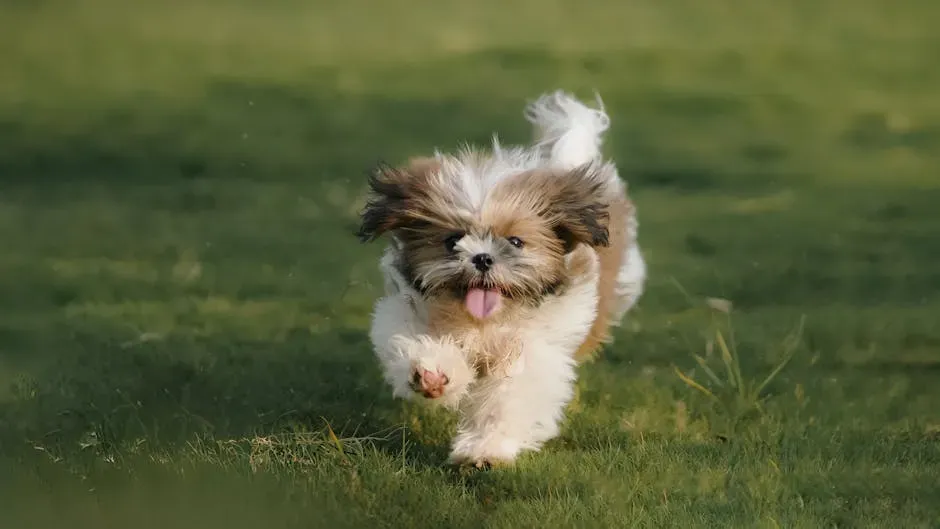
Shih Tzus were historically bred as companion dogs, and that heritage shows. They generally relish indoor life, are content with shorter walks, and are happy to simply be wherever their person is. For someone over 60 who might have health conditions, limited mobility, or a preference for a calmer daily pace, this can be an ideal match.
From a grief-support perspective, Shih Tzus can gently fill empty spaces in the day without overwhelming you with demands. Feeding, brushing, and short strolls can fit comfortably into a slower routine. They also tend to have charming, slightly comical personalities – the way they trot, the way their hair flops into their eyes – and those little moments of amusement can be more powerful than people realize. When grief makes everything feel gray, a small, slightly ridiculous dog snoring on your pillow can be a surprisingly effective antidote.
Corgi (Pembroke or Cardigan): The Lively Little Partner Who Keeps You Moving
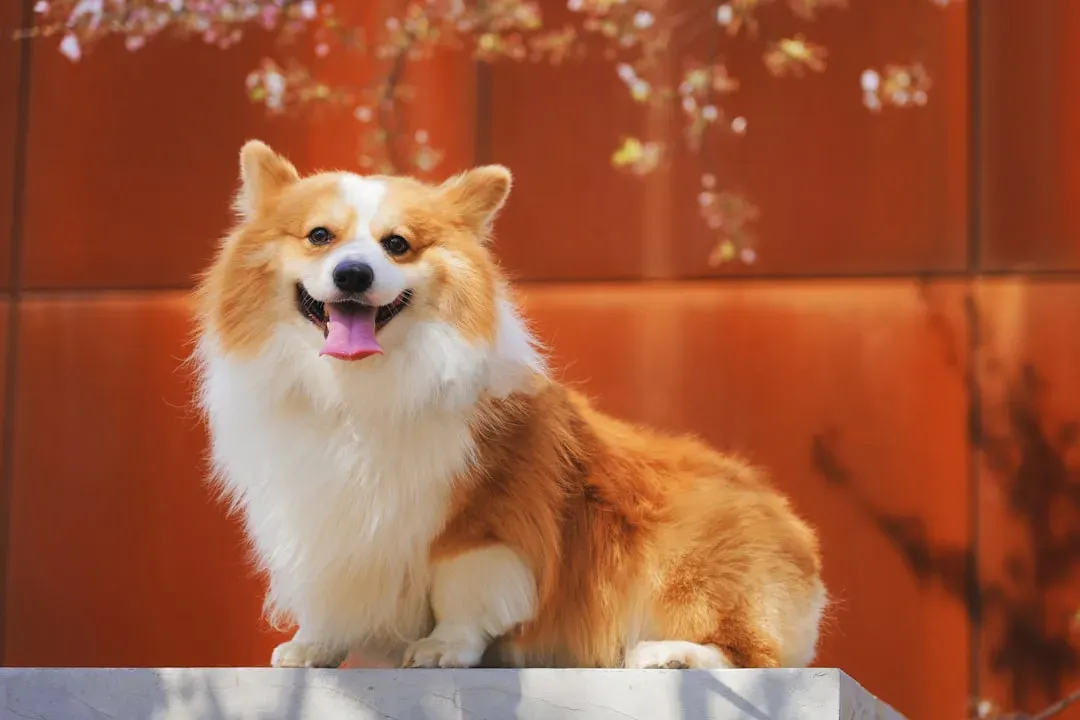
At first glance, you might not expect Corgis to be on a list for older adults in grief, but they often are. Short legs, sturdy bodies, and big personalities make them both physically manageable and emotionally engaging. They are intelligent, often a bit cheeky, and usually love being involved in whatever their human is doing, from gardening to watching television.
Corgis do need regular exercise and mental stimulation, but the distances do not have to be huge; a few solid walks a day and some games or training sessions usually keep them happy. For someone dealing with loss, this balance can be helpful: a Corgi is energetic enough to nudge you into activity but small enough not to be intimidating. Personally, I think of Corgis as the friend who insists you get out of the house but cracks jokes the whole time, making the effort feel less like work and more like shared mischief.
French Bulldog: The Low-Energy Clown for People Who Need Comfort More Than Cardio
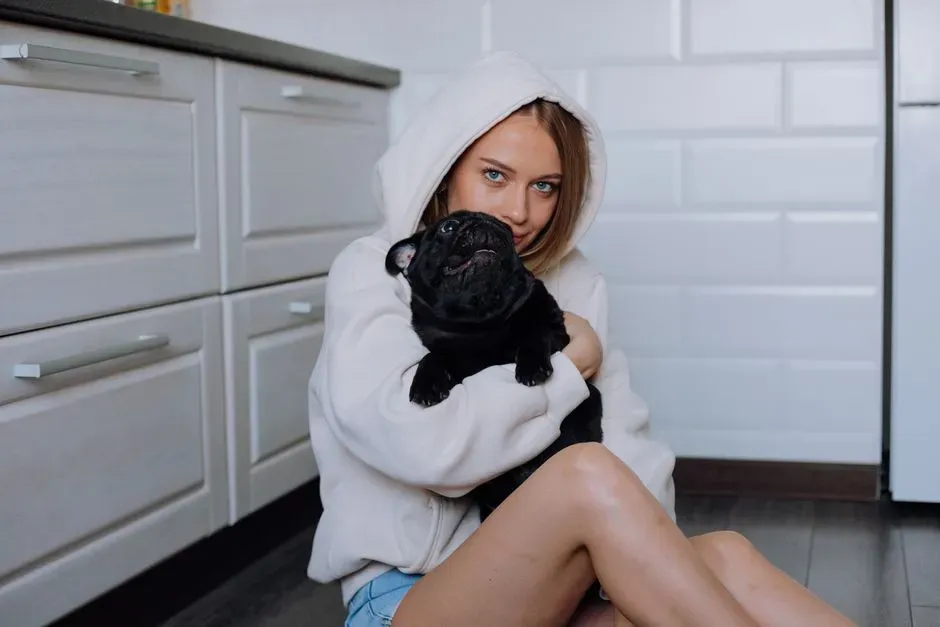
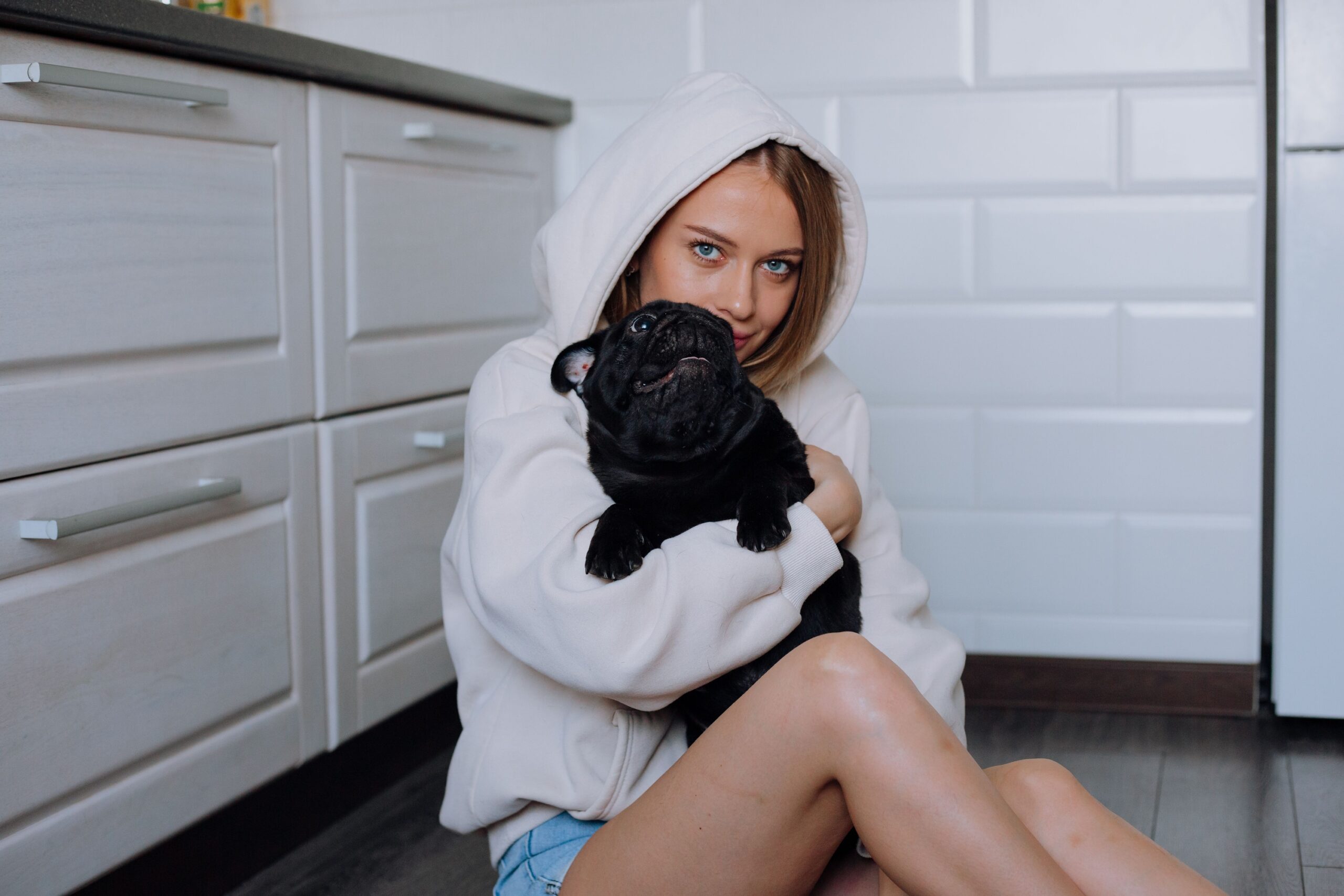
French Bulldogs have exploded in popularity in recent years, and while they are not right for everyone, some counsellors do suggest them for older adults who want affection and companionship without long daily walks. Frenchies are typically very people-focused, happy to cuddle, and often quite funny in their mannerisms. That combination of affection and humor can be powerful medicine when you are grieving.
They are a brachycephalic (short-nosed) breed, which means they can be prone to breathing issues and do not tolerate intense exercise or heat well, so gentle, shorter activities are usually best – a match for many people over 60. The big caution here is health: French Bulldogs can come with significant medical needs if not bred responsibly. If someone chooses this breed, working with a reputable breeder or rescue that prioritizes health screening is crucial. When you do find a healthy Frenchie, though, the bond can be incredibly rewarding; they are like little, snorting shadows that adore being by your side.
Conclusion: The “Best” Dog Is the One That Fits Your Heart, Your Health, and Your Life
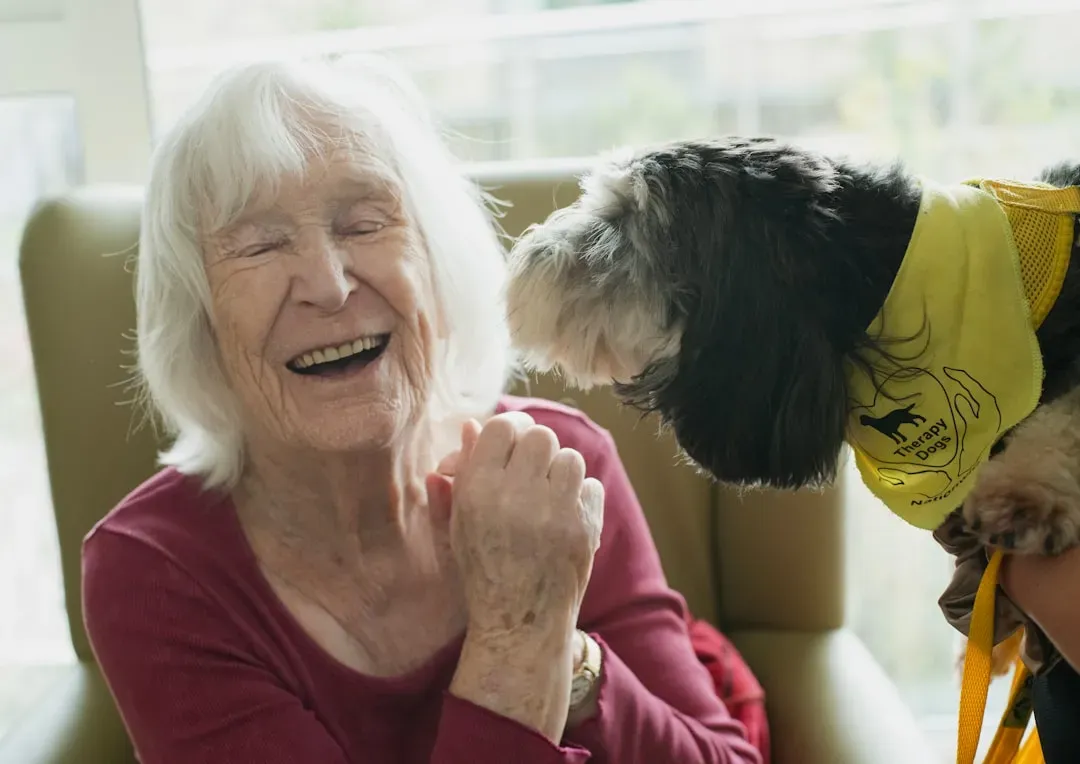
When you are over 60 and grieving a spouse, well-meaning people sometimes rush to suggest quick fixes: a trip, a hobby, a support group. A dog is different. It is not a distraction; it is a relationship. The breeds above – Labs, Cavaliers, Poodles, Goldens, Bichons, Cockers, Shih Tzus, Corgis, and French Bulldogs – come up again and again because they tend, on average, to offer the right mix of affection, manageable exercise needs, and emotional attunement for older adults. But there is no single “correct” choice, and a mixed-breed rescue with the right temperament can be just as healing as any purebred dog.
My honest opinion is this: if you are considering a dog after losing a spouse, the most important questions are not about fashion or status, but about fit. How is your health? How mobile are you? Do you want a dog that pulls you out of the house, or one that warms your lap on the sofa – or a bit of both? Talk with your doctor, your grief counsellor, and a reputable rescue or breeder, and then trust the quiet moment when you meet a dog and something in you softens. The right dog will not erase your loss, but they can walk beside you as you learn to live with it. Which of these breeds, if any, sounds most like the kind of friend you would want on that road?


