
There is something quietly powerful about a small dog curled up beside an older adult. It is not about long hikes, big backyards, or endless games of fetch anymore; it is about gentle company, soft routines, and a reason to smile first thing in the morning. For adults over seventy who cannot walk very far, the right small dog can offer warmth and structure without demanding more energy than the body can give.
But not every little dog is automatically low maintenance. Some tiny breeds are intense athletes, others bark endlessly, and a few need more grooming than many people realize. This guide focuses on small breeds that, on average, tend to suit older adults with limited mobility: dogs that often do well with short, slow walks, indoor play, and plenty of couch time. Every dog is an individual, of course, but if you are looking for a calm, compact companion rather than a marathon buddy, these ten breeds are a smart place to start.
Cavalier King Charles Spaniel
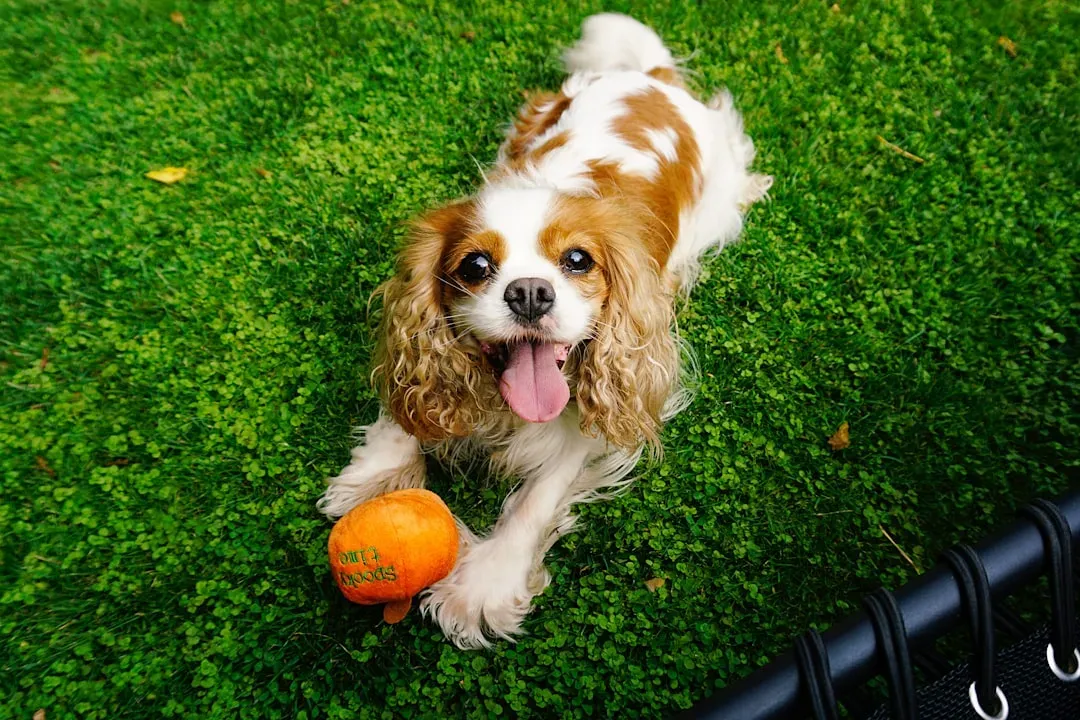
Cavalier King Charles Spaniels are often described as lapdogs with just enough energy to keep life interesting. They usually enjoy short daily strolls and then are perfectly happy to spend the rest of the day napping nearby, making them well suited for adults who cannot walk long distances. Their small size means they are easy to lift, carry to the vet, or help in and out of the car if needed.
What really sets Cavaliers apart is their people‑oriented temperament. Many of them seem less interested in chasing balls and more interested in leaning against your leg or resting their head on your knee. That constant desire to be close can feel incredibly comforting if you live alone or spend a lot of time indoors. The trade‑off is that they benefit from regular grooming and good veterinary care, so they are best for older adults who have family support or a reliable budget for health checks.
Pug
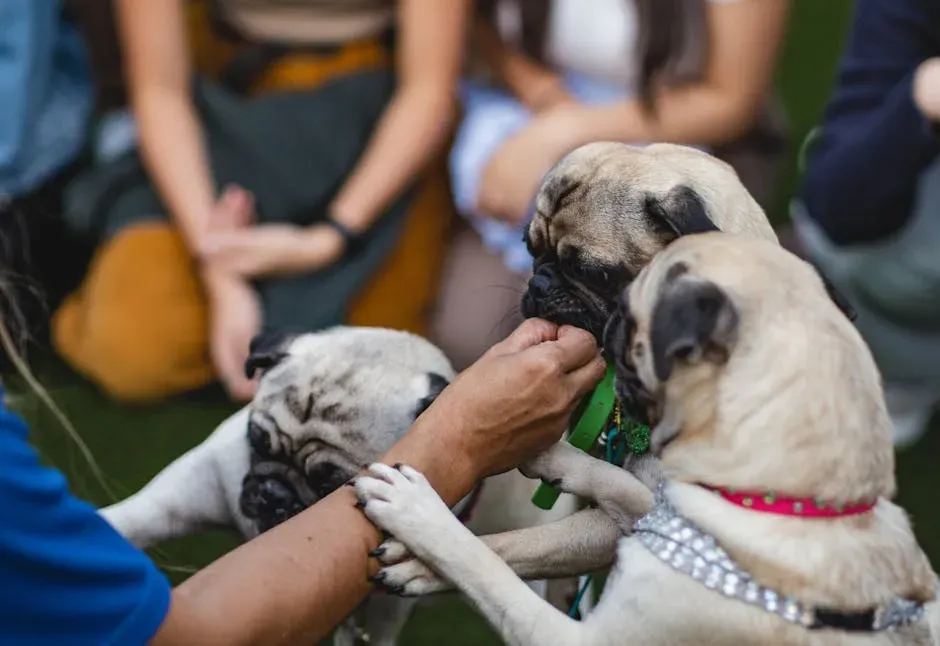
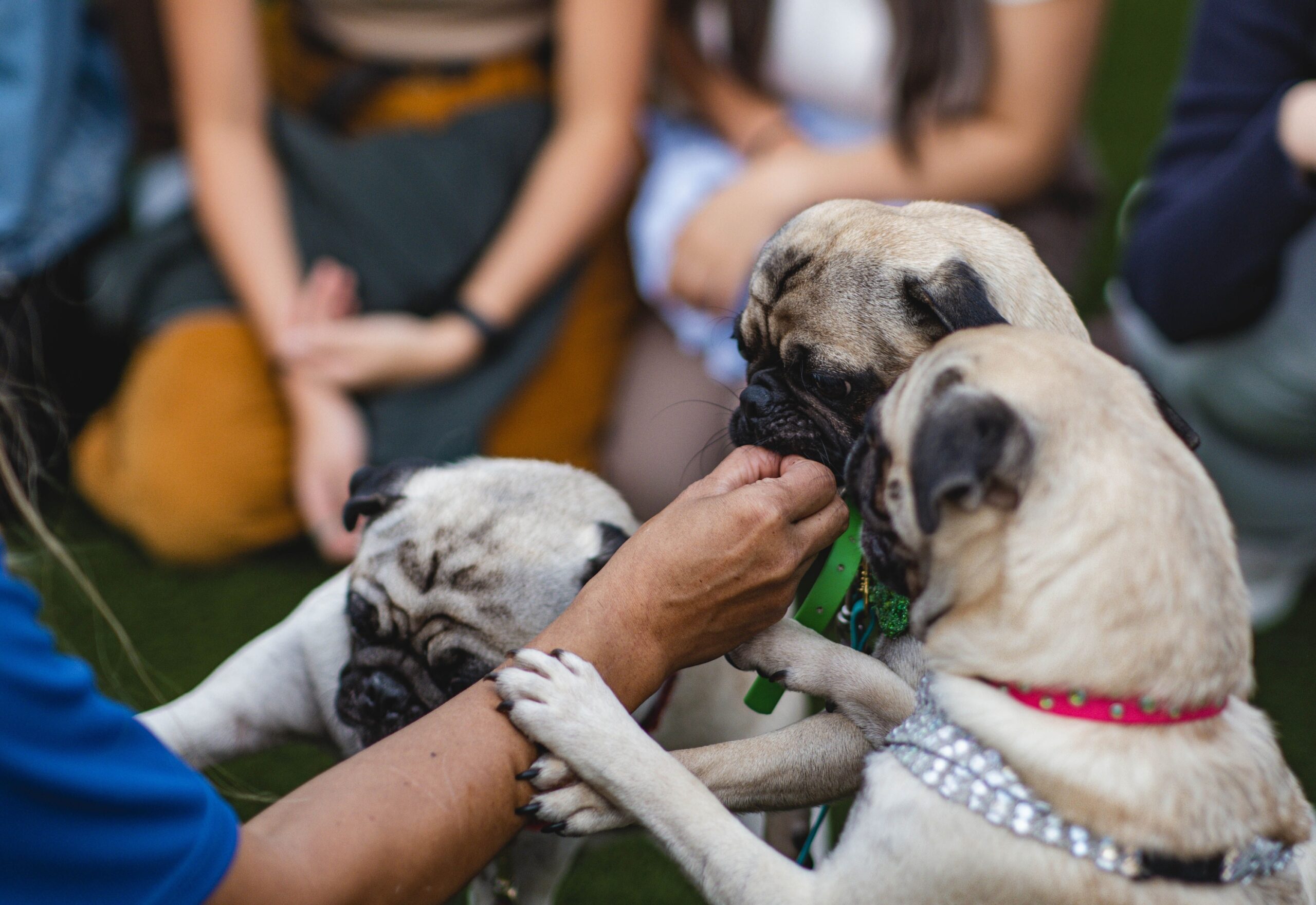
Pugs may look like little clowns, but they are really homebodies at heart. Their short noses mean they are not built for endurance, which in this case is actually an advantage. Most pugs are perfectly content with a leisurely walk around the block and then a long session of snoring on the sofa, making them ideal for someone who cannot be on their feet for very long.
Because they are solid but small, they can fit comfortably in smaller homes or apartments and are relatively easy to handle. They thrive on human companionship and do not typically require complex mental games or intense training sessions to be happy. The one serious consideration is health: pugs can be prone to breathing issues and weight gain, so it helps if there is a family member, neighbor, or vet nurse who can help monitor diet and overall health, even if long walks are off the table.
Shih Tzu
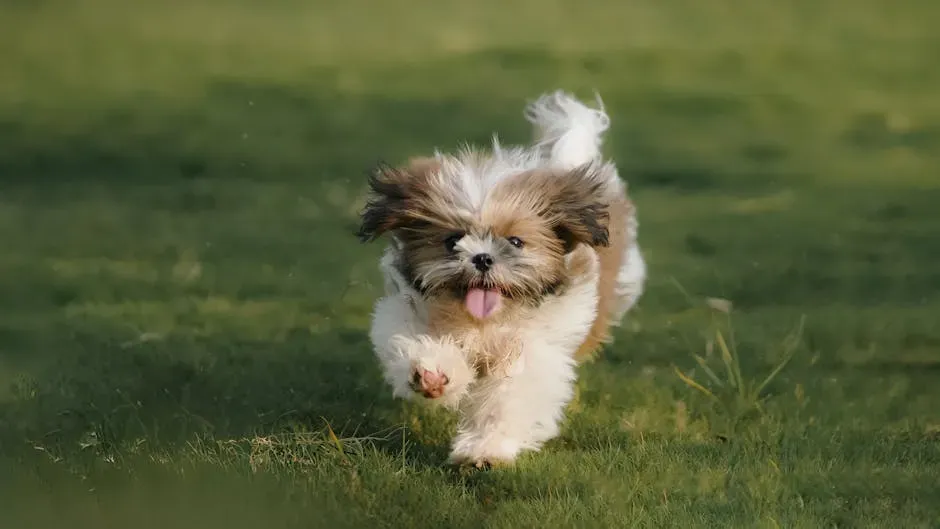
Shih Tzus were literally bred to be indoor companions in palaces, and they still behave like tiny, polite houseguests in many homes today. They generally do not need long exercise sessions; short, gentle walks and a bit of play in the living room are usually enough. That makes them a solid match for older adults who cannot manage hills, long sidewalks, or crowded parks.
On the flip side, their beautiful hair coat does need consistent care. Many older owners choose to keep their Shih Tzu in a shorter “puppy cut,” which makes brushing more manageable and reduces grooming time. If regular grooming is something you or a helpful friend can commit to, you get a dog that is affectionate, often quite cheerful, and surprisingly adaptable to a quieter lifestyle where the main activity is moving from the armchair to the kitchen and back again.
Maltese
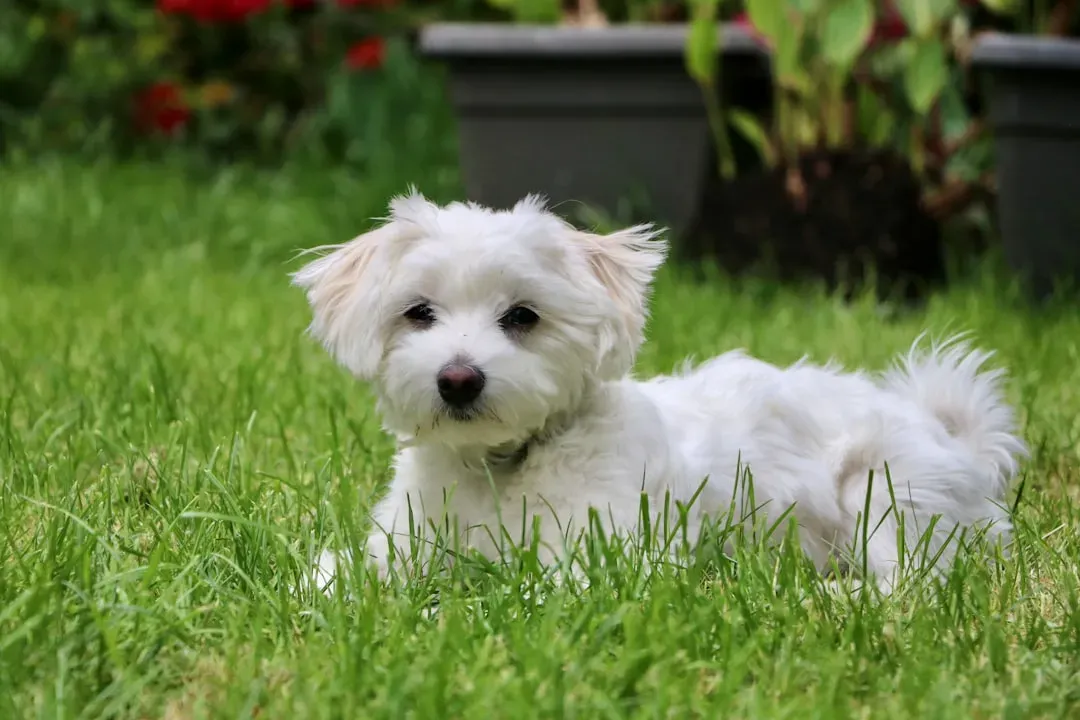
The Maltese is delicate in size but often sturdy in personality, a nice combination for someone who wants a small dog that feels like a real presence in the home. They are light enough to pick up comfortably and small enough to navigate tight spaces without bumping into walkers or furniture. Their exercise needs are modest; a few short outings and some indoor play often keep them satisfied.
What many people love about the Maltese is how tuned in they can be to their person’s routines. They are the kind of dog that will happily follow you from room to room, then snooze quietly while you read, knit, or watch television. Their long white coat can be kept in a shorter trim for easier care, and because they often bond intensely to one or two people, they can be especially reassuring companions for older adults who spend a lot of time at home.
French Bulldog
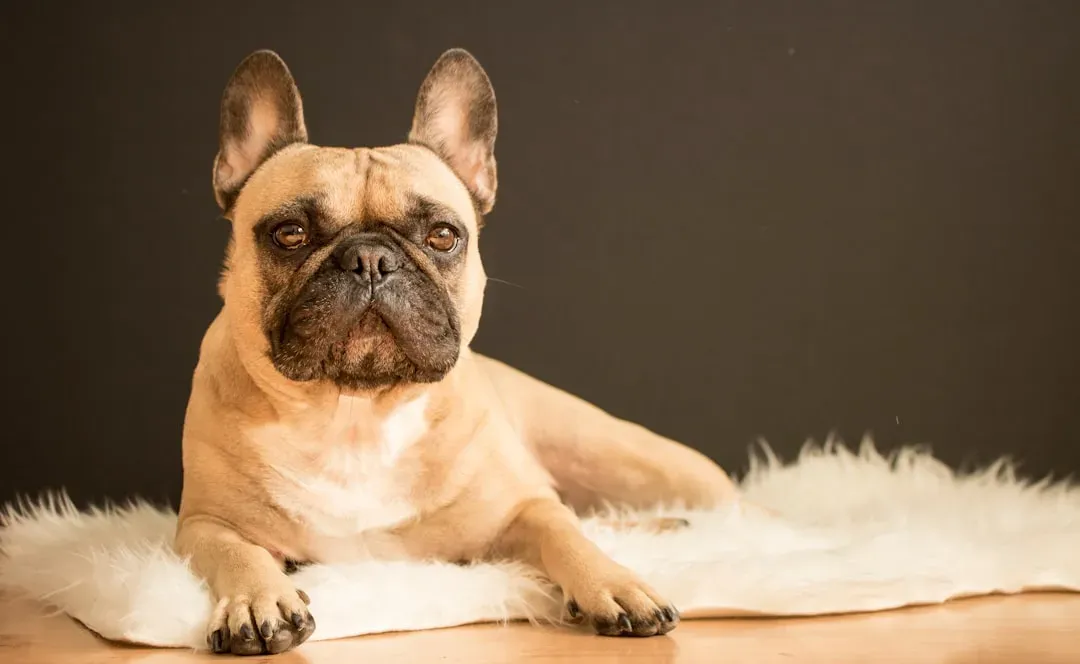
French Bulldogs are compact, sturdy dogs that tend to prefer life at a slower speed. Their stocky build and short muzzle mean they usually are not distance walkers; most do best with brief, relaxed outings and plenty of rest afterward. For adults over seventy, that can be a plus, turning exercise time into a short, predictable routine rather than a long commitment.
Inside, many Frenchies behave like calm, slightly comical housemates. They often enjoy lounging on soft surfaces and staying close to their person without constantly pestering for play. Because they are heavier than some other breeds on this list, they might be less ideal if you have very limited strength for lifting, for example into a car. However, if you prefer a dog that feels solid but is not hyperactive, and you can partner with a vet to stay on top of their breathing and skin health, a French Bulldog can be a charming fit.
Havanese
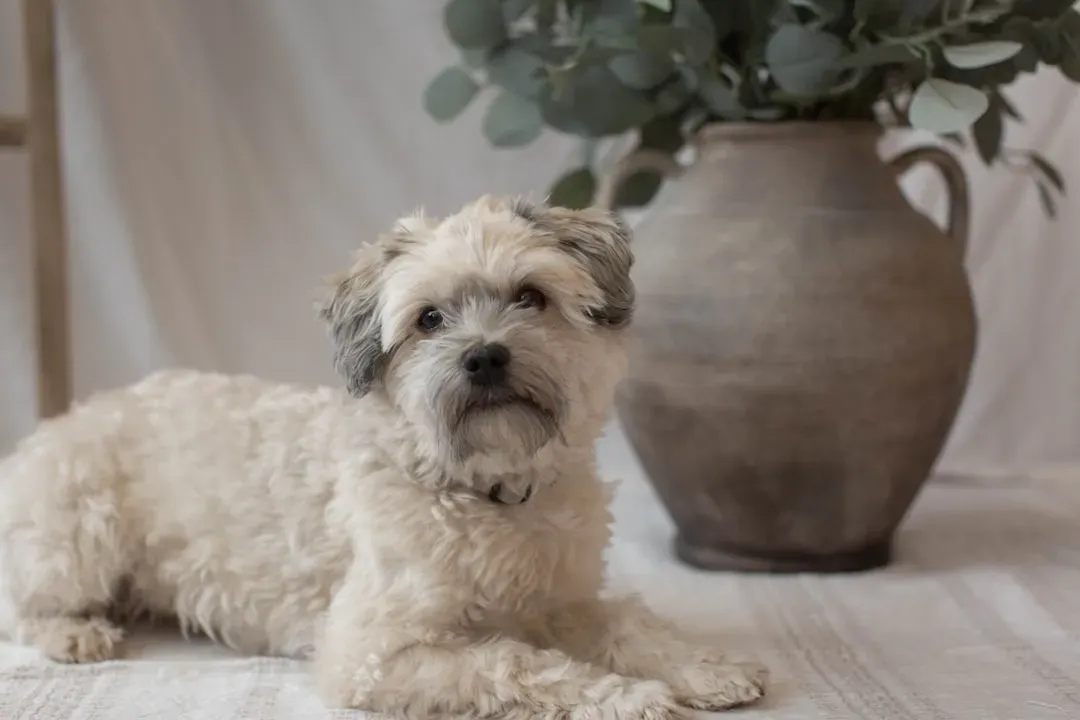
The Havanese is a small, friendly breed often described as bright without being over the top. They typically enjoy short walks and interactive time but do not demand the kind of intense exercise that more athletic breeds crave. For an older adult, that means you can meet most of their needs with light daily walks and indoor games like rolling a ball or practicing a few simple tricks.
Because they were developed as companion dogs, Havanese usually adapt well to living indoors and sticking close to their humans. They are often surprisingly good at matching your energy: if the house is quiet, they are content to rest; if you feel like a short play session, they perk up. Their coat needs regular care, but like other long‑haired breeds, a shorter trim can make maintenance easier. For someone who wants a cheerful, people‑focused dog who can still be calm and cuddly, the Havanese is well worth considering.
Bichon Frise
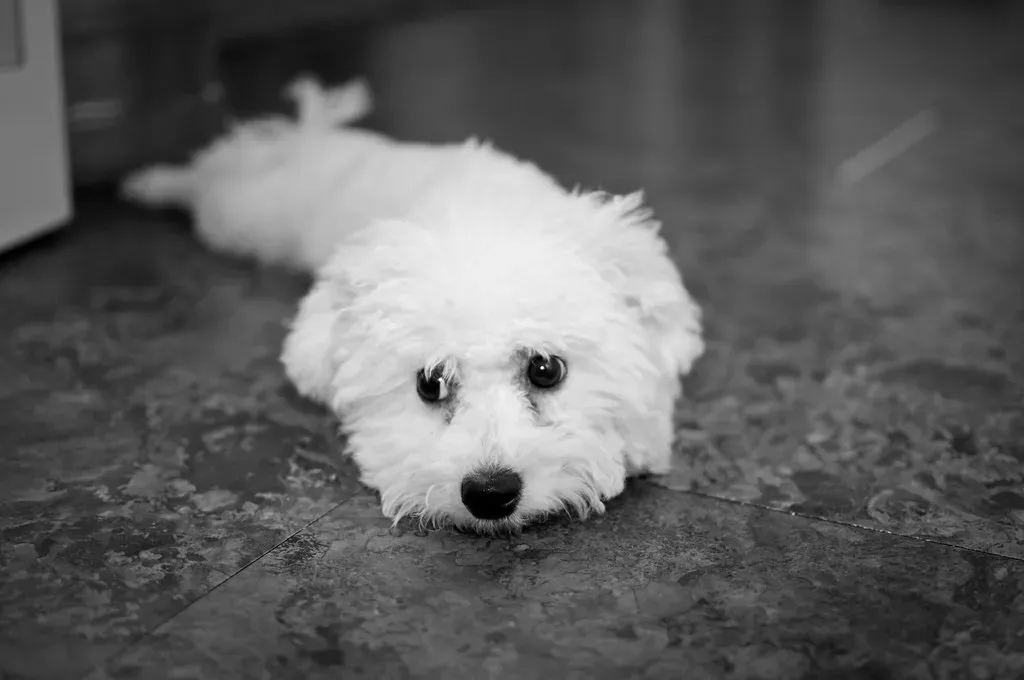
Bichon Frises are small, fluffy dogs known for their generally happy and sociable nature. They are not endurance athletes and usually do well with a few short walks or potty breaks spaced through the day. That rhythm lines up nicely with the habits of many adults over seventy, who may prefer several brief outings rather than a single long trek.
Indoors, a Bichon is often playful but not overwhelming. They enjoy toys, gentle games, and, most of all, being involved in family life. Their curly coat requires regular grooming, often with help from a professional, so it is important to consider budget and support. If grooming is manageable, you get a dog that is generally small enough to handle easily, sociable without being too demanding, and quite content to curl up beside you after a short, slow walk.
Pekingese
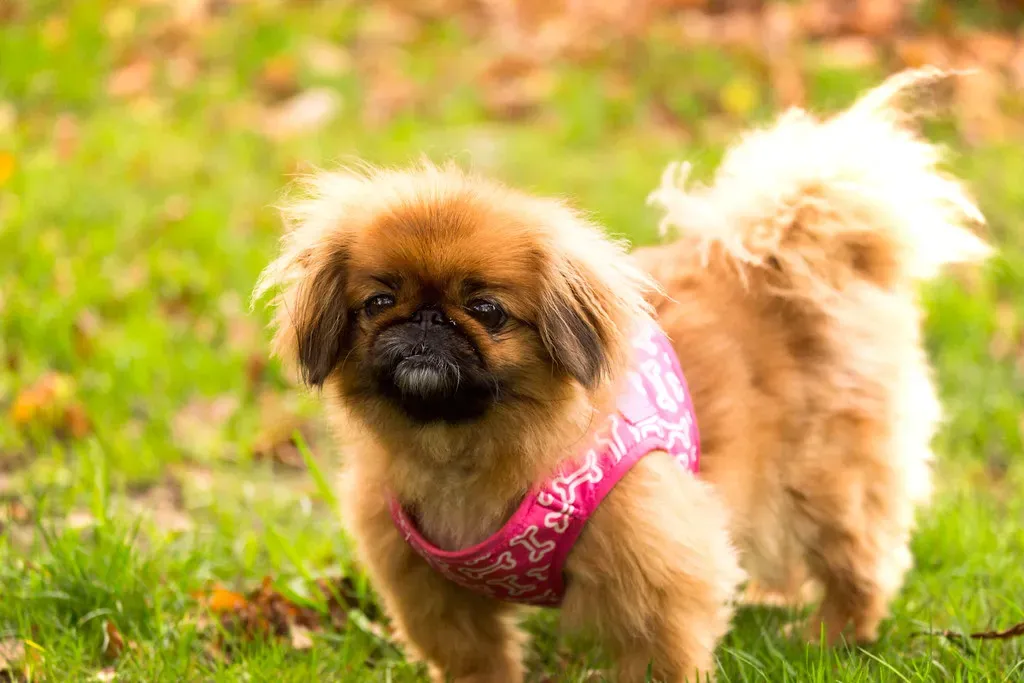
The Pekingese is one of the classic lapdog breeds, bred for a life of quiet companionship rather than physical labor or sport. Their short legs and heavy coat mean they are usually not interested in long walks; in fact, many are happiest with very brief outings several times a day. This can be a real advantage for someone who uses a cane or walker and cannot stay outside for extended periods.
They tend to be independent yet deeply loyal, often forming a strong bond with their primary caregiver. Indoors, they do not typically race around the house, preferring dignified lounging in their favorite spots. Their thick coat and flat face do mean they need help staying cool in warm weather and some regular grooming, but for an adult who values a quiet, somewhat regal little companion who asks for attention more than adventure, the Pekingese fits beautifully.
Chihuahua (Calm Lines and Seniors Only)
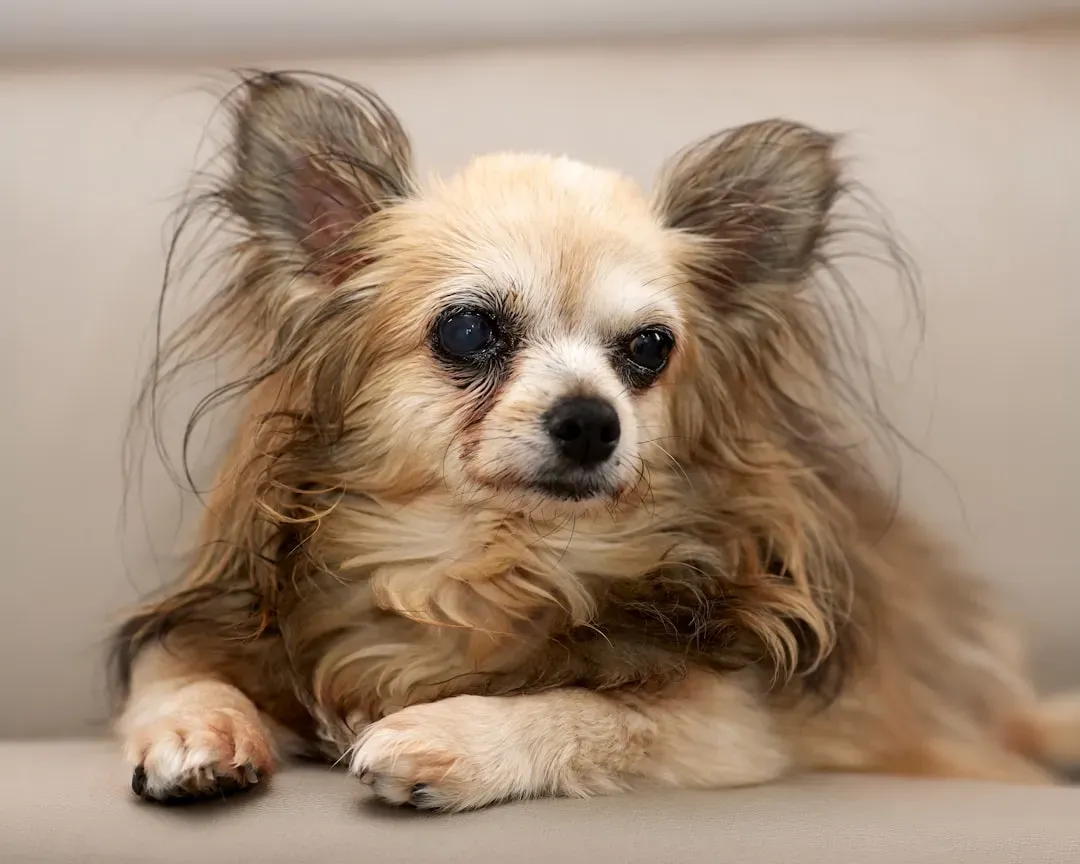
Chihuahuas are often imagined as hyper little dogs, but many older or well‑bred Chihuahuas are actually calm, deeply devoted companions. Their tiny size means even very short walks and indoor play can meet much of their exercise needs, especially as they grow older. For an adult over seventy with limited mobility, simply moving around the home, doing light chores, and having a few short outdoor trips can be enough activity for this breed.
Because they are so small, they are easy to lift, carry in a soft bag, and bring along to family gatherings or vet visits. The key is choosing the right individual: a mellow adult or senior Chihuahua is often a better match than a high‑energy puppy. They are sensitive and tend to bond closely, which can feel wonderful if you want a dog that truly sees you as their main person. With a bit of care around stairs and jumping off furniture, they can be a gentle, low‑effort companion.
Pomeranian (Lower‑Energy Individuals)
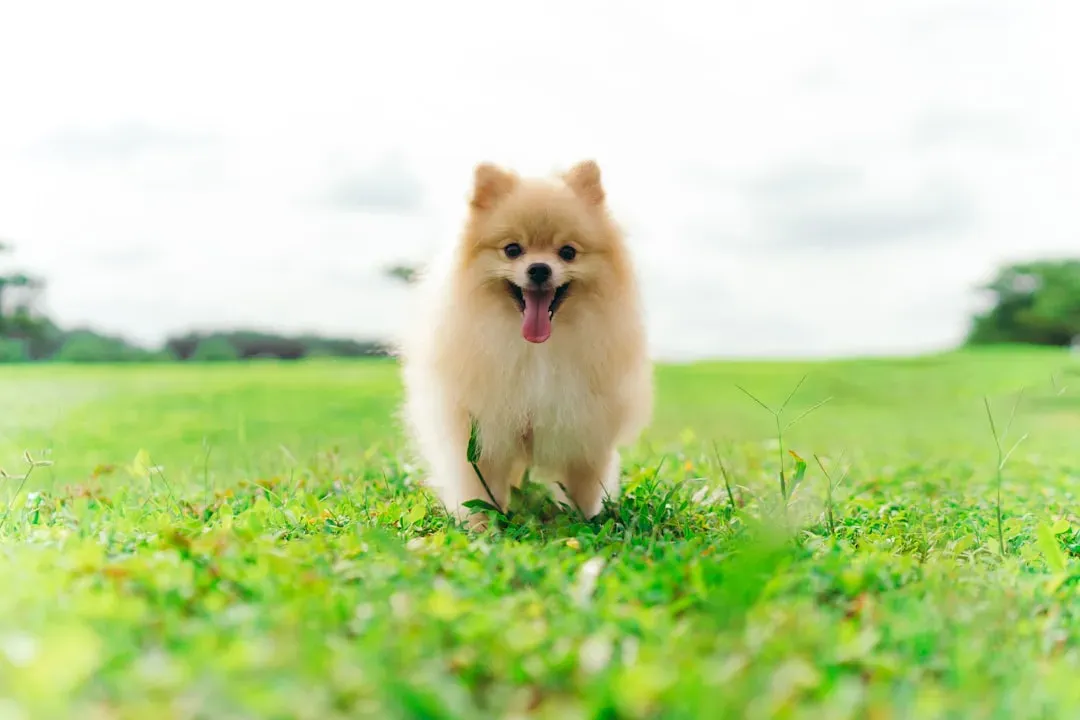
Pomeranians are fluffy, fox‑like little dogs known for their personality in a very small body. While some can be quite busy, many Pomeranians, especially as they mature, are satisfied with modest exercise and a lot of indoor time. Short walks, a bit of play with toys, and the chance to keep an eye on the household are often enough, which can align well with an older adult’s daily routine.
They are light and portable, and their small size makes them easy to manage even if your strength or balance is not what it once was. Their thick double coat needs regular brushing, but in return you gain a companion that brings a bit of cheerful energy into the house without insisting on long hikes or vigorous sports. If you prefer a dog with a spark of attitude who is still physically manageable and happy with short outings, a thoughtfully chosen Pomeranian can be a delightful option.
Conclusion: Choosing the Right Dog Matters More Than the Perfect Breed
Looking at these breeds side by side, a pattern appears: the best dogs for adults over seventy who cannot walk long distances are not the flashiest or the fastest. They are, instead, the quiet specialists of comfort and routine, happy to swap marathons for meandering and dog sports for dozing at your feet. In my view, the real gift they offer is not exercise, but structure, affection, and a sense that you are needed every single day.
At the same time, no list can replace careful, individual choices. Health, age, and personality vary widely even within a single breed, and for many older adults, adopting an already mature dog or involving family in care decisions matters just as much as picking the “right” type. If you match your own energy, mobility, and support system to a dog that naturally enjoys a slower pace, you do not just get a pet; you gain a small, steady heartbeat that makes the house feel alive. Which of these little companions can you picture quietly following you from room to room, turning ordinary days into something a bit warmer and less alone?


