

Some dogs quietly fit your life and your wallet; others are like driving a luxury car that lives in your house, eats premium fuel, and occasionally redecorates your sofa. Picking the right breed is not just about big eyes and a wagging tail – it is about vet bills, grooming, food, training, and how much time and energy you are willing (and able) to pour into them.
I still remember looking at a gorgeous giant-breed puppy and thinking, this is love – right up until I saw the price of the food bag that would last him about two weeks. That is why breaking down which breeds tend to be more “worth it” over the long haul, and which ones commonly come with higher financial and lifestyle costs, can save you a lot of stress, money, and possibly heartbreak down the line.
Labrador Retriever: The Reliable All‑Rounder

It is almost boring how often Labradors show up on lists of great family dogs, but there is a reason for that. Labs are typically healthy, sturdy, and versatile, and while no dog is cheap, you often get a lot of value for what you spend: a friendly temperament, trainability, and the ability to thrive in many types of homes if they get enough exercise.
Most Labs have relatively simple grooming needs and a strong genetic base from responsible breeders, which can help reduce the chances of some serious health issues. They do shed a lot and need plenty of activity, but if you are active and consistent with training, their long-term maintenance tends to feel very fair for what you get back in affection, companionship, and reliability.
Mixed‑Breed Rescue Dogs: Budget‑Friendly With Big Hearts

Adopting a mixed‑breed dog from a shelter or rescue is often one of the most cost‑effective ways to bring a dog into your life. Adoption fees usually include vaccinations, spay or neuter, and an initial health check, which can be far less expensive than buying a puppy and paying for all those treatments yourself.
On top of that, many mixed‑breed dogs have a wider genetic mix, which can sometimes mean fewer inherited health conditions compared to certain pure breeds that have very narrow gene pools. Of course, nothing is guaranteed, but from a value standpoint, a good rescue dog can give you everything: loyalty, love, and years of companionship, without the luxury price tag.
Beagle: Small Dog, Manageable Costs

Beagles are often appealing because they are a small to medium size, which can immediately help with food and medication costs compared to larger breeds. Their short coat is relatively easy to care for, which means you are less likely to be spending on frequent professional grooming appointments.
They can be prone to ear issues and weight gain, but with regular ear checks and controlled feeding, these are usually manageable. The biggest “cost” with a Beagle is often time and patience for training, because that nose can send them into selective hearing mode; still, for many people, the joy of that friendly, merry little dog is absolutely worth it.
Border Collie: High Value for Active, Committed Owners

If you measure value in terms of intelligence, trainability, and performance, Border Collies are almost off the charts. They excel in sports, tricks, and advanced training, so the “return” you get on time invested is huge, especially if you enjoy mentally challenging your dog.
The flip side is that these dogs need serious daily exercise and mental work, but if you already live an active, outdoorsy lifestyle, those needs can slot into what you are doing anyway. Veterinary costs can be fairly typical for a medium‑sized dog, and their grooming is manageable with regular brushing, making them feel like a bargain for the right home that can keep up with their brains and energy.
Boxer: Big Personality, Fair Long‑Term Costs

Boxers are often described as clowns in dog form, and that playful personality can make every day more entertaining. They are medium to large dogs, so food and basic care are not tiny expenses, but their short coat means you are unlikely to be paying for complicated grooming routines.
They can have some breed‑related health risks, so choosing a reputable breeder who screens carefully is important. When you do, many owners feel the joy, loyalty, and energetic companionship of a Boxer more than justify the costs, especially if you want a dog that is affectionate, people‑oriented, and always ready for a game.
Standard Poodle: Smart, Stylish, and Surprisingly Sensible

Standard Poodles can look like a luxury breed, but from a practical standpoint, they offer a lot of advantages that make them “worth it” for many families. They are highly intelligent and trainable, often excel in dog sports, and their non‑shedding coat can be a big plus for people who dislike constant fur around the house.
The big recurring expense is grooming, since that coat needs regular professional care if you are not clipping it yourself. Still, when you consider the reduced shedding, their athleticism, and their reputation for good longevity when responsibly bred, a Standard Poodle can be an excellent long‑term investment in a companion that feels both elegant and practical.
Whippet: Low‑Maintenance Elegance

Whippets are often overlooked, but they can be absolute gems for people who want a gentle, calm dog indoors with a burst of speed outside. Their slim build and moderate size keep food costs on the lower side, and their short, fine coat is one of the easiest to maintain of any breed.
They typically need a warm, comfy place to sleep and protection from extreme cold, but otherwise their day‑to‑day care is pretty straightforward. Vet costs are comparable to many other medium‑sized dogs, and when you add in their usually sweet nature and sofa‑loving personality, they often feel like a very efficient mix of grace and low‑maintenance living.
Staffordshire Bull Terrier (Staffy): Big Love in a Compact Package

Staffies are compact, muscular dogs that are deeply people‑oriented and can be incredibly affectionate companions. Their size keeps basic costs like food and medication relatively manageable compared to giant breeds, and their short coat is easy to care for without expensive grooming.
The main “investment” with a Staffy is typically in training and socialization, as their strength and enthusiasm need clear guidance. When owners commit to that, many feel they get enormous emotional value and loyalty in return, making the breed feel like a solid, if sometimes misunderstood, bargain.
Miniature Schnauzer: Compact, Sturdy, and Family‑Friendly

Miniature Schnauzers offer a nice balance: small enough to fit comfortably in many living situations, yet robust enough to keep up with active families. Their alert, engaging personality and tendency to bond closely with their humans make them feel like a lot of dog in a relatively small body.
They do require regular grooming to manage their wiry coat and characteristic beard, which is a recurring cost to factor in. However, their generally good longevity and adaptability help spread those costs out over many years of companionship, so many owners see them as well worth the ongoing care.
Mixed‑Breed Seniors and “Overlooked” Dogs: Emotional ROI Off the Charts

Older dogs, larger mixes, and breeds with unfair reputations are often passed over in shelters, but they can offer some of the best emotional “value” you will ever experience. Adoption fees are often reduced for senior dogs, and many already have basic training and calmer energy levels, which can mean fewer destroyed shoes and less chaos.
Yes, a senior dog may come with more frequent vet visits, but you also skip the costly, intensive puppy phase and instead enjoy a companion who often just wants a soft bed and your company. For people who want to do something truly meaningful and are prepared for the emotional side of a shorter time together, these dogs often give back more love than you ever expected.
French Bulldog: Trendy but Potentially Costly

French Bulldogs are everywhere on social media, and their compact size and expressive faces make them incredibly appealing. However, that popularity has driven intense demand, which often pushes purchase prices very high, especially for certain colors and “rare” looks.
On top of that, as a flat‑faced breed, they can be prone to breathing issues and other health concerns that may require specialized veterinary care or even surgery. When you add the initial cost to the potential for ongoing medical expenses, the total investment can stretch many budgets far more than their small size suggests.
English Bulldog: Charming, But Maintenance Heavy

English Bulldogs have a devoted fan base because of their gentle, often comical personalities and unmistakable appearance. Unfortunately, that distinctive look comes with significant risk of health issues, including breathing problems, skin infections, and joint concerns that may require frequent vet visits and sometimes expensive procedures.
The purchase price for a well‑bred Bulldog is often high, and insuring them can also cost more due to their known health risks. For people who absolutely adore the breed and are financially prepared, the love can outweigh the expense, but for many households, the likely long‑term costs make this a challenging choice to afford comfortably.
Great Dane: Giant Heart, Giant Bills
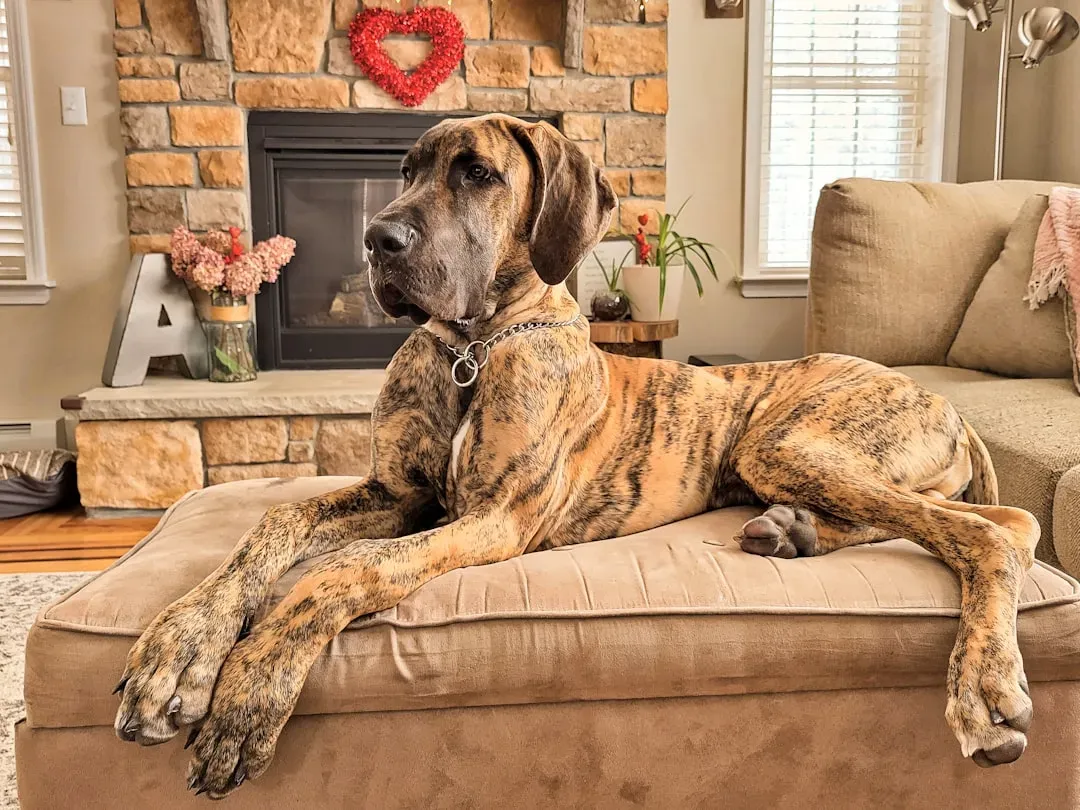
Great Danes are often described as gentle giants, and living with one can feel like sharing your home with a soft‑hearted horse. Their calm, affectionate nature and strong bond with their people make them unforgettable companions.
However, everything about a giant breed costs more: food, medications, orthopedic beds, crates, and even surgery if needed. On top of that, many large and giant breeds have shorter lifespans and a higher risk of certain conditions like bloat, which can be a medical emergency. The emotional rewards are huge, but so are the financial and practical demands.
Bernese Mountain Dog: Gorgeous, But Often Short‑Lived

Bernese Mountain Dogs almost look like living teddy bears, and their gentle, family‑oriented nature makes them incredibly appealing. Many people fall in love at first sight with that tri‑colored coat and soft expression.
The harsh reality is that this breed is known for relatively short lifespans and a higher risk of serious health issues, including certain cancers. Vet bills can add up quickly, and the heartbreak of losing a beloved companion sooner than expected is its own heavy cost. For some, the beauty and temperament are worth it, but it is important to go in with very clear, open eyes.
Chow Chow: Independent Spirit, Intensive Grooming
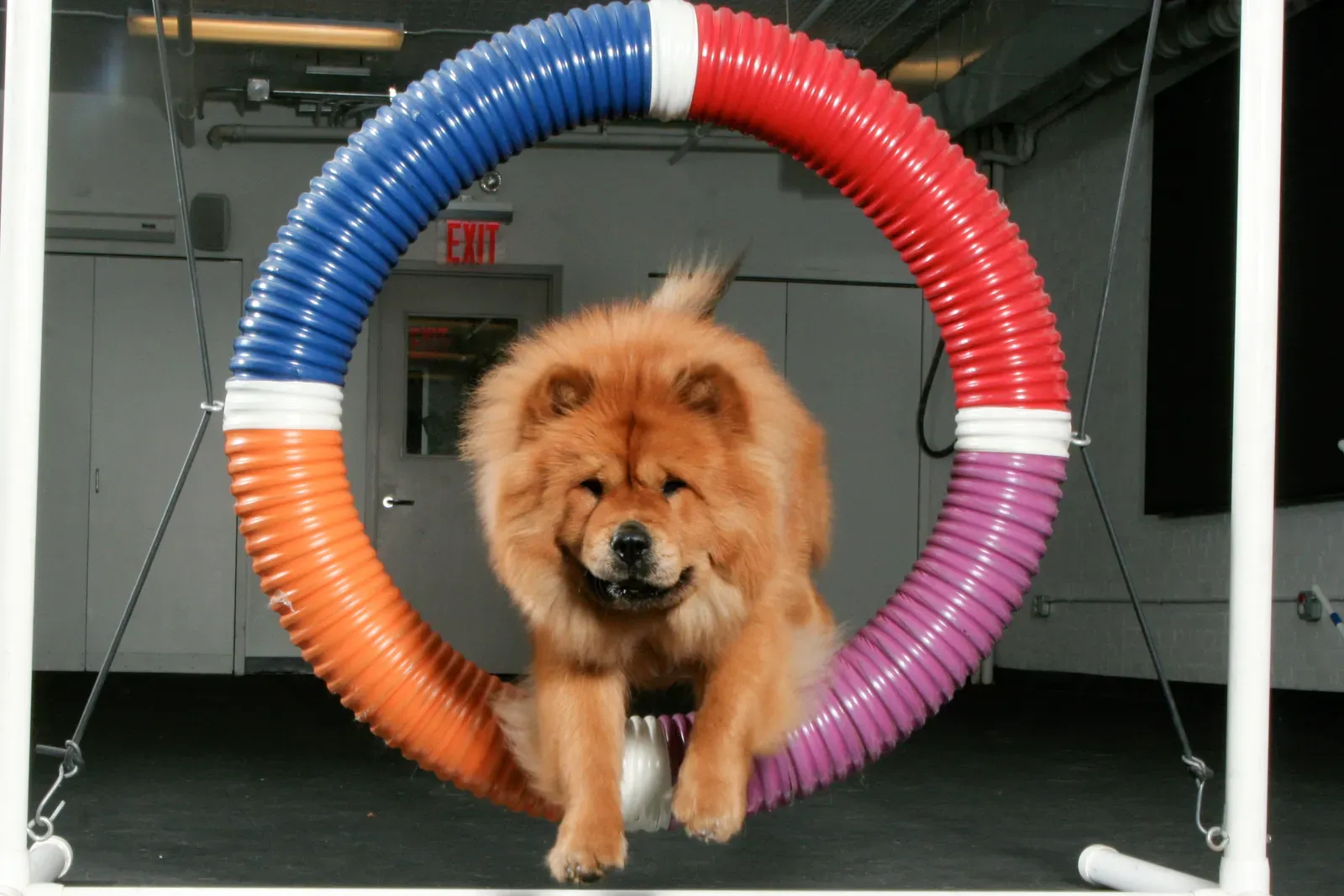
Chow Chows have a unique lion‑like appearance and a self‑contained, cat‑like demeanor that some people absolutely love. But that thick double coat needs regular, thorough grooming to prevent matting and skin problems, which often means frequent, specialized grooming visits that are not cheap.
They also tend to be independent and sometimes reserved, which can require experienced handling and thoughtful training to prevent behavior issues. Combined with potential health concerns like joint problems and eye conditions, the total package can become more expensive and demanding than many first‑time owners expect.
Akita: Impressive Looks With Demanding Needs

Akitas are striking dogs with a powerful build and a noble presence that turns heads wherever they go. Their loyalty can be intense, and in the right hands they can be deeply devoted companions.
However, they are strong, independent, and can be challenging to manage without solid, consistent training and socialization. Their size also pushes up costs for food, equipment, and any medications or treatments they need over their lifetime. For many households, that combination of expense and experience required makes them a breed that can quietly strain the budget and the nerves.
Conclusion: Value Is More Than a Price Tag

When you step back, the breeds that feel “worth every penny” usually have a few things in common: solid odds of good health when responsibly bred, manageable grooming, and a temperament that fits your actual lifestyle, not the fantasy version of it. Meanwhile, the breeds that tend to stretch budgets often pair high upfront costs with increased risks of medical or grooming expenses that keep stacking up year after year.
My own bias leans heavily toward mixed‑breed rescues and hardy, proven companions like Labradors and Whippets, because they so often deliver a massive emotional return without quietly draining your savings. That said, if someone chooses a more expensive, high‑maintenance breed with full awareness and a realistic plan to care for them, that can still be a responsible, loving choice. In the end, the real question is not just which dog you want, but which dog you can truly afford to love well for their whole life – so which side of that line do you think your dream breed falls on?


