
You look at a tiny, fluffy kitten and think, how expensive could this really get? At first, the adoption fee or breeder price feels like the big hurdle. But with some cat breeds, the purchase cost is just the opening act. The real surprise comes later, in vet bills, grooming, special diets, and the hundred little extras you never saw coming.
I say this as someone who once thought a “fancy” cat just meant prettier Instagram photos and maybe a nicer brush. Then I watched friends sink thousands into medical care for breeds they adored but honestly weren’t prepared for. Loving these cats can be deeply rewarding, but going in with open eyes is the difference between a joyful companion and a financial stress spiral.
Persian: The High-Maintenance Beauty With Hidden Vet Bills
Persians are often the first cats people picture when they think of luxury: big round eyes, flat faces, long silky fur. What many new owners do not realize is that these exact features are tied to a higher risk of health issues that can quietly drain your savings. Their flat, brachycephalic faces are associated with breathing difficulties, eye problems, and dental crowding that may require repeated veterinary attention over their lifetime.
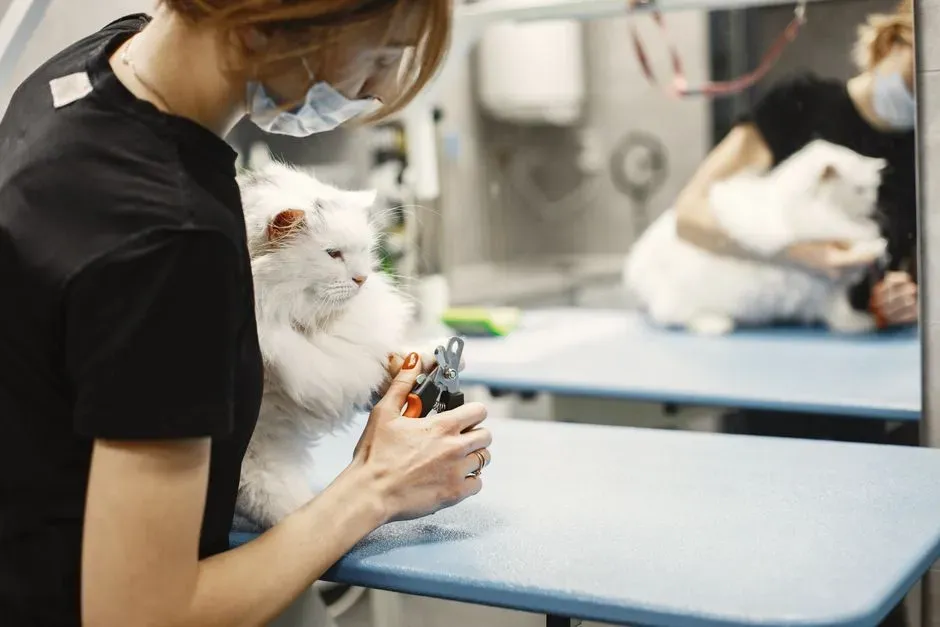
On top of that, their iconic coat is not just for show; it is a full-time job. Daily brushing, regular professional grooming, and dealing with matting or skin infections if grooming slips can get expensive very quickly. If you add potential surgeries for eye issues, dental work, or airway problems, the Persian suddenly shifts from “cute fluff ball” to “long-term financial commitment” before you even realize what happened.
Maine Coon: The Gentle Giant With Giant Costs
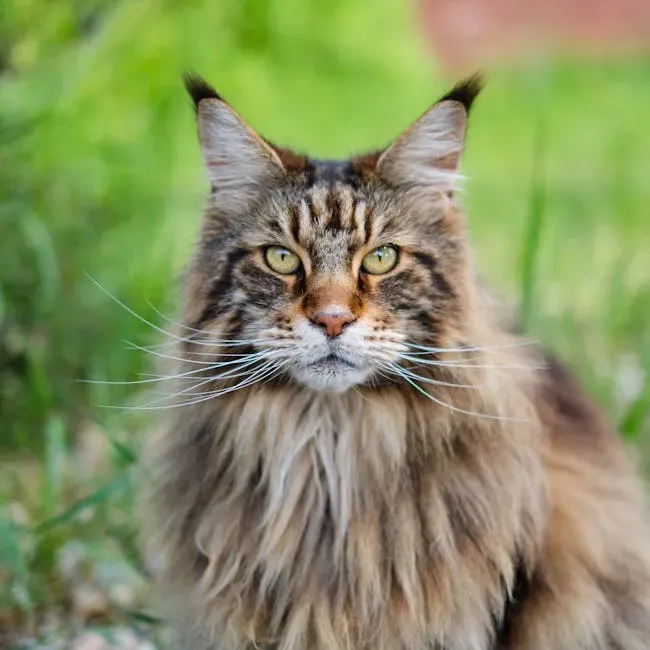
Maine Coons are adored for their size, friendliness, and dog-like personalities; they are the social butterflies of the cat world. But their large frame comes with a higher risk of joint and heart issues, especially hypertrophic cardiomyopathy, a common inherited heart disease in larger breeds. Regular heart screenings and possible long-term medication can turn into steady, recurring costs that stack up over the years.
They also eat more than the average house cat and benefit from high-quality, joint-supportive food to keep that big body in good shape. Add in their thick, semi-long fur that often needs professional grooming and the reality that bigger cats can incur higher costs for surgeries and procedures, and suddenly your gentle giant is also a budget giant. People fall in love with their personalities, and honestly, it is easy to see why – but their lifetime cost is rarely “average.”
Sphynx: Hairless… but Definitely Not Maintenance-Free
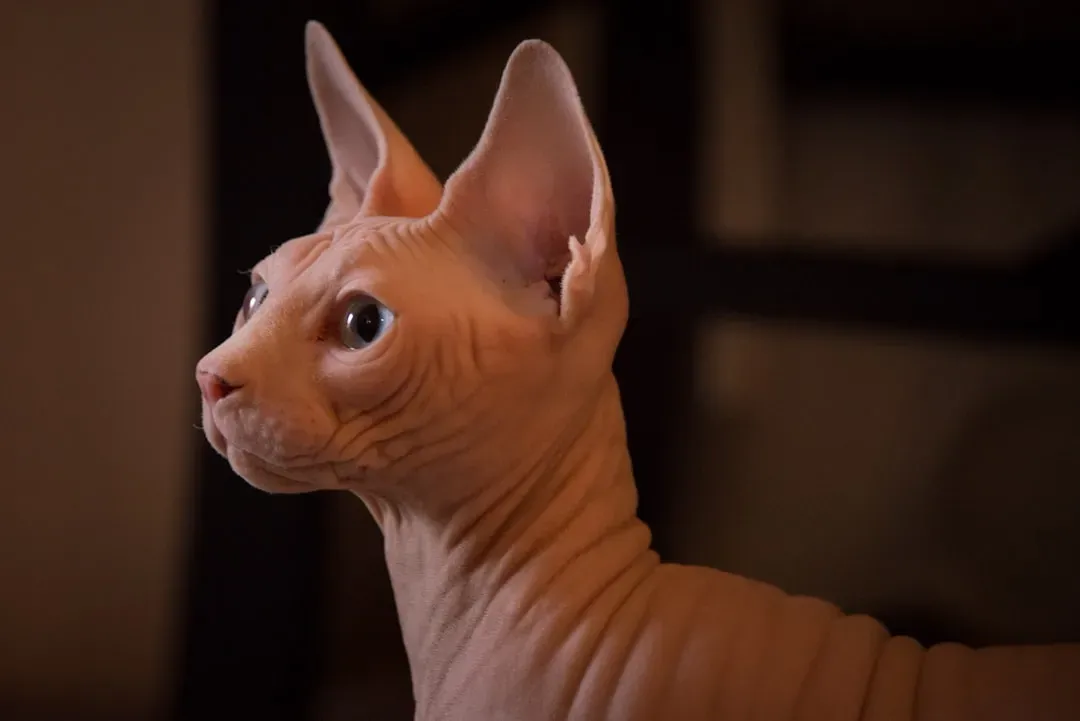
The Sphynx is one of the most striking cats you can bring home, and the lack of fur tricks many people into thinking “less shedding, less trouble.” The opposite is often true. Their skin produces oils like any other cat, but without fur to absorb those oils, they build up on the skin, requiring regular baths. Professional grooming, special hypoallergenic shampoos, and skin care add up surprisingly fast.
They are also more prone to temperature sensitivity and sometimes heart conditions, again particularly hypertrophic cardiomyopathy in certain lines. Keeping them warm with heated beds, clothing, and careful climate control in your home may sound cute, but it can quietly turn into an ongoing expense. Plus, because they are a fashionable, niche breed, ethical breeders often charge a premium upfront, and insurance companies may price policies higher due to known health risks.
Ragdoll: Laid-Back Lap Cat With Potentially Pricey Health Needs
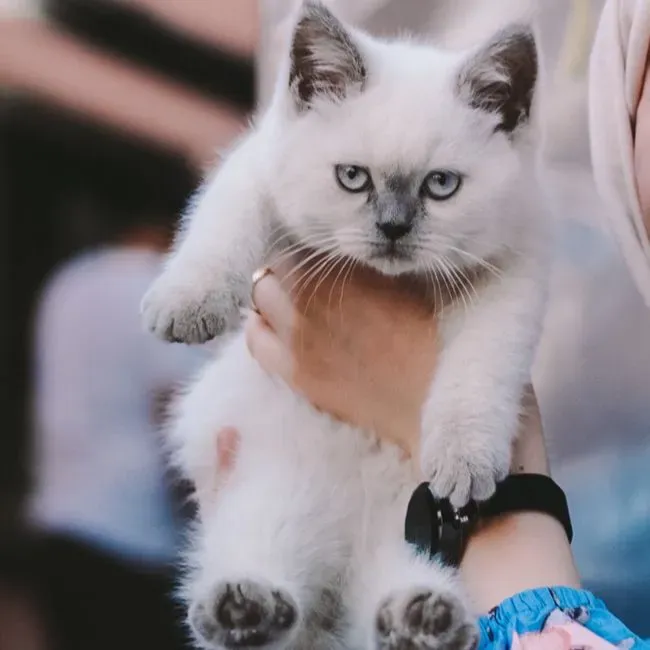
Ragdolls charm people with their relaxed temperament and tendency to go limp in your arms, which is where their name comes from. They are affectionate, easygoing, and often great with families. However, this softness hides a few serious health vulnerabilities, especially heart conditions and some joint issues that can appear as they age. Routine screenings, plus the possibility of emergency care if symptoms appear suddenly, can get costly.
Because Ragdolls are large and somewhat less active than many breeds, weight gain is a real concern. Obesity in cats intensifies the risk of diabetes, arthritis, and other chronic conditions that demand long-term medication and regular vet visits. High-quality, carefully portioned food and sometimes prescription diets may become part of their normal routine. So while they look like plush toys, they live like delicate investments that need close, ongoing care.
Bengal: The Wild-Looking Athlete That Needs More Than Just a Toy Mouse
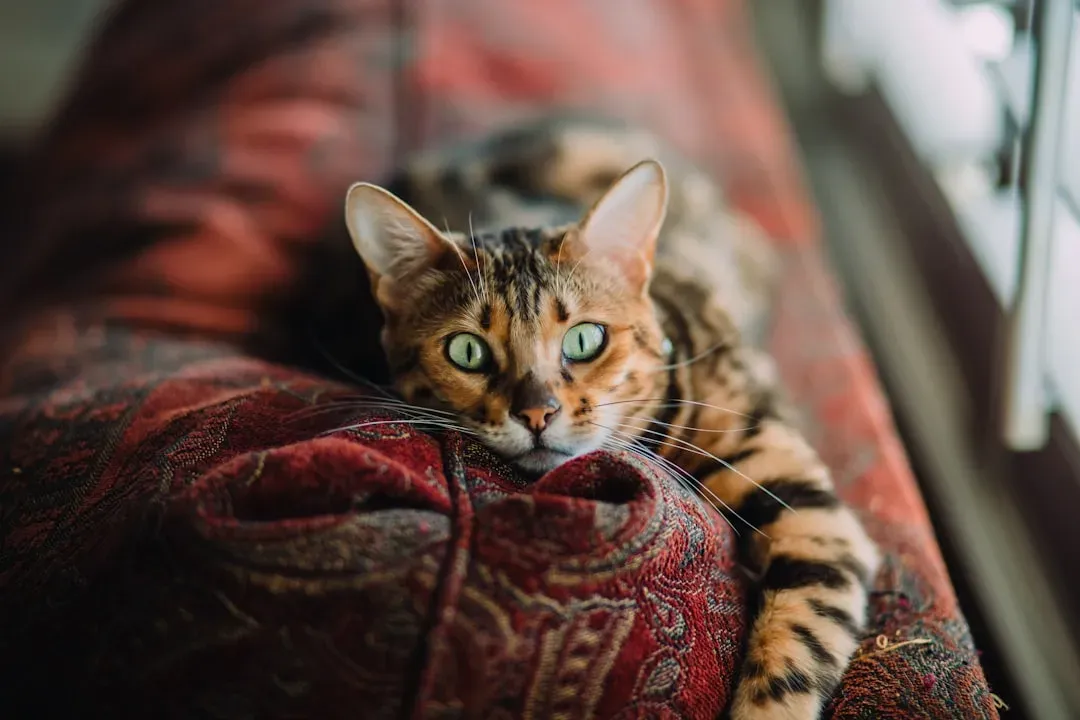
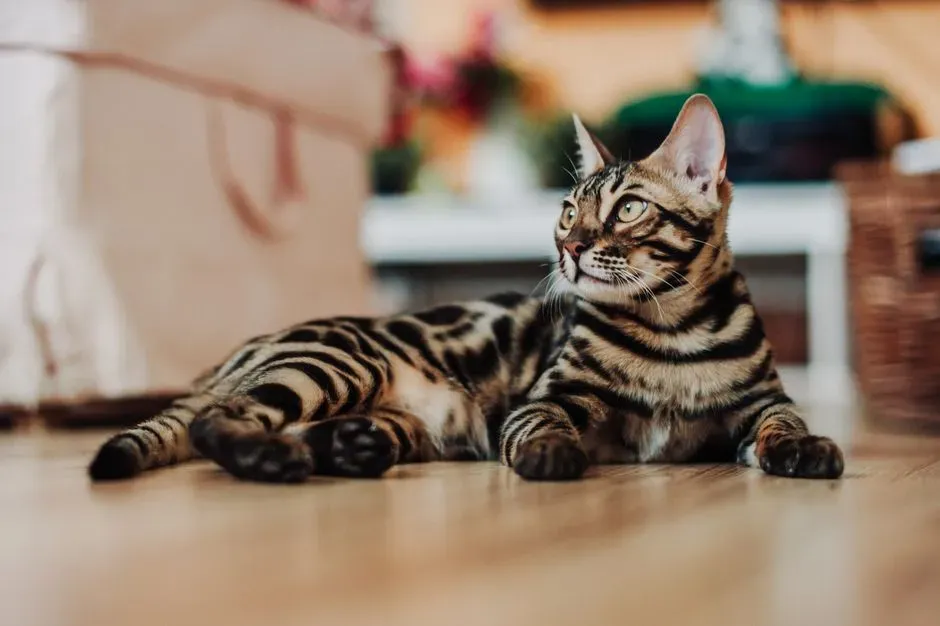
Bengals look like tiny leopards, and that exotic appeal often comes with an exotic price tag. Reputable breeders invest heavily in genetic testing and responsible breeding practices, which drives the initial purchase cost up. But the real financial surprise starts when you realize how much stimulation, space, and environmental enrichment they truly need to stay healthy and sane. Under-stimulated Bengals can develop behavioral issues that may require consultation with trainers or feline behaviorists.
They are also highly active and athletic, which can be great fun but sometimes leads to more injuries or stress-related conditions if their environment is not adequate. Scratching posts, tall cat trees, elaborate climbing systems, puzzle feeders, and interactive toys are not luxuries for Bengals; they are close to necessities. When you factor in potential food allergies or digestive sensitivities that some Bengals experience, you can end up paying extra for specialized diets and more frequent vet checkups.
Scottish Fold: Cute Folded Ears With a Serious Skeletal Catch
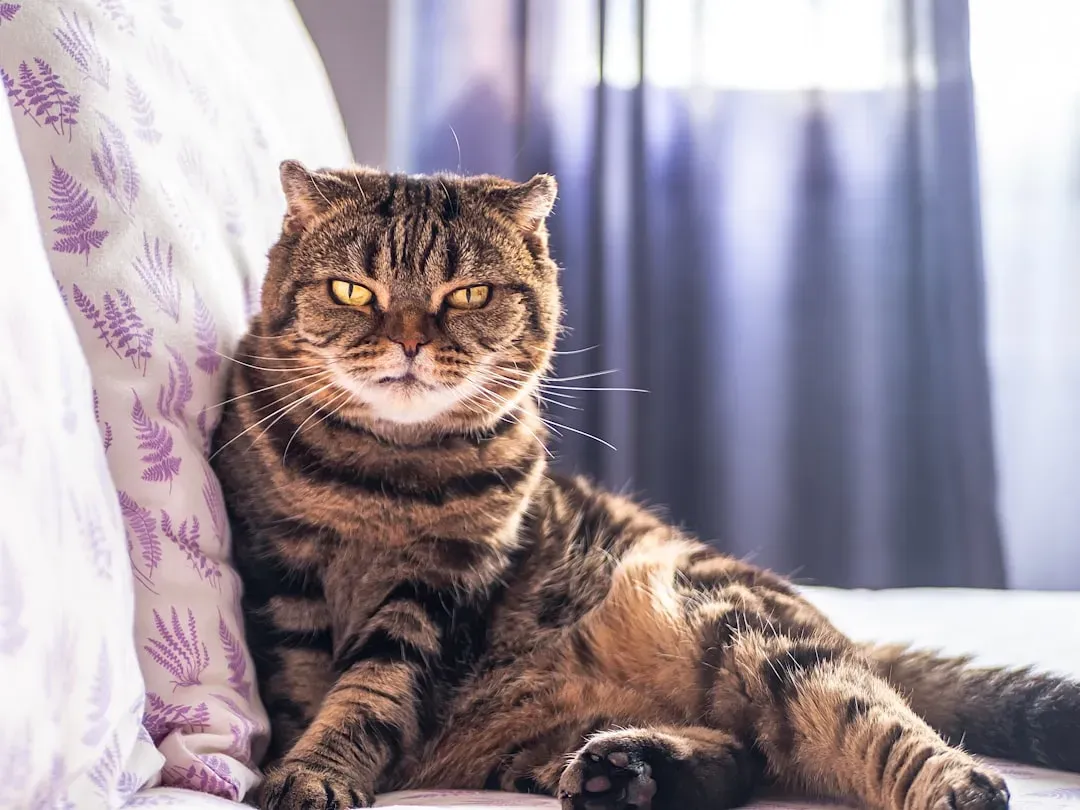
The Scottish Fold is one of those breeds that looks almost unreal, with its folded ears and round face giving a permanently surprised expression. That cuteness has a steep and often hidden price. The same gene that causes the ear fold is commonly linked to cartilage and bone issues, particularly painful joint disease and arthritis, sometimes starting relatively early in life. Managing chronic pain in a cat can involve ongoing medications, diagnostics, and mobility-supportive products.
Because of these welfare concerns, many veterinarians urge people to think carefully before choosing this breed, and in some places, there are active ethical debates about whether they should be bred at all. If you already love and live with a Scottish Fold, you may find yourself needing regular orthopedic assessments and possibly more advanced imaging like X‑rays or scans. Those costs do not show up on the cute kitten photos, but they can dominate the budget later on.
British Shorthair: The Teddy Bear Cat With Big-Boned Expenses
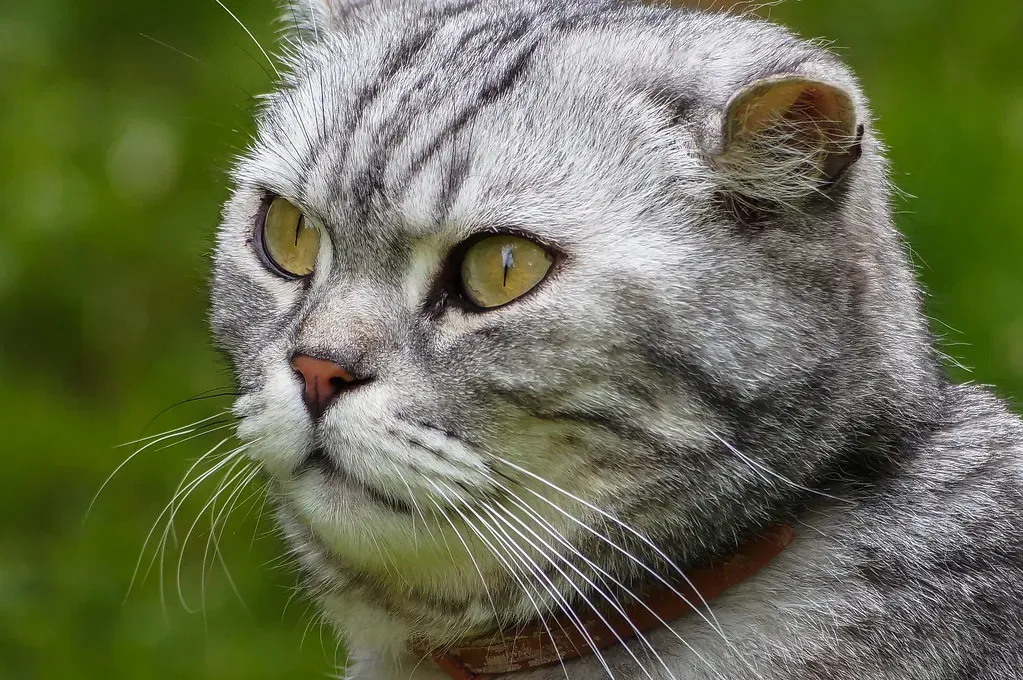
British Shorthairs have a dense, plush coat and round, teddy bear faces that make them enormously popular online. Their calm temperament and quiet presence are incredibly appealing, especially for people in apartments or smaller homes. But their sturdy, stocky build means they can be prone to weight gain and related health issues, including joint stress and heart disease. Preventive care, regular screenings, and weight-management plans can all raise long-term costs.
They also benefit from high-quality nutrition aimed at maintaining muscle and managing weight, which often costs more than standard supermarket food. Add to that routine grooming to manage their thick double coat and reduce hairballs, and you start to see how this supposedly “low-drama” cat can slowly become high-cost. Many owners say the peaceful companionship is worth every cent, but that does not change the reality that British Shorthairs are not budget cats in the long run.
Siberian: Hypoallergenic Hype and the Price of a Hardy Cat
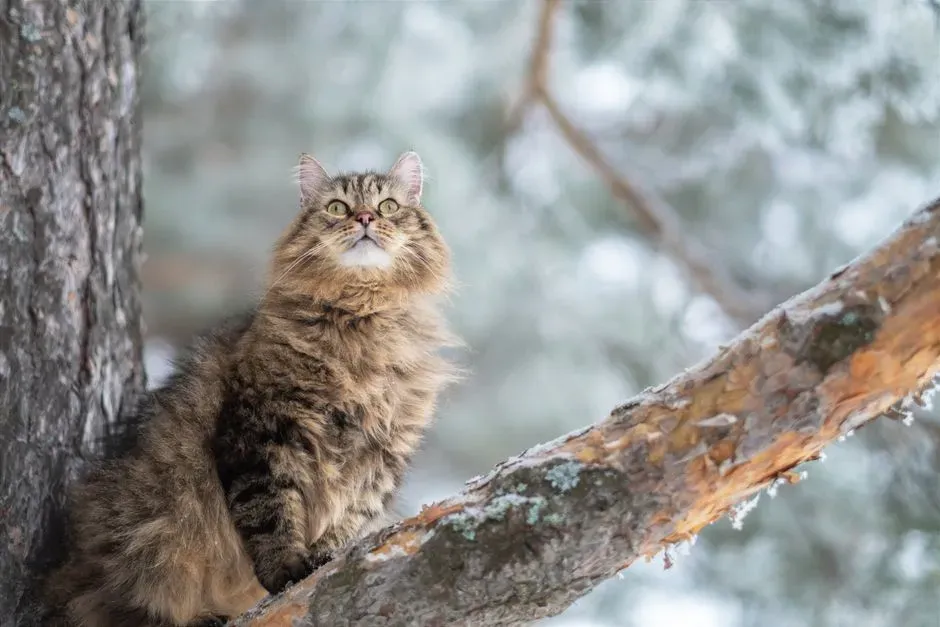
Siberians are often marketed as a more hypoallergenic choice, which draws in a lot of people who desperately want a cat but struggle with cat allergies. While some individuals may produce fewer allergenic proteins, the science is far from absolute, and not every allergic person will tolerate them. That uncertainty can lead to extra costs in air purifiers, allergy medications, or even having to modify your home environment to reduce allergens. The emotional and financial investment can be huge if the allergy situation is more complicated than promised.
As a larger, semi-longhaired breed, Siberians also need regular grooming and high-quality, protein-rich food to support their athletic build. Their robust reputation does not make them immune to health issues; like many purebreds, they can still be at risk for heart conditions that call for specialized vet care. On top of that, because they are less common in some regions, you might pay a premium both for the cat itself and for breeders who focus on health testing. The result is a cat that feels “natural” and wild, but comes with very modern expenses.
Savannah: The Exotic Hybrid With Legal, Lifestyle, and Insurance Costs
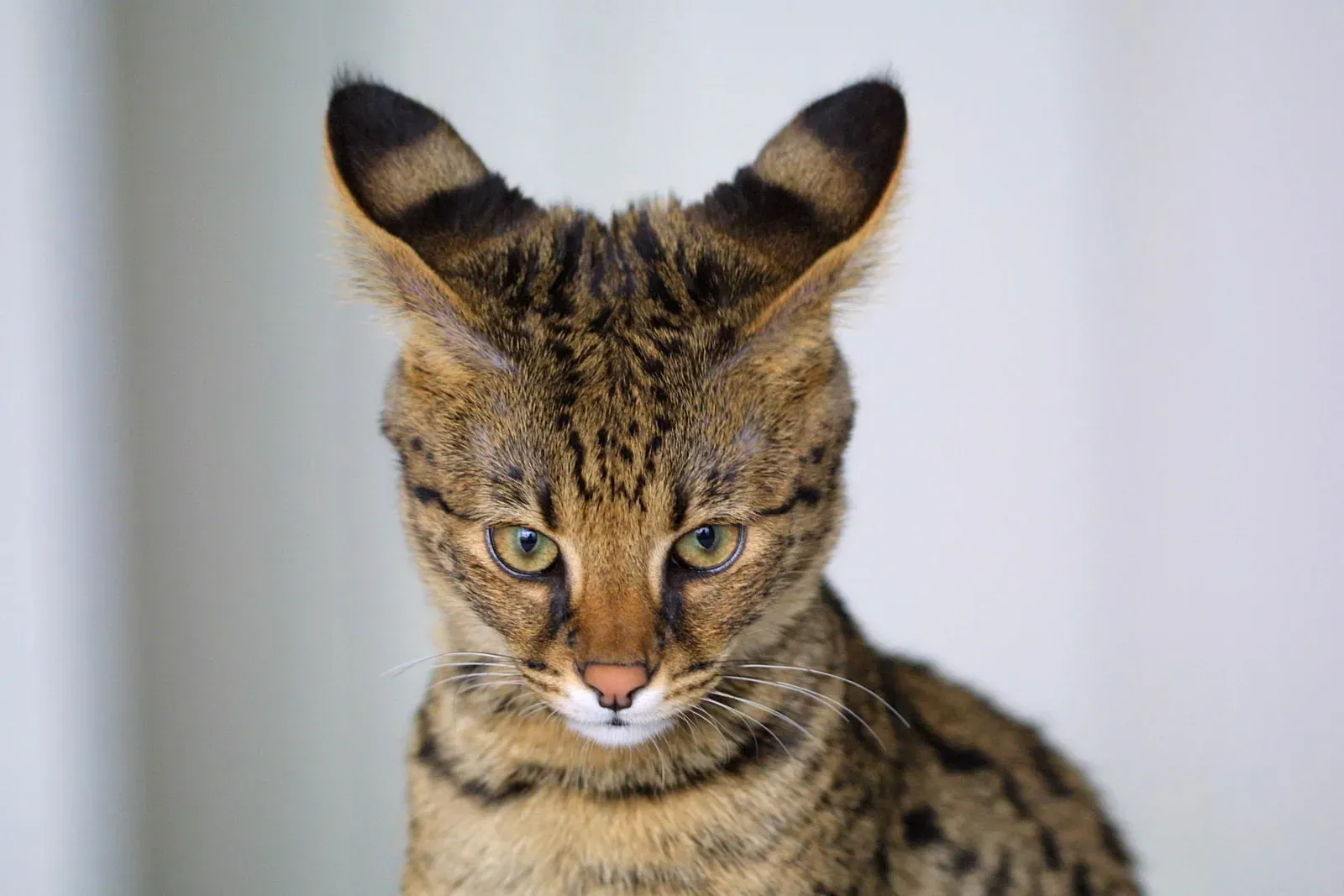
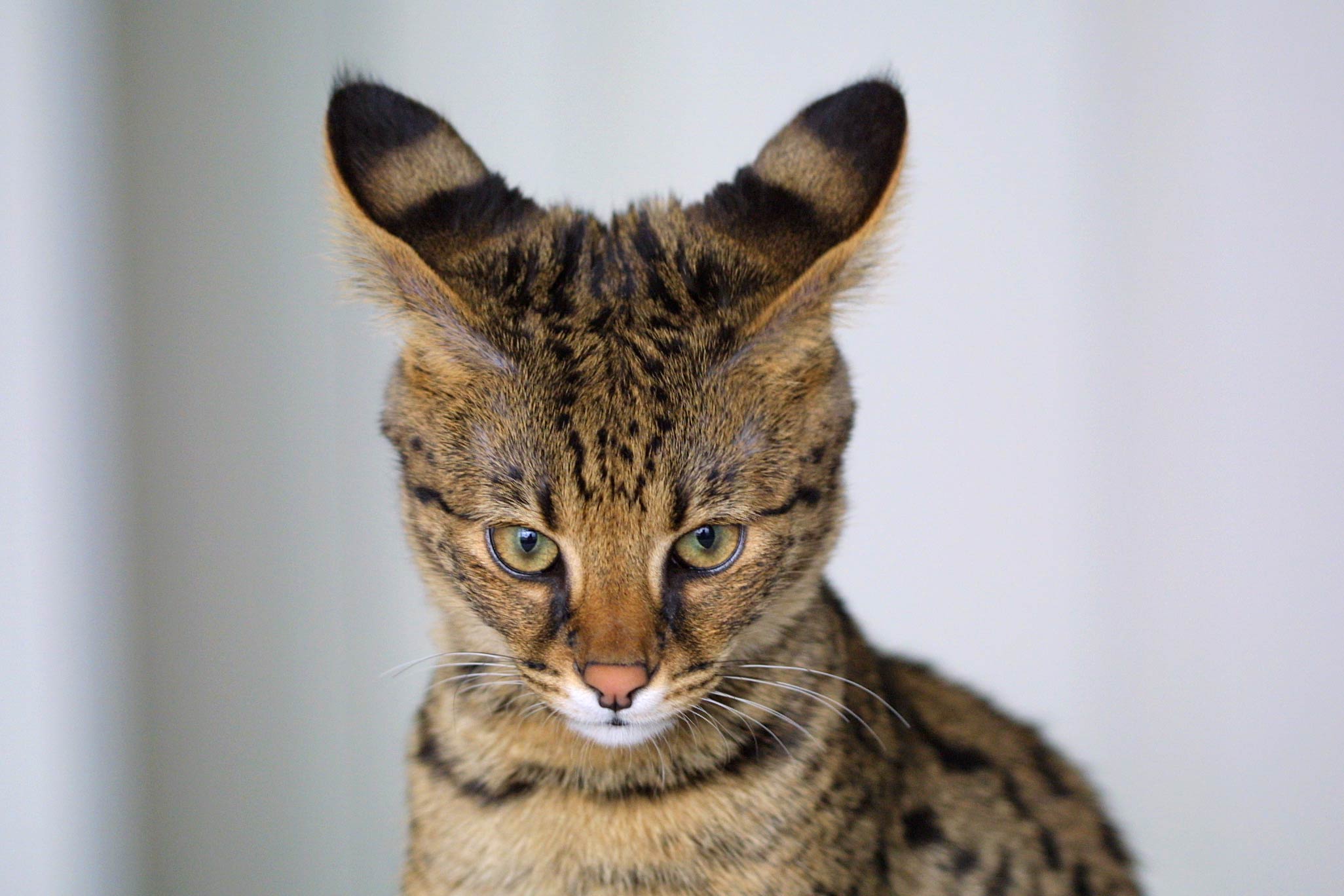
Savannah cats, with their long legs and spotted coats, look like something between a domestic cat and a small wild animal – and that is basically what they are. Early-generation Savannahs are hybrids with servals, a wild African cat, and their ownership can be regulated or restricted in some places. Navigating local laws, permits, and housing rules can involve time, stress, and sometimes legal or relocation costs if you are not fully informed from the start. Landlords and insurers may also be wary, which can raise premiums or limit your housing choices.
These cats are extremely energetic and intelligent, often needing more space, vertical territory, and interactive playtime than most households expect. Think more like a very active dog than a chill lap cat. That can mean reinforced screens and enclosures, more durable furniture, and possibly professional training or behavior support. Food can also be pricier, especially if you lean toward higher-meat or raw-style diets that some owners prefer for hybrid cats. If you are not prepared, the Savannah’s needs can become overwhelming both emotionally and financially.
Oriental Shorthair: The Talkative Charmer With Potential Respiratory and Dental Costs
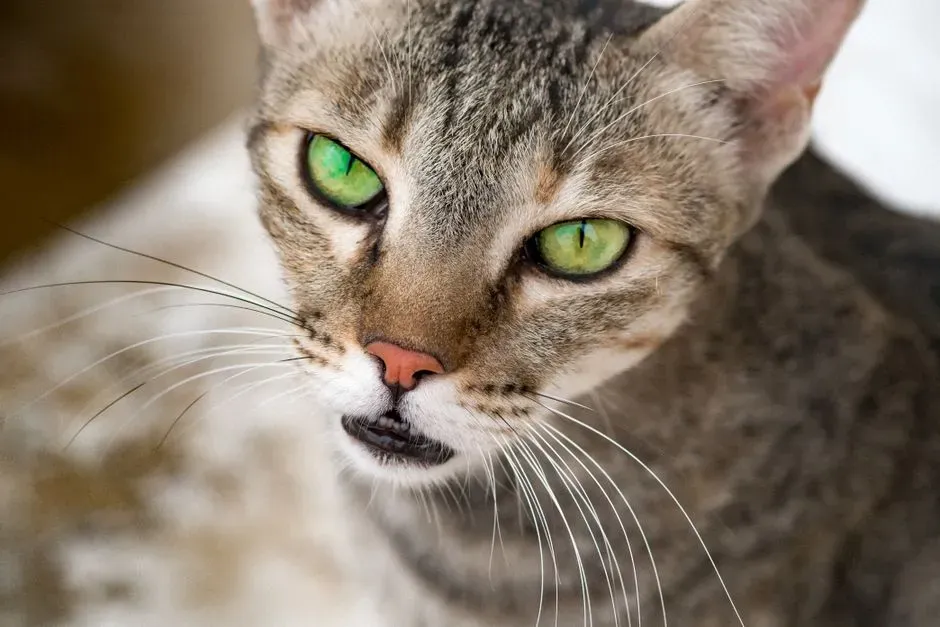
Oriental Shorthairs share ancestry with Siamese cats and come in a huge variety of colors and patterns, with big ears and sleek bodies that make them look like animated paintings. They are social, vocal, and demand to be involved in everything you do, which is delightful if you want a constant companion. But their elongated, fine-boned faces can come with dental crowding, gum issues, and sometimes respiratory sensitivities, all of which require attentive veterinary care.
Because they thrive on interaction and mental stimulation, they can struggle if left alone for long periods, sometimes developing stress-related behaviors or health issues. That can mean investing in another cat for companionship, more enrichment, or even professional behavior help if things go sideways. High-quality food, routine dental cleanings, and regular checkups become part of the standard budget, not occasional extras. In the end, your chatty, glamorous roommate may cost far more than you planned, even if the initial price did not seem outrageous.
Conclusion: Expensive Cats, Priceless Companions – If You Go In With Eyes Open
Looking across these breeds, a clear pattern emerges: the more extreme or distinctive the physical trait, the higher the chance of health or lifestyle costs sneaking up on you later. Whether it is the flat face of a Persian, the wild heritage of a Savannah, or the big-boned build of a British Shorthair, the very features that make these cats special can also make them expensive. That does not mean you should avoid them entirely, but it absolutely means you should research lines, ask hard questions of breeders or rescues, and budget realistically for insurance, vet care, and enrichment.
My own opinion is that no cat is truly “too expensive” if you are prepared, committed, and honest with yourself about what you can afford over a decade or more. The real problem is when people buy with their hearts and social feeds, rather than with full information. If you choose one of these breeds knowing the risks, their quirks and costs can feel like part of the deal, not a betrayal. The question is not whether these cats are worth it – emotionally, they often are – but whether you are ready for the version of love that also shows up as a line item in your monthly budget. Would your answer be the same now that you know what might really be hiding behind that cute little face?


