

If you have a dog, you probably think of them as family, not as a line item in an insurance spreadsheet. But to a home insurance company, certain dog breeds can look less like cuddly companions and more like potential liability. That difference in perspective can quietly nudge your premium up, or in some cases, even get you denied coverage.
What makes it so surprising is that it’s not always about your particular dog’s personality. Insurers tend to look at breed histories, bite statistics, and perceived risk, even when your own dog is basically a couch potato with a chew toy. Let’s walk through ten breeds that are frequently on insurers’ radar, why they show up on those lists, and what you can realistically do about it.
1. Pit Bull–Type Dogs

When insurance companies talk about risk, pit bull–type dogs are almost always near the top of the list. That label itself is messy: it usually covers American Pit Bull Terriers, American Staffordshire Terriers, Staffordshire Bull Terriers, and a whole bunch of mixed-breed dogs that simply look muscular with a blocky head. Because these dogs are often overrepresented in bite-related claims and serious injury reports, many insurers treat them as a high-liability category.
In practice, that can mean higher premiums, strict conditions, or even outright exclusions in your homeowner’s policy. The frustrating part for many owners is that individual temperament can vary widely, and lots of pit bull–type dogs are well-trained, gentle, and highly social. Still, insurers tend to look at population-level data rather than your dog’s obedience certificate, which is why this group so often shows up on “restricted breed” lists.
2. Rottweilers

Rottweilers are powerful, confident, and often deeply loyal to their families, which is exactly why so many people love them. From an insurance standpoint, though, that same strength and protectiveness can look like a potential claim waiting to happen if something goes wrong. Because Rottweilers are large, muscular dogs with strong jaws, any incident involving a bite or a knockdown can become serious quickly.
Many insurers consider Rottweilers a “watch list” breed and may ask extra questions or require proof of training or secure fencing. If your dog has a documented history of aggression or previous bites, the odds of a surcharge or exclusion go up even more. To some carriers, it matters less that your Rottweiler is a sweetheart at home and more that, in rare worst-case scenarios, the damage could be costly.
3. German Shepherds

German Shepherds are working dogs at their core, widely used in police, military, and security roles because of their intelligence and drive. Ironically, all those impressive traits can make them look like a higher risk to insurers, especially if the dog is used, even informally, for protection. A dog trained or encouraged to guard property is more likely to react to strangers near your home, which raises the perceived chance of a liability claim.
Some insurers do not restrict German Shepherds at all, while others place them on conditional or restricted lists, especially in regions with higher claim histories. Their relatively large size and strong protective instincts mean any defensive behavior can escalate quickly, even if it starts as a simple bark at the fence line. Good socialization and training can help you argue your case, but they do not always erase an insurer’s underlying concern.
4. Doberman Pinschers

Doberman Pinschers have a long reputation as guard dogs, and pop culture has not exactly done them any favors. Their sleek build, alert posture, and fearless nature make them excellent protectors, but also highly visible to underwriters evaluating risk. If you mention that your Doberman is on the property as a “guard dog,” many insurers will immediately flag your application for special review.
As with other large, protective breeds, the issue is less about everyday behavior and more about what could happen in a worst-case confrontation. Even a low rate of incidents can look serious when each incident carries a high potential cost. That is why some insurance policies may increase your premium or exclude liability related to your Doberman, particularly if there is any prior history of aggression or if the dog is kept primarily outdoors as security.
5. Akitas

Akitas are impressive, dignified dogs that were originally bred as guardians and hunters. They tend to be independent and sometimes wary of strangers, which from a human perspective can feel like healthy caution, but from an insurer’s viewpoint can look like a higher baseline risk. When a dog is both powerful and less inclined to immediately welcome unfamiliar people, carriers start to worry about what might happen if a delivery driver or contractor misreads the dog’s signals.
Because Akitas are less common than some other breeds, data on incidents can be patchier, but they still appear on many restricted-breed lists. The combination of size, strength, and a history as a guarding breed is enough to trigger concern. Owners who invest in solid training, careful introductions, and secure containment can sometimes reassure individual agents, but the breed label alone may still influence your premium.
6. Chow Chows

Chow Chows do not always look threatening at first glance; they can seem like fluffy teddy bears with lion manes. Under that fur, though, they are sturdy, strongly built dogs with an independent streak and a tendency toward territorial behavior. Some Chows can be less tolerant of rough handling or unexpected contact, which can become an issue if visiting kids or unfamiliar adults try to pet them without clear signals.
Insurers know that a dog’s physical appearance is not a reliable indicator of risk, and Chow Chows often show up on their internal watch lists. Their bite, if it happens, can cause significant injury because of their jaw strength and head structure. That does not mean every Chow is dangerous, but it does mean that, statistically, this breed raises enough red flags for many companies to consider higher premiums or coverage limitations.
7. Presa Canarios and Similar Mastiff-Type Breeds

Presa Canarios, along with some other mastiff-type breeds, are large, imposing dogs originally developed for guarding and sometimes for handling livestock. Their sheer size and physical power make any aggression incident especially serious. Even a playful jump can unintentionally knock an adult off balance, so insurers imagine what might happen in a genuine defensive situation and price the risk accordingly.
These breeds are less common as family pets, which means that when incidents do occur, they can attract outsized attention and influence perceptions. As a result, Presa Canarios and some related mastiff types are frequently flagged or outright excluded by insurers. If you own one, you might find that only a smaller set of specialty carriers are willing to insure your home without heavy restrictions.
8. Alaskan Malamutes

Alaskan Malamutes are often seen as big, friendly sled dogs, and in many cases, they are exactly that: energetic, social, and always ready to play. Still, their strength, endurance, and high prey drive can raise concerns for insurers, especially in neighborhoods with small pets or where children frequently run around outdoors. A powerful dog chasing a jogger, cyclist, or smaller animal can easily lead to accidents, even if the dog never intends real harm.
Some carriers place Malamutes on cautious lists not because they are inherently aggressive, but because they are difficult to physically control if something does trigger their instincts. Their size and enthusiasm can turn an ordinary scuffle into a significant injury situation. For owners, that may translate into more detailed questionnaires, fencing requirements, or modest premium increases tied specifically to liability coverage.
9. Siberian Huskies

Siberian Huskies might look like happy, blue-eyed snow comedians, but insurers do not just see memes and sled races. They see a high-energy breed with a strong prey drive, a love of escaping, and occasional involvement in bite or chase incidents. Because Huskies are so popular and often owned by first-time big-dog guardians, some mishaps stem more from management and training gaps than from the dogs themselves.
Still, a pattern is a pattern, and insurance companies tend to respond to patterns rather than backstory. In some regions, Huskies land on restricted lists alongside other traditionally “strong” breeds, even though their temperament is usually more playful than protective. If your Husky has a history of escaping or has ever nipped someone, you may find additional questions or conditions attached to your liability coverage.
10. Mixed Breeds That Look Like “High-Risk” Dogs
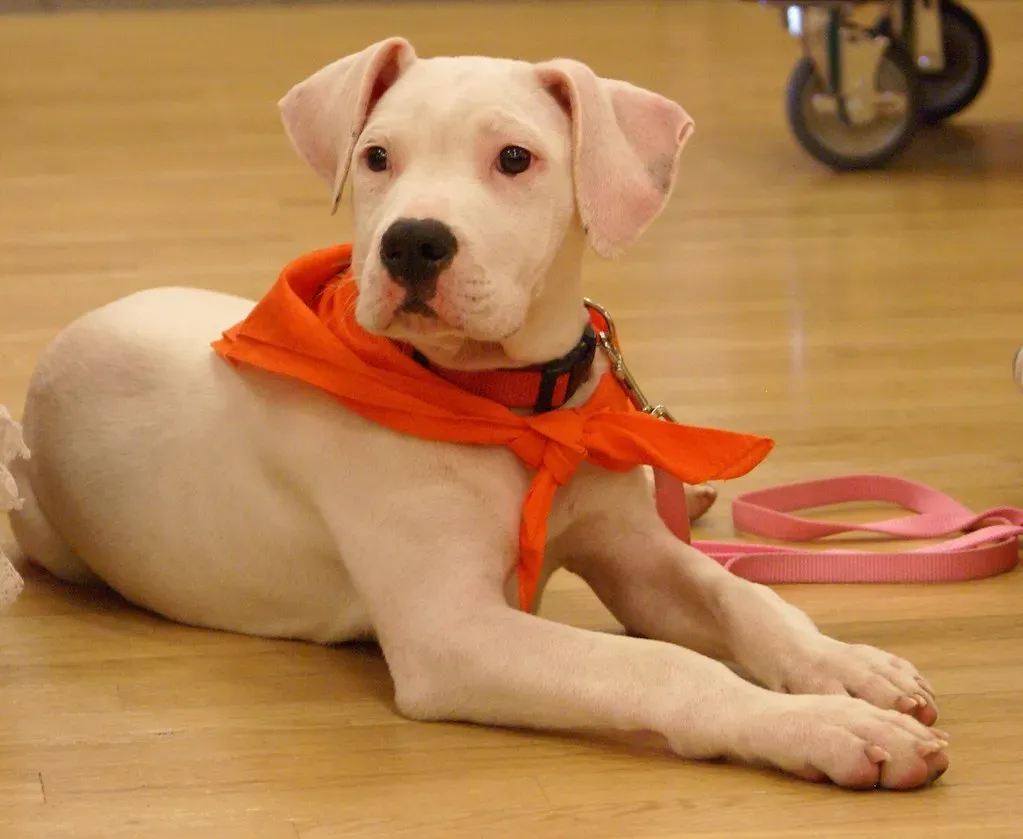
One of the most frustrating realities for dog owners is that mixed-breed dogs can sometimes be treated as risky based on appearance alone. If your rescue pup has a big head, muscular body, or certain coat patterns, an insurer may label them as a pit bull mix, shepherd mix, or another high-liability type without a genetic test. That label can stick even when your dog’s actual ancestry and temperament tell a very different story.
In practice, this means that people who adopt shelter dogs can be surprised by higher premiums or coverage questions they never expected. A vague “mixed breed” on paper may not be enough; companies often want photos or vet records, and some will judge based on what they think they see. For many owners, this becomes a push toward more education, more training documentation, and sometimes toward carriers that use behavior-based evaluations instead of simple breed lists.
How Breed Really Affects Your Premium (And How Much It Should)

Underneath all the emotion and frustration, home insurance is fundamentally about numbers, not feelings. Carriers look at bite reports, claim severities, medical payouts, and lawsuit histories to decide which dogs feel like safe bets and which ones could be expensive outliers. Even if your own dog is perfectly behaved, it gets lumped into whatever pattern the company sees in its overall data set, which can feel unfair but is very real in how policies are priced.
Personally, I think this broad-brush approach misses a lot of nuance, especially as more people invest in training, socialization, and enrichment for their dogs. A well-trained Rottweiler with a stable history is arguably far less risky than a small but reactive dog whose behavior has never been addressed. The industry is slowly experimenting with more behavior-focused underwriting, but for now, breed labels still carry a heavy weight in many decisions.
What You Can Do If Your Dog Is On a “Restricted” List

Owning a dog that appears on an insurer’s high-risk list does not mean you are powerless. One of the most practical moves is to shop around and get quotes from multiple companies, including regional insurers or specialty carriers that may take a more flexible view. Some will accept documentation like training certificates, proof of spay or neuter, or veterinary notes stating that your dog has no history of aggression.
It also helps to be proactive about safety at home: secure fencing, clear signage for delivery drivers, supervised interactions with visitors, and responsible use of leashes and muzzles where appropriate. Those steps are not just for the insurer; they reduce actual risk and make life less stressful for everyone involved. If a company still refuses to budge, you can decide whether to accept their terms or move to a provider that better respects the difference between statistics and your individual dog.
Conclusion: Dogs, Data, and the Real Cost of Risk

There is no way around it: certain dog breeds can make your home insurance more complicated, sometimes more expensive, and occasionally downright frustrating. Insurers lean heavily on breed-based risk assessments because they are simple and scalable, even when those assessments do not fully match the lived reality of responsible owners and well-trained dogs. If you have ever stood there hearing an agent talk about your gentle, goofy dog like a liability bomb, you know how cold those calculations can feel.
At the same time, genuine bite injuries and serious attacks are real, and they do carry financial and human costs that someone has to absorb. To me, the most reasonable future lies somewhere in the middle: holding owners accountable for training, management, and past incidents, while putting less blind faith in breed labels alone. Until the industry truly catches up, the best you can do is stay informed, manage risk carefully, and choose insurance partners who see more than just a silhouette. When you look at your own dog, do you see what the data says, or do you see the individual in front of you – and which one should matter more?


