
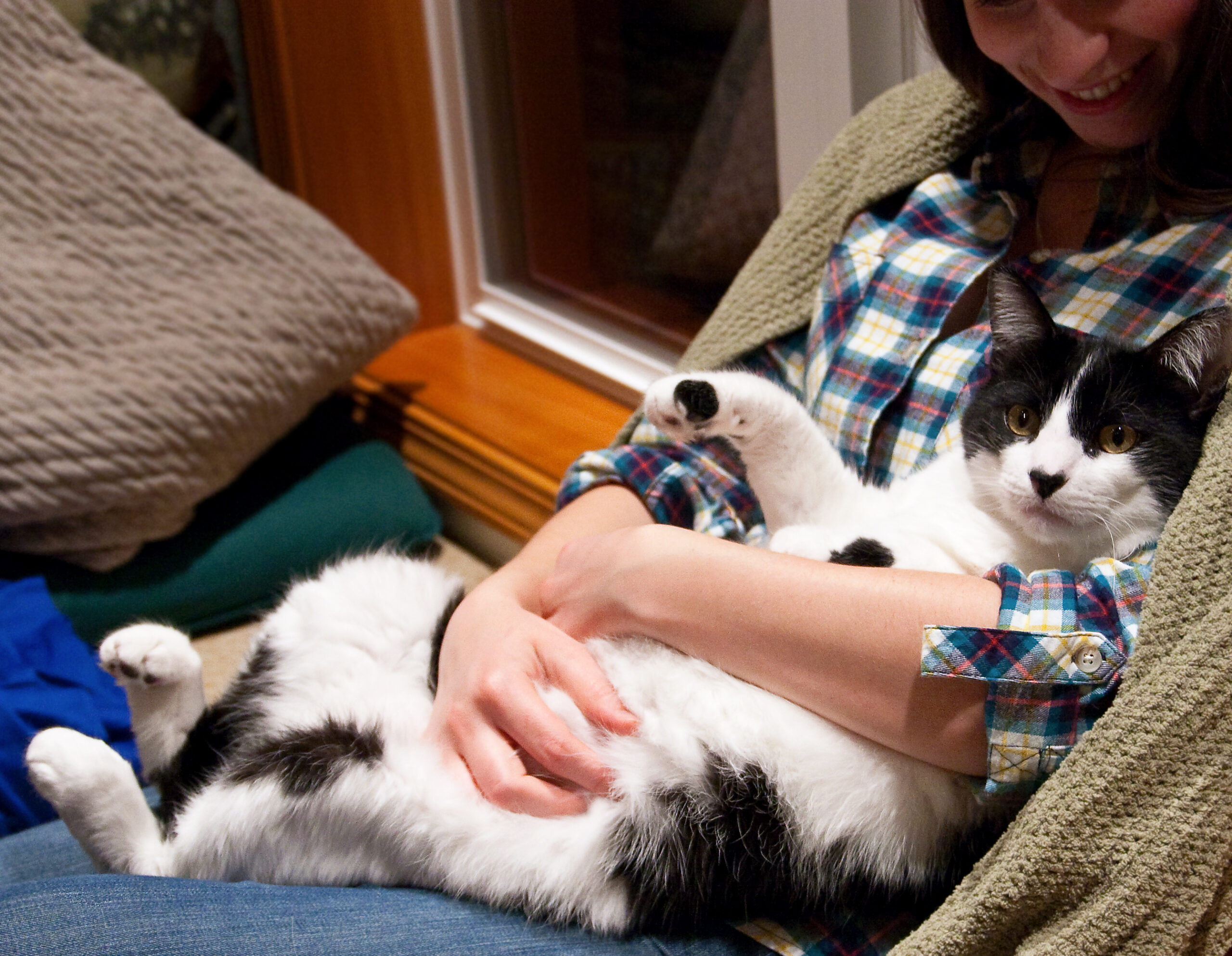
If your cat turns into a purring shadow the moment the sun goes down, you’re not imagining it. Many cats seem cooler, more distant, or downright aloof during the day, then suddenly transform into cuddle-obsessed lovebugs at night. It can feel mysterious, flattering, and sometimes a little suspicious, like they know something you don’t.
I’ve had cats that barely acknowledged me at noon but insisted on sleeping pasted to my neck by midnight. There’s actually a lot of science and behavior behind this switch. Once you understand what’s going on in their brains, their bodies, and even their instincts, the late-night affection starts to make a lot more sense.
1. Your Cat’s Natural Body Clock Peaks at Dawn and Dusk
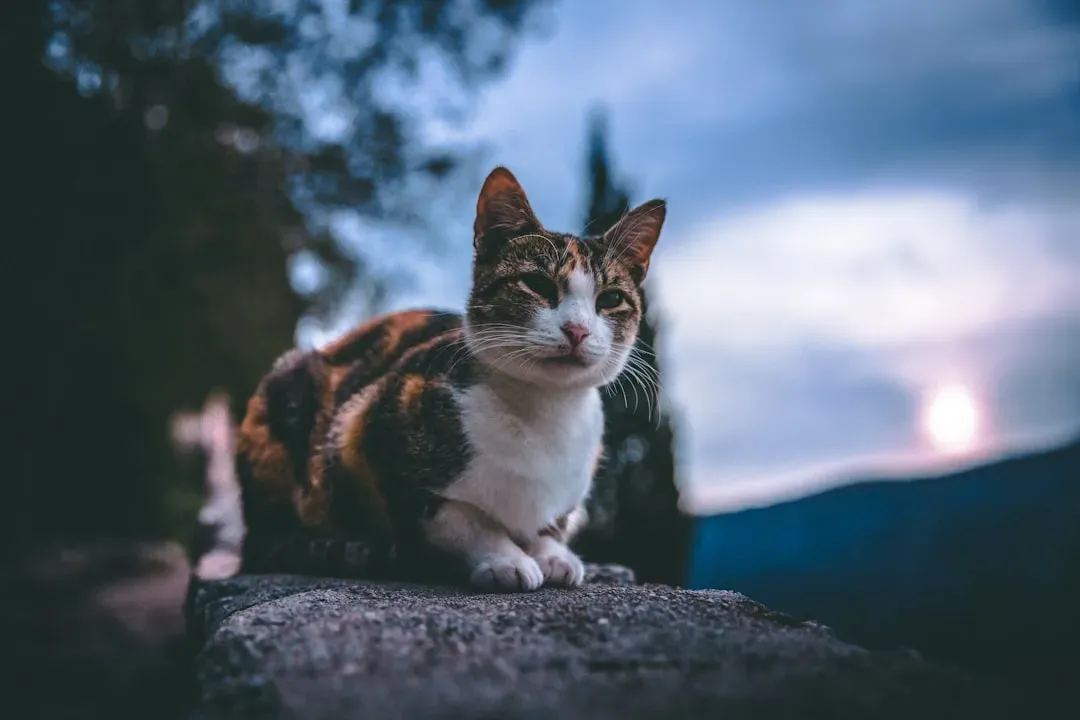
Cats aren’t truly nocturnal; they’re what scientists call crepuscular, which means they’re most active around dawn and dusk. Those hours are when their wild ancestors went hunting, and that internal clock is still ticking in your sofa lion today. As the evening sets in, their brain is basically saying: this is prime time.
When that natural activity window opens, your cat’s senses and energy levels ramp up. More energy means more exploring, more play, and more social behavior. Some cats channel that extra juice into zoomies, others into snuggling and kneading on the warm human who happens to be lying still and easy to access.
2. Nighttime Is Quieter, So Your Cat Finally Feels Safe to Be Soft
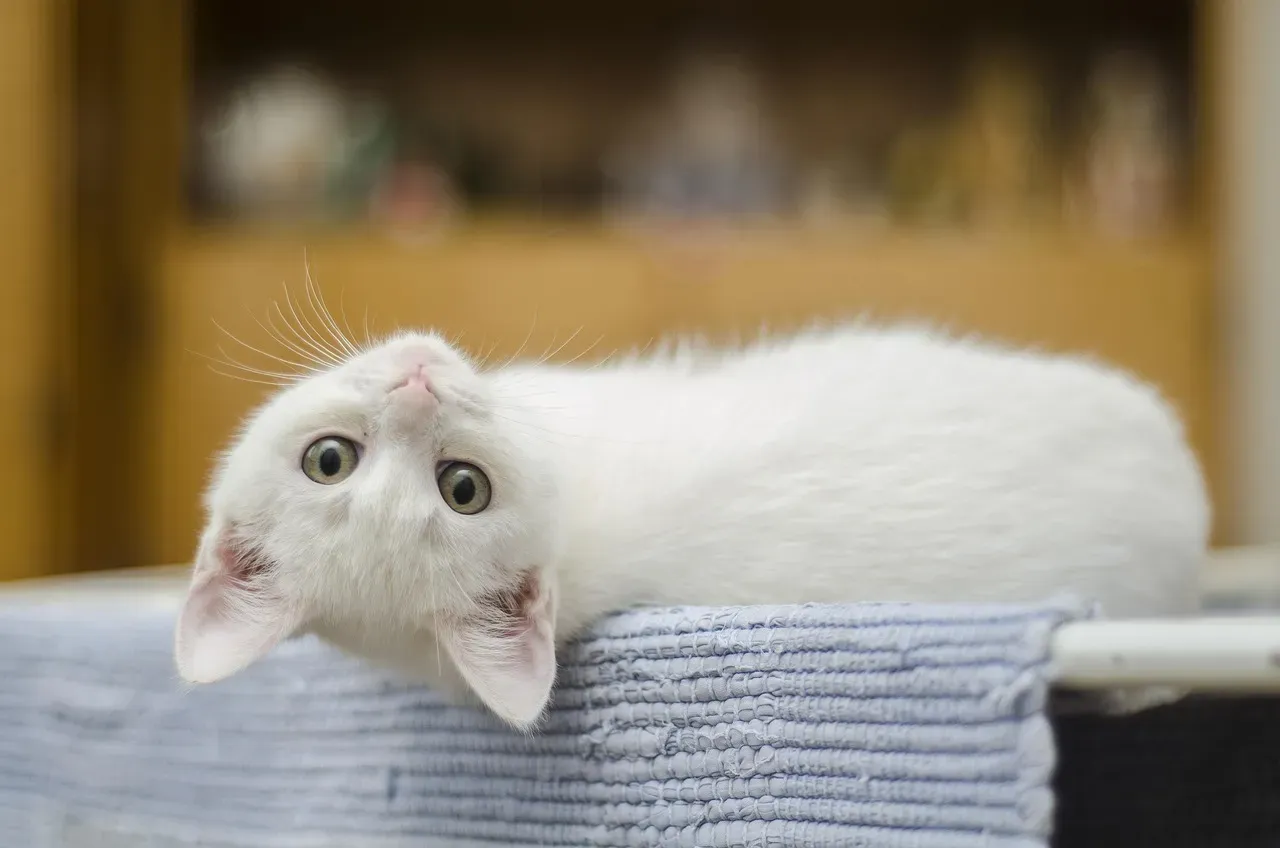
Think about the difference between your home at 2 p.m. and 10 p.m. During the day, there’s noise, light, movement, doorbells, vacuum cleaners, kids, traffic and constant stimulation. For a small predator that’s also potential prey, all that chaos can be overwhelming. Many cats cope by retreating, hiding, or staying a bit detached.
At night, the house goes calm. The lights dim, the TV is lower or off, the humans sit or lie down, and the background noise drops. In that quiet, your cat can finally relax their guard. Affection often requires vulnerability: turning their back to you, closing their eyes, exposing their belly or throat. It’s simply easier to be tender and trusting when the world has shut up a little.
3. You’re Finally Still, and That Makes You a Perfect Cuddle Object
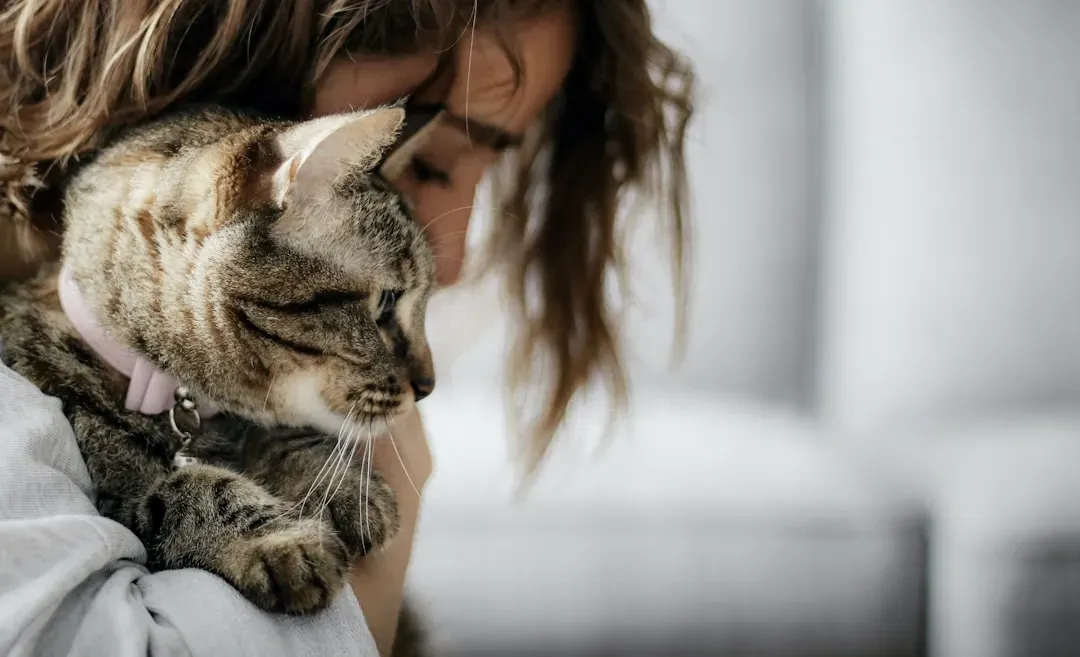
During the day, you’re walking around, answering messages, running errands, working, and generally being unpredictable. To a cat, a constantly moving human is interesting, but not exactly ideal cuddle furniture. They might follow you or watch you, but deep affection thrives on stillness.
At night you lie down, probably in the same spot, at roughly the same time, and you stay there for hours. From a cat’s perspective, this is a dream: a warm, steady, breathable heating pad that also smells like safety and food. That’s when they climb on your chest, settle into your knees, or wedge themselves by your side, because they can finally enjoy long, uninterrupted contact.
4. Affection Is One of Their Ways of Bonding and “Owning” You
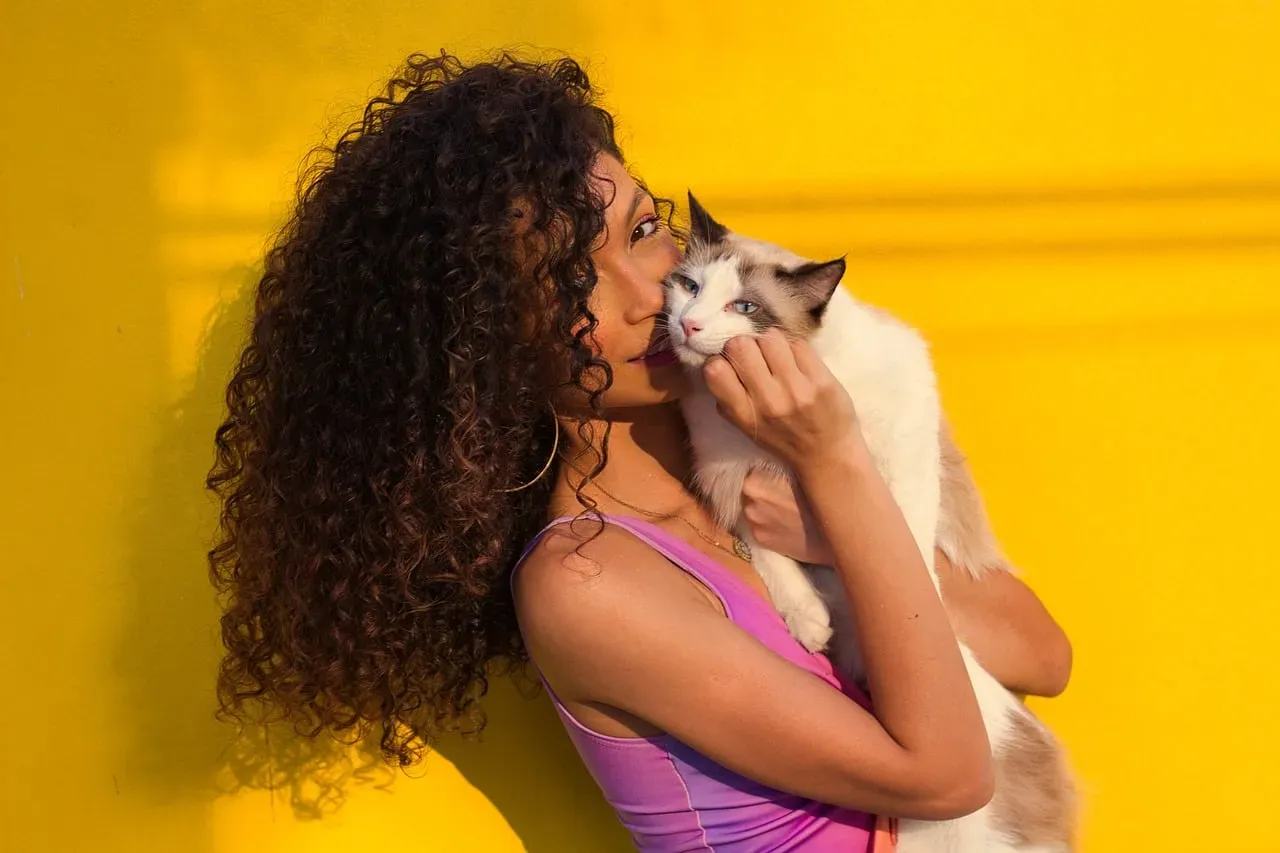
When your cat rubs against you, head-butts your face, or kneads your stomach at 1 a.m., it’s not just random cuteness. Their body is covered in scent glands, especially on the face and head. By smearing their scent onto you, they’re marking you as part of their social group, almost like they’re saying: this human is mine.
Nighttime is ideal for this gentle claiming ritual because you are relaxed, accessible, and not rushing off to answer the door or fold laundry. Some cats use these hours to reinforce the bond every single day, the same way people might talk more deeply late at night. It looks like pure cuddling, but under the surface it’s serious relationship maintenance.
5. Evening Affection Can Be a Strategy to Get Food or Play
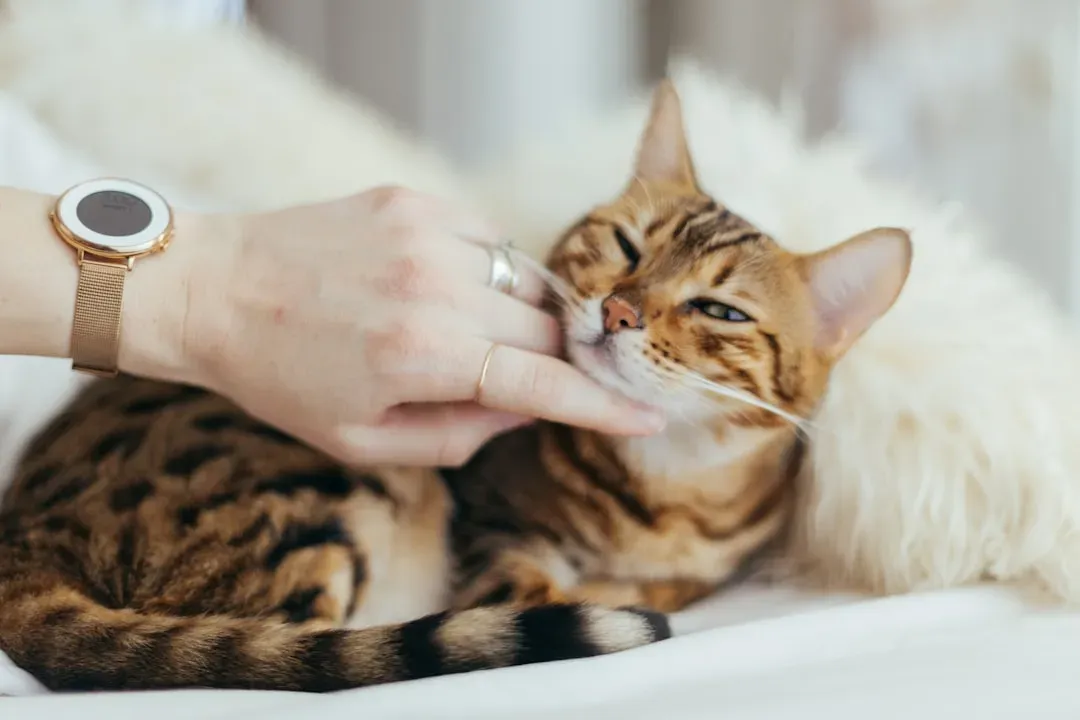
Sometimes that intense nighttime love is… strategic. Cats are smart, and they learn patterns fast. If your cat meowed, snuggled, or head-bumped you at night once and it led to treats, a late dinner top-up, or a fun play session, they may repeat the behavior. Over time, this can turn into a ritual where affection is their currency and you are the vending machine.
This doesn’t mean the affection is fake or manipulative in a human sense; for cats, bonding and getting needs met are tightly linked. They show closeness to the individual who feeds and entertains them. If that person is most available at night, nighttime will naturally become the peak moment for affection, with a side of food negotiation.
6. Temperature Changes Make Your Body the Coziest Spot in the House
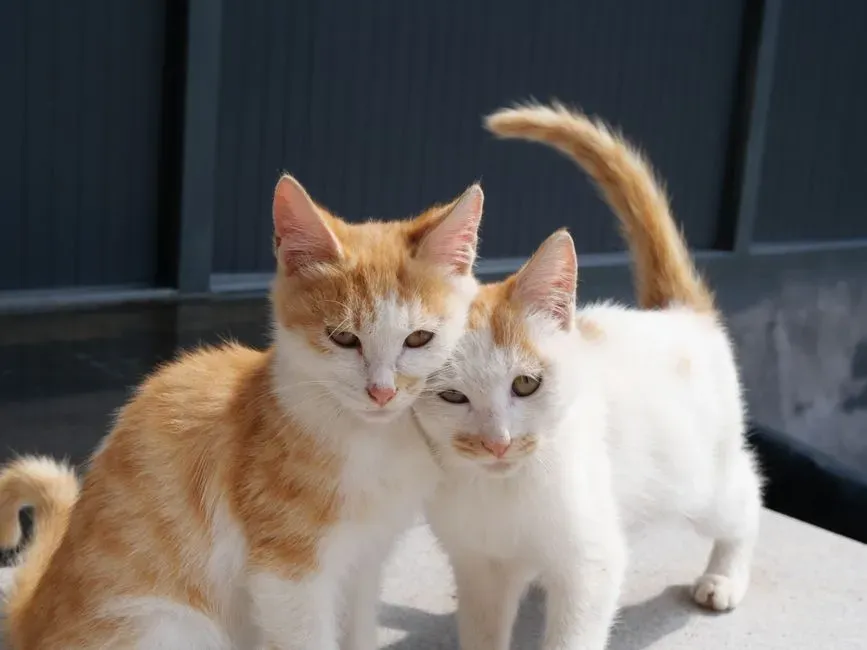
Homes tend to cool down in the evening and overnight, even if it’s just by a few degrees. Cats are heat seekers by nature, preferring warmer spots than most humans find comfortable. They’re the animals who will abandon a luxury cat bed to sit in a sunbeam or on a laptop that’s about to overheat.
At night, your body becomes the most reliable source of warmth in a cooler environment. This is why some cats only get clingy when you’re under the blanket or when they can burrow behind your knees or curl up against your chest. The sudden surge in affection is partly emotional and partly physics: you’re a portable radiator with a heartbeat.
7. Stress and Separation During the Day Can Rebound as Nighttime Clinginess
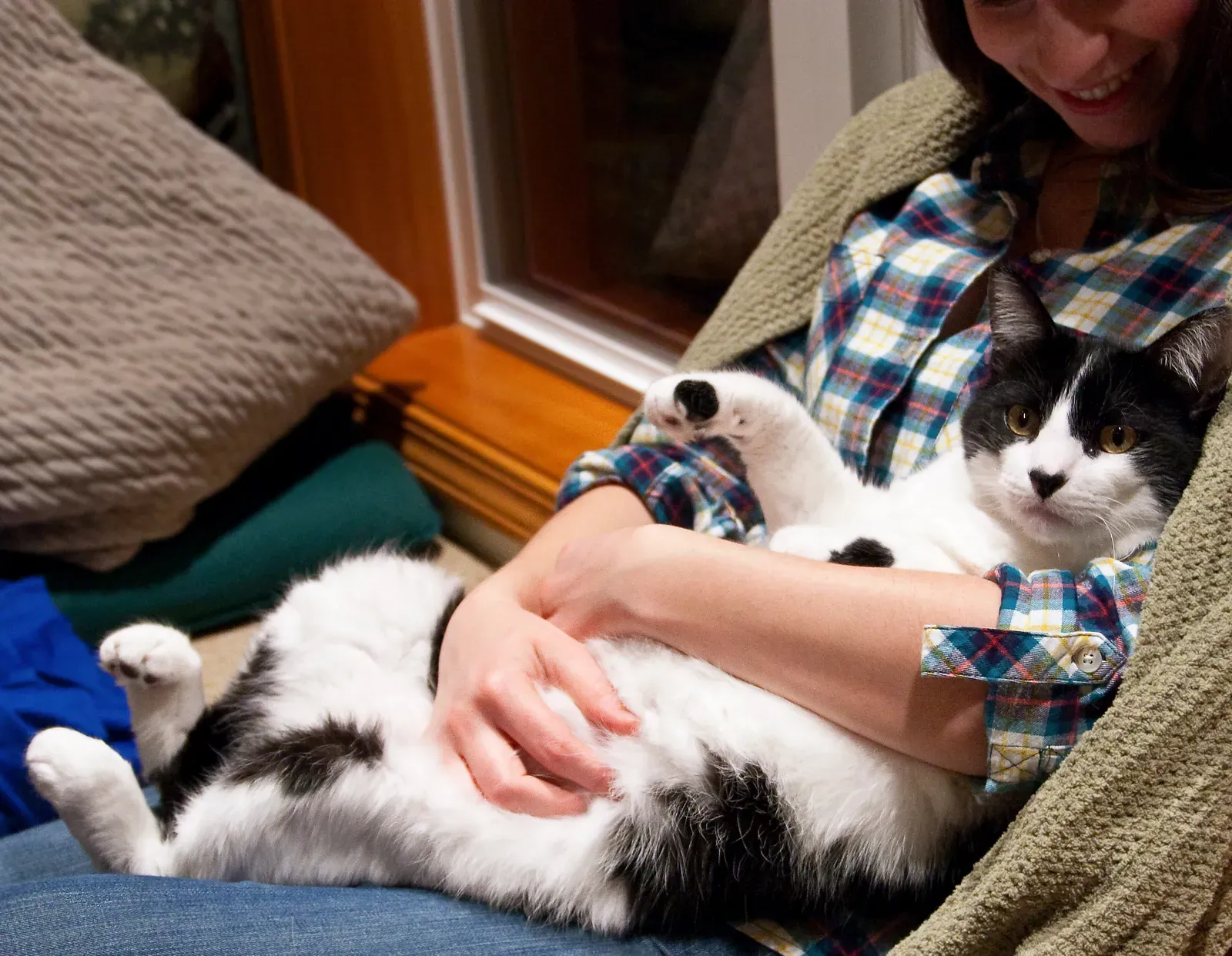
If your cat spends most of the day alone or dealing with things they find stressful, they may bottle up that anxiety. Loud construction, visitors, new pets, changes in routine, or even your long work hours can all pile on. Many cats respond by keeping to themselves when things feel uncertain, then seeking intense comfort when everything is finally calm.
That burst of nighttime affection can be a rebound effect: all the stored-up need for reassurance, contact, and safety pouring out once the stressors are gone. It’s their way of checking that you’re still there, that the bond is intact, and that their safe person is available after a long and confusing day.
8. Age, Health, and Hormones Can Shift When They Want Closeness
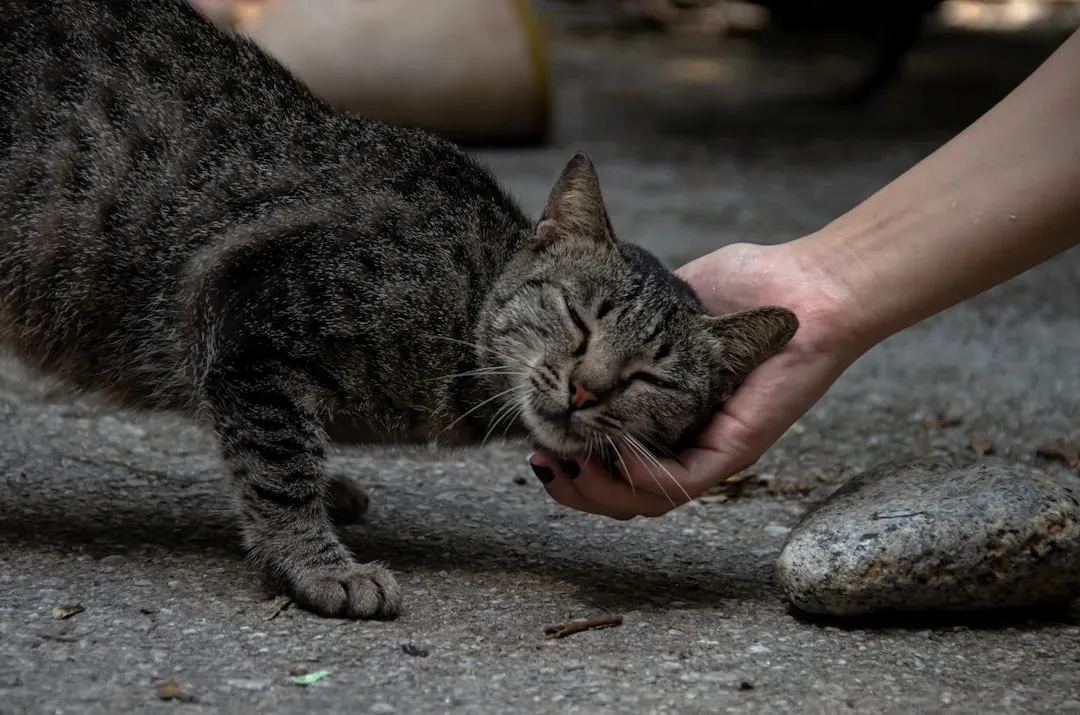
Changes in nighttime affection can also be tied to age or health. Kittens and young adults often go through very needy phases at night because they’re energetic, exploring, and still building social habits. Older cats may become more affectionate as they slow down, feel more vulnerable, or look for comfort from aches or mild discomforts.
Hormonal shifts, pain, cognitive changes, or underlying illness can sometimes show up as altered nighttime behavior, including clinginess. If your cat suddenly becomes far more attached at night out of nowhere, especially if it comes with restlessness, vocalizing, or other changes, it’s worth a vet check. Affection can be love, but it can also be a quiet plea for help.
When Nighttime Affection Is Sweet, and When It’s a Red Flag
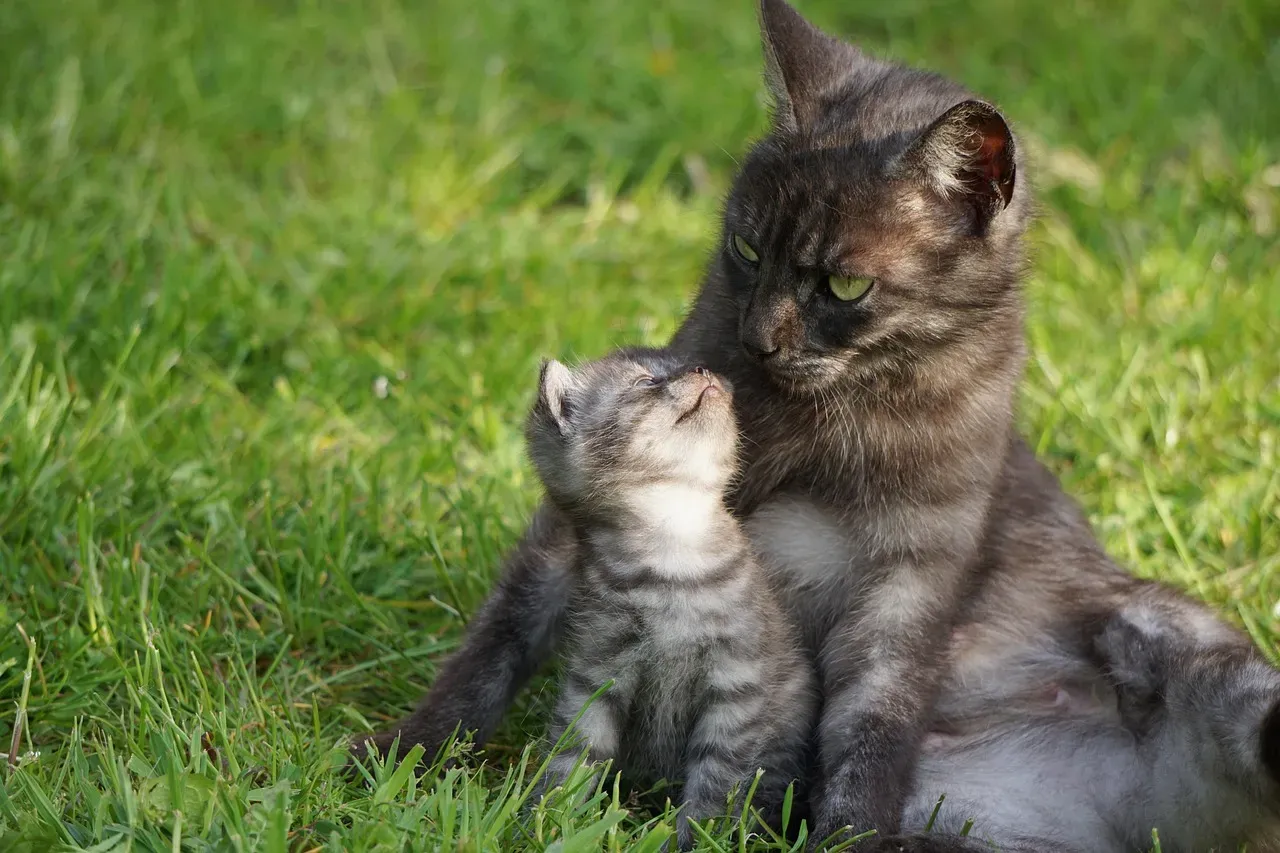
In most cases, cats being extra loving at night is completely normal and even a sign of strong trust. They feel safe enough with you to relax in the quiet hours, press their body against yours, and tune their inner wildcat down to house-pet mode. It’s one of the most rewarding parts of living with a cat: that moment they choose you when nobody else is around.
But as much as I adore a midnight cuddle, I’m firmly in the camp that says: pay attention to changes. If the affection is new and intense, interfering with their sleep or yours, or paired with other odd behaviors, it deserves a closer look and possibly a vet visit. Your cat’s late-night love can be a beautiful habit, but it can also be their way of whispering that something is off.
How to Respond to Your Cat’s Nighttime Cuddles (Without Losing Sleep)
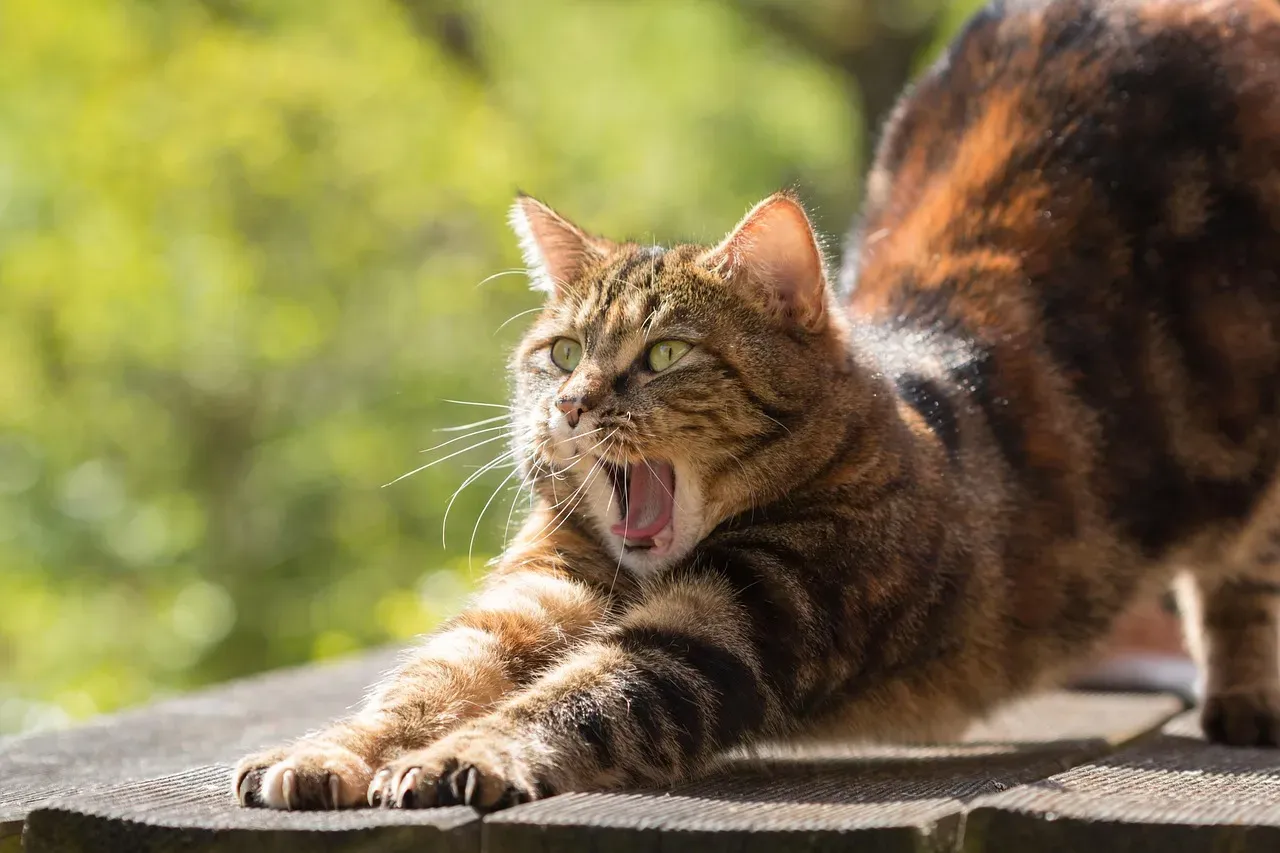
If you enjoy the affection, lean into it, but set some gentle boundaries. You can build a calming pre-bed routine with play, a small meal, and short cuddle time so your cat feels connected before you really need to sleep. Many cats settle better when they’ve had a chance to burn energy and then fill their stomach right before lights out.
If the nighttime attention is becoming too much, redirect without punishment. Closed doors, cozy cat beds near your room, interactive toys, and scheduled daytime play can gradually shift the intensity. Your goal isn’t to stop the affection, but to shape it into something that works for both you and your cat over the long term.
Final Thoughts: Nighttime Snuggles Are a Window Into Your Cat’s Inner World
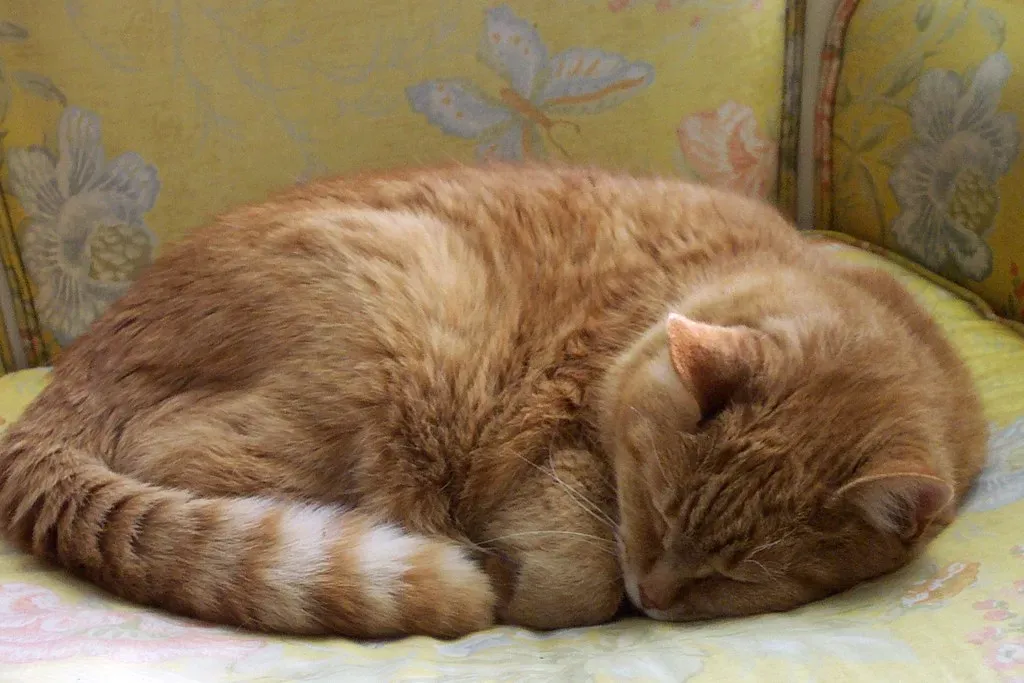
I’m convinced that a cat who chooses you at night is showing you a side they don’t share with anyone else. In the dark, when the house is quiet and your breathing is steady, a lot of the world’s noise falls away, and what’s left is a small predator who has decided you’re worth trusting with their softest moments. That matters more than we often admit.
At the same time, I think we owe it to our cats to see their nighttime affection as more than just cute. It can be comfort, habit, heat-seeking, or a subtle signal about their needs and health. So the next time your cat curls up on your chest at midnight, maybe ask yourself: are they just being sweet, or are they also telling you a story you haven’t fully heard yet?


