
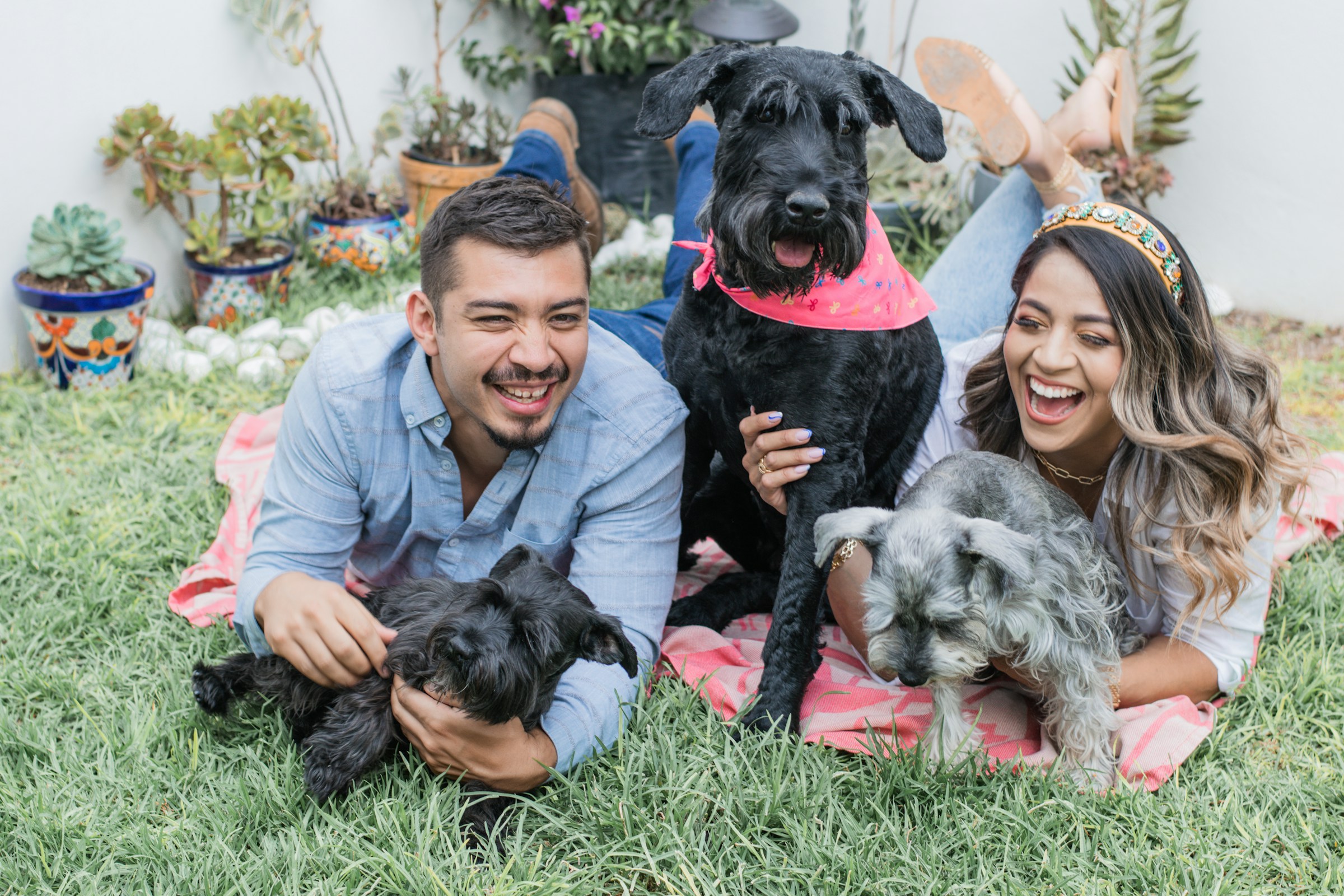
If you’ve ever come home after weeks or even years away and watched your dog lose their mind with joy, you’ve seen it: dogs remember more than we think. They do not live in some goldfish-style, five-second memory loop; their emotional world runs deep, and their brains are wired to hold onto the things that truly matter. In some ways, the things they remember say a lot about what kind of life we’ve given them.
What dogs never forget is rarely random. It is not the exact date of your last vacation or the model of the car you drive. Instead, their memory locks onto certain people, places, emotions, and patterns that helped them feel safe, loved, or – sometimes – afraid. Once you understand what sticks in a dog’s mind, you start to see every interaction with them as a kind of emotional imprint you are leaving behind.
The People Who Loved Them (And The Ones Who Didn’t)
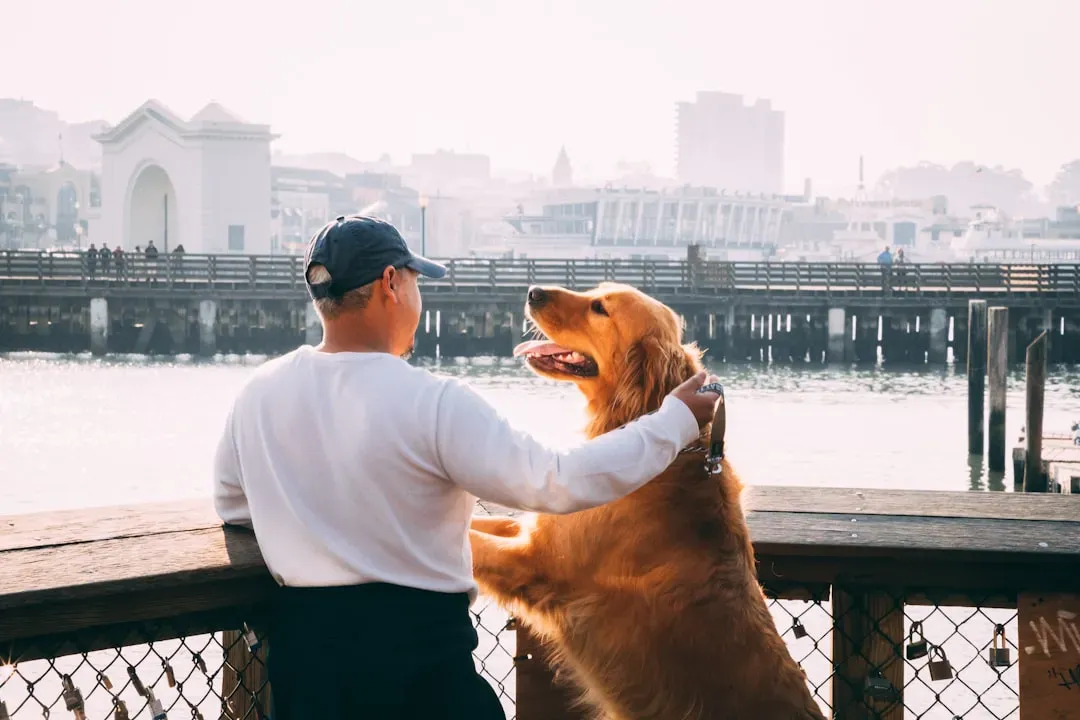
One of the most powerful things dogs never forget is the humans who made them feel safe. Even after long separations, many dogs will light up the second they smell or see a former owner, a favorite sitter, or that one neighbor who always slipped them treats. This is not nostalgia in the human sense; it is a mix of scent memory, emotional conditioning, and the strong social bond dogs evolved while living alongside us.
On the flip side, dogs also remember people who scared or hurt them. A dog who has been yelled at, grabbed roughly, or hit can show fear toward that person years later, especially when similar body language or tone of voice shows up again. From a survival perspective, this is smart: if someone has been dangerous once, it pays to be cautious. This is why building trust with a nervous dog can take time and loads of consistent kindness – because you are working against memories that, in their mind, kept them alive.
The Sound Of Your Voice (And What It Usually Means)
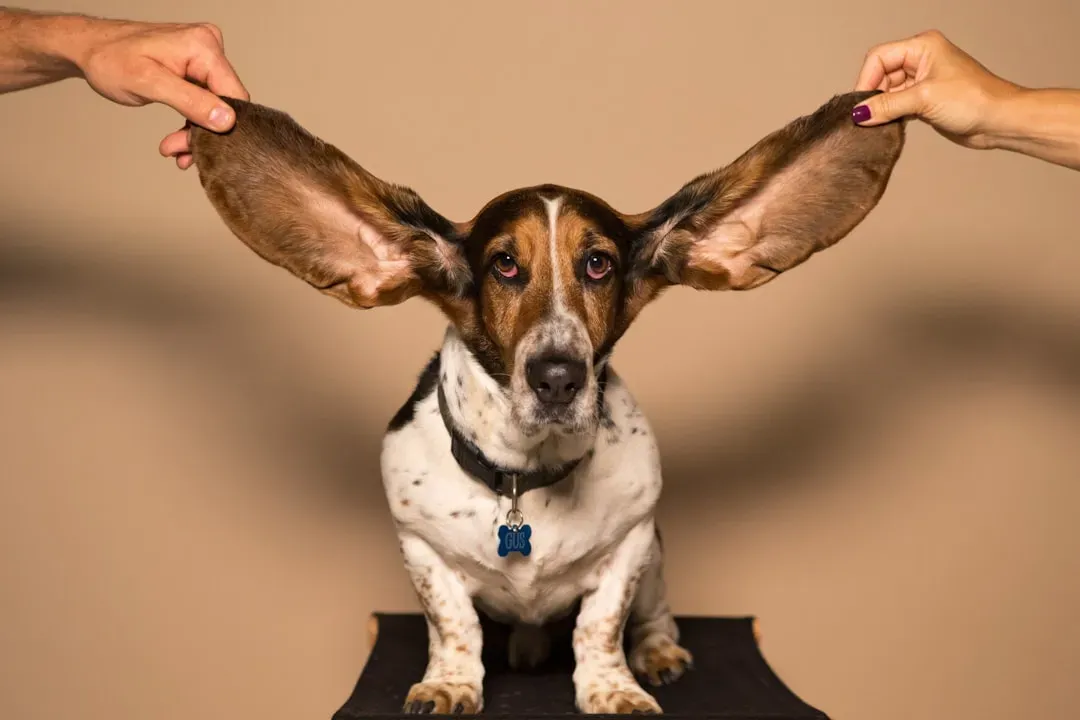
Dogs are surprisingly good at remembering not just voices, but the emotional pattern that comes with them. Your excited, sing-song “walk time” tone, your calm “good dog” murmur, even your sharp “hey!” when they’re doing something risky – over time, your dog builds a mental library of what each sound tends to predict. They may not understand every word, but they absolutely remember how your voice made them feel in different moments.
What really sticks is consistency. If your voice has mostly been a source of warmth, encouragement, and gentle guidance, your dog will react to it with relaxed body language and eager focus, even after you have been away. But if your voice has often come attached to shouting or unpredictable anger, that association lingers too. In that sense, every conversation you have “with” your dog is like a long-term investment in the way they will respond to you for the rest of their life.
Routine Moments That Shape Their World
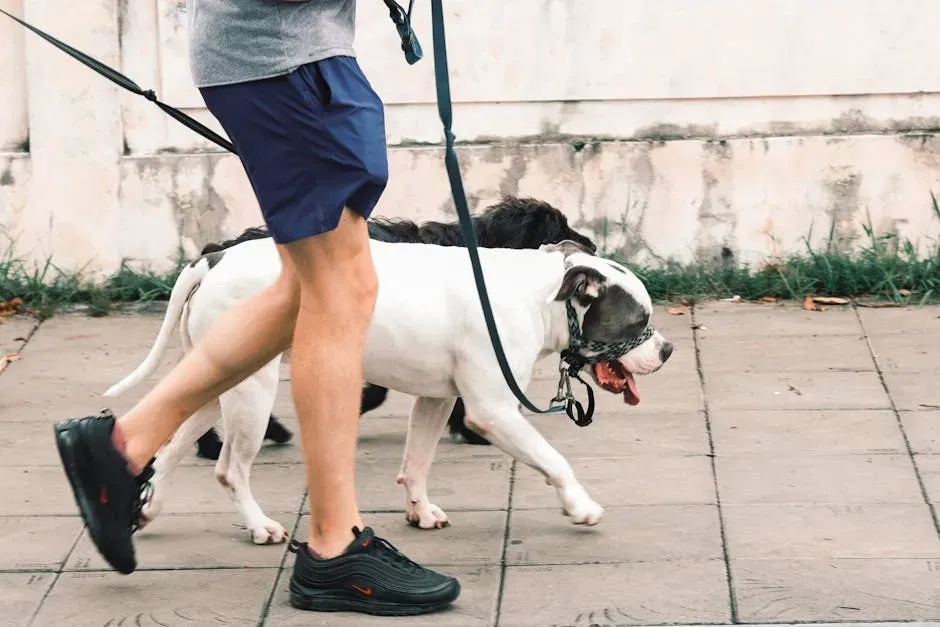
Dogs may not care what day of the week it is, but they are masters of remembering routines. They quickly learn that certain times or actions predict food, walks, bedtime, or alone time. That clink of a bowl, the jingle of car keys, the sound of the coffee machine in the morning – over weeks and months, these become memory anchors that help your dog feel like the world is predictable and safe.
Even if you move houses or change schedules, you can often see your dog trying to recreate old routines, like going to where the door used to be at “walk time” or waiting in the kitchen around their usual feeding time. When routines vanish suddenly – say, after a breakup, job loss, or big life change – many dogs feel unmoored, because their internal map of “what happens when” no longer works. That is why keeping some small rituals, like a nightly cuddle or a morning walk, can be so stabilizing during chaotic moments in your own life.
Places Of Deep Comfort (And Places Of Fear)
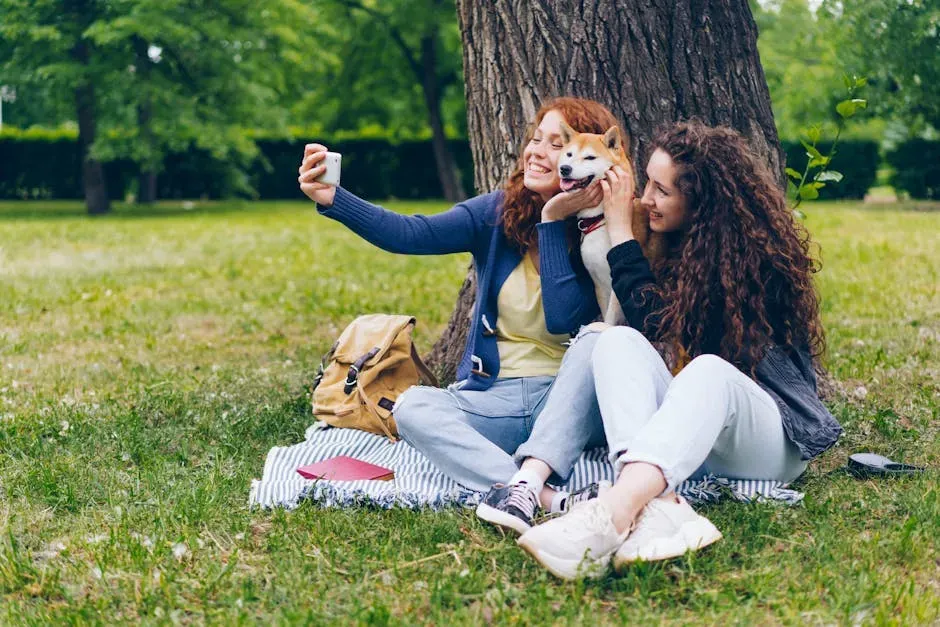
Just like us, dogs build strong place-based memories. A park where they had endless fun, a beach where they first discovered the joy of sprinting through the sand, the house they grew up in – returning to those places years later can trigger tail wags, confident strides, and that unmistakable vibe of “I know this spot.” Their noses do a lot of the work here, with familiar scents acting like a time machine.
But place memories can cut the other way too. A vet clinic where they felt intense pain, a street where they were once chased by another dog, a shelter where the smells of fear and stress lingered – these can stay etched into their emotional memory. Even after a long time, walking past a certain building or corner can make a dog pull back, whine, or try to drag you away. It is not stubbornness; it is their nervous system warning them, based on a past experience they have not forgotten.
Trauma And Moments Of Intense Fear
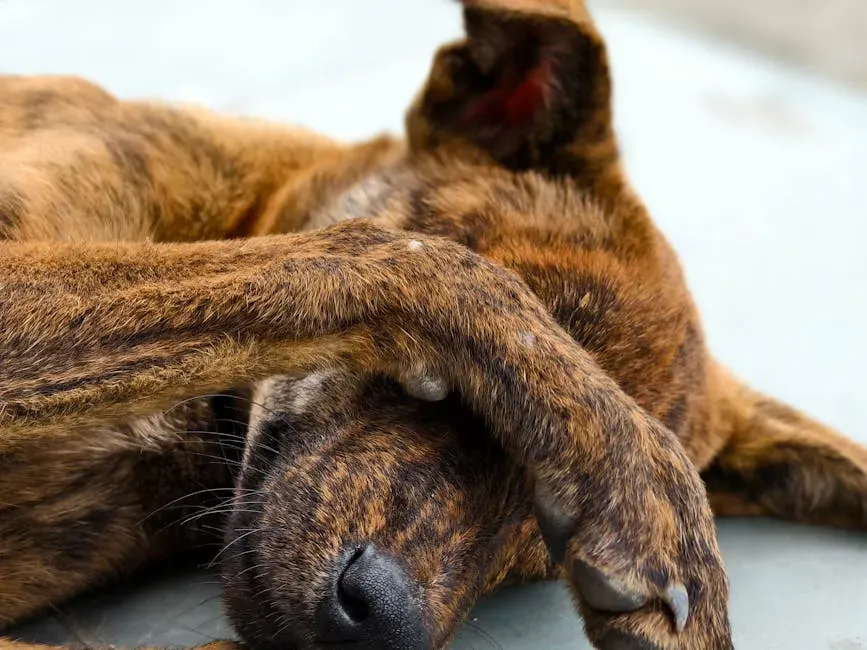
Dogs remember trauma with a kind of raw clarity that can be heartbreaking to witness. A dog that was once attacked by another dog on leash may react to all leashed dogs with panic long afterward. A dog that was trapped in a storm or left alone too long may develop deep separation anxiety or sound sensitivities. These memories are not thoughtful reflections; they are intense emotional imprints that live in the body as much as in the brain.
Over time, careful training, slow exposure, and a lot of patience can help soften some of these responses, but the original event often never fully disappears from the dog’s internal record. I have fostered dogs who flinched at the sight of a raised hand months into a stable, loving home, even when that hand only ever brought gentle pets. That tiny flinch is the shadow of something they remember all too well. It is a harsh reminder that the way we treat dogs in their early and vulnerable moments will echo through the rest of their lives.
Skills That Were Taught With Patience
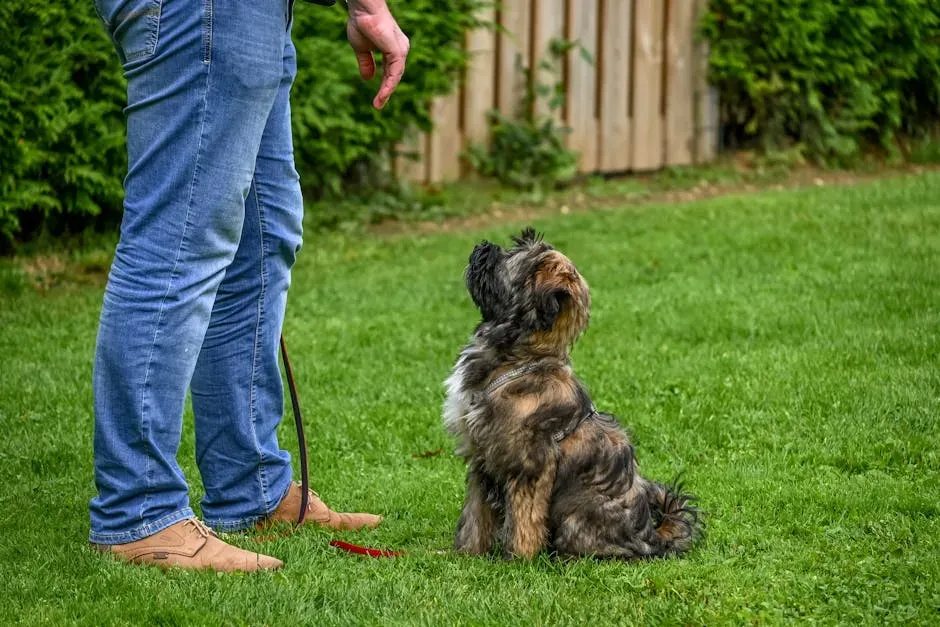
On a brighter note, dogs are also very good at retaining skills they learned with clear, rewarding training. Sit, stay, come, basic leash manners, even fun tricks like rolling over or spinning in a circle – if these were practiced regularly at some point, many dogs can pick them back up surprisingly fast after a long gap. It is a bit like you hopping back on a bike after years; you might wobble at first, but the muscle memory is still in there.
What really helps these behaviors stick is positive reinforcement: rewarding the dog with treats, play, or praise when they get it right. That kind of training turns commands into happy memories instead of stressful tests. So when a dog hears “come” in a new house five years later, there is still a spark of “oh yeah, this usually leads to something good.” In a way, you are not just teaching obedience; you are building a shared language that they carry with them for life.
The Feeling Of Belonging To A Family
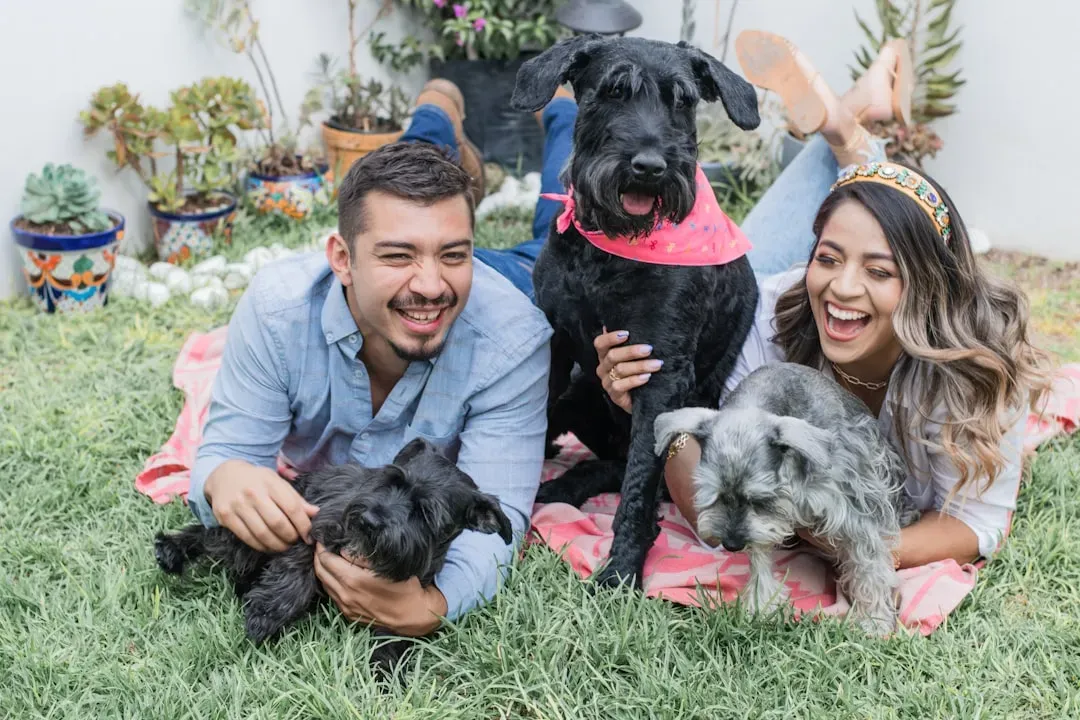
Underneath all the routines, places, and commands, there is something simpler and deeper that dogs never forget: what it felt like to belong. Dogs are social animals, hardwired to function as part of a group. When they have lived in a home where they were included, touched gently, spoken to often, and treated as a real member of the family, that sense of safety becomes a core part of who they are. You can see it in the way they relax on the couch, follow you from room to room, or settle easily when they know you are nearby.
When that bond is broken – through abandonment, rehoming, or sudden loss – many dogs carry the emotional imprint for a long time. New families can absolutely give them a beautiful, secure life, but the dog’s history does not vanish. I tend to think that somewhere in that dog brain, there is a quiet shelf of memories labeled “my people,” filled with scents, beds, cars, and late-night moments that never quite fade. That is the bittersweet magic of their loyalty: once you are in, you are in for a very long time.
The Taste Of Joy (And The Things That Once Made Life Worth Living)
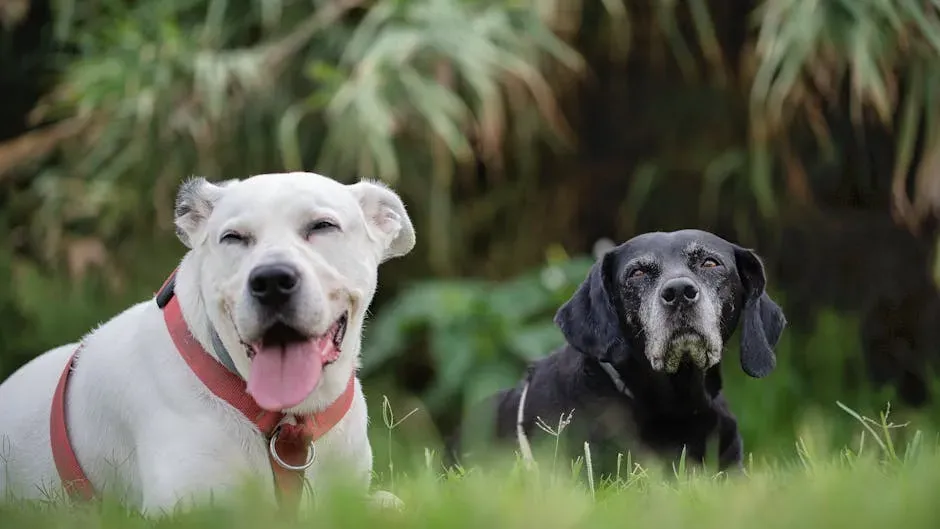
Finally, dogs never really forget the activities that made them feel wildly, stupidly happy. The rustle of a favorite toy, the splash of a lake they used to swim in, the rough pattern of a hiking trail under their paws – these can light them up even after months or years away. An older dog who can barely see will still perk up at the smell of their favorite snack or the familiar squeak of the toy they adored as a puppy. Joy leaves a powerful trace.
Of course, their bodies change. The dog who once sprinted miles may now shuffle along, but you can tell when a familiar game or flavor wakes something up inside them. It is like when you hear a song from your teenage years and suddenly remember the whole scene. For dogs, those bursts of remembered joy are not just cute; they are crucial for their well-being. They remind us that life with a dog should not just be about rules and care, but about regularly giving them reasons to be thrilled that they are alive and with you.
Conclusion: What Your Dog Will Remember About You
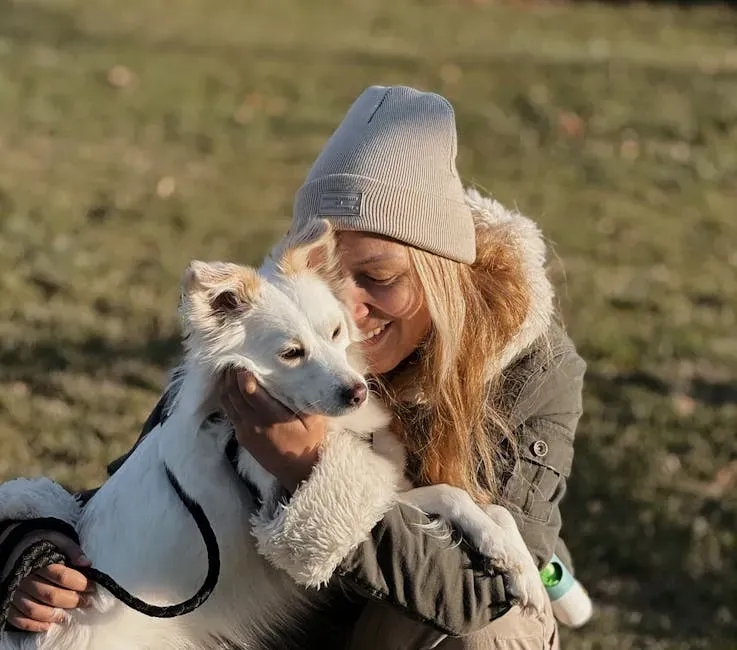
When you put all of this together, a clear picture emerges: dogs remember the things that changed how safe, loved, or afraid they felt. They hold onto people, voices, routines, places, fears, skills, and joys that shaped their world. That means every day with your dog is not just “another day”; it is more like slowly writing a story in their mind about what humans are like, and what life with you really felt like.
My personal take is blunt: if a dog spends years with you and mostly remembers confusion, shouting, boredom, or loneliness, then we have failed them, no matter how good the food was. But if what sticks is the warmth of your hand, the predictability of your care, the silly games, the gentle training, and that deep sense of belonging, then you have given them something priceless. In the end, when your dog thinks back in their own wordless way, what do you hope they never forget about you?


