

You know that look your dog gives you right before chaos breaks loose? The one that says, “I’m bored… so I’m going to redesign this couch”? Some breeds are absolute geniuses at turning boredom into home renovation projects, and not in a good way. They are smart, energetic, and sensitive – and when all that energy has nowhere to go, your shoes, walls, and furniture often pay the price.
This article is not about blaming the breeds. It is about understanding which dogs are more likely to get destructive when bored, why it happens, and what you can realistically do to prevent it. If you are considering one of these breeds, or you already live with one of these furry wrecking balls, knowing what you are dealing with can save your sanity, your stuff, and honestly, your relationship with your dog.
Labrador Retriever

It shocks some people to hear that the classic family Labrador can be a total demolition expert when bored. Labs are friendly, goofy, and generally easygoing, but they are also working dogs bred to retrieve all day, think on their feet, and stay active in tough conditions. When that energy and intelligence are not channeled, they start “making their own fun” – usually involving chewing, digging, or counter surfing.
I have met more than one Lab who could open doors, steal food from sealed containers, and shred an entire room of plush toys in under an hour. They do not do it out of spite; they do it because their brain and body crave a job. Long walks, swimming, fetch marathons, scent games, and serious chewing outlets (like tough rubber toys and bones that are appropriate for them) go a long way toward keeping a bored Lab from turning your living room into a war zone.
Border Collie

Border Collies are often described as having the mind of a scientist trapped in the body of a marathon runner. They are one of the most intelligent dog breeds, originally bred to herd sheep all day using quick decisions, problem solving, and focus. Leave a Border Collie under-stimulated, and that incredible brain will find something to obsess over – chasing shadows, herding kids, chewing furniture, digging, or even dismantling household items.
Because they are so mentally sharp, just throwing a ball a few times is not enough for most Border Collies. They thrive on structured training, agility, herding trials, trick training, and puzzle toys that genuinely challenge them. If they do not get that, they can become frustrated and destructive, and sometimes even develop compulsive behaviors. With the right outlet, they are breathtakingly impressive; without it, they can feel like a storm trapped in your house.
Jack Russell Terrier (and Similar High-Energy Terriers)

Jack Russell Terriers may be small, but they are like highly caffeinated athletes in a compact body. These dogs were bred to chase and dig out foxes and other small animals, which means they were designed for speed, persistence, and a strong prey drive. When a Jack Russell is bored, that hunting DNA shows up as hole-filled yards, destroyed toys, chewed skirting boards, and endless attempts to escape the yard to “go find something to do.”
What surprises many first-time owners is just how relentless that energy can be. A quick stroll around the block will not cut it. They need intense play, structured training, nose work, and proper digging outlets, like a designated sandpit or digging area. If you love their fiery personality but hate the destruction, you have to accept that managing a Jack Russell is less like owning a lapdog and more like coaching a tiny professional athlete with explosives for muscles.
Beagle

Beagles are sweet, soulful-eyed scent hounds that look innocent but can be chaos machines when their nose gets bored. They were bred to follow scent trails for hours in packs, working independently from humans, so they are curious, determined, and not easily discouraged. A bored Beagle often follows its nose straight into the trash, pantry, laundry basket, or any other place that might smell even slightly interesting.
Destruction from a Beagle can look like shredded tissues, raided bins, dug-up gardens, and chewed baseboards, especially if they are left alone with nothing to do. They need more mental games than people realize – scent work, food puzzles, hide-and-seek with treats, and controlled sniffy walks where they are allowed to explore with their nose. If you try to make a Beagle live like a calm, low-stimulation house ornament, it is almost guaranteed that something in your home will get destroyed.
Belgian Malinois

The Belgian Malinois is the dog you often see in police, military, and protection work, and there is a reason for that: they are intense, driven, and highly trainable. But that same intensity can become a serious problem in a regular home if they are under-stimulated. A bored Malinois is not just mildly destructive – they can be extremely destructive, chewing through crates, drywall, doors, and anything that stands between them and what they want.
This is a breed that was literally designed to work all day, often doing demanding physical and mental tasks. Without real jobs to do – like advanced obedience, bite work, agility, tracking, or serious daily training – their energy has nowhere to go. In the wrong environment, that often turns into destructive behavior and sometimes anxiety or aggression. In the right hands, they are extraordinary; in the wrong setting, they can feel like a ticking time bomb of frustration.
Siberian Husky
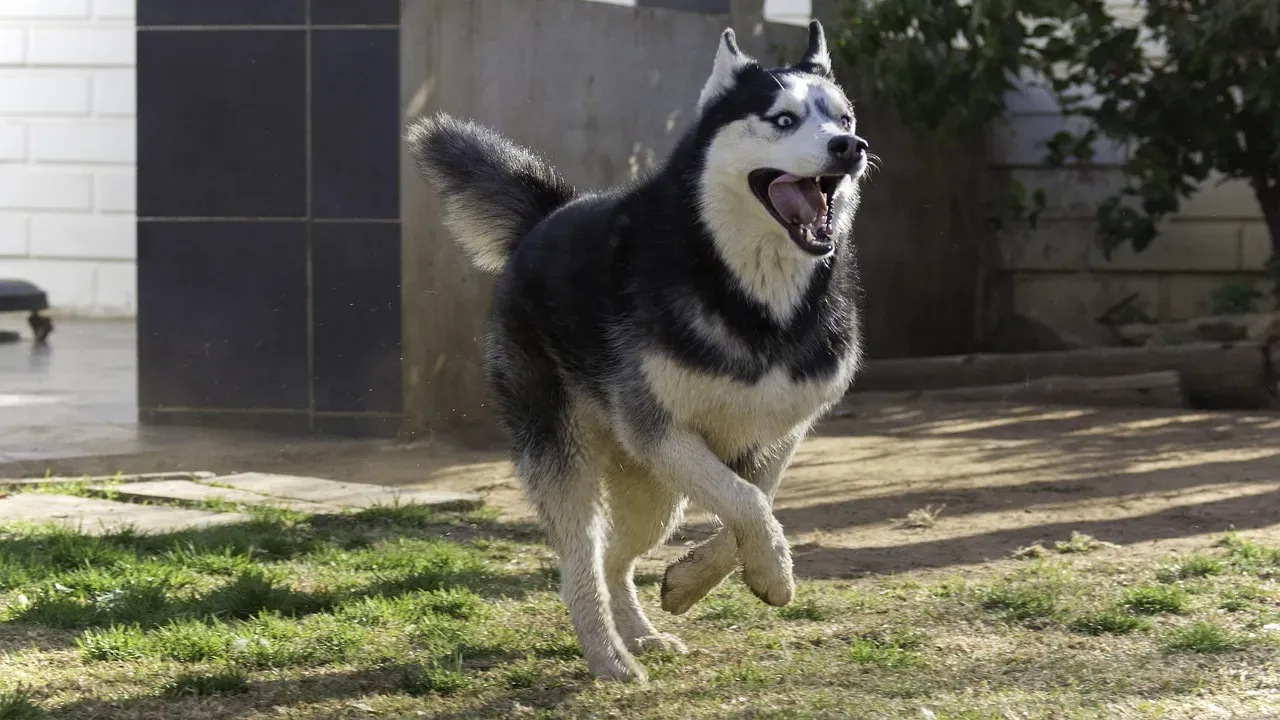
Siberian Huskies look like mystical snow wolves, but at home, a bored Husky can behave more like a professional escape artist and demolition specialist. They were bred to pull sleds over long distances in harsh climates, so they naturally have stamina, independence, and a certain stubborn streak. When that energy builds up with nowhere to release, many Huskies start digging craters in the yard, shredding sofas, chewing doors, and howling out of sheer frustration.
Huskies also tend to be clever when it comes to testing fences, gates, and even door handles, especially if they are bored and under-exercised. They do best with serious daily exercise – running, hiking, canicross, or sled sports where possible – plus enrichment like flirt poles, puzzle feeders, and training games. If someone gets a Husky just for the pretty looks but gives it a sedentary life, destruction is not an accident; it is almost guaranteed.
German Shepherd

German Shepherds are versatile working dogs used in everything from search and rescue to service work. That versatility comes from high intelligence, strong drive, and a deep desire to have a job. When a German Shepherd is left alone, under-exercised, or under-trained, all that drive can turn inward, leading to chewing, pacing, scratching at doors, and tearing up objects just to release nervous energy.
These dogs often bond strongly with their family and can become anxious if mentally and physically under-stimulated. Destruction is sometimes less about mischief and more about stress. They need clear structure, regular training sessions, meaningful physical exercise, and problem-solving tasks like tracking games or advanced obedience. Treat a German Shepherd like a decorative guard statue, and you will likely end up with destroyed items and a mentally frustrated dog instead.
Boxer

Boxers are playful, clownish, and full of enthusiasm, which makes them wonderful companions – as long as that energy has somewhere to go. When bored, a Boxer can turn that same playfulness into rough chewing, bouncing off furniture, knocking things over, and investigating anything that looks remotely chewable. Their strong jaws and physical power mean that the damage is often not minor.
Despite their sometimes goofy demeanor, Boxers are sensitive and people-oriented. Long hours alone, little mental stimulation, and low activity can quickly turn into destructive behavior or attention-seeking chaos. They benefit from interactive play, training that engages their brain, and games that let them burn off steam, like tug, controlled roughhousing, and running or jogging. Think of them as overgrown toddlers with muscles – tired, engaged Boxers are delightful; bored ones are wrecking balls.
Dalmatian

Dalmatians are often remembered for their spots and movie fame, but historically, they were carriage dogs that ran alongside horses for long distances. That history explains why many Dalmatians simply do not switch off if their physical and mental needs are not met. When bored, they may chew, dig, pace, and find creative ways to entertain themselves, which usually leaves a mess behind.
They are typically energetic, sometimes high-strung, and they notice everything going on around them. Without clear outlets – such as running, advanced training, dog sports, or long, structured walks – they can become restless and destructive. Some owners are caught off guard because they expect a laid-back pet and instead get a dog that always seems “on.” If their brain and body are kept busy, though, that intensity turns into charm and athletic elegance instead of destruction.
Australian Shepherd

Australian Shepherds, despite the name, were largely developed in the United States as herding dogs with serious work ethic. They have sharp minds, quick reflexes, and a strong instinct to control movement. When they are bored, they may start herding children, chasing cars or bikes, chewing furniture, or barking excessively. Destruction often shows up simply because their brain is not getting enough to do.
The issue with Aussies is not just energy, but mental drive. A lazy day here and there is fine, but day after day of low stimulation is a recipe for frustration-based behavior. They thrive on agility, herding, trick training, and problem-solving games. If you bring an Australian Shepherd into your life, you are not just getting a dog, you are signing up to be the manager of a highly motivated, sometimes overly helpful employee who will absolutely create their own job if you do not provide one.
Weimaraner

Weimaraners are sleek, athletic hunting dogs often nicknamed “Velcro dogs” because of how closely they bond to their humans. That mix of high energy and attachment means they do not handle boredom and isolation very well. A bored, lonely Weimaraner may chew walls, doors, furniture, and anything within reach, sometimes out of anxiety as much as restlessness.
They were originally bred for active hunting days, so just a quick walk will not satisfy most Weimaraners. They often need running, hiking, retrieval games, and real mental work through training or scent games. If they are left in a house or apartment with little to do and minimal human interaction, destruction is not a mystery; it is a predictable output of a mis-matched lifestyle and a very intense dog.
Conclusion: It Is Not the Breed’s Fault – But It Is Our Responsibility

Looking at this list, a clear pattern jumps out: the dogs most likely to become destructive when bored are not “bad breeds.” They are intelligent, high-drive working dogs that were designed for demanding jobs, long days, and independent problem-solving. When we drop them into modern lives full of long work hours, small spaces, and not enough stimulation, it is no wonder they start chewing, digging, shredding, and escaping. To me, the real problem is not the dogs; it is the mismatch between what we want emotionally and what we are ready to handle practically.
If you already share your life with one of these breeds, the solution is not punishment or giving up – it is meeting them where they are. That means more structure, more mental work, more appropriate exercise, and realistic expectations. And if you are thinking about getting one of these dogs because they are cute, trendy, or you saw them on social media, it is worth asking a harder question: am I actually ready to live with the full intensity that comes with that beauty and charm?


