
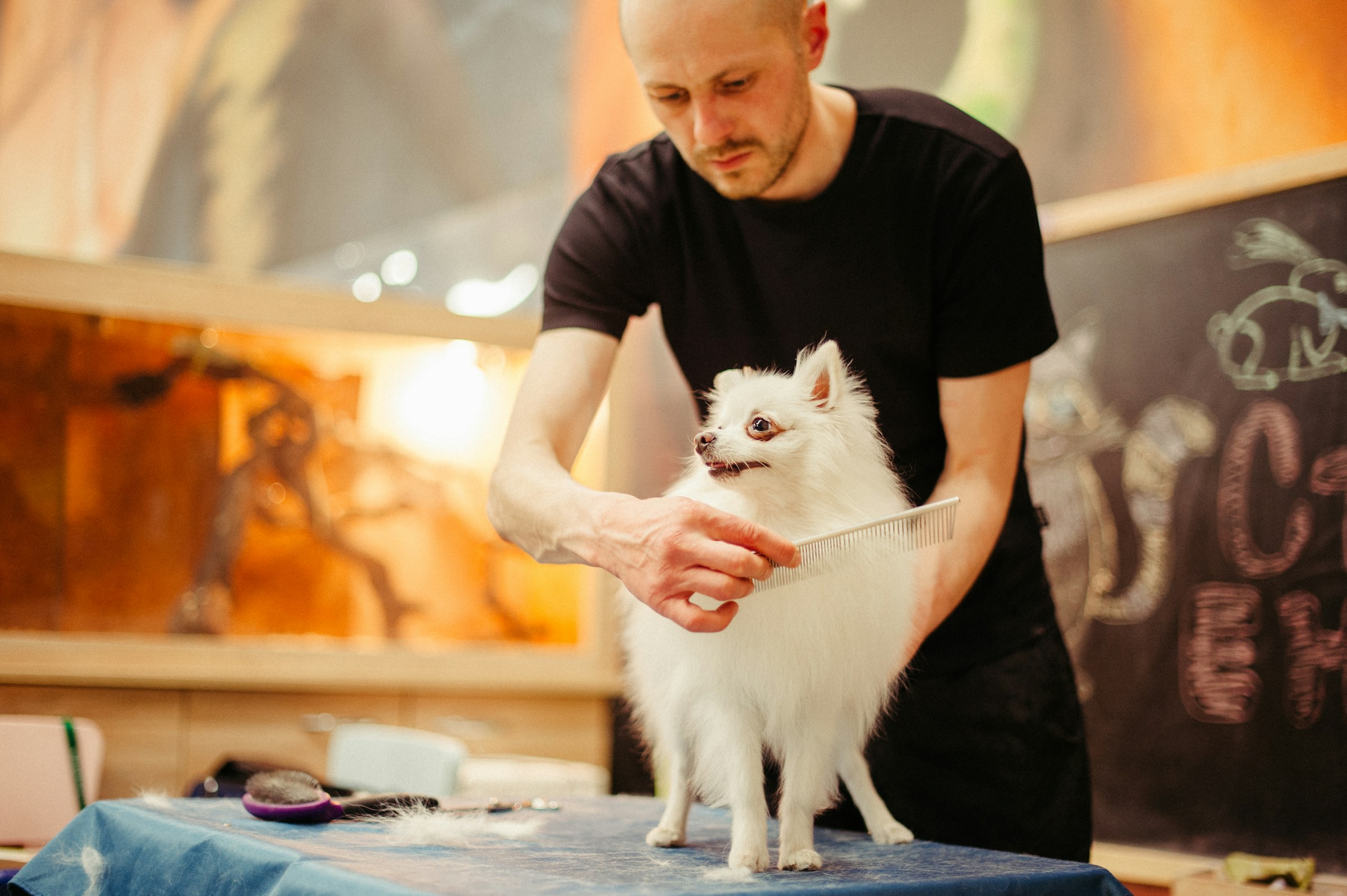
Living with a reactive dog can feel like walking around with a ticking time bomb on a leash. One moment you are enjoying a quiet stroll, the next your dog is lunging, barking, or spinning out at the sight of another dog, a skateboard, or even a fluttering plastic bag. It is stressful, embarrassing, and can leave you wondering whether you are failing your dog.
The truth is, reactivity is incredibly common and, in many cases, very manageable with the right science-based tools. Modern animal behaviourists do not see reactive dogs as “bad” or “dominant”; they see them as overwhelmed, scared, or over-aroused. With that shift in mindset, everything changes. Below are eight calming techniques that behaviour professionals actually use and recommend – practical strategies that lower stress in the moment and, over time, help your dog feel safer in a noisy, unpredictable world.
1. Distance: The Most Underrated Calm-Down Tool
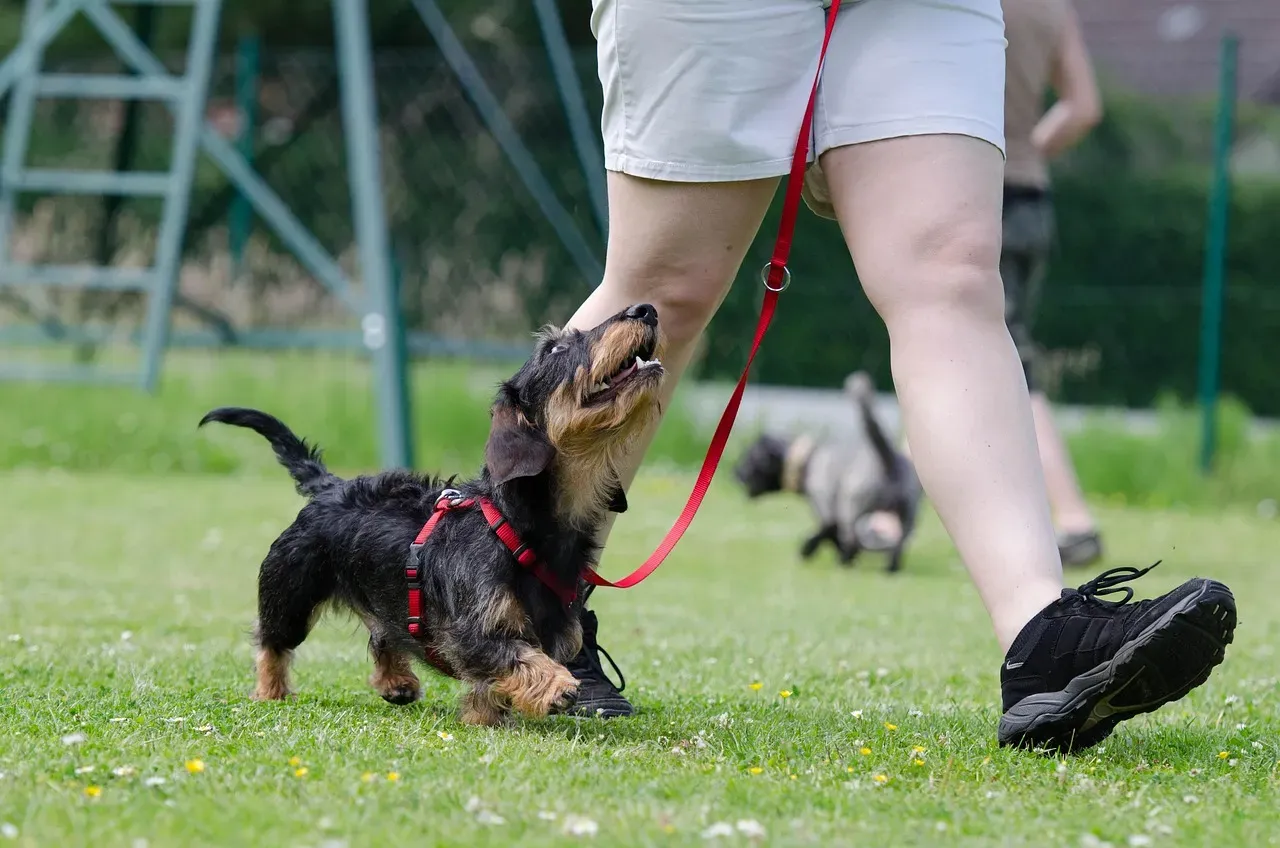
Here is the first big secret behaviourists wish more owners knew: getting further away from the trigger is not “giving in,” it is emotional first aid. When your dog reacts, their nervous system is already in fight-or-flight mode, and expecting them to “sit” or “focus” in that state is like asking someone in a burning building to calmly solve a math problem. Distance lowers intensity; it is the single fastest way to bring your dog back under threshold.
In practice, this means calmly turning away, crossing the street, or arcing in a wide semi-circle the second you notice your dog stiffen, stare, or freeze. You do not wait for the explosion; you move before it. Many behaviourists talk about “finding your dog’s distance” – the point at which they can notice the trigger but still eat, sniff, and respond to you. That might be half a block for one dog and ten metres for another. Once you start treating distance as a dial you can turn, not a test of obedience, your walks begin to feel a lot less like a war zone.
2. Pattern Games That Give Anxious Brains Something Safe To Do
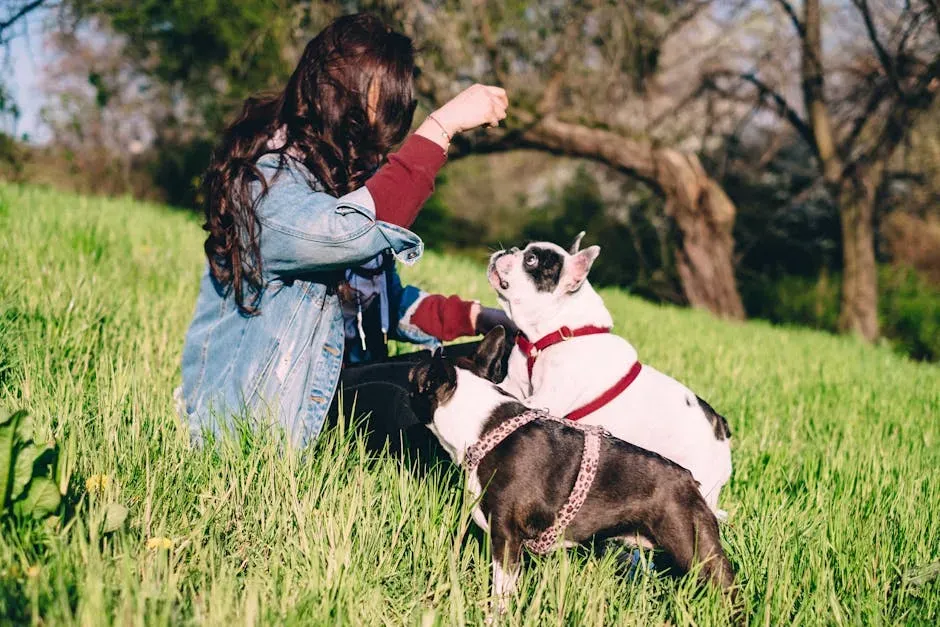
Reactive dogs are often desperate for predictability in a world that feels chaotic and scary. Pattern games, widely used by modern trainers and behaviourists, give the dog a familiar, safe sequence to follow whenever something worrying appears. Think of them as pre-programmed mini-routines that anchor your dog’s brain and body, turning “Oh no, a dog!” into “I know this game, I look at mom, food appears, we move this way.”
One simple example is a “look at me, treat on the ground, step away” pattern you repeat every time a trigger shows up at a safe distance. Another is a gentle “1–2–3, treat” rhythm where a reward comes on the third count as you move past something mildly stressful. Over time, the pattern itself becomes calming, almost like a song your dog knows by heart. I still remember the first time my own anxious dog saw a jogger, whipped her head toward me, and eagerly started her pattern game instead of barking; it felt like watching a storm quietly pass us by.
3. Sniffing and Foraging: Letting the Nose Do the Therapy
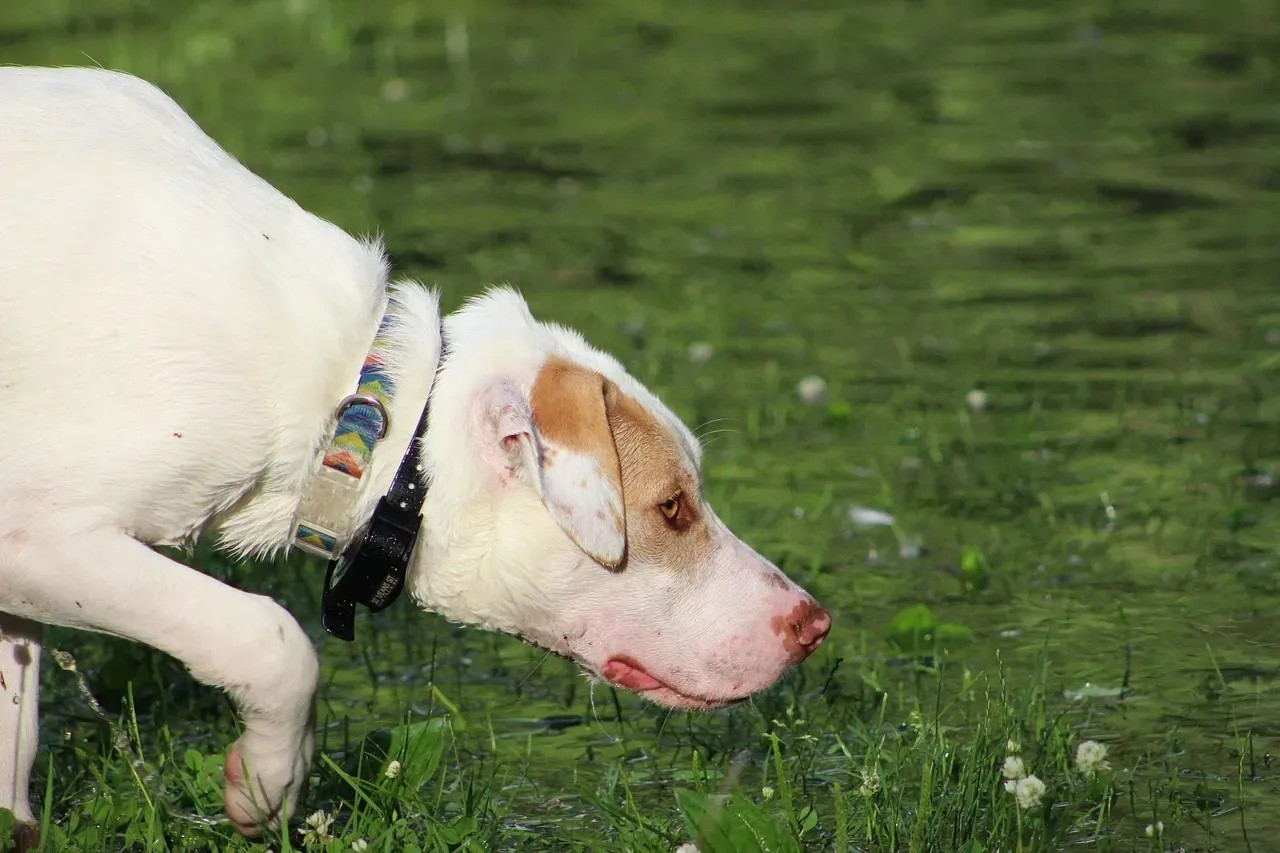
One of the biggest behaviour breakthroughs of the past decade is how strongly sniffing is linked to relaxation in dogs. When a dog is allowed to move at their own pace with their nose down, their heart rate tends to drop and their body language softens. Behaviourists often use “sniff walks” or foraging games as deliberate decompression sessions, because scent work taps into natural instincts and occupies the brain in a way that is deeply satisfying, not overstimulating.
You can put this to work by scattering treats in grass away from a trigger, using a snuffle mat at home, or planning slow, quiet walks in low-traffic areas where your dog is free to sniff instead of heel. For reactive dogs, these activities are not just enrichment; they are therapy. Spending even fifteen minutes a day letting your dog forage can make them less tightly wound overall, which means their “fuse” is a little longer the next time the neighbour’s dog appears out of nowhere.
4. Relaxation Training: Teaching Calm Like It Is a Trick

Most of us spend years teaching our dogs sits, downs, and tricks, but never actually teach them how to relax on purpose. Behaviourists increasingly use structured relaxation protocols, which are essentially step-by-step exercises that reward the dog for calmly lying on a mat, breathing deeply, and ignoring mild distractions. Over time, the mat itself becomes a cue for the body to soften and settle, much like a meditation cushion for humans.
At home, you can start by rewarding tiny moments of stillness when your dog is already a bit sleepy, quietly placing a treat between their paws as they lie on a bed or mat. Gradually, you build duration and add very small distractions – standing up, taking a step, sitting down again – while continuing to pay for calm. It may feel slow and almost too simple, but that is exactly the point. You are wiring in a new default response: instead of escalating when things shift around them, your dog learns that being relaxed is not only safe, it is incredibly rewarding.
5. The Power of Predictable Routines and Clear Patterns
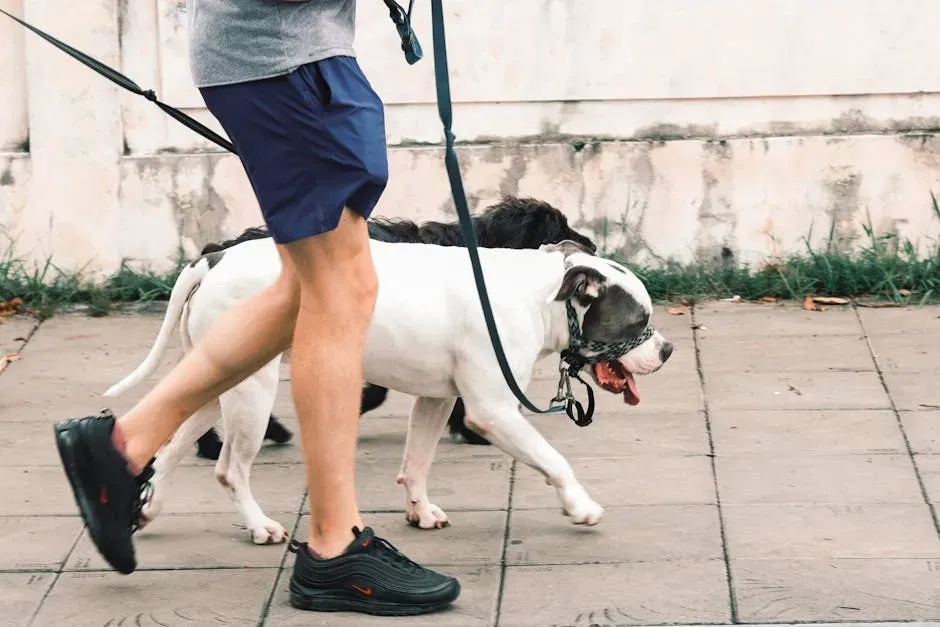
Reactive dogs often struggle not just with specific triggers, but with unpredictability in general. Animal behaviourists frequently emphasize that stress is cumulative; poor sleep, chaotic schedules, and constant surprises all eat into a dog’s coping capacity. A dog who knows roughly when walks happen, when meals arrive, and where they will sleep tends to be more stable emotionally, simply because the world feels less random and threatening.
Creating calm does not mean living like a robot, but it does mean leaning into gentle structure. Keeping walks at similar times, using the same harness and cues, and having a clear pre-walk routine – maybe harness on, treat, brief sniff in the yard – help your dog anticipate what comes next. Over time, these rituals act like little anchors throughout the day. Just as many people feel calmer with a morning coffee routine, reactive dogs often blossom when life stops feeling like a constant surprise party.
6. Cooperative Handling and Consent to Reduce Everyday Stress

Many reactive dogs are also touch-sensitive or fearful around grooming, harnessing, or vet care, and all of that hidden stress bleeds into their overall reactivity. Modern behaviourists increasingly use cooperative care techniques, where the dog learns clear “start” and “stop” signals for handling. Instead of being grabbed for nail trims or having a harness shoved on, the dog is taught to place their chin on a towel or stand on a mat to say, in effect, “I am ready,” and to move away to pause the process.
This might sound fancy, but it is simply about giving your dog a predictable way to communicate. When your dog learns that backing away or lifting their head makes the scary thing pause, their need to explode or struggle decreases. Over time, everyday tasks like brushing, wiping paws, or putting on equipment become calm, cooperative moments instead of mini battles. That lowered background stress makes it much easier for your dog to cope when something truly surprising happens out in the world.
7. Environmental Management: Setting Your Dog Up to Succeed
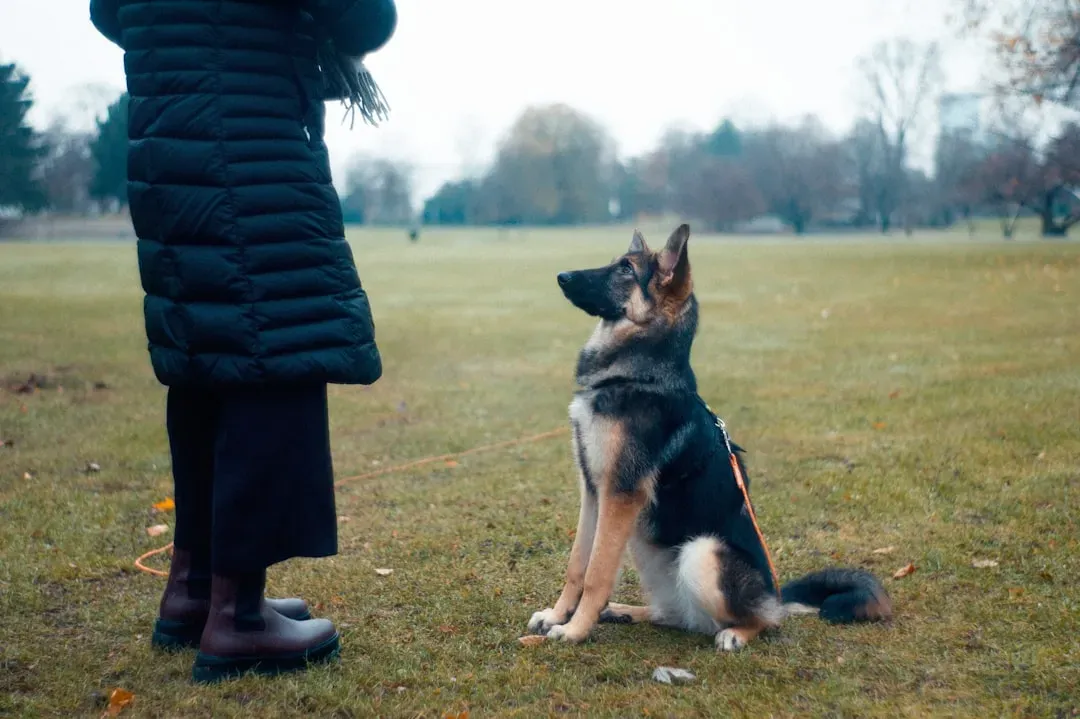
It is tempting to view reactivity as a pure training problem, but behaviourists are very clear: environment matters just as much as skills. If your dog is triggered by other dogs, living on a busy corner and walking at peak rush hour will keep them in a constant state of high alert. No amount of clever cues can fully compensate for an environment that is simply too intense for your dog’s current coping ability.
Thoughtful management might mean choosing quieter routes, driving to a calm trail, using privacy film on front windows, or playing white noise to muffle outside sounds. It can also mean gear choices: a well-fitting harness, a longer leash for sniffing, and maybe a visual barrier like a mesh head halter cover or a “nervous, give me space” vest so people do not rush up. Management is not about wrapping your dog in cotton wool forever; it is about giving them room to practice staying calm, instead of being pushed into panic day after day.
8. Professional Help, Medication, and Why “Just Training More” Is Not Always Enough
Sometimes, despite your best efforts, your dog’s reactions remain intense, frequent, or even dangerous. This is where behaviourists draw a clear line: chronic, severe reactivity is not a moral failing or a training laziness problem; it is often a mental health issue. In those cases, involving a qualified behaviour professional and, where appropriate, a veterinarian or veterinary behaviourist can be life-changing. They can assess whether underlying pain, illness, or genetic factors are stacking the deck against your dog.
When needed, behaviour medication can reduce anxiety and arousal to a level where your dog can actually benefit from training, rather than just surviving each walk. Owners are sometimes reluctant, worried that medication is a last resort or a sign they have “given up.” In reality, many behaviourists see it as a compassionate tool, no different from using glasses to help a person see the world clearly. Combined with the calming strategies above, professional support can transform reactivity from a daily crisis into a manageable part of who your dog is, rather than the only thing that defines them.
Conclusion: Reactive Dogs Are Not Broken – But Our Expectations Might Be
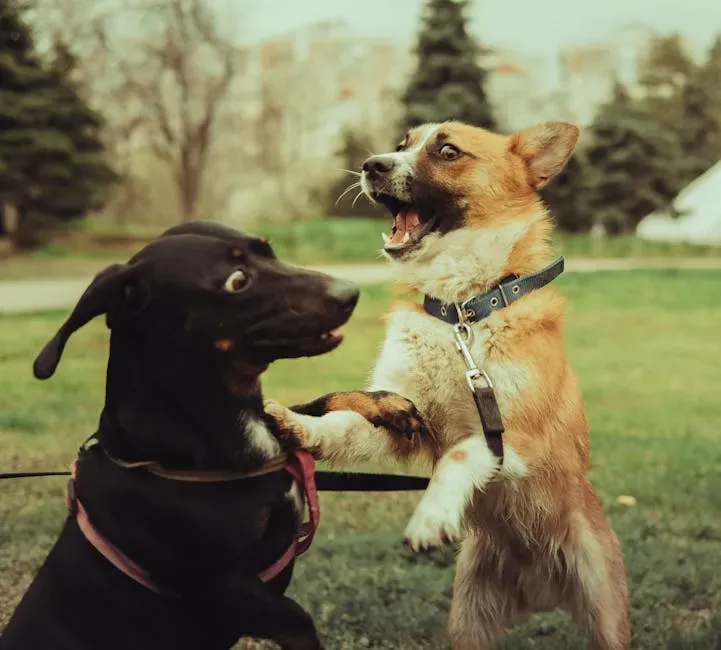
When you live with a reactive dog, it is easy to slip into shame, frustration, or the constant loop of wondering what you “did wrong.” The science-based view that modern behaviourists offer is both more honest and more hopeful: your dog’s brain and body are reacting to a world that is often too loud, too close, and too fast – and they need help, not harsher rules. Distance, sniffing, pattern games, relaxation training, thoughtful routines, cooperative handling, environmental tweaks, and, when appropriate, professional and medical support all work together like pieces of a calming puzzle.
Personally, I think reactive dogs have a way of forcing us to become better listeners and more thoughtful humans; they will not let us coast on outdated myths or quick fixes. They push us to slow down, notice subtle stress signals, and build lives that are gentler and more predictable – for them and, often, for us too. If you start viewing your dog not as a problem to be fixed but as a sensitive creature trying very hard to cope, these techniques stop feeling like chores and start feeling like a shared language. When you picture your next walk, are you still bracing for impact, or are you curious about what might change if you give your dog just a little more distance, choice, and understanding today?


