
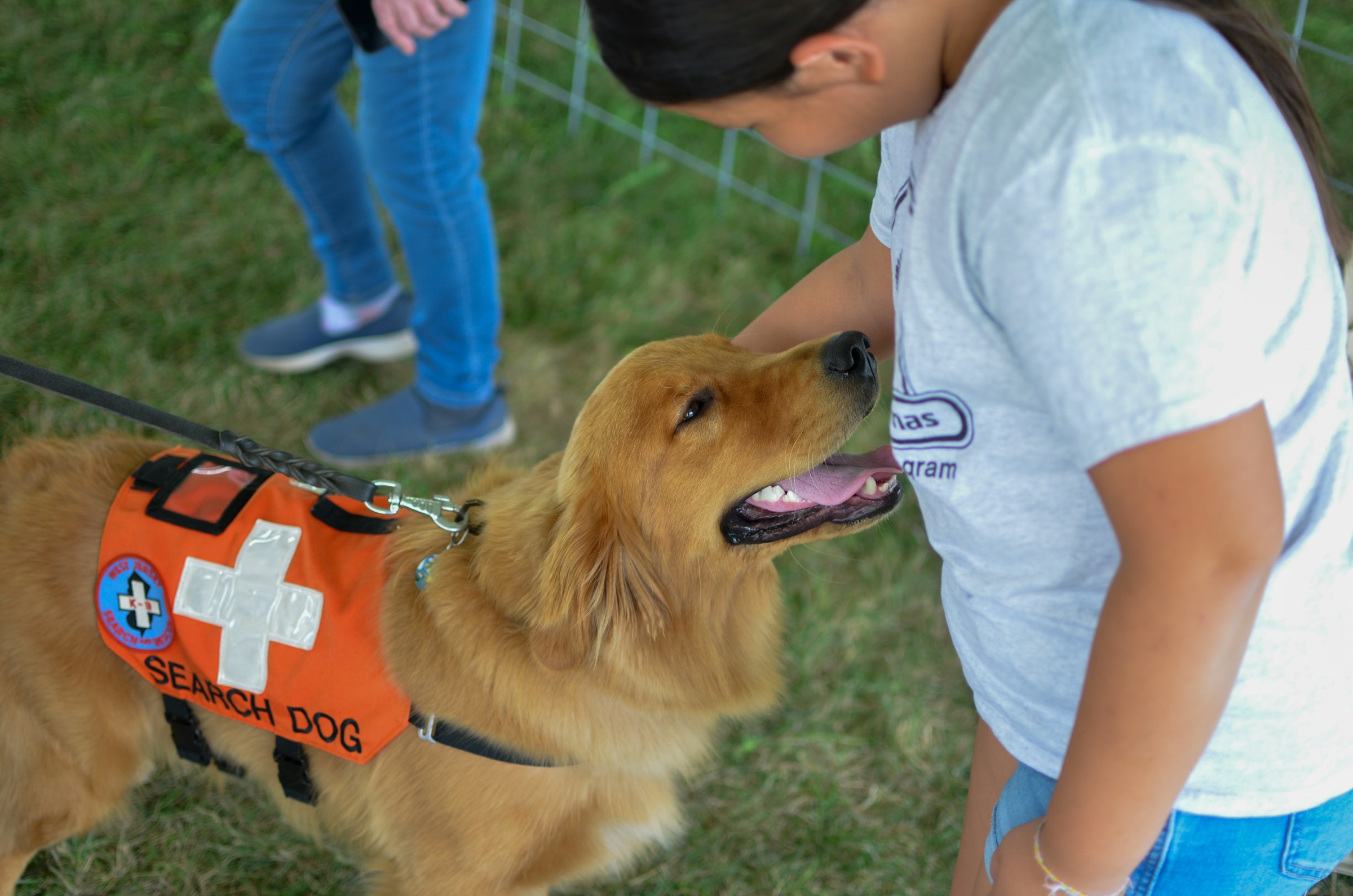
Imagine you are sitting on the couch, starting to feel oddly off, and your dog suddenly becomes glued to your side, pawing, whining, or refusing to leave you alone. Minutes later, you have a seizure. Stories like this have been quietly shared for years, and now research is finally catching up, suggesting that some untrained pet dogs really may be detecting their owners’ seizures before they happen.
What makes this so fascinating is that many of these dogs were never formally trained as assistance animals. They simply lived with their humans, day in and day out. The idea that dogs might spontaneously develop seizure-alert behavior raises big questions: How do they know? Is this rare or more common than we think? And what does this mean for people living with epilepsy and other seizure disorders?
When Ordinary Pet Dogs Do Extraordinary Things

One of the most striking findings from recent studies is that quite a few seizure-alert dogs started out as completely ordinary pets. These were family dogs, not specially selected or professionally trained, yet owners began noticing patterns: intense staring, clinginess, barking, or pacing in the minutes leading up to a seizure. Over time, those behaviors looked less like coincidence and more like a warning signal.
Researchers have collected case reports and survey data where owners consistently describe their dogs behaving in specific, unusual ways before seizures start. What pushes this beyond random chance is how often those pre-seizure behaviors are repeated in the same dog, paired reliably with upcoming events. That kind of repeated pattern, even in a messy real‑world setting, is exactly what scientists look for when they move from “interesting story” to “this might be real.”
How Could Dogs Possibly Sense a Seizure Coming?

There is still a lot we do not know, but scientists have some plausible ideas. Dogs have an incredibly sharp sense of smell and can detect tiny changes in human body chemistry. One leading theory is that seizures are preceded by subtle shifts in body odor or breath compounds that humans do not notice, but a dog’s nose easily picks up. In some small experimental studies, dogs have been able to distinguish samples taken before seizures from those taken at other times, hinting that there is a consistent biological signal.
Scent is probably not the whole story, though. Many owners report their dogs responding even when they are at a slight distance, or when the person feels strange but does not yet look visibly distressed. Dogs may also be picking up on changes in micro-movements, posture, facial expression, or even tiny vocal changes that happen when the brain’s activity is beginning to shift. Think of it as a multi-sensory early warning system: smell, sight, and sound coming together long before any obvious outward seizure sign.
Living Together as “Training”: How Daily Life Shapes Canine Skill
One of the most intriguing possibilities is that simply living closely with a human who has seizures can gradually shape a dog’s alerting behavior, even without formal training. Dogs are expert observers of human routines. They notice when we reach for keys, when we are heading to bed, when we are sad, when we are excited. If seizures are part of that rhythm, a sensitive dog may start linking certain pre-seizure cues with the event that follows.
Over time, if the dog naturally reacts when it senses those cues – by seeking attention, whining, or staying near – and the human responds (for example, by petting the dog, sitting down, or speaking to it), that interaction can subtly reward the dog for its behavior. This turns everyday life into a kind of informal training loop. The dog learns that “something is about to happen” when it senses specific changes, and its instinct to stick close or call attention gets reinforced, turning into a consistent alert.
What the Research Actually Shows (And What It Does Not)

It is important to be clear about where the science stands. Researchers have documented cases where owners report their untrained dogs reliably alerting to their seizures, and some controlled studies have tested whether dogs can detect seizure-related cues from samples. These early studies generally suggest that dogs are capable of detecting something real, but they also highlight large differences from one dog to another and from one person to another.
At the same time, the research is still relatively young and often based on small sample sizes, self-reported data, and complex real‑world conditions. Not every dog with a person who has epilepsy becomes an alert dog. Not every alert behavior is accurate or consistent. In other words, the phenomenon looks genuine but variable, and the field is still trying to pin down how reliable it can be, which conditions matter most, and how to distinguish true alerts from random attention or anxious behavior.
Not Every Dog Will Be a Seizure-Alert Star
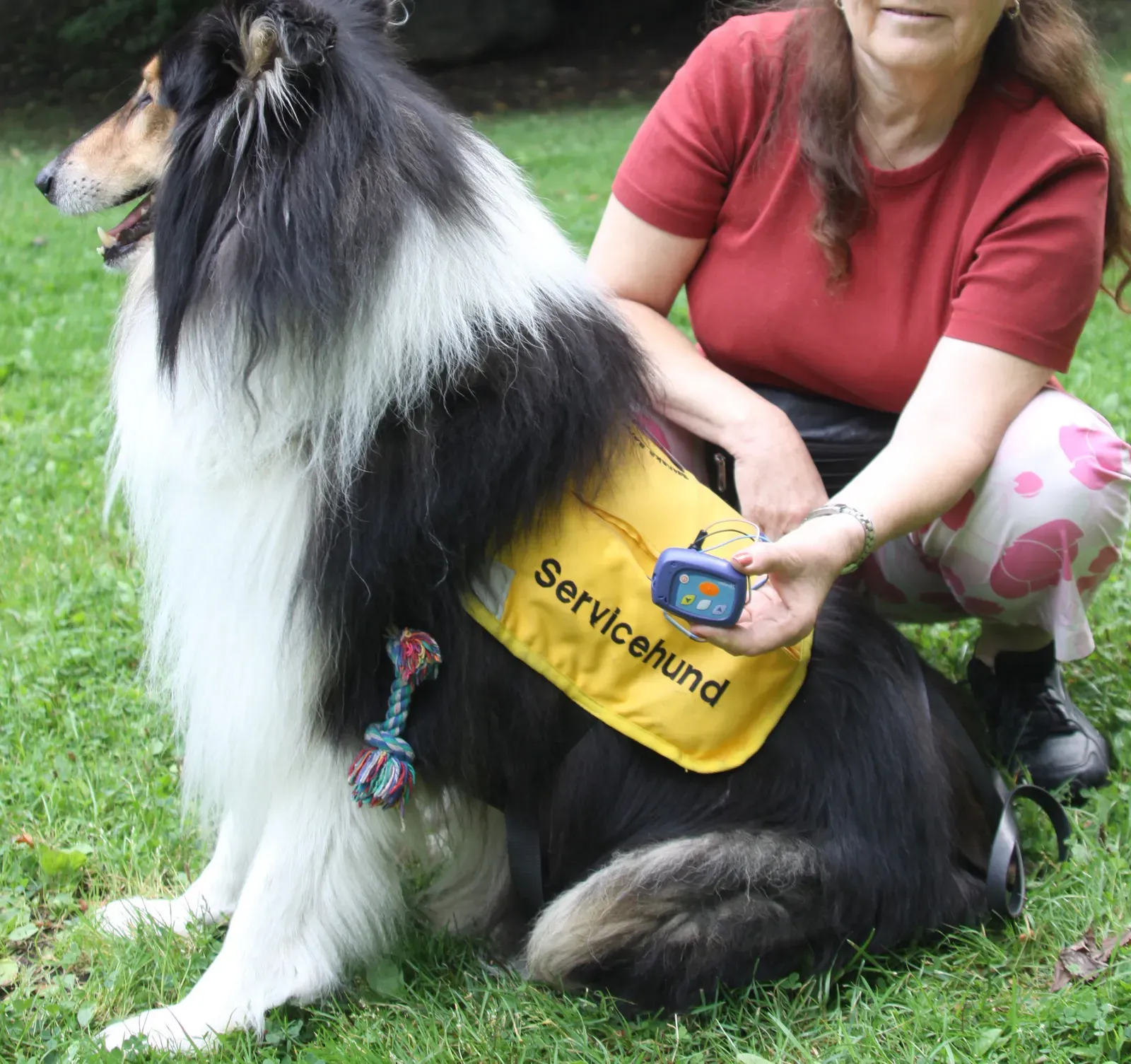
As heartwarming as these stories are, it would be unrealistic – and potentially risky – to assume that any pet dog can or will develop this ability. Some dogs never show seizure-related behavior at all, even after years of living with a person who has epilepsy. Others may be too anxious, too distracted, or simply uninterested in human subtle signals. Breed, temperament, age, and previous experiences likely all play a role.
Even among dogs that do respond, the accuracy rate can be mixed. A dog might react before some seizures but stay calm before others. It might accidentally “alert” during times of stress that have nothing to do with a seizure. For people who need dependable safety, such inconsistency is a serious limitation. This is why clinicians and researchers caution against relying on a pet dog as a primary seizure warning system, unless the behavior has been carefully observed over time and ideally supported by professional assessment or structured training.
From Serendipity to Science: Turning Natural Ability Into Support

One promising direction is using these natural behaviors as a starting point rather than the end point. When a pet dog seems to have a knack for alerting, experienced trainers and researchers can step in to carefully document the behavior, test it, and shape it in a safer, more reliable way. That might mean teaching the dog to perform a clear, specific signal – like nudging, pawing, or fetching a device – every time it detects those pre-seizure cues.
This sort of structured follow‑up could bridge the gap between spontaneous household stories and fully trained medical assistance dogs. It also opens the door to using the same principles in formal programs: exposing suitable dogs to pre-seizure scents or signals and rewarding them for correct identification, while screening out dogs that do not show stable responses. In time, the lessons learned from untrained pet dogs may help design better, more ethical, and more effective seizure-alert training methods.
What This Means for People Living With Seizures

For someone living with epilepsy or another seizure disorder, the idea that a beloved pet might notice trouble coming before they do is both comforting and complicated. On the comforting side, having a dog that naturally stays close, nudges you to sit down, or refuses to leave your side can make you feel less alone and occasionally give you a few precious minutes to prepare, lie down, or call for help. That emotional support alone is valuable, even if the dog’s alerts are imperfect.
On the complicated side, relying too heavily on a dog’s perceived alerts can give a false sense of security. Medications, medical devices, and professional care are still the foundations of seizure management, and dogs are best seen as potential helpers or early warning partners, not replacements. The healthiest mindset is probably a balanced one: appreciate and encourage your dog’s sensitivity, notice patterns carefully, but keep your medical plan at the center and discuss any noticeable seizure-related dog behavior with your healthcare team.
Opinionated Conclusion: A Remarkable Ability, But Not a Magic Fix
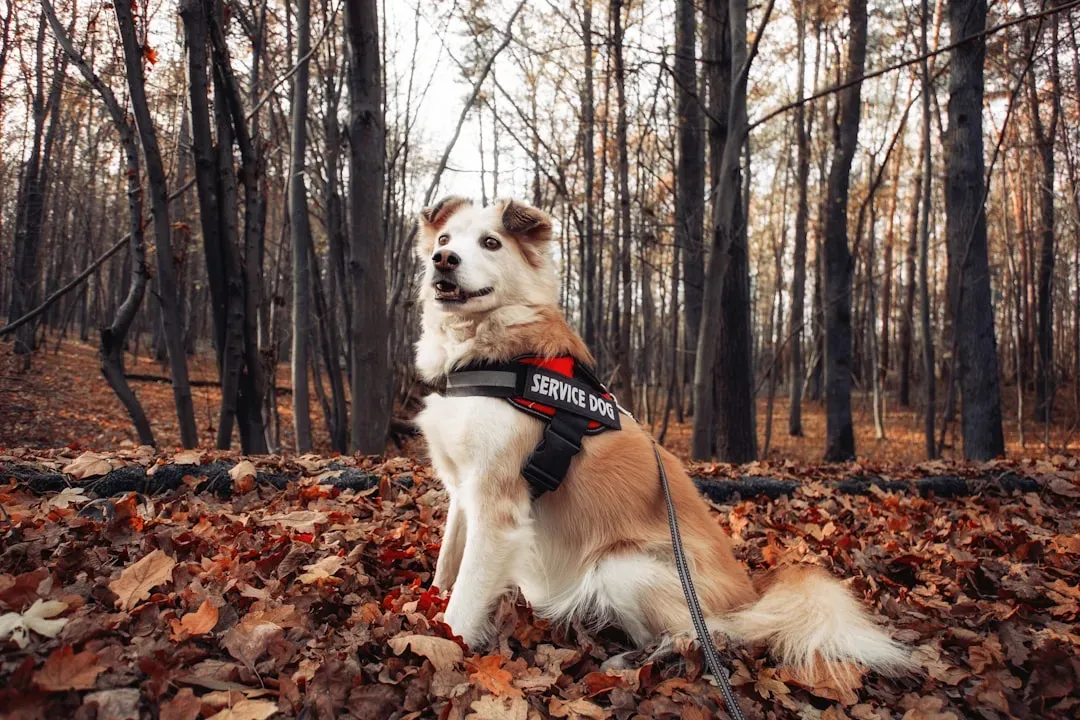
To me, the most powerful takeaway from this research is not that dogs are miracle medical devices hiding in plain sight – it is that living creatures who share our lives can tune into us far more deeply than we realize. The fact that some untrained pet dogs can apparently sense seizure-related changes says a lot about the intensity of the human–dog bond and the quiet intelligence that develops simply from living closely together. That is both scientifically interesting and, on a human level, deeply moving.
At the same time, we should resist the temptation to romanticize this into something it is not. Not every dog will do this, not every alert will be accurate, and no dog can replace proper medical treatment. The honest, grounded view is that untrained seizure-alert dogs sit somewhere between a touching companion story and a promising scientific frontier. They are a reminder that our pets are paying closer attention than we think – and that sometimes, the best discoveries start in an ordinary living room with a person, a dog, and a moment that nobody can quite explain. If you live with a dog, it does make you wonder: what might your own pet be noticing that you never do?


