
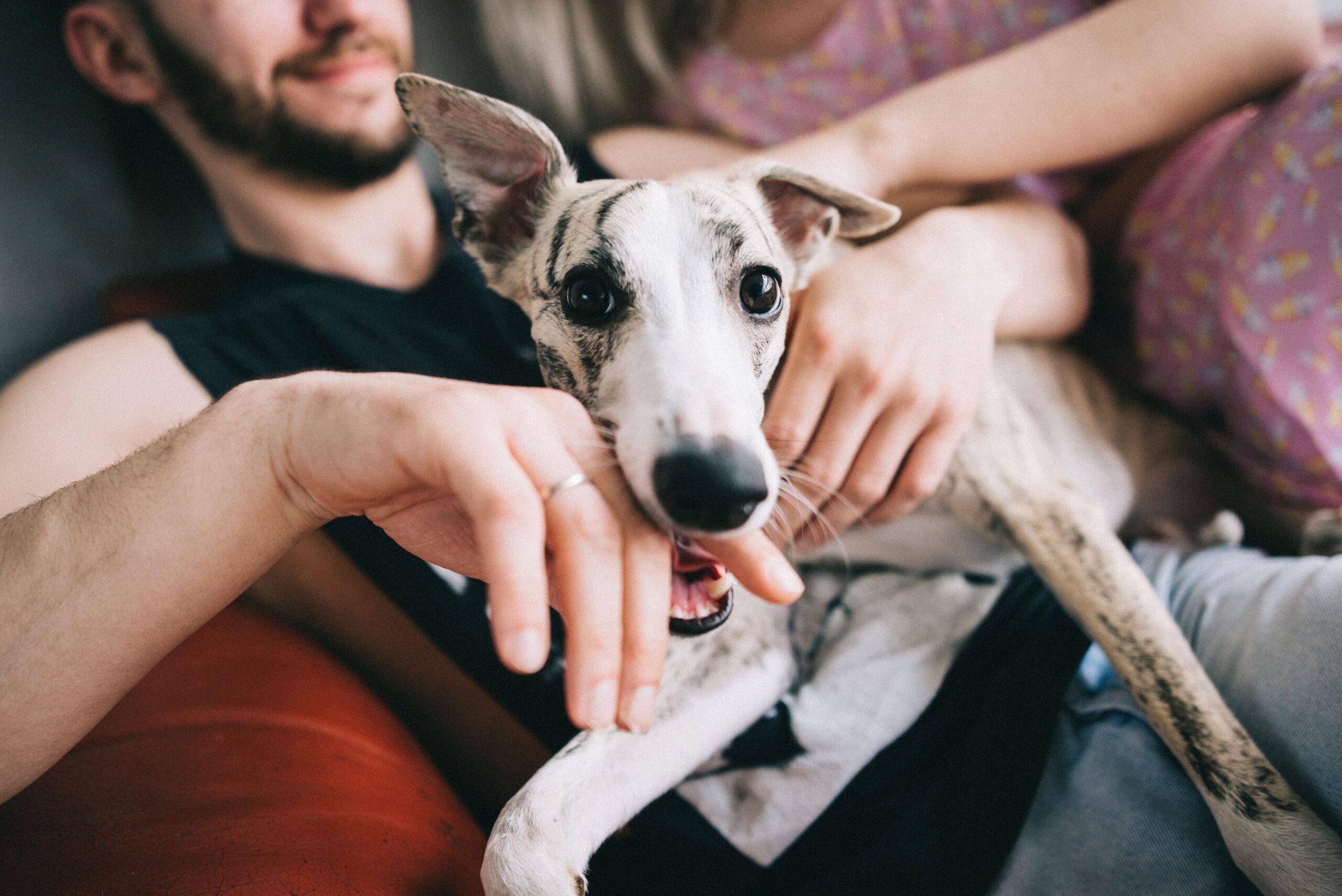
Some dogs can nap through a construction site, while others visibly unravel when a spoon drops on the kitchen floor. If you’ve ever watched a dog tremble during a thunderstorm or shut down at a busy café, you know that noise sensitivity is more than a “quirk” – it’s hard‑wired temperament meeting the modern world.
This guide walks through ten breeds that commonly struggle in loud, chaotic environments and five that often handle sensory overload like seasoned city commuters. It’s not about judging the dogs – it’s about understanding brain, genetics, and history so we can set them up to win. You might be surprised to see where your own dog’s breed lands…and what you can actually do about it.
1. Cavalier King Charles Spaniel: Sweet Hearts, Soft Nerves
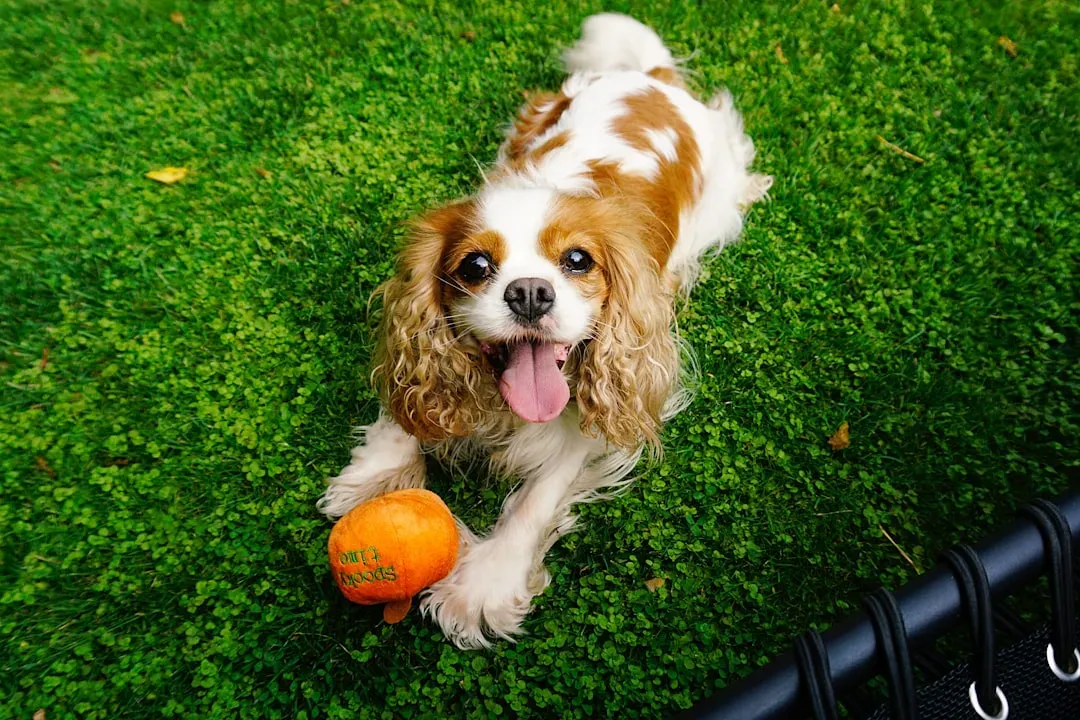
Cavaliers are famously gentle, people‑oriented companions bred for quiet living rooms, not roaring stadiums or busy subway platforms. Many of them show sound sensitivity in the form of startle responses, shaking, hiding, or clinginess when fireworks or loud traffic kick off. Their soft, biddable nature is part of the charm – unfortunately it often comes with a lower tolerance for chaos.
In my experience, Cavaliers are the dogs that will happily follow you anywhere…as long as “anywhere” feels emotionally safe and predictable. They tend to do best in homes where loud music, shouting, or constant visitors are the exception, not the norm. With careful, positive sound desensitization and a lot of predictability, they can cope better, but they’re rarely the dog you want to drag through a noisy street festival.
2. Border Collie: Brilliant Minds on Sensory Overload
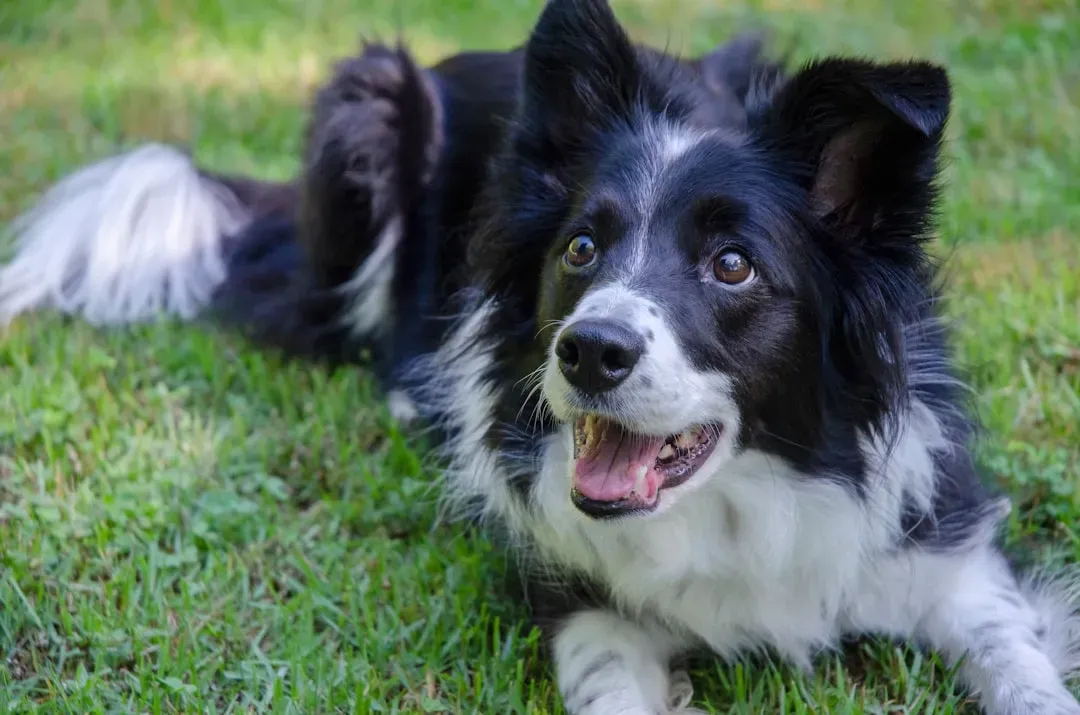
Border Collies are working athletes with laser‑sharp brains, originally bred to read subtle signals, quick movements, and nuanced cues from sheep and shepherd. That same hyper‑awareness that makes them phenomenal herders can turn against them in noisy, crowded spaces. Sudden bangs, squealing brakes, or shouting kids can tip them from focused to frazzled in seconds.
Many owners mistake their energy for resilience, but there’s a difference between being fast and being emotionally stable under stress. Border Collies thrive in environments where stimulation is structured – agility courses, herding trials, focused training – not random chaos. In a noisy city environment or a constantly loud household, their default response is often to pace, over‑bark, or shut down entirely.
3. Shetland Sheepdog: Sensitive Shadow Dogs
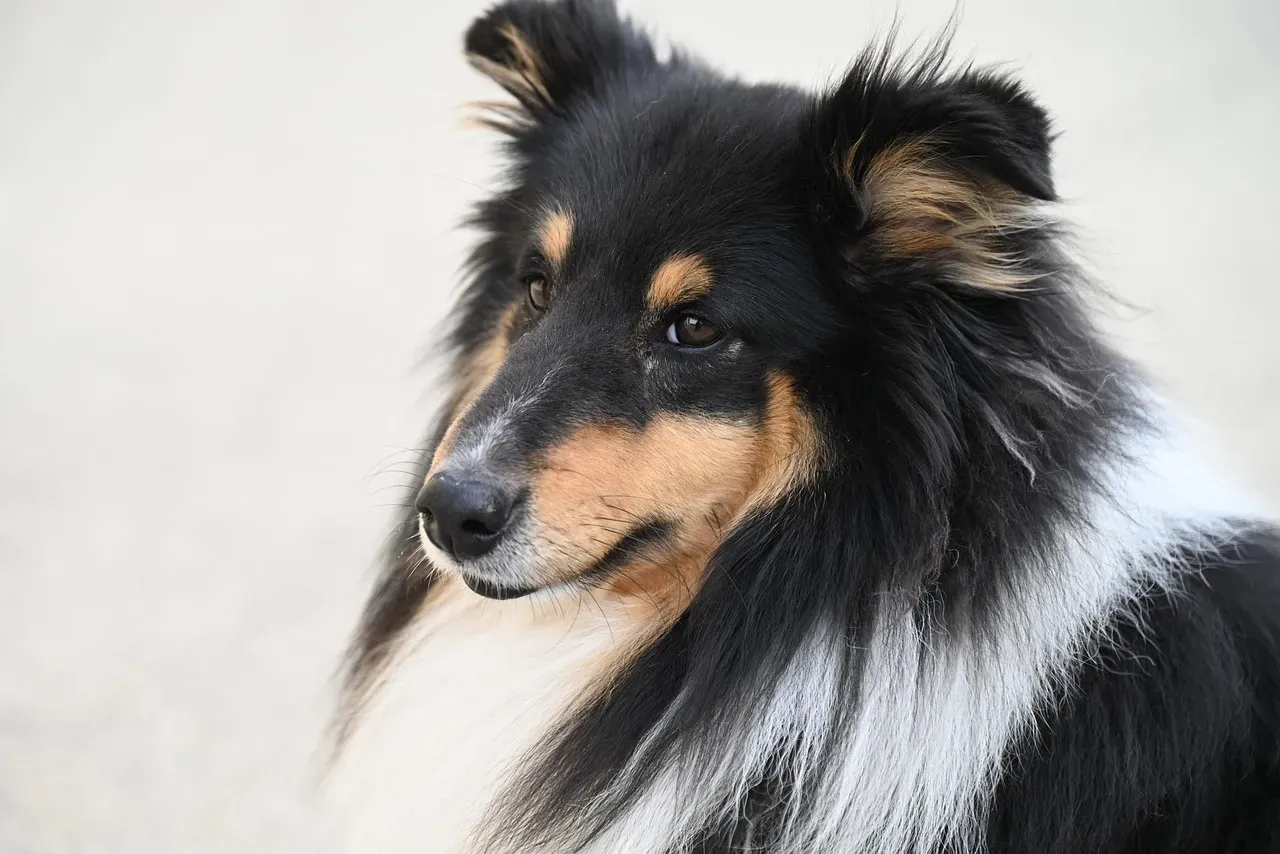
Shetland Sheepdogs, or Shelties, tend to be tuned‑in, watchful, and quick to notice anything unusual. Historically, they were bred as farm dogs that could respond to subtle changes in their environment, which means many Shelties today are hyper‑aware of every sound, from distant sirens to a neighbor slamming a door. That awareness can easily slide into noise phobia.
In loud spaces, Shelties often respond with high‑pitched barking, spinning, or running for cover. They’re the dogs you see trying to tuck themselves under chairs in busy dog‑friendly cafés. With gradual sound training, safe retreats at home, and careful socialization, they can learn to tolerate more, but they typically shine in calm, predictable households rather than in the middle of city festivals or construction zones.
4. Greyhound: Racetrack Tough, Living‑Room Delicate

At first glance, Greyhounds seem like they should be bomb‑proof athletes: they’ve raced with roaring crowds and loud starting gates. But many retired Greyhounds struggle when moved from that familiar kind of noise into the unfamiliar chaos of real life – traffic echoes, city sirens, children squealing in enclosed spaces. Their coping strategy is often to freeze, flatten, and quietly endure, which some people misread as “chill.”
Physically, Greyhounds are all elegance and speed; emotionally, they can be surprisingly sensitive, especially to sudden loud sounds and crowded, echoing environments. They usually do best in calm homes and quieter neighborhoods, with slow, gentle exposure to new noises. If your ideal weekend involves crowded sports bars and live music, a Greyhound may secretly be counting the minutes until you both get home.
5. Shiba Inu: Independent but Easily Overwhelmed

Shiba Inu dogs are independent, sharp, and opinionated, with a famous vocal response when they feel uncomfortable or over‑handled. In noisy environments, that same intensity can turn into explosive reactions: sudden shrieks, frantic pulling on the leash, or outright refusal to move. They’re not fragile in a physical sense, but emotionally they’re not built for nonstop auditory chaos.
Because Shibas tend to like control and personal space, loud, unpredictable soundscapes can feel like an assault. Think of shoving an introverted friend straight into the center of a nightclub without warning. With thoughtful socialization and a strong, trusting bond, some Shibas learn to tolerate busier environments, but many are happier exploring quiet trails than standing in line at a crowded outdoor concert.
6. Papillon: Tiny, Bright, and Easily Overstimulated

Papillons are small in size but big in brains and sensitivity. As toy spaniels, they were designed to be close companions in relatively calm settings, and many of them notice every little sound long before you do. This can quickly turn into a spiral of barking, trembling, or frantic scanning when exposed to loud environments like busy streets or noisy parties.
Owners sometimes misread Papillon reactivity as “small dog attitude,” but it’s often genuine overstimulation. Their nervous systems get flooded by overlapping noises, and they respond the only way they know how: by trying to alert or escape. Consistent training, safe carriers, and quiet decompression time help, but if you live for concerts and crowded events, this is a breed that may always be a bit on edge.
7. Whippet: Calm at Home, Shaky in Chaos

Whippets are known for being affectionate couch potatoes indoors and brief sprinters outdoors. They generally have a gentle temperament and a relatively low threshold for stress. In loud or chaotic environments, many Whippets start to show stress signals quickly – lip licking, tucked tails, and a strong urge to hide or bolt.
Their sensitive nature and lean, low‑insulation bodies make them especially vulnerable when noise is combined with other stressors like cold weather, crowds, or intense activity around them. While some individuals adapt well with careful socialization, as a group they’re better suited to quiet neighborhoods, relaxed cafés, and peaceful households where noise is the exception rather than the soundtrack.
8. Maltese: Lap Royalty, Not Street Warriors

The Maltese has a long history as a companion dog, more often seen on laps than in fields or factories. As a result, many Maltese have lower tolerance for high‑volume, high‑intensity environments. Sudden bangs, loud arguments, or heavy traffic can send them straight into trembling, barking, or clinging behavior as they look to their person for safety.
Because they’re small and cute, people often scoop them up and march straight through chaotic crowds, assuming that being held makes everything fine. In reality, they may be experiencing sensory overload right against your chest. These dogs generally thrive in quiet, stable homes where noise exposure can be introduced slowly and where they have the option to retreat to a safe, silent space.
9. German Shorthaired Pointer: High Drive, Low Noise Tolerance

German Shorthaired Pointers are powerful, high‑energy hunting dogs, bred to work closely with humans in open fields. While some working lines are relatively stable around gunfire, a surprising number of family‑bred GSPs show noise sensitivity, especially to urban sounds that do not resemble traditional hunting scenarios. Fireworks, thunder, and dense, echoing environments can leave them stressed and frantic.
When a high‑drive dog like this becomes overwhelmed, the response is often intense – pacing, whining, destruction, or escape attempts. They need structured outlets for energy and carefully managed introductions to different noises, not random immersion in crowded, blaring places. A GSP can be a fantastic adventure partner, but most are better suited to open spaces than to dense, noisy city cores.
10. Australian Shepherd: Control Freaks in a World They Can’t Control

Australian Shepherds are smart, busy, and bred to control movement – of livestock, people, or anything that runs. Noisy environments often come with chaotic motion: children darting, scooters whizzing by, doors slamming, music thumping. For an Aussie, that can feel like a nightmare they can’t “herd” into order, which spikes their stress and reactivity.
Many Aussies react by barking, spinning, or trying to control everyone in sight, which is frequently misinterpreted as misbehavior rather than a stress response. Mentally, they tend to do best when sound and movement have rules: dog sports, structured hikes, and predictable family routines. Throw them into random street chaos or raucous parties and they’re likely to cope poorly, even if they look outwardly energetic.
11. Labrador Retriever: Bomb‑Proof in the Middle of Bedlam

Labrador Retrievers are widely used as service, guide, and detection dogs precisely because they tend to handle noise and chaos with admirable stability. Busy airports, train stations, and city streets are everyday workplaces for many Labs, and the average well‑bred Lab seems to interpret loud sounds as background, not threat. Their historic role as working gundogs also selected for individuals that could remain functional around gunfire and shouting.
That doesn’t mean every Lab is automatically unflappable, but as a breed, they’re one of the most reliable choices if your life is noisy by default. They usually respond to sudden sounds with curiosity rather than panic, which makes it easier to train them to ignore or even enjoy chaotic settings. When paired with good socialization and thoughtful breeding, the result is a dog that treats the chaos of city life like just another day at the office.
12. Golden Retriever: Friendly Faces in Crowded Places

Golden Retrievers, like Labs, have a long history as hunting companions and more recently as therapy and assistance dogs. Their trademark trait is a generally soft, social temperament paired with solid resilience. Many Goldens walk through parades, visiting programs, and busy hospitals without missing a beat, treating noise and movement as part of the scenery.
Because they tend to love people and novelty, Goldens often interpret noisy environments as opportunities rather than threats: more people to greet, more smells to explore. They are not immune to sound phobias, and poor breeding can absolutely produce anxious individuals, but as a group they’re among the dogs most likely to cope gracefully with modern, noisy human spaces when given proper early socialization.
13. Belgian Malinois: Thriving on High‑Octane Mayhem

The Belgian Malinois is the poster child for dogs that don’t just tolerate chaos, they perform in it. Widely used in military, police, and protection work, Malinois are selected for dogs that can stay clear‑headed around gunshots, sirens, shouting, and explosive movement. Where many breeds would shut down or panic, a well‑bred Malinois switches on and focuses harder.
This is not a casual pet for a busy household, but it’s a living example of a nervous system built for maximal arousal without falling apart. In the wrong hands, that intensity is a liability; in structured, working environments, it’s exactly what allows them to function in situations that would be overwhelming for nearly any other breed. If chaos were a sport, these dogs would be the elite athletes.
14. Jack Russell Terrier (and Similar Working Terriers): Chaos Is a Puzzle to Solve

Jack Russell Terriers and other high‑drive working terriers were bred to face down quarry underground, often in frightening, noisy conditions. That history created small dogs with unusually high grit and persistence in the face of stress. In busy environments, many Jack Russells do not fold; they rev up, treating new sounds and movements like problems to investigate or challenges to conquer.
Of course, that can mean they bark, lunge, or insist on being in the middle of everything, which is not always convenient in public. But underneath the noisiness is a kind of emotional robustness: they rarely melt into trembling heaps when life gets loud. With firm boundaries and plenty of outlets for their energy, terriers often manage chaotic settings better than far larger, “tougher‑looking” breeds.
15. Mixed‑Breed All‑Rounders: Why Some Mutts Handle Chaos Best

One of the most underrated groups in this conversation is mixed‑breed dogs, especially those that have grown up in busy urban environments or shelters. Through a blend of genetics and early experience, many mixed‑breed dogs develop a kind of practical resilience: they’ve heard loud trucks, echoing kennels, and unpredictable human behavior long before landing in a permanent home. For quite a few of them, a noisy café is relatively tame by comparison.
That said, mutts are not automatically bomb‑proof; they’re individuals with varied ancestry and histories. The key point is that when you combine decent genetic variety with real‑world exposure and patient handling, you often end up with dogs that can roll with daily chaos better than some purebred counterparts selected for sensitivity or specific work. In a world that gets noisier every year, these adaptable all‑rounders might quietly be the real champions.
Conclusion: Matching the Dog to the World You Actually Live In
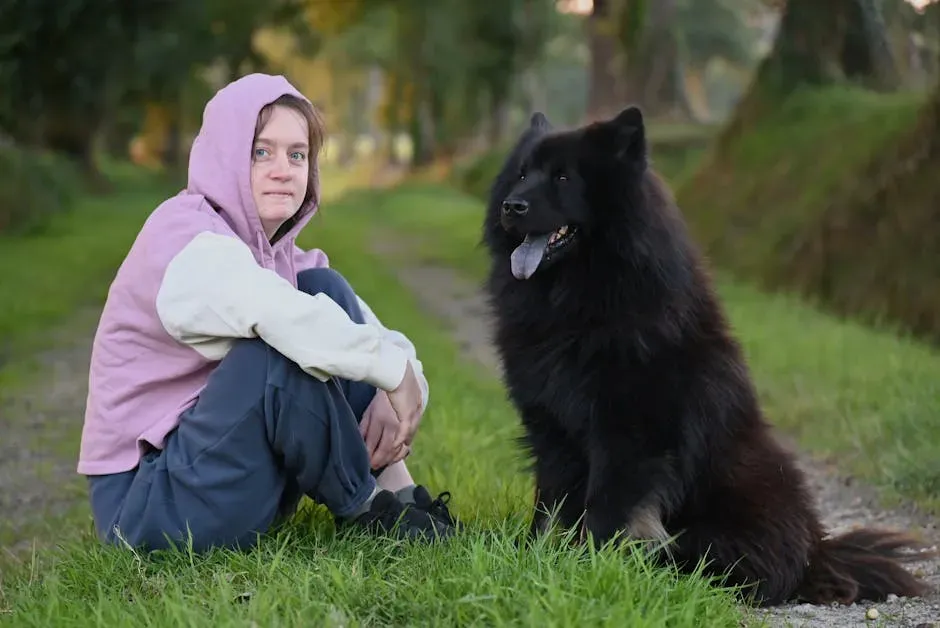
Noise sensitivity is not weakness, and chaos‑proof temperament is not moral superiority – it’s genetics, history, and individual wiring meeting our lifestyle choices. Expecting a Cavalier or Whippet to love a pounding music festival is as unfair as expecting a Malinois to be content with one short walk and a quiet evening every day. The responsible move is to pick a dog whose natural comfort zone overlaps with the reality of your life, not the life you wish you had.
If there’s a bias in modern dog culture, it’s the assumption that any breed can be made to “get used to” anything with enough love. That sounds kind but ignores biology. With thoughtful socialization and training, many sensitive dogs can become more confident, and many resilient breeds still need help learning manners in chaos. The real question is not whether a breed is strong or fragile, but whether you’re willing to shape your world to match your dog – or choose a dog who’s naturally built for the noise around you. Which side of that trade would you honestly choose?


