
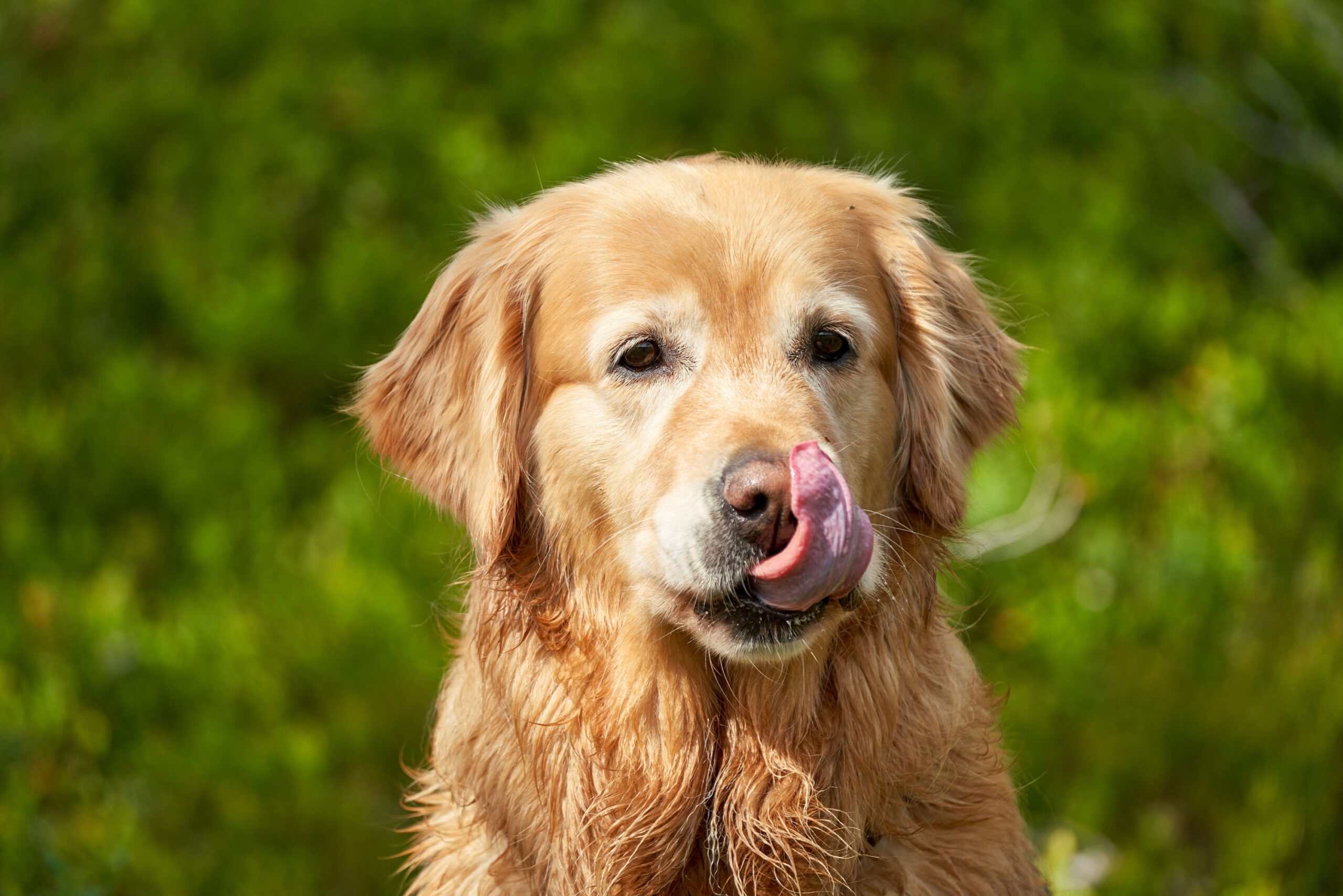
If you’ve ever watched your dog in an awkward or tense moment and noticed that quick little tongue flick over the nose, you might have brushed it off as random or assumed they just wanted a treat. But that tiny movement is often anything but casual. In many cases, it’s your dog’s way of saying something like: “I don’t want trouble, let’s keep this peaceful.”
Once you start seeing lip licking as communication rather than just “doggy fidgeting,” a whole new emotional world opens up. You notice it at the vet, when a stranger leans in too fast, or when two dogs size each other up at the park. That subtle lick is a documented appeasement signal, not a hunger cue, and understanding it can completely change how you read and respond to your dog.
What Lip Licking Really Means In Dog Language
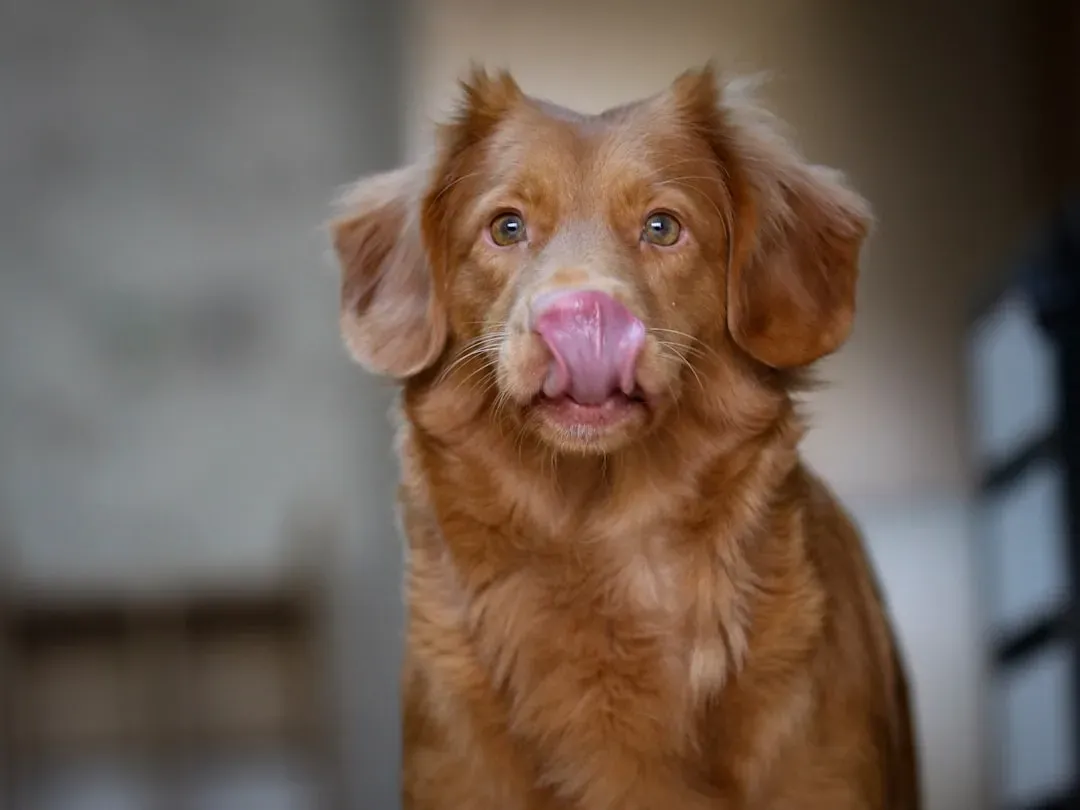
In the middle of a tense interaction, lip licking is much closer to a polite wave than a request for food. It usually shows up as a quick dart of the tongue over the lips or nose, often so fast you’d miss it if you blinked. Behavior researchers and experienced trainers recognize it as a classic calming or appeasement signal, a way for a dog to broadcast that they’re not looking for a fight.
Think of it like a social dimmer switch. The dog uses this tiny, soft gesture to dial down tension in the room, especially if they feel a bit pressured or uncertain. It’s the opposite of puffing up to look bigger or more threatening; instead, the dog is quietly saying: “I’m friendly, I’m uncomfortable, but I don’t want conflict.”
Appeasement, Not Appetite: Why It’s Not About Food
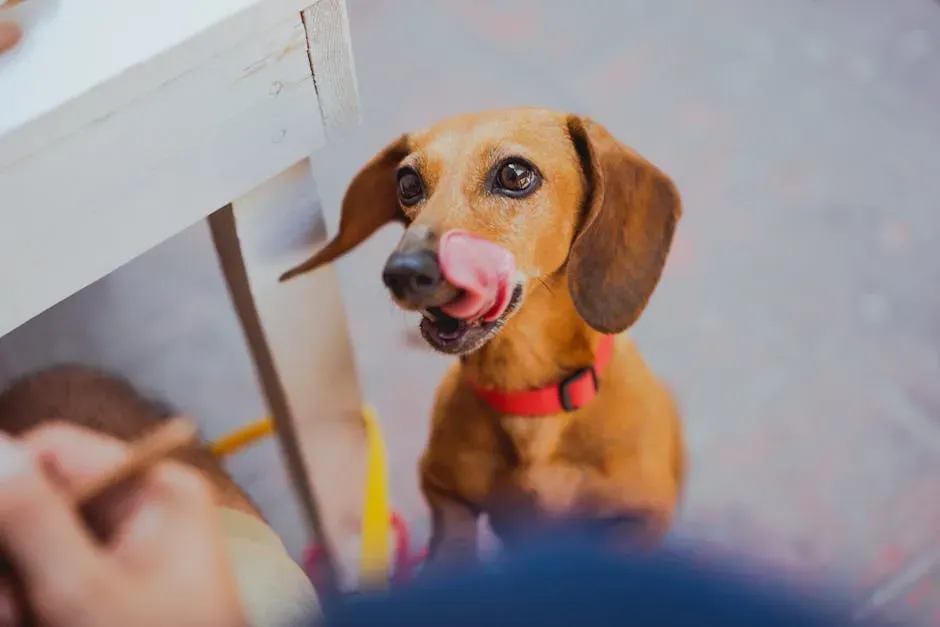
When a dog licks their lips while you’re holding a burger, hunger is a fair guess. But context is everything. During a stiff, uncomfortable moment – like a looming stranger bending over your dog, or another dog staring directly at them – that same lick usually has nothing to do with appetite. It happens even when food isn’t present, which is a big clue this is emotional, not digestive.
Dogs show similar lip movements in clearly stressful situations, like at the vet clinic or when restrained on a grooming table, where food is often absent or irrelevant. If they were truly hungry, you’d usually see other classic food-seeking behaviors: focused sniffing, alert ears toward the kitchen, or excited pacing at mealtime. In contrast, appeasement licking sits inside a cluster of stress or smoothing signals, not feeding rituals.
How Dogs Use Lip Licking To Defuse Social Tension
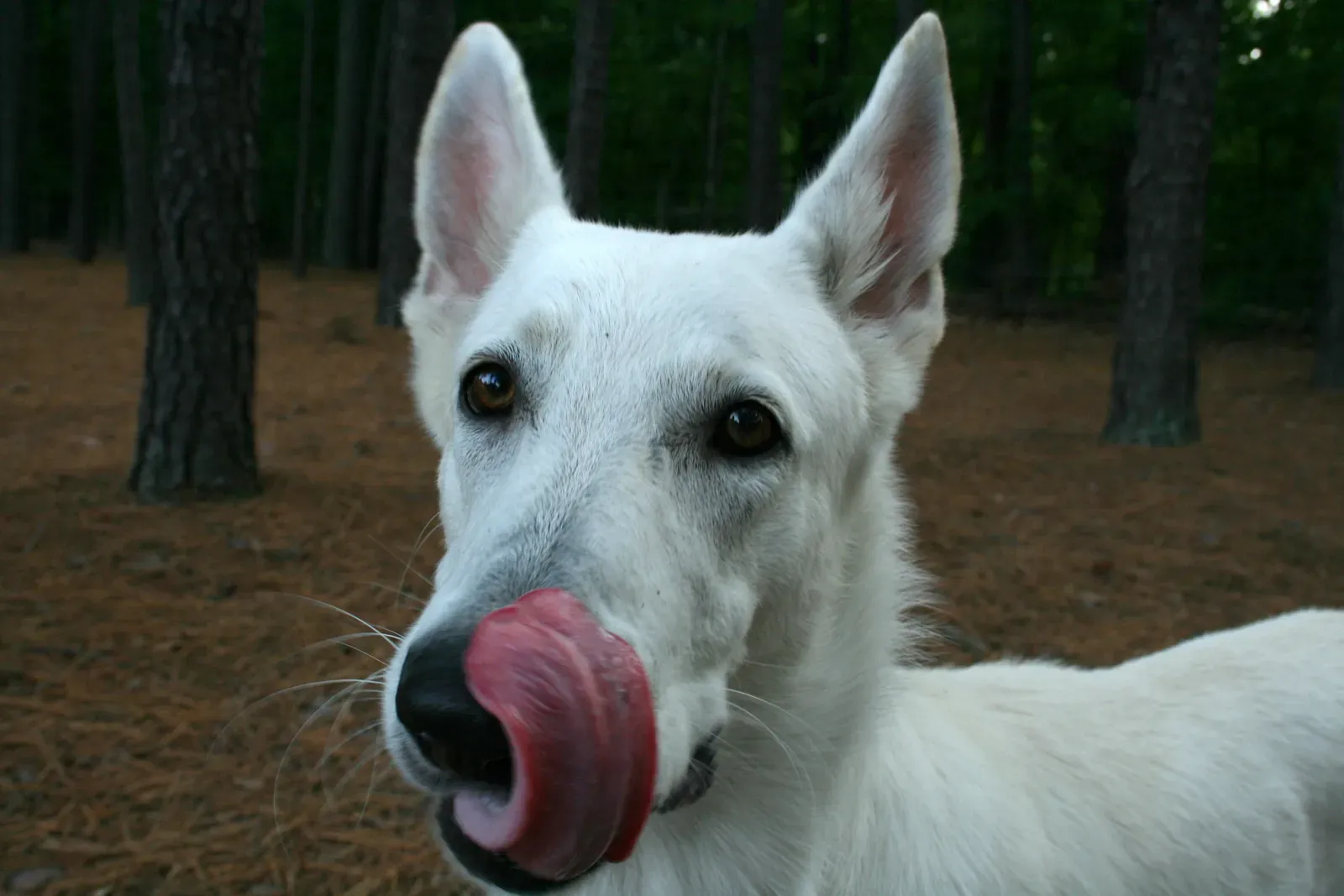
In social situations, lip licking often shows up right when things feel awkward, intense, or a bit unpredictable to the dog. Two dogs may be standing stiffly, eyeing each other, and one suddenly flicks its tongue over its nose while slightly turning its head away. That tiny gesture can work like a safety valve, cooling down the interaction before it tips into a growl or snap.
You’ll see similar behavior with humans: a dog trapped in a close hug from a child, or pinned by a camera right in their face, may lick their lips repeatedly. The dog is not trying to be cute for the photo; it’s quietly negotiating space, signaling discomfort while trying to keep the peace. When the other individual – human or dog – backs off, the licking often stops, which is a powerful hint about what it was trying to achieve.
The Science Behind Calming Signals And Canine Body Language
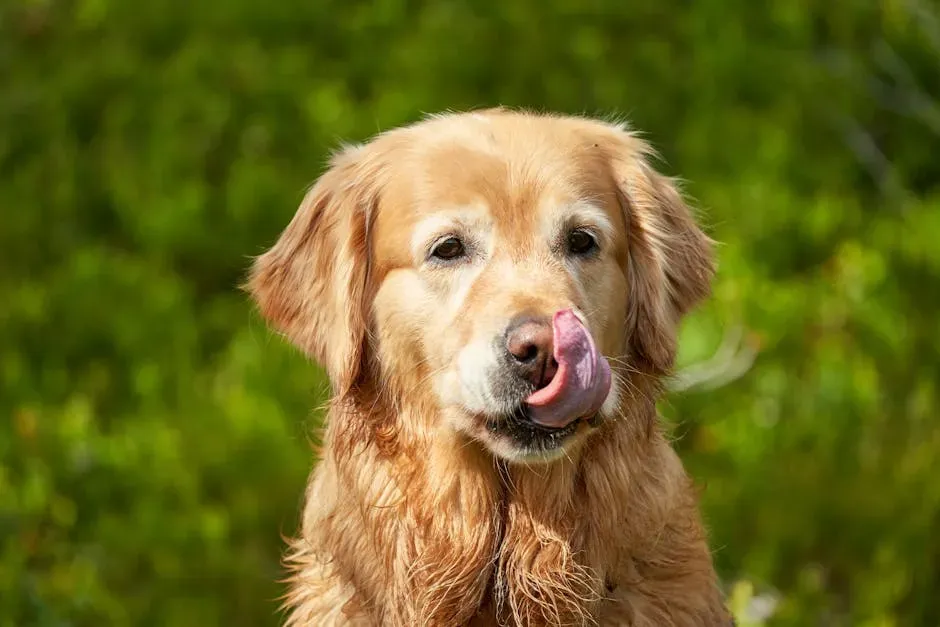
Modern canine behavior research has moved far beyond the old idea that every reaction is dominance or disobedience. Lip licking sits within a broader group of what many behaviorists call calming or displacement signals: small, soft gestures that help a dog manage stress and reduce potential conflict. Alongside lip licking, you’ll often see yawning, slow blinking, turning the head away, or suddenly sniffing the ground for no obvious reason.
What makes lip licking especially interesting is how consistently it appears in mildly to moderately tense scenarios. Studies of dog–dog and dog–human interactions have noted that such gestures tend to pop up when there is direct staring, looming body posture, or rapid approach. The dog is not acting randomly; it’s actively using its body language to shift the emotional climate, almost like a built-in de-escalation tool.
Common Situations Where Lip Licking Signals Discomfort
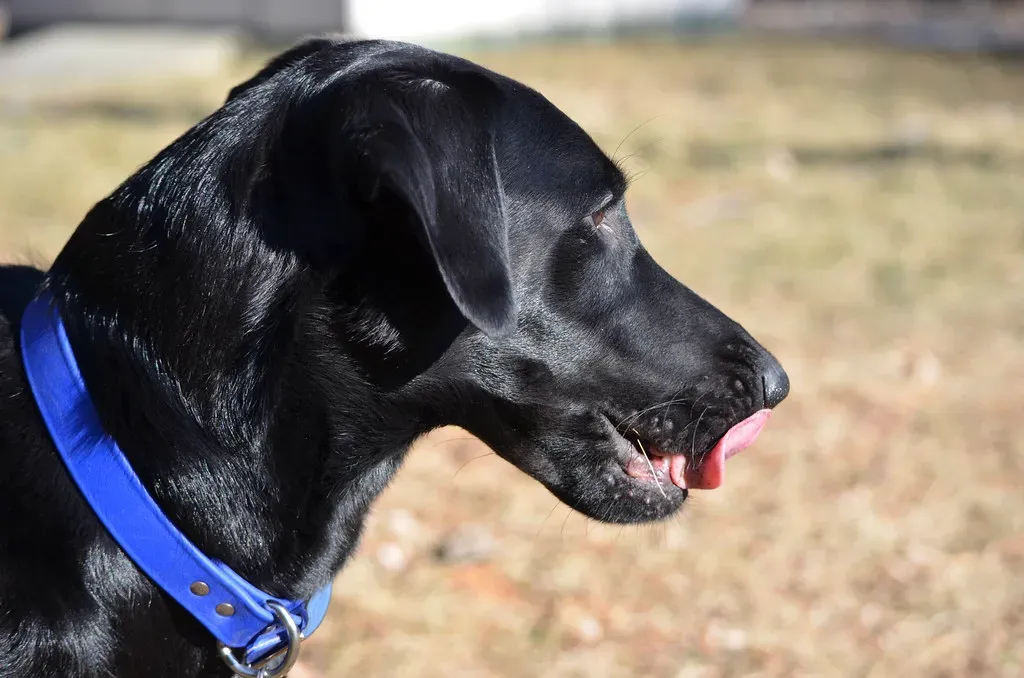
Once you know what to look for, certain patterns jump out. Many dogs lick their lips when a hand reaches straight over their head, particularly if it comes in quickly. Others do it when a stranger bends from the waist and peers directly into their eyes. You might also notice lip licking in the car, at the vet’s office, during nail trims, or when a household is loud and chaotic.
At the dog park, it often appears during greetings that are just a shade too intense. A more boisterous dog charges up, tail high, chest forward, and the less confident dog freezes and licks its lips. If that signal is ignored and the pushy dog keeps crowding, tension can rise, sometimes leading to snapping or scuffles. When you recognize the early lip lick, you can step in sooner, create space, and protect your dog before they feel forced into a stronger reaction.
How Humans Commonly Misread This Subtle Gesture
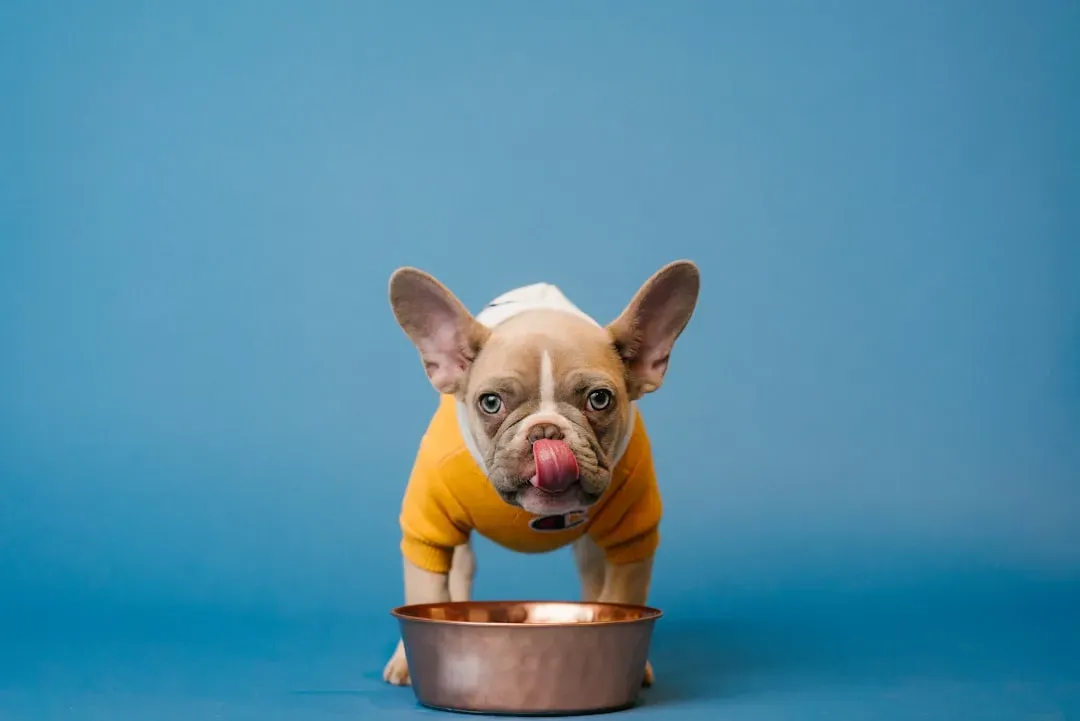
Because lip licking can look cute or harmless, people often dismiss it or mislabel it entirely. It’s easy to say, “Look, he’s licking his lips, he must love the camera,” or “She’s thinking about snacks.” This misunderstanding can unintentionally put dogs in situations where their more polite requests for space are ignored. If those early signals keep getting overlooked, some dogs eventually skip straight to growling or snapping, which then gets them unfairly branded as “suddenly aggressive.”
I’ve watched countless videos where a dog is being hugged tightly, licking its lips over and over, with people laughing in the background. To human eyes, it looks adorable and affectionate; to someone fluent in dog body language, it’s a little bit heart-wrenching. The dog is quietly pleading for the interaction to soften, and nobody is listening. When we start seeing lip licking as a stress or appeasement cue, we’re more likely to step back, adjust our behavior, and keep both the dog and the humans safe.
What You Should Do When You See Lip Licking In A Tense Moment
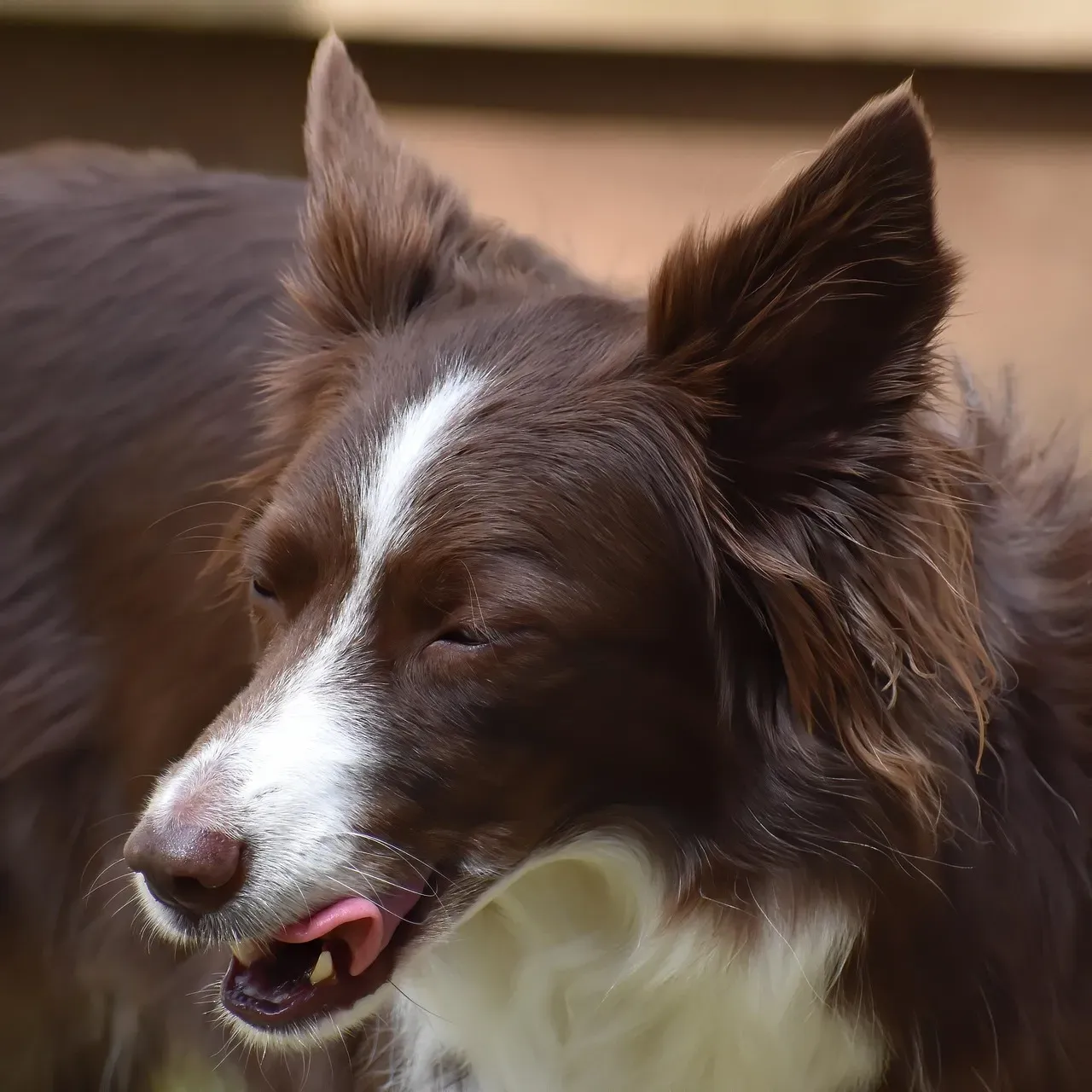
When you catch that quick lip lick during a tense interaction, treat it as valuable information rather than background noise. The first move is almost always to reduce pressure: step back a little, break eye contact, turn your body slightly sideways, or stop whatever you were just doing. If another dog is involved, calmly increase distance or redirect the interaction with a softer approach instead of pushing them to “work it out.”
You can also use lip licking as a personal barometer for your dog’s comfort in different environments. If your dog frequently licks their lips around certain people, places, or handling routines, it’s a sign to slow down, add more gentle introductions, and pair those experiences with choice and positive associations. The goal is not to shut down the behavior; it’s to respect the message behind it so your dog does not feel like they have to yell to be heard.
Why Recognizing Lip Licking Can Deepen Your Bond With Your Dog
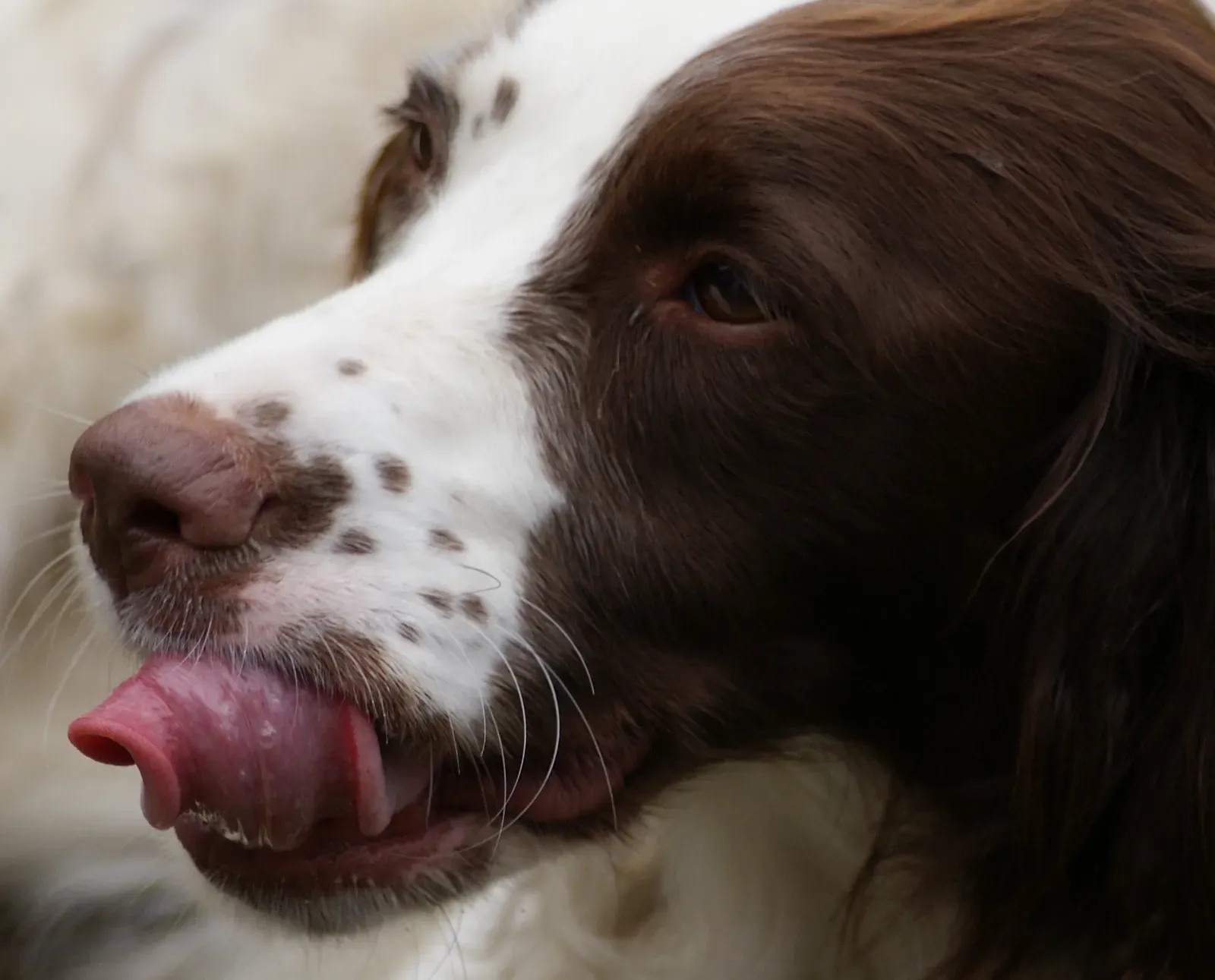
Learning to read lip licking as appeasement rather than hunger feels a bit like finally finding the subtitles to a movie you’ve watched for years without sound. Suddenly, situations that once felt mysterious make sense. You realize your dog has been talking all along, you just did not yet know the vocabulary. When you respond kindly to those early signals, your dog learns that you are safe to communicate with, which can boost trust in a huge way.
There’s something quietly profound about a relationship where small gestures are taken seriously. When your dog flicks their tongue over their nose during a tense greeting and you step in to give them space, you’re telling them that their feelings matter. Over time, that builds a calmer, more confident dog and a human who is genuinely tuned in. In a world where dogs are often expected to tolerate anything, being the person who listens to a simple lip lick is a surprisingly radical act of respect.
Conclusion: The Power Of Listening To The Smallest Signals
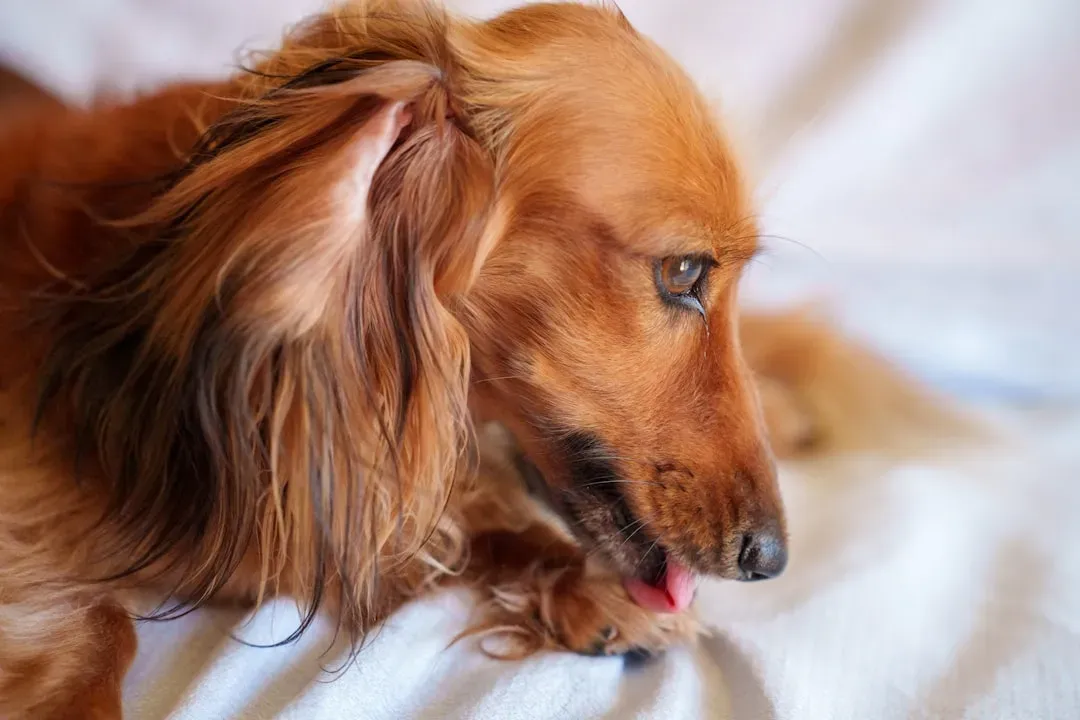
It’s tempting to shrug off lip licking as a cute quirk or a sign that your dog is thinking about treats, but in many tense moments it’s much more meaningful than that. It’s a documented appeasement gesture, a quiet non-threat signal in a species that relies heavily on body language to stay safe and social. Ignoring it doesn’t just miss an interesting detail; it risks pushing dogs past their comfort zone until they feel they have no choice but to shout with a growl or a snap.
My own opinion is that once you know better, you owe it to your dog to act on that knowledge. Seeing lip licking as emotional communication – not hunger – changes how you touch, greet, photograph, and advocate for your dog. It’s a small piece of information with a huge impact on safety and trust. Next time you notice that quick little tongue flick in a tense moment, will you treat it as background noise, or as your dog’s quiet way of saying they want peace?


