
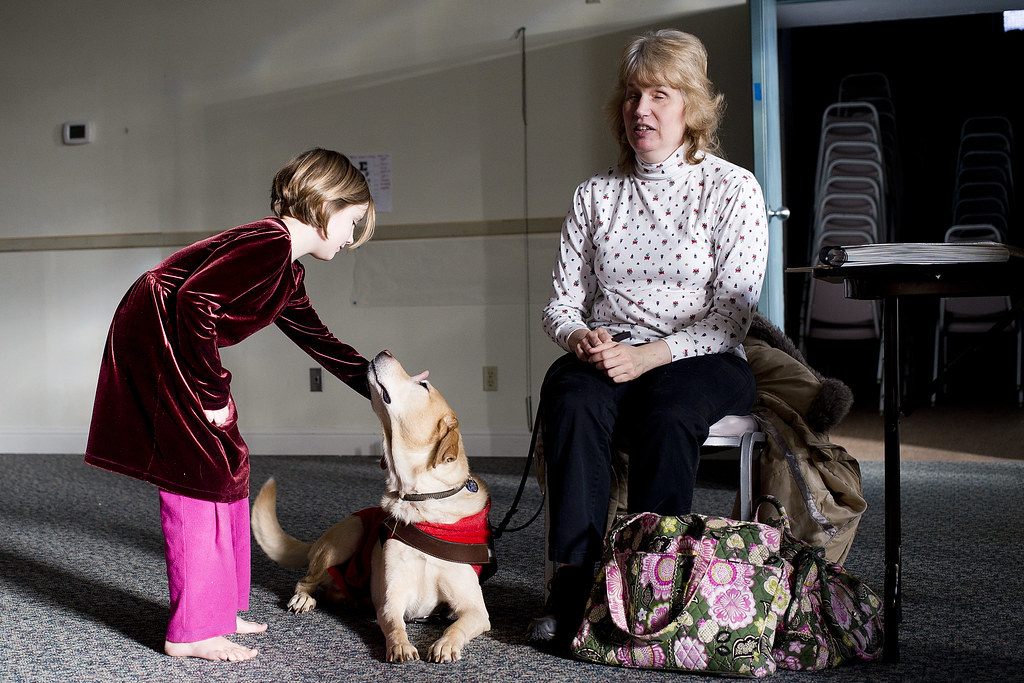
You know that moment when a dog starts walking toward you, not in a straight line, but in this slow, sideways curve? A lot of people tense up right there, wondering if the dog is nervous, sneaky, or about to do something weird. In reality, that curved approach is often the opposite of trouble – it’s one of the clearest body-language signals that a dog is trying to say, in dog terms, “Hey, I come in peace.”
Once you understand what that arc means, so many confusing dog encounters suddenly make sense. The park greetings, the sidewalk pass-bys, the way two dogs “ignore” each other while secretly tracking every move – it’s not random at all. It’s polite protocol. Let’s break down what that curved approach really says, how to read the rest of the dog’s body, and what you should do to keep those greetings safe, calm, and enjoyable for everyone involved.
The Arc: Why Dogs Rarely Choose a Straight-Line Greeting
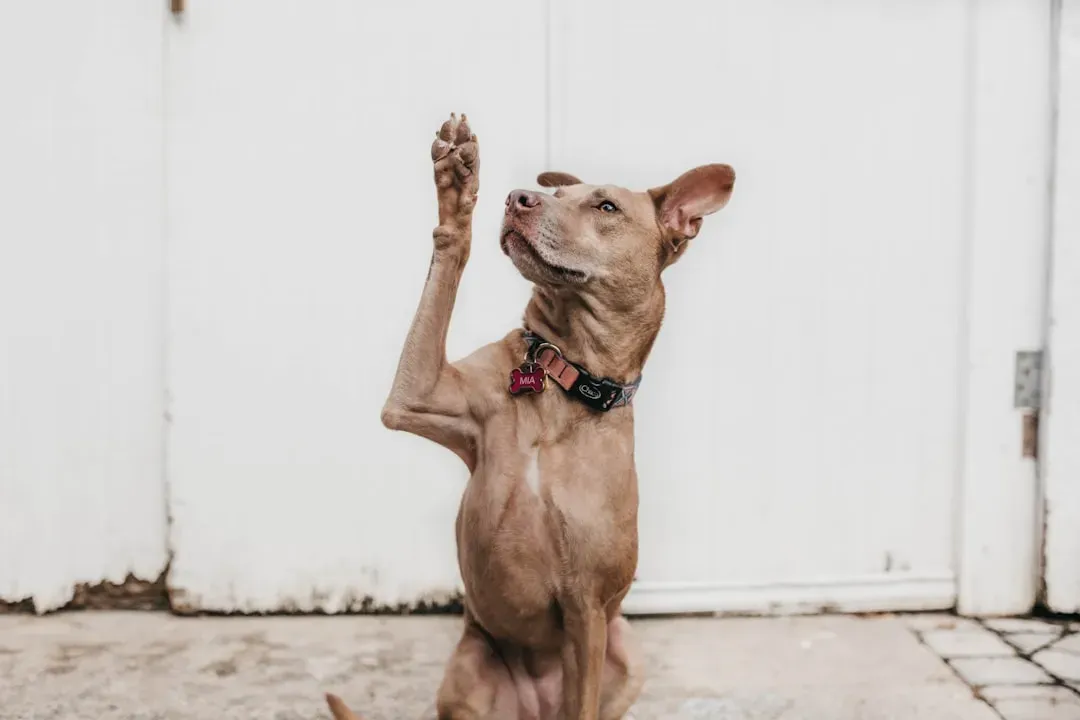
Imagine a stranger jogging full speed straight toward you, locking eyes the entire time. Even if they’re friendly, your body would probably brace. Dogs feel something similar. In canine social language, a direct, fast, straight-line approach can be confrontational, especially between unfamiliar dogs or when one of them is unsure.
The curved arc is the opposite: it softens the encounter. By moving in a gentle curve instead of a straight shot, the dog is showing they don’t want to pressure the other dog or the person. That arc creates space, gives everyone time to read each other, and allows the dog to gather information using sight, scent, and subtle signals before committing to very close contact.
Body Language That Confirms Peaceful Intent
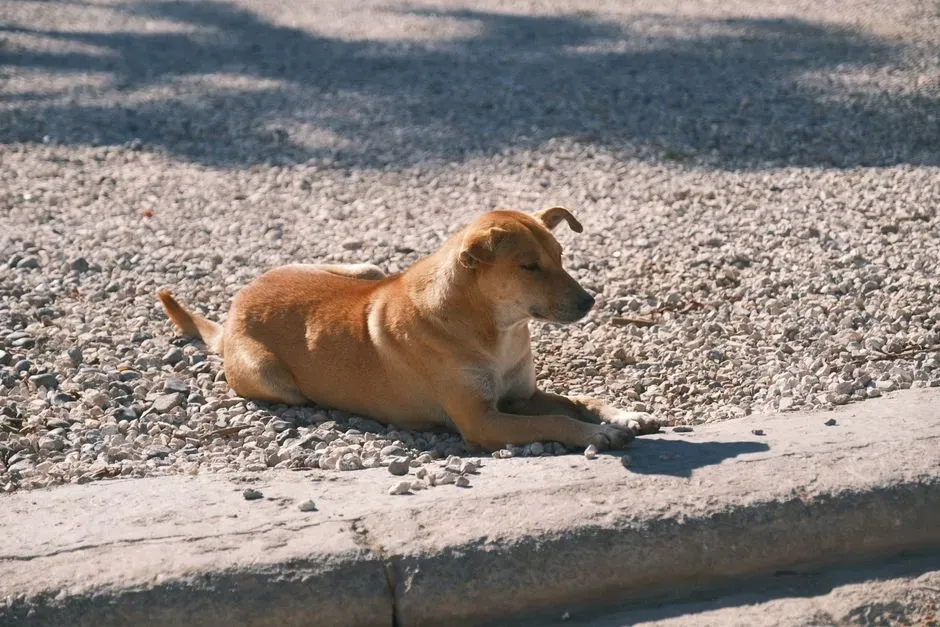
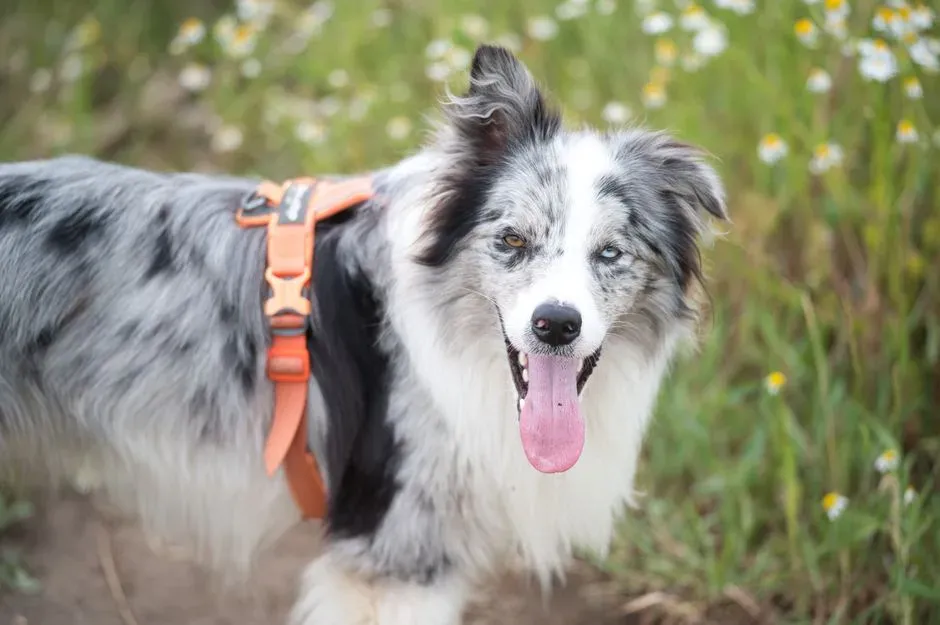
The arc itself is one big clue, but it’s only part of the picture. Peaceful dogs usually pair that curved path with loose, relaxed body language. Think soft eyes, a slightly open mouth, relaxed ears (not pinned back hard or thrust forward like spears), and a body that looks wiggly rather than stiff. The tail might be moving in an easy wag at mid-height rather than held high and tight or tucked under.
You’ll often see the dog glancing away briefly instead of drilling their gaze into you. That looking away is not rudeness; it’s politeness in dog culture, a way to dial down social pressure and say, “I’m not here to start something.” When you see a curved approach plus all these soft signs, you’re likely looking at a dog that is curious and cautious in a good way, not unpredictable or sneaky.
Curved Approaches Between Dogs: A Built-In Safety System
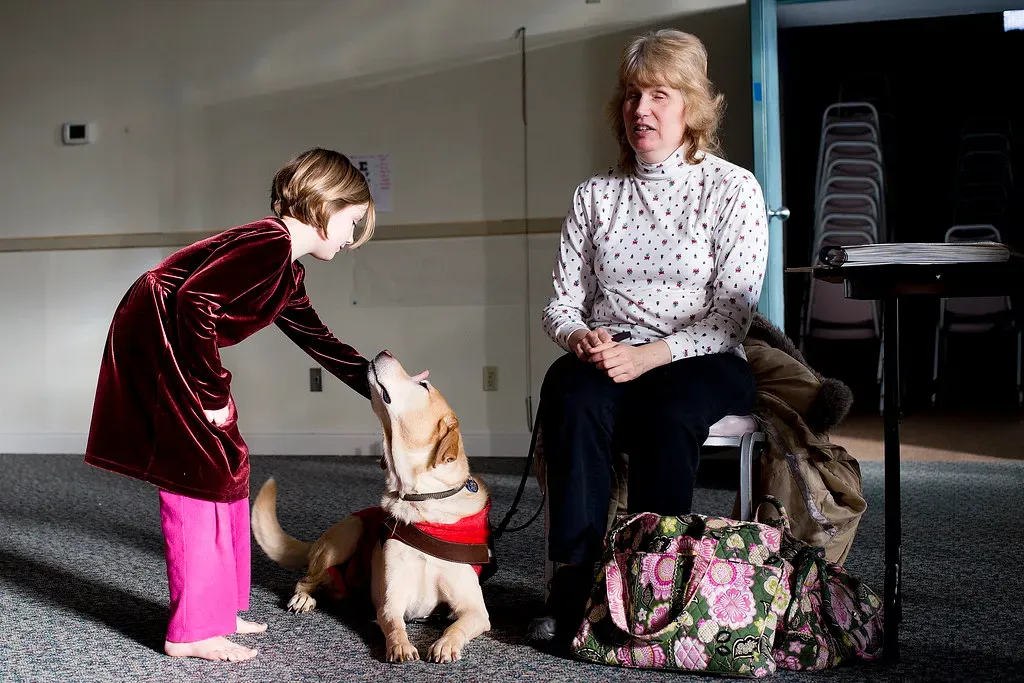
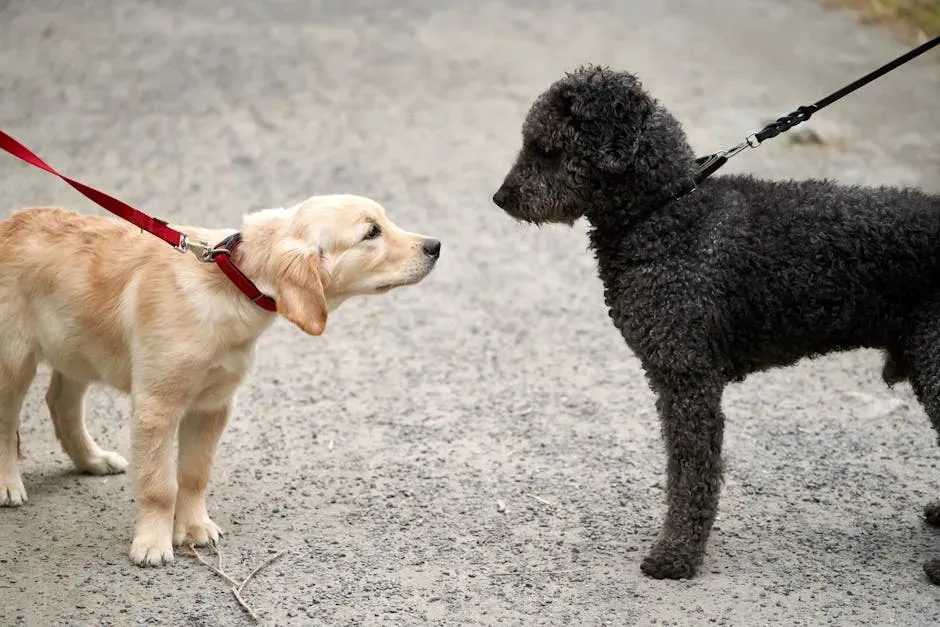
Watch two socially skilled dogs meet in an open space and you’ll often see a kind of dance. They don’t just head straight nose-to-nose like toddlers smashing action figures together. Instead, they arc around, maybe even tracing a wide semi-circle, before drifting closer. During that curve, they’re doing a ton of silent communication – reading posture, noticing tail carriage, catching body odor cues, and deciding how safe this interaction feels.
This curved movement is basically a built-in safety system. It lets each dog adjust the distance based on the other’s response, rather than being forced into an intense, awkward face-to-face showdown. If either dog feels overwhelmed, they can easily peel off along that curve, avoiding conflict. When we humans drag dogs straight up to each other on tight leashes, we unknowingly cut across that natural protocol, which is one reason so many “on-leash greetings” go badly.
Why Your Dog Arcs Around Strangers on Walks
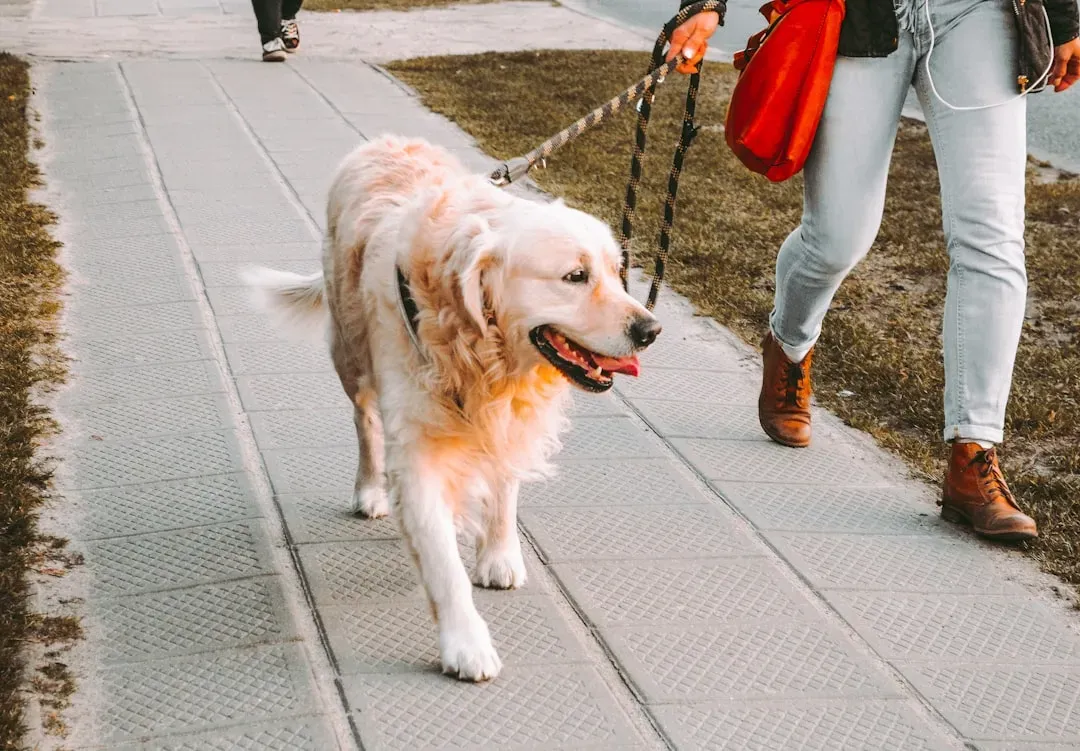
If your dog veers out to the side when passing people or other dogs, it’s not necessarily reactivity or rudeness. Many dogs are simply trying to maintain a comfortable buffer zone while still being polite. That slight sideways drift is their way of saying, “I see you, I’m not a threat, and I’m going to give us both a bit of room.” It’s especially common in thoughtful, conflict-avoidant dogs.
Some guardians worry this means their dog is fearful or antisocial, but a mild arc around strangers can actually be a sign of good social judgment. Of course, context matters: if the body is tight, the tail is low, and the dog is frantically scanning, that’s more about anxiety. But a relaxed, curved pass-by is often just well-mannered dog etiquette in a crowded human world that doesn’t always respect their space needs.
How Humans Accidentally Break Dog Greeting Rules
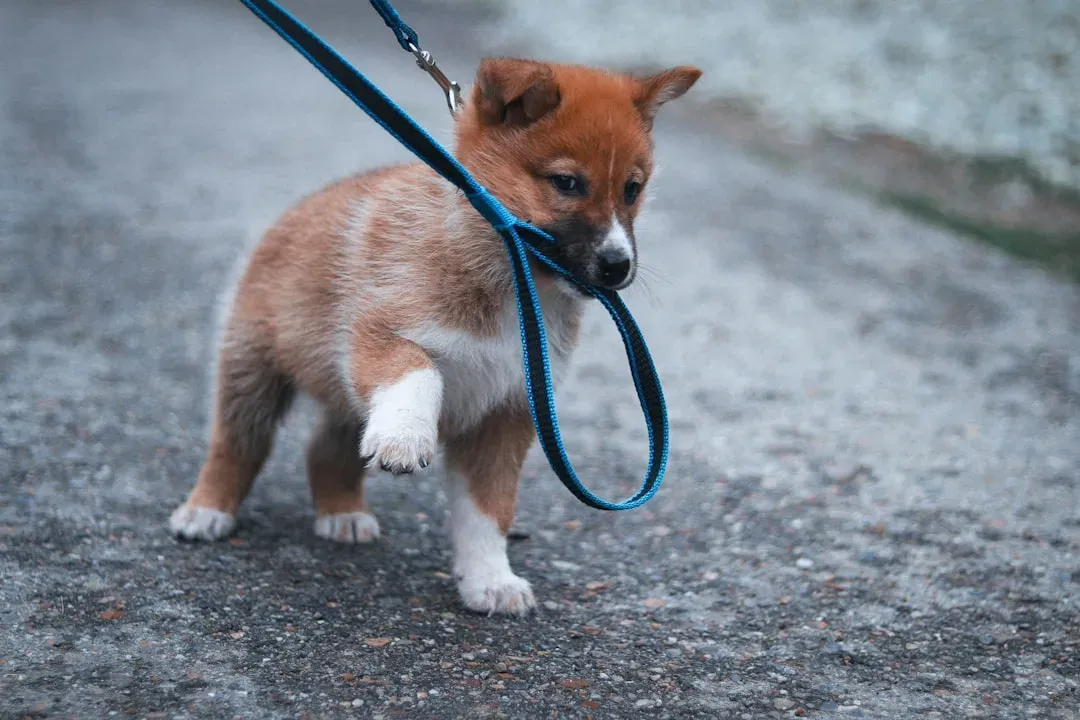
We tend to greet people by moving straight in, offering eye contact and a hand, so we unconsciously do the same with dogs. We walk right up to them, bend from the waist over their head, and stare at their face, thinking we’re being friendly. From a dog’s perspective, that can feel like a direct challenge or at least a very intense social move. Nervous dogs may freeze, bark, or lunge, which then gets labeled as “unpredictable” when, in reality, they were reacting quite predictably to pressure.
Leashes make this worse. A tight, straight leash line pulls the dog into a direct approach they may never choose if they were loose. It also restricts their ability to arc, sniff, or disengage, all of which are tools they use to keep the peace. When a dog is dragged straight in, they lose their polite options, and all that’s left sometimes is a sudden outburst – not because they’re unstable, but because we skipped all the subtle steps that help them feel safe.
The Best Way to Respond When a Dog Arcs Toward You
When you see a dog taking that curved path toward you, your best move is to return the favor: keep your body relaxed, avoid marching straight at them, and angle your own path a bit rather than planting yourself in a head-on position. Turning your shoulders slightly to the side and softening your gaze can make you look a lot more polite in dog language. You don’t need to act afraid or freeze; just be a little less direct and intense.
If you want to interact, let the dog come to you instead of reaching out over their head. Keep your hands low and neutral, and let them sniff first. If their body stays loose and they lean in or nudge closer, that’s your green light to gently pet on the side of the chest or shoulders instead of going straight for the top of the head. If they arc and then hang back, respect that boundary. The real friendliness is in allowing their choice, not forcing contact.
What Curved Approaches Cannot Tell You (And Where Caution Still Matters)
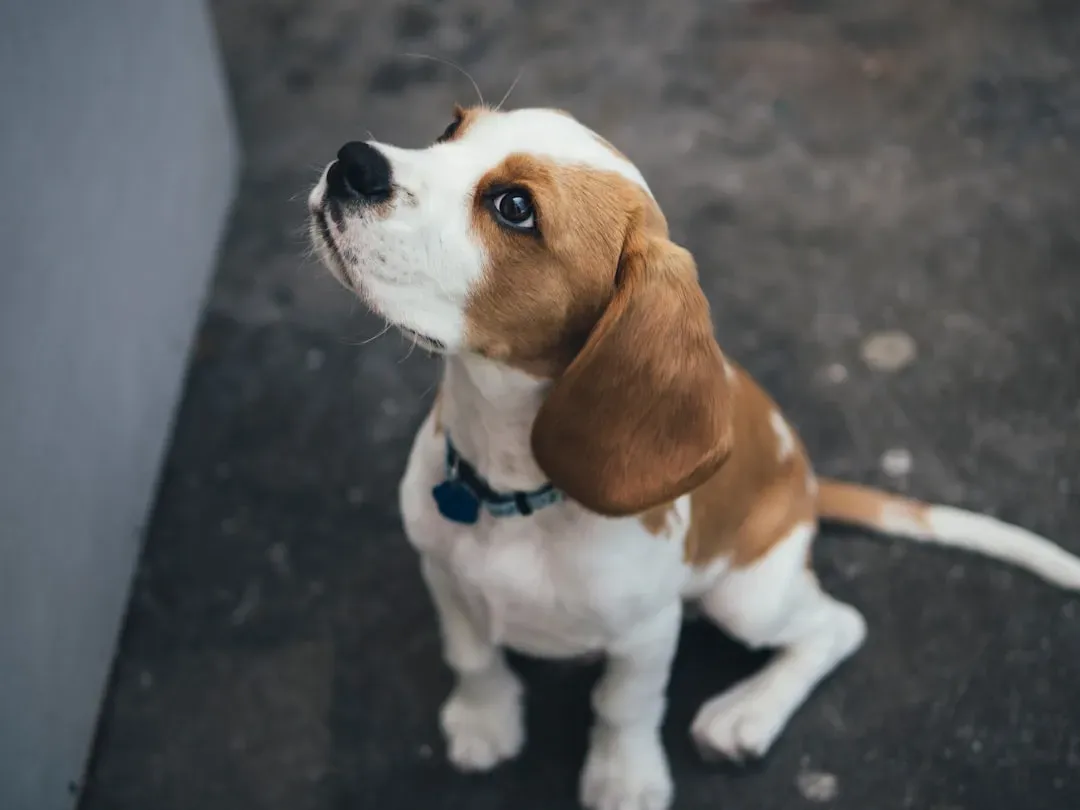
Even though a curved approach is generally a peaceful signal, it is not a magic guarantee that nothing can go wrong. Dogs are individuals with histories, fears, and triggers. A dog can start with polite intentions and still become overwhelmed if they feel trapped, if another dog barrels in rudely, or if a human suddenly grabs them. Reading the arc is just one part of the picture; you still need to watch the rest of the body for stiffness, lip licking, yawning, or sudden freezes.
It’s also important to remember that some dogs have learned that subtle communication does not work with humans who ignore it. Those dogs may leap faster to more obvious behaviors like barking or snapping because the quiet signals never paid off in the past. So yes, appreciate and trust the arc as a sign of good intentions, but keep your brain switched on. Curiosity and compassion should always be paired with basic respect for a dog’s space and consent.
Why Understanding the Arc Changes How We See “Problem Dogs”
Once you see how much meaning there is in that simple curved line, it becomes hard to call dogs “unpredictable” anymore. So many so-called behavior problems show up when we interrupt or ignore this greeting protocol – by walking straight in, tightening the leash, looming over them, or forcing nose-to-nose contact with strangers. The dog isn’t randomly flipping out; they’re reacting to a situation that feels like their social rules have been broken.
In my own life, the moment I realized my dog was not “weird” for arcing around people but was actually being incredibly polite, everything shifted. I stopped dragging him into straight approaches and started honoring those curves. The barking dropped, his body softened, and our walks felt more like a partnership and less like a tug-of-war. To me, that’s the real power of understanding the arc: it asks us to stop treating dogs as furry little humans and start respecting the language they’ve been speaking clearly all along.
Conclusion: Peace Written in Curves
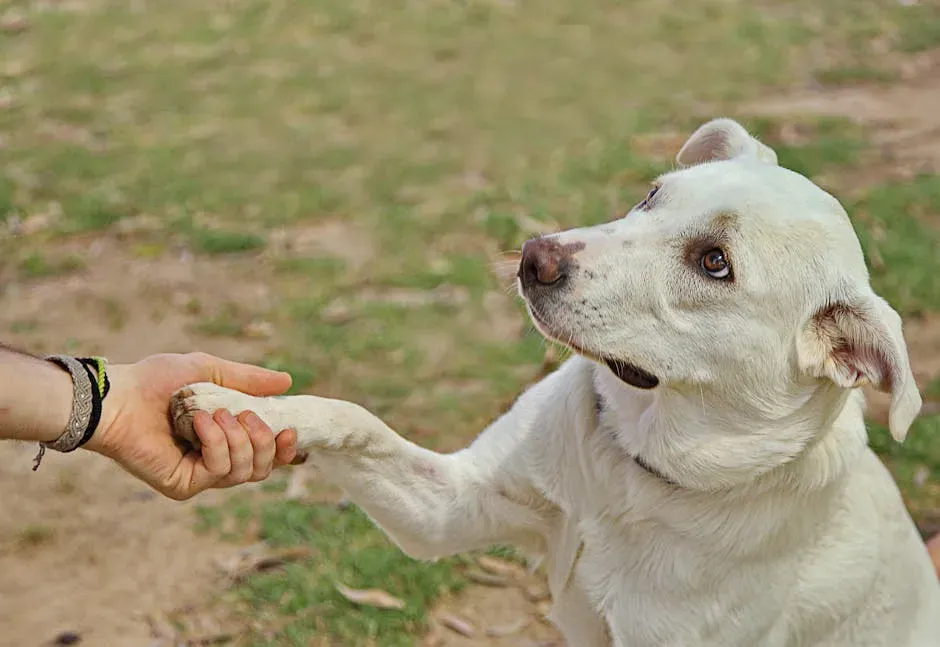
That gentle arc a dog makes on their way toward you is not randomness or secret danger; it’s peace written in movement. It’s a centuries-old protocol that lets dogs stay safe, curious, and social without crashing into conflict. When we slow down enough to notice and respect it, we stop mislabeling calm, thoughtful dogs as unstable, and we start seeing their choices as intelligent strategies for living in a crowded, chaotic world.
I honestly think one of the most quietly radical things we can do for dogs is to honor those curves: loosen the leash, angle our bodies, and let them choose how close to get and when. That simple act respects their language, lowers their stress, and makes our shared spaces safer and kinder. Next time a dog approaches you in that wide, looping path, will you still feel uneasy – or will you recognize it for what it is: a moving invitation to a peaceful conversation?


