
Bringing home a puppy when you barely have time to eat breakfast is a bit like buying a sports car when you hate maintenance: it might look fun at first, but the reality hits fast. Housebreaking a dog is not just about a few pee pads and some treats; it’s a daily, consistent routine that can stretch on for months, especially with certain breeds.
Some dogs simply pick up house training faster and with fewer accidents, while others need more repetition, closer supervision, and a lot more patience. If your schedule is already packed and you’re hoping for a “low-effort” dog, the breeds below can be a rough match. They’re not bad dogs – in fact, many are brilliant, hilarious, and deeply loving – but they do tend to need more structure, time, and consistency to master the whole “please don’t use the living room as a bathroom” lesson.
1. Siberian Husky: Stunning, Stubborn, and Easily Distracted
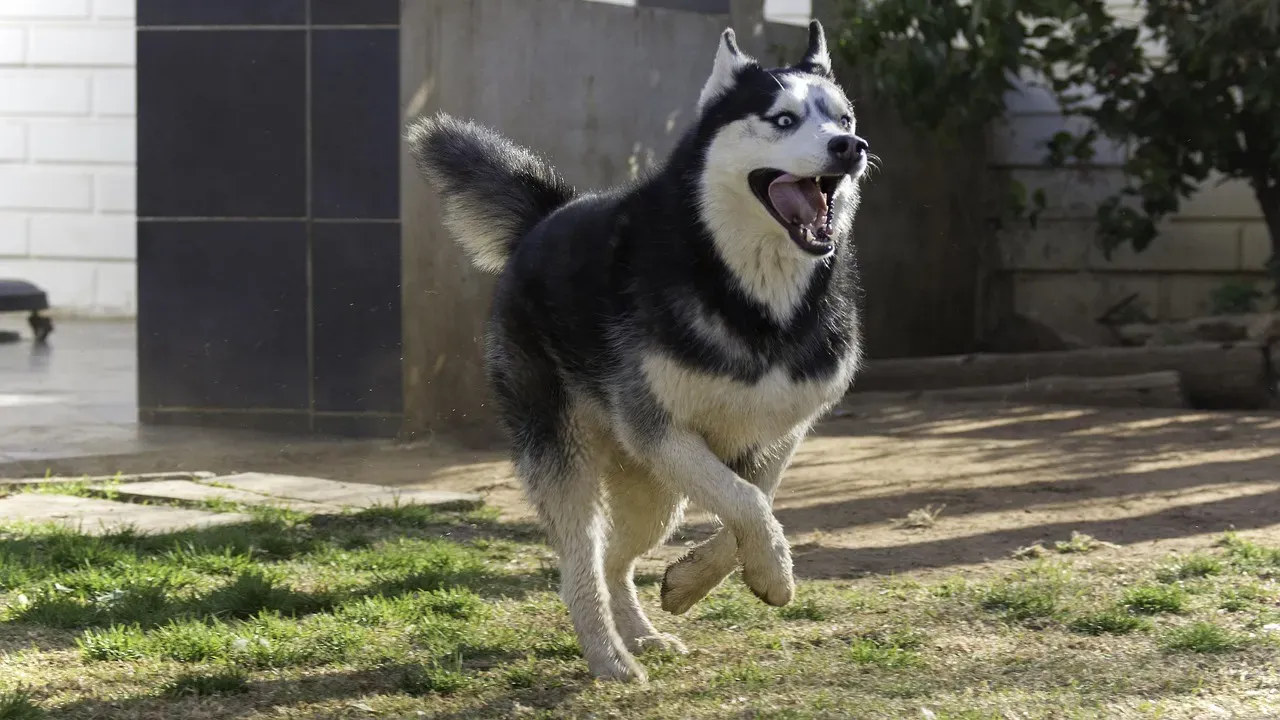
The Siberian Husky is the poster child for dogs that look like a dream and behave like a challenge. These dogs are independent thinkers, bred to work in teams over long distances, not to stare at you for clues about when it’s potty time. That independence often means slower housebreaking because they’re more interested in what they want to do than what you’re asking them to do.
Huskies can also have an impressive talent for mischief, especially if they’re bored or under-exercised. Housebreaking a Husky usually demands a tight schedule, many bathroom breaks, and watchful supervision to prevent sneaky indoor accidents. If you barely have time to walk around the block, you’ll probably struggle to provide the consistency that a Husky needs to actually “get it” and stick with it.
2. Beagle: A Nose-Driven Wanderer With Selective Hearing
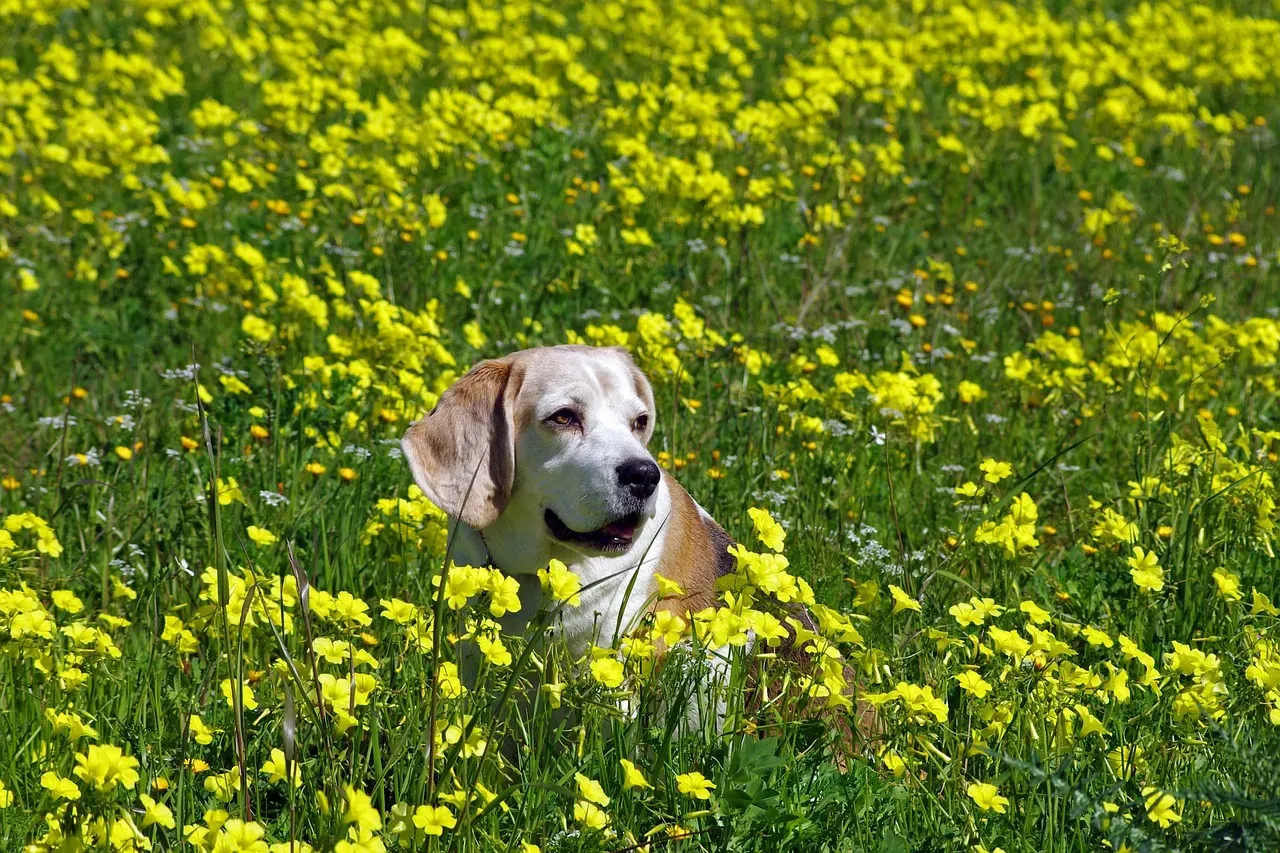
Beagles are sweet, cheerful, and famously ruled by their nose. That powerful sense of smell that makes them great scent hounds also makes them easily distracted during training sessions. In the middle of a potty break, a Beagle may suddenly decide that some fascinating smell three yards away is far more important than finishing their bathroom business.
This distractibility can make housebreaking feel endless if you are short on time. Beagles also tend to have a bit of a stubborn streak, so if you are not around to consistently reinforce good habits and reward timely potty trips, progress can stall. For busy owners who need a dog to “catch on quickly,” a Beagle’s leisurely, nose-led approach to the world can be a frustrating mismatch.
3. Dachshund: Big Attitude in a Small, Hard-to-Housebreak Package

Dachshunds have a long-standing reputation among trainers and owners as one of the trickier breeds to housebreak. They’re clever and full of personality, but they were bred to hunt independently underground, which comes with a strong will and a taste for doing things their own way. That combination can make them slow to fully commit to outdoor bathroom etiquette.
Because of their size, it’s also easy to underestimate how often a Dachshund needs to go out and how small accidents can be. People with limited time often fall into the trap of “I’ll let them out later,” which is almost a guarantee of mistakes indoors. If you feel tempted by their adorable faces but know your schedule is unforgiving, a Dachshund puppy may not be the best choice for a smooth, low-stress housebreaking experience.
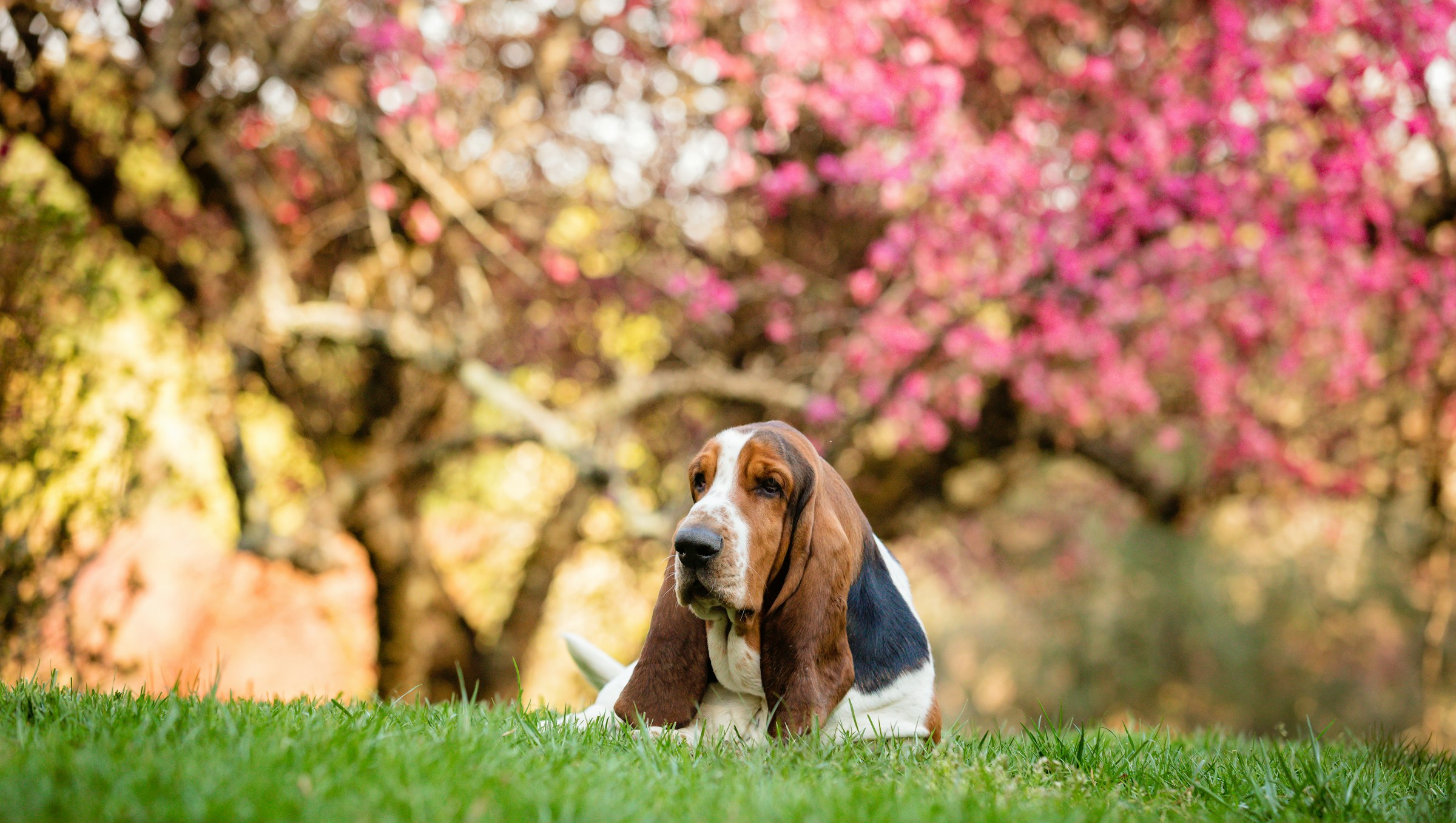
4. Basset Hound: Laid-Back, Slow Learner When It Comes to Potty Rules
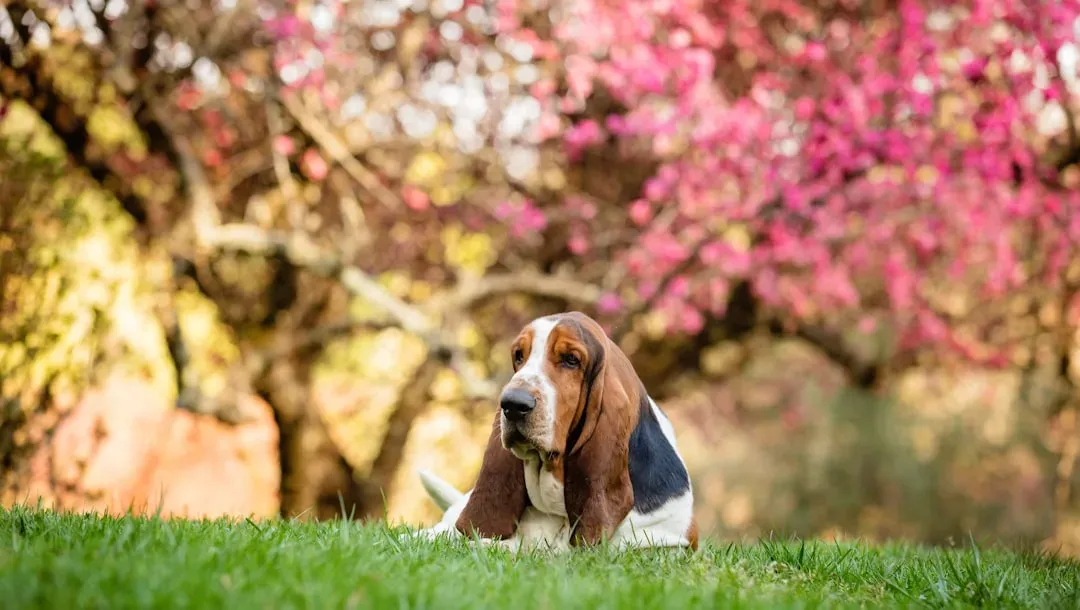
Basset Hounds are mellow, soulful, and often described as gentle clowns. They’re also famously slow to train in general, and housebreaking is no exception. Their sense of smell is powerful, like a Beagle’s, so they tend to follow scent trails and get lost in their own world rather than laser-focus on learning where and when to go to the bathroom.
This relaxed personality can be charming, but it often translates into needing more repetitions and a longer timeline before they are fully reliable indoors. If you can’t build a steady routine with frequent outdoor trips and lots of praise, a Basset Hound may remain inconsistent with potty habits. For someone with limited time, the combination of stubbornness and slowness can be especially testing.
5. Jack Russell Terrier and Similar High-Energy Terriers

Jack Russell Terriers and similar high-drive terriers (like Parson Russell Terriers) are intelligent, intense, and always switched on. Housebreaking them is less about whether they can learn and more about whether you can channel their energy and focus long enough for them to build consistent habits. These dogs often view the world as a playground, where every leaf, shadow, and sound is an invitation to sprint and explore.
Because they are so energetic, they can become restless and impulsive if not given enough physical and mental exercise. That can result in “oops” moments indoors when they are not being closely supervised. Owners who are short on time may quickly find that keeping up with their activity needs and maintaining a strict potty schedule is overwhelming, which only makes housebreaking take longer and feel more frustrating.
6. Chihuahua: Tiny Bladder, Big Training Commitment

Chihuahuas are often misunderstood because of their size. People assume a small dog will be “easy,” but in reality, their tiny bladders and sensitive personalities can make housebreaking demanding. They simply need to go outside more often than many larger breeds, especially during puppyhood, which means lots of short, frequent trips that don’t fit well with a packed schedule.
They can also be prone to anxiety, particularly in noisy or chaotic homes, and stress can directly impact potty training reliability. If you are not around enough to build their confidence and reward good behavior regularly, accidents can become a long-term pattern. For someone with minimal time, a Chihuahua may end up mostly using indoor pads or having more messes than expected.
7. Shih Tzu: Adorable Companion, Surprisingly Slow to Housebreak
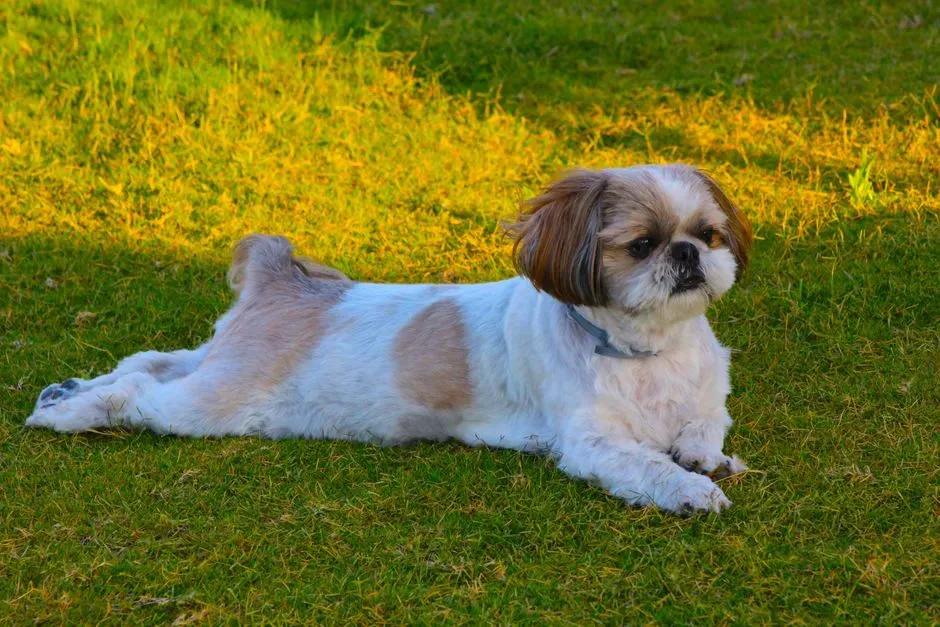
Shih Tzus are bred primarily as companion dogs, which means they love being near their people and often adapt well to apartment living. However, they are also notorious among many trainers for being slower than average to fully housebreak. Part of this comes from their somewhat stubborn side and the fact that they are small enough that accidents do not seem like a big problem at first.
When owners are busy and not tracking every accident or consistently reinforcing outdoor trips, a Shih Tzu can quietly form bad habits indoors. Over time, that can turn into a housebreaking problem that is far more time-consuming to fix than it would have been to prevent. If you cannot commit to very regular outdoor routines and close supervision during the early months, you might find this breed frustrating despite their sweet nature.
8. Pug: Charming, Sensitive, and Often Inconsistent

Pugs are fun, affectionate, and full of character, which is exactly why so many people overlook how much structure they need in the early months. They can be sensitive to climate, with heat and cold both affecting how long they can comfortably stay outside. That sometimes leads owners to cut outdoor potty trips short, especially if they are rushing, which makes it harder for the dog to associate outside time with bathroom time.
Pugs also tend to form strong bonds and may get clingy or anxious when routines change. If you have an unpredictable schedule and can’t keep bathroom trips consistent, a Pug may struggle to become fully reliable indoors. For someone already juggling work, family, and everything else, the extra patience and time required to keep a Pug on track with housebreaking can feel like too much.
9. Afghan Hound: Elegant, Independent, and Not Easily Motivated

Afghan Hounds are known for their striking appearance and aloof, independent temperament. They are not the kind of dog that naturally lives to please their owner, and that can make any type of training, including housebreaking, more of a project. You often need higher patience and a creative approach to motivate them, which is not easy to supply when you are pressed for time.
Because they are independent, they may not see a strong reason to rush outside and finish their business just because you asked. Inconsistent schedules or rushed routines only amplify the problem. If you imagine a dog who will instantly respond to your every cue and quickly grasp the house rules even when you are busy, an Afghan Hound is almost the opposite of that fantasy.
10. Bulldog (English and Some Other Bulldog Types)

Bulldogs, especially the English Bulldog, are beloved for their goofy faces and laid-back vibe, but that relaxed nature doesn’t automatically translate into fast housebreaking. They can be stubborn in a slow, resolute way, simply choosing not to move quickly when you want them to. That means getting them outside frequently enough and for long enough can be challenging, especially if you are already rushing between obligations.
They also may have breathing and heat-tolerance issues, which can limit outdoor time in hot or humid weather. If quick, short outings are all you can manage, your Bulldog might not always finish their business outside, leading to more indoor accidents. For a time-crunched owner who dreams of an easygoing, low-effort dog, the reality of housebreaking a Bulldog can be an eye-opener.
Conclusion: Time Is the Real Deal-Breaker, Not the Breed

When people ask which dog breeds to avoid if they have no time to housebreak, what they are really asking is whether there is a shortcut. There isn’t. Dogs on this list tend to need more repetition, more patience, or more frequent trips outside, which makes them a poor match for someone whose schedule is already bursting at the seams. Choosing them anyway and hoping it “works out” usually leads to stress for the human and confusion for the dog.
In my view, the honest answer is that if you truly have almost no time to devote to housebreaking, the best choice might not be a young puppy at all, especially from these breeds. An older, already house-trained rescue dog or postponing dog ownership until life calms down is often kinder and more realistic. You’ll enjoy your future dog far more when you can give them the time and structure they need to succeed, instead of constantly feeling behind and frustrated – so what kind of life and routine do you want both of you to have a year from now?


