
If you’ve ever stood in your kitchen, treats in hand, while your dog stares back at you like you are the one who needs training, you already know this: not all breeds are people-pleasers. Some are independent, strong-willed, and incredibly smart in a way that makes you question who is really in charge.
Stubborn dogs aren’t “bad” dogs; they’re often bred to think for themselves, make decisions under pressure, and ignore distractions. The flip side is that they can also ignore you. Below are ten famously headstrong breeds that can challenge even experienced trainers, along with what makes them tick and how to work with their big personalities instead of constantly fighting them.
1. Siberian Husky: The Escape Artist With Selective Hearing
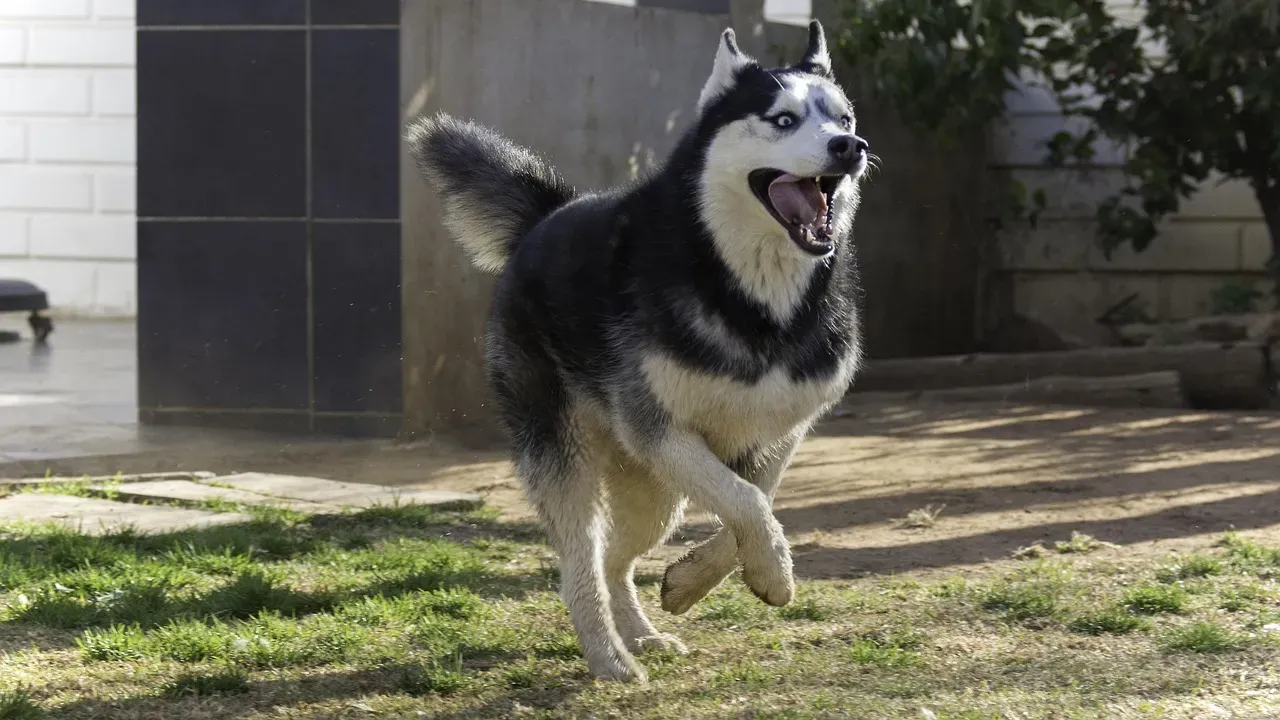
Siberian Huskies are legendary for their beauty and their attitude. Historically bred to pull sleds over long distances in harsh Arctic conditions, they had to make quick decisions and keep going even when humans were exhausted. That independent streak is still hardwired in them today, which is why so many owners say their Husky seems to have “selective hearing.”
Give a Husky a boring, repetitive task and they’ll check out fast. They’re highly intelligent, but they don’t work for free; they need variety, challenge, and a reason to cooperate. Without enough physical and mental exercise, a Husky will invent their own “job” like digging craters in the yard or plotting a jailbreak. Trainers often say working with a Husky feels less like “commanding” and more like negotiating with a very determined athlete.
2. Alaskan Malamute: Strong-Willed Powerhouse With Its Own Agenda
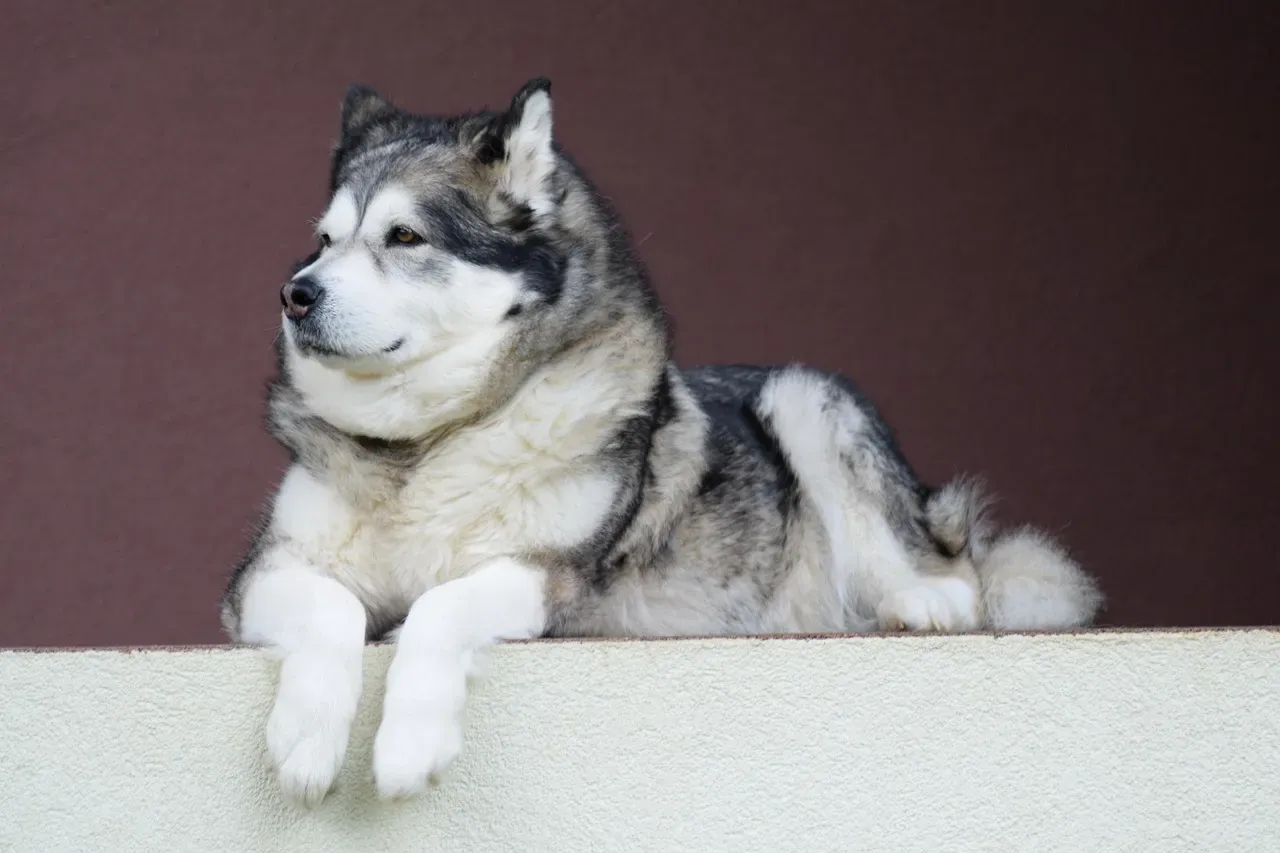
Alaskan Malamutes look like Huskies’ larger, fluffier cousins, and they come with the same independence but even more raw strength. They were bred to haul heavy loads across long distances, often in teams, relying on their own judgment to navigate dangerous environments. That background makes them confident, driven, and not easily impressed by simple obedience drills.
A Malamute will often pause, assess, and almost visibly decide whether your request is worth their time. They are deeply social and bond strongly with their people, but that doesn’t automatically translate into obedience. Consistent boundaries, early training, and serious exercise are non‑negotiable. When a Malamute is underworked or under-stimulated, you’re left with hundreds of muscular, furry pounds of stubborn energy determined to rearrange your life – and your furniture.
3. Akita: The Silent, Serious Thinker
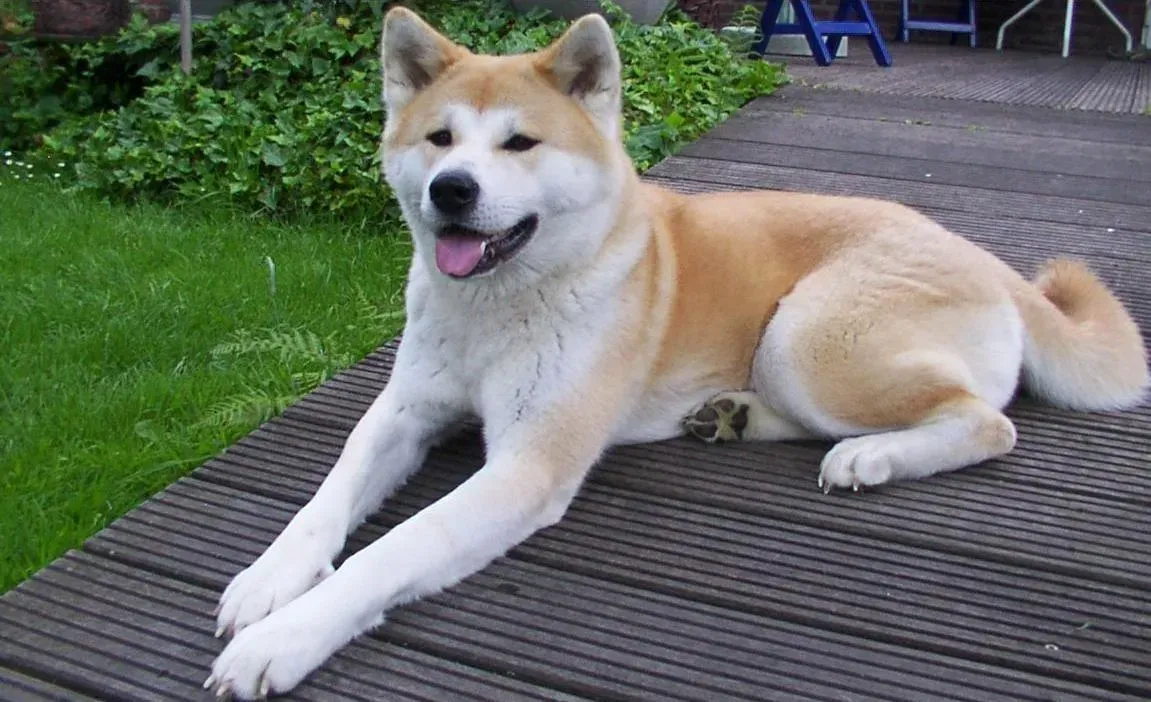
Akitas were originally developed in Japan for guarding and hunting large game, and their temperament reflects that serious job description. They are alert, self-possessed, and often reserved with strangers. An Akita does not automatically accept direction from just anyone; they decide who has earned their respect and then act accordingly.
In training, that means an Akita might respond beautifully to a handler they trust and completely shut down with someone who tries to push too hard or use harsh methods. They’re not the type to repeat a sit or down ten times just because you feel like practicing. Instead, they do best with short, meaningful sessions and a calm, confident owner. If you treat an Akita like a “robot dog,” they’ll push back; treat them like a thinking partner, and you unlock a surprisingly cooperative side.
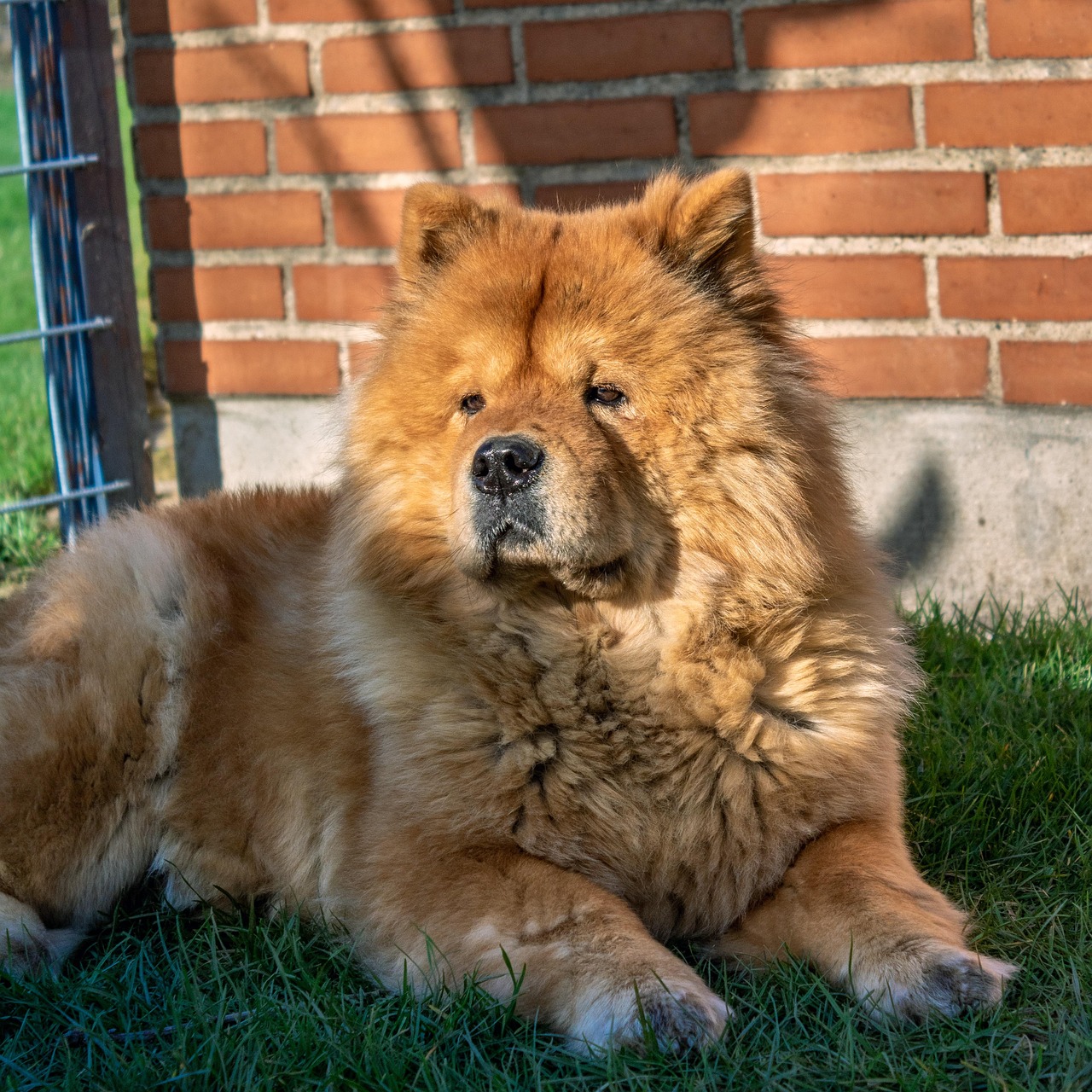
4. Chow Chow: The Cat-Like Dog Who Thinks It’s Royalty
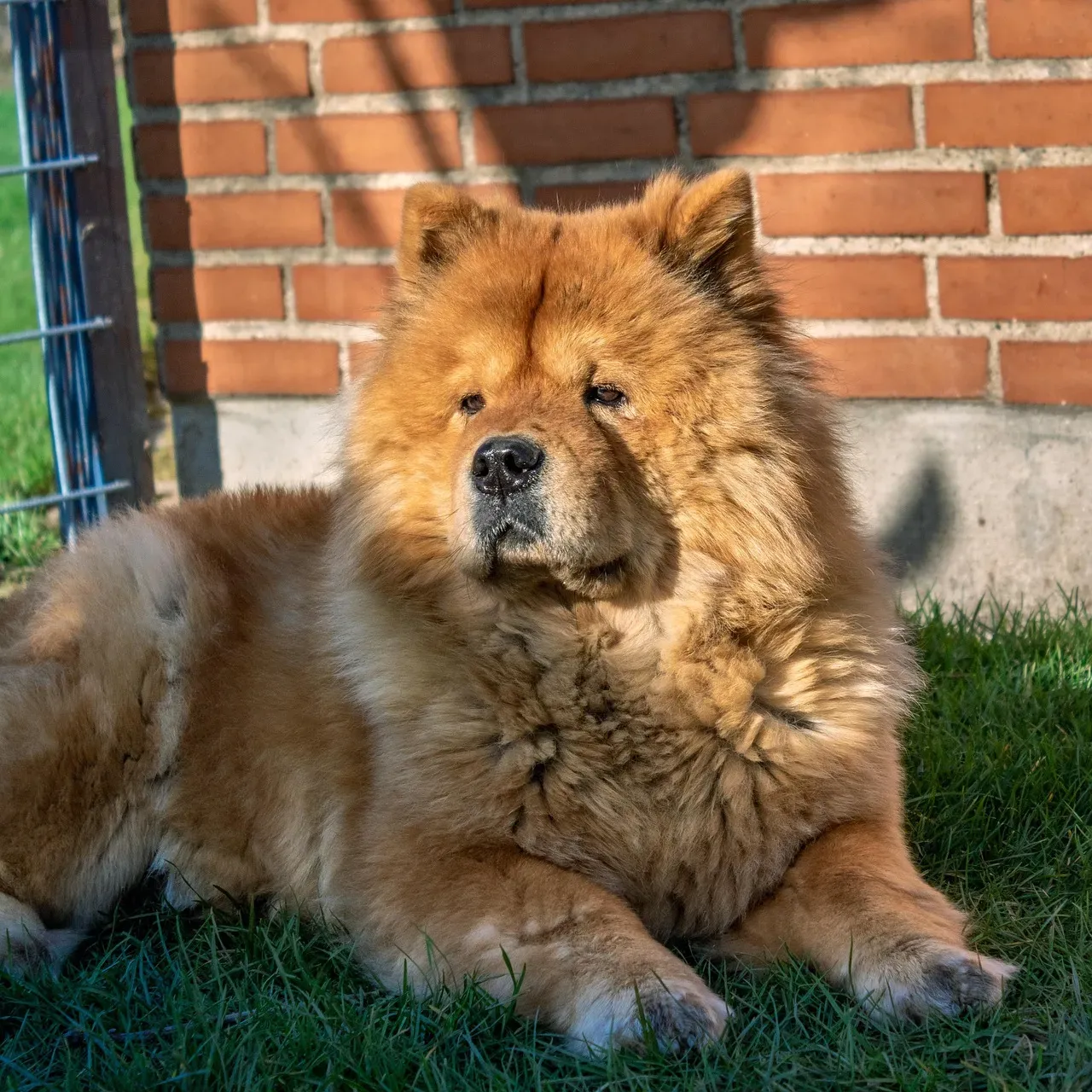
Spend time with a Chow Chow and you may find yourself thinking you’re living with a giant, furry cat. Bred as guardians and multipurpose working dogs in ancient China, Chows are known for being aloof, dignified, and highly selective about their affection. They don’t wake up wondering how to please you; they wake up and assume the household is already properly arranged around them.
This cat-like independence can make formal obedience training a real challenge. A Chow is quick to learn but just as quick to decide your request is optional. They respond best to patient, low-drama training that avoids force. Push a Chow too hard and they can dig in their heels, both figuratively and literally. When you respect their space and keep expectations clear and consistent, a Chow will cooperate – but on terms that always feel a bit like a polite truce.
5. Shiba Inu: The Fox-Faced Master of “Nope”
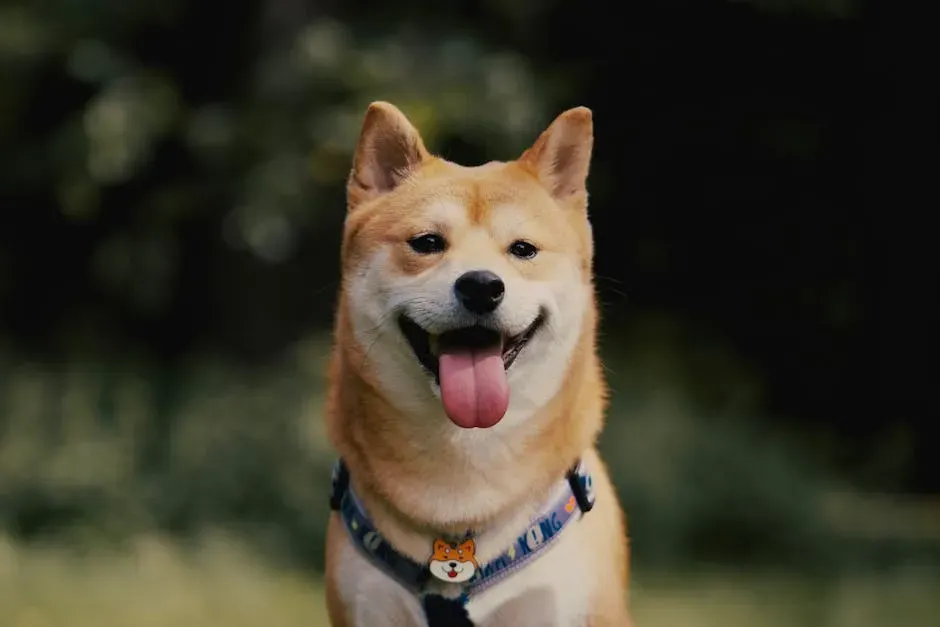
The Shiba Inu might be small, but their personality is anything but. Originating in Japan as a hunting dog in rugged terrain, they had to make decisions quickly and independently, often at a distance from their handlers. That independence survives in modern Shibas, who are famous for the “Shiba scream” when they’re unhappy and the deadpan stare when you ask them to do something they find pointless.
Shibas are clever, clean, and agile, but they’re also escape artists with a high prey drive. Off-leash reliability can be especially tricky; many seasoned trainers treat Shibas as “never truly off-leash” dogs outside secure areas. They thrive with firm, calm leadership and early socialization, but if training feels like nagging, they tune out fast. Living with a Shiba often feels like sharing a home with a tiny, sarcastic roommate who is very sure of their own opinions.
6. Basenji: The Barkless, Boundary-Pushing Primitive
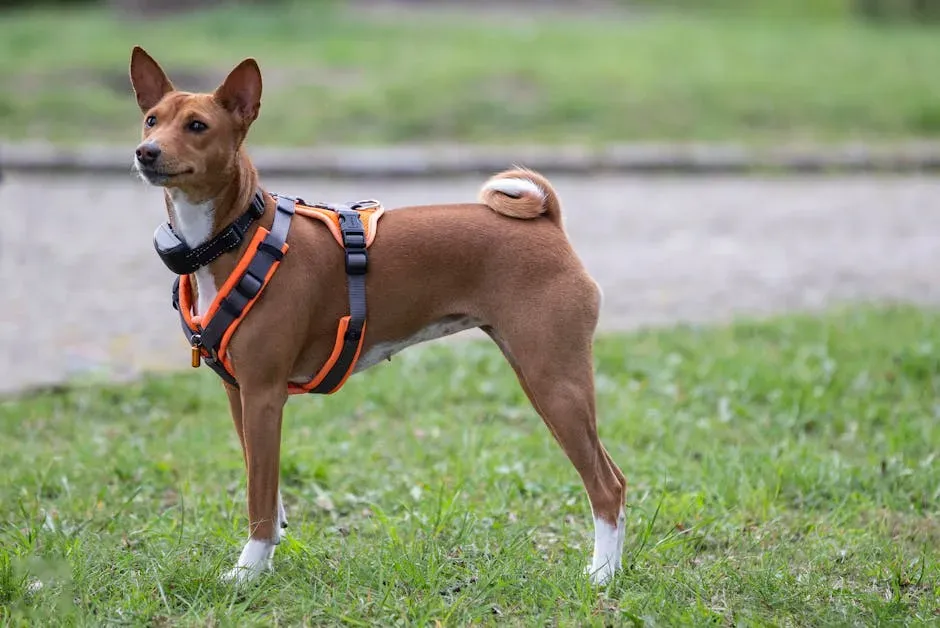
The Basenji is often called the “barkless dog,” but anyone who lives with one knows that silence is not the same as obedience. Originating in central Africa as a hunting companion, Basenjis are considered a more “primitive” type of dog, meaning their behavior can be closer to that of their wild ancestors. They are quick, observant, and intensely curious, which is a great combination for problem-solving – and a nightmare for lazy training.
Basenjis tend to get bored with repetition and will test what they can get away with. They’re agile enough to get into unexpected trouble, jumping fences, counter-surfing, or quietly dismantling whatever you thought was puppy-proof. Training a Basenji usually demands creativity: puzzle toys, scent work, and varied routines go much further than drilling the same commands. It’s less like training a dog and more like collaborating with a hyper-intelligent, mischievous toddler who happens to run very fast.
7. Beagle: The Sweet-Faced Scent Addict
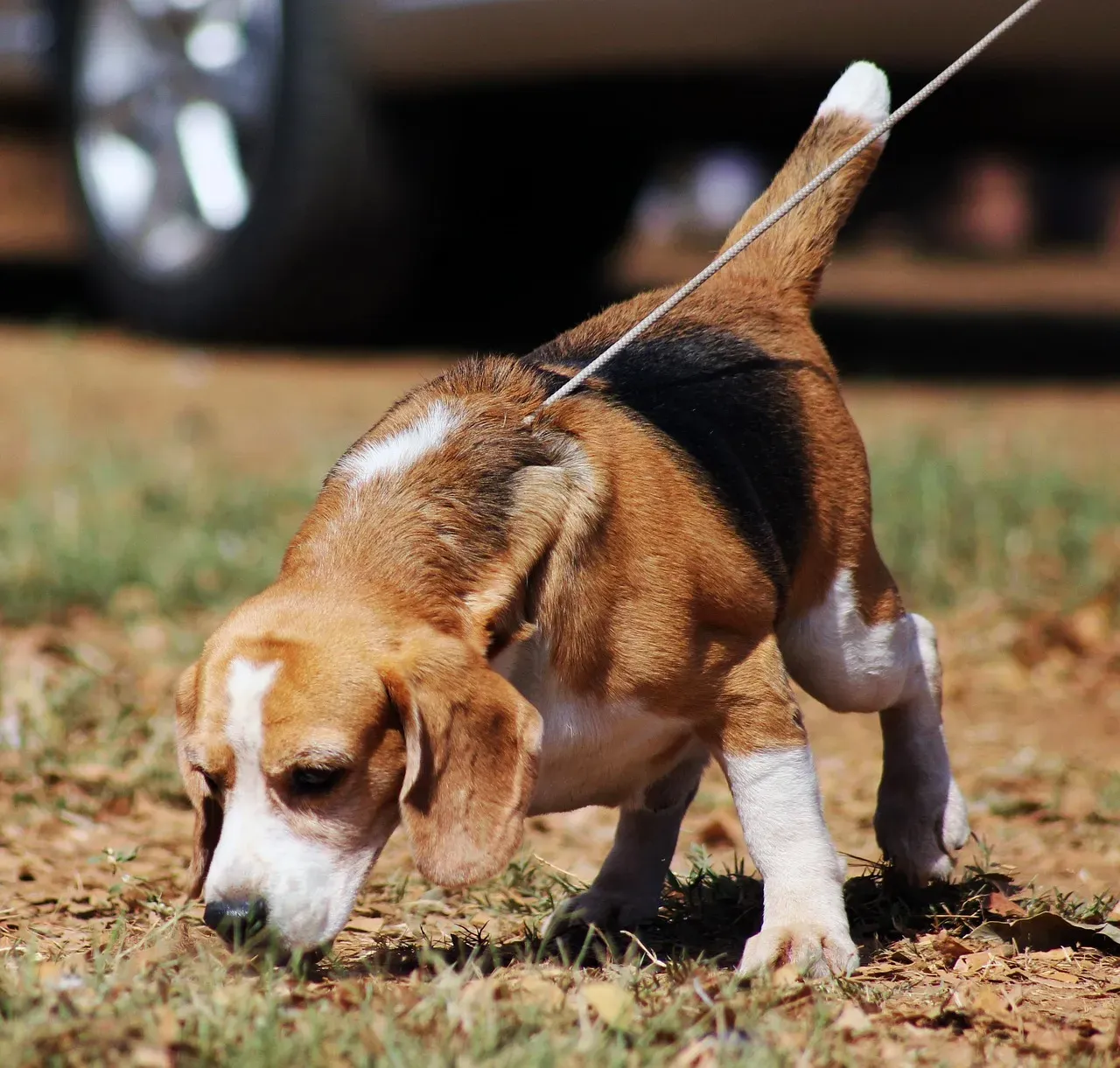
Beagles look innocent, but under those soulful eyes lies one of the most determined noses in the dog world. Developed as scent hounds for trailing small game, they were bred to follow smells for hours without giving up. That relentless focus is a gift in the field, but in a modern neighborhood, it can feel like their nose has completely replaced their ears.
Call a Beagle while they are tracking a scent, and you’ll often be ignored unless you’ve put serious work into recall training. Traditional, correction-heavy methods can backfire, making them shut down or simply grow more stubborn. What works better is tapping into what motivates them – usually food, games, and a rich sniffing life. A well-managed Beagle still follows its nose, but with structure and rules that keep both dog and owner sane.
8. Dachshund: The Tiny Body With a Big Hunter’s Ego
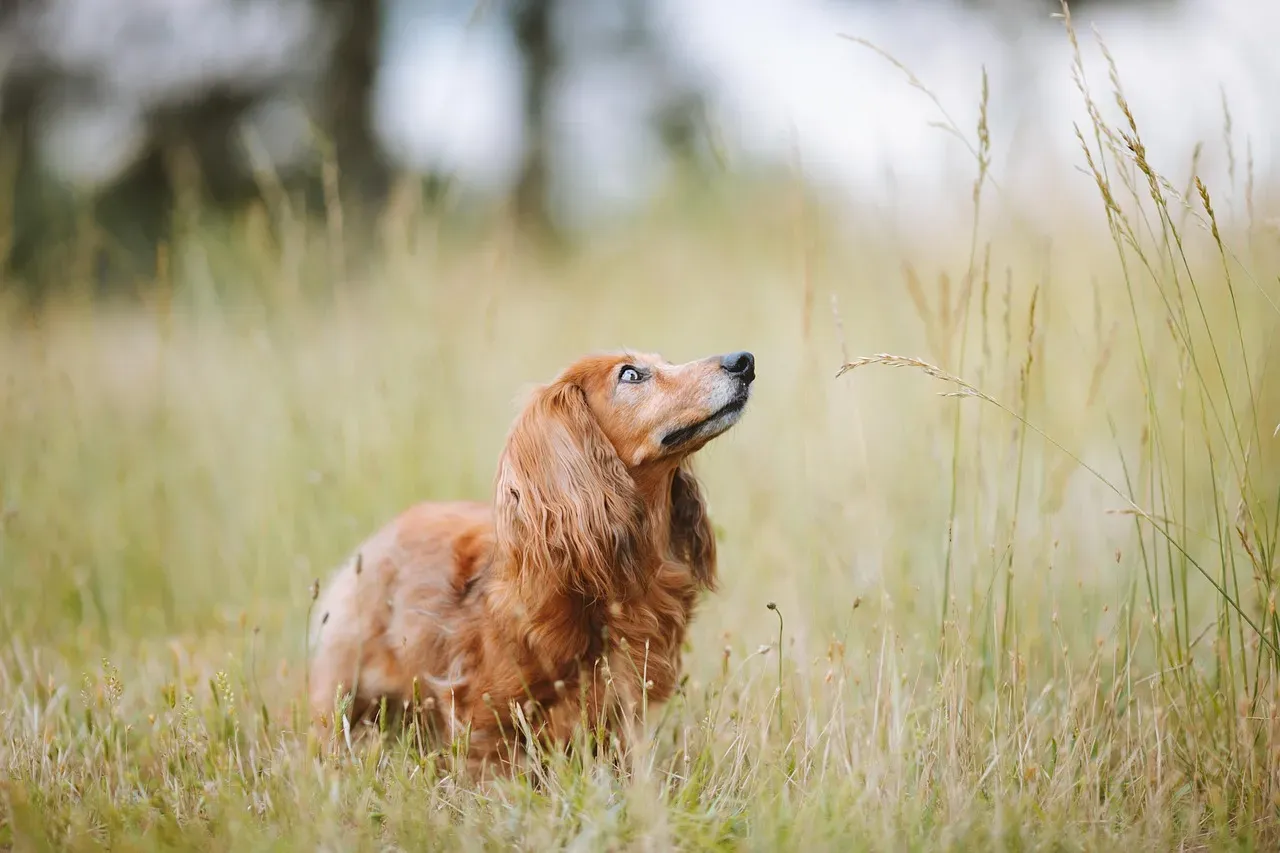
Dachshunds might be short, but their ego is anything but. Originally bred in Germany to go underground after badgers, they needed courage, pain tolerance, and a willingness to work far from human help. Those traits translate into incredible bravery and equally incredible stubbornness in modern homes.
A Dachshund that decides not to do something can be shockingly immovable for such a small dog. They tend to bond closely with their chosen people and can be suspicious of rough handling or forceful training. Positive reinforcement, patience, and a sense of humor go a long way. Give them jobs like nose work or problem-solving games, and you redirect that fearless, independent spirit instead of constantly butting heads with it.
9. Jack Russell Terrier (and Similar Working Terriers): Turbocharged and Opinionated
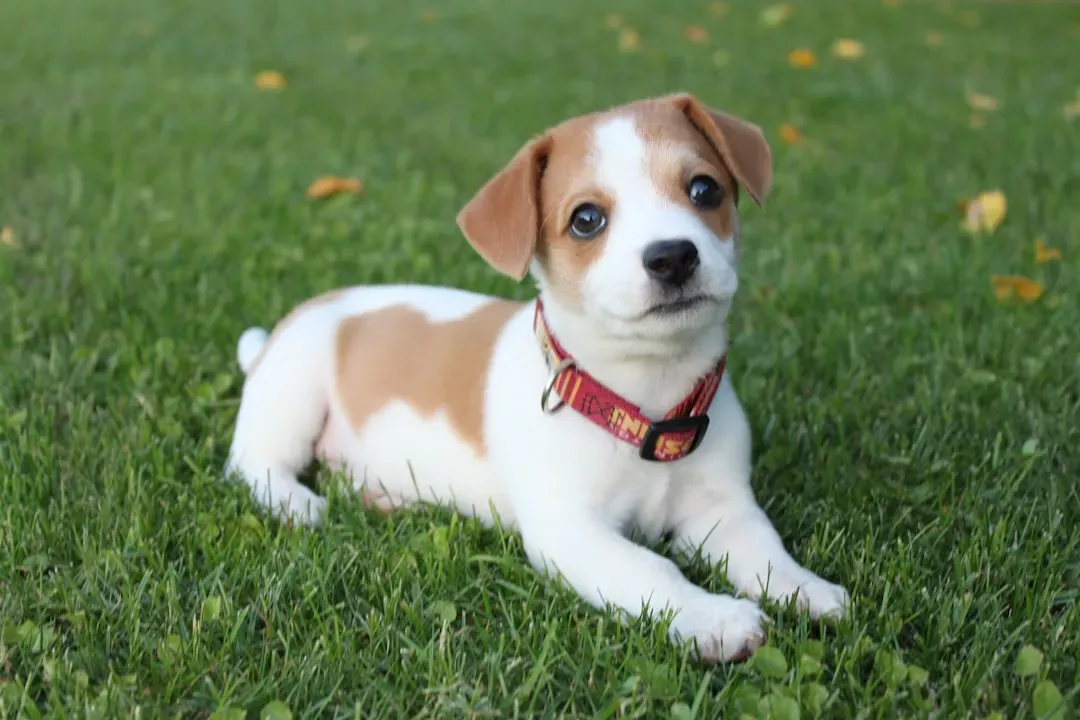
Jack Russell Terriers, along with other high-drive working terriers, are like little nuclear reactors of energy and intent. Bred for fox and vermin hunting, they were designed to work independently, make fast decisions, and never back down. That perseverance, called “gameness” by terrier people, is exactly what can make them a handful in everyday life.
Ask a Jack Russell to relax and do nothing and they may respond by redesigning your backyard or herding your entire family into one room. They thrive on structure, clear rules, and a lot of physical and mental outlets: agility, trick training, and organized sports often work wonders. Without that structure, their independence quickly turns into mischief, and even experienced trainers admit that arguing with a determined terrier is a losing game.
10. Afghan Hound: The Elegant Free Spirit
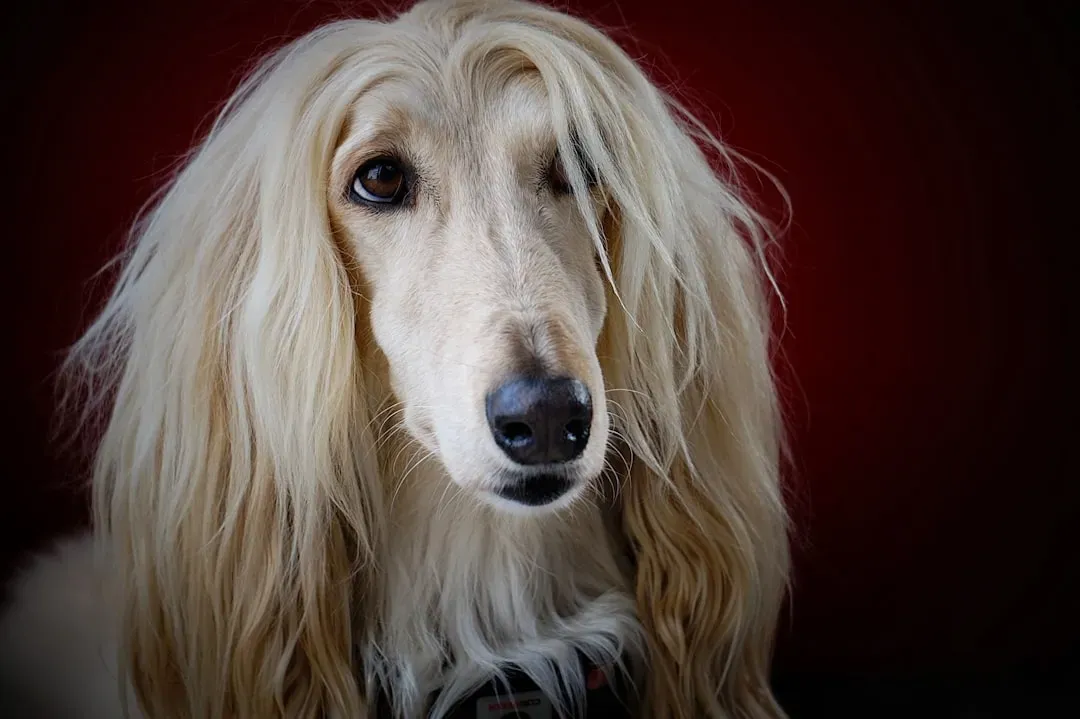
The Afghan Hound looks like living artwork – silky coat, graceful movement, regal posture – but beneath the glamour is a fiercely independent sighthound. Historically used to hunt by sight over vast, rugged landscapes, they had to chase, decide, and navigate without constant human direction. That background makes them more like a partner than a subordinate, and they often treat commands as suggestions.
Afghans are sensitive and can be easily offended by harsh or clumsy training. They respond best to gentle consistency, high-value rewards, and short sessions that respect their independent nature. Many experienced trainers joke that you do not so much “own” an Afghan as share space with a beautiful, self-directed creature who occasionally agrees to cooperate. When the relationship is built on mutual respect, their stubbornness softens into something that feels almost poetic.
Conclusion: Stubborn or Simply Strong-Minded?
When you look closely at these so‑called stubborn breeds, a pattern appears: most were created to think independently, work at a distance, and push through challenges without constant input. In other words, the very traits that frustrate modern owners are exactly what made these dogs great at their original jobs. Calling them “difficult” sometimes says more about our expectations than about the dogs themselves.
I’ll admit my personal bias: I love a strong-minded dog. Yes, they can be exhausting, and yes, they will expose every gap in your consistency and patience. But when you finally earn their trust and cooperation, it feels less like training a pet and more like building a partnership. Maybe the real question is not whether these breeds can tire out a trainer, but whether we are willing to grow into the kind of humans they actually want to listen to – would you be ready for that kind of challenge?


