
Picture this: a quiet afternoon, a cup of tea, and a gentle dog snoozing at your feet. For many seniors living alone, that image feels like the perfect kind of company. But here’s the twist most people never tell you: not every dog that looks cute and cuddly is a good match for a solo senior lifestyle.
Some breeds are demanding athletes in disguise. Others are stubborn, anxious, or so powerful that one strong pull on the leash could spell disaster. The problem isn’t that these dogs are “bad.” It’s that their natural needs are out of sync with the reality of aging joints, limited energy, or living without a built-in backup human. Let’s walk through 10 breeds you’ll want to think very carefully about before bringing home if you’re a senior living alone.
1. Border Collie
Border Collies look like the perfect dog from a movie: bright eyes, fluffy coat, always ready for action. That “always ready” part is exactly the issue. They were bred to work all day herding livestock, which means they come with almost endless energy and a razor-sharp mind that constantly needs a job to do.
For a senior living alone, this can quietly turn into a full-time responsibility. Without serious daily exercise and mental stimulation – think long hikes, agility, structured training – Border Collies can become anxious, destructive, or obsessive. What starts as a sweet companion can quickly feel like a restless, demanding roommate who never gets tired.
2. Siberian Husky
Siberian Huskies are stunning, and they know it. Those bright eyes and wolfish looks are hard to resist, especially for someone craving a bit of excitement and presence in the house. But under that beauty is a powerful, independent working dog built for pulling heavy sleds over long distances in harsh conditions.
That history shows up in modern life as serious pulling on the leash, strong prey drive, and a tendency to test boundaries. Huskies are also famous escape artists, which means secure fencing, constant vigilance, and quick physical reactions are essential. For an older adult living alone, one powerful lunge toward a squirrel can be all it takes to cause a fall, a fracture, or a frightening emergency.
3. German Shepherd
German Shepherds are often described as loyal, protective, and incredibly intelligent. Those qualities can be wonderful, but they also come with a lot of responsibility. This breed needs consistent, confident training, regular exercise, and careful socialization to prevent nervousness, over-protectiveness, or challenging behavior.
They are also relatively large and strong, which can be risky for someone with slower reflexes or balance issues. On top of that, German Shepherds are prone to joint problems and other health conditions that may require expensive vet care and physical support as they age. A senior caring alone for a large, medically complex dog can quietly slide from companionship into overwhelm.
4. Dalmatian
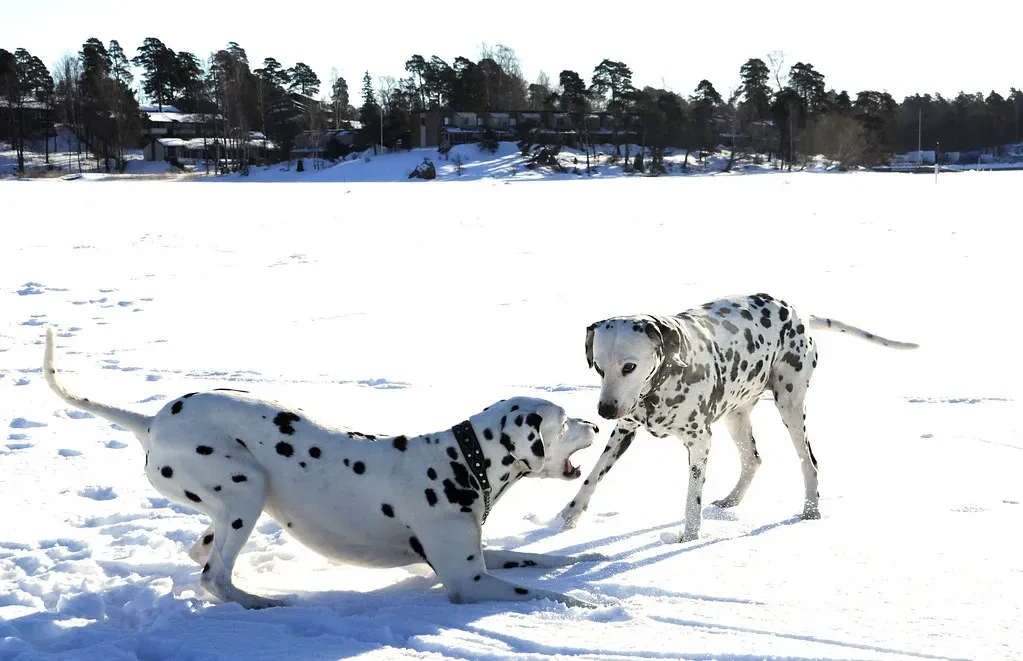
Dalmatians have a glamorous reputation thanks to movies and their eye-catching spots, but behind the look is a high-energy, sometimes sensitive dog. Historically used as carriage dogs and working companions, they are wired for a lot of movement, alertness, and stimulation. A short stroll around the block usually will not cut it for them.
They can be prone to behavioral issues if they are under-exercised or bored, including restlessness, destructive chewing, or over-reactivity. Some Dalmatians also have specific health concerns, including a tendency toward hearing problems and urinary issues, which can make daily management trickier. For a senior living alone, the combination of intense energy and possible health quirks can be more than expected.
5. Belgian Malinois
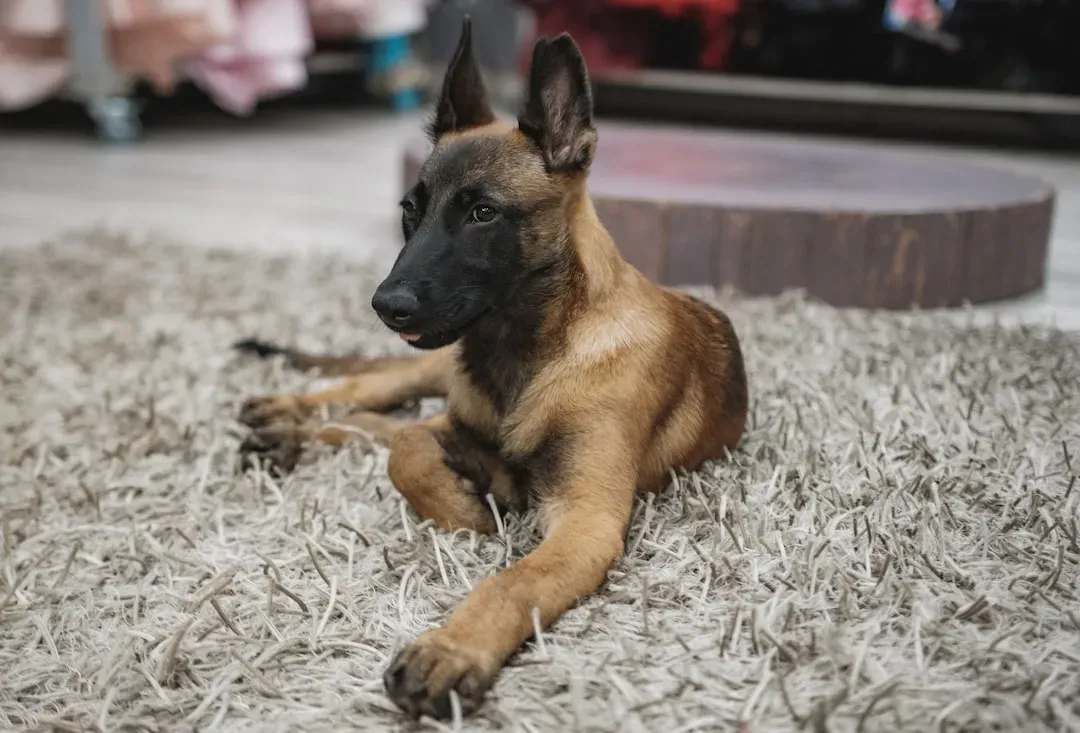
The Belgian Malinois has become more visible in recent years because of its use in police and military work. There’s a reason professionals favor them: they are intensely driven, focused, and athletic. That makes them extraordinary working dogs – and often very poor choices for a quiet home, especially one with a single older adult.
These dogs usually need advanced training, significant physical exercise, and purposeful mental work every single day. Without that structure, they can become frustrated, hyper-vigilant, and difficult to manage. For a senior who simply wants a relaxed companion and does not have support from a trainer or family, a Malinois can feel less like a pet and more like managing a highly specialized athlete on their own.
6. Jack Russell Terrier (and Similar High-Drive Terriers)

Jack Russell Terriers seem tiny and manageable at first glance, which tempts many older adults into thinking they’ll be easy. In reality, they are small bodies packed with explosive energy and a sharp hunting instinct. They were bred to chase and dig after fast, small animals, and that drive has not faded.
For a senior living alone, the constant motion, tendency to bolt after wildlife, and need for firm, consistent boundaries can be exhausting. These terriers are also known for being vocal and stubborn, and they get bored very quickly without enough activity. A dog that is constantly jumping, barking, and looking for trouble is the opposite of the calm, low-stress presence many older people hope for.
7. Rottweiler
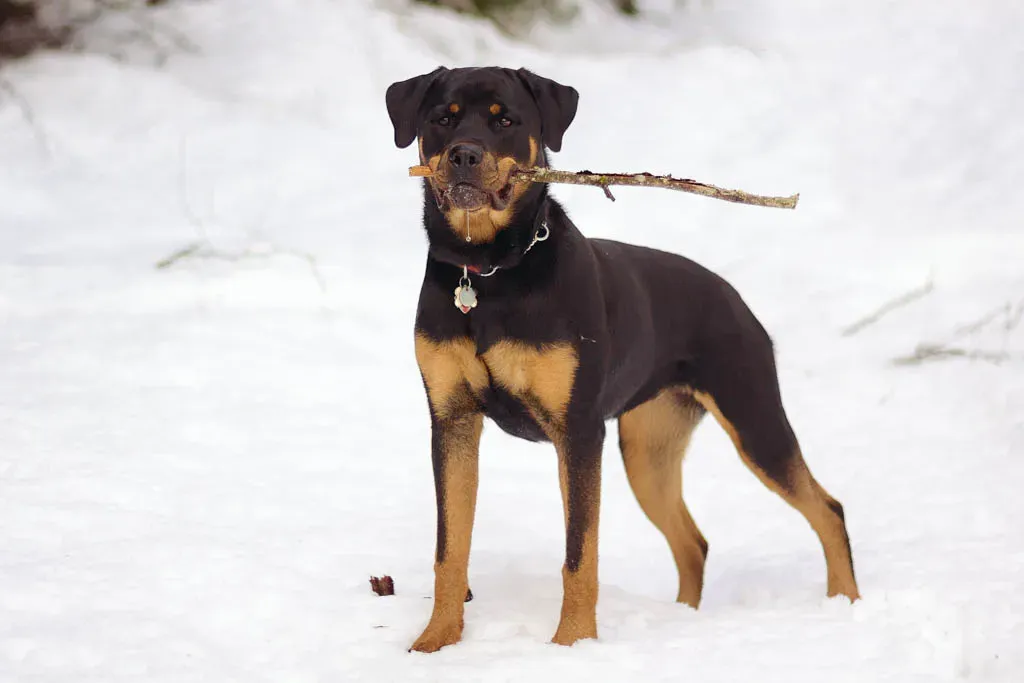
Rottweilers can be deeply devoted and surprisingly gentle with the people they love, which is exactly why some seniors are drawn to them. However, their size, strength, and guarding instincts require a level of physical confidence and handling skill that not every older person can safely provide – especially when living alone.
They need early, ongoing socialization and clear, consistent training to ensure they feel secure and do not become overprotective. Even a friendly Rottweiler can unintentionally knock someone off balance by leaning, pulling, or shifting suddenly. When there is no one else at home to help, even small handling mistakes can carry big consequences.
8. Weimaraner
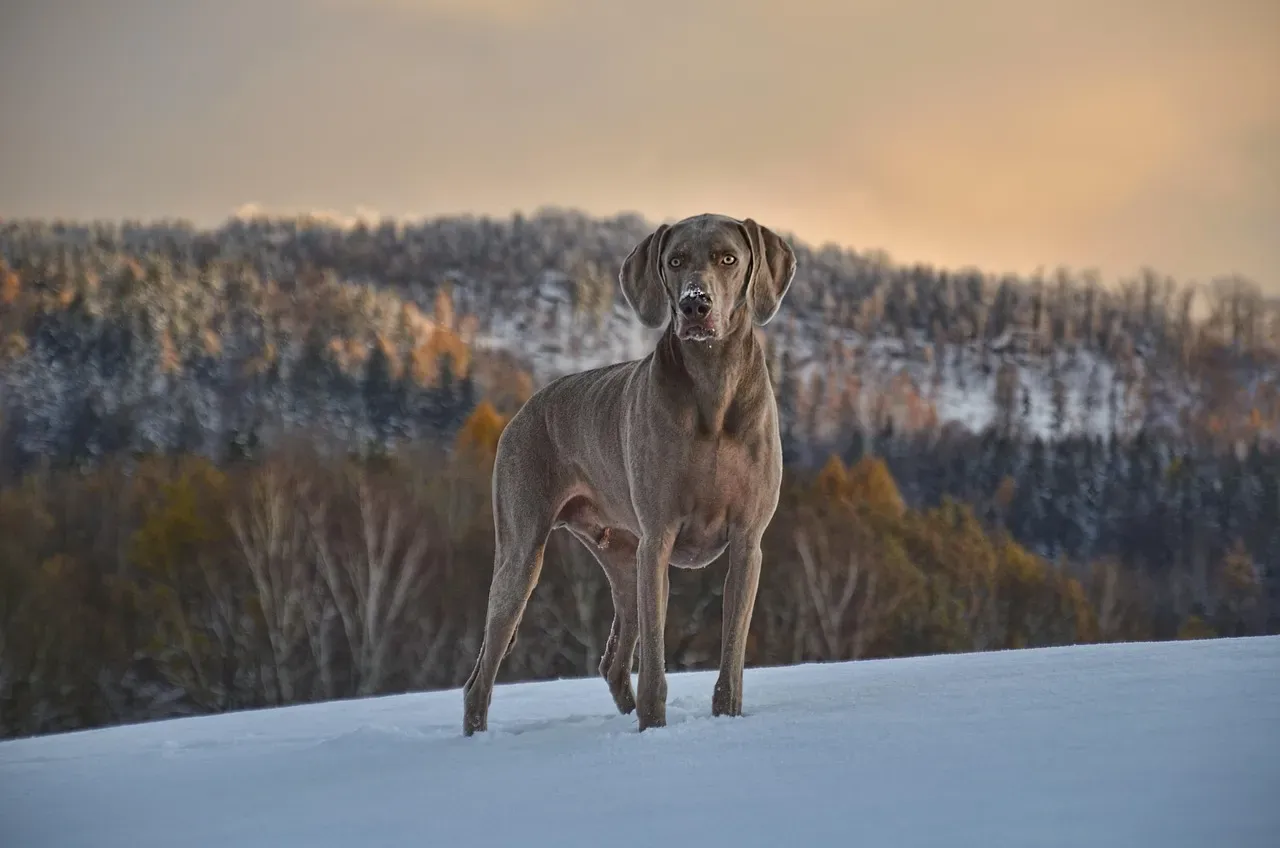
Weimaraners are sleek, athletic, and incredibly people-oriented. Many of them do not like being left alone for long stretches and can develop intense separation anxiety. That can look like barking, pacing, chewing, or trying to escape when their person steps out, even for routine errands or appointments.
They are also extremely active and need a lot of running, play, and mental challenges. For a solo senior who may have days of low energy, bad weather worries, or health appointments, it can be hard to keep up with their needs. Over time, trying to meet a Weimaraner’s demands alone can feel less like joyful companionship and more like constantly trying not to disappoint a restless, needy athlete.
9. Doberman Pinscher
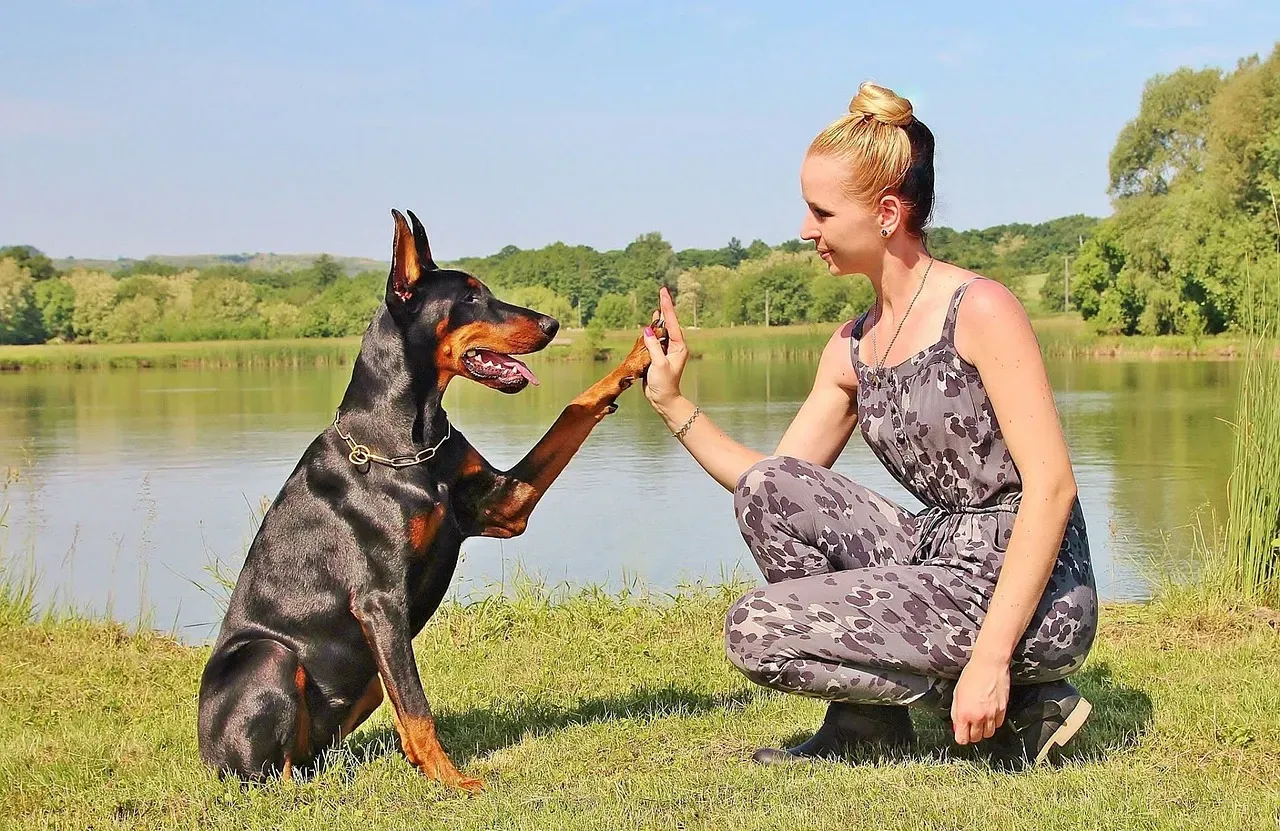
Dobermans are elegant, intelligent, and naturally protective, which can feel comforting for someone living alone. But that same protectiveness can become complicated without skillful training and regular exposure to different people and situations. If they interpret every noise or visitor as a threat, life can turn tense quickly.
They are powerful, athletic dogs that need structured exercise and mental challenges. They also form very strong bonds, which can lead to anxiety if they are left alone often or experience changes in routine. For an older adult managing their own health and appointments, balancing a Doberman’s emotional and physical needs alone can become a serious and stressful juggling act.
10. Great Dane
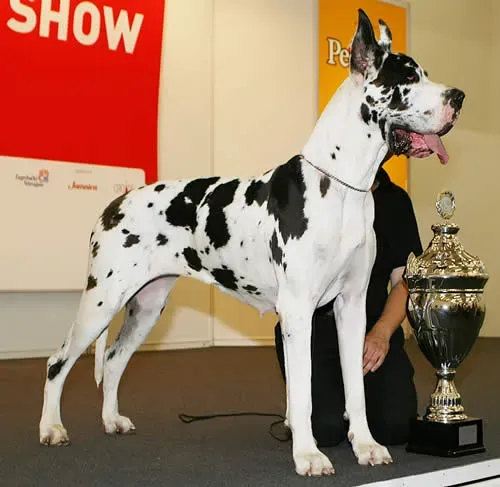
Great Danes are often called gentle giants for a reason: many are surprisingly calm and sweet-natured. That gentle temperament can be appealing to seniors, but their enormous size brings its own set of realities. Even a friendly Great Dane leaning against you or shifting suddenly on the leash can create a real risk of falling.
They also have shorter lifespans and are prone to some serious health problems, which may involve large vet bills, heavy lifting, or complex care. When you are aging yourself, managing a giant dog with mobility problems or acute emergencies on your own can be heartbreaking and physically overwhelming. What begins as a comforting presence can turn into a heavy responsibility that quietly weighs on both body and mind.
Conclusion: Choosing Calm Over Chaos

None of these breeds are “bad.” In the right hands and living situation, they can be remarkable companions. But if you are a senior living alone, it is honest and wise to admit that your energy, balance, and daily capacity are not the same as they were decades ago. Choosing a dog that constantly demands more than you can reasonably give is not fair to you or the animal.
If you love dogs, it makes much more sense to look for calmer, lower-maintenance breeds or even older, already-trained rescue dogs whose personalities are known. In my view, the bravest and kindest decision is not chasing the most impressive-looking dog, but picking the one that truly fits your life now, not the life you had at thirty. When you imagine your ideal days in the years ahead, do you picture being pulled down the street – or peacefully walking beside a dog who simply loves being next to you?


