
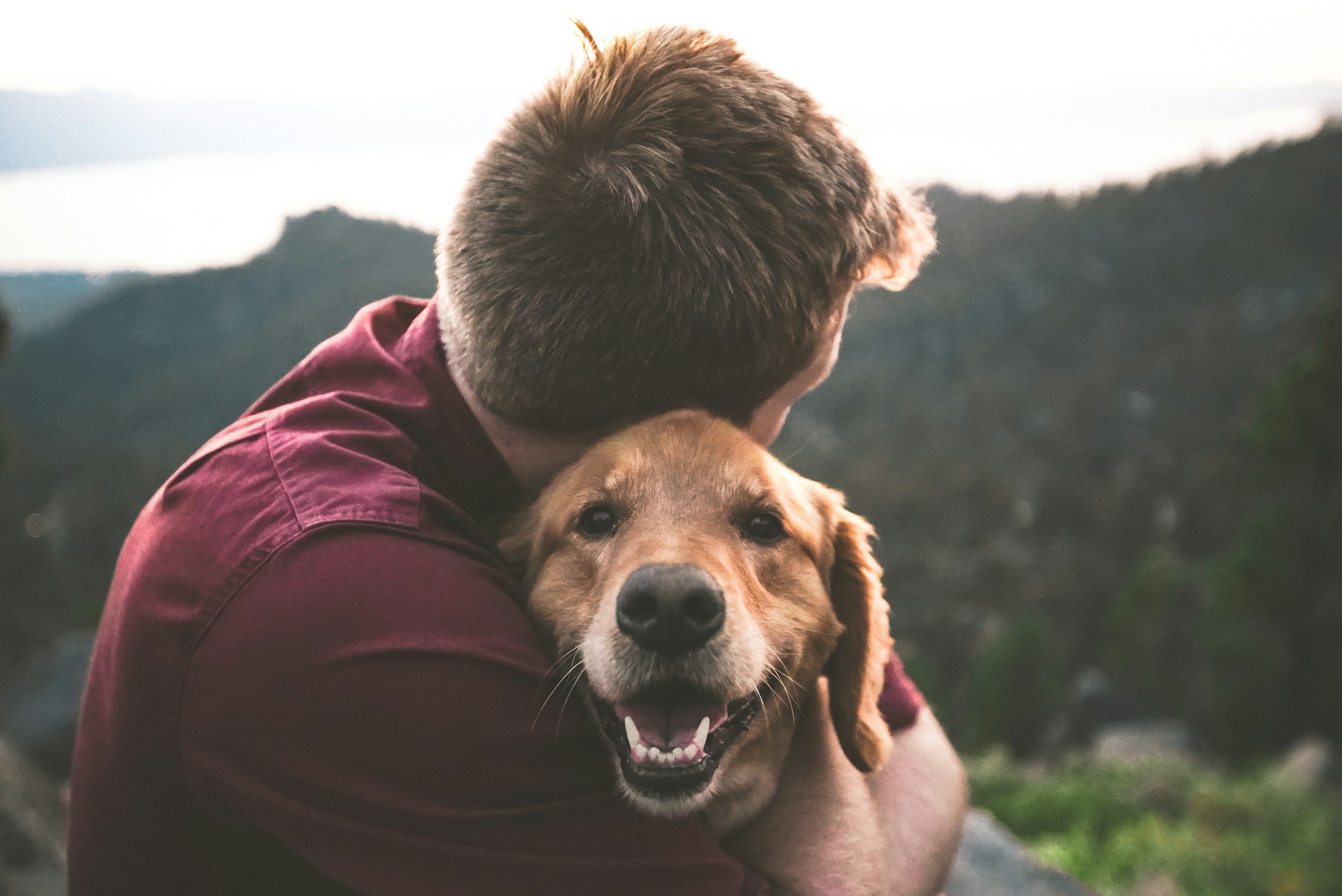
If you’ve ever sobbed on the couch and felt your dog quietly press against your leg, you already know something science is still trying to fully explain: dogs do not just notice our emotions, they seem to care. Recent research suggests that when given a choice, dogs are more likely to approach a stranger who is crying than one who is simply humming. That twist alone is surprising. You’d expect them to pick the calmer, less weird option, right?
But this small detail opens a much bigger door. It hints that dogs are tuning into emotional distress cues in a way that goes beyond simple curiosity or noise-seeking behavior. They are not only reacting to sound; they appear to be responding to the emotional meaning behind it. That has huge implications for how we see canine intelligence, empathy, and the depth of our bond with them.
Why Would a Dog Choose Tears Over a Tune?

At first glance, it makes no sense: why would a dog walk toward a crying, possibly distressed stranger instead of a neutral, humming person? Crying can be intense, unpredictable, and even alarming. If dogs were just trying to avoid trouble or chase novelty, you might expect them to steer clear of someone who sounds upset. Yet in controlled settings, many dogs consistently move toward the person who appears to be in emotional pain.
The simplest explanation is that crying is not just another sound to a dog. It is a rich emotional signal that often goes hand in hand with other cues: a slumped posture, slower movement, lowered head, maybe even a human scent profile that changes under stress. Over time, dogs seem to learn that crying is a cue that something is wrong, and approaching usually leads to interaction, touch, or soothing. So when faced with tears versus a neutral hum, the crying person may actually be more meaningful and relevant to them.
Emotional Contagion: Do Dogs Actually “Catch” Our Feelings?

One big idea in animal psychology is emotional contagion, the tendency to mirror the emotional state of another. With dogs, this shows up in everyday life: your stress rubs off on them, your calmness calms them, your excitement sends them racing around the house. When a dog walks toward a crying stranger, it might not be an intellectual decision to “help.” It could be that the dog feels a kind of inner discomfort triggered by the distressed cues and is pulled toward the source.
That does not mean dogs are planning complex rescue missions, but it does suggest their emotional systems are wired to resonate with ours at a basic level. Think of it like a tuning fork: your feelings vibrate, and theirs start to vibrate, too. When the emotional energy is sad or distressed, approaching you may be their instinctive way of seeking relief, comfort, or reconnection. Whether they are trying to comfort you, themselves, or both is still a live question, but the shared emotional space is undeniable.
Beyond Curiosity: Differentiating Between “Interesting” and “Important”

If dogs were just being curious, you would expect them to investigate all strange sounds more or less equally. A humming person is unusual, maybe even playful or intriguing. Yet the pattern of dogs favoring the crying individual suggests that they are not just chasing novelty; they are ranking signals by importance. Emotional distress appears to land higher on that internal priority list than neutral oddness.
This difference matters, because it hints at something like emotional salience: certain cues are not just “hey, what is that?” but “this matters, pay attention now.” For a social animal, picking up on distress within the group can be a survival advantage. A pack member in trouble could mean danger, a broken bond, or a need to regroup. Our modern dogs might be living on couches and walking on leashes, but that deep wiring to notice and respond to distress does not just vanish because we invented streaming services.
How Human-Dog Coevolution Shaped This Emotional Radar
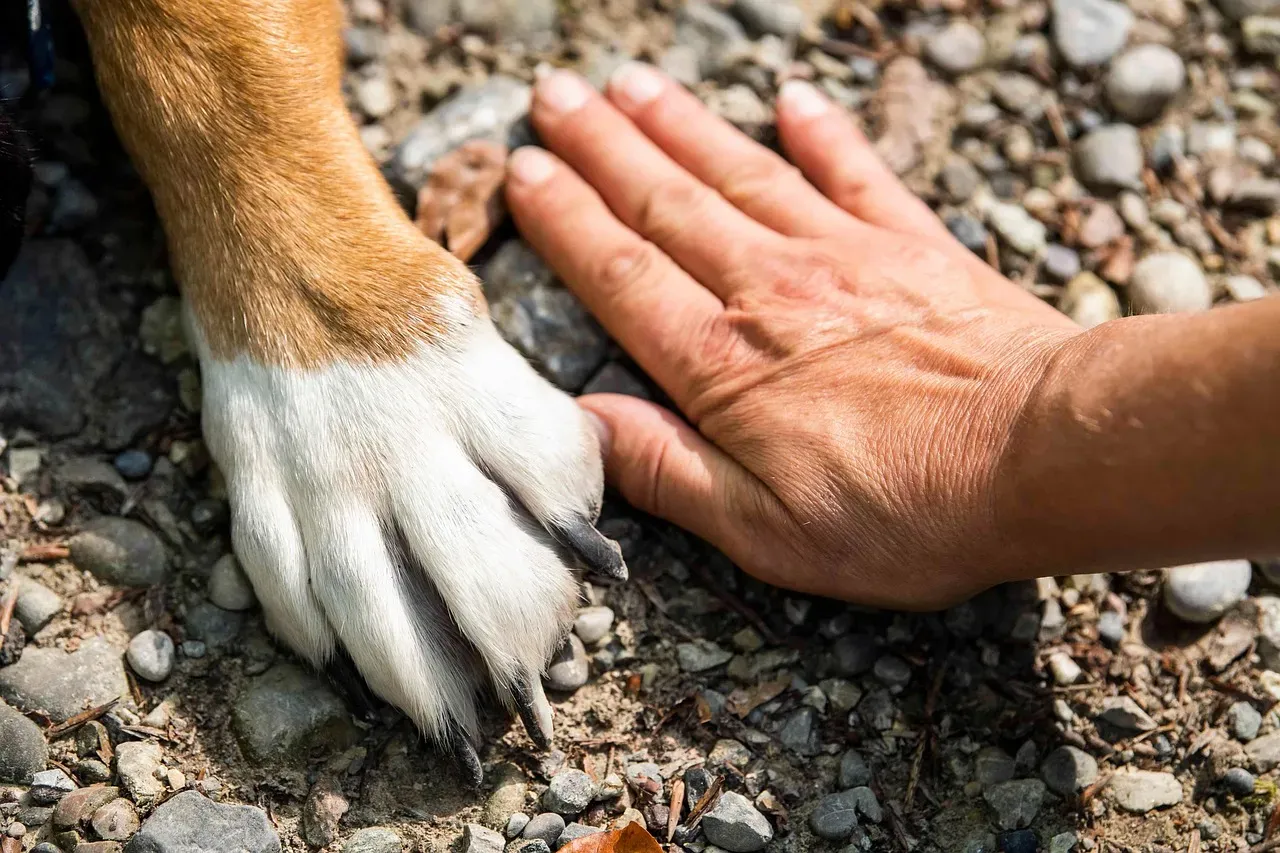
Dogs did not magically become sensitive to our tears overnight. Their emotional radar is likely the product of thousands of years of living alongside humans, depending on us and learning from us. In many ways, dogs survived and thrived by being the animals that understood humans best: who got fed, sheltered, and protected were the ones who could read our moods, anticipate our actions, and fit into our social life without causing chaos.
Over generations, that pressure shapes behavior. Humans probably favored the dogs who seemed to respond appropriately when people were in distress: the ones who stayed close instead of fleeing, who tolerated crying children, who did not escalate already tense situations. This slow feedback loop creates what we see today: an animal that not only reads our emotional signals but often seems tailor-made to support us through them, intentionally or not.
What This Means for Everyday Dog Owners and Their “Sad Days”

On a bad day, it is easy to dismiss your dog’s concern as them being clingy or needy. But if we take the research seriously, that moment when your dog nudges your hand or rests their head on your lap while you cry is not random. They are responding to a pattern of cues they have come to associate with emotional distress, and approaching you is part of their default script. It may not be polished, but it is honest.
As an owner, recognizing this changes how you interpret their behavior. Instead of pushing them away or assuming they do not really understand, you can see their presence as a kind of emotional participation. They might not grasp the details of your job loss or heartbreak, but on a bodily, emotional level, they know something is off. In a world where many people feel unheard, a dog’s wordless, steady presence can be quietly radical.
Limits of Canine “Empathy”: Caring, Comforting, or Self-Soothing?

There is a temptation to romanticize dogs as tiny furry therapists who understand our souls. That is flattering, but it overshoots what the evidence supports. When dogs approach a crying person, the behavior can be driven by mixed motives: concern, confusion, past reinforcement, or even self-comfort. A dog that has learned that approaching a crying person leads to petting, treats, or soothing tones may be partially acting out of self-interest, and there is nothing wrong with admitting that.
The key is that self-interest and care are not mutually exclusive. Even in humans, we often help others because it feels good or strengthens our bonds. With dogs, their approach to distress might be a blend of emotional contagion, attachment, and learning. They might be calming themselves by staying close to you, while also giving you comfort. Rather than forcing a clean label like pure empathy or pure conditioning, it is more honest to accept the messy, overlapping reality.
Why This Research Should Change How We Treat Dogs
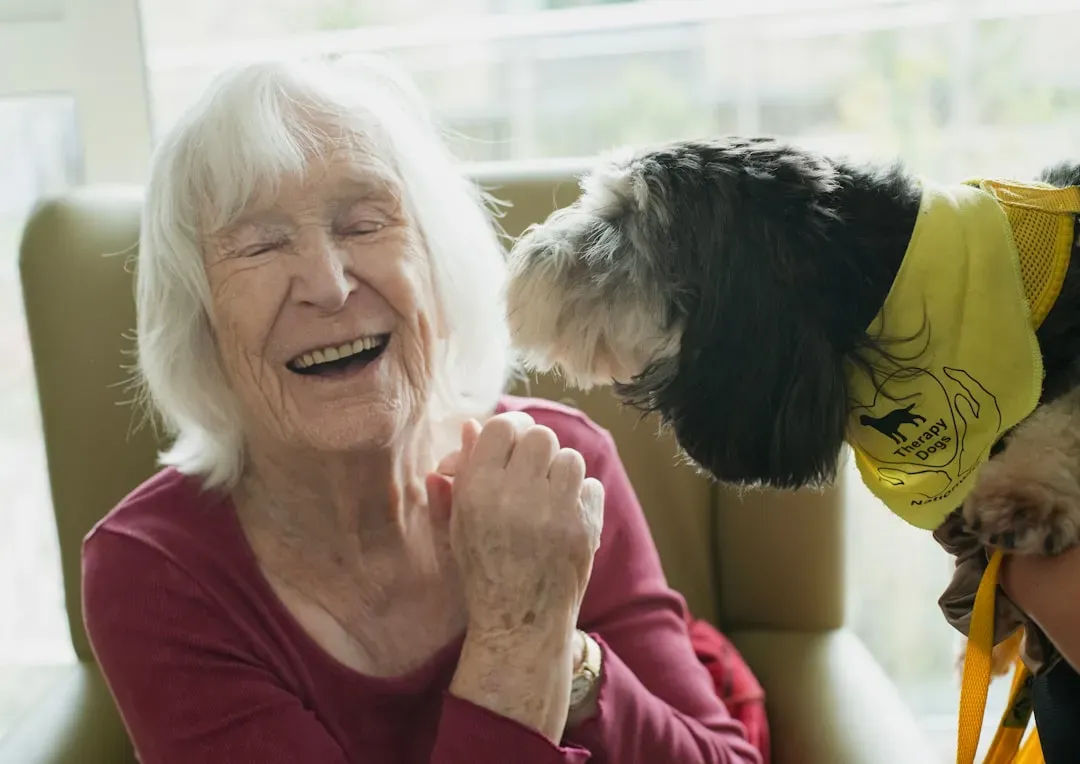
Knowing that dogs are tuned into human emotional distress should make us rethink how casually we sometimes dismiss their needs. If they are sensitive enough to seek out a crying stranger, imagine how deeply they are absorbing the emotional climate of their own home day after day. Constant conflict, yelling, or tension is not just “background noise” for them; it is an emotional atmosphere they live inside and react to.
On the flip side, this sensitivity is exactly what makes dogs such powerful companions in therapy settings, crisis work, and everyday life. Their natural pull toward distressed humans can be shaped and supported through training, turning a raw tendency into a reliable skill. In my own life, I have seen a dog wordlessly park themselves next to someone having a panic attack and simply stay there, an anchor in a storm. Once you witness that, it is hard not to feel a responsibility to meet them halfway.
Opinionated Conclusion: Dogs Are Not Tiny Humans, But They Are Not Just Pets Either

The finding that dogs are more likely to approach a crying stranger than a humming one is not some cute trivia bit; it is a small window into a much bigger truth. Dogs are not just passively existing in our homes. They are actively reading us, reacting to us, and sometimes stepping toward our pain when even other humans hesitate. That does not make them moral heroes or miniature people in fur suits, but it does mean they have an emotional life that deserves respect.
My take is blunt: if a dog can cross a room to check on a stranger who sounds upset, the least we can do is stop treating them like decorative accessories or background furniture. They are emotionally responsive partners in our daily lives, shaped by evolution and experience to move toward our distress, not away from it. Maybe the real question is not whether dogs care about our tears, but whether we are willing to care as deeply about what our emotions do to them. When you think about it that way, who is really doing the comforting – and who needs to grow up a bit in this relationship?


