
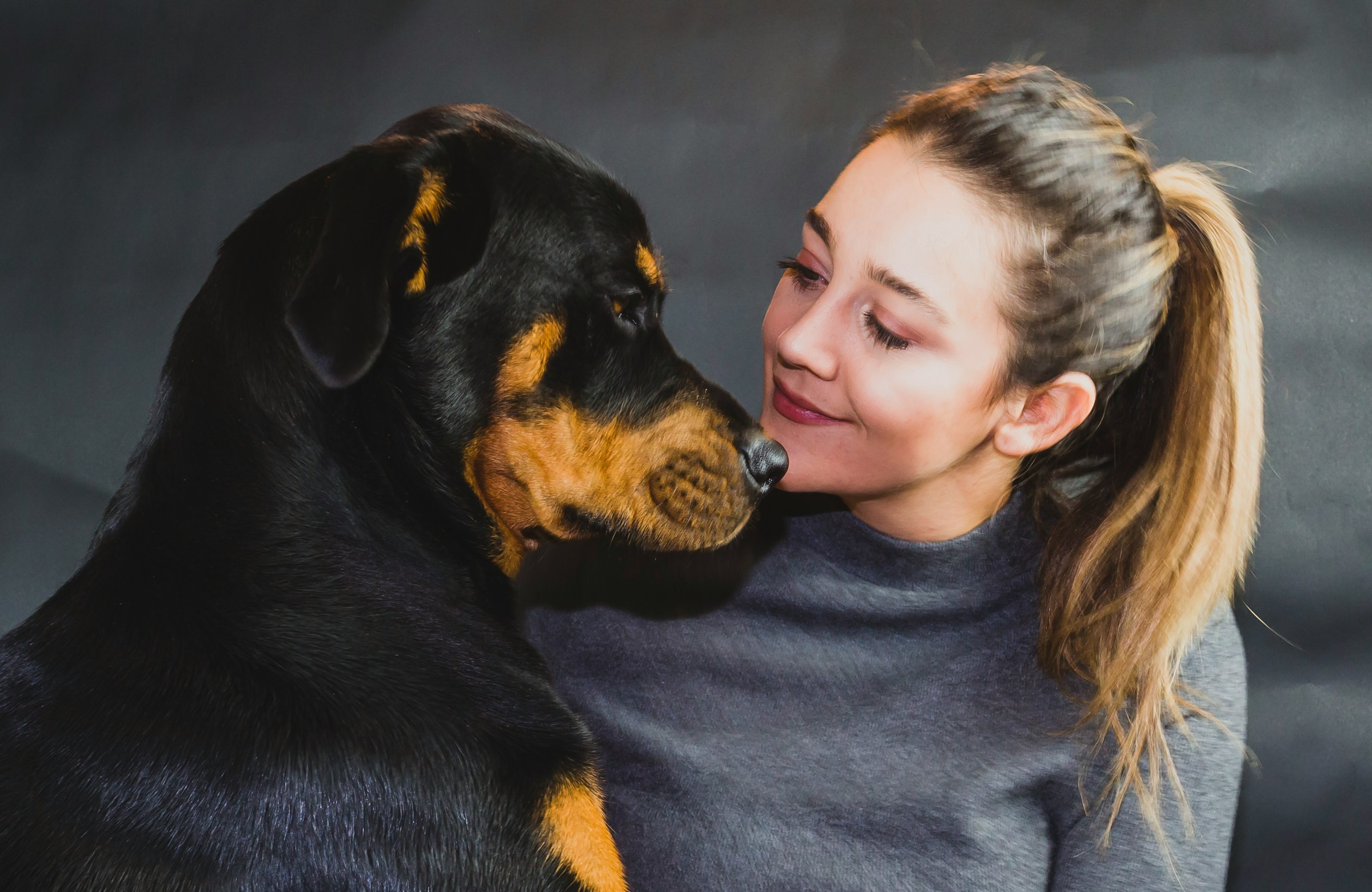
If you have ever tried to drink coffee with a forty-kilogram “lap dog” draped across your chest, you already know: some big dogs have absolutely no concept of personal space. Others, just as large, quietly take themselves off to a comfy corner and watch the chaos from a distance. Breed tendencies, genetics, and centuries of selective breeding all play a role in how clingy or independent a dog feels.
This guide dives into both sides: ten large breeds that seem hard‑wired for full‑body contact, and five that love you deeply but prefer a bit of breathing room. We’ll look at temperament, original purpose, energy levels, and what science actually says about attachment and “velcro” behavior in dogs. By the end, you might realize your dog’s sofa-hogging habits are less about bad manners and more about who they were bred to be.
1. Labrador Retriever – The Oversized Shadow You Never Ordered

Labrador Retrievers are one of the world’s most popular breeds for a reason: they live for human connection. Bred as close-working gun dogs, Labs historically stayed near their handlers, watching, waiting, and responding to subtle cues. That instinct often shows up in modern homes as a dog who must be wherever you are, whether that’s the bathroom, your office, or wedged against you in bed.
Labs are also highly food motivated and emotionally perceptive, which makes them easy to train but also very tuned in to your routines. Many owners describe them as living mood detectors that sense stress and respond by climbing directly into your lap. If you want a large, friendly dog who will happily lie on your feet for hours, a Lab is perfect. If you value a wide personal bubble, you may find yourself negotiating couch territory… and losing.
2. Golden Retriever – The Walking Weighted Blanket
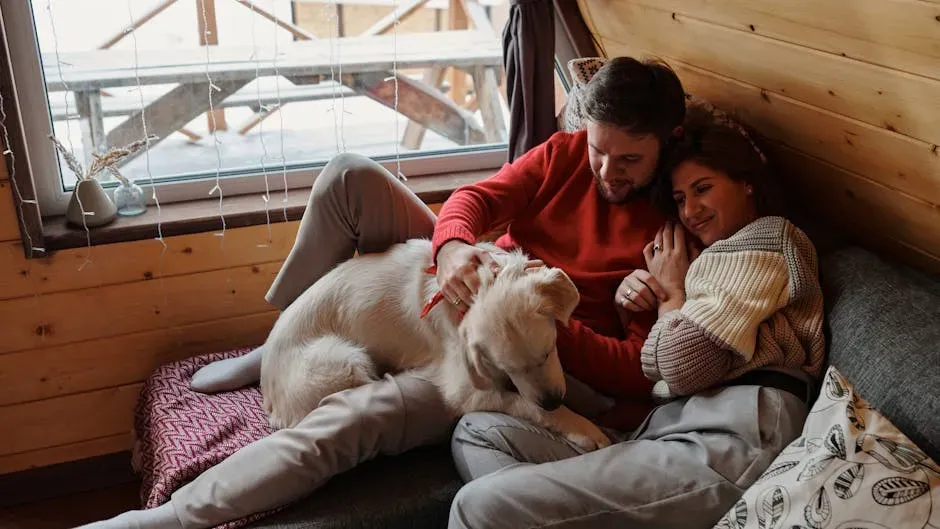
Golden Retrievers are famous for their soft mouths and softer hearts. Like Labs, they were bred to work closely with people, retrieving game with gentle precision, often over long days in the field. That history has created a dog that thrives on shared space and shared experiences. Many Goldens seem to believe physical closeness is the natural state of a relationship.
Modern Goldens are often described as sensitive, people-focused, and emotionally intense in a gentle way. They like to lean on your legs, tuck their heads under your arm, and roll onto you with zero awareness of their size. This tendency is not just “neediness”; it’s a combination of breed temperament and reinforcement – humans tend to reward their cuddly, affectionate behavior with attention, which makes them even more persistent cuddlebuddies.
3. Great Dane – The Giant That Missed the Memo on Size
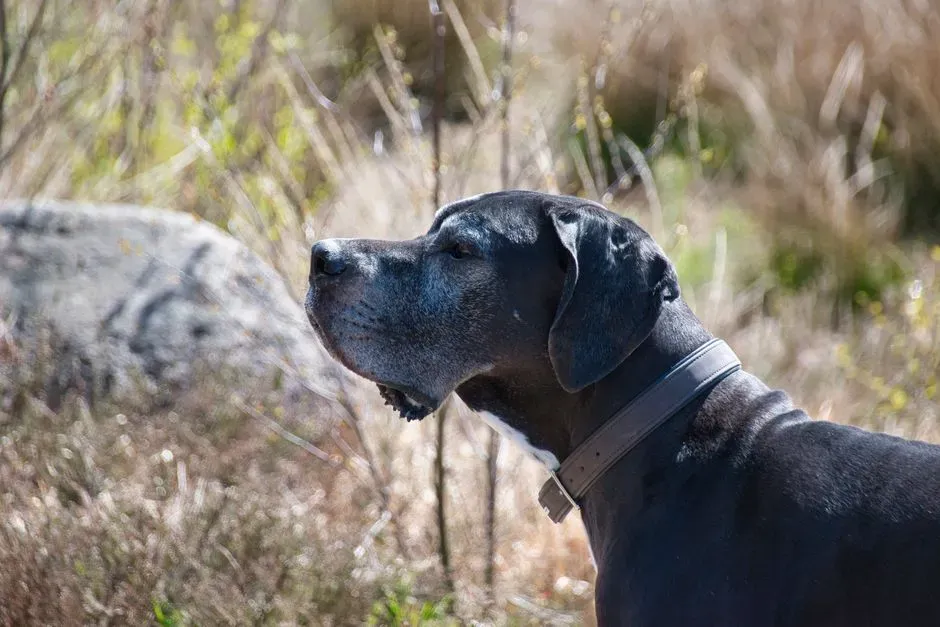
Great Danes may look like small horses, but many of them behave like pocket dogs packed into an enormous frame. Historically used for hunting large game and later as estate guardians, Danes needed to be brave yet controllable, which encouraged breeders to favor stable, people-oriented temperaments. The modern result is a dog that often treats its humans like literal furniture – leaning, draping, and folding onto you as though mass and gravity are someone else’s problem.
Because of their size, a Dane’s version of affection can feel like being tackled by a very polite, lanky linebacker. They rarely want to be far away from their people, and many develop routines of following owners from room to room. With their relatively low to moderate energy indoors but high need for companionship, Danes fit best in homes where someone is around often and doesn’t mind sharing every soft surface with a hundred-plus pounds of living, breathing body pillow.
4. Bernese Mountain Dog – The Gentle Barnacle
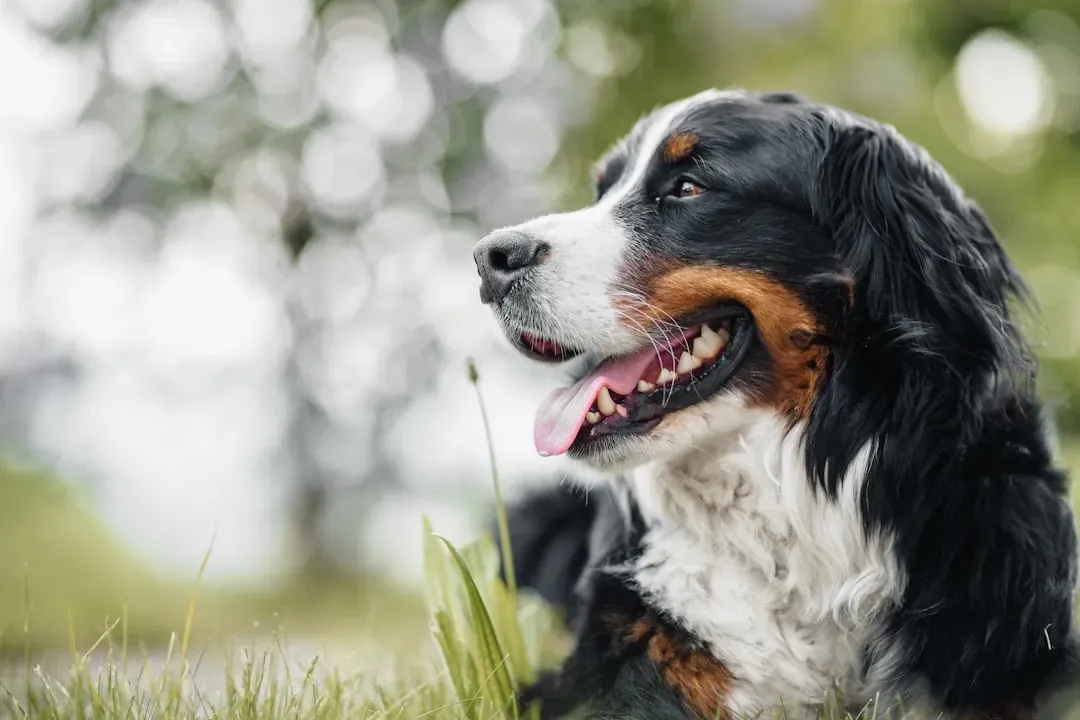
Bernese Mountain Dogs were originally all-purpose farm dogs in the Swiss Alps, working close to farmers as draft animals, guardians, and companions. That multi-role history encouraged a dog that sticks near its humans, ready to help and eager to be involved. Today, many Berners behave like large, fluffy magnets, quietly attaching themselves to your side and staying there as long as possible.
They tend to be affectionate, calm indoors, and sometimes a little sensitive, which can make them particularly leaning-prone. A Berner may not be as bouncy or chaotic as a young Lab, but they’ll often insist on being physically close, resting their head on your knee or sprawling halfway across your legs. For people who love gentle, steady contact and do not mind sweeping up a surprising amount of fur, this breed can feel like an emotionally grounding presence that never strays far.
5. Boxer – The Playful Clown Who Sits On You
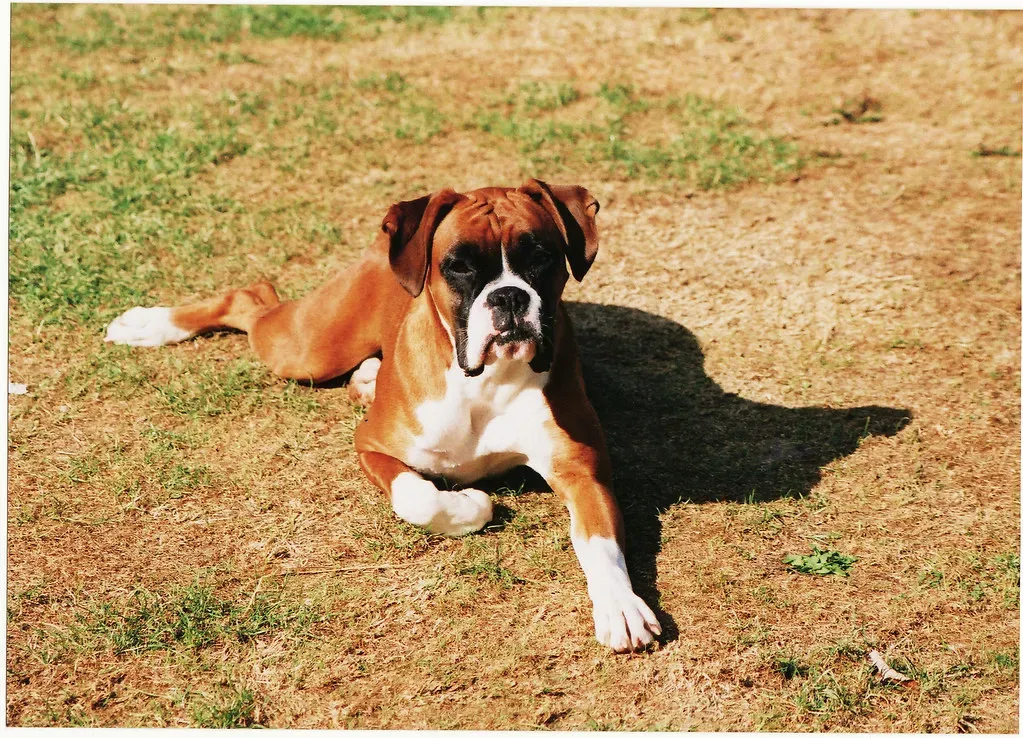
Boxers are athletic, expressive, and famously goofy, with a strong desire to be in the middle of whatever their family is doing. Historically used as working and guard dogs, they needed strong bonds with their handlers and a willingness to engage closely with people. That legacy shows up in the modern Boxer as a dog who will cheerfully climb into your lap, chest, or face the second you sit down.
They’re also a highly social breed, often forming intense attachments to their humans. Many Boxers adopt the habit of “body blocking” by leaning against you or sitting almost on top of you when strangers are around, mixing affection with a bit of natural protectiveness. If you want a large dog that functions as an enthusiastic living companion and constant comedian, a Boxer fits the bill. Just accept that your couch is now a shared resource and your ribs are fair game for their elbows.
6. Doberman Pinscher – The Velcro Guardian
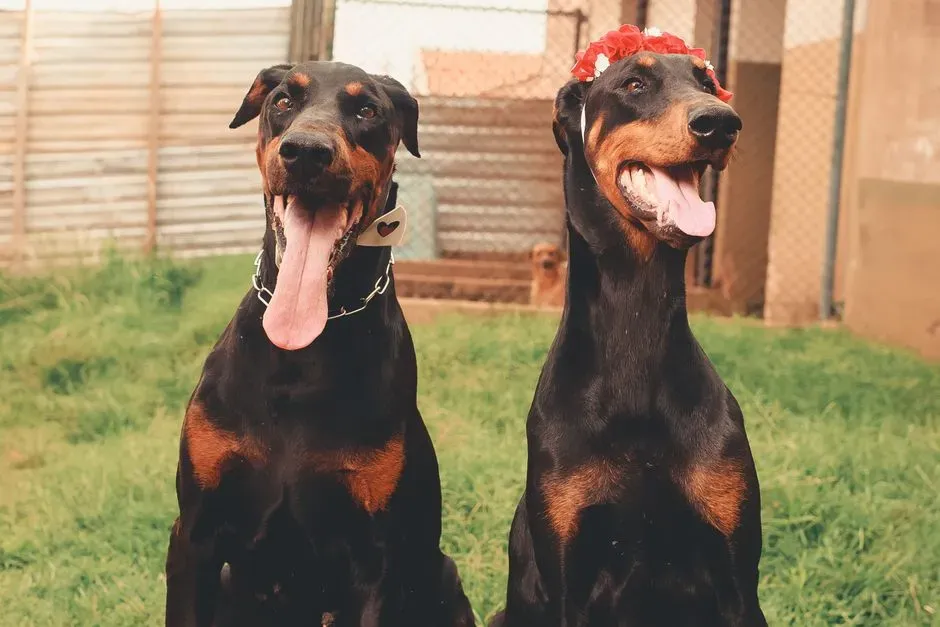
Dobermans are often described as velcro dogs for a reason. Originally bred as personal protection dogs, they were designed to work very close to one person, staying near and being ready to act at a moment’s notice. That role has shaped a breed that tends to form deep bonds and prefers to keep you within sight – and usually within touching distance.
Modern Dobermans can be both powerful and surprisingly sensitive. Many of them seek constant contact, nudging hands for petting, lying at your feet, or wedging themselves beside you on the couch. Their alert, watchful nature means they want to know where you are and what you’re doing at all times. When well socialized and given enough mental and physical exercise, that clingy devotion can feel like living with a fiercely loyal, slightly overprotective shadow.
7. Newfoundland – The Fluffy Life Raft Who Must Be Near You
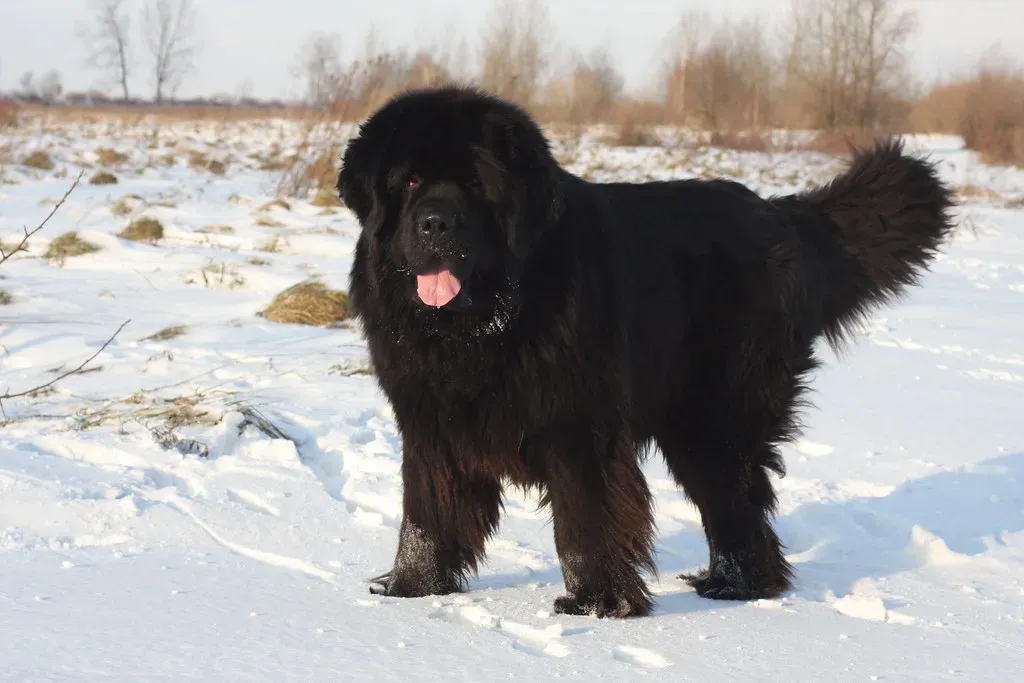
Newfoundlands were bred as working water dogs, helping fishermen and even assisting in water rescues. Those roles required a calm temperament, strong bond with people, and a willingness to dive into challenging situations alongside their humans. Today, that same orientation shows up as a need to be close, often literally pressed against you, as though they are permanently on standby for an emergency cuddle or rescue mission.
Despite their huge size, Newfies are often gentle, patient, and slow-moving indoors. They commonly choose to lie right beside you instead of across the room, nudging for attention with a massive paw or resting a heavy head in your lap. Their combination of emotional steadiness and proximity can be deeply comforting, but it also means you should be ready to navigate around a furry, drooling speed bump in every room you enter.
8. Saint Bernard – The Heavyweight Leaner
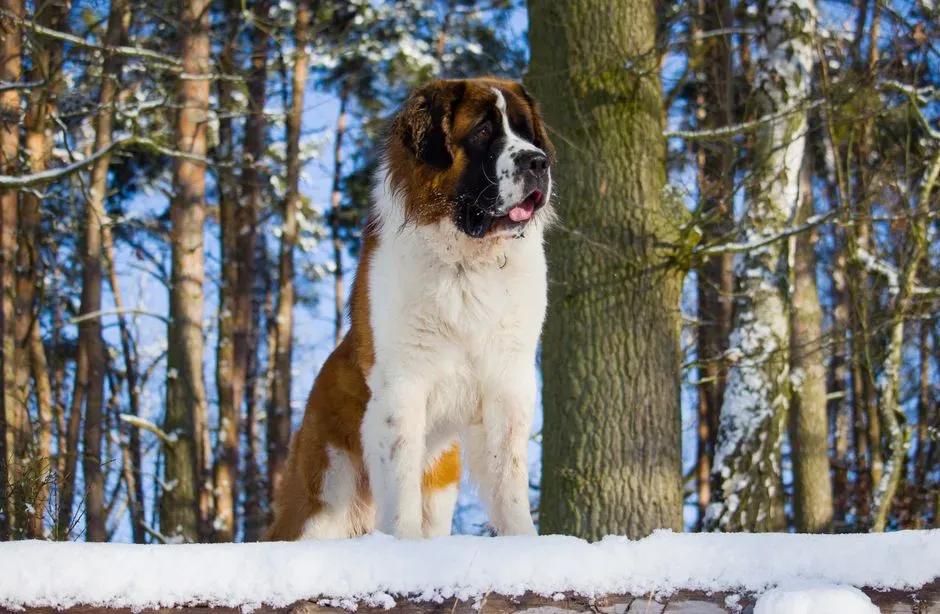
Saint Bernards have a long history as mountain rescue dogs, famously associated with saving lost travelers in the Alps. While the romanticized stories are often simplified, the truth is that they were bred for close work with monks and handlers, forging strong relationships with the people around them. Today’s Saints often express that relationship through constant closeness and a love of leaning that can nearly knock an adult off balance.
They are typically calm, patient, and good-natured, but their version of affection is full contact. A Saint may follow you from room to room, slump against your legs, and then slide slowly to the floor while still pressed into you. Their drool, sheer mass, and tendency to sprawl mean you need to be genuinely comfortable sharing personal space. For those who are, a Saint Bernard can feel like a living, breathing, sometimes snoring embodiment of comfort.
9. Rottweiler – The Serious Cuddler With a Watchful Eye
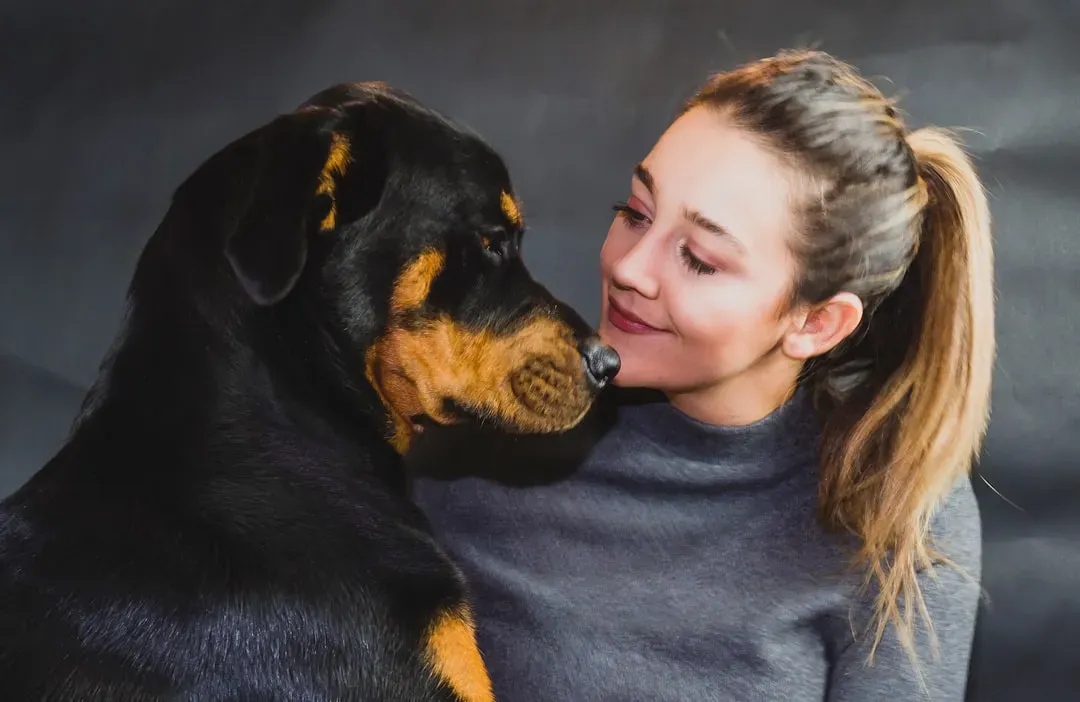
Rottweilers were originally drover dogs, guiding and protecting cattle and later working as versatile guardians. Breeders selected for loyalty, confidence, and a clear preference for their own family, which means many modern Rotties are deeply bonded to their humans. Behind the imposing appearance, you often find a dog that loves to press close, lean in, and quietly monitor the room from your side.
With proper training and socialization, Rottweilers are often affectionate, calm, and very focused on their people. Many will choose to rest with some part of their body touching you, whether it’s a paw, shoulder, or their whole weight half on your lap. Their combination of physical presence and emotional connection can feel incredibly reassuring, but it also means they’re not usually the kind of dog who disappears to another room for hours by choice.
10. German Shepherd Dog – The Workaholic Who Must Be Where You Are
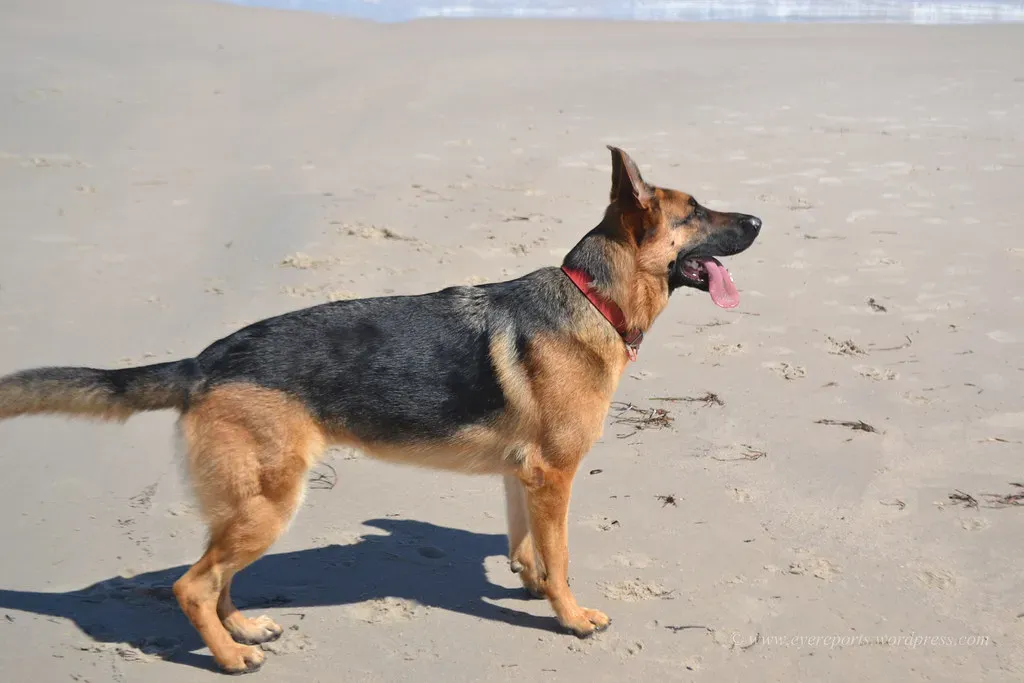
German Shepherd Dogs were bred for herding and later adapted to a wide range of roles including police, military, and service work. In many of these jobs, they operate as close partners to a handler, reading human body language and responding quickly to cues. That intense partnership has built a breed that tends to attach strongly and wants to stay near the person it considers “theirs.”
Many German Shepherds will follow you from room to room, lying strategically near doors or walkways so they can monitor your movements. They are often sensitive and highly responsive to your mood and routine, which amplifies their tendency to hover nearby. When given adequate mental challenge and structure, that closeness feels like having a highly intelligent teammate always at your side. Without proper outlets, it can tip toward anxious shadowing, so management and training really matter for this clingy, driven breed.
11. Alaskan Malamute – The Independent Powerhouse
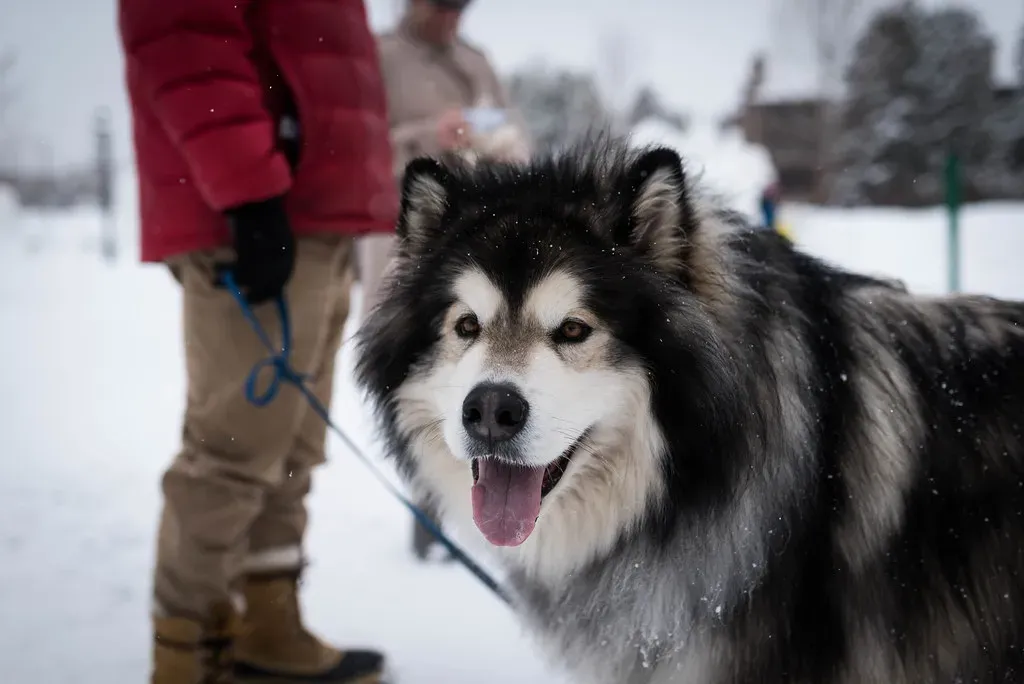
Alaskan Malamutes were bred to haul heavy loads over long distances in harsh arctic conditions. That job required stamina, resilience, and a certain level of independence, since they often worked in teams where no single dog was constantly interacting one-on-one with a person. As a result, many Malamutes care deeply about their families but are more comfortable with some physical and emotional distance.
They can be affectionate and playful, yet they rarely behave like velcro dogs. A Malamute might enjoy a good cuddle and then calmly move to an open space on the floor or a cool corner to rest. Their independent streak means they’re often content to be in the same room without needing constant touch. For people who love large, impressive dogs but prefer not to be physically smothered, this breed offers a nice balance of companionship and personal space.
12. Akita – The Reserved Loyalist
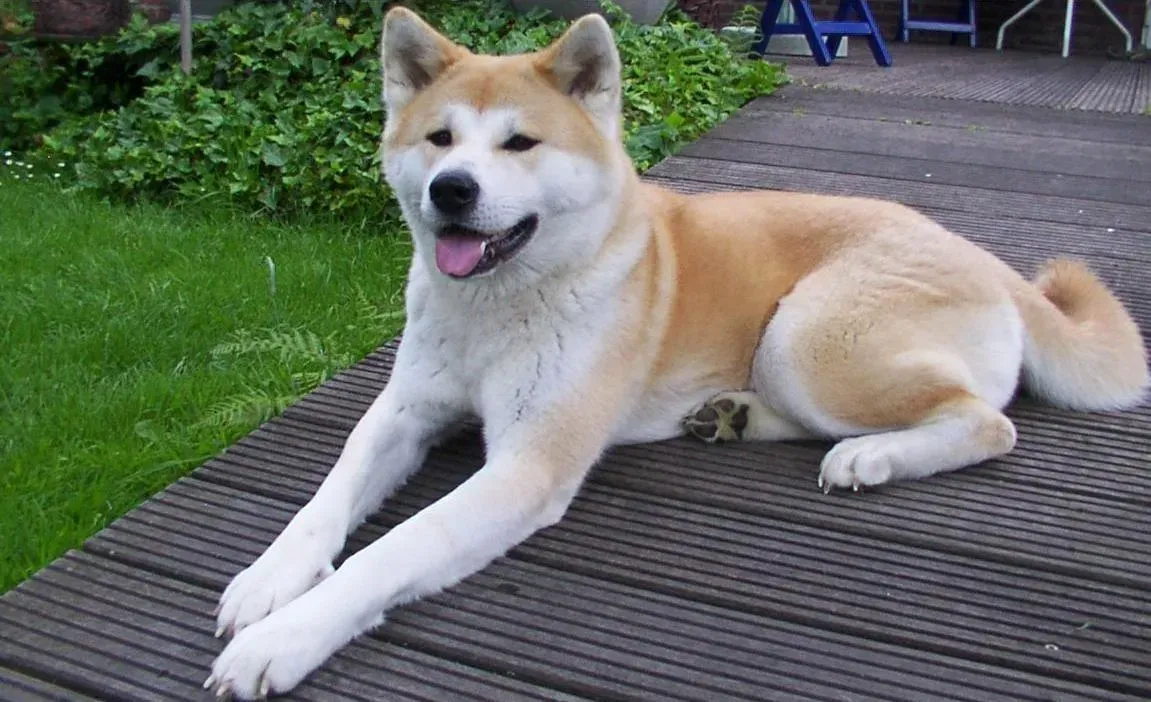
Akitas originated in Japan as hunting and guardian dogs, valued for their bravery, dignity, and strong loyalty to their families. While they usually form deep bonds with their chosen people, they tend to express that loyalty in more reserved ways. Many Akitas prefer to lie nearby rather than directly on top of you, maintaining a quiet watch over the household.
Their temperament is often described as calm, confident, and somewhat aloof, especially with strangers. Even with their favorite humans, they may not seek constant physical closeness, instead showing affection through presence and protective behavior. If you appreciate a dog that feels almost cat-like in its preference for measured contact over endless cuddles, an Akita’s style of companionship can feel respectful and grounding rather than overwhelming.
13. Greyhound – The Couch Potato Who Likes a Little Distance
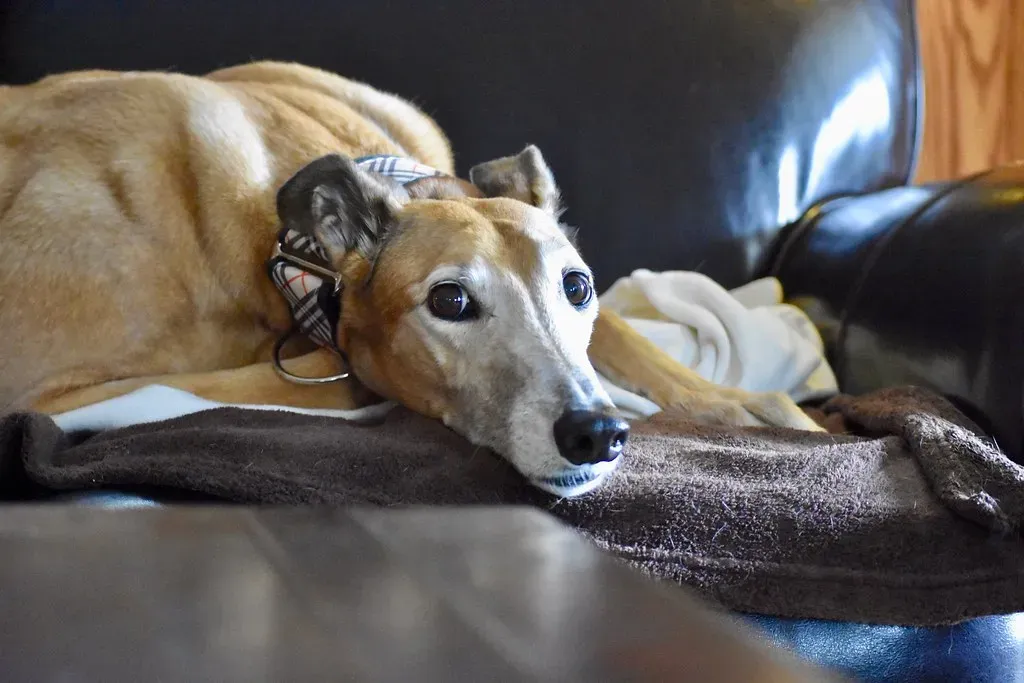
Greyhounds, despite their racing history, are famous for being relaxed, even lazy, in the home. Bred for speed and sight hunting, they often worked at some distance from people, focusing intensely on prey rather than handler interaction. That background contributes to a temperament that can be affectionate but not usually clingy in a physical sense.
Many pet Greyhounds enjoy lounging on soft furniture and will happily share a couch, but they do not always insist on being draped over your body. They often choose spots where they can stretch out fully, sometimes a step or two away from you, content just to be in the same environment. For someone who wants a large dog that is gentle, calm indoors, and not obsessed with invading your bubble, a Greyhound’s slightly detached lounging style can feel like a gift.
14. Chow Chow – The Dignified Distance-Lover
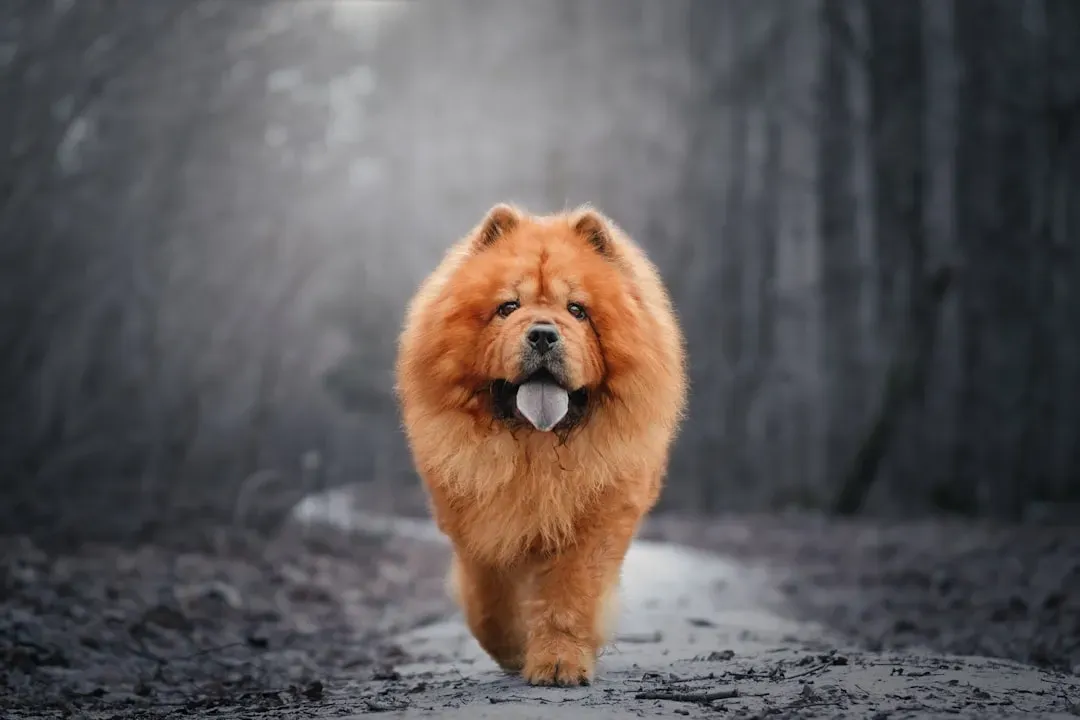
Chow Chows have ancient roots as multipurpose dogs in China, used for guarding and various utilitarian roles. Over time, selection favored independence, strong territorial instincts, and a dignified, somewhat self-contained nature. Many modern Chows are deeply loyal to their families but show affection in subtle ways, often preferring to sit near you rather than climb into your lap.
Their temperament is often compared to that of a very self-possessed cat: they may approach when they want attention and then retreat when they are done. Constant hugging and handling can feel intrusive to some individuals of this breed. If you respect their boundaries and read their body language, a Chow will usually bond closely, but their preferred style of closeness is shared space, not constant physical contact.
15. Great Pyrenees – The Night Shift Security Guard
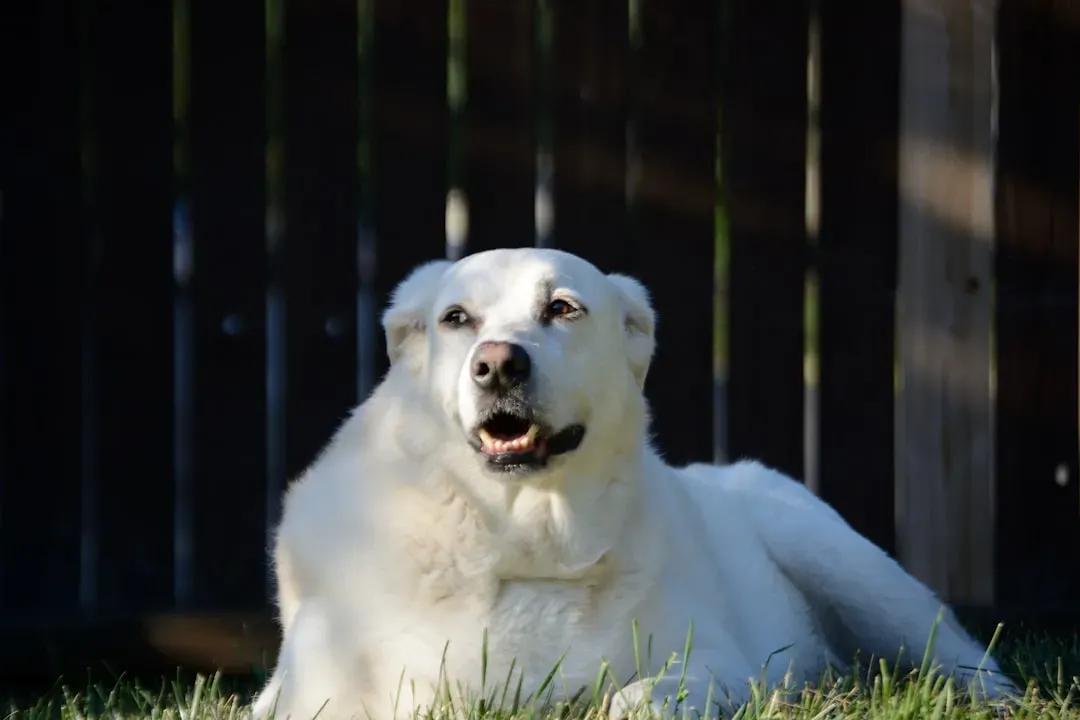
Great Pyrenees were developed as livestock guardian dogs, spending long nights outside with flocks, scanning hills and valleys for predators. Their job demanded independence and the ability to make decisions without constant human direction. Because of this, many Pyrs are deeply devoted to their families but also comfortable working and resting at a little distance.
In the home, a Great Pyrenees might choose to lie in a hallway, near a door, or beside a window instead of right against your legs. It is not a lack of affection; it is a reflection of their instinct to position themselves where they can best observe and protect. They often prefer a quiet corner or cool floor, checking in with you periodically instead of clinging. For people who want a large, protective presence that does not constantly demand touch, a Great Pyrenees can feel like a calm, watchful guardian who lets you breathe.
Conclusion – Choosing the Right Kind of Closeness
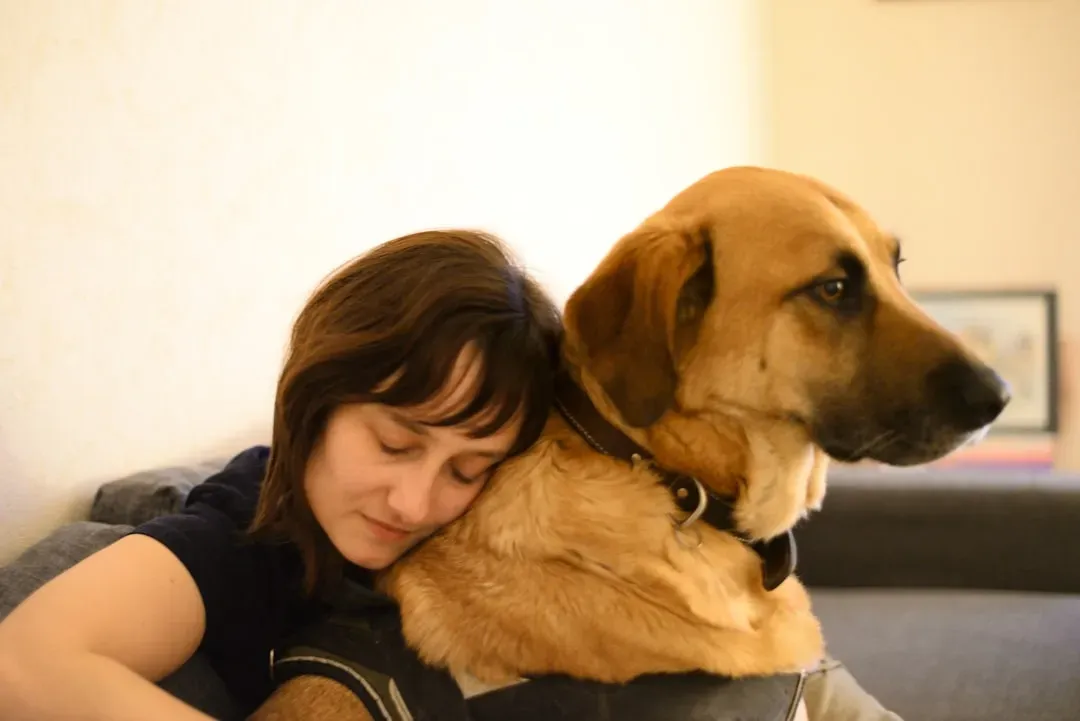
Living with a large dog that ignores personal space can be hilarious, comforting, and occasionally overwhelming. Some people love the feeling of a Great Dane draped across them like a weighted blanket, while others relax better with a more reserved companion who naps in the next corner over. Neither style is better; they are simply different expressions of attachment shaped by breed history, genetics, and individual personality.
When you match your own needs for closeness and independence with the natural tendencies of a breed, life gets much easier for both of you. A velcro Labrador in a home that treasures constant cuddles is just as perfect as an independent Great Pyrenees in a space where quiet watchfulness is appreciated. In the end, the real question is not whether a breed is clingy or aloof, but which kind of love fits your life: the dog that sits on your feet, or the dog that guards your corner from a step away?


