
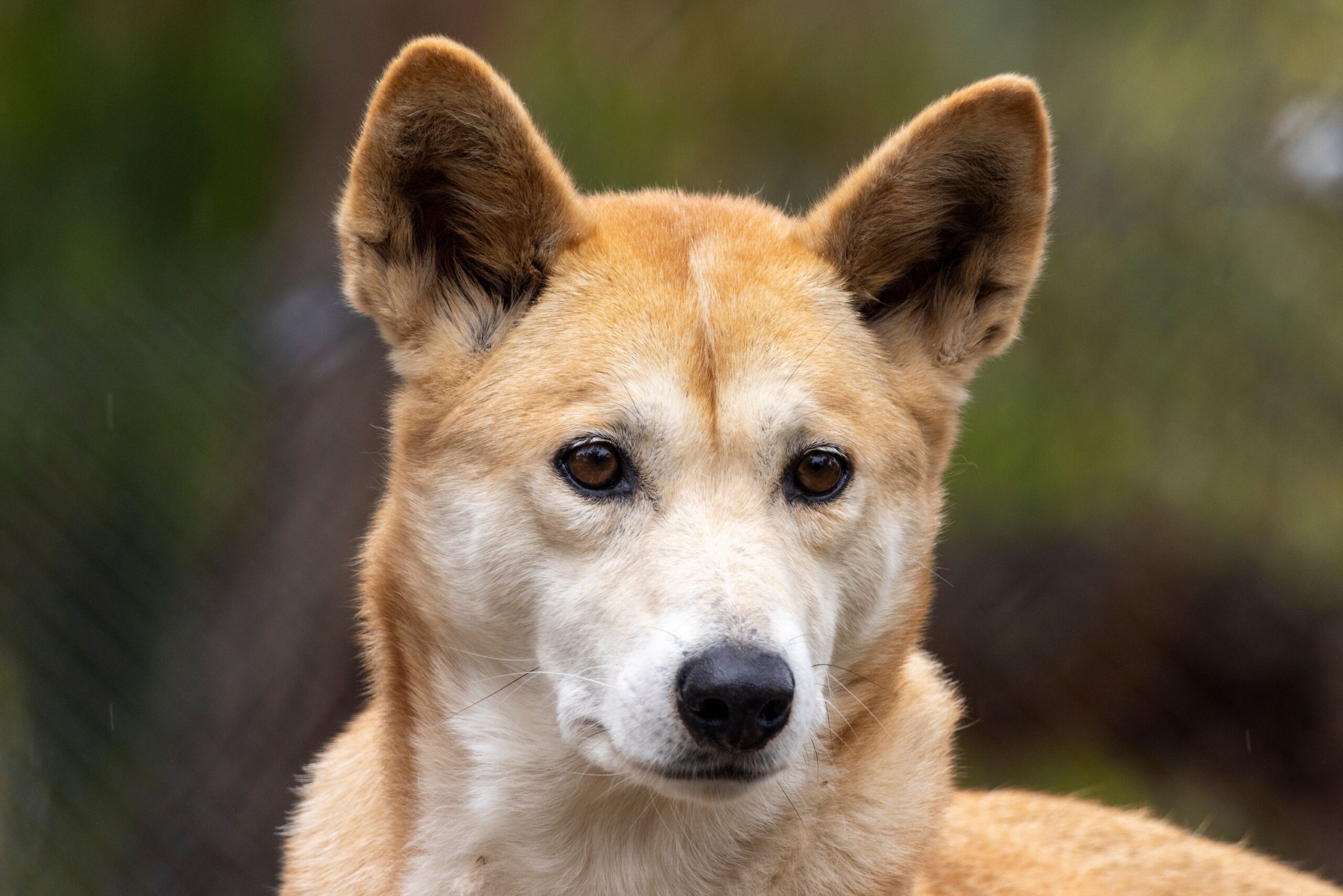
If you think dingoes are just “wild dogs in Australia,” you’re in for a shock. The more scientists study them, the more they realize dingoes don’t fit neatly into any box: not quite wolf, not quite domestic dog, and not just another predator on the landscape. They’re a strange, in–between creature shaped by thousands of years of life alongside humans and harsh Australian deserts.
I still remember the first time I saw a wild dingo trotting along a red dirt track on a remote trip; it moved like smoke, silent and sure of itself, totally ignoring us. That calm, almost cat–like confidence is a good metaphor for dingoes themselves: they’ve been overlooked for decades, misunderstood in headlines, yet quietly rewiring entire ecosystems behind the scenes. Once you see how many roles they play, you can’t unsee it.
1. Dingoes Aren’t Just “Wild Dogs” – They’re Their Own Thing
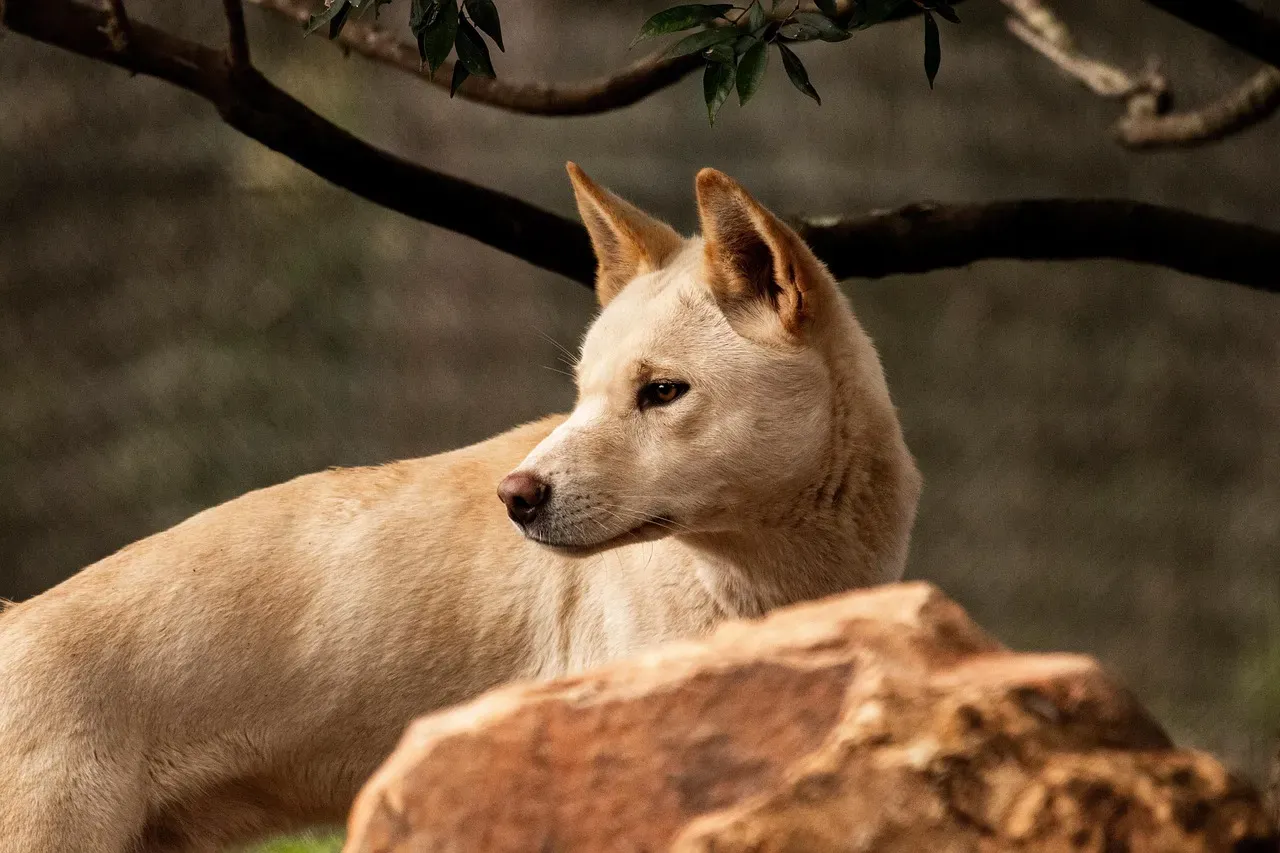
Most people lump dingoes in with feral dogs, but genetically and behaviorally, they sit in a weird, fascinating middle ground. They’re descended from ancient dogs brought into Australia thousands of years ago, long before modern pet breeds existed, so their DNA still carries a very old canine blueprint. In everyday terms, you could say they’re like a living fossil of early dogs, but shaped by the outback instead of backyards.
Unlike truly feral dogs, dingoes have a more stable appearance and behavior set: prick ears, bushy tail, and a narrow, fox-like face show up again and again. They also tend to form more organized social groups and rely heavily on hunting rather than scavenging from humans. Calling them “just wild dogs” is a bit like calling a wolf “just a stray husky” – technically related, but it totally misses what makes them unique.
2. Their Howl Is More Musical Than a Dog’s Bark

While domestic dogs are famous for barking, dingoes are better known for their haunting howls. Their vocal range is surprisingly rich: long, rising calls that roll across the landscape, yodel–like sounds, and a variety of whines and growls used in close communication. If you’ve ever heard a dingo chorus at night, it sounds more like a small wolf pack or even a strange, wild choir than anything a pet dog would produce.
Scientists think these howls help dingoes keep in touch over huge distances, especially in sparsely populated deserts and woodlands. Barking still shows up, but usually in short bursts when they’re startled or agitated. It’s an acoustic reminder that dingoes sit closer to wolves in the “soundscape” than they do to your average backyard Labrador.
3. They’re Ecosystem Engineers, Not Just Predators

One of the most surprising facts is how much dingoes reshape the environments they live in. By preying on herbivores like kangaroos and wallabies, they keep grazing pressure in check, which can allow vegetation to recover and reduce erosion. Their presence also tends to suppress smaller predators such as foxes and feral cats, which can spill over into better survival rates for small native mammals and ground–nesting birds.
In some parts of Australia, you can literally see differences on either side of the famous dingo fence: one side with more shrubs and small animals, the other with heavier grazing and altered plant communities. Dingoes are not a magic solution to every ecological problem, but in many landscapes, they act like a keystone species. Remove them, and you don’t just lose a predator; you risk unraveling an entire web of interactions.
4. Their Relationship With Indigenous Australians Goes Back Thousands of Years
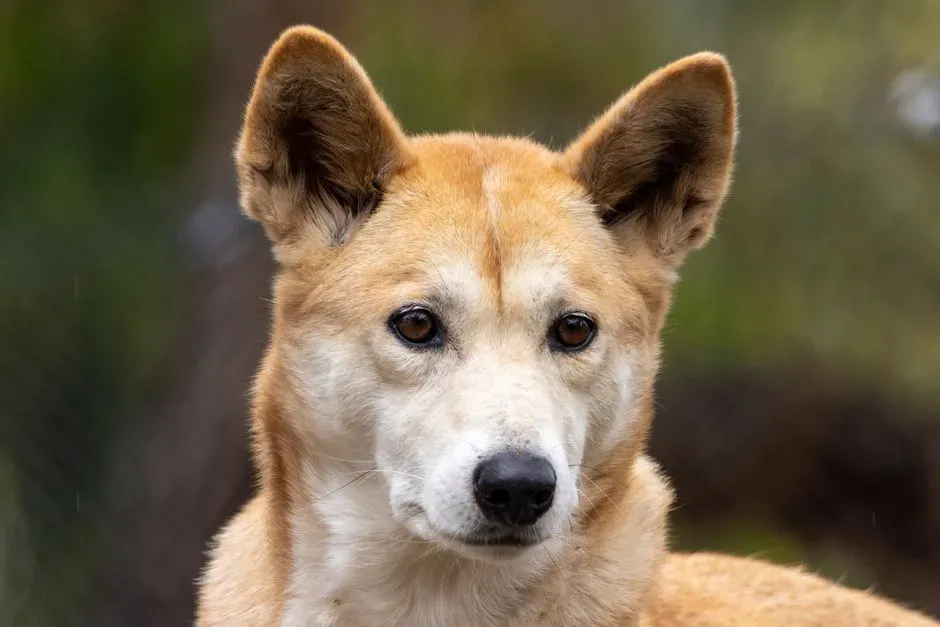
Dingoes didn’t arise in isolation; they entered the story of Australia through people. Archaeological and genetic evidence suggests they arrived several thousand years ago with seafaring groups from Asia, and over time, they became woven into the lives of many Aboriginal communities. In some traditions, dingoes were camp companions, hunting aids, and even warmth–sharing “bed partners” on cold nights, especially for children.
At the same time, they retained their independence and could move between human camps and the wild. This fluid relationship – not fully domesticated, not entirely wild – is part of what makes their history so compelling. It also challenges the idea that our relationships with animals have to fit neatly into either “pet” or “livestock,” showing a more nuanced, reciprocal bond that lasted for generations.
5. Dingoes Are Surprisingly Good Climbers and Escape Artists
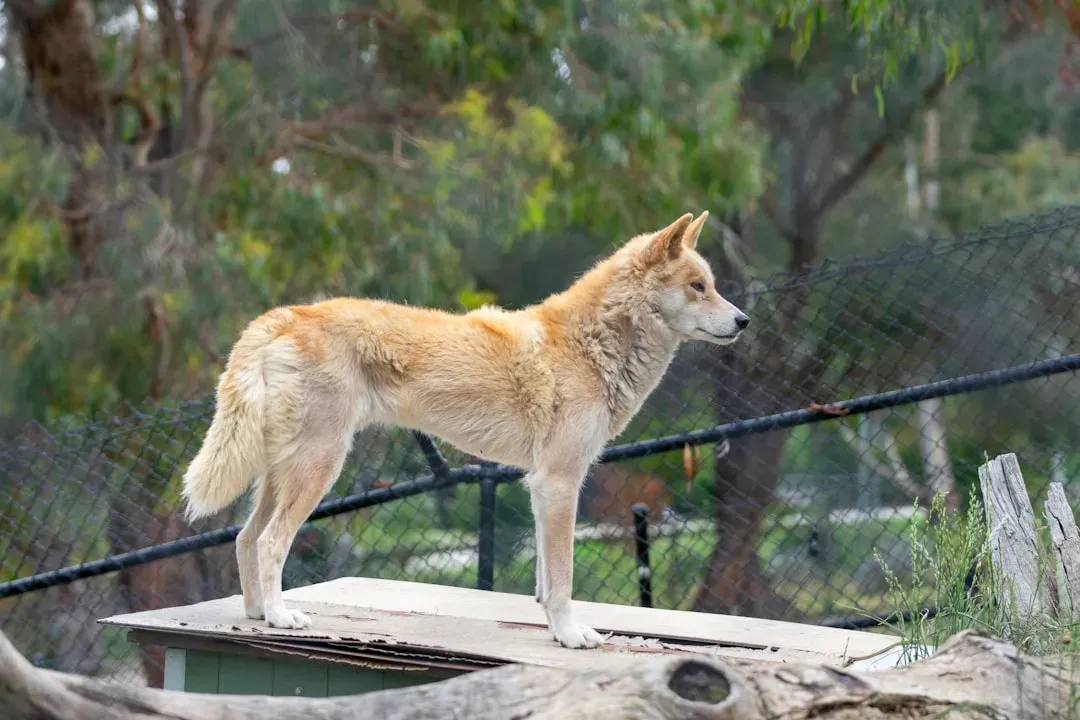
If you imagine dingoes as ground–bound runners, their athleticism might surprise you. They’re lean, agile, and capable of climbing fences, trees, and rock faces with a nimbleness that catches a lot of people off guard. There are plenty of stories from wildlife workers about dingoes scaling enclosures or squeezing through gaps that look impossibly small for an animal of their size.
This escape–artist reputation is backed up by their problem–solving abilities. In captivity, they’ve been observed working out latch systems, pushing objects into place to climb on, and testing weaknesses in barriers with careful persistence. It’s the same flexible mindset that helps them survive in the wild: when food is scarce or obstacles appear, they don’t just give up; they adapt and try a different angle.
6. Their Diet Is Wildly Flexible – From Kangaroos to Fruit
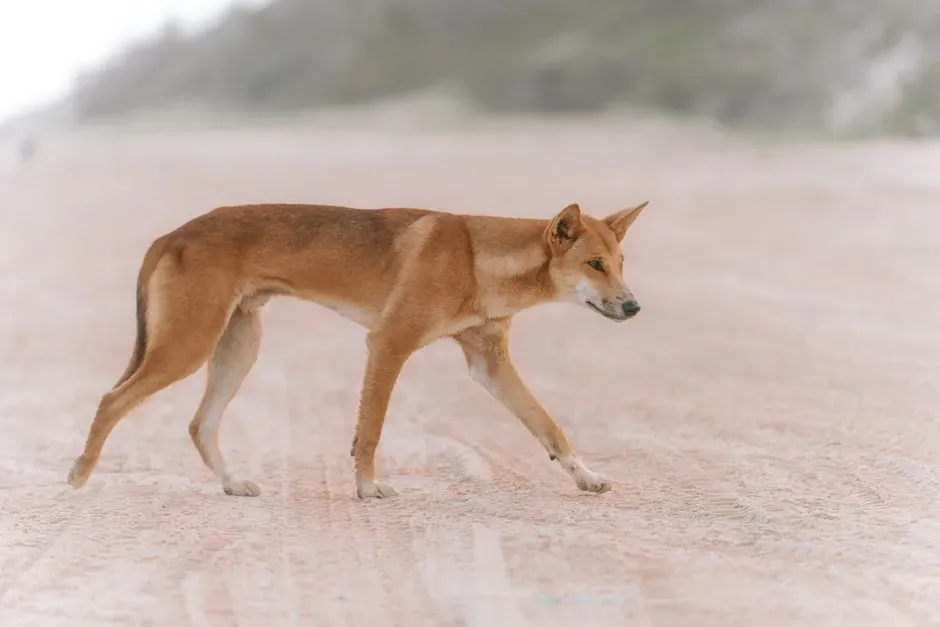
Dingoes are classic opportunistic carnivores, and their menu is far more varied than many people realize. In arid inland areas, they might focus on kangaroos, rabbits, and small mammals, while in coastal or forested regions they can shift to wallabies, possums, reptiles, and even fish or crustaceans. They’ll also scavenge carcasses when the chance arises, which helps recycle nutrients back into the ecosystem.
What surprises a lot of people is that dingoes will also eat plant material when it benefits them, including fruits, berries, and even some grasses. It is not that they have suddenly turned vegetarian; they are just practical. In tough conditions, those extra calories and bits of moisture can be the edge that keeps them going. Their diet reads like a survival manual tailored to whatever the land offers.
7. They Play a Controversial but Crucial Role in Controlling Pests
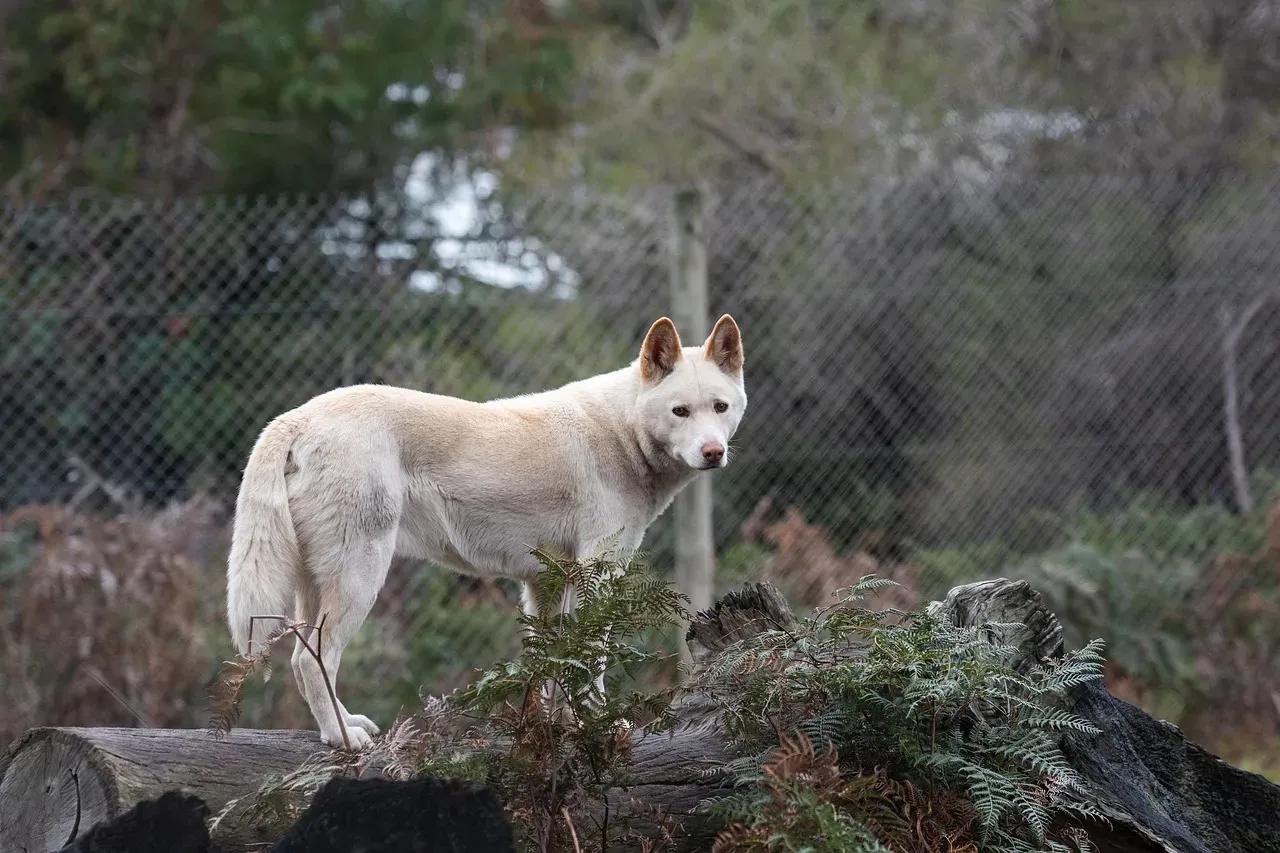
Here’s where it gets complicated: dingoes are both valued and feared in farming regions. On one hand, they hunt introduced animals like rabbits, foxes, and feral goats, which can badly damage crops and native habitats. In areas where dingoes are present, these invasive species are often kept at lower levels, and some native wildlife seem to fare better.
On the other hand, dingoes can and do prey on livestock, especially sheep and young cattle, which understandably creates conflict with graziers. That tension has led to fences, bounties, and control programs that aim to keep them out of pastoral lands. The tricky part is finding a balance that recognizes dingoes as important ecological regulators while still addressing real economic concerns – a debate that is far from settled.
8. Their Social Life Can Range From Lone Wanderers to Tight–knit Packs
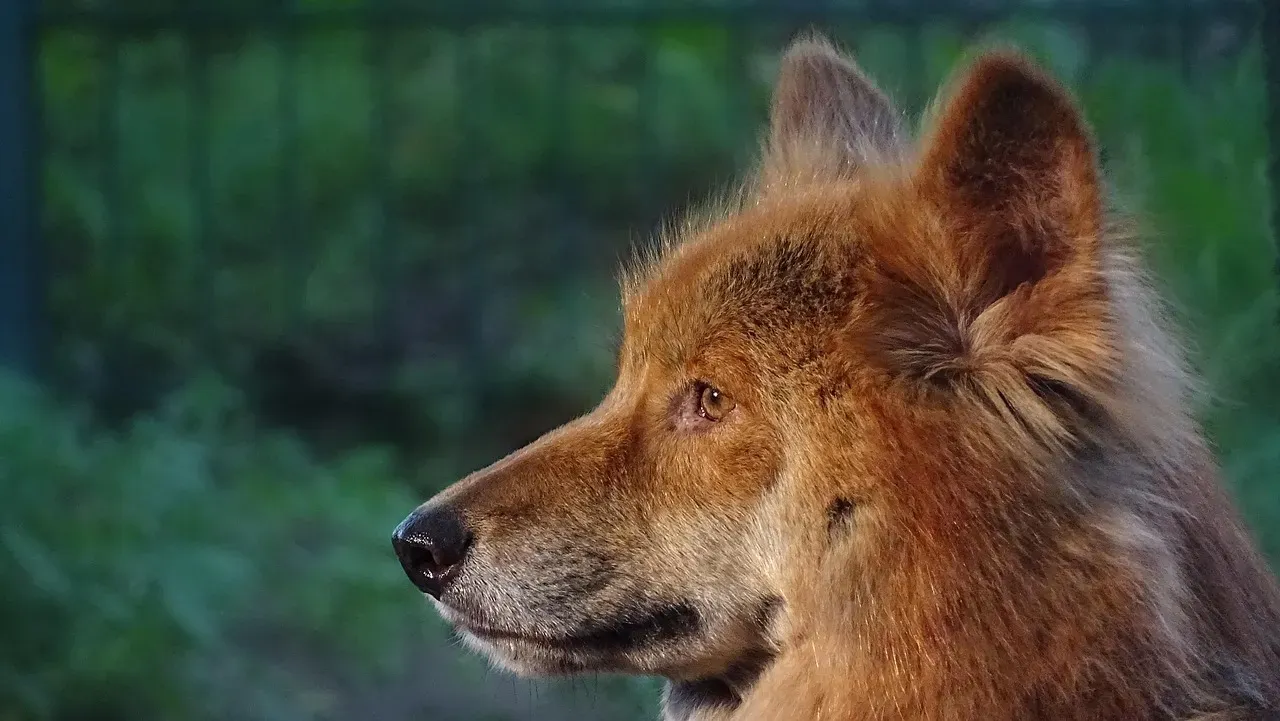
Many people picture dingoes only as pack hunters, but their social structure is far more flexible. In some regions and seasons, they form stable pairs or small family groups that defend territories and raise pups together. These groups often have clear hierarchies, cooperative hunting, and shared care of the young, much like small wolf packs.
In other places, especially where human pressure is high or food is scattered, dingoes may live and hunt alone or in loose, shifting associations. That adaptability means they can survive in everything from remote deserts to the fringes of urban areas. It also makes studying them challenging, because a single “one–size–fits–all” dingo social model just does not hold up in the real world.
9. Dingo Pups Grow Up Fast – And Learn Even Faster

Like domestic puppies, dingo pups are born blind and helpless, relying entirely on their mother in the first weeks. But once their eyes open and they start moving around, development ramps up quickly. By a few months of age, they are already shadowing adults, watching hunts, and testing their own instincts on small prey.
Learning for a young dingo is very hands–on: they observe, copy, and experiment constantly. Adults sometimes bring back live but weakened animals, giving pups a chance to practice the finishing stages of a hunt. That mix of observation and play is basically their school, compressing a huge amount of survival knowledge into their first year of life.
10. Their Coat Color Is More Varied Than the Classic Ginger Look
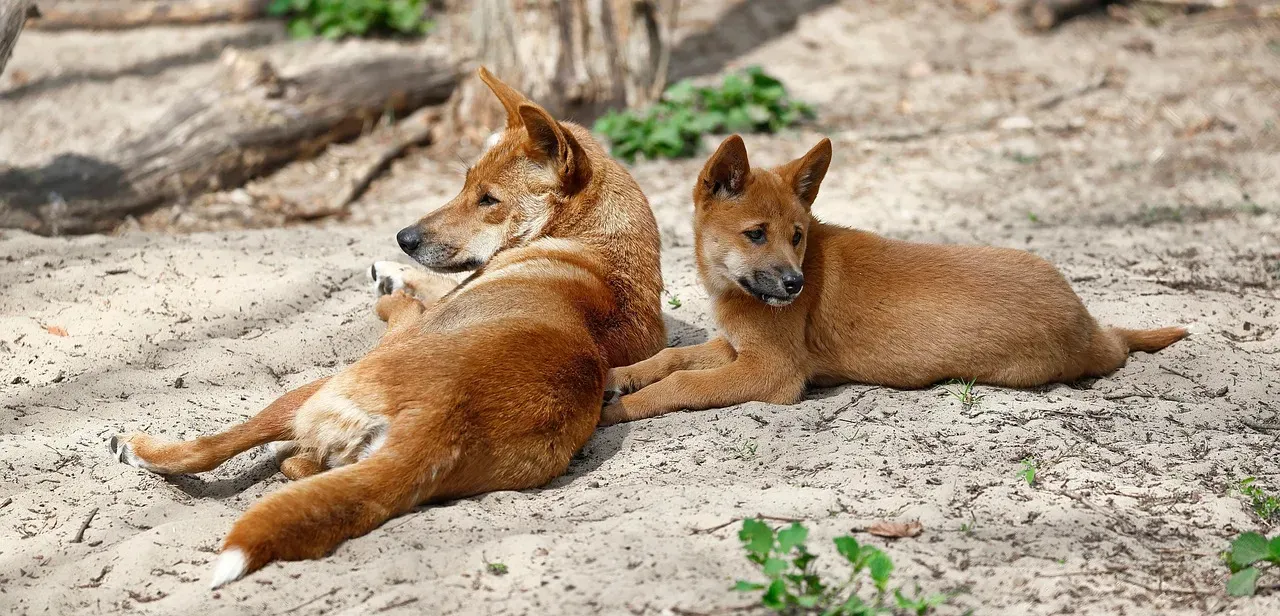
When people imagine a dingo, they usually see the iconic sandy–ginger coat with white socks and a white tail tip. While that classic pattern is common, especially in the wild heart of the country, it is far from the whole story. Dingoes can also be creamy white, black, black–and–tan, or even brindle, depending on region and genetics.
Some of this variation reflects natural diversity, while some may be influenced by interbreeding with domestic dogs, especially near human–dominated areas. Coat color alone does not tell you whether an animal is a “pure” dingo, though; that requires more detailed genetic and morphological assessment. Still, once you know to look for it, the dingo palette is much richer than most field–guide drawings suggest.
One practical reason this matters is conservation: managers have to decide whether they are protecting dingoes as a unique lineage, managing hybrids, or dealing with feral dogs. The more we understand what natural variation looks like, the better those decisions can be. It also adds another layer of beauty to an animal that is already striking in its minimal, almost sculpted form.
11. Dingo Genetics Are Forcing Scientists to Rethink “Dog” and “Wolf” Labels
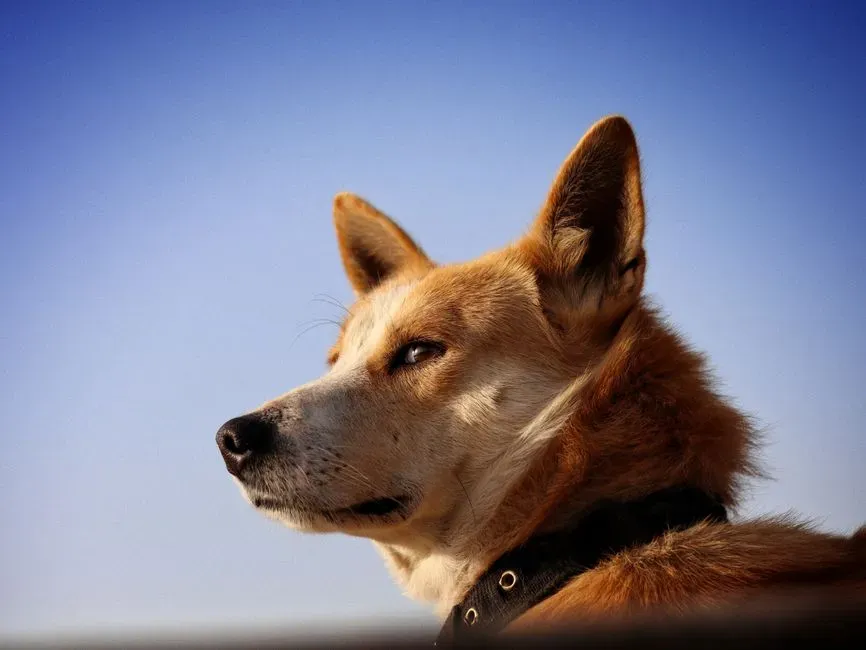
Genetic studies on dingoes have stirred up lively debates among biologists. Some findings suggest dingoes diverged from other dog lineages a long time ago and may deserve recognition as a distinct group rather than just a local variant of domestic dogs. Others emphasize that they are still part of the broader dog–wolf family tree, even if they have taken a unique evolutionary path in Australia.
Either way, dingoes blur the line between “wild” and “domesticated” in a way that makes simple labels feel clumsy. They remind us that domestication is not a single switch that flips from off to on; it is a spectrum, and animals can move along it over time. Personally, I find that deeply satisfying: nature refuses to play by our neat categories, and the dingo sits right in that messy, fascinating middle.
That ambiguity also has legal and policy consequences. Whether dingoes are treated as native wildlife, pests, or something in between can influence how they are managed, protected, or controlled. So those dry genetic papers are not just academic; they feed directly into real–world choices about who gets to live where and under what rules.
12. Their Future Depends on How We Choose to See Them
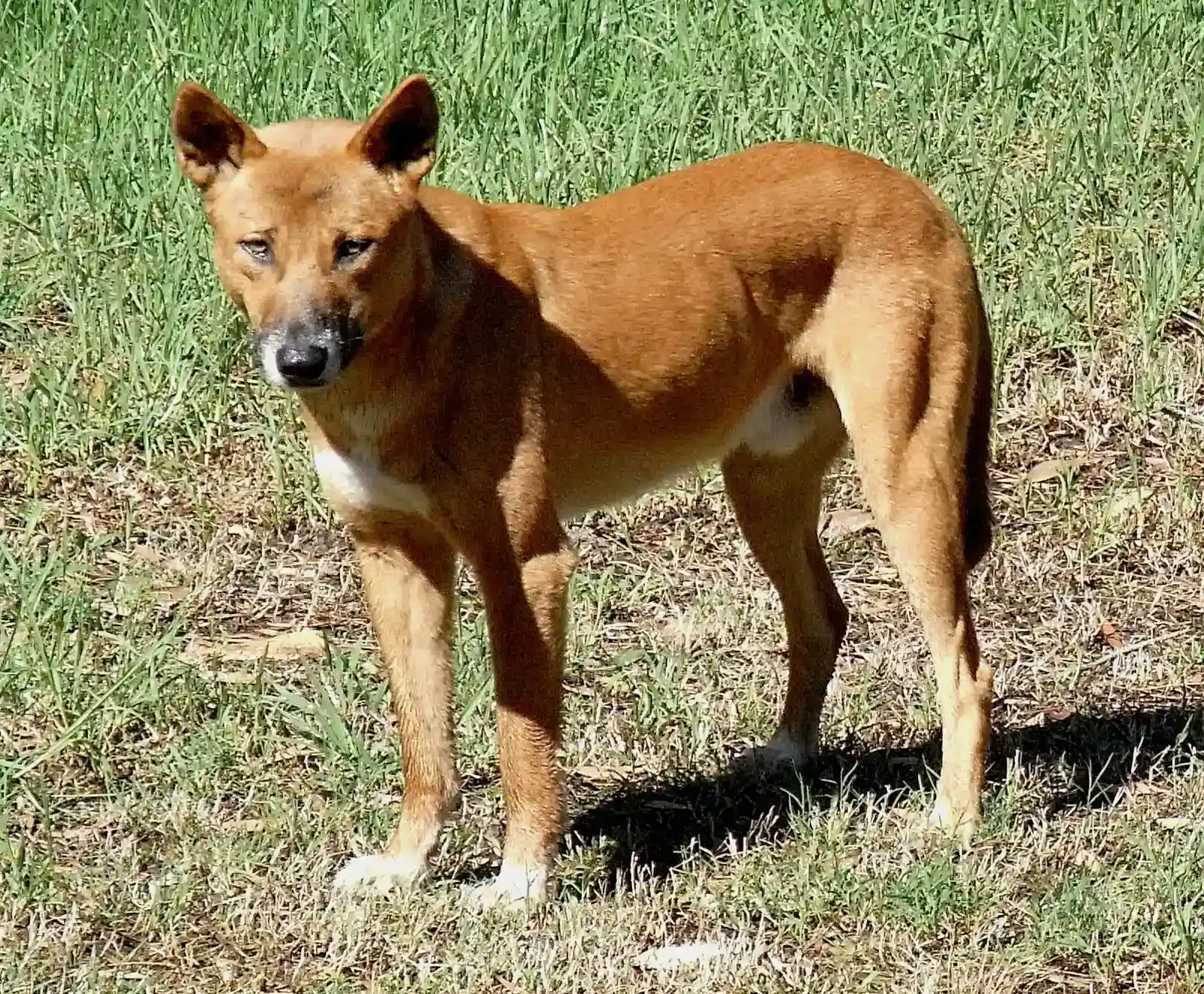
Right now, dingoes are pulled in different directions by human attitudes. In tourist brochures and nature documentaries, they are often portrayed as icons of the Australian wild, sleek silhouettes against red sunsets. On pastoral lands, they can be viewed as threats to livelihoods. In policy documents, they might show up as both native predators worth conserving and “wild dogs” to be controlled.
Hybridization with domestic dogs, habitat changes, and lethal control all complicate their long–term outlook. If we only see dingoes as problems, we miss their role in keeping ecosystems in balance and preserving an ancient strand of canine history. If we romanticize them and ignore real conflicts, we risk alienating the people who live and work alongside them every day. Their fate will probably be decided not by a single law or fence, but by a slow shift in how many of us think about them: nuisance, neighbor, or necessary guardian of the wild.
Conclusion: The Most Misunderstood Canine on the Planet?
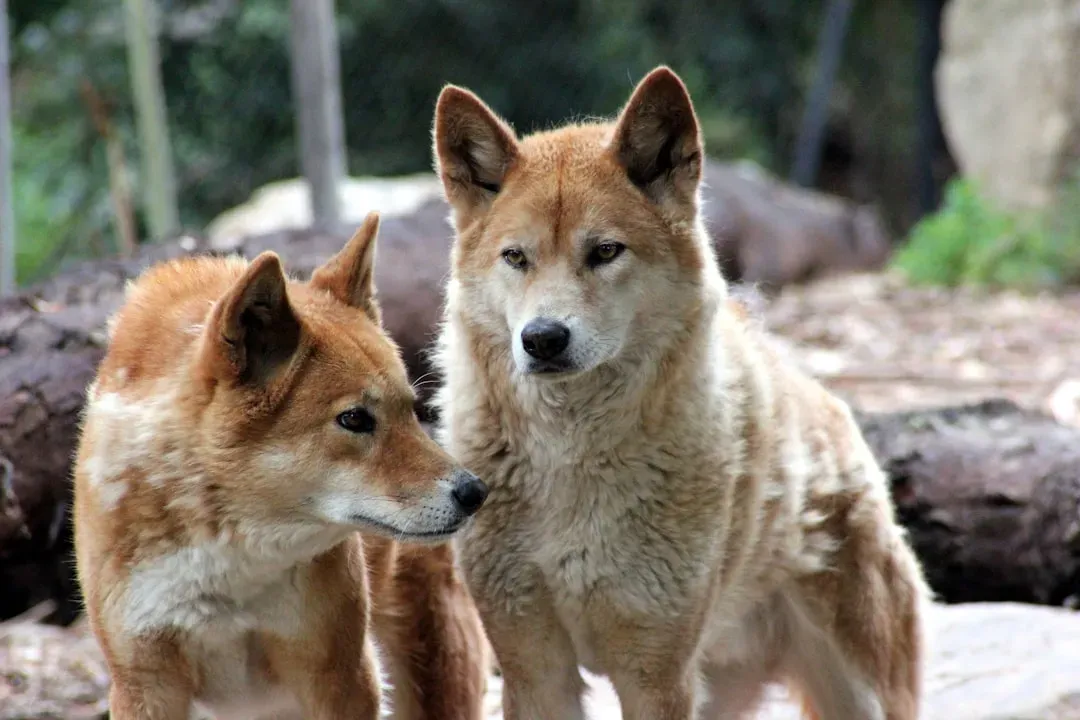
The more you dig into dingo science and history, the harder it is to see them as just another predator. They are living evidence of an ancient partnership with humans, a keystone that can stabilize fragile ecosystems, and a genetic puzzle that refuses to stay inside our tidy definitions of dog and wolf. In my view, they might be the most misunderstood canine on Earth, judged too quickly through the narrow lens of livestock losses or tourist snapshots.
That does not mean we should pretend dingoes are harmless; they are powerful, intelligent hunters that can absolutely cause real damage in the wrong context. But writing them off as villains is just as lazy as pretending they are flawless wilderness heroes. The uncomfortable truth sits in the middle: we owe them both respect and realism. Next time you see a photo of a dingo, will you just see a “wild dog,” or will you see a rare, in–between creature holding a mirror up to our own complicated relationship with the wild?


