
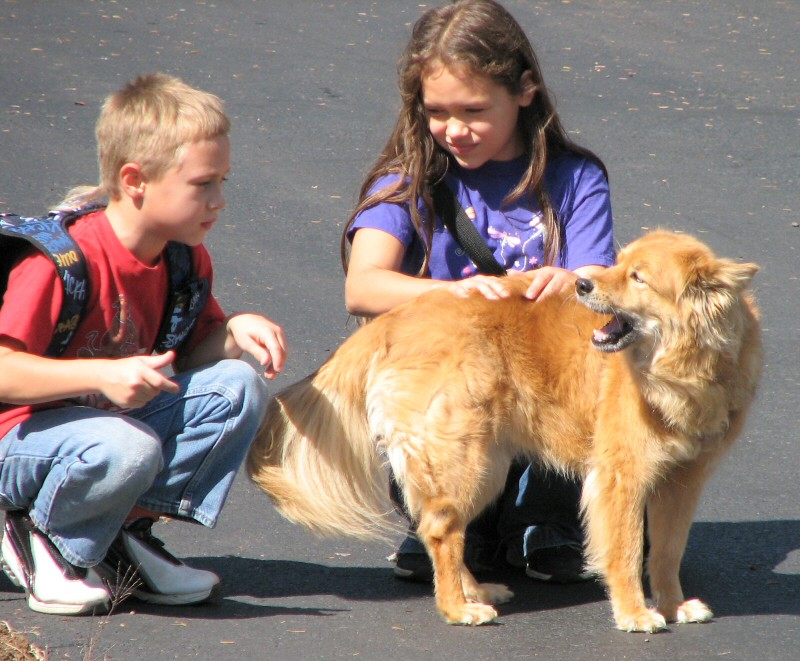
If you have ever called your dog and watched them calmly turn their head away instead of trotting over, you probably felt a little ignored. It is easy to label that moment as stubbornness or attitude. But animal behaviorists say something very different might be happening: your dog could be speaking an entire emotional sentence with that tiny head turn.
Once you start to see it as communication, not defiance, a lot of confusing moments suddenly make sense. That slow turn to the side when you bring out the nail clippers, the way they look at the wall when a stranger leans in for a hug, the dramatic “I can’t even look at you” face after you say no to another treat – these are not random. They are part of a sophisticated body language system your dog has been using all along. You just have to learn how to read it.
That “Ignoring You” Look Is Often a Calming Signal
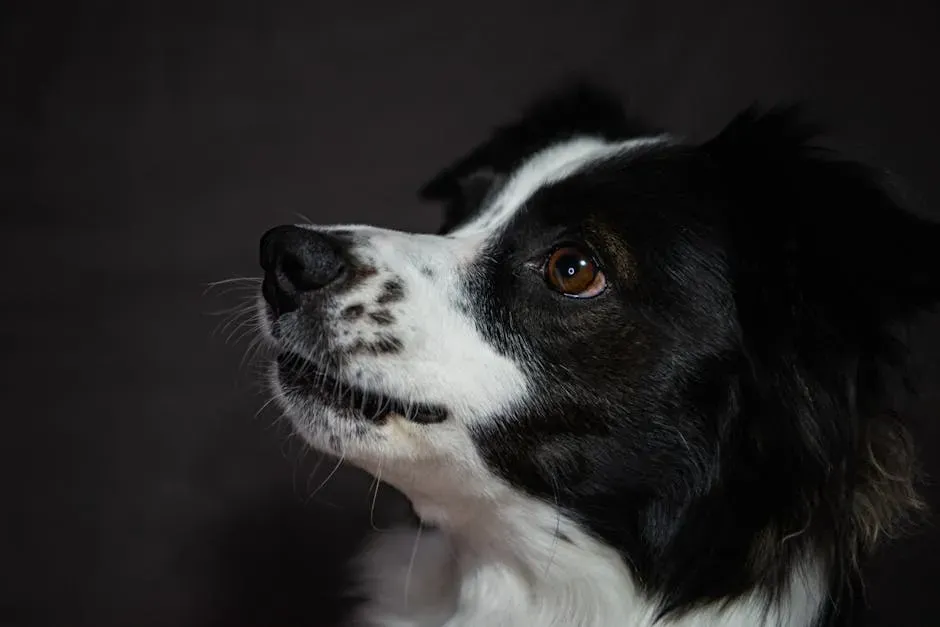
Here is the surprising twist: when your dog turns their head away, they are often trying to keep the peace, not start a battle. In canine behavior research, head turning is commonly grouped under what are called calming signals, subtle gestures dogs use to reduce tension and show they are not a threat. Instead of pushing into conflict, they gently steer away from it with their body language.
Imagine you lean in fast for a kiss on your dog’s face and they look away, maybe even lick their lips or blink. Many people interpret that as shyness, stubbornness, or rudeness. In reality, your dog may be saying something closer to: this is a bit much, I need some space, I am trying to keep this friendly. It is less a shutdown and more a soft, polite boundary.
Why Dogs Turn Their Heads Away: Stress, Uncertainty, and Politeness
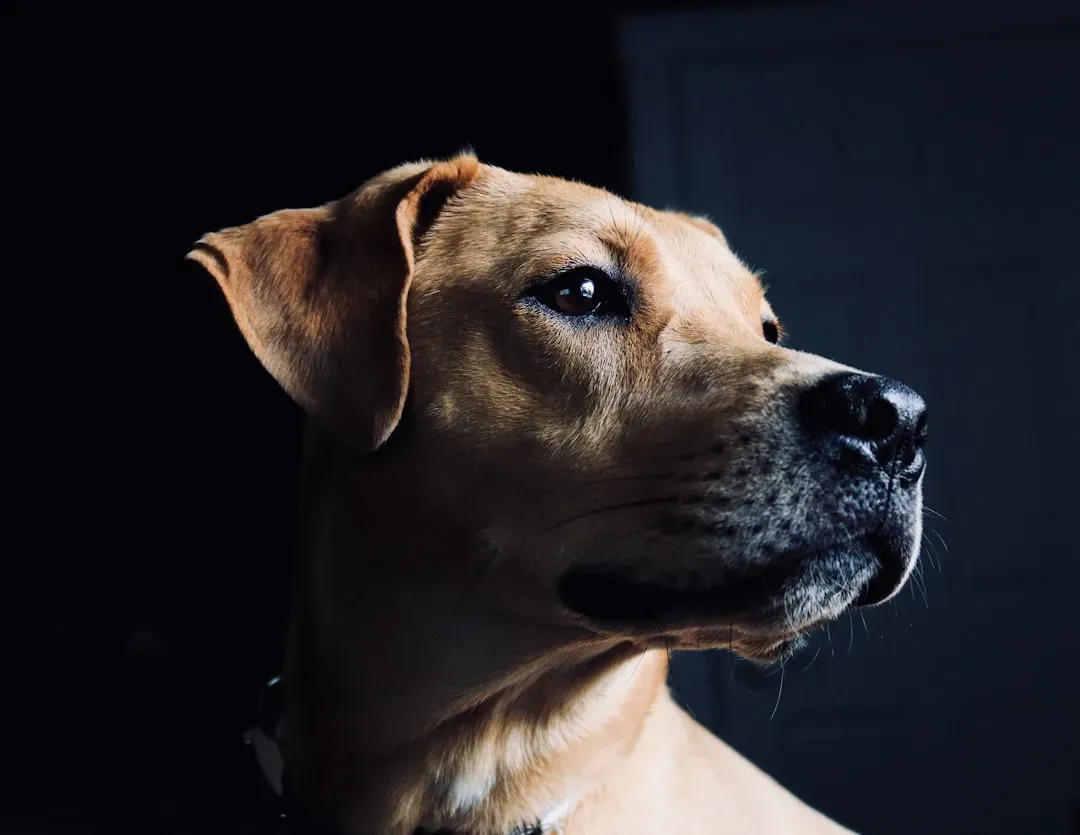
Head turning is not one-size-fits-all; context matters a lot. Dogs may look away when they feel stressed, such as during vet visits, grooming, or when someone hovers over them. In those moments, the head turn can be a way of coping with pressure, similar to how a person might avert their eyes during an uncomfortable conversation. The dog is not plotting rebellion; they are managing their own emotional state.
But dogs also turn their heads away as a kind of social etiquette. In dog-to-dog interactions, direct eye contact can feel intense or even rude, especially between unfamiliar dogs. A soft head turn or glance away can signal, I am friendly, not here to start something. When dogs use the same move with humans, they are often applying their canine manners to us, even if we mistake it for aloofness.
How Scientists Decode Head Turns and Other Canine Signals
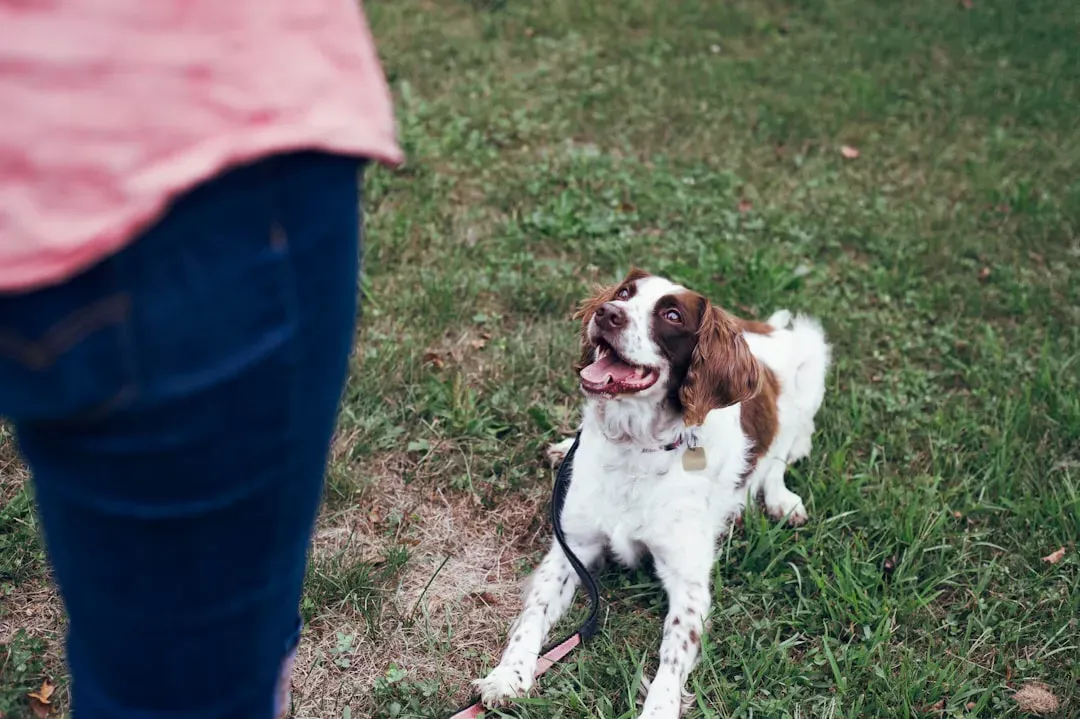
Dog behaviorists and researchers do not just guess what these gestures mean; they study them systematically. In observational studies, scientists film dogs in all kinds of situations – play, greetings, vet exams, training – and analyze patterns in body language alongside what happens before and after. When certain movements, like head turns, reliably show up in moments of rising tension or social negotiation, it strengthens the case that they are meaningful signals rather than random quirks.
Researchers also look at how other dogs respond. If one dog turns its head away and the other dog relaxes, stops stiffening, or de-escalates, that suggests the signal worked as a kind of social tool. Over time, consistent patterns across many dogs, breeds, and contexts build a map of canine body language. Head turning shows up again and again as a key part of that map, especially in situations involving mild stress or the need for social smoothing.
Mislabeling Communication as Stubbornness Damages Trust
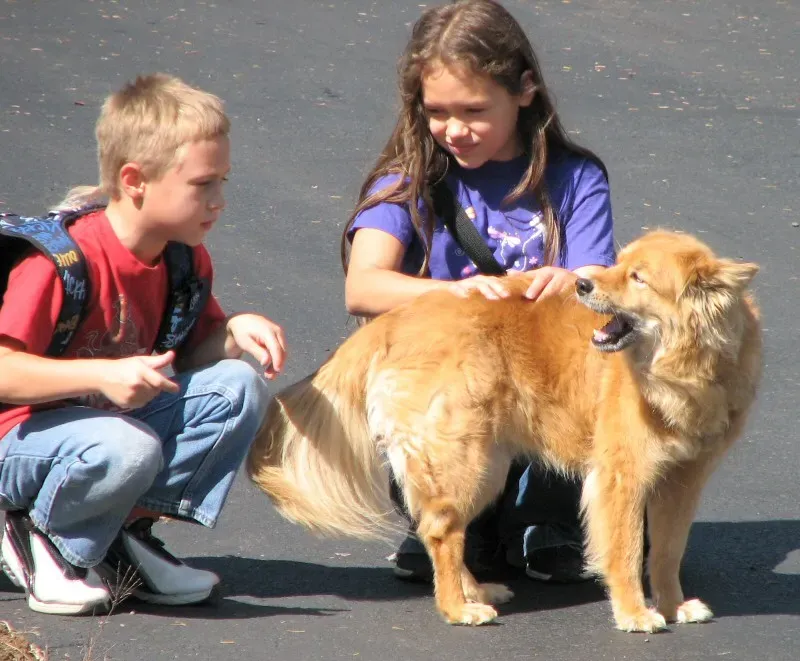
Here is where things get messy in real life: when a dog turns their head away, many owners react with frustration. They think the dog is blowing them off, so they repeat cues louder, pull on the leash, or resort to punishment. From the dog’s point of view, they tried a polite communication first, and instead of being heard, the pressure increased. That can make them feel more anxious or push them toward more extreme behaviors.
Over time, that pattern chips away at trust. If a dog learns that their softer signals – like head turning, lip licking, or looking away – do not work or even lead to harsher handling, they may skip straight to growling or snapping when they feel overwhelmed. Ironically, an owner who insists on “not letting the dog win” may end up with a more reactive, less predictable animal. Recognizing head turning as communication is not about spoiling your dog; it is about listening before things escalate.
Reading the Whole Picture: Ears, Eyes, Tail, and Body
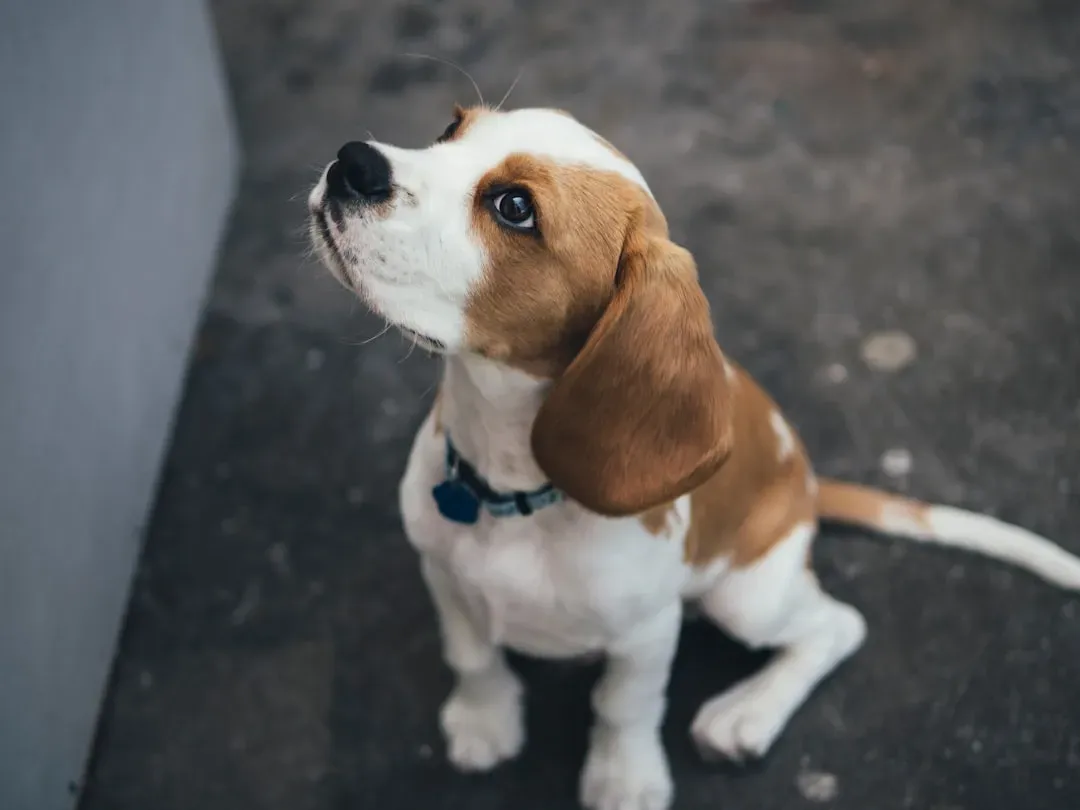
Of course, a head turn by itself is not a magic decoder ring. To really understand what your dog is saying, you have to read the full body language package. Notice what the ears are doing: are they pinned back or relaxed? Look at the eyes: are they soft or wide, maybe showing the whites at the corners? Check the tail and posture: loose and wiggly, or low and tense? The same head turn can mean different things depending on the surrounding signals.
For example, a dog who briefly turns their head away during a training session but keeps their body loose, tail wagging, and quickly re-engages may just be processing information or taking a mini mental break. Another dog who turns their head, avoids eye contact, licks their lips, and holds their body stiff while you reach for their collar is probably uncomfortable or worried. When you start stacking these clues together, their “stubbornness” turns into a clear message.
Practical Ways to Respond When Your Dog Turns Away
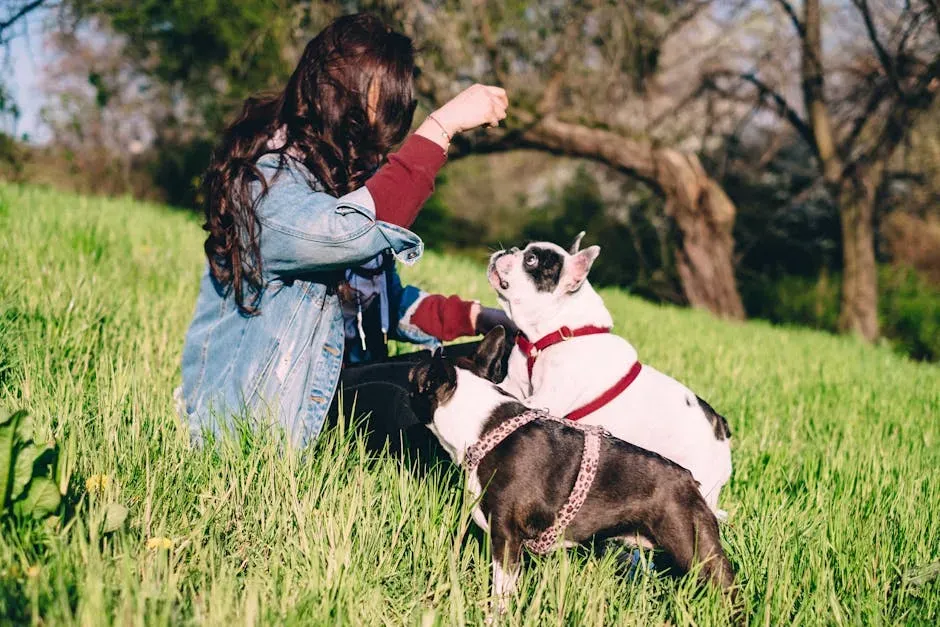
Once you see head turning as communication, your response naturally changes. Instead of pushing harder, you can pause and soften the moment. That might mean giving your dog a second to think, taking a half step back, lowering your voice, or turning your own body slightly sideways to appear less intense. In training, you can make the task easier, use higher-value rewards, or break it into smaller steps so the dog feels more confident rather than cornered.
In everyday life, you can also respect the boundaries your dog is quietly setting. If they turn their head away when someone leans in for a hug, you can gently interrupt and suggest petting under the chin or on the chest instead of face-to-face pressure. If they look away and tense up during nail trims, you can slow down, pair the process with treats, or work with a professional trainer who uses low-stress handling methods. Responding to that head turn as a meaningful signal tells your dog: I hear you.
Why This Matters for Kids, Strangers, and Nervous Dogs
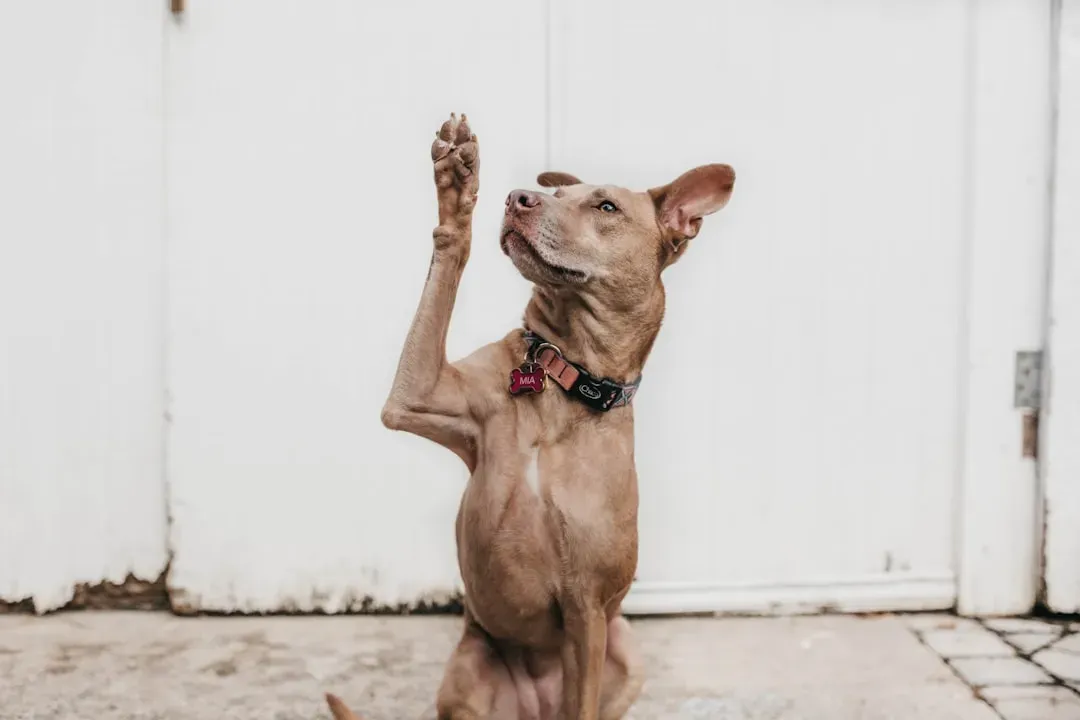
Head turning becomes even more important when there are children, visitors, or anxious dogs in the mix. Many dog bites do not come out of nowhere; they follow a series of ignored warnings. A dog who looks away, freezes, or repeatedly turns their head while being hugged, climbed on, or cornered is often desperately trying to avoid conflict. Teaching kids to recognize that “I do not like this” body language is one of the simplest, most powerful forms of bite prevention.
For fearful or rescue dogs with a history of bad experiences, those small signals are lifelines. When you honor their early warnings instead of punishing them, you show that this new home is different. That is how a dog who once flinched and turned away at every raised hand can gradually learn that a human reaching out now means gentle touch, food, and safety. The tiny choice to respect a head turn can be the first brick in rebuilding a damaged sense of trust.
My Take: Listening to Quiet Dogs Is a Radical Kindness
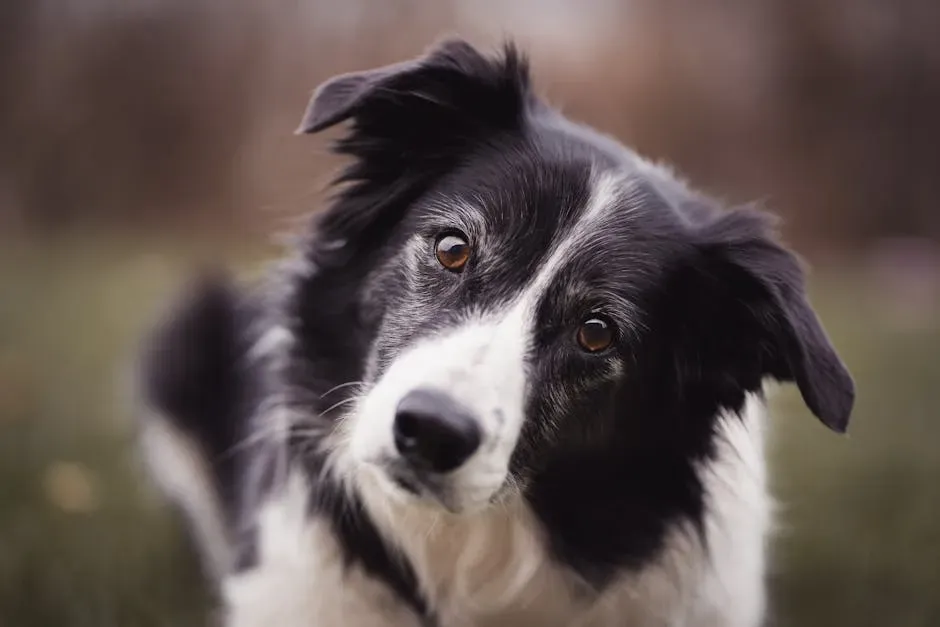
On a personal level, the more I have learned to read dogs, the more I am convinced that head turning is one of the most underrated signals they give us. It is like a whisper in a world that rewards shouting. We often pay attention only when a dog barks, growls, or lashes out, but the real magic happens in those quiet moments where they choose politeness over panic. When a dog turns away instead of exploding, they are doing their best to meet us halfway with the tools they have.
Seeing that as stubbornness misses the point completely. It is not about “winning” or “showing who is boss”; it is about building a relationship where both species feel heard. When you start treating that gentle head turn as a message rather than a challenge, your dog usually responds by trusting you more, not less. And really, in a life that is already full of noise, there is something deeply moving about learning to listen to the smallest, softest signals in the room. How many of those quiet messages from your dog have you been walking past without realizing it?


