
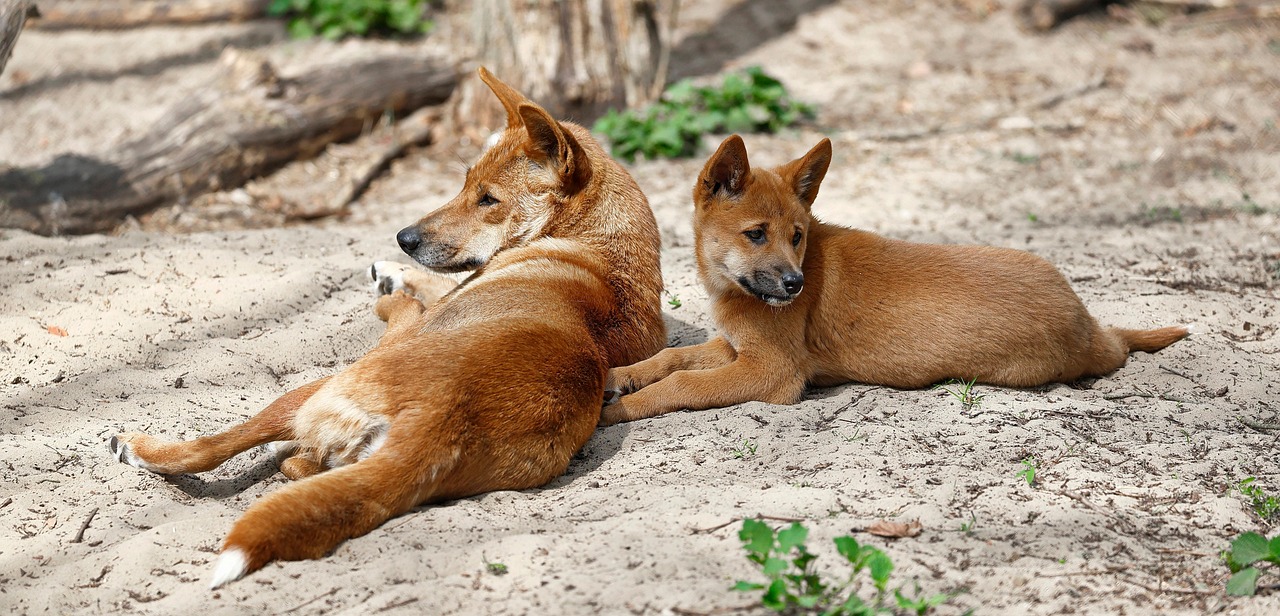
If you picture dingoes as lone, ghostlike shapes slipping through the Australian outback, you’re only seeing half the story. Behind that wild, watchful gaze is a social life that is surprisingly soft, loyal, and intensely family‑driven. In fact, modern canine psychology suggests that dingo family bonds do not vanish when pups grow up – they stretch on, shift, and deepen, long after adolescence.
That idea alone forces us to rethink what “wild dog” really means. Far from being simple scavengers or opportunists, dingoes show a form of social commitment that looks uncomfortably familiar to us: parents that stay emotionally invested, grown offspring that still cooperate, and family units that behave more like clans than temporary packs. Once you see dingoes that way, they stop looking like feral dogs and start looking like something closer to a desert-worn version of a wolf family – or, honestly, a rural human family that never quite lets their kids move out emotionally.
The Dingo: Not Quite Dog, Not Quite Wolf
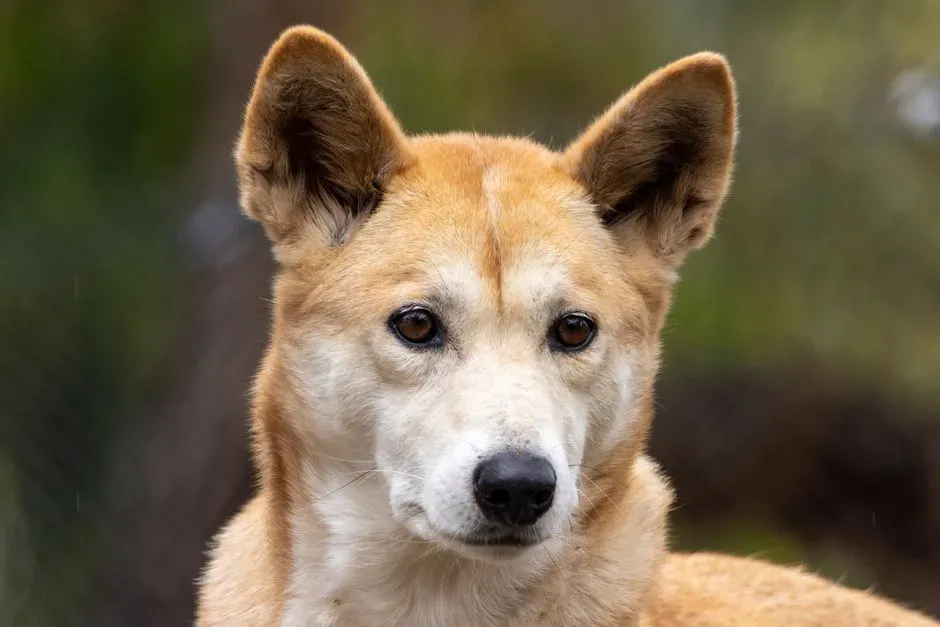
One of the most surprising things about dingo psychology is that it sits in a gray zone between domestic dog and wolf. Dingoes are not fully domesticated, yet they are not purely wild in the same way wolves are, and this in‑between status shapes how and why they form lasting bonds. They carry many wolf‑like traits, such as hunting cooperatively and living in stable groups, but they also show dog‑like flexibility and an unusual ability to live alongside humans and human landscapes.
This middle ground matters because it helps explain why dingoes can maintain tight family units even while living in harsh, open environments. Wolves are known for strong long‑term family structures, while domestic dogs can be much more fluid, forming looser associations when free‑roaming. Dingoes, parked right between those two worlds, borrow from both playbooks: they can be independent when they must, but their default seems to be stable family life, with emotional and social threads that extend across years rather than just breeding seasons.
How Dingo Families Are Built: From Pair Bonds To Packs
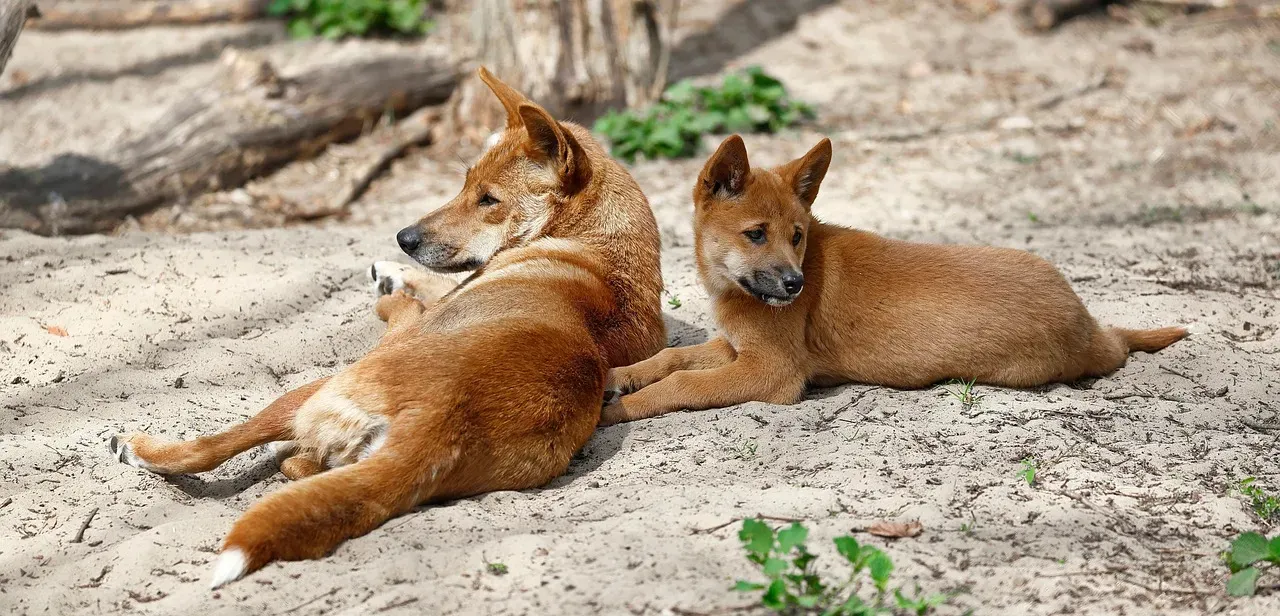
Dingo family life usually starts with a breeding pair that forms a relatively stable partnership over multiple years. Instead of constant reshuffling, many groups revolve around the same core male and female, who act as the main breeders and decision‑makers. Around them, you often find their offspring from several years, some of whom never fully disperse, creating multi‑generation units that function more like family enterprises than casual hunting gangs.
This structure is crucial for understanding why bonds last. When young dingoes grow up, they do not simply get kicked out and forgotten; they may stay on as helpers, hunters, and babysitters to the next litters. In ecological terms, this is called cooperative breeding, but in emotional terms, it looks like siblings and grown “kids” choosing to remain part of the family economy. That shared history of hunting, defending territory, and raising pups cements relationships that persist in both behavior and, likely, internal emotional life long after the pups have reached adult size.
Cooperative Parenting: Older Pups Helping Raise The Next Generation
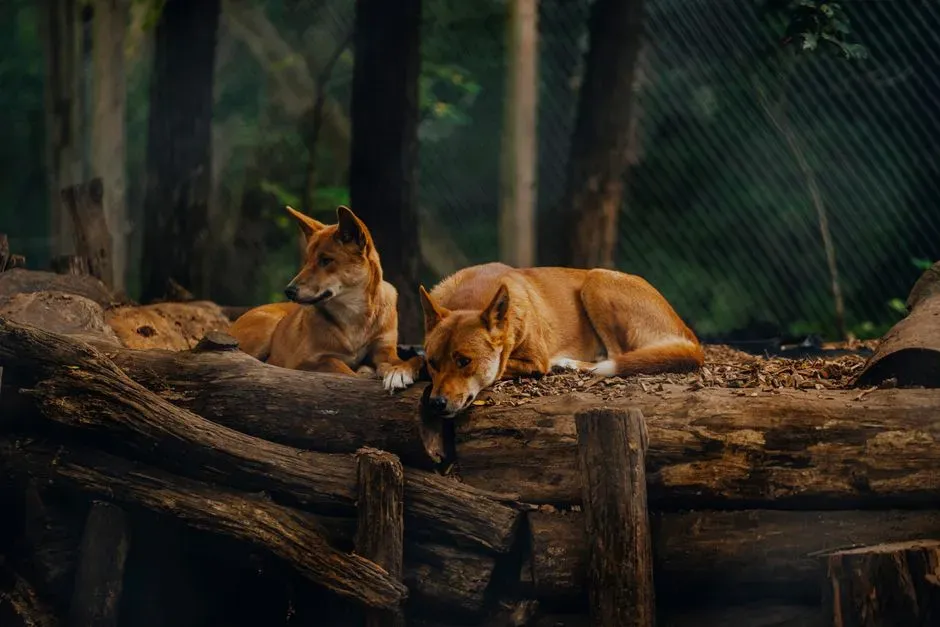
One of the clearest signs of lasting social bonds is how older pups behave when new litters arrive. Rather than seeing the newcomers as competition, juvenile and young adult dingoes often help to protect, groom, and even provision the latest pups. They might bring food back, stand guard, or gently discipline reckless youngsters in ways strikingly similar to older siblings in other cooperative mammals.
This helper behavior is not just a nice bonus; it is embedded in how the group survives. In the unpredictable and often unforgiving Australian landscape, a team approach to pup‑rearing spreads the risk and lightens the load on the breeding pair. From a psychological perspective, this constant back‑and‑forth caring activity reinforces social attachment: helping and being helped, watching each other’s backs, and sharing the stress of survival all create grooves of trust and familiarity that do not disappear just because a pup hits adulthood.
Communication, Learning, And The Emotional Glue Of The Group
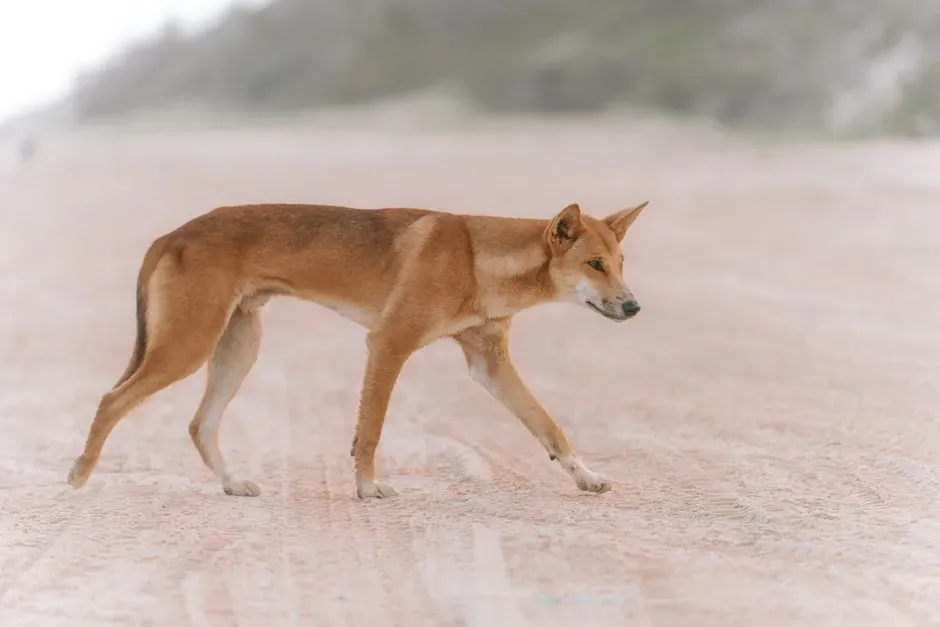
Family bonds in dingoes are not just about who shares genes; they are about who shares information. Young dingoes learn how to hunt, recognize threats, and navigate vast territories by following and copying their parents and older siblings. Subtle vocalizations, body postures, tail movements, and scent marks form a kind of shared language that takes time to master and is specific to each group’s social culture.
The more individuals communicate and learn together, the more tightly they tend to bond. A dingo that has grown up reading its mother’s body language or following an older brother on hunts is not just physically attached to the group; it is mentally tuned to them. This mutual understanding functions as emotional glue: you stick with the family not only because it is safer, but because it is the social world that actually makes sense to you. That shared history makes breaking away hard, and it makes reunions or continued association deeply reinforcing.
Do Dingoes Feel Attachment The Way Dogs Do?
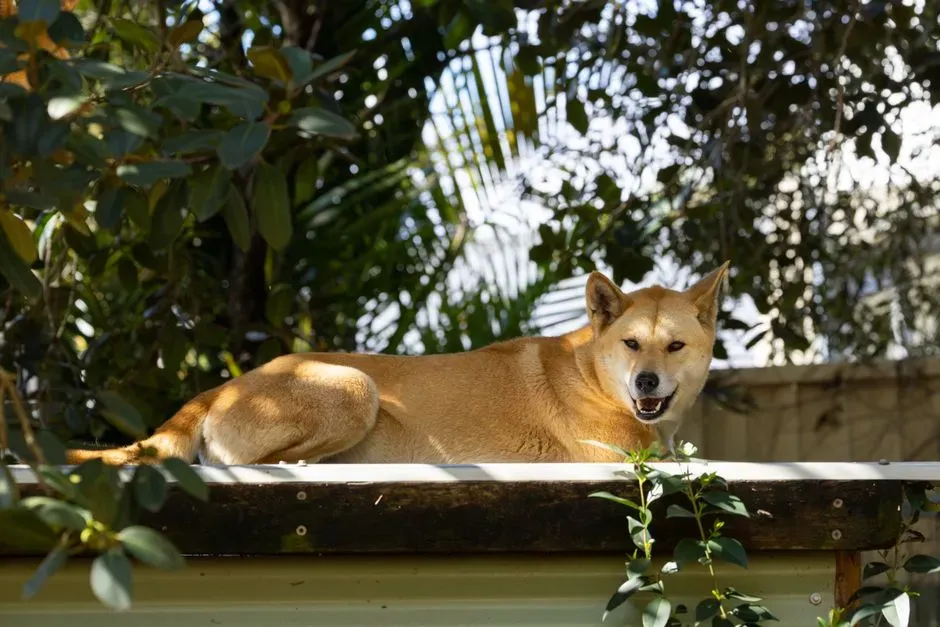
Modern canine psychology has shown that domestic dogs can form strong attachment styles toward humans that resemble child‑to‑caregiver bonds. Dingoes have been less studied, but where they have been carefully observed, they show recognizable signs of attachment toward familiar conspecifics and, in some contexts, toward familiar humans. They seek proximity, show distress when separated, and visibly relax in the presence of trusted companions, all of which look like genuine emotional connection rather than simple habit.
Because dingoes have not gone through the same intense domestication process as pet dogs, their attachment is directed more consistently toward their own kind, especially toward long‑term family members. That makes their loyalty patterns particularly interesting: instead of spreading affiliation widely, they appear more selective, keeping a tight emotional circle. When adult offspring remain with parents or maintain contact with siblings, it is reasonable to interpret that not just as ecological convenience, but as an expression of internally felt bonds shaped by both evolution and individual experience.
When Grown Pups Stay Close: Dispersal, Distance, And “Extended Family”
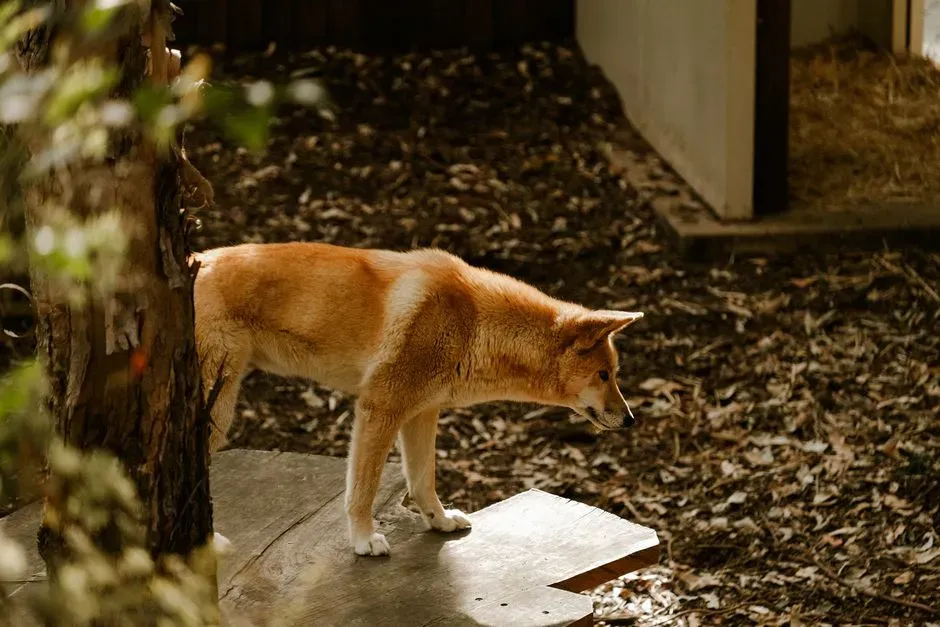
Not every dingo pup stays with the natal group forever; dispersal still happens as animals seek new opportunities, mates, and territories. What stands out, though, is that dispersal does not always mean emotional or social erasure. Nearby related groups may still interact at boundaries, and individuals sometimes move in and out of familiar ranges, maintaining a kind of extended family network rather than a clean, permanent break.
In some populations, grown pups delay dispersal for years, effectively living as resident aunts, uncles, or older cousins to successive litters. Even when they do eventually leave, the time spent in overlapping home ranges and the shared investment in younger siblings make it more likely that they will continue to show tolerant, cooperative behavior when they cross paths. Compared with many domestic dog populations, which can form and dissolve loose packs rapidly, dingo families feel more like slow‑changing neighborhoods where everyone remembers who raised whom.
What Dingo Bonds Reveal About The Nature Of “Family” In Canines
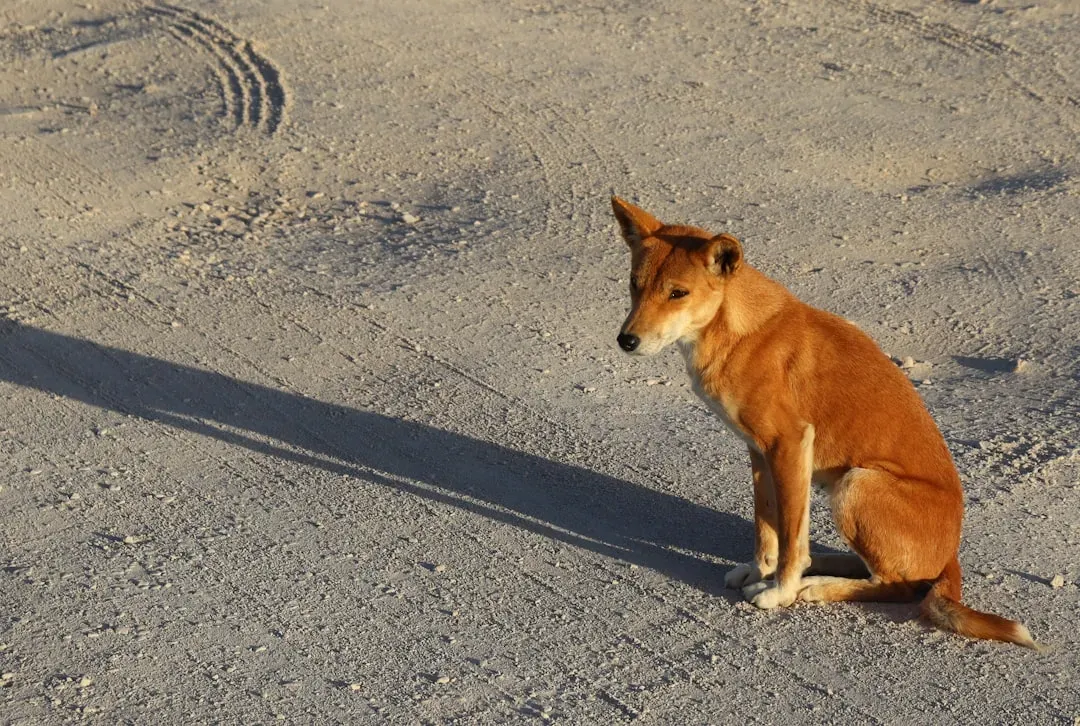
Dingoes force us to widen our idea of what family means in the canine world. They are not strictly monogamous like textbook wolf pairs, nor are they as socially fragmented as many free‑ranging dog groups can be. Instead, they sit in a dynamic middle, showing that long‑term bonds can survive all the messiness of real life: shifting food resources, human pressure, and the constant pull of dispersal. Their families stretch across generations, best described as living systems rather than fixed, one‑season units.
From an outsider’s point of view, the fact that dingoes keep investing in each other after maturity is a strong statement about the evolutionary value of emotional stability. Cooperation, shared memory of landscapes, and enduring trust turn out to be as important as sharp teeth and fast legs. If you care about what a “real” wild canine looks like, dingoes quietly suggest that real wildness includes loyalty, patience, and a willingness to stay connected longer than is strictly necessary for reproduction.
Why This Matters For Conservation, Management, And Our Own Ethics
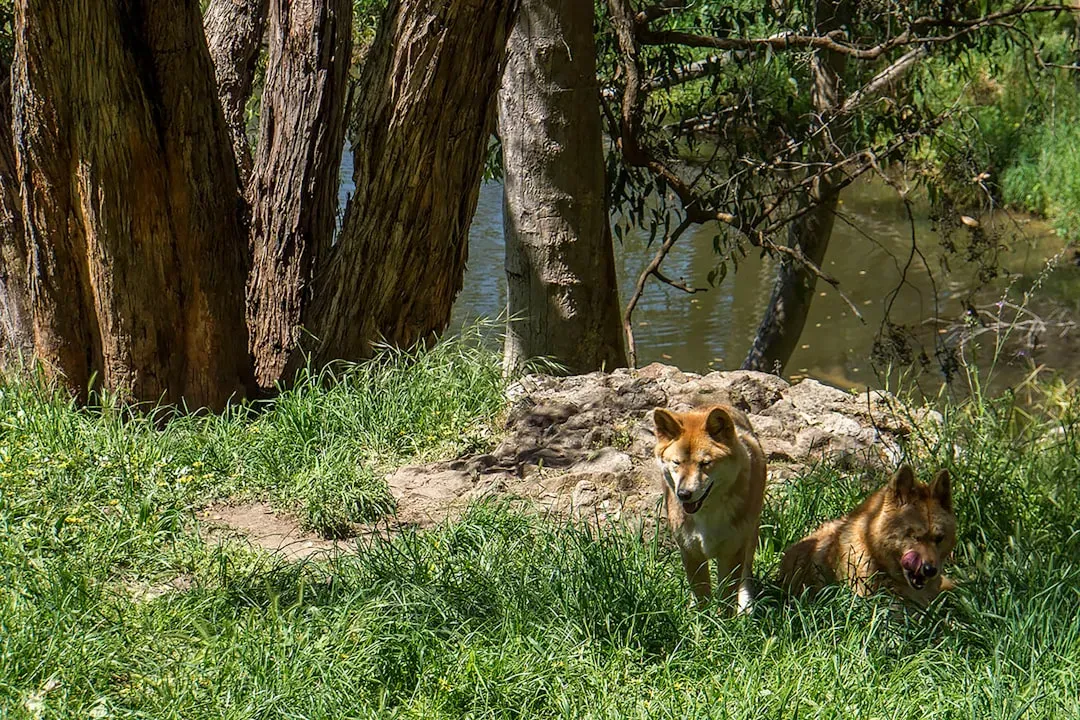
Once you understand that dingo groups are true families, management decisions like lethal control or indiscriminate culling stop being abstract numbers and start looking like the dismantling of complex social units. Removing one adult is not just removing a breeding body; it is cutting a social thread that holds learning, cooperation, and emotional stability in place. That kind of disruption can ripple through the group, increasing stress, altering behavior, and sometimes pushing surviving animals into more conflict with humans rather than less.
In my view, any serious discussion about dingoes in Australia has to start from the recognition that we are dealing with sentient, social families, not interchangeable pests. You do not have to romanticize them or ignore the real tensions with livestock production to admit that their inner lives and long‑term bonds matter. If we are honest, the way dingoes cling to each other across years is uncomfortably close to how we cling to our own kin. The question is whether we are willing to let that truth shape the way we treat them, or whether we keep pretending these desert‑colored families are just shadows on the edge of our fences.


