
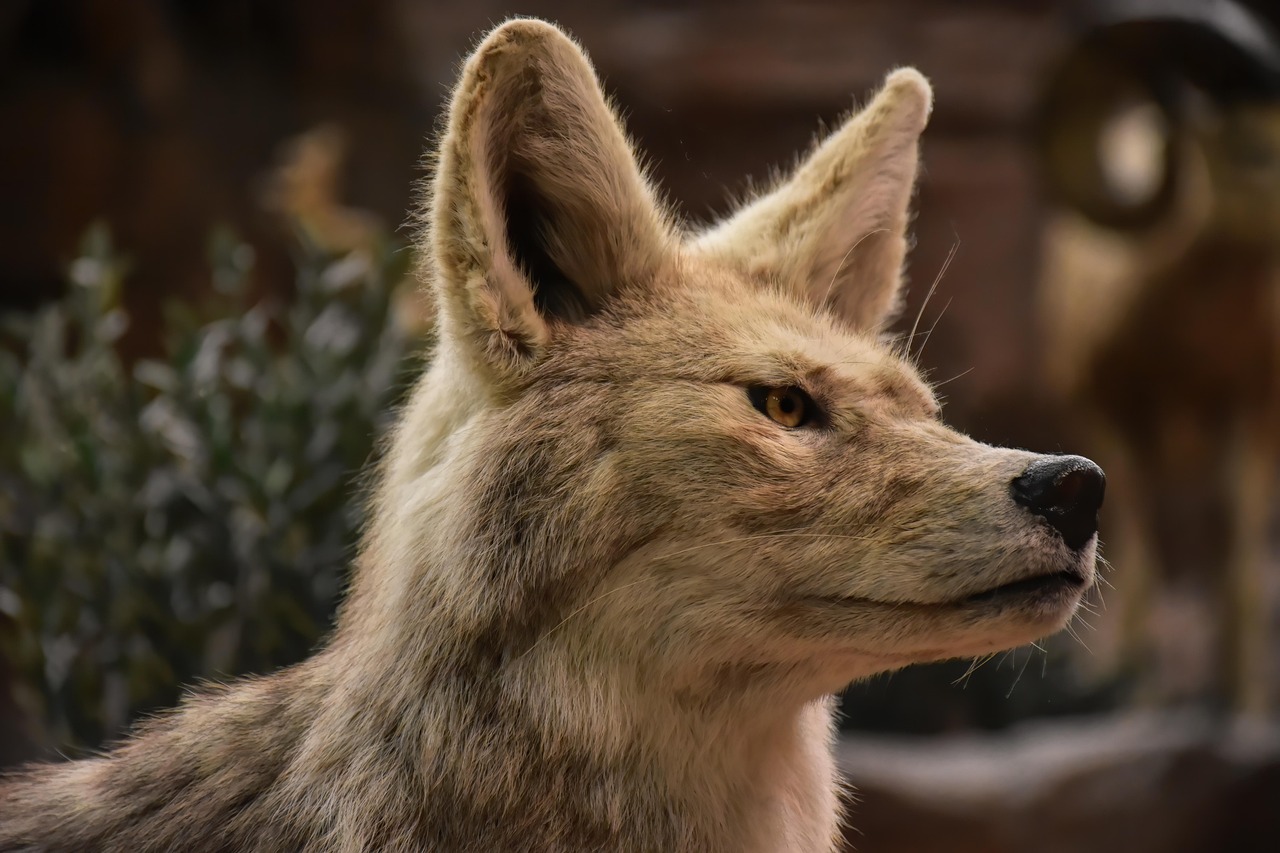
You almost never see them, but they see you. Coyotes slip through suburbs, ranches, forests, and even downtown alleys like ghosts, surviving in places where more fragile animals simply disappear. While we argue about them on social media, they’re quietly adapting, thriving, and rewriting what it means to be a wild predator in the modern world.
What makes coyotes so unstoppable is not just teeth and stealth. It is a mix of brains, flexibility, social smarts, and a shockingly resilient body that lets them bounce back from almost anything humans throw at them. Once you understand the tricks they use to survive, you start to see them less as villains and more as tough, clever neighbors who refuse to quit.
1. They Thrive Almost Everywhere Humans Live
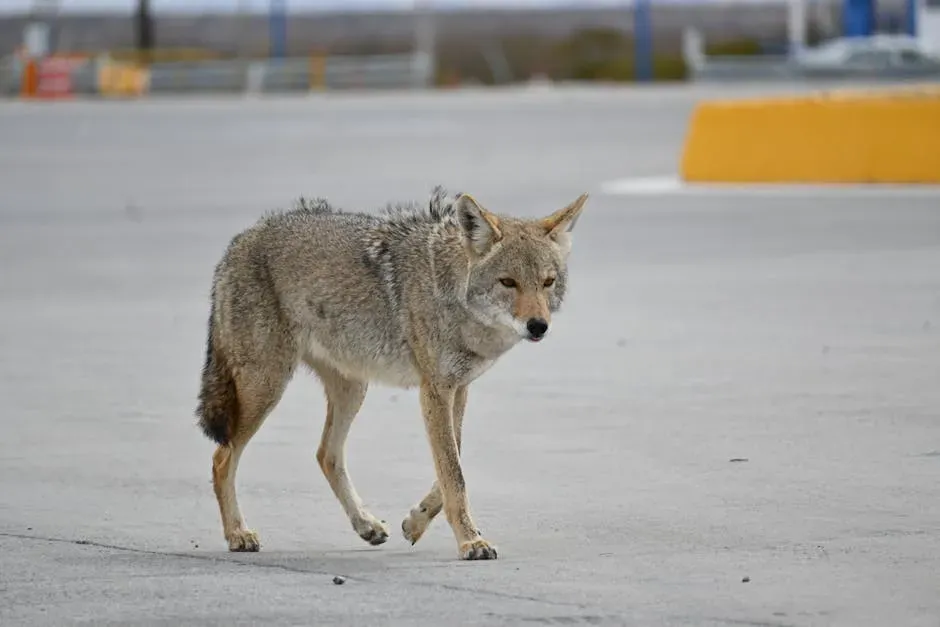
One of the most surprising things about coyotes is not that they live in wild deserts or forests, but that they now flourish in big cities, leafy suburbs, and farm country. From New York to Los Angeles, people have spotted coyotes trotting across golf courses, slipping through backyards, and using drainage culverts like subway tunnels. Instead of retreating from human expansion, they’ve used it like a new map of opportunities.
Think about that for a second: most large predators disappeared from big parts of the United States as cities grew, yet coyotes expanded. They treat our roads, greenbelts, and urban parks as a patchwork of hunting grounds and hiding spots. In a way, they read human infrastructure like an open book, learning where to move, where to rest, and where to grab an easy meal without being noticed.
2. They Eat Just About Anything (And Change Their Diet to Fit)
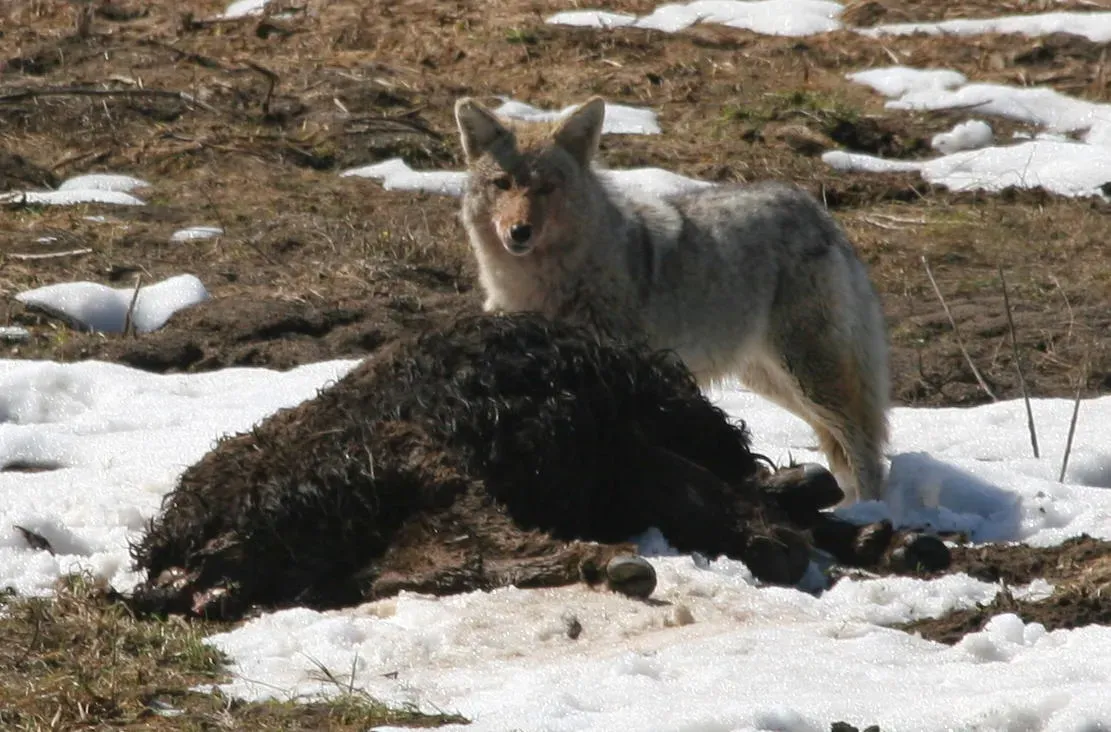
If coyotes had a motto, it would probably be something like “If it has calories, it’s food.” They are highly adaptable omnivores that can live off small mammals like mice and rabbits, but will also eat insects, fruit, carrion, bird eggs, and even fallen fast food. Their digestive system and hunting style are built for flexibility rather than specialization.
This matters because environments change, and specialists often starve when their favorite food source crashes. Coyotes avoid that trap by constantly adjusting their menu. In rural ranch country, they might focus on rodents and rabbits. In cities, trash, pet food left outside, and rodents around human structures become a buffet. They’re like the friend who can walk into any kitchen and somehow make a decent meal from whatever is lying around.
3. They Reproduce Strategically When Under Pressure
On top of that, younger coyotes that might not normally breed can step in and start reproducing when the population is heavily disrupted. The end result is that intense killing often creates a short-term dip followed by a rebound, sometimes even above the original population level. It is like trying to push down a spring: the harder you press, the stronger it snaps back.
4. They Are Brilliant at Avoiding Direct Conflict
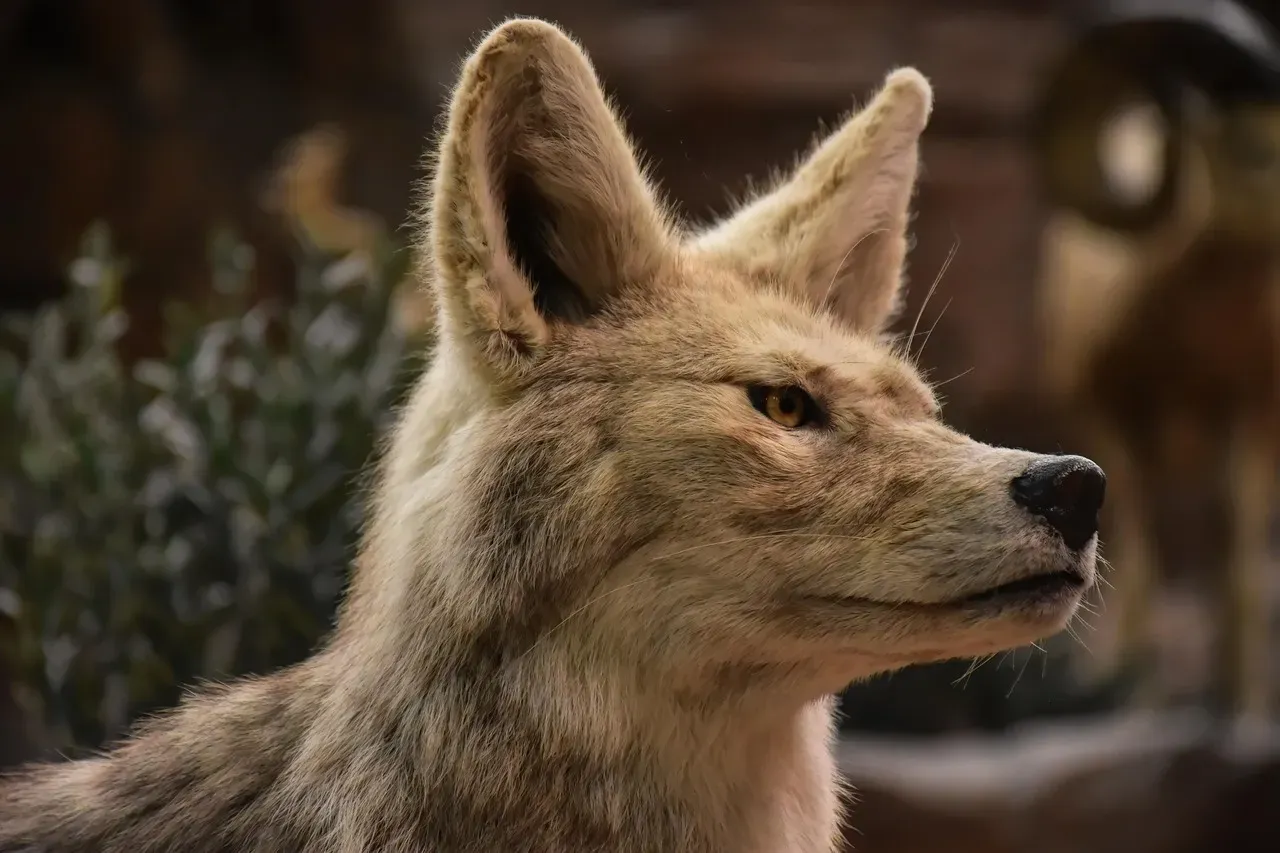
For an animal with sharp teeth and serious hunting skills, coyotes spend a lot of energy not getting into fights they cannot win. They’re naturally cautious, often watching from a distance, using cover, and learning quickly from bad experiences. When they sense danger, they may change their travel routes, shift their active hours, or move their den sites without hesitation.
People sometimes confuse this caution with cowardice, but it is actually smart risk management. In the wild, one bad injury often means death, even if you technically “won” the fight. Coyotes tend to pick battles they can win quickly, like ambushing a distracted rabbit, and avoid reckless showdowns with larger animals or groups of humans. That careful, almost calculating behavior is a big reason they last so long.
5. They Communicate With a Complex Mix of Sounds and Signals
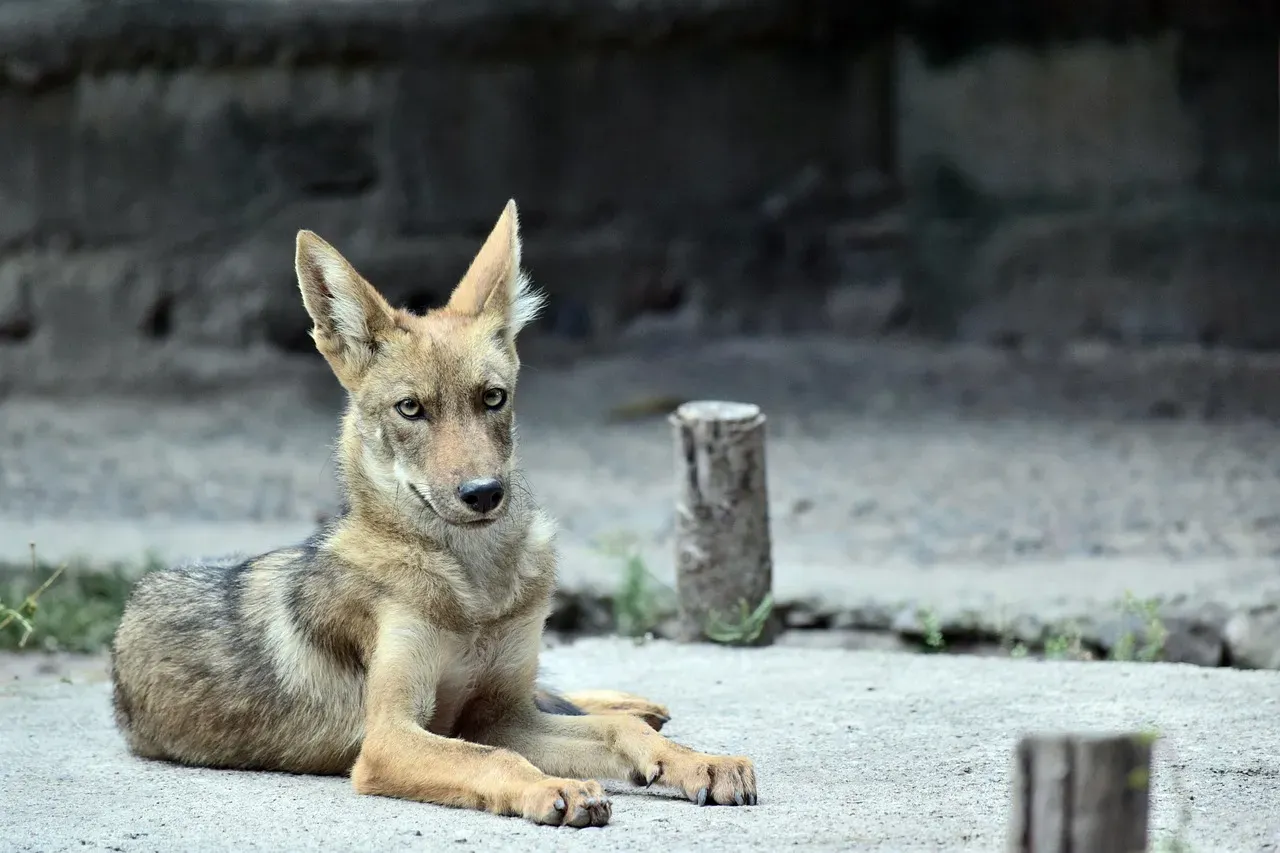
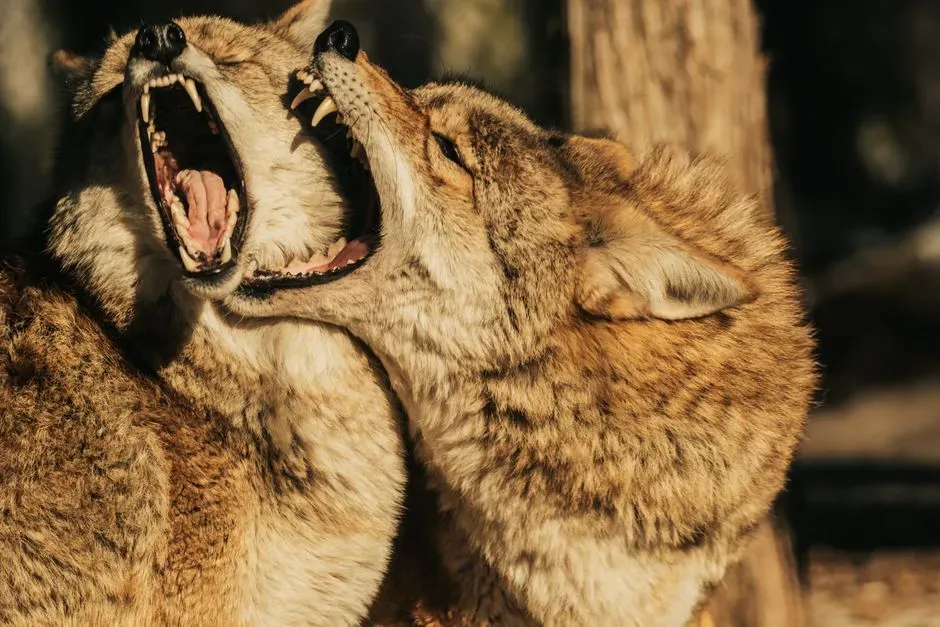
That eerie yipping and howling you hear at night is not random noise; it is a sophisticated communication system. Coyotes use different calls to signal alarm, reunite with family, mark territory, or coordinate movement. A chorus of yips can make a small group sound like a much larger pack, which can discourage potential threats.
Communication does not stop at sound. Coyotes also use body language and scent marking to send messages about territory, status, and reproduction. All of this helps them minimize dangerous confrontations and coordinate with family members over surprisingly large areas. Think of it as a constantly updated group chat, but made of scent posts, posture, and haunting nighttime calls.
6. They Switch Effortlessly Between Solo and Team Hunting
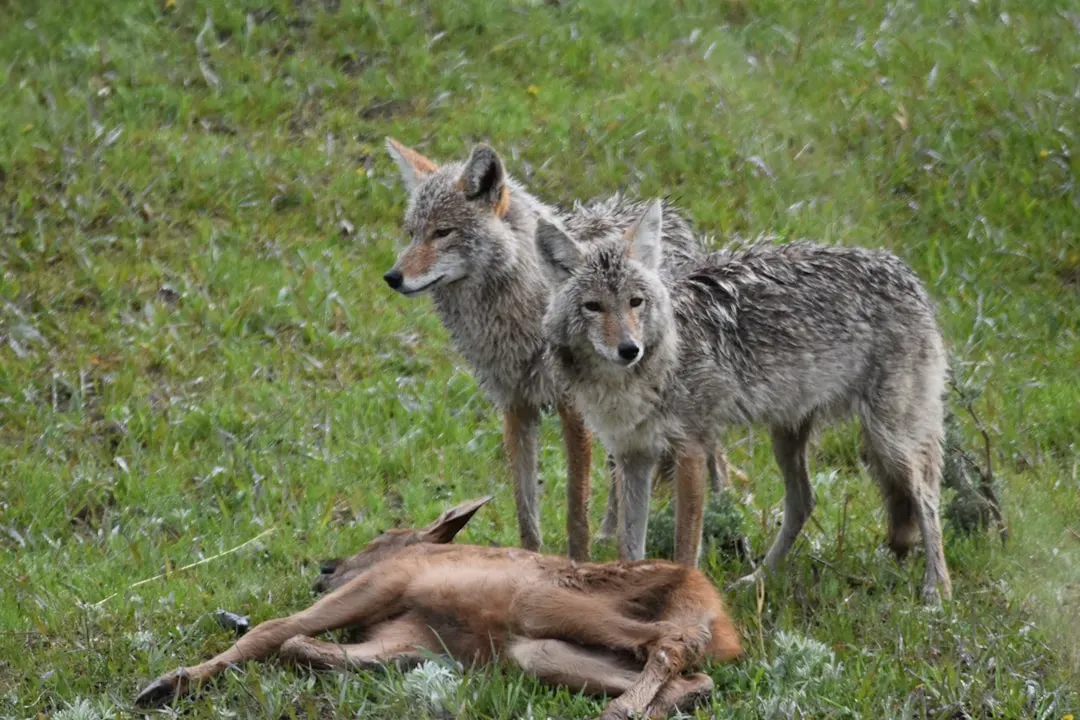
Another survival secret is their ability to hunt alone, in pairs, or in small family groups depending on the situation. When prey is small and abundant, like rodents or insects, a lone coyote does just fine, quietly working the fields or edges of a neighborhood. This makes them harder to detect and lets them spread out over more territory.
When larger or trickier prey is available, coyotes sometimes cooperate. They can coordinate to chase and corner animals like deer, or to test livestock defenses. This flexible social strategy means they are not locked into one way of hunting. They can switch modes like a driver changing gears, always looking for the most efficient way to turn effort into calories.
7. They Learn From Experience and Remember What Works
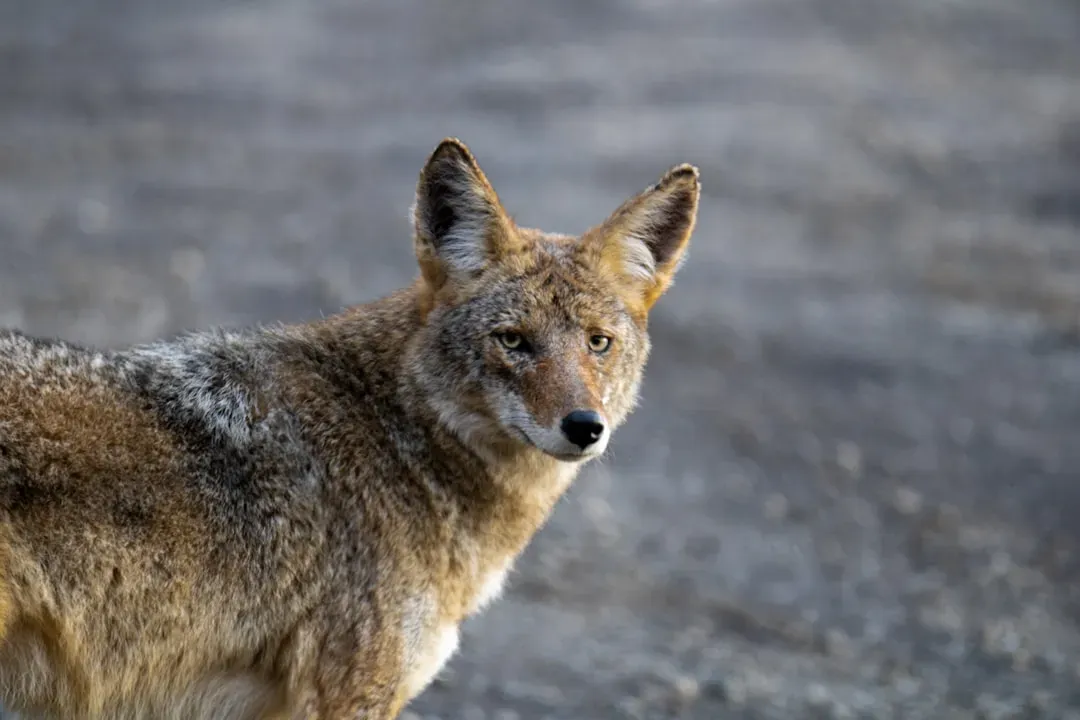
Talk to people who manage wildlife, and many will tell you that coyotes learn fast. If a certain field, trap, or barn always leads to danger, they quickly avoid it. They can associate specific smells, sounds, or human actions with risk, and they pass some of those patterns on to their offspring by example. This blend of instinct and learning creates a constantly evolving playbook for survival.
That learning capacity is why simple solutions, like a single scare device or one type of deterrent, often fail after a short time. Coyotes watch, experiment, and adjust. It is similar to how we figure out which shortcuts work in our daily commute: after a few bad traffic jams, we simply stop going that way. Coyotes do the same thing, except their stakes are much higher.
8. They Use Human Structures as Cover and Corridors
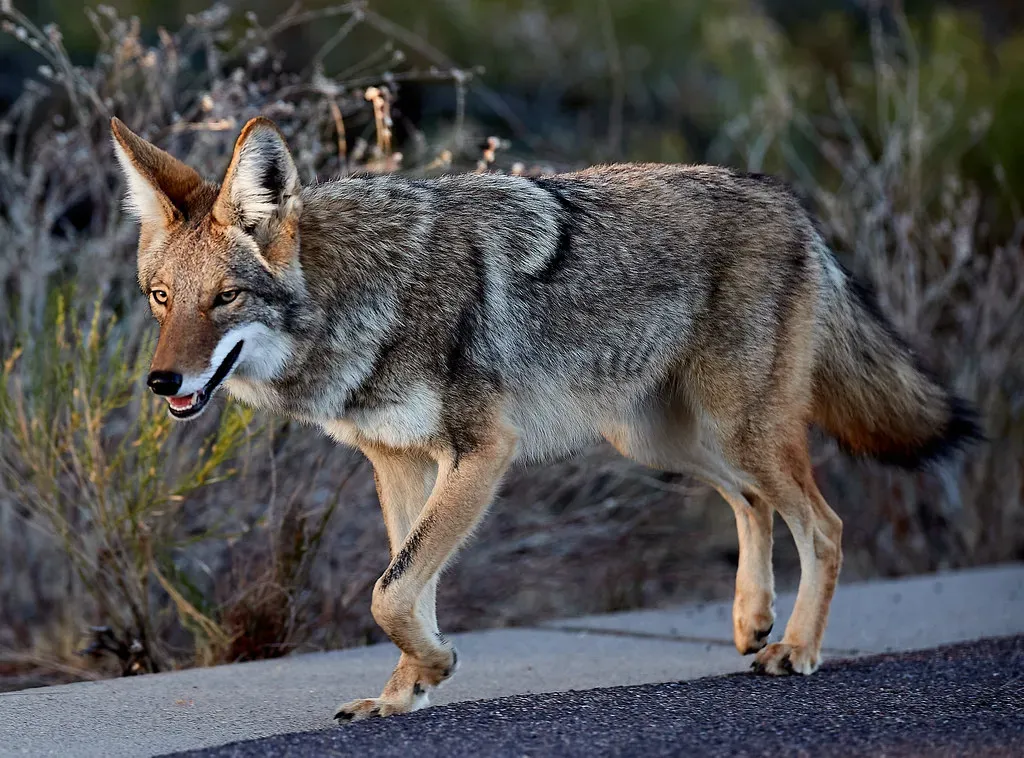
Instead of avoiding human-made structures, coyotes often use them as tools. Drainage ditches, railroad tracks, utility corridors, and highway embankments become travel routes that help them move quietly and quickly. They slip along fence lines, hide in patches of overgrown vegetation, and rest in unused corners of industrial areas where nobody bothers them.
This ability to treat our built environment like a second nature trail gives them access to new territories and food sources. It also explains how they can suddenly appear in places where people never saw them before. While we see walls and roads, they see paths, hiding spots, and edges where food, water, and shelter overlap. In a way, they have become experts at urban parkour.
9. They Keep Their Family Structure Surprisingly Stable
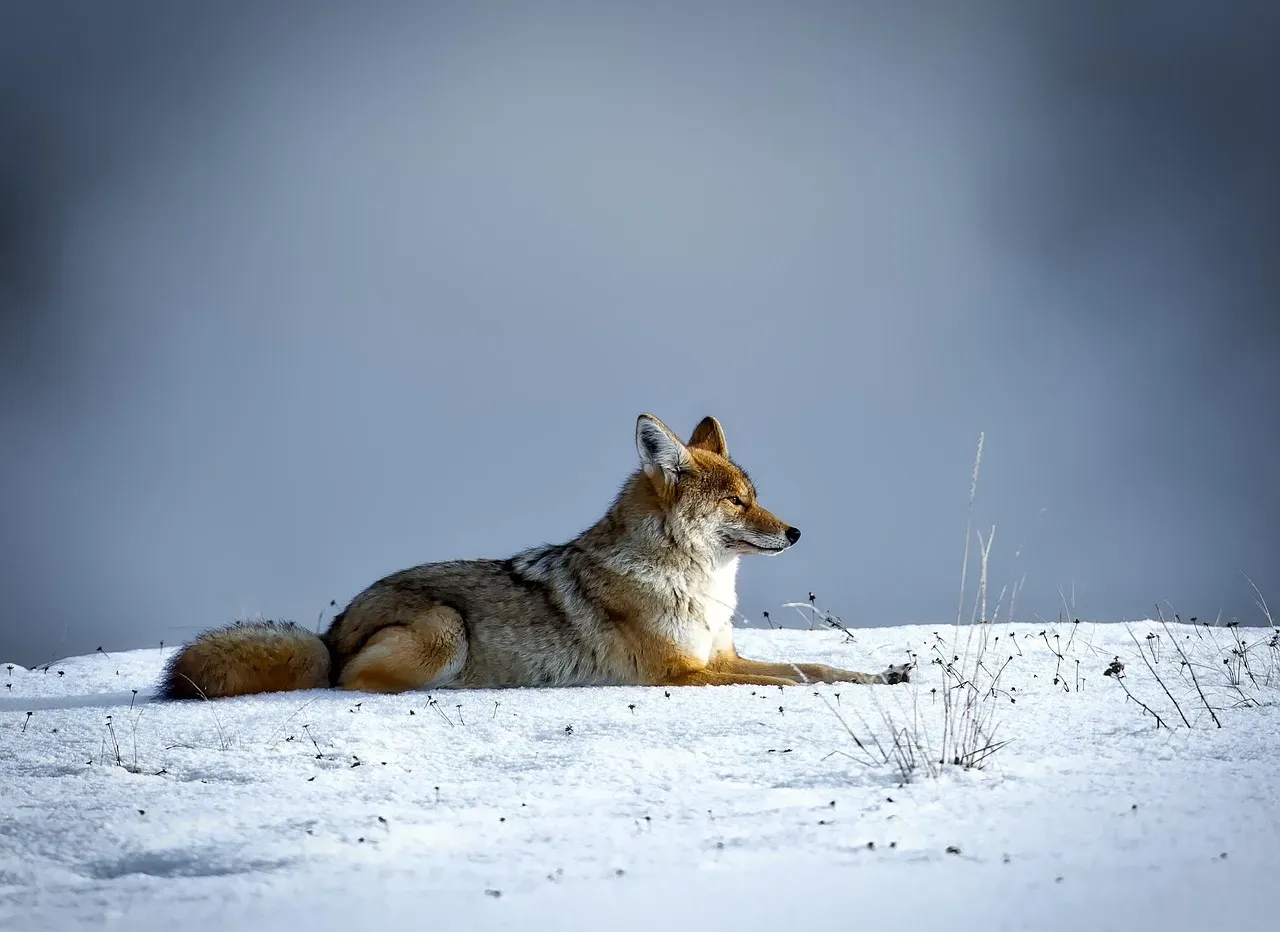
Despite their reputation as sneaky loners, many coyotes actually live in relatively stable family groups. A typical group might include a breeding pair and their offspring from one or more years, with older pups helping to raise the younger ones. This cooperative family structure allows them to defend territory, share information about danger, and coordinate hunting.
Stable family groups also help limit chaos. When an area has an established coyote family maintaining a territory, they can keep out other coyotes that might be less predictable or more desperate. Ironically, removing those resident coyotes can sometimes open the door for multiple newcomers, making conflicts with humans more likely. In that sense, a well-functioning coyote family can act as a kind of local management team.
10. They Bounce Back From Injury and Hard Times
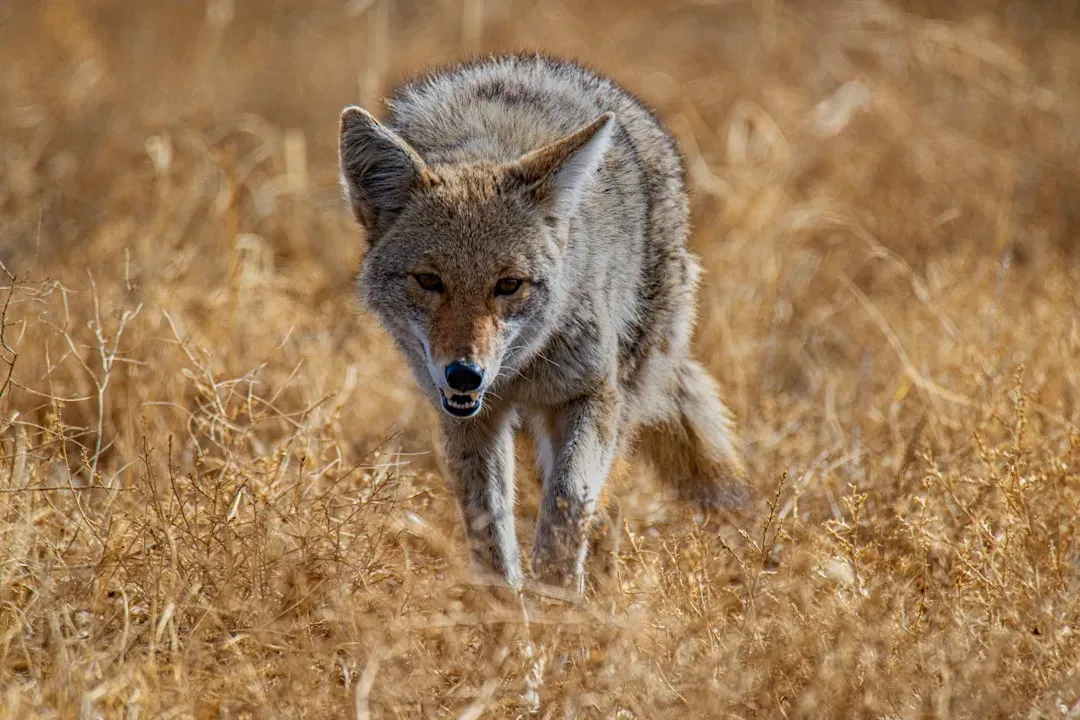
Coyotes are physically tough in a way that is almost unsettling. They can survive harsh weather, long periods with limited food, and injuries that would sideline many other animals. Their lean bodies, efficient metabolism, and cautious behavior reduce the chances that minor setbacks become fatal disasters.
On a broader scale, their populations have survived habitat loss, poisoning campaigns, trapping, and constant pressure, yet they remain widespread and often expanding. It is not that they are invincible; it is that they are remarkably good at bending without breaking. When you add that physical resilience to their mental adaptability, you start to understand why they are still here, watching us from the tree line.
Conclusion: The Survivor We Love to Hate (But Should Probably Respect)
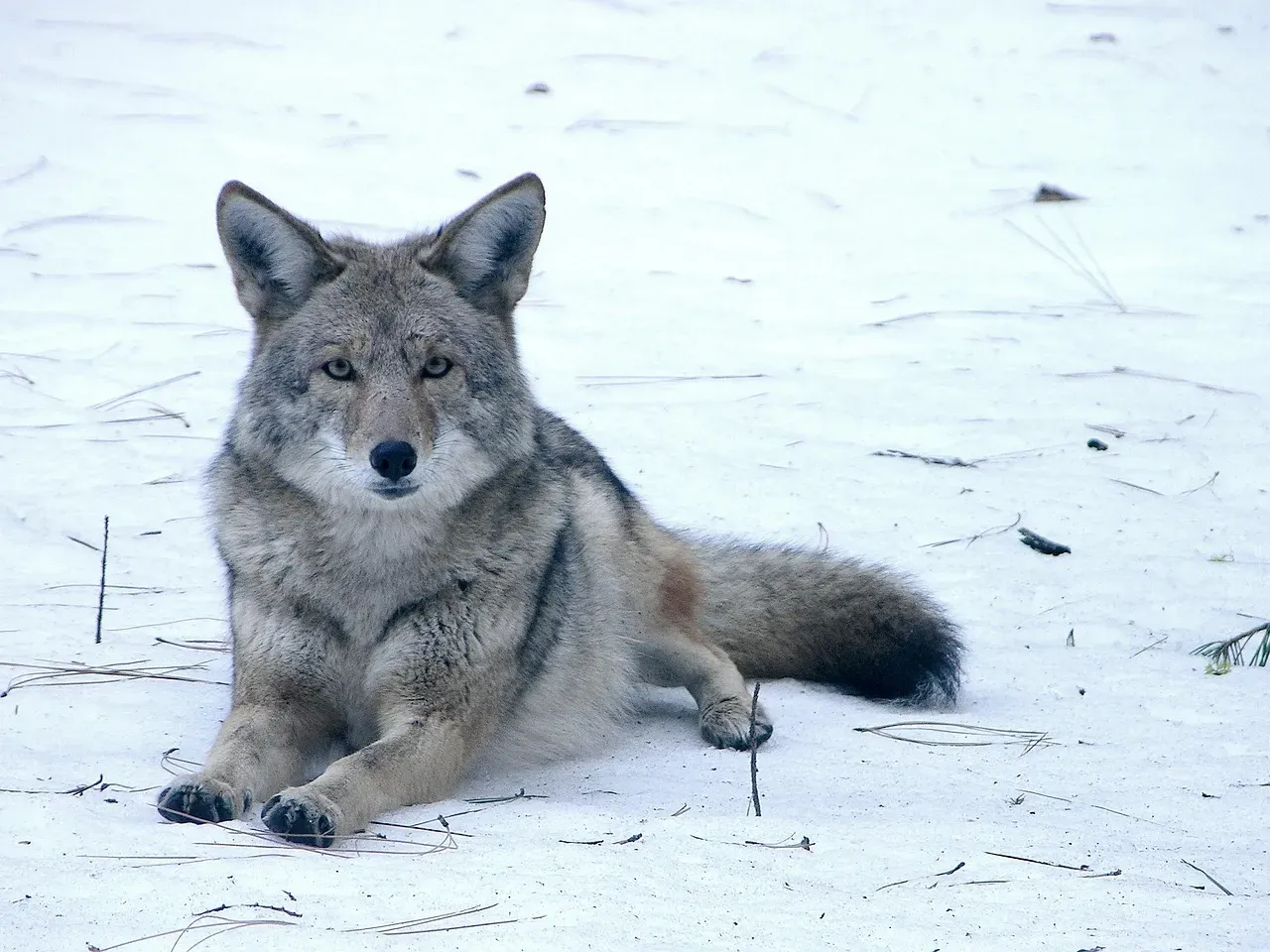
Whether we like them or not, coyotes have earned their place as one of America’s ultimate survivors. They have outmaneuvered our attempts to control them by being exactly what wild animals need to be in the twenty-first century: flexible, cautious, quick-learning, and willing to share our space without our permission. In a landscape where so many species are in decline, their success is both unsettling and strangely impressive.
Personally, I see them as a mirror we do not always enjoy looking into. They remind us that nature does not just vanish because we build houses and roads; it adapts, sneaks in, and learns our habits. You do not have to love coyotes to respect the raw survival skill they represent, but once you see how they operate, it is hard not to feel a grudging admiration. If you had to pick one animal to bet on in a rapidly changing America, would you really bet against the coyote?


