
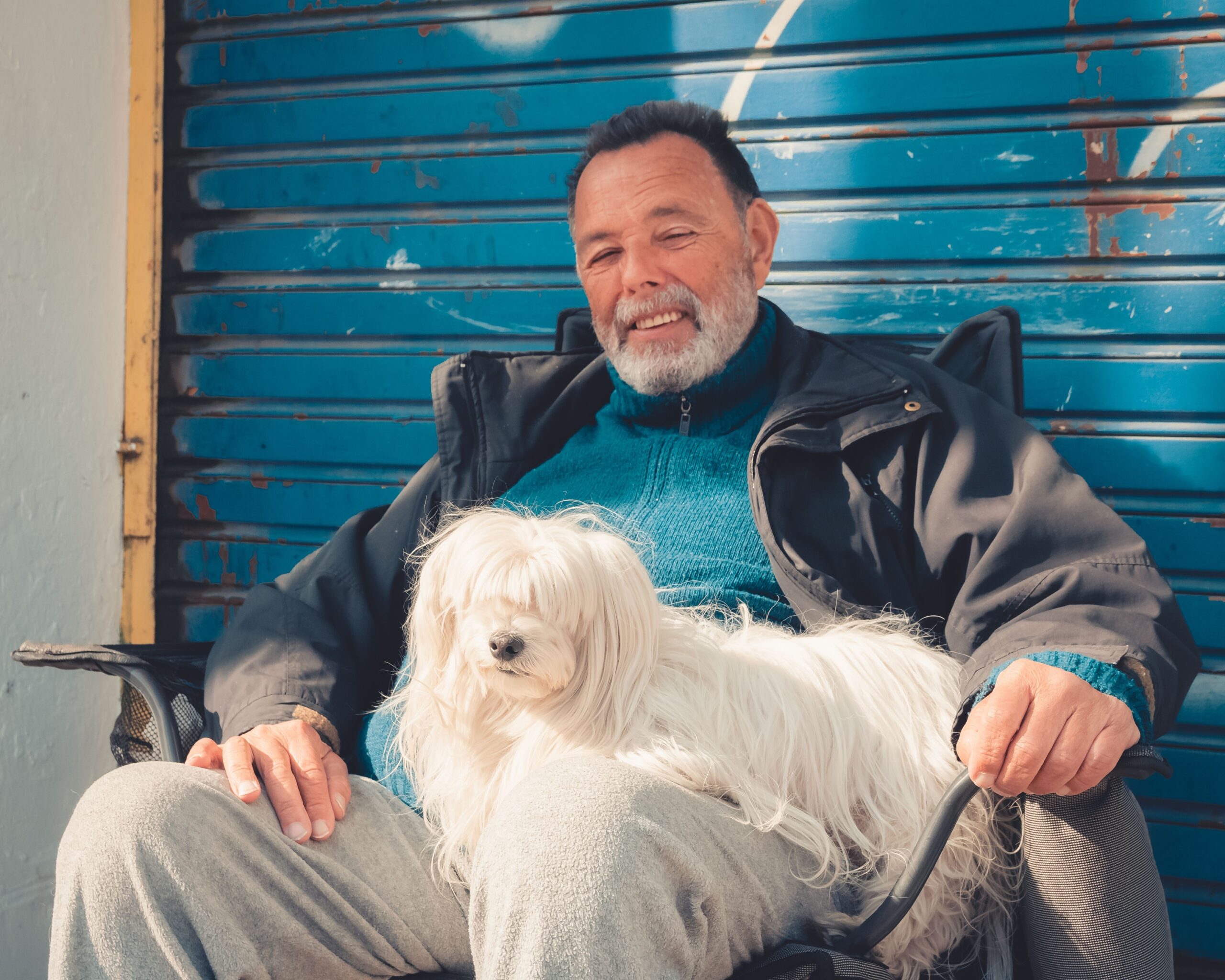
Retirement looks so different from what many of us imagined in our twenties. The calendar is suddenly wide open, your alarm clock starts collecting dust, and yet there’s this strange, echoing quiet. Then there’s the dog: tail thumping, eyes shining, absolutely convinced that this is the best chapter of life so far. And the wild thing is… they might be right.
If you’ve ever caught yourself thinking that your dog has done more for your happiness than any fancy retirement plan, you’re not imagining it. From lowering blood pressure to forcing you out for a walk on the days you’d rather stay glued to the couch, a dog can turn retirement from “What now?” into “What’s next?” in the most surprisingly powerful ways. Let’s dig into why that furry face might just be the best retirement gift you ever received.
1. Built‑In Daily Routine (Even When You Swore You Were Done With Schedules)
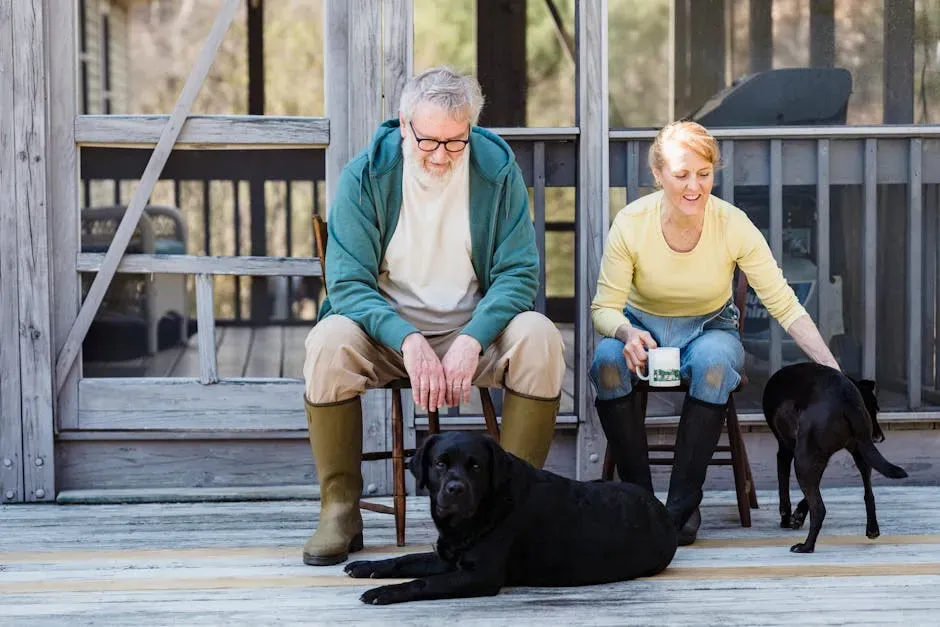
One of the biggest shocks about retirement is that time stops having edges. Without meetings, deadlines, and commutes, days can blur together in a way that feels freeing at first, then quietly disorienting. A dog slices through that fog with feeding times, potty breaks, and walk o’clock, whether it’s sunny or pouring rain.
This kind of gentle structure is more than just convenient; it’s psychologically protective. Researchers consistently find that a predictable daily rhythm supports better mood, sleep, and even cognitive health as we age. Your dog doesn’t know any of that science, of course. They just know that breakfast is at seven, and if you’re not up, they will personally fix that situation with a cold nose to the elbow.
2. Real Companionship That Fills The Quiet Spaces
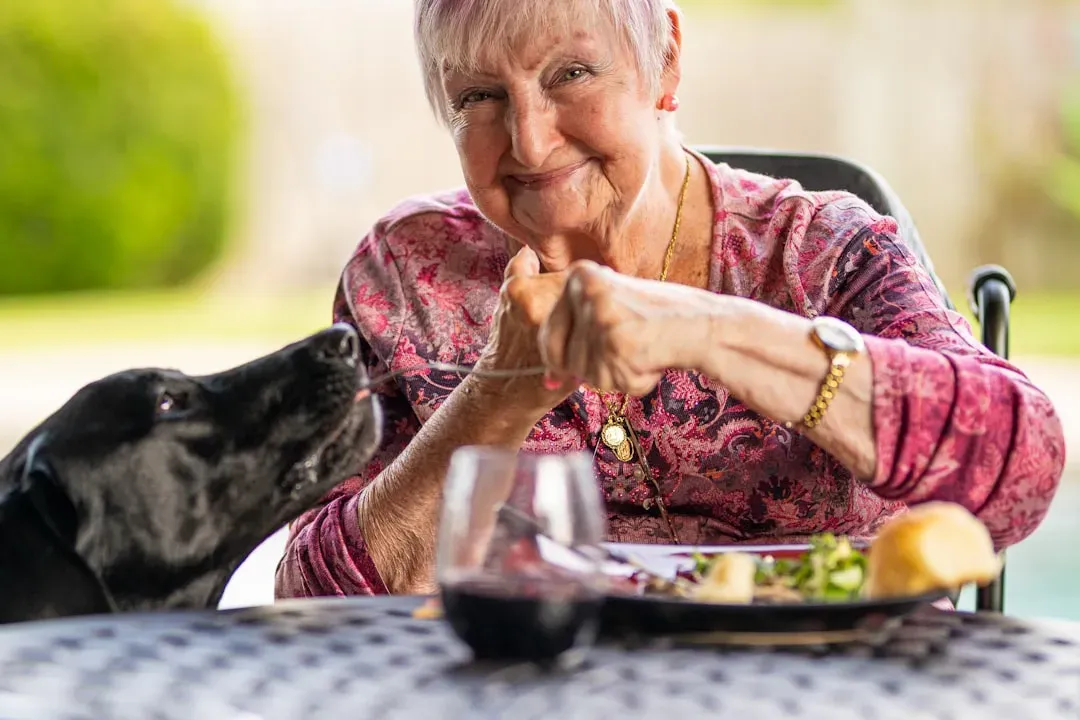
Retirement often comes with an uncomfortable truth: your social circle can shrink overnight. Work friends move on, kids are busy, and long stretches of quiet can feel heavier than you expected. A dog doesn’t “solve” loneliness in some magical way, but the constant presence of another living being in your space changes the emotional temperature of your home.
Studies on pet ownership in older adults show that people with dogs tend to report lower feelings of social isolation and higher levels of emotional support. The companionship is simple, wordless, and incredibly steady. Your dog is there for the mundane parts of life – the mail, the afternoon tea, the reruns – and somehow that shared everydayness makes those moments feel less empty and more like a life being lived together.
3. A Surprisingly Effective Mental Health Boost
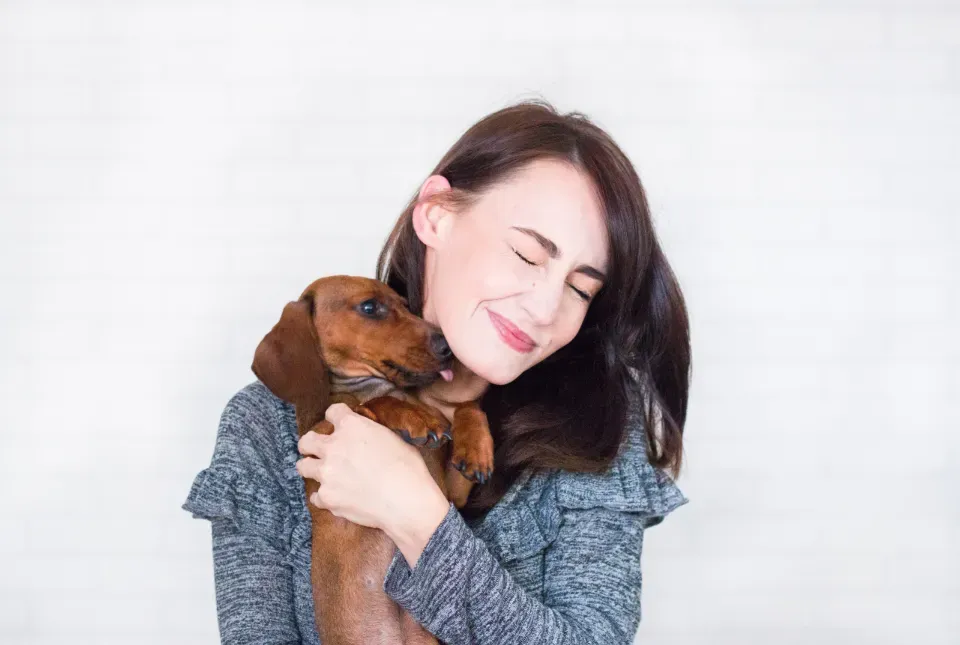
It’s easy to joke about dogs being “therapy,” but there’s serious science behind how powerfully they affect mood. Physical contact with a dog – petting, brushing, or even just resting your hand on their back – has been linked to lower levels of the body’s primary stress hormone and increased release of feel‑good brain chemicals. That combination makes your nervous system exhale, so to speak.
For retirees who may be facing big identity shifts, grief, or health worries, that emotional buffering matters. A dog gives you something to care for, something to look forward to, and something that reacts with pure joy when you walk into the room. It’s hard to ruminate endlessly on what you’ve lost in life when someone is grinning at you because you picked up the leash or rustled the treat bag.
4. Guaranteed Daily Exercise (Even When Motivation Is At Zero)
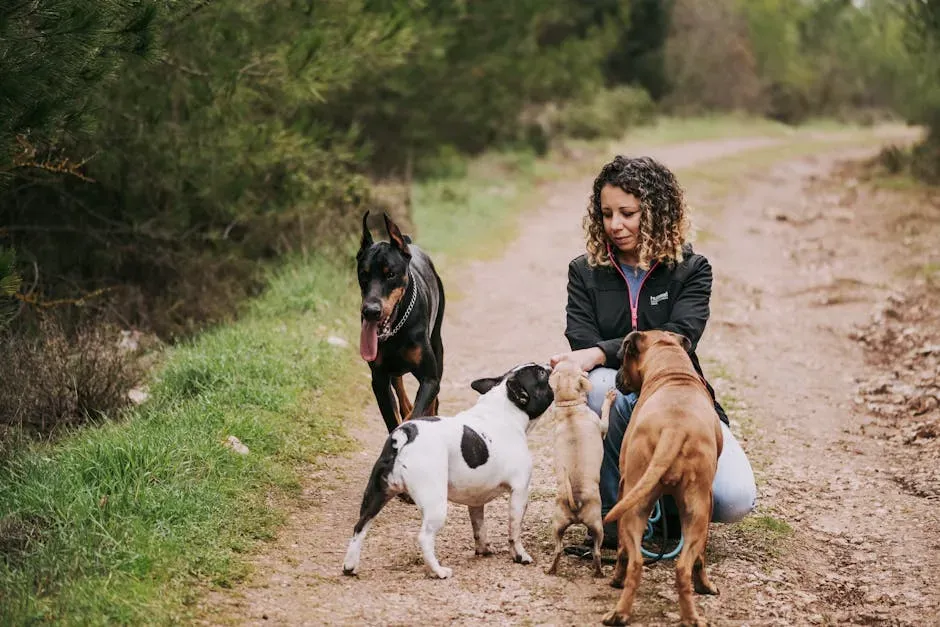
Every health expert on the planet keeps repeating the same advice: move more, sit less. But knowing that and actually doing it are wildly different things, especially when no one is scheduling your day anymore. A dog almost acts like a personal trainer you can’t cancel on; they require movement, and by extension, so do you.
Regular walking with a dog is associated with higher overall activity levels in older adults and better cardiovascular health compared with non‑dog owners. It does not have to involve power walking in expensive shoes, either. Even slow, sniff‑filled strolls work the muscles, joints, heart, and lungs. Over time, those walks quietly help maintain balance, endurance, and strength – the very things that keep you independent for longer.
5. A Natural Social Magnet That Pulls You Into The World

Have you noticed that strangers who would never glance up from their phones will suddenly smile and say hello when you have a dog with you? Dogs are social icebreakers in a way that few other things are, especially for older adults who may feel invisible in public spaces. You might start out chatting about breeds or funny quirks and end up with real, ongoing connections.
Research shows that dog ownership is linked with more frequent casual social interactions in neighborhoods and parks. These micro‑moments of contact – short conversations, familiar faces, shared laughter – may feel small, but they add up. Over months and years, they create a sense of belonging and community that is strongly tied to better mental and physical health in retirement.
6. A Stronger, More Resilient Heart (In More Ways Than One)
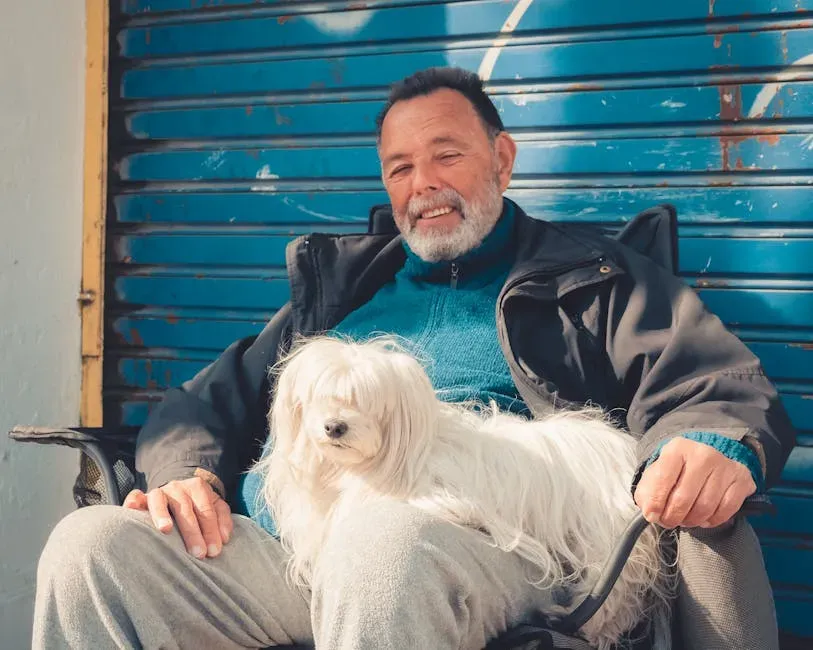
It sounds almost too good to be true, but multiple studies have found that dog owners, especially older adults, often have lower blood pressure, better cholesterol profiles, and reduced risk of fatal heart events compared with those without pets. It is not magic; it is the daily cocktail of more movement, more stress relief, and more emotional support all working quietly together.
There is a metaphorical heart benefit, too. Retirement can feel like someone quietly turned down the volume on your emotional life: fewer milestones, fewer surprises, fewer people needing you intensely. A dog re‑introduces emotional intensity in a good way. You worry about them, delight in them, and feel fiercely protective of them. That range of feeling, from tenderness to frustration to pride, keeps your emotional life vivid and alive.
7. Cognitive Stimulation You Didn’t Know You Needed
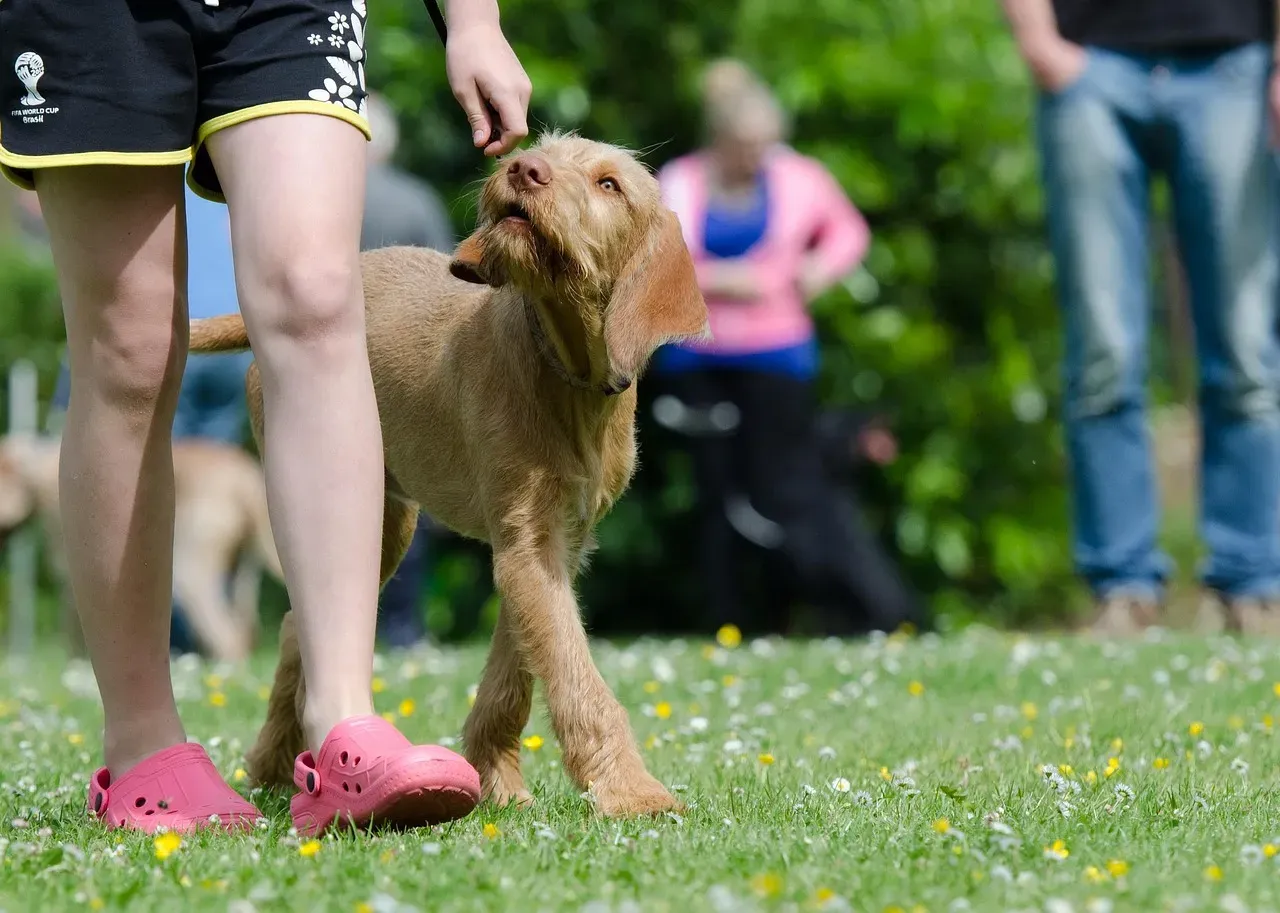
We talk a lot about crossword puzzles and brain games for cognitive health, but less about the mental workout involved in caring for another species. Training, problem‑solving, noticing subtle changes in behavior or appetite – these all require attention, memory, and flexible thinking. Even figuring out how to outsmart a dog who has learned how to open the pantry door is a kind of real‑world brain puzzle.
There is growing interest among researchers in how pet care might support healthy brain aging, partly because it adds complexity and novelty to daily life. Learning new training techniques, adjusting routines, and reading your dog’s body language keeps your brain engaged with the environment instead of slipping into autopilot. In a very down‑to‑earth way, your dog keeps your mind from retiring even when your job has.
8. A Renewed Sense Of Purpose And Being Needed
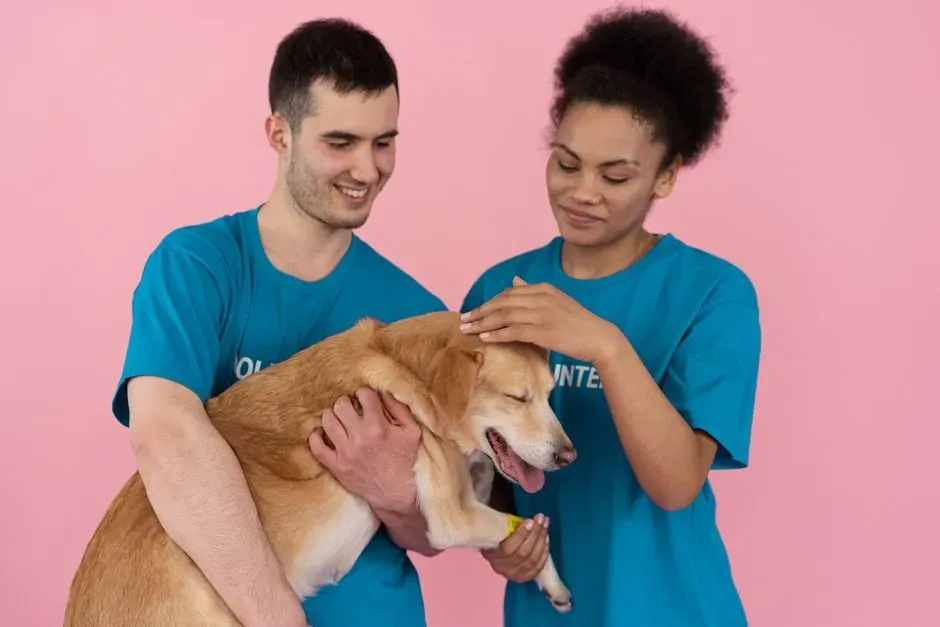
One of the most quietly painful parts of retirement is the feeling that you are no longer central to anything. Work does not revolve around you, kids are grown, and people are kind but they do not depend on you the way they once did. Your dog is the opposite: to them, you are the universe. You are the provider, protector, chef, playmate, and safe place to curl up at night.
Psychologists have long known that a strong sense of purpose is tied to better health outcomes, including lower risk of disability and even longer life. Caring for a dog gives you daily, concrete tasks that matter deeply to another living being. Food bowls, vet visits, grooming, nail trims – none of it is glamorous, but together it creates that quiet, sustaining feeling of “I matter and what I do matters.”
9. Emotional Regulation Lessons (Courtesy Of A Fur‑Covered Zen Master)

Watch a dog for a while, and you’ll notice something profound: they are unbelievably good at being fully present. They do not replay old arguments from 1998. They do not stress‑scroll news. They are here, now, sniffing this tree, napping in this sunbeam, thrilled about this exact squeaky toy. Being around that kind of presence is contagious in small but meaningful ways.
Many retirees report that spending time with their dog helps them calm down faster after stress, shift their mood more easily, and stay grounded when life feels uncertain. The simple rituals – stroking soft fur, watching a chest rise and fall while they sleep, playing tug in the living room – function almost like informal mindfulness exercises. Without ever reading a single self‑help book, your dog quietly teaches you how to let go and come back to the moment.
10. A Bridge Between Generations And Family Members
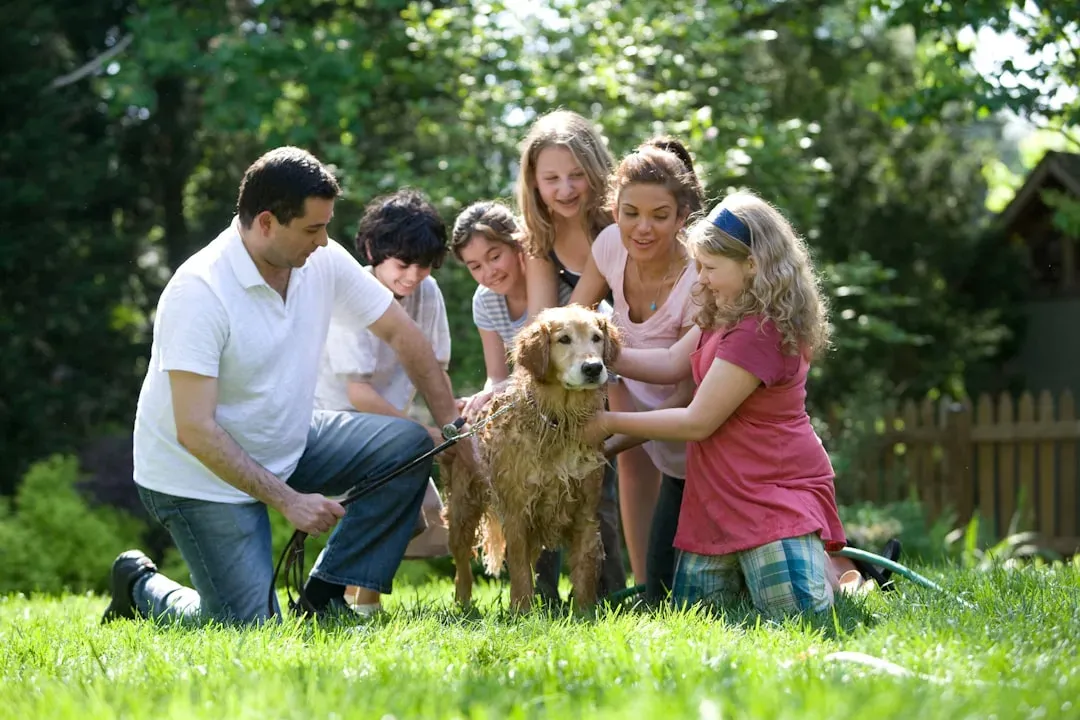
Dogs often become the emotional center of extended families. Grandkids may be shy with adults but fearless and giggly around the dog. Adult children who do not know what to talk about sometimes relax when the focus shifts to the family pet’s latest antics. In this way, the dog becomes a shared point of connection that smooths over awkward gaps.
For retirees, that bridging role can be invaluable. It gives you an easy, joyful reason to invite people over and a way to participate in family life that is not about giving advice or solving problems. Photos, funny videos, and shared walks become new traditions. Instead of feeling like you are watching your family from the sidelines, the dog pulls you physically and emotionally back into the middle of things.
11. Motivation To Plan, Travel, And Explore Differently

Having a dog changes the way you move through the world, including how you travel and explore in retirement. Maybe you choose road trips over flights because the dog can come along, or you discover pet‑friendly cabins, coastal paths, or parks you never would have visited otherwise. The dog becomes a reason to say yes to new environments instead of staying locked into familiar routines.
This kind of mild adventure is powerful for aging well. Novelty and exploration are associated with better mood and resilience, but many retirees feel hesitant about big, complex trips. A dog encourages modest, doable adventures – new walking routes, different neighborhoods, weekend getaways within driving distance. Step by step, they keep your world from shrinking too small, which can happen quietly and quickly after leaving the workforce.
On a smaller scale, even errands shift. You might pick cafés with outdoor seating, seek out dog‑friendly shops, or time your day around the best off‑peak hours at the park. Life gains a sense of flow and variety because you are not only asking what you want, but also what will delight this ridiculous creature who thinks riding in the car is the greatest event of the month.
12. A Gentle, Daily Reminder Of Life’s Finite, Precious Nature
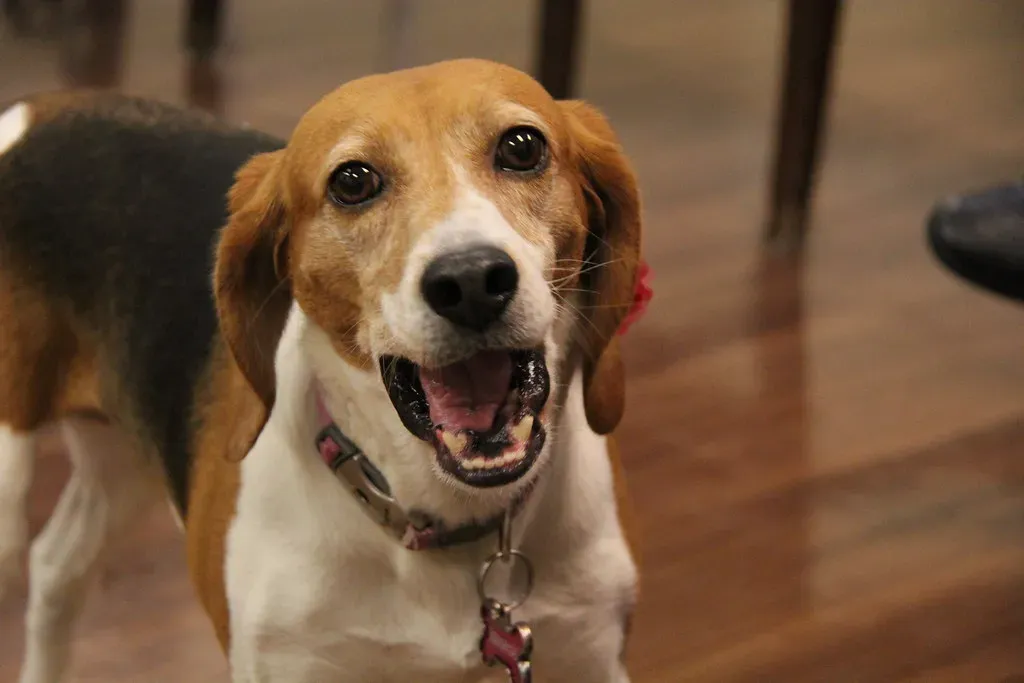
This part is harder to talk about, but it might be the most important reason your dog is such a powerful retirement gift. Dogs do not live as long as we do. Their lives move in fast‑forward: puppy chaos, confident adulthood, grey muzzles. Watching that arc up close can be heartbreaking, but it is also clarifying in a way that spreadsheets and life insurance policies never are.
Living with a dog in retirement means being confronted, quietly and often, with the fact that time is limited – for them and for you. Instead of being purely depressing, this awareness often nudges people toward more intentional, present living. You say yes to the walk. You take the photo. You sit on the floor and play. Your dog becomes a furry, joyful reminder that these ordinary days are not rehearsal; they are the main event.
Conclusion: The Retirement Plan No Financial Advisor Can Sell You
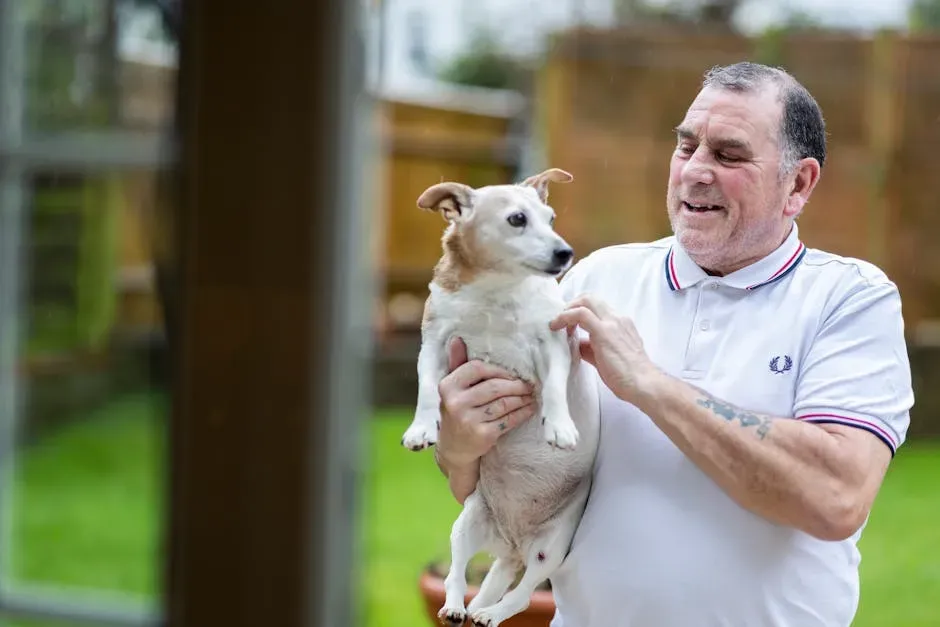
If you lay out the data, the case is almost embarrassingly strong: dogs boost physical activity, support cardiovascular health, cushion stress, ease loneliness, and encourage social connection. But numbers alone miss the point. The real magic is in the messy, unscripted moments – the nose nudges, the muddy paw prints, the way your dog looks at you like you are still the most fascinating person on the planet, even when you are in pajamas at three in the afternoon.
From my own perspective, and from countless retirees I have seen absolutely transformed by a four‑legged roommate, I think we underestimate just how profound this “pet” relationship can be. Your dog is not just a hobby to fill your time; they are a partner in building this next chapter of your life into something vibrant, loving, and oddly brave. When you look back years from now, will you see them as a gift you gave yourself – or as the gift that quietly saved your retirement from becoming a slow fade into the background?


