

Some people walk into a room and instantly command it. Others slip in quietly, observe everything, and then strike with a clever one-liner that changes the vibe. And then there are those who go with the flow, adapting to whatever is happening without losing themselves. Believe it or not, these three social styles line up surprisingly well with three wild canines: the wolf, the fox, and the coyote.
This is not about spirit animals in a fantasy sense. It is about how these real animals actually behave in the wild, what science knows about them, and the quirky ways their instincts mirror our own social lives, ambitions, and emotional patterns. As you read through, you might find yourself uncomfortably exposed by the wolf’s loyalty, the fox’s mischief, or the coyote’s survivor mentality. By the end, you might see your “inner canine” more clearly than you ever expected.
The Wolf: Leadership, Loyalty, and the Power of the Pack
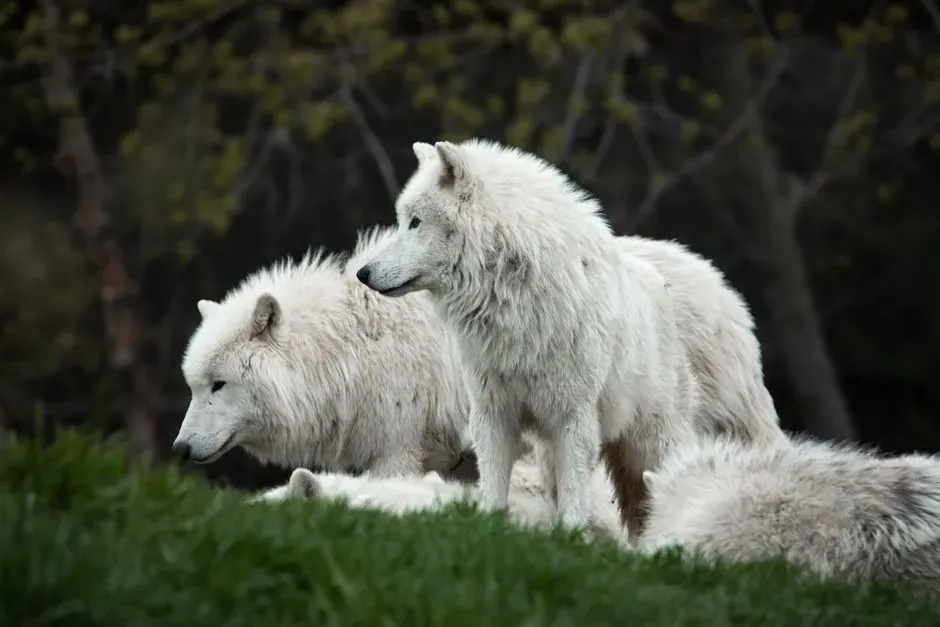
Think about that one person who naturally becomes the center of a group without loudly demanding attention. That is wolf energy. In the wild, wolves are intensely social animals that live in structured family units. They rely on cooperation to hunt, raise pups, defend territory, and even mourn their dead. If you are the type who feels uneasy when your friendships are out of balance or your team is disorganized, you may be closer to the wolf than you realize.
Wolves get called “alphas” in casual conversation, but that old idea of constant dominance battles is mostly outdated. Real wolf packs are usually family groups led by experienced adults who keep order, resolve tension, and guide the young through harsh seasons. If you naturally mentor others, step up in a crisis, or quietly carry responsibilities no one else sees, your inner nature might align with the wolf: loyal, protective, and sometimes tired from holding so much together.
The Fox: Intelligence, Flexibility, and a Knack for Mischief
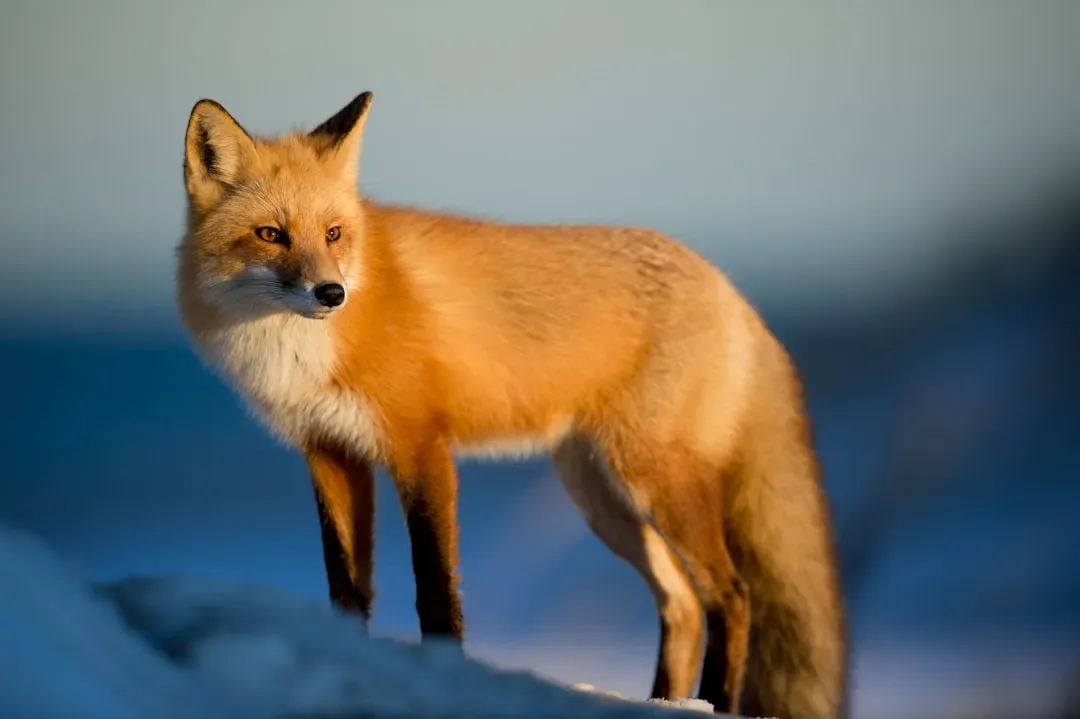
Foxes are the clever improvisers of the wild canine world. They live in an in-between zone: not as heavily pack-bound as wolves and not as loose and roaming as coyotes. They thrive in diverse environments, from deep forests to urban back alleys, adjusting their behavior on the fly. If you are the friend who can pivot plans in a second, find the shortcut, and keep things fun when everyone else is stressed, that is strong fox energy.
Scientifically, foxes show notable problem-solving skills and a remarkable willingness to experiment with new strategies, especially around food and shelter. Personality-wise, fox-like people often get labeled as “tricksters” or “too clever,” but at their best, they bring creative solutions where others see dead ends. You might stretch rules, bend expectations, or dodge rigid structures, not because you are irresponsible, but because your brain is wired to ask: is there a smarter, smoother way to do this?
The Coyote: Adaptability, Resilience, and the Art of Survival
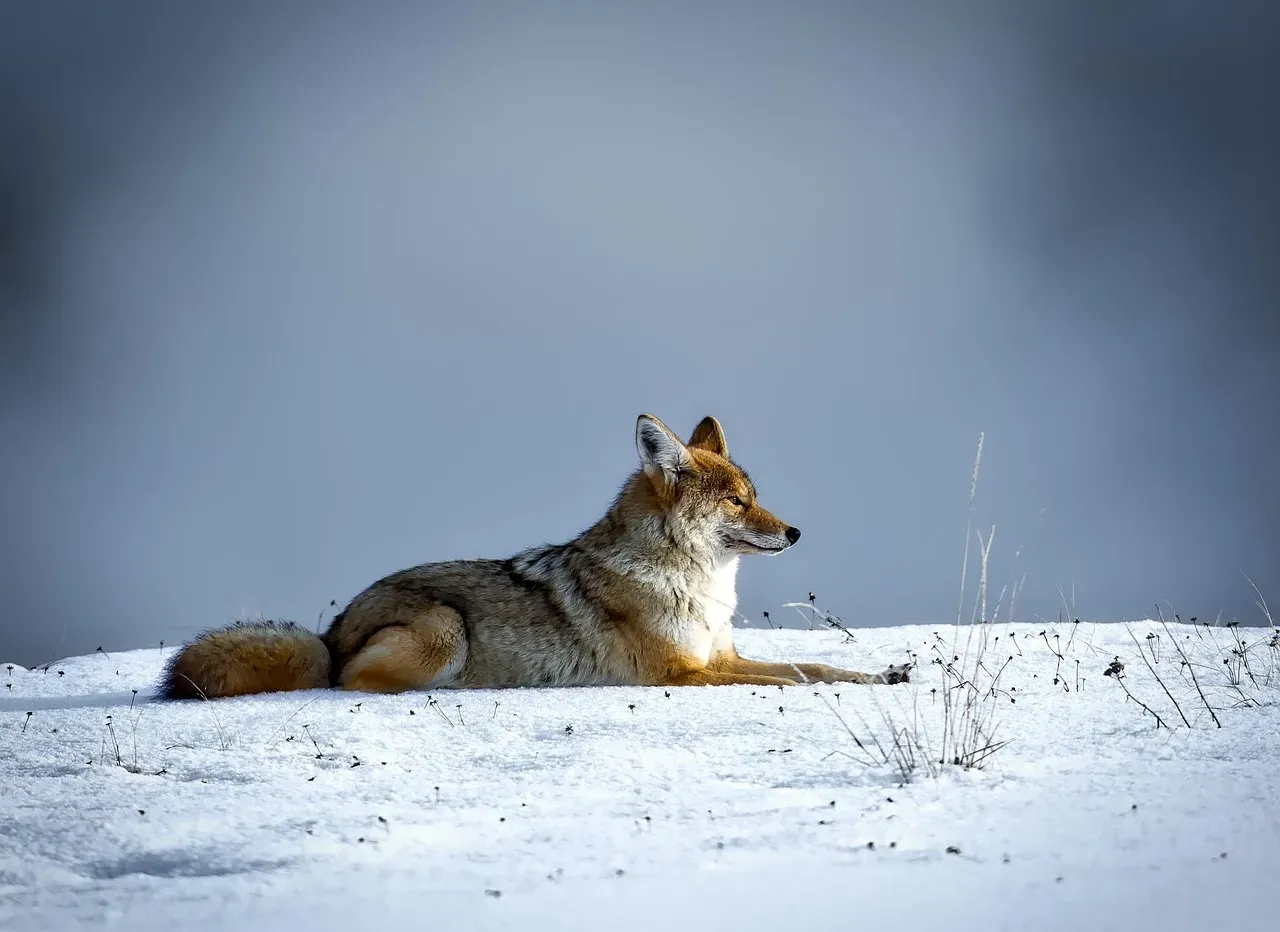
If there is one animal that refuses to disappear no matter what humans throw at it, it is the coyote. Coyotes have expanded far beyond their original range, now living in deserts, forests, suburbs, and even major cities. They shift diet, movement patterns, and social structure depending on what the environment demands. If you have repeatedly reinvented yourself after setbacks, or you grew up needing to be resourceful rather than comfortable, your soul might be humming in tune with the coyote.
Coyotes can live alone, in pairs, or in small family groups, which gives them huge flexibility. That is very different from the fixed pack model of wolves. Emotionally, coyote-like people may carry a quiet toughness: a sense that they can handle chaos, rejection, or rapid change, even if they do not always feel understood. Others might underestimate you or stereotype you, but you keep moving, adjusting, and finding openings where more rigid personalities would break.
Social Style: Are You Pack-Bound, Solo-Clever, or Shape-Shifting?
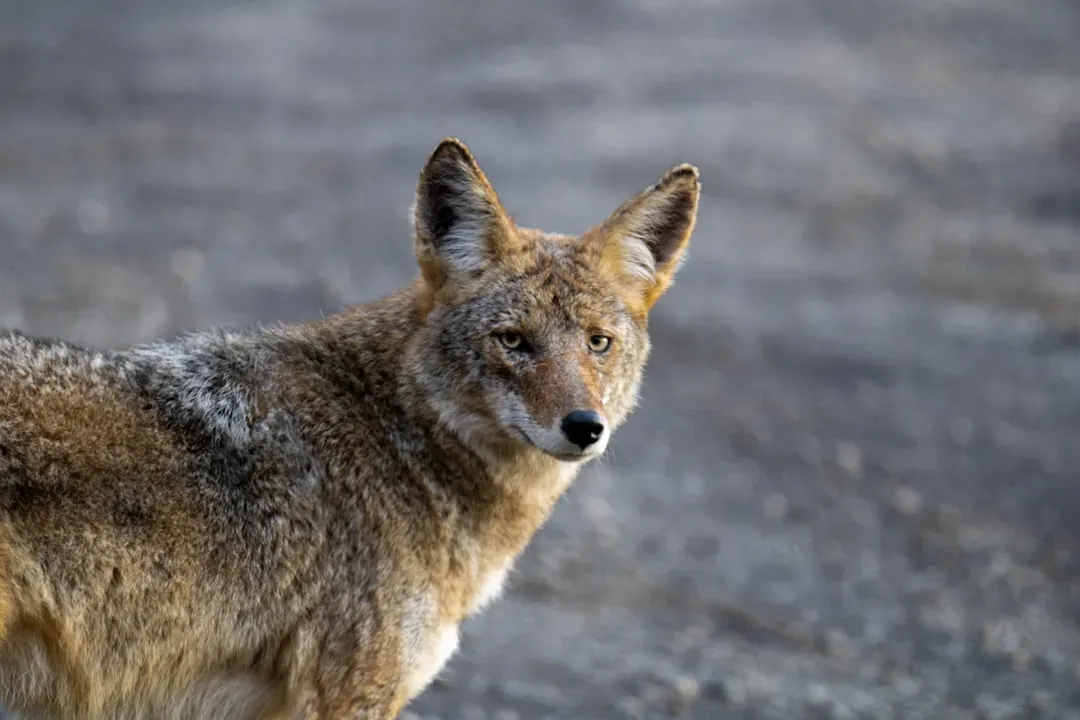
One of the clearest ways to sense your inner canine is to look at how you relate to groups. Wolf-leaning people usually feel safest when they know where they stand in a stable “pack” – close friends, a tight-knit family, or a loyal team. They are drawn to shared rituals, consistent check-ins, and long-term commitments. When those bonds fracture, it hits them deeply, often more than they are willing to admit.
Fox-like personalities, in contrast, tend to bounce between groups, keeping a wider social web with fewer heavy obligations. They charm, they entertain, they bring ideas, but they also maintain a bit of distance, like an escape hatch. Coyotes sit in an interesting middle ground: they may crave connection, but their default expectation is that they need to be ready to fend for themselves. If you are comfortable switching roles depending on the room you are in – leader in one group, observer in another, outsider by choice in a third – that is very coyote-coded social behavior.
Risk, Strategy, and How You Handle Uncertainty
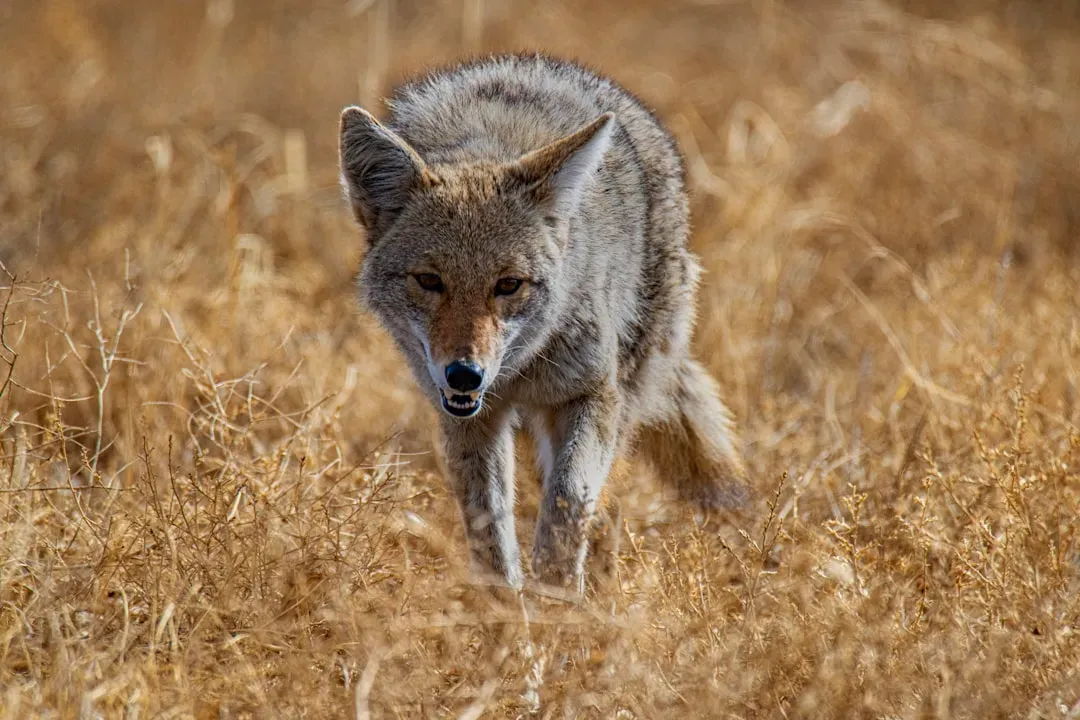
Imagine you get thrown into a new job, a new city, or a sudden life upheaval. Do you look for a structured hierarchy to plug into, do you start exploring hidden side doors, or do you simply start walking and figuring it out as you go? Wolves, foxes, and coyotes all handle uncertainty differently, and those patterns show up in human behavior too. Wolves tend to form alliances and rely on cooperation; when they face scarcity in the wild, they adapt strategies as a group.
Foxes lean heavily into exploration and experimentation, sampling different options until something works. They are the ones who read the rules once and then immediately look for creative loopholes. Coyotes, on the other hand, specialize in surviving the unscripted. When humans alter landscapes or remove other predators, coyotes are often the ones that quickly adjust their movements, hunting patterns, and even daily schedules. If, in your own life, you are the person who shrugs at chaos and thinks, “Fine, I will adapt again,” you are walking the coyote road, whether you intended to or not.
Communication, Expression, and Emotional Signaling
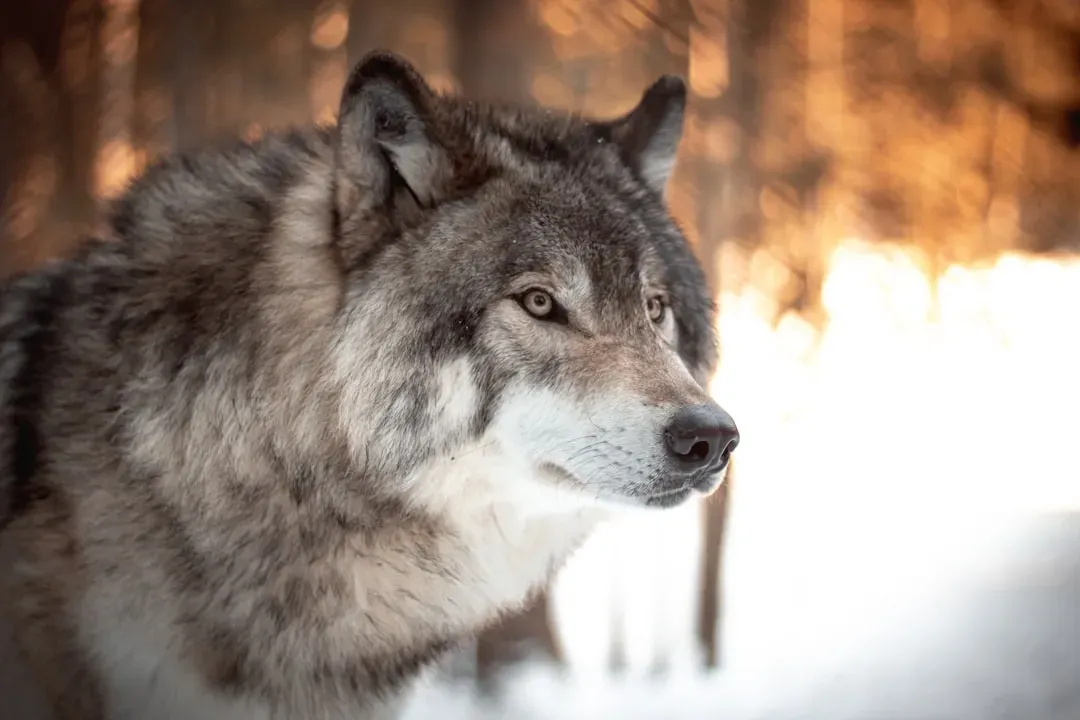
Wolves are famous for their howls, but those sounds are not just dramatic background noise. They use a rich range of vocalizations and body language to coordinate hunts, locate each other, and maintain emotional bonds. In human terms, the wolf type is someone who values clear, consistent communication and feels deeply disturbed when important conversations are avoided. They often become the emotional anchor in their circles, the one who checks in when others go silent.
Foxes and coyotes communicate in more fragmented, situational ways: quick barks, yips, subtle movements, and context-based calls. Fox-leaning people might rely more on humor, teasing, and indirect signals to express their feelings, using playfulness to soften vulnerability. Coyote types often develop a sharp radar for reading the room, picking up tension or danger before others notice. They might not be the longest talkers, but they notice everything and adjust their tone to keep themselves and their “tribe” safe, even if that tribe is just a couple of trusted people.
Your Work Life: Alpha Organizer, Creative Outlier, or Quiet Survivor?

Look at how you behave in professional or goal-driven settings. Wolves often become natural organizers: they remember deadlines, worry about group performance, and feel personal responsibility for collective outcomes. Even if they are not officially in charge, others look to them when decisions get hard. This can be rewarding but also exhausting, especially when they lack real authority or support.
Fox types are the creative outliers, the ones who come up with unconventional solutions, challenge assumptions, and resist repetitive routines. They can struggle in environments built on strict hierarchy or heavy micromanagement. Coyote types might not always chase status, but they master survival in tough systems. They find side gigs, backup plans, and quiet ways to protect their energy. If you have ever juggled multiple jobs, navigated unstable situations, or repeatedly rebuilt your career, you have already lived a very coyote-flavored professional story.
Boundaries, Instinct, and How You Protect What Matters
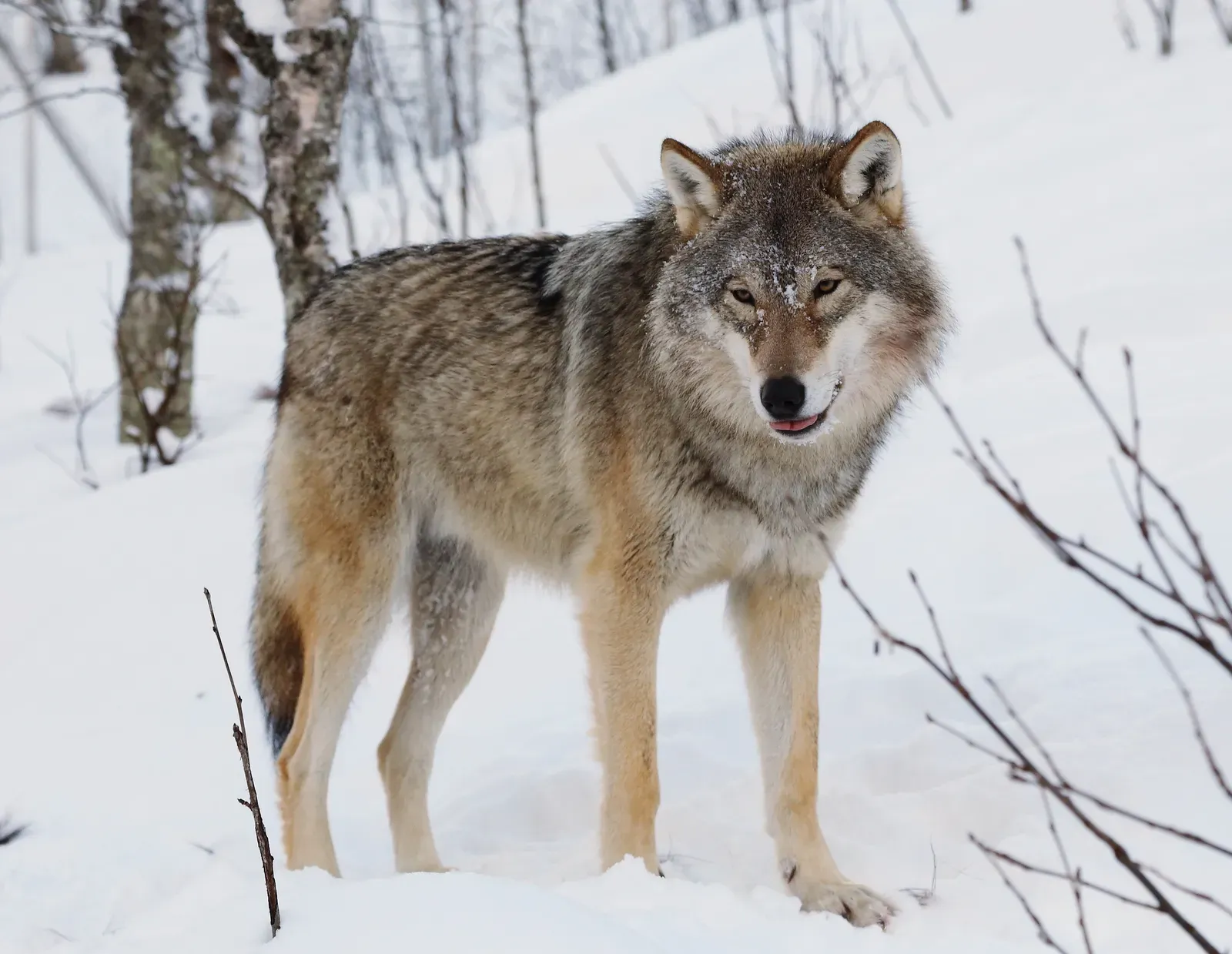
In the wild, territory is survival: it is food, safety, and the future of the next generation. Wolves, foxes, and coyotes all defend space in different ways, and humans do something similar with emotional and psychological boundaries. Wolf-like people guard their pack fiercely. Betray someone they consider family, and the rupture can be permanent. They may not explode often, but when they finally snap, it is usually because core loyalty was violated.
Fox-leaning personalities defend their independence and their freedom to choose. They are quick to withdraw if they feel cornered, controlled, or boxed in. Coyotes draw boundaries around sheer survival and energy management. They may put distance between themselves and draining people, chaotic environments, or anything that threatens their ability to keep going. If you have ever quietly stepped back from a situation that was slowly eroding your sanity, without making a big speech about it, that is very coyote-like: protect first, explain later if at all.
So Which Wild Canine Are You Really Most Like?
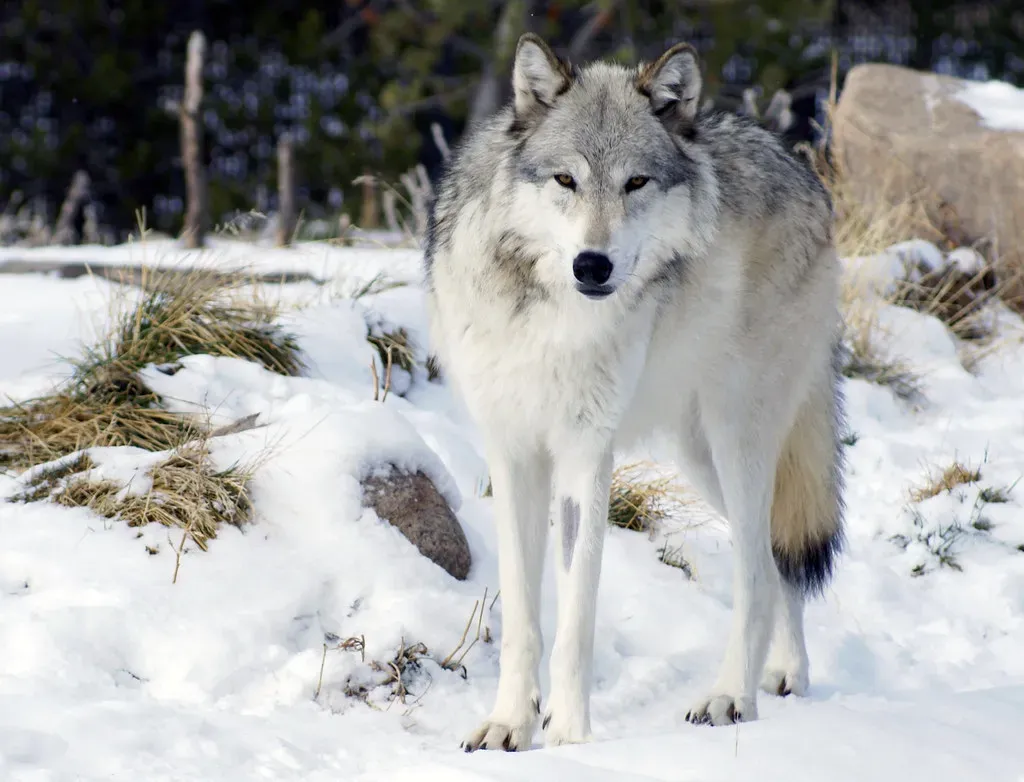
Here is the twist: you are almost certainly not just one of these. Most people carry a blend – maybe you are a wolf at home, a fox at work, and a coyote when life hits hard. Personally, I have noticed that I gravitate toward wolf roles in relationships, constantly trying to keep everyone connected, but in unstable environments I flip into coyote mode, watching for exits and conserving my energy. You might recognize the same shifting patterns in yourself when you compare different jobs, friendships, or life stages.
What matters is not squeezing yourself into a tidy label, but noticing the instinctive strategies you rely on most: do you seek structure and loyalty, chase clever opportunities, or adapt to chaos with rugged resilience? Once you see your inner wolf, fox, or coyote more clearly, you can choose when to lean into it and when to borrow traits from the others. Maybe your wolf loyalty needs more fox creativity, or your coyote toughness needs more wolf-level connection. The wild question lingering after all this is simple and a little unsettling: now that you see yourself more clearly, which canine nature will you feed next?


