
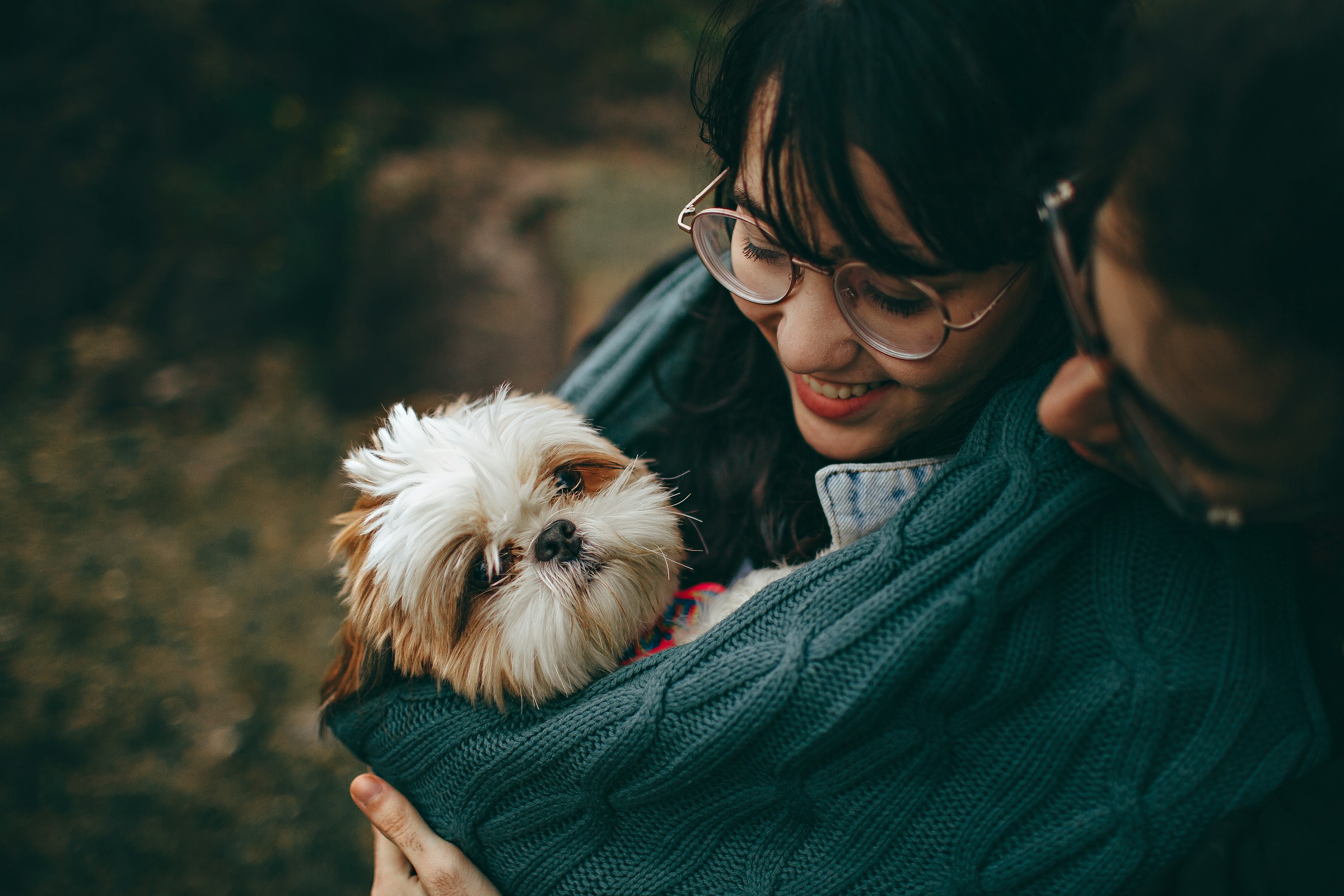
If you dream of reading a novel in peace with a dog curled at your feet instead of barking at every passing leaf, you’re in the right place. Some dogs are natural introverts: gentle, observant, and far more interested in napping on the couch than announcing every car door outside. , choosing the right breed can be the difference between a cozy sanctuary and a daily noise show.
Quiet does not mean boring, though. Many of these dogs are deeply expressive in softer ways: a nudge of the nose, a heavy sigh on your lap, slow blinks from across the room. Below are twelve breeds known for being relatively calm and low on the barking scale, along with what it actually feels like to live with them day to day.
1. Greyhound – The Surprisingly Silent Couch Sprinter
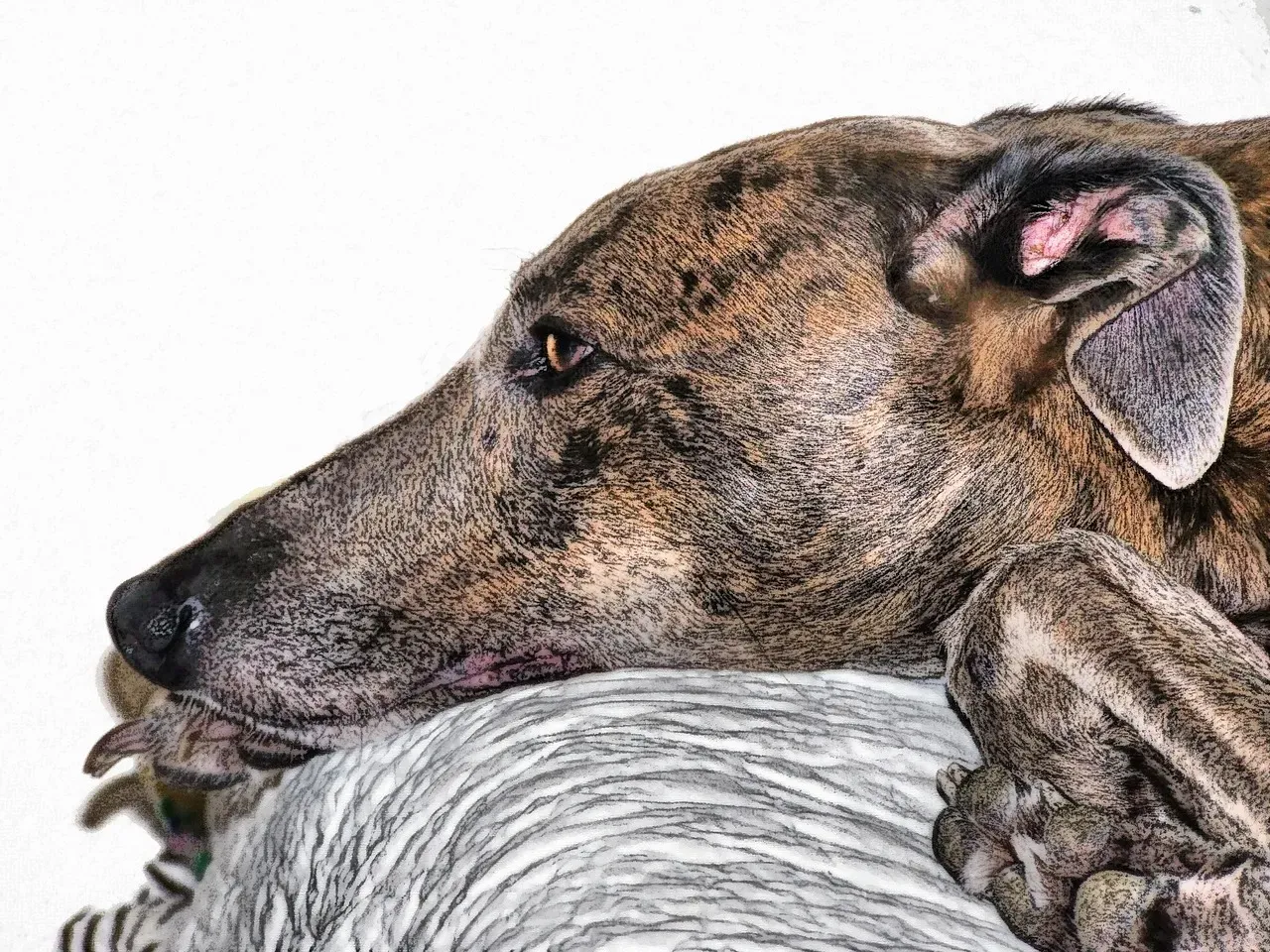
It shocks many people that a dog built for racing is one of the calmest housemates you can find. Off the track, Greyhounds are often described as gentle, reserved, and almost catlike in how quietly they move around the house. They tend to save their energy for short bursts of high-speed zoomies and then spend the rest of the day snoozing, often perfectly content to lounge while you turn pages for hours.
Greyhounds are usually not big barkers; many owners report they rarely hear a peep except in genuinely exciting or alarming moments. They do best with regular but moderate exercise, like one or two nice walks a day and the occasional chance to run in a secure area. After that, they’re more than happy to curl up in a soft bed and become your long-limbed, silent reading buddy.
2. Whippet – The Gentle Shadow With a Soft Presence
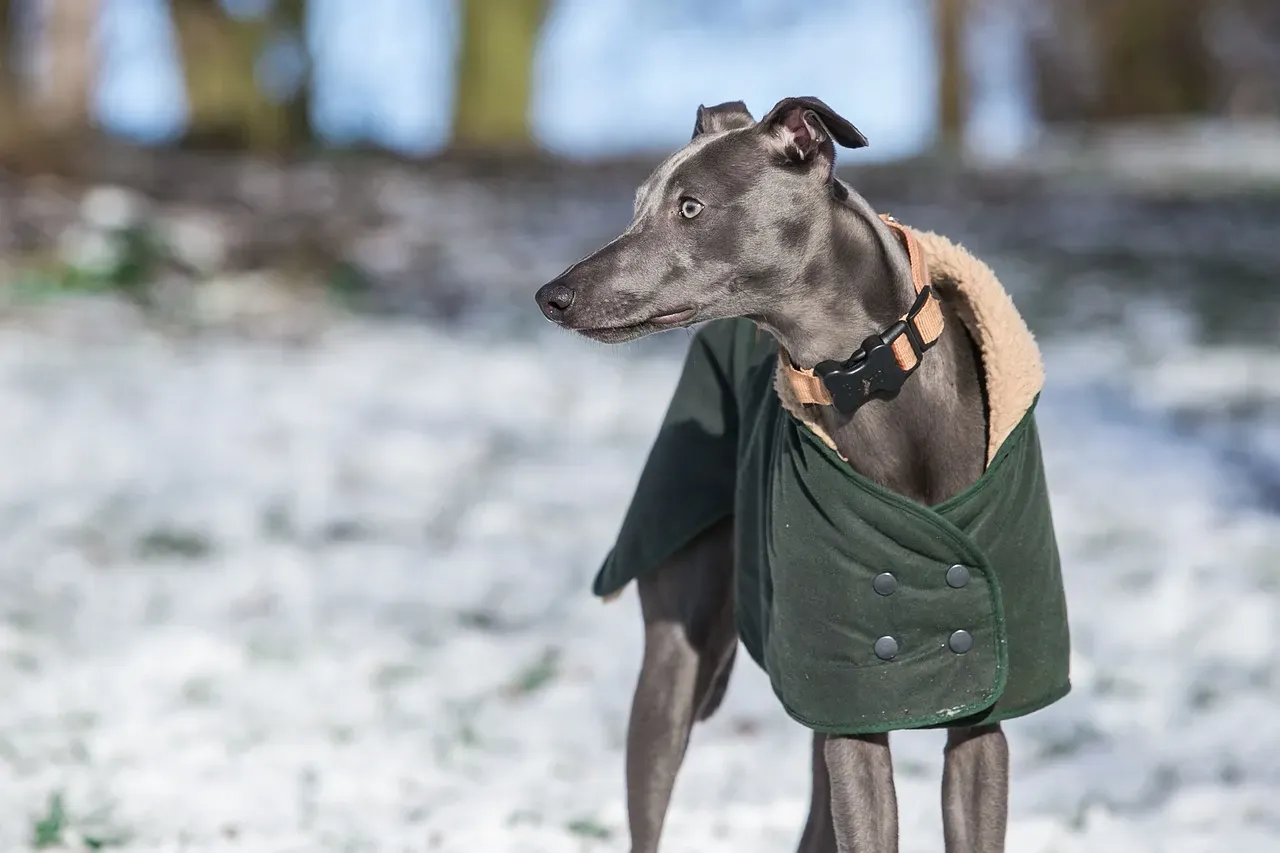
Whippets are like the Greyhound’s smaller, slightly more portable cousin, and they tend to share that quiet, low-drama personality. Indoors, they are typically calm, affectionate, and inclined to follow you from room to room without demanding constant attention. Many Whippets are content to curl against your side while you binge a series or get lost in a book, hardly making a sound.
They’re known for being sensitive dogs who don’t respond well to harsh voices or chaotic environments, which oddly makes them a perfect fit for soft-spoken homebodies. Their vocalizations are usually minimal; if a Whippet barks, it often means something is genuinely worth checking out. Give them a cozy blanket, a few daily walks, and some gentle play, and they’ll settle into your quiet lifestyle with ease.
3. Cavalier King Charles Spaniel – The Sweet, Soft-Spoken Companion

Cavaliers are often labeled as the ultimate lap dogs, and for good reason. They were literally bred to keep people company indoors, and they excel at being mellow, affectionate companions for those who prefer a quiet evening in. While some individuals will bark when excited or if the doorbell rings, as a group they are not known for constant, piercing vocalizing.
What makes them so ideal for bookworms is their balance of affection and calm. A Cavalier will happily curl up beside you or even on your lap for long stretches, content with soft petting and a tranquil atmosphere. They usually need only moderate exercise and a consistent routine; in return, you get a dog whose main goal seems to be to keep you company without disrupting your peace.
4. Basset Hound – The Low-Rider With a Laid-Back Attitude
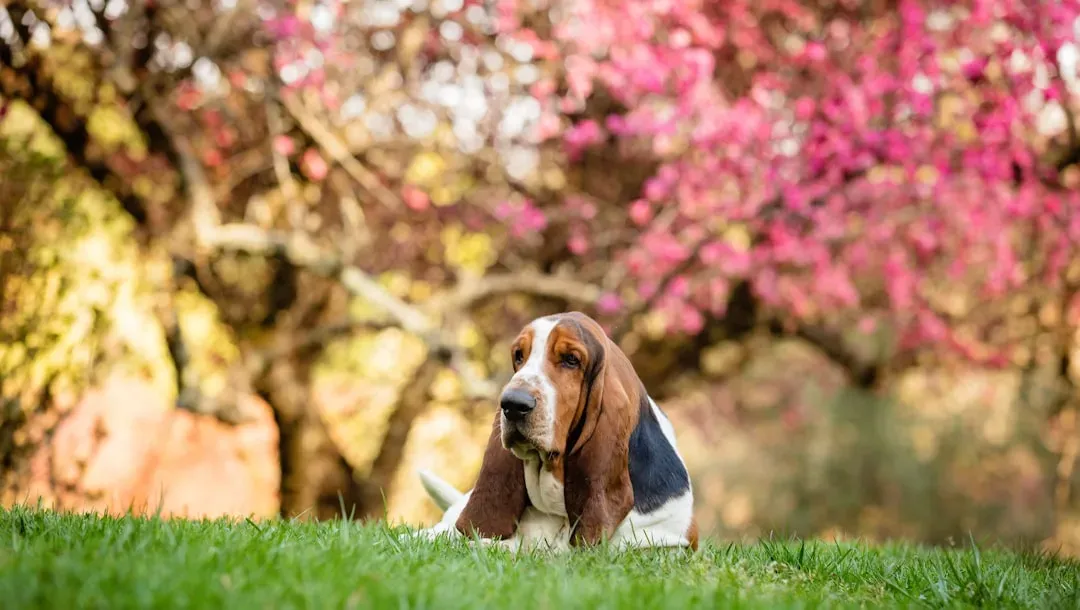
With their droopy ears and mournful eyes, Basset Hounds look like old philosophers who have seen everything and are mildly unimpressed. Behind that expression is a dog that tends to be calm, slow-moving, and perfectly content to nap away large parts of the day. They are scent hounds, so they can vocalize with deep baying if excited outdoors, but in many homes they’re surprisingly quiet and unhurried.
For a homebody, a Basset can feel like a relaxed roommate who rarely raises their voice. They do need regular walks to keep them at a healthy weight, but they are not high-octane or clingy in the way some breeds can be. If you like the idea of a dog that will plod along beside you, then flop on the rug like a sleepy log while you read, a Basset Hound can be a wonderfully mellow match.
5. Shiba Inu – The Reserved Minimalist (With Opinions)
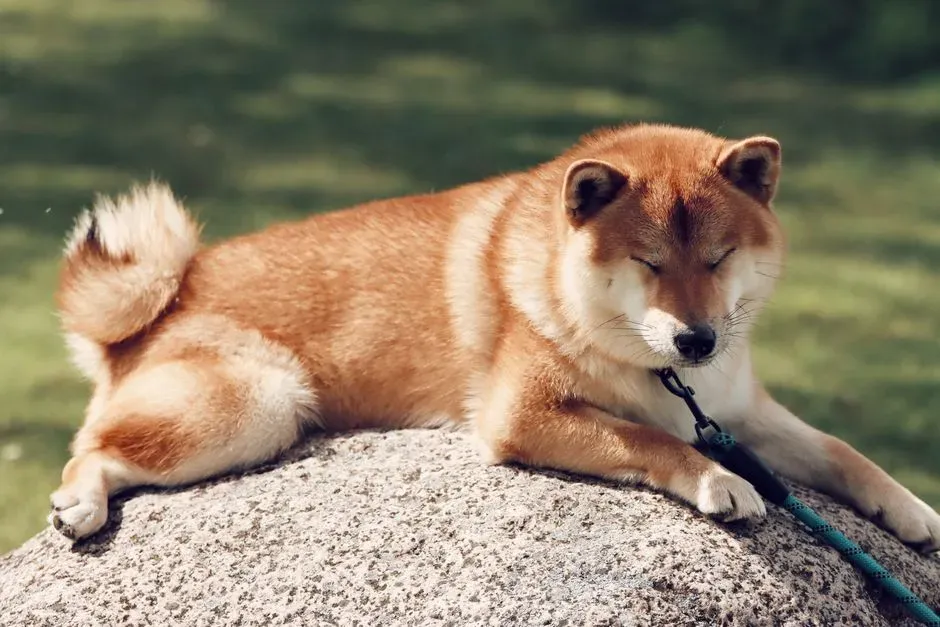
Shiba Inus are known for their independence and foxlike appearance, and they tend to be less vocal than many small to medium companion breeds. In a calm, predictable home, a Shiba may go most of the day with little more than the occasional huff or quiet alert bark. They are often more reserved than clingy, which suits introverts who want a dog that shares space rather than demands it nonstop.
That said, Shibas are also known for their dramatic “scream” when truly upset or unhappy, so good training and gentle handling are important from the start. Day to day, though, a well-adjusted Shiba is typically calm, clean, and not prone to non-stop barking at every sound. Think of them as the roommate who values personal space, appreciates routine, and mostly wants everyone to keep the volume down.
6. Great Dane – The Giant Gentle Introvert
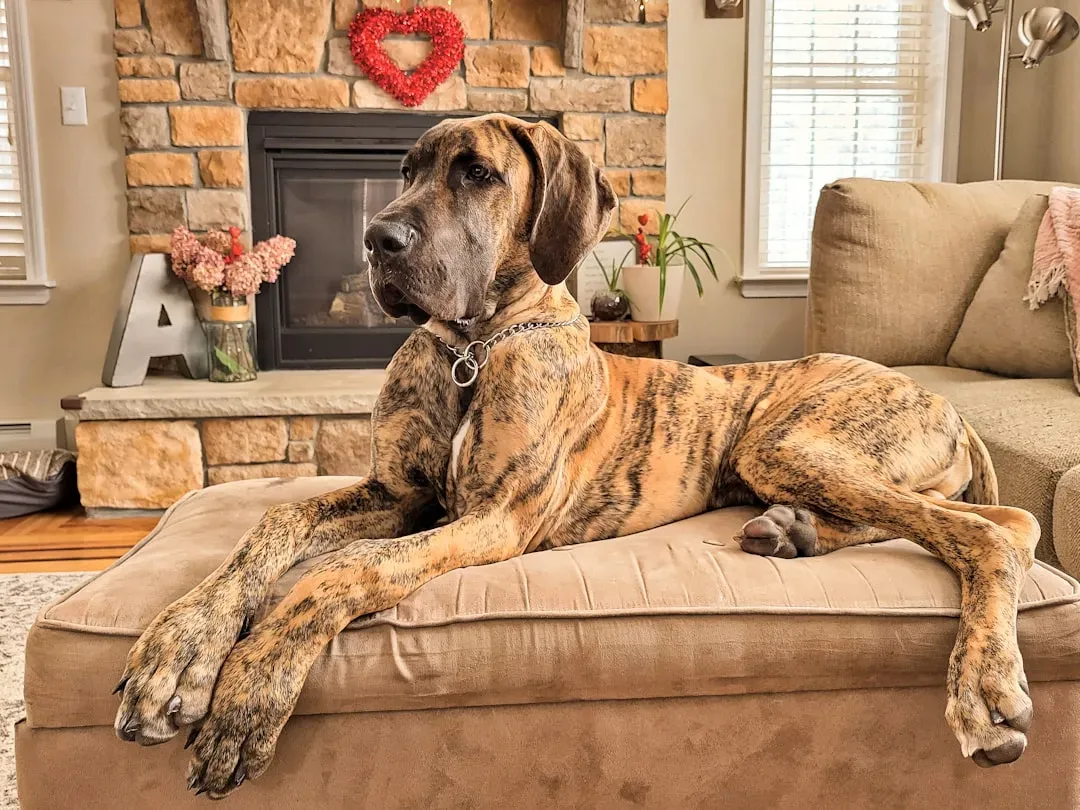
Despite their intimidating size, Great Danes are often sensitive, affectionate, and surprisingly quiet dogs. Many are couch potatoes at heart, preferring to lean their massive bodies against you while you sit and read, turning your living room into a peaceful, slightly oversized cuddle den. They are not known for constant yapping; when a Great Dane barks, you tend to pay attention simply because of the depth of the sound.
For homebodies with enough space and a budget for big-dog care, a Dane can be an incredible, low-noise companion. They do need daily walks and joint-friendly movement, but they’re not endurance athletes and often happily settle once their exercise needs are met. Sharing your quiet life with such a large but gentle soul can feel oddly grounding, like having a calm, protective presence always nearby.
7. French Bulldog – The Quiet Comedian of the Sofa

French Bulldogs have become wildly popular for a reason: they tend to be playful, people-oriented, and surprisingly content with apartment living. While they can snort and snuffle due to their short noses, many are not excessive barkers compared with other small breeds. They’d often rather clown around with you for a bit and then nap than stand at the window barking for an hour.
If you want a dog that can make you laugh without overwhelming your space with noise, a Frenchie can hit that sweet spot. They usually adapt quickly to routines and can thrive in calm homes where they get plenty of affection and short walks. For book lovers, a French Bulldog might be that funny friend who makes a few jokes, then falls asleep halfway through the movie snuggled beside you.
8. Shih Tzu – The Regal Lap Lounger

Shih Tzus were bred for life in palaces, which mostly involved looking adorable while hanging out indoors for long stretches. That history shows in their personality: many are friendly, people-focused, and quite satisfied with a relatively low-energy lifestyle. While any dog can bark if bored or poorly trained, as a group Shih Tzus are often less inclined to be nonstop noise-makers if they feel secure and included.
For homebodies who love a bit of glamour, a Shih Tzu can be like a tiny, fluffy roommate who is always up for a cuddle. They enjoy being close without needing constant high-intensity play or adventure. Keep their coat properly groomed, offer them a cozy spot near wherever you sit, and they’ll often spend hours snoozing peacefully while you read or work from home.
9. Basenji – The “Barkless” Dog With Subtle Voices
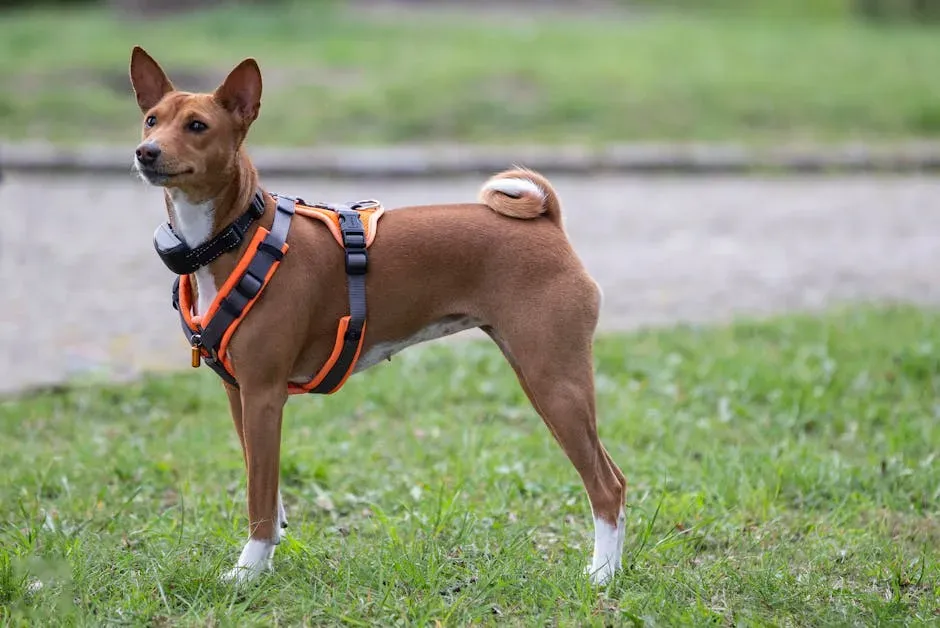
The Basenji is famous for being called a barkless dog; anatomically, they can produce sound, but their vocal style is very different from a typical bark. Instead, they may yodel, chortle, or make low, unusual noises, and many individuals are much quieter day to day than classic guard or companion breeds. For people who want to limit traditional barking, this can make a huge difference in the feel of their home.
That said, Basenjis are not low-energy. They’re bright, athletic, and curious, needing mental and physical stimulation to prevent boredom. For a homebody who enjoys structured walks, puzzle toys, and clear routines, a Basenji can offer the best of both worlds: a relatively quiet acoustic footprint combined with a clever, engaging personality. It’s like sharing your reading nook with an intelligent, mischievous fox who mostly respects your need for quiet.
10. Japanese Chin – The Feather-Light Companion
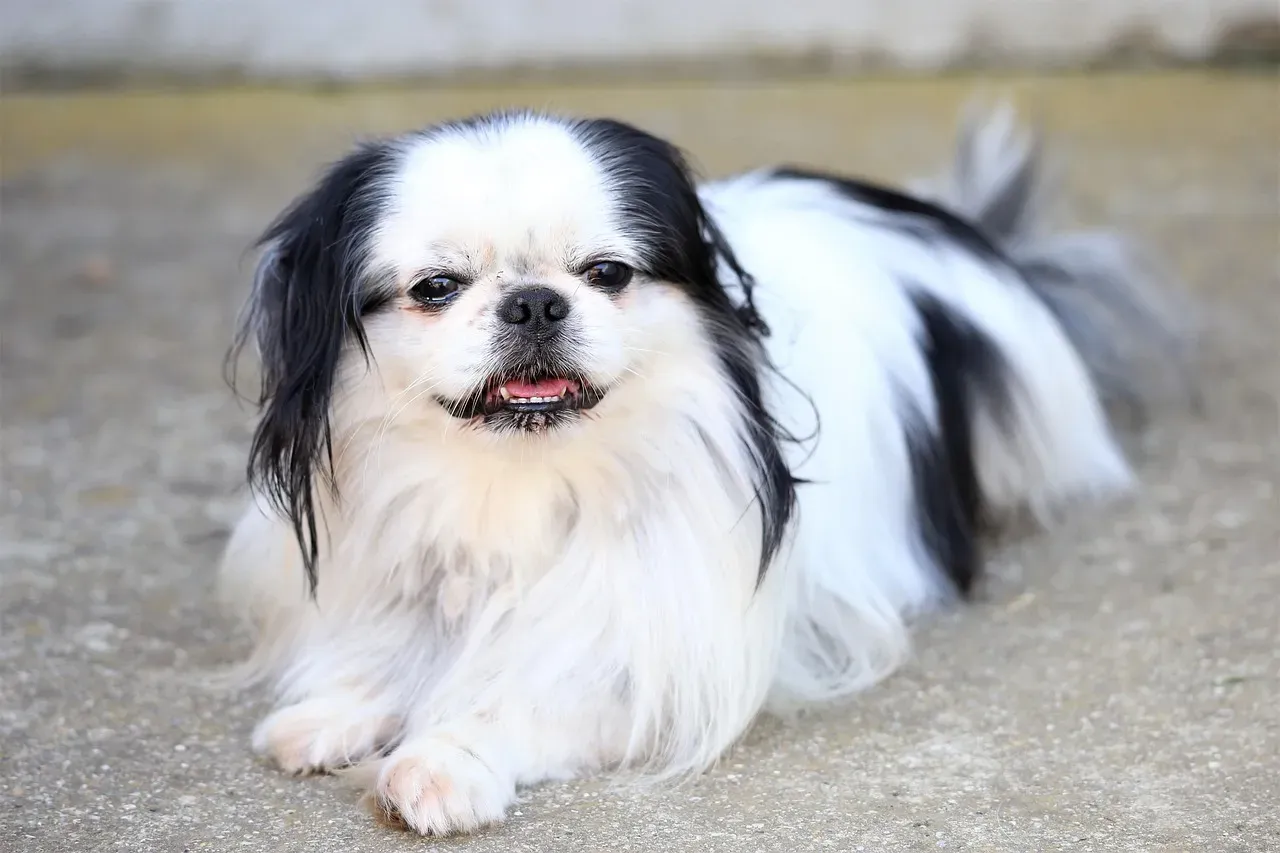
Japanese Chins are small, elegant toy dogs known for their soft expressions and almost feline grace. Many are gentle and mild-mannered indoors, preferring to perch on the back of a sofa or next to you on a chair, observing the world in near silence. While they can and do bark at times, they’re often less insistent and less intense than many other toy breeds when properly socialized.
For bookworms, a Chin can feel like a tiny, watchful spirit in the house, always nearby but rarely disruptive. They usually enjoy short play sessions and modest walks, not marathon outings or chaotic environments. If you picture yourself reading while a small, silky dog quietly rests on your lap like a warm, breathing scarf, the Japanese Chin fits that image remarkably well.
11. Newfoundland – The Calm, Weighted Blanket on Four Legs
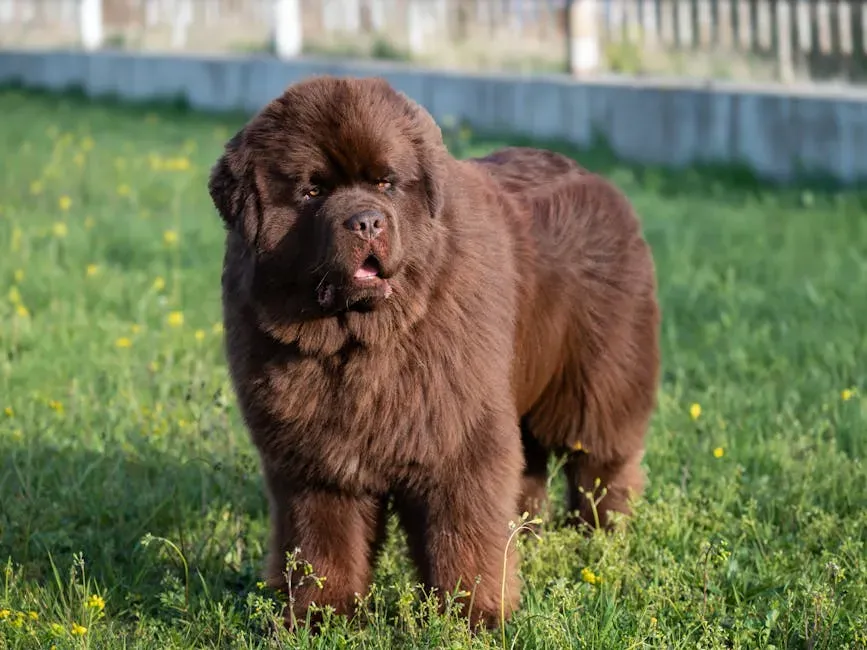
Newfoundlands are large working dogs originally bred for water rescue, but in a family home they are often strikingly gentle and calm. Their size alone discourages frantic zooming indoors, and many are described as patient, tolerant, and slow to anger. They are generally not nonstop barkers; when they vocalize, it tends to be purposeful rather than constant background noise.
For a homebody who likes the feeling of a big, steady presence, a Newfoundland can be deeply comforting. They do need regular exercise and careful grooming, plus plenty of space and attention to their health needs. In a quiet home that can provide all that, they often settle into an almost meditative rhythm, lying near your chair like an enormous living pillow as you read, work, or simply enjoy a calm evening.
12. Bernese Mountain Dog – The Gentle, Low-Key Family Introvert
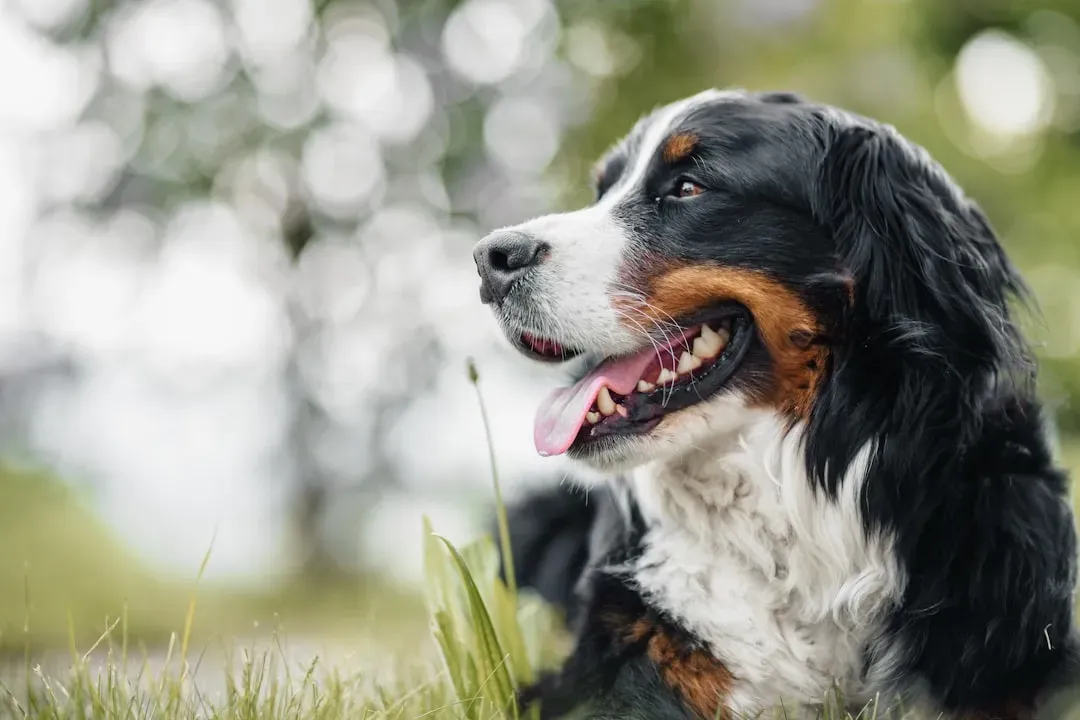
Bernese Mountain Dogs are known for their sweet, steady temperament and devotion to their people. While they are big, they’re not typically hyperactive, especially as they mature; many prefer to be near their family in a relaxed way rather than constantly racing around. They can bark as watchdogs, but with training and a stable environment, they’re often quieter than many smaller, more reactive breeds.
For bookish folks or homebodies who still want a dog that can join family hikes or leisurely outdoor time, a Berner can be a balanced option. They like being involved, but they don’t usually demand chaos or noise to feel fulfilled. Imagine reading on a porch while a large, tri-colored dog lies at your feet, occasionally glancing up as if to check you are still okay – that is the typical Bernese presence at its best.
Conclusion – Quiet Dogs, Quiet Lives, and Choosing What Fits You

Living with a quiet dog is less about finding a mythical “silent” breed and more about matching energy levels, temperament, and lifestyle. Every dog can bark; what matters is whether their natural tendencies align with your preference for calm, unhurried days and soft evenings. Personally, I’ve always gravitated toward those catlike dogs that communicate with a look or a sigh instead of a constant soundtrack, and it changes the whole atmosphere of a home.
When you picture your ideal weekend – maybe coffee, a blanket, and a book – ask yourself which of these breeds you can actually see curled up beside you, content to be part of your quiet routine. With the right match and good training, your dog becomes less a source of noise and more a peaceful presence woven into your daily life. Out of these twelve, which one feels like it was secretly designed for your favorite reading corner?


