
Big life changes have a way of shaking everything loose. New jobs, breakups, moving cities, becoming a parent, losing someone you love – they all mess with your routines and your sense of who you are. In the middle of that chaos, your dog is still trotting over with a toy or curling up against your leg like nothing has changed, and somehow that makes everything feel just a little more survivable.
There’s something quietly radical about the way dogs handle our transitions. They don’t need a five‑year plan, a mood board, or a podcast about reinvention. They just show up for us, in small, consistent ways that anchor our nervous systems and our hearts. Let’s walk through fifteen specific kinds of life transitions and the subtle, often surprising ways your dog helped you get to the other side.
1. When You Moved to a New City and Knew No One

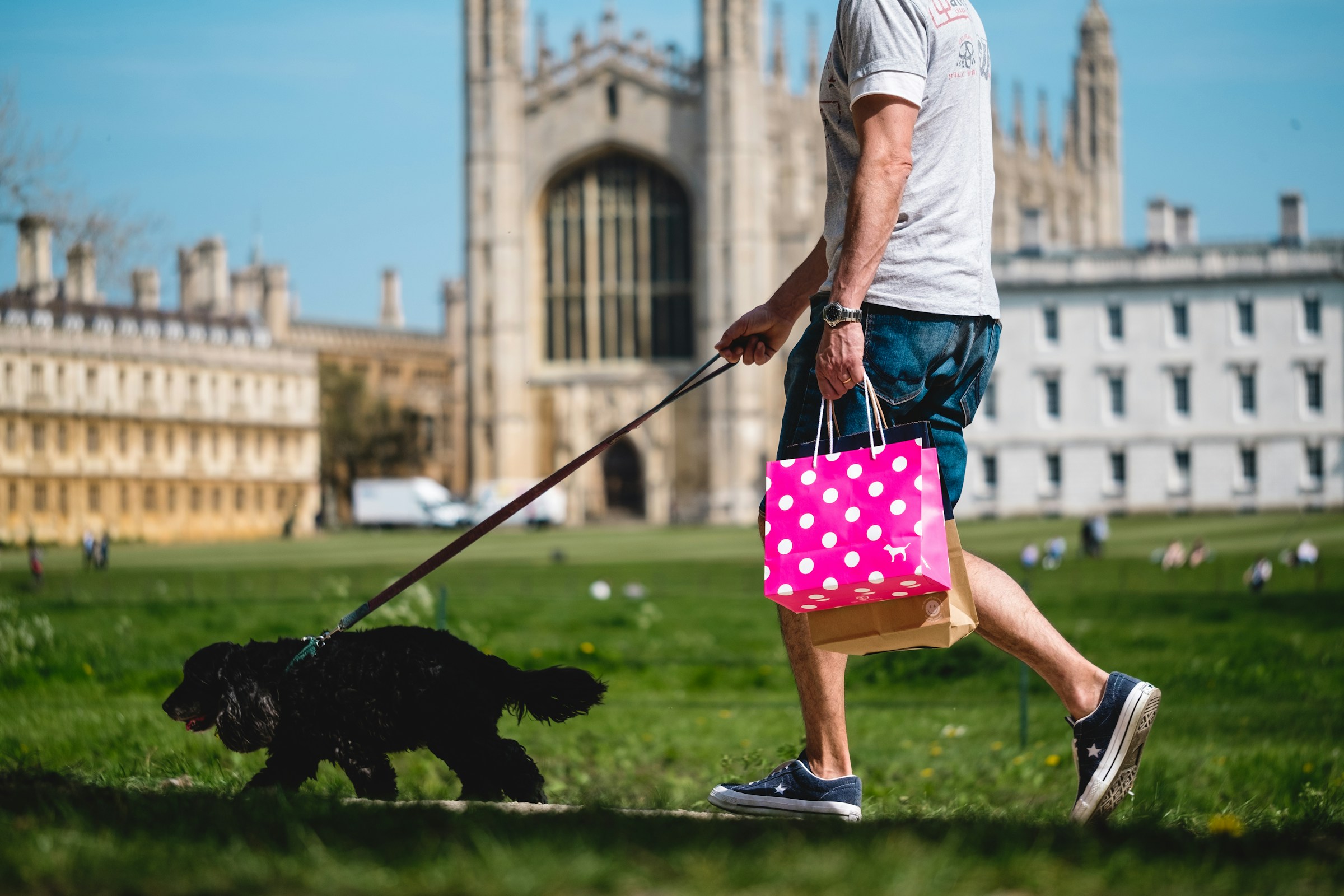
Moving to a new city can feel like being dropped onto a strange planet: new streets, new sounds, new everything. In those first weeks, your dog quietly gave you a reason to step outside instead of hiding in your half‑unpacked apartment. Regular walks turned into tiny adventures, as you discovered parks, back streets, and coffee shops together.
Psychologically, that daily routine is a stabilizer; having at least one predictable anchor reduces stress hormones and helps your brain adapt to change more smoothly. Your dog also made you more approachable to strangers, because people are far more likely to start a casual conversation with someone walking a dog than someone walking alone. Before long, the barista knew your dog’s name, the neighbor waved at you both, and the city started feeling less like a maze and more like a map you were slowly filling in together.
2. When You Went Through a Breakup or Divorce
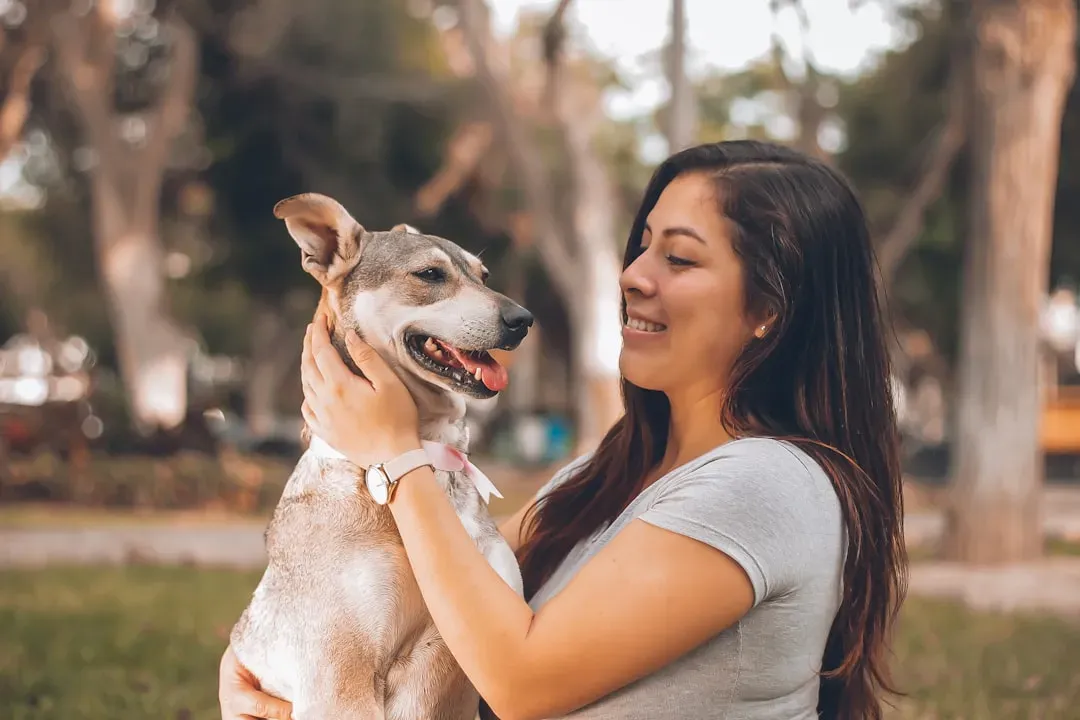
A breakup or divorce rips a hole in your daily life. Suddenly, routines built around another person vanish, and the silence after that last door slam can be deafening. Your dog filled that silence with the soft rhythm of breathing, the jingle of tags, the thump of a tail on the couch. That simple, constant presence stopped your home from feeling completely empty.
On your worst days, when eating and showering felt like Olympic events, your dog quietly forced you to keep going. You had to get up to feed them, to take them out, to refill the water bowl. That gentle obligation is not small; having even one living being rely on you can pull you back from emotional free fall and reconnect you to a sense of purpose long before your heart feels ready to heal.
3. When You Changed Jobs or Started a New Career
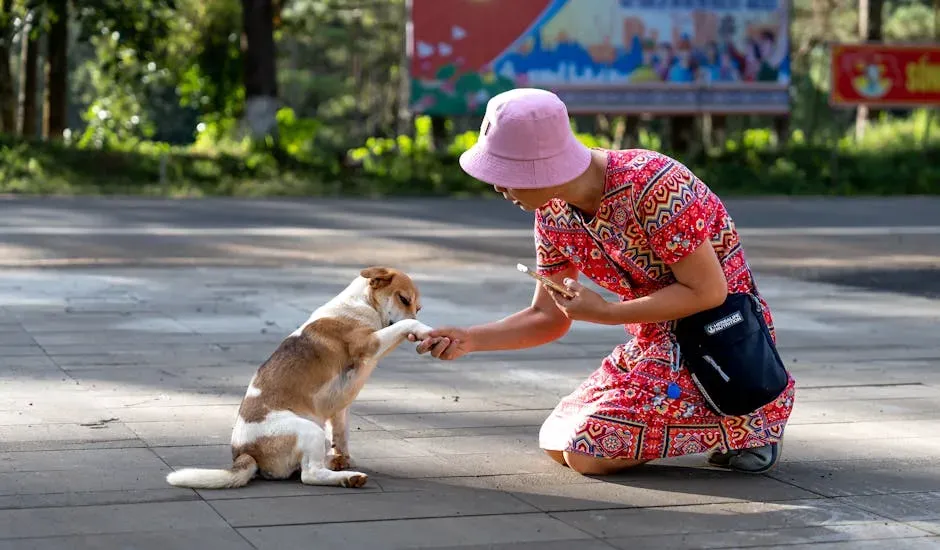
Career transitions are sneaky stressful. Even when you wanted the change, your brain is working overtime: learning new systems, new names, new politics. You come home mentally drained, eyes buzzing from screens and back‑to‑back meetings. Meanwhile, your dog does the simplest and most powerful thing: they greet you like you’re the best thing that has happened all day.
That ritual welcome floods your nervous system with comfort and familiarity, which helps offset the cognitive overload of a new job. Instead of endlessly rehashing every awkward introduction or mistake, you’re pulled into the very physical, very present moment of walks, play, or just lying on the floor together. Your dog does not care about your title, your performance review, or how impressive your LinkedIn looks – and that reminder can be grounding when your identity feels tangled up in your career.
4. When You Left Home for College or Moved Out for the First Time
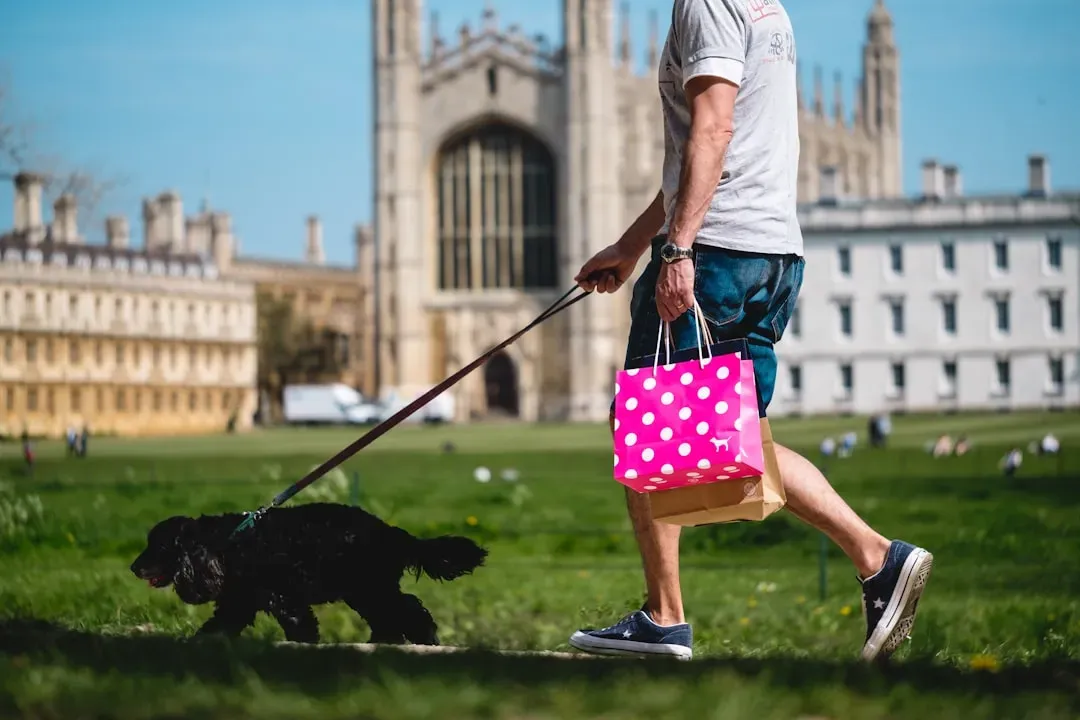
Leaving home for the first time is a strange combination of freedom and grief. You’re excited to be on your own, but you’ve also quietly lost the everyday background of family sounds and familiar smells. If you were lucky enough to bring a dog or adopt one soon after, they became a walking piece of home in a brand‑new environment.
Even if you couldn’t take your childhood dog with you, video calls featuring a wagging tail or a familiar bark helped bridge the emotional distance. And many students or first‑time movers who adopt a dog discover that the responsibility of care helps them build adult routines: waking up on time, budgeting for food and vet care, and balancing study or work with daily walks. In that way, the dog becomes a gentle tutor in adulthood – not through lectures, but through morning zoomies and scheduled potty breaks.
5. When You Welcomed a New Baby into the Family
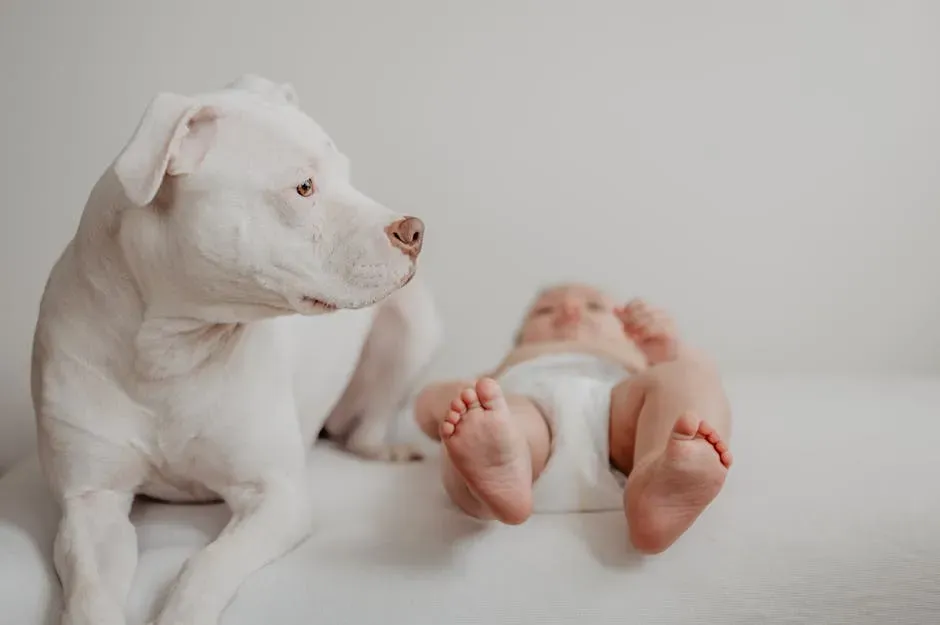
Adding a baby to the mix is one of the biggest life transitions there is. Sleep disappears, schedules explode, and your identity shifts overnight. In the middle of that tidal wave, your dog often becomes both a steady constant and an unexpected teammate. While you count baby breaths, your dog curls up at your feet, creating a small island of familiarity in a sea of newness.
As routines settle, the dog often helps regulate the household’s rhythm: family walks become a sanity saver, fresh air for everyone, including a stir‑crazy parent. Many new parents also find emotional comfort in the quieter bond they maintain with their dog; while the world seems to focus only on the baby, your dog still looks at you the way they always have, reminding you that you’re more than just a sleep‑deprived feeding machine.
6. When You Lost Someone You Loved

Grief is a kind of emotional vertigo. Time feels warped, your appetite disappears, and familiar places suddenly hurt. Dogs do not understand the details of loss, but they respond to our emotional state with surprising sensitivity. They sit closer, follow us room to room, or rest their head on our lap in a quiet, insistent offer of company.
In those days when words feel useless, a dog’s nonverbal comfort can be easier to accept than well‑meaning advice from humans. The simple acts of feeding, grooming, and walking your dog introduce tiny pockets of structure into days that can otherwise blur together. Some people later say that caring for their dog during that period was one of the few things that gave them a reason to get out of bed, and kept their grief from hardening into full isolation.
7. When You Struggled with Anxiety or Depression
Anxiety and depression often spike around times of change: new roles, financial uncertainty, health worries. While a dog is never a substitute for professional help, many people experience their pets as a kind of everyday emotional support. Research has found that interacting with a dog can lower stress markers and boost feelings of calm and connection, which matters a lot when your thoughts feel like a tangled knot.
Beyond biochemistry, there is the practical side: dogs live in the now. They need walks, meals, playtime, and bathroom breaks on a regular schedule. That routine can gently structure your day when your motivation is shot. Instead of spiraling from bed to phone to guilt, you have a built‑in reason to go outside, get some sunlight, and engage with the world beyond your own worries – even if it’s just for fifteen minutes at a time.
8. When You Started or Ended a Long‑Term Relationship
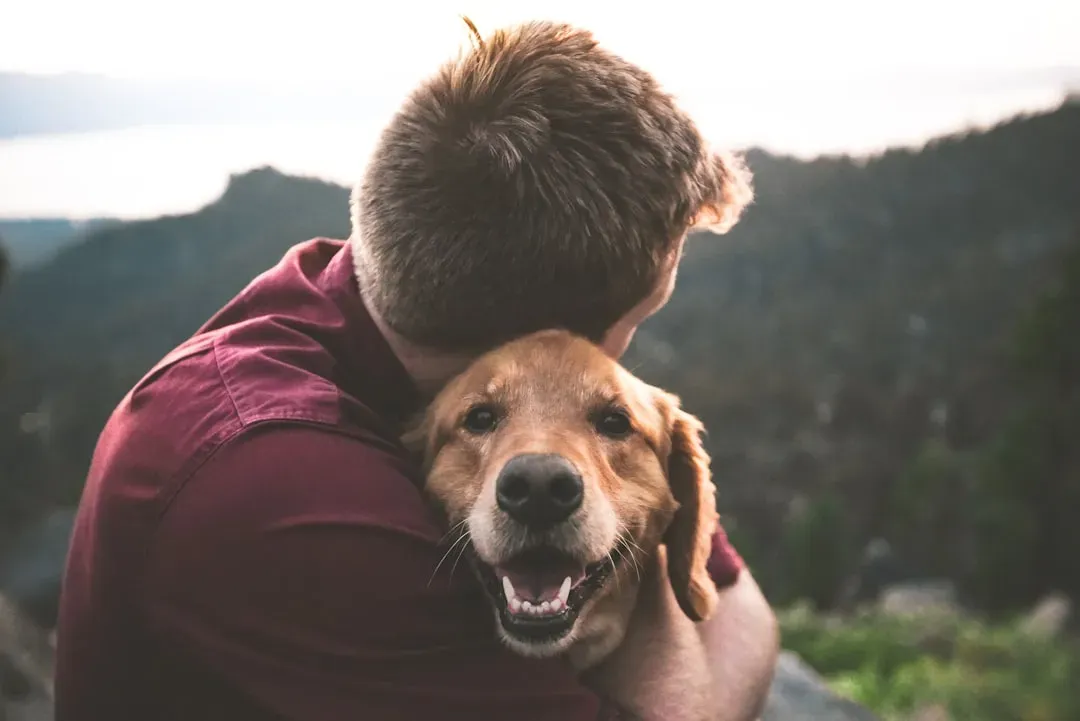
New relationships can be thrilling, but they also push you out of your comfort zone. Introducing someone new into your life is easier with a dog nearby, both practically and emotionally. Dogs help soften social edges; there is something disarming about a playful pup insisting on being petted that breaks through awkwardness and small talk.
On the other side, when a long‑term relationship ends, your dog provides continuity in a life that suddenly looks different. The two of you might move to a smaller place, change up walking routes, or split time differently, but at the core, the bond remains. That continuity reinforces an important message during relational upheaval: people may come and go, but not all love is temporary.
9. When You Faced a Health Scare or Chronic Illness
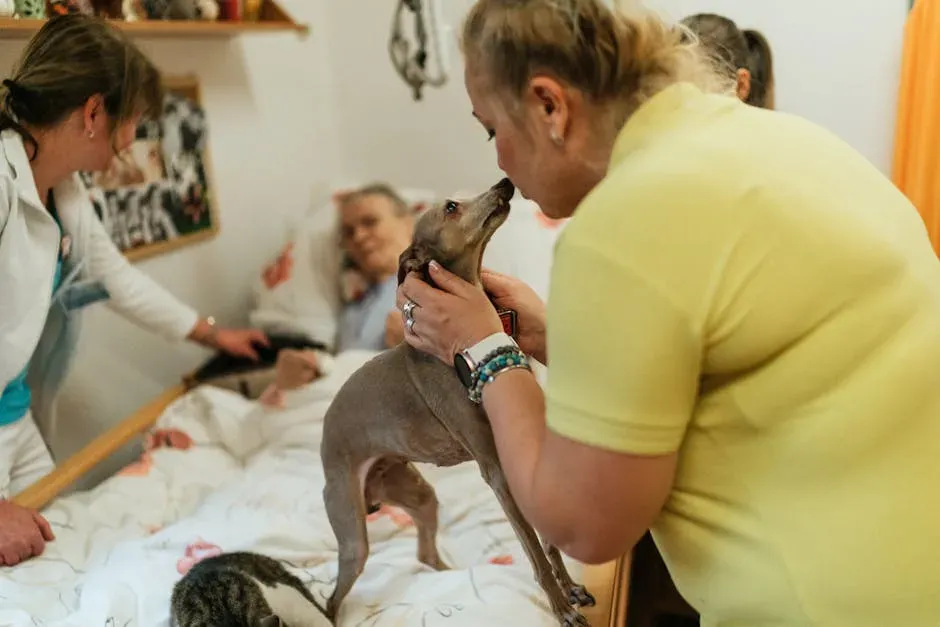
Whether it’s a sudden diagnosis or a chronic condition creeping into center stage, health changes are deeply destabilizing. Pain, fatigue, and fear can make you feel disconnected from your own body. Dogs often sense when something is off and adjust their behavior, becoming calmer, gentler, or simply more present beside you on the couch or bed.
For many people, caring for a dog during illness provides a sense of agency when so much else feels out of control. You might not be able to control test results or treatment timelines, but you can still pour kibble into a bowl, softly brush fur, or sit in the sun together. Those small acts of care reinforce that you are still capable of giving love and creating comfort, even while you receive care yourself.
10. When You Retired or Changed Your Daily Rhythm
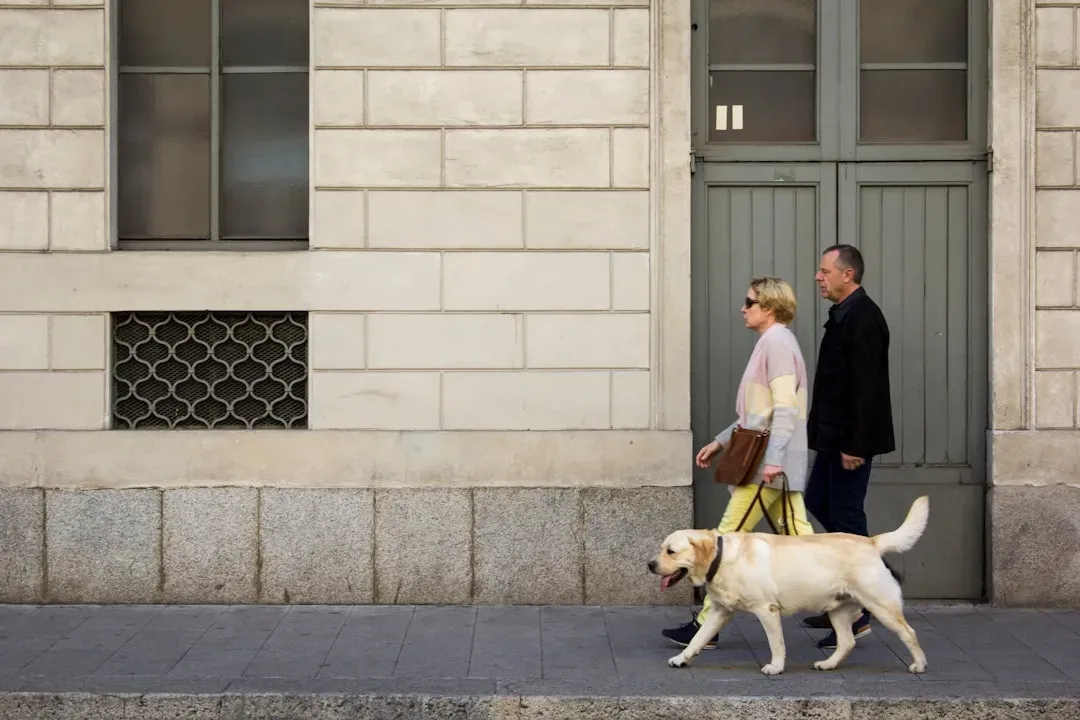
Retirement sounds like freedom on paper, but in reality, it can feel like jumping off a moving train. Overnight, the structure that organized your days disappears, and questions about identity surface: without the job, who am I? A dog helps fill that sudden blank space with meaningful routines – morning walks instead of morning commutes, play breaks instead of meetings.
Beyond schedule, dogs’ need for movement and stimulation nudges retirees or anyone shifting to a slower rhythm to stay active and socially engaged. Trips to the park or dog‑friendly spots create casual opportunities for conversation and connection, which can buffer against loneliness that sometimes creeps in after big lifestyle changes. Your dog does not care that you are no longer “important” at work; to them, you are still the center of their universe.
11. When You Moved in with a Partner or Got Married

Moving in with someone or getting married is often framed as pure joy, but the reality includes negotiation, compromise, and the awkward merging of two personal ecosystems. A dog can become a shared project that brings you closer. Whether it’s deciding who handles morning walks, agreeing on training rules, or choosing the best food, you are building teamwork around a living, loving creature who benefits from your cooperation.
At the same time, your dog may notice the heightened emotions and act as a living pressure valve. In tense moments, a goofy play bow or insistence on belly rubs can break the ice in a way no carefully chosen words can. That third presence in the home quietly reminds both of you that you are not just negotiating chores and closet space; you are also building a small family unit, tail and all.
12. When You Downsized or Decluttered Your Life
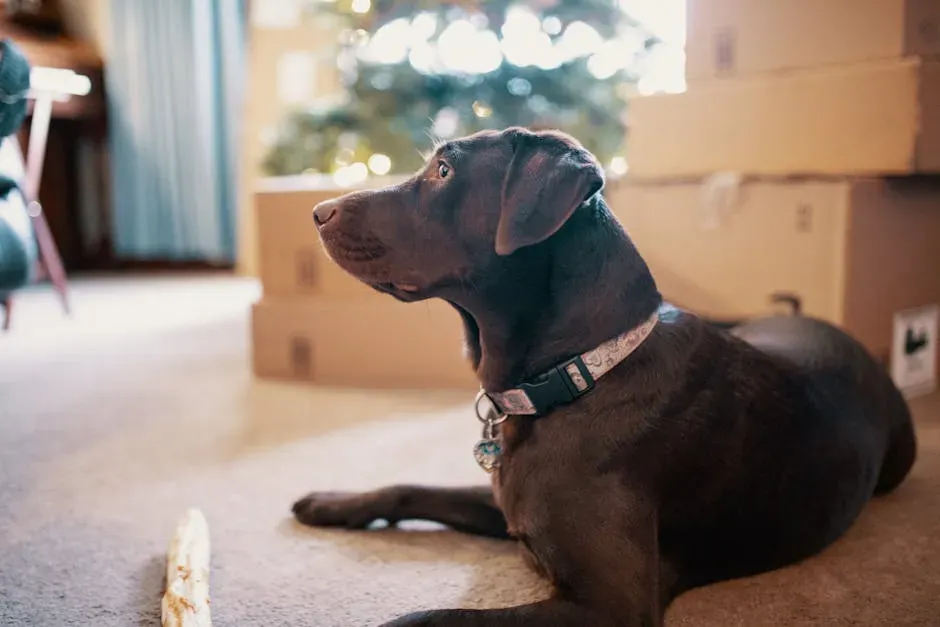
Downsizing – whether by choice or necessity – can stir up unexpected grief. Letting go of furniture, memorabilia, or even a longtime home can feel like peeling off layers of your identity. In the middle of sorting boxes and arguing with yourself about what to keep, your dog sprawls in the middle of the chaos as if to say that, from their perspective, the essentials are still here.
That living reminder is powerful: to your dog, your presence, your smell, your voice, and a safe place to sleep matter far more than square footage or decor. Walking your dog through an emptier house or into a smaller apartment can initially feel bittersweet, but as they sniff every corner, claim the new couch, and settle into new routines, they model an attitude humans often struggle with – adapting to the space without attaching their worth to its size.
13. When You Took a Risk on a Big Dream
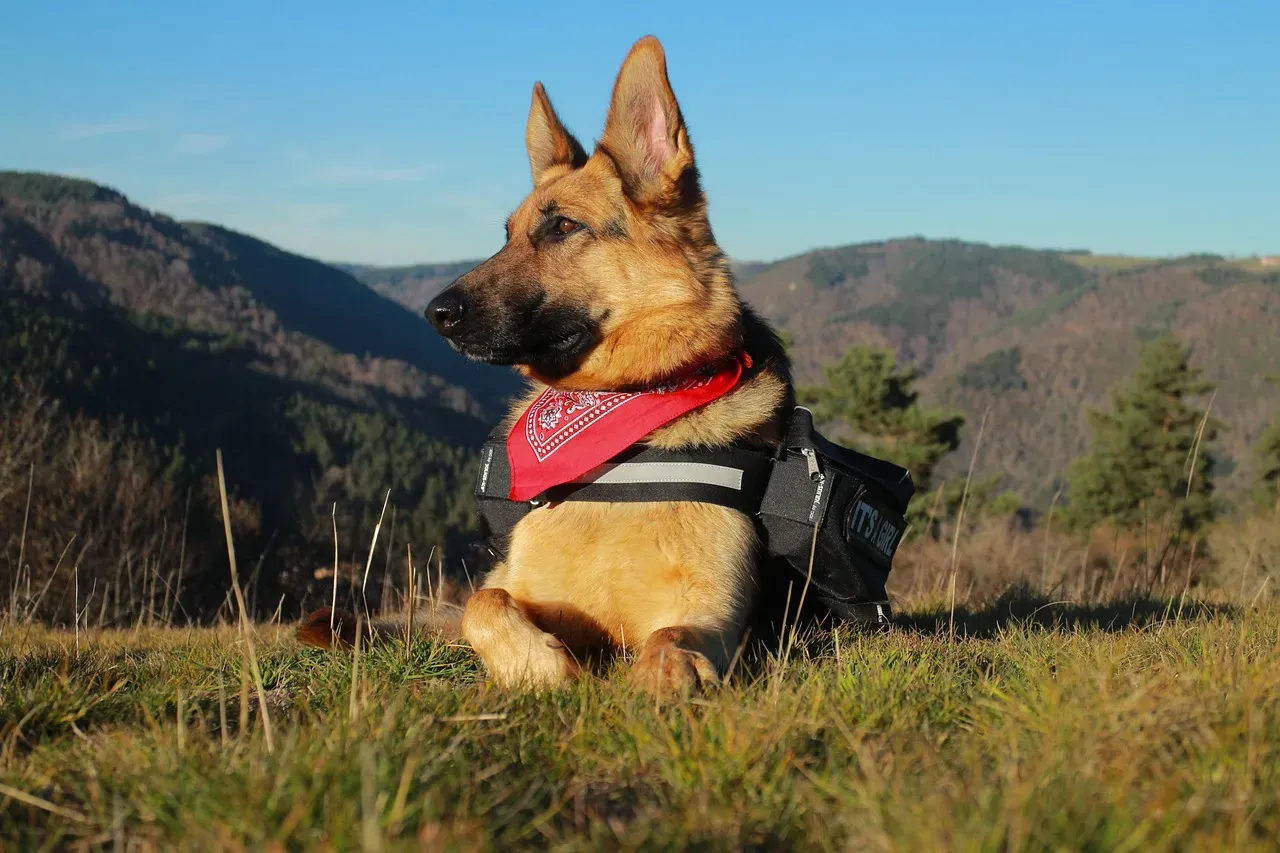
Quitting a safe job to start a business, going back to school mid‑career, moving abroad to chase an opportunity – big dreams come with big uncertainty. On the days when self‑doubt is loud and external validation is scarce, your dog offers a kind of stubborn, unwavering belief in you. They do not care if your project is currently making money or if your side hustle looks ridiculous on paper.
Living with a dog keeps you tethered to small, daily wins while you chase something much larger. You may spend the day wrestling complex problems or battling imposter syndrome, but then you step outside with your dog and celebrate the very simple success of a good game of fetch or a long sniff walk. That contrast keeps your nervous system from living permanently at the edge of panic and reminds you that life is more than just your latest risk.
14. When You Experienced Financial Ups and Downs

Money stress can quietly seep into every part of life, especially during transitions like job loss, career shifts, or unexpected expenses. While finances are ultimately a human problem to solve, dogs influence the emotional climate in which you face those challenges. Their needs are straightforward: food, safety, attention, stimulation. They do not judge you for driving an older car or skipping fancy vacations.
At the same time, being responsible for a dog during lean times can sharpen your sense of priorities. You might trim nonessential spending, but you still budget for food and care because their wellbeing matters deeply. That act of choosing to care for another being, even when things are tight, reinforces your own values and can keep fear from hardening into cynicism.
15. When You Realized You Yourself Were Changing
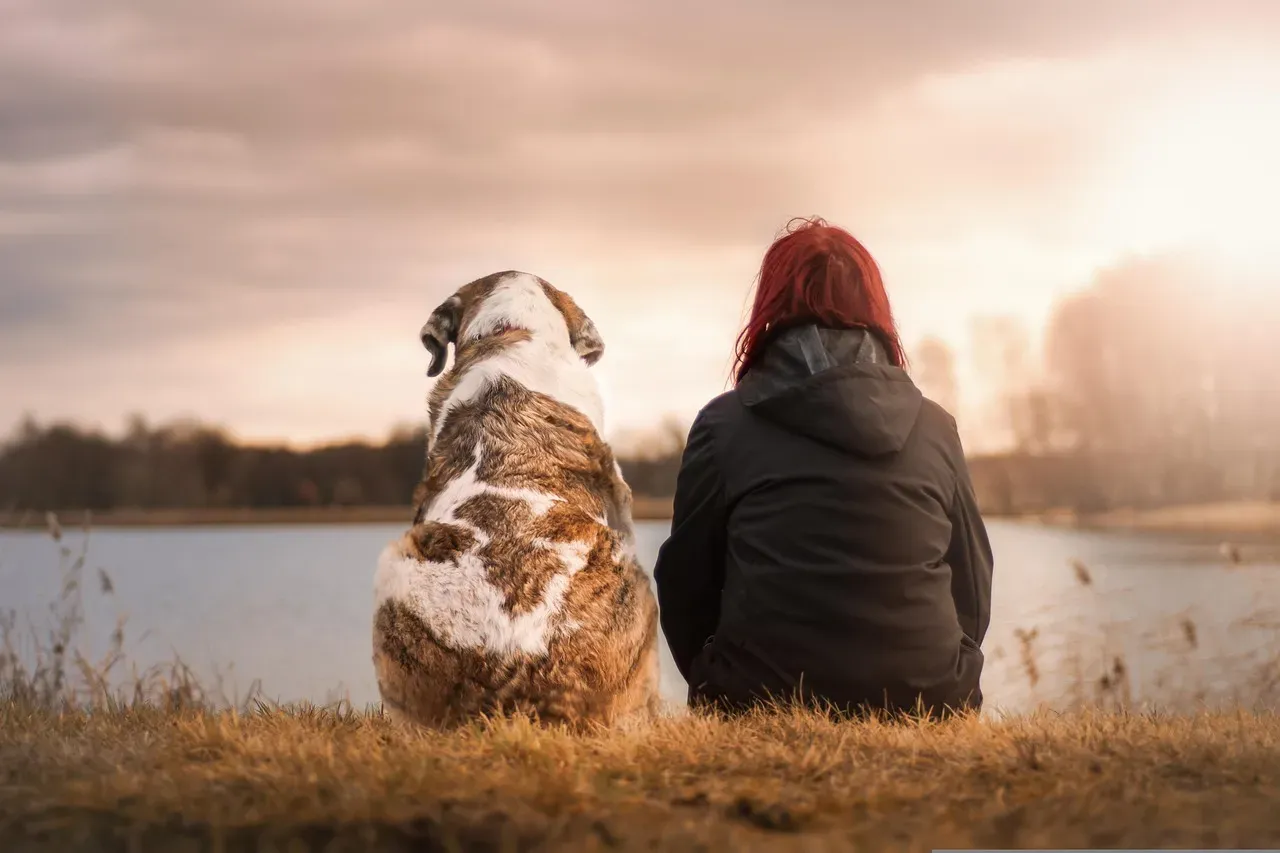
Sometimes the biggest transition isn’t an external event but an internal shift: you outgrow a version of yourself, change your beliefs, or start healing from something old. Identity transitions are messy, and they rarely come with clear timelines. Through all of that, your dog relates to you in the most uncomplicated way possible: they respond to how you treat them right now, not who you were five years ago.
As you experiment with new habits, new boundaries, or new ways of being in the world, your dog’s steady affection becomes a kind of emotional north star. They do not get confused if you start saying no more often or if you prioritize rest over constant hustle; they simply adapt to the new rhythm. That uncomplicated acceptance can make it easier to accept yourself, flaws and all, as a work in progress rather than a finished product.
Conclusion: The Quiet Hero of Your Plot Twists
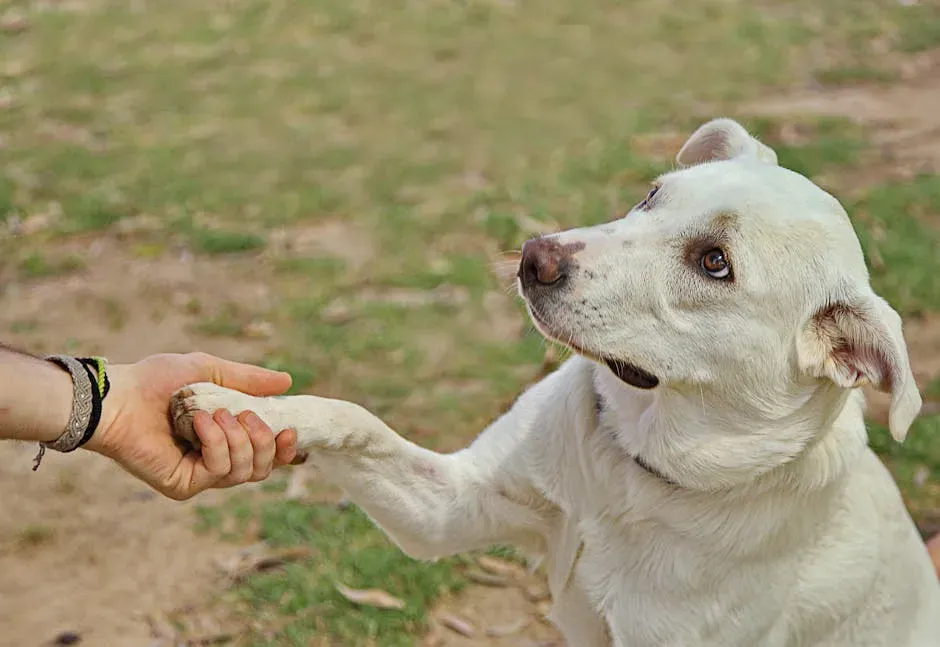
When you zoom out on your life story, it’s easy to focus on the big human milestones: degrees, jobs, relationships, addresses, health events. But running quietly through all those plot twists is a four‑legged constant who sat beside you through midnight tears, celebrated your strange victories, and forced you to touch grass – literally and emotionally – when everything else felt like it was spinning.
I’m convinced that one of the most underrated stabilizers in modern life is the presence of a dog who loves you with zero interest in your status or success. They keep you grounded in the present, tethered to your body, and connected to something soft and uncomplicated when the rest of life feels sharp and conditional. Next time you’re in the middle of a transition and your dog nudges your hand or drops a slobbery toy in your lap, it might be worth asking yourself: in a world obsessed with reinvention, is this quiet, steady love the most important constant you have?


